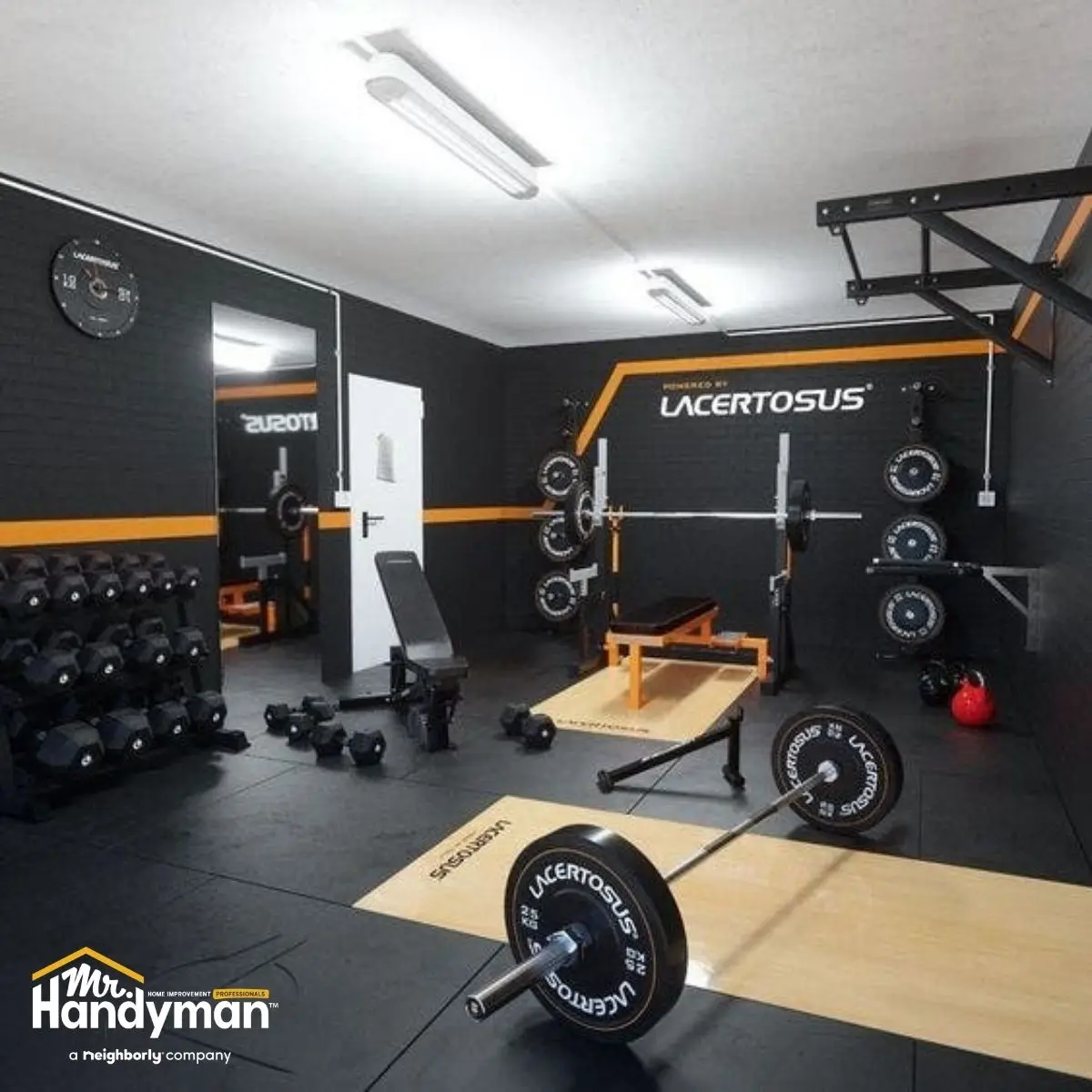
First impressions in fitness facilities form within seconds. Members walking through the entrance scan walls, floors, equipment, and surfaces instinctively, building an overall impression of cleanliness, professionalism, and care. A facility can have state-of-the-art equipment, excellent programming, and friendly staff, but scuffed walls, chipped paint around door frames, and dingy baseboards undermine everything else. Paint condition communicates maintenance standards more loudly than most facility managers realize. Members may not consciously identify peeling paint as the reason they feel less motivated or less confident in a facility, but the subconscious impression it creates influences their experience and ultimately their decision to renew.
Fitness facilities in Easton, Bethlehem, Nazareth, and Allentown face accelerated paint deterioration compared to most commercial environments. Members move through spaces continuously during operating hours, brushing walls with bags and equipment, bumping surfaces with weights and accessories, and creating the kind of incidental contact that leaves marks, scuffs, and chips across high-traffic areas. Weight rooms experience impact damage from plates and dumbbells that occasionally contact walls. Cardio areas accumulate moisture from perspiration that softens paint finishes over time. Group fitness studios with mirrored walls and hard floors create acoustic environments where sound bounces off surfaces, and those same hard surfaces show every mark and scuff with unforgiving clarity.
Older commercial buildings throughout the Lehigh Valley add another layer of complexity. Properties converted from retail or industrial use often have walls with multiple layers of paint applied over decades, creating surfaces that chip and peel differently than properly prepared and primed walls. High humidity from member activity accelerates paint failure in facilities without adequate ventilation. Temperature fluctuations between seasons cause expansion and contraction in wall surfaces that stress paint adhesion. Understanding these regional and facility-specific factors helps prioritize where touch-up painting delivers the most impact and why professional application produces results that last longer than quick fixes applied without proper preparation.
Where Paint Deteriorates Fastest in Gym Environments
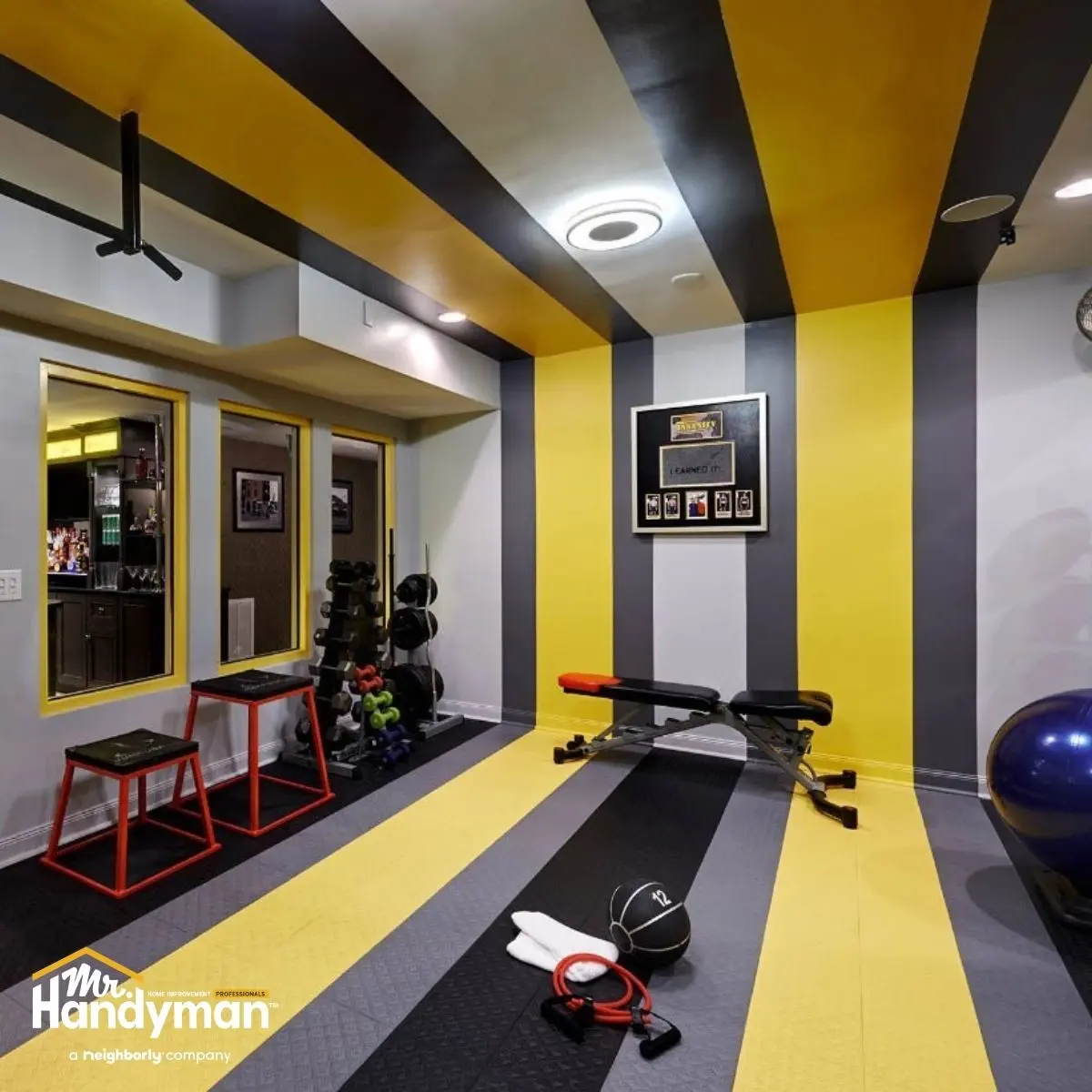
Not all walls in a fitness facility deteriorate at the same rate. Identifying the highest-impact areas focuses maintenance efforts where they create the most visible improvement and prevents resources from being spread too thin across the entire facility.
Entrance lobbies and reception areas receive the highest concentration of member traffic and create the first impression that sets expectations for the entire visit. Walls near door frames accumulate scuffs from bags and hands pushing through. Areas behind reception desks show marks from chairs, equipment, and daily staff activity. Baseboards in lobbies collect shoe scuffs and cleaning equipment marks. These areas benefit from the most frequent touch-up attention because they're seen by every member on every visit and deterioration here undermines the overall perception of quality before members even reach the workout floor.
Weight rooms and strength training areas experience the most aggressive paint damage. Plates leaned against walls leave circular marks and chips. Cable attachment points on walls accumulate contact marks. Corners in weight rooms where members store equipment between sets collect scuffs and damage at baseboard level. The combination of physical impact, high humidity from exertion, and chalk dust in facilities that allow its use creates conditions where paint fails faster than anywhere else in the building. Touch-up painting in weight rooms requires durable finishes that can withstand repeated cleaning without losing appearance.
Locker rooms and changing areas present unique challenges. High humidity from showers and changing creates conditions where paint adhesion fails more quickly than in dry areas. Moisture-related paint failures including bubbling, peeling, and mold growth behind paint surfaces indicate inadequate ventilation or moisture barrier issues that need addressing before touch-ups will hold. Using appropriate moisture-resistant paint in these areas and addressing underlying moisture problems ensures touch-up work lasts and doesn't recur within months.
Hallways and transition spaces between workout areas show linear wear patterns where members brush walls while carrying equipment or moving between spaces. These long wall surfaces develop streaks, scuff marks, and gradual discoloration that make entire corridors look neglected. Touch-up painting in hallways benefits from selecting finishes with adequate sheen to resist marking and allow cleaning without paint removal.
Why Touch-Ups Require More Than a Brush and Leftover Paint
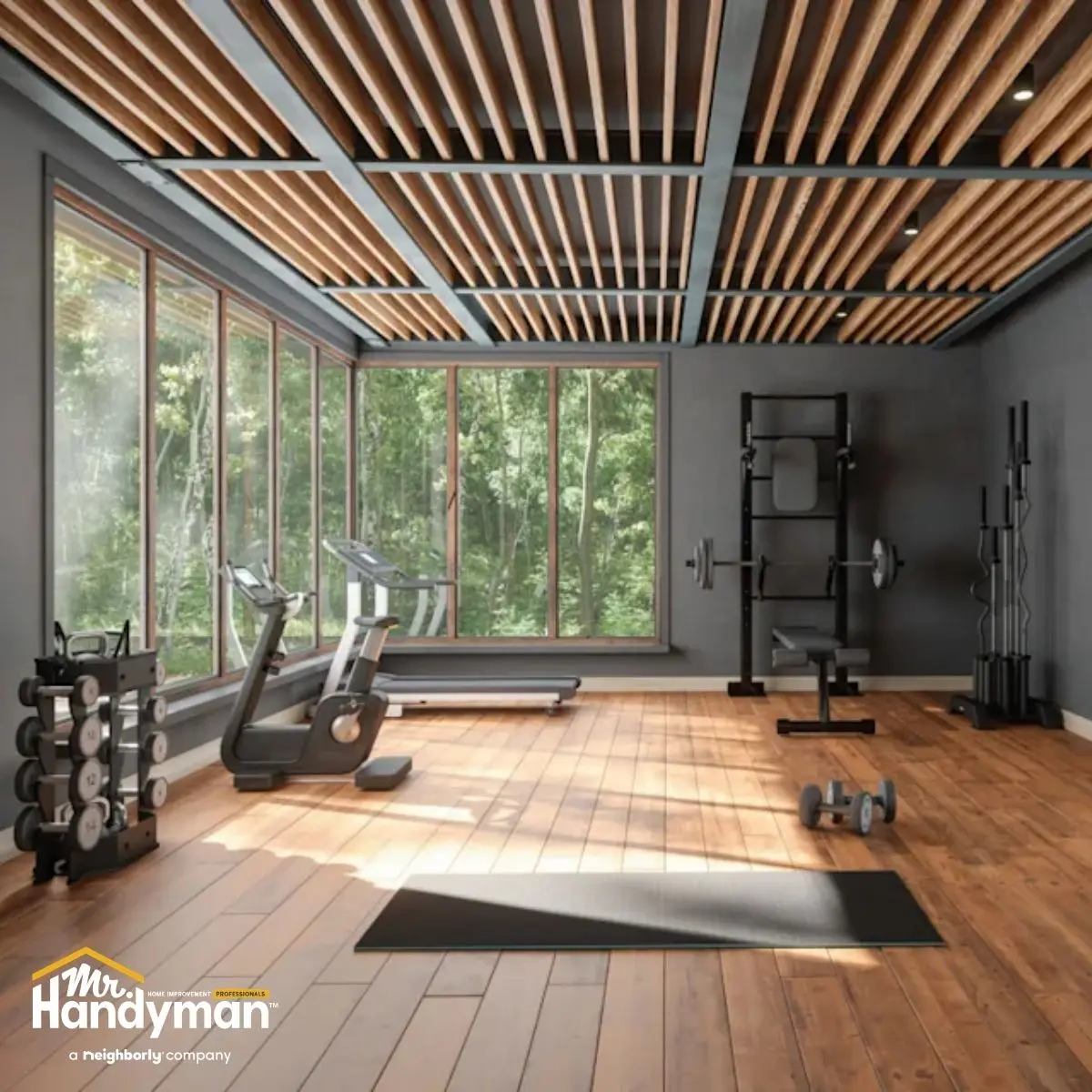
The quality difference between professional paint touch-ups and quick fixes applied by maintenance staff without proper technique is visible immediately and becomes more pronounced over time. Touch-ups done incorrectly stand out more than the damage they were meant to fix, drawing attention to the repair rather than restoring the wall's appearance.
Color matching is the most technically demanding aspect of touch-up painting. Paint colors change over time due to UV exposure, cleaning chemicals, and oxidation. A paint applied two years ago looks noticeably different from fresh paint of the same original color, even from the same manufacturer with the same formula. Professional touch-up work accounts for this color shift by testing color matches in inconspicuous areas, adjusting formulas when necessary, and feathering edges to blend new paint with surrounding surfaces rather than creating visible boundaries between old and new application.
Surface preparation determines whether touch-up paint adheres properly and lasts. Walls that have accumulated body oils, cleaning chemical residue, chalk dust, or rubber marks need cleaning and light sanding before paint application. Skipping preparation causes new paint to adhere poorly, which results in peeling within weeks. Chips and holes need filling with appropriate compounds, sanding smooth, and priming before topcoat application. Visible texture differences between repaired areas and surrounding wall surfaces indicate inadequate preparation that professional technique avoids.
Finish selection affects both appearance and durability. Flat finishes hide surface imperfections but mark easily and don't clean well. Eggshell and satin finishes balance appearance with cleanability, making them appropriate for most gym wall surfaces. Semi-gloss finishes work well in areas with high moisture exposure or where frequent cleaning is necessary. Using the wrong finish creates mismatches between touched-up areas and surrounding surfaces that draw the eye precisely where facility managers want no attention drawn.
Application technique influences how seamlessly touch-ups blend with existing surfaces. Rolling touch-ups onto large areas creates more uniform blending than brushing small spots. Feathering paint at the edges of repair areas rather than stopping at defined boundaries helps new paint merge visually with existing surfaces. Multiple thin coats produce better results than single thick applications that create texture differences or run marks. Professional painters apply these techniques automatically while maintenance staff applying touch-ups without training create results that often look worse than the original damage.
Member Experience and the Psychology of Facility Condition
The connection between facility appearance and member experience runs deeper than aesthetics. Research on environmental psychology consistently shows that people's behavior, motivation, and satisfaction are influenced by the physical condition of the spaces they occupy. Members who work out in well-maintained environments report higher motivation, better workout quality, and greater overall satisfaction than those in facilities showing visible deterioration—even when equipment quality and programming are identical.
Cleanliness and maintenance condition influence perceived value. Members evaluating whether their membership fee is justified compare what they receive against what they pay. Facilities with visible paint deterioration, scuffed walls, and general wear signal that management isn't investing in the member experience, which makes the membership fee feel less justified. Touch-up painting and consistent maintenance create environments where members feel their investment is respected and returned through quality facility conditions.
New member acquisition depends heavily on facility tours and first impressions. Prospective members touring facilities before joining make decisions based largely on what they see during that brief visit. Paint condition, cleanliness, and overall maintenance standards influence these decisions significantly. A facility with fresh, well-maintained walls projects professionalism and attention to detail. A facility with visible damage and deferred maintenance creates doubt about management priorities that prospective members carry into their decision-making.
Staff morale connects to facility condition in ways that ultimately affect member experience. Employees who work in environments that feel neglected develop lower engagement and pride in their workplace. Staff who feel management invests in facility appearance demonstrate higher job satisfaction and provide better member service. The relationship between physical environment quality and staff performance creates indirect benefits from paint maintenance that extend beyond the walls themselves.
Establishing a Touch-Up Painting Schedule
Reactive touch-up painting—fixing damage only after members or staff report it—allows deterioration to accumulate between repairs and creates uneven facility appearance. Proactive scheduling addresses paint conditions systematically before problems become prominent enough to affect member impressions.
Monthly walkthroughs of high-traffic areas identify developing paint issues before they become significant. Entrance lobbies, weight rooms, and hallways should receive attention most frequently. Documenting conditions with photographs creates records that track deterioration rates and help predict when areas will need more comprehensive repainting rather than touch-ups.
Quarterly touch-up sessions address accumulated damage across the facility before it reaches the point where members notice. Scheduling these sessions during low-traffic hours—early morning or late evening—minimizes disruption to member activity. Coordinating touch-up painting with other maintenance activities reduces the number of separate service visits and makes efficient use of professional time.
Annual comprehensive assessments evaluate overall paint condition and plan for full repainting of areas where touch-ups are no longer sufficient to maintain appearance that will help your business attract new clients. Areas that have been touched up repeatedly eventually reach a point where cumulative repairs create an inconsistent appearance that only full repainting resolves. Understanding this cycle and budgeting for it prevents deferred maintenance from compounding into larger expenses.
Frequently Asked Questions
How often should gym walls be professionally touched up?
High-traffic areas like entrances and weight rooms benefit from touch-ups every two to three months. Lower-traffic areas need attention every six months. Any visible damage should be addressed promptly rather than waiting for scheduled service.
Can maintenance staff handle touch-up painting or should it always be professional?
Basic touch-ups in low-visibility areas are manageable for trained maintenance staff with proper materials. High-visibility areas including lobbies, studios, and member-facing spaces benefit from professional technique that achieves seamless blending and lasting results.
Why does touch-up paint sometimes look worse than the original damage?
Mismatched color, incorrect finish, inadequate surface preparation, or poor application technique all cause touch-ups to stand out. Professional painters address each of these factors to produce results that blend rather than highlight repairs.
How long do professional touch-up repairs last in gym environments?
Properly prepared and applied touch-ups in moderate-traffic areas last one to two years. High-traffic and high-humidity areas like weight rooms and locker rooms need more frequent attention due to accelerated wear conditions.
Should gyms use special paint formulations for fitness facilities?
Yes. High-traffic areas benefit from paints with higher durability ratings and appropriate sheen levels that resist marking and allow cleaning. Locker rooms and wet areas require moisture-resistant formulations. Using standard residential paint in commercial gym environments leads to faster deterioration.
How do I match paint color on walls that haven't been repainted in several years?
Professional color matching services at paint suppliers can analyze existing wall color and formulate matches that account for aging. Testing matches in inconspicuous areas before committing to full touch-up application prevents visible mismatches in prominent locations.
Invest in Appearance That Members Notice Every Day
Paint condition shapes member experience continuously, influencing motivation, perceived value, and satisfaction every time members walk through the facility. Small touch-up repairs completed consistently prevent the accumulated deterioration that requires expensive full repainting and creates extended periods of substandard appearance. Facilities that prioritize paint maintenance demonstrate investment in the member experience that members notice and respond to through renewed memberships and positive recommendations.
Mr. Handyman of Easton, Bethlehem, Nazareth & Allentown provides professional paint touch-up and repair services for fitness facilities throughout the region. From color matching and surface preparation to application that blends seamlessly with existing finishes, we help facilities maintain the appearance standards that members expect and deserve.
Call us or visit https://www.mrhandyman.com/easton-e-bethlehem-nazareth/ to schedule paint touch-up services or request a facility assessment. Consistent paint maintenance is one of the most cost-effective investments a fitness facility can make in the member experience it delivers every day.