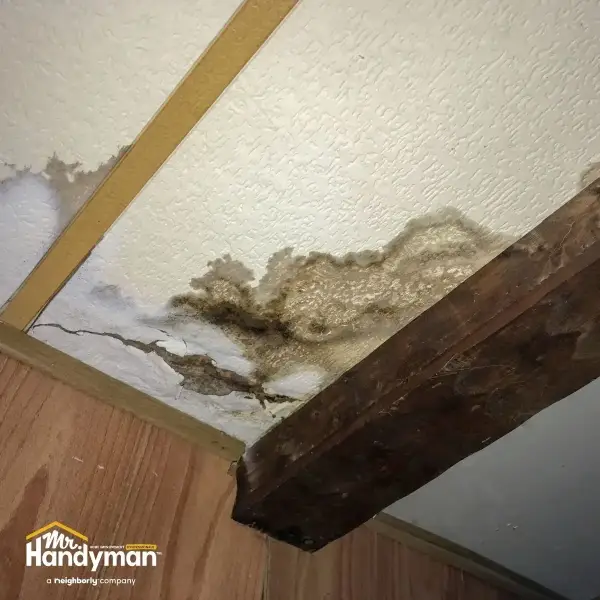
Water damage doesn't announce itself with floods and broken pipes. It whispers. A faint discoloration on the ceiling. A musty smell that lingers after you've cleaned. A baseboard that feels slightly softer than it should. By the time water damage becomes obvious, it's already been working behind your walls, under your floors, and inside your ceilings for weeks or months.
In West Virginia and Maryland, older homes and the region's dramatic seasonal swings make water intrusion particularly common. Homes built in the mid-20th century weren't designed with modern moisture barriers. Basements were dug into clay-heavy soil that holds water. Roofing materials age faster under freeze-thaw cycles. Summer humidity climbs, winter temperatures plunge, and spring rains test every seam, joint, and flashing on your property.
Understanding how to spot water damage early isn't about paranoia. It's about protecting your investment, your health, and your peace of mind. Small leaks become structural problems. Minor moisture becomes mold. A $200 repair becomes a $5,000 restoration if you miss the early signs.
Why Water Damage Starts Small and Grows Fast
Water follows the path of least resistance. It seeps through tiny cracks in mortar, wicks up through concrete, and travels along wood grain. It doesn't pool where you can see it right away. It hides in wall cavities, soaks into insulation, and saturates subflooring before you notice the surface symptoms.
The problem compounds because most building materials absorb water. Drywall acts like a sponge. Wood swells and softens. Insulation holds moisture against framing. Once water gets into these materials, it doesn't evaporate quickly, especially in spaces with poor ventilation like crawl spaces, attics, and interior walls.
In this region, older homes often have settling foundations, original plumbing that's decades past its expected lifespan, and roofing systems that have been patched repeatedly. Every one of these factors creates entry points for water. A hairline crack in a foundation becomes a seep during heavy rain. A corroded pipe joint drips inside a wall for months before you notice a stain. A missing shingle lets water under the roof deck during a nor'easter.
Homeowners assume they'll see water damage when it happens. But by the time you see it, the damage has already progressed from "early" to "established." The key is learning to read the subtle signs that appear before the obvious ones.
Discoloration and Staining That Isn't Just Dirt
Water stains don't always look like water. They appear as yellowish-brown patches on ceilings, faint rings on walls, or darkened areas along baseboards. The discoloration comes from minerals in the water, tannins from wood, or contaminants the water picks up as it travels through your home's structure.
Ceilings are common places to spot early staining, especially near plumbing stacks, under bathrooms, or beneath roof valleys. The stain might start as a small, barely noticeable spot. Over time, it grows outward in irregular shapes. If the stain has a darker center and lighter edges, it's often a sign of active moisture, not an old leak that's dried out.
Wall stains near windows, doors, or exterior corners suggest water is getting in from outside. In older homes with wood siding or aging caulk, these stains often appear after sustained rain or during spring thaw. Basements and lower-level rooms show staining along the floor-wall joint, indicating groundwater pressure or poor exterior drainage.
What homeowners often miss is that staining doesn't always mean the water source is directly above or beside the stain. Water can travel horizontally along joists, down inside walls, or across sloped surfaces before it finally soaks through and becomes visible. A stain in the corner of a bedroom might be caused by a roof leak fifteen feet away.
Ignoring discoloration because "it's just a small spot" is how minor leaks become major problems. That small spot represents water that's already saturated insulation, soaked framing, and potentially created conditions for mold growth behind the surface.
Texture Changes You Can Feel Before You See
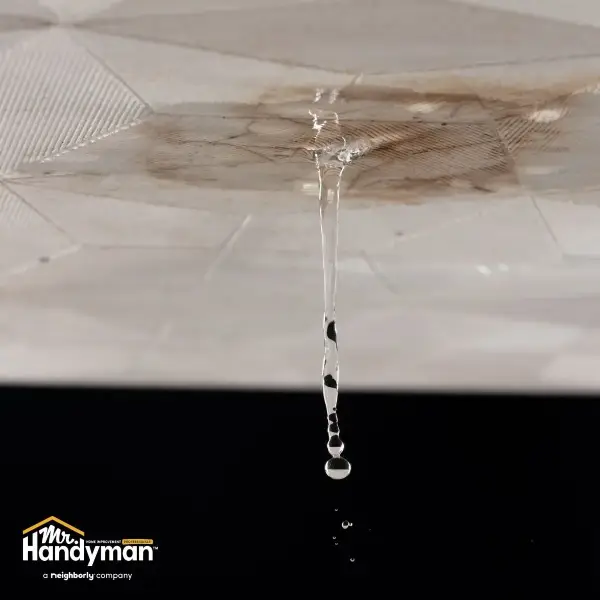
Run your hand along a wall near a window or exterior door. Does it feel slightly cooler than the rest of the wall? Does the paint feel tacky or soft? These texture changes indicate moisture inside the wall, even if there's no visible stain yet.
Drywall that's absorbed water often feels spongy or soft when you press on it. Paint may bubble or peel in small sections. Wallpaper lifts at the seams or develops wrinkles. These are all signs that moisture is present, even if the surface still looks relatively normal.
Wood trim, baseboards, and window sills also telegraph water damage through texture. Wood that's been wet will feel softer than dry wood. You might notice the grain is raised, or the surface feels rough even though it's painted. In severe cases, you can press your thumbnail into the wood and leave an indent, a clear sign that rot has started.
Floors are another place to check texture. Hardwood that's been exposed to moisture will cup, meaning the edges of the planks rise higher than the centers. Laminate flooring swells at the seams. Vinyl can develop soft spots where the subfloor underneath has absorbed water. Carpet may feel damp in certain areas, or it might dry out but leave behind a stiff, crunchy texture from dried minerals.
In crawl spaces and basements, check floor joists and sill plates. Wood that's been chronically damp feels punky, breaks apart easily, or crumbles when you press on it. This kind of damage doesn't happen overnight. It develops slowly, which is why catching the early signs before wood loses structural integrity matters.
Odors That Linger and Intensify
Musty smells are one of the earliest and most reliable indicators of hidden water damage. The odor comes from mold, mildew, and bacterial growth that thrive in damp environments. If a room smells off even after you've cleaned, there's likely moisture somewhere you can't see.
Basements, bathrooms, and laundry rooms are common sources of musty odors, but they shouldn't smell that way if everything is dry and properly ventilated. A persistent smell in these areas suggests water is accumulating somewhere, whether from condensation, a slow leak, or poor drainage.
Closets, especially those on exterior walls, can develop odors if moisture is seeping through the wall assembly. Attics might smell musty if roof leaks or inadequate ventilation allow humidity to build up. Even cabinets under sinks can develop odors if a drainpipe is leaking slowly or if the cabinet base has absorbed water from spills over time.
The smell often intensifies in humid weather or after rain. That's because increased moisture in the air reactivates mold spores and bacterial growth. If you notice the odor comes and goes with the weather, you're dealing with an ongoing moisture problem, not just something that got wet once and dried out.
Ignoring odors because you can't see the source is a mistake. Mold grows on the back side of drywall, inside wall cavities, under flooring, and in other hidden areas. By the time it's visible, the colony is well-established. The smell is your early warning.
Peeling, Bubbling, and Flaking Paint
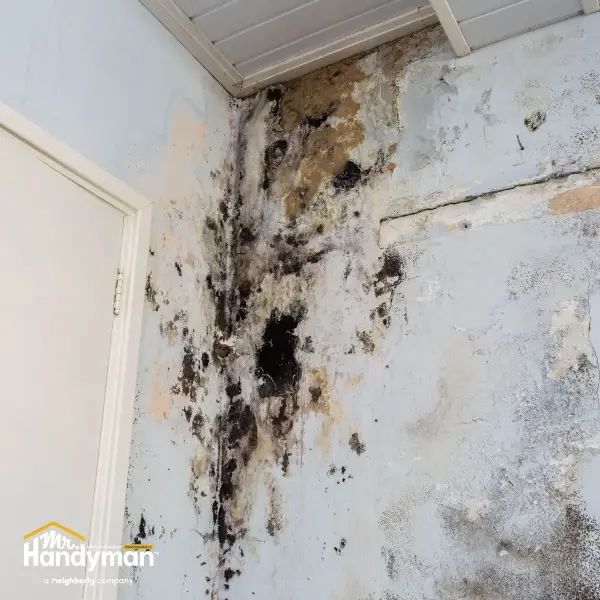
Paint is a moisture barrier, but it's not waterproof. When water gets behind paint, it breaks the bond between the paint and the surface. The result is peeling, bubbling, or flaking that starts small and spreads.
Bubbles in paint indicate water is trapped between the paint layer and the wall. The bubbles might be tiny at first, almost like blisters. Over time, they grow, pop, and leave behind flaking paint. This happens most often on exterior walls, around windows, near plumbing fixtures, and in areas with poor ventilation.
Peeling paint in bathrooms is sometimes dismissed as normal wear from steam and humidity. But if the paint is peeling near the tub, around the toilet, or on the ceiling, it's a sign that moisture levels are higher than the paint can handle. That excess moisture isn't just coming from showers. It might be coming from a leaking wax ring, a slow pipe leak, or inadequate ventilation that traps humidity.
In older homes, especially those built before the 1980s, paint formulations weren't as moisture-resistant as modern paints. That means even small amounts of moisture can cause failure. If you're repainting the same spots repeatedly and the paint keeps failing, you're treating the symptom, not the cause.
Exterior paint failure is also an important clue. If paint is peeling on one section of your home's exterior but not others, water is likely getting into the wall assembly at that location. Check for missing caulk, damaged siding, clogged gutters, or roof issues above the affected area.
Room-by-Room Warning Signs Homeowners Miss
Bathrooms: Beyond the Obvious Drips
Bathrooms generate more moisture than any other room, making them prime locations for hidden water damage. Most homeowners check for leaking faucets and running toilets, but the real problems hide where you're not looking.
Check the floor around the toilet base. If the caulk line is cracked or missing, water from condensation, cleaning, or minor overflows seeps underneath. Over time, this saturates the subfloor. The floor feels slightly soft when you step near the toilet. In severe cases, the toilet rocks slightly because the flange bolts have loosened as the subfloor deteriorates.
Grout lines in tile showers and tub surrounds are another common failure point. Once grout cracks or develops gaps, water seeps behind the tile and soaks into the wall substrate. You won't see this damage until tiles start loosening or the wall feels soft. If your grout lines look dirty no matter how much you scrub, they're probably compromised and letting water through.
Examine the caulk around tub and shower edges. It should form a continuous, flexible seal. If it's pulling away from the wall, cracked, or discolored, water is getting into the wall cavity every time you shower. In older homes with plaster walls or original tile work, this kind of intrusion leads to extensive hidden damage because the materials behind the tile aren't moisture-resistant.
Bathroom exhaust fans matter more than most people realize. If your fan is weak, noisy, or doesn't vent to the outside, humidity stays in the room and condenses on cooler surfaces like exterior walls, window frames, and ceilings. Over months and years, this condensation causes paint failure, wood rot, and mold growth.
Kitchens: Where Small Leaks Hide in Plain Sight
The cabinet under your kitchen sink is one of the most overlooked areas in a home. This is where supply lines, drain pipes, and garbage disposals all connect, and any one of them can develop slow leaks.
Open the cabinet and inspect the bottom. It should be clean and dry. If you see water rings, discoloration, or warping in the cabinet base, something has been leaking. Check the back wall of the cabinet, too. Water stains or a musty smell indicate a leak in the wall, possibly from plumbing that runs to an upstairs bathroom.
Dishwashers connect to both water supply and drain lines, and both connections can fail. The first sign is often moisture on the floor in front of the dishwasher, especially right after a cycle. Dishwashers also leak slowly from door seals or internal hose connections, and that water drips onto the subfloor beneath the unit where you can't see it. If the floor in front of your dishwasher feels softer than the rest of the kitchen, or if you notice a musty smell when you open the dishwasher door, there's likely hidden damage underneath.
Refrigerators with ice makers and water dispensers have supply lines that can crack, loosen, or develop pinhole leaks. Water pools behind or underneath the unit, soaking into flooring and potentially running along floor joists into adjacent rooms. If you pull your refrigerator out and find water, staining, or mold on the floor or wall behind it, you've been dealing with a slow leak.
Basements and Crawl Spaces: Where Moisture Becomes Structural
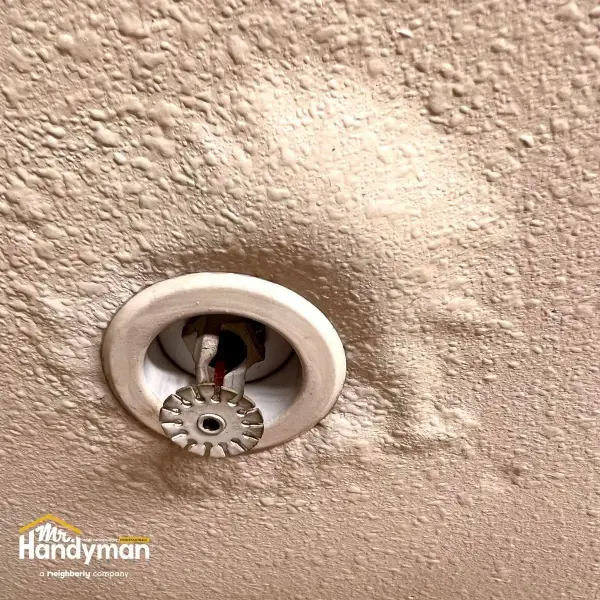
Basements in West Virginia and Maryland face constant moisture pressure. The soil composition, high water tables, and seasonal groundwater fluctuations mean basements are inherently vulnerable. Even homes with foundation waterproofing eventually develop cracks.
Look at the floor-wall joint where the basement floor meets the foundation wall. This is the most common entry point for groundwater. You might see white, chalky deposits called efflorescence, which form when water evaporates and leaves minerals behind. Efflorescence means water has been present.
Check corners and low spots on the basement floor. After heavy rain, do small puddles form? Does the concrete look darker in certain areas? This indicates hydrostatic pressure is pushing water up through the slab. Even if the water evaporates before you notice it, the moisture is still creating chronic dampness that promotes mold growth.
Foundation walls can show water damage through discoloration, flaking, or spalling, where the concrete surface breaks apart. This happens when water penetrates the concrete, freezes, and expands during our winter freeze-thaw cycles. Even minor cracks let water seep through over time.
Crawl spaces present similar challenges but are harder to monitor because most homeowners rarely go down there. Standing water, damp soil, or condensation on floor joists are all signs of moisture problems. Wood that's chronically damp in a crawl space develops rot and attracts wood-destroying insects. Insulation that's fallen down or looks compressed has likely absorbed moisture and lost its effectiveness.
Frequently Asked Questions
How can I tell if a water stain is old or active?
Touch the stained area. If it feels damp, cool, or soft, the stain is active and water is still present. Old stains are dry and hard. Active stains often have darker centers with lighter, spreading edges. Old stains have uniform coloring and well-defined borders. If you're uncertain, place a piece of plastic over the stain and tape the edges. Check it in 24 hours. Moisture on the underside of the plastic means the stain is active.
What should I do if I find water damage but can't locate the source?
Document what you're seeing with photos. Note when the damage appeared and whether it changes with weather or water use in the home. Then call a professional. Tracing water to its source often requires specialized tools like moisture meters, thermal cameras, or inspection cameras. Professionals can pinpoint the source, assess the extent of damage, and recommend repairs without creating unnecessary damage to your walls.
Can I just paint over water stains on the ceiling?
Not unless you've fixed the source and confirmed the area is completely dry. Painting over an active leak traps moisture and ensures the stain will bleed through, often within days. Even if the leak is fixed, you need to treat the stain with a stain-blocking primer before painting. If the drywall is soft, sagging, or crumbling, it needs to be replaced entirely.
Is water damage covered by homeowners insurance?
It depends on the cause. Sudden and accidental water damage, like a burst pipe or appliance failure, is typically covered. Gradual damage from long-term leaks, poor maintenance, or flooding is usually excluded. Mold coverage is often limited or excluded entirely. Review your policy and document damage immediately if it occurs.
How much does it cost to fix water damage once it's found?
The cost depends entirely on the source, duration, and extent of damage. Replacing a leaking supply line under a sink might cost $150 to $300. Repairing drywall and repainting a single room affected by a roof leak might run $800 to $1,500. Extensive water damage involving structural repairs, mold remediation, and material replacement can reach $10,000 or more. The longer damage goes unaddressed, the higher the cost climbs.
What causes musty smells even when I can't see water damage?
Musty smells come from mold, mildew, and bacterial growth that thrive in damp environments. The odor indicates moisture is present somewhere you can't see, whether behind walls, under flooring, or in wall cavities. Mold grows on the back side of drywall, inside wall assemblies, and in other hidden areas. By the time it's visible, the colony is well-established. The smell is your early warning that moisture is accumulating and needs to be addressed before visible damage appears.
Taking Action Before Small Problems Become Big Ones
Spotting early signs of water damage gives you control. You can address problems while they're manageable, before they threaten your home's structure, your family's health, or your financial stability. The key is paying attention to the subtle clues your home provides and acting on them quickly.
Regular inspections matter. Walk through your home seasonally and look for the signs outlined here. Check basements after heavy rain. Monitor bathrooms and kitchens for texture changes, odors, and discoloration. The few minutes it takes to inspect can save you thousands in avoided damage.
When you find something concerning, don't wait to see if it gets worse. Water damage always gets worse. It never improves on its own. Even if you're not sure whether a stain is active or a smell is significant, having a professional evaluate the situation gives you certainty and a plan forward.
If you've noticed discoloration, texture changes, odors, or any other early warning signs of water damage, don't let the problem grow.
Mr. Handyman of Martinsburg and Charles Town
Mr. Handyman of Northern Montgomery County
Mr. Handyman of South Montgomery County
Small leaks don't stay small. Early detection and professional repair keep your home dry, safe, and valuable. Schedule your inspection today.
