Sub-zero temperatures create some of the most dangerous conditions for residential plumbing systems. Emergency Plumbing Tips for Sub-Zero Temperatures are essential knowledge for homeowners facing extreme cold, when frozen pipes, burst lines, and sudden water damage can occur with little warning. When temperatures drop well below freezing, even well-maintained plumbing systems can be pushed to their limits.
Homeowners throughout Allentown, Bethlehem, Easton, and Nazareth are especially vulnerable during polar cold snaps that last for several days or longer. Having a clear plan and knowing how to respond quickly can significantly reduce damage. Working with a trusted local provider like Mr. Handyman of Easton, Bethlehem, Nazareth & Allentown helps ensure homes are prepared and supported during extreme winter conditions. Understanding Emergency Plumbing Tips for Sub-Zero Temperatures starts with recognizing why extreme cold is so destructive to plumbing.
Why Sub-Zero Temperatures Are So Dangerous for Plumbing
When temperatures fall below 0°F, water inside pipes freezes much faster than during typical winter conditions. As water freezes, it expands by approximately 9 percent, according to established physical properties of water. This expansion creates intense pressure inside pipes, fittings, and valves. Pipes often burst not at the frozen section itself, but at weak points where pressure builds.
The Insurance Institute for Business & Home Safety consistently reports frozen and burst pipes as a leading cause of winter water damage in residential homes. Sub-zero conditions dramatically increase this risk, particularly in homes with plumbing located in exterior walls, crawl spaces, or unheated areas. Recognizing this risk is a foundational part of Emergency Plumbing Tips for Sub-Zero Temperatures.
Homes in older neighborhoods across Allentown and Bethlehem may face even greater danger due to aging pipes, outdated insulation, and construction methods that did not account for modern temperature extremes.
Early Warning Signs of Plumbing Trouble During Extreme Cold
One of the most important Emergency Plumbing Tips for Sub-Zero Temperatures is recognizing trouble early. Frozen or stressed pipes often show warning signs before a major failure occurs.
Common Warning Signs to Watch For
- Little or no water coming from faucets
- Frost or condensation on exposed pipes
- Unusual odors coming from drains
- Whistling, banging, or popping sounds when water is turned on
These symptoms indicate restricted flow or pressure buildup and require immediate attention to prevent pipe bursts.
What to Do Immediately If Pipes Begin to Freeze
If a pipe begins to freeze, quick action can sometimes prevent a rupture. Acting calmly and safely is critical during sub-zero conditions.
Immediate Steps to Take
- Turn on the affected faucet to allow a small stream of water to flow
- Apply gentle heat using a hair dryer or warm towels
- Begin warming near the faucet and work toward the frozen section
- Open cabinet doors to allow warm air to circulate
Open flames, propane heaters, or torches should never be used. These methods create serious fire hazards and can damage pipes. Safe thawing techniques are a central component of Emergency Plumbing Tips for Sub-Zero Temperatures.
If water flow does not return or the frozen section cannot be located, professional assistance is necessary to avoid pipe damage.
Shutting Off Water to Prevent Major Damage
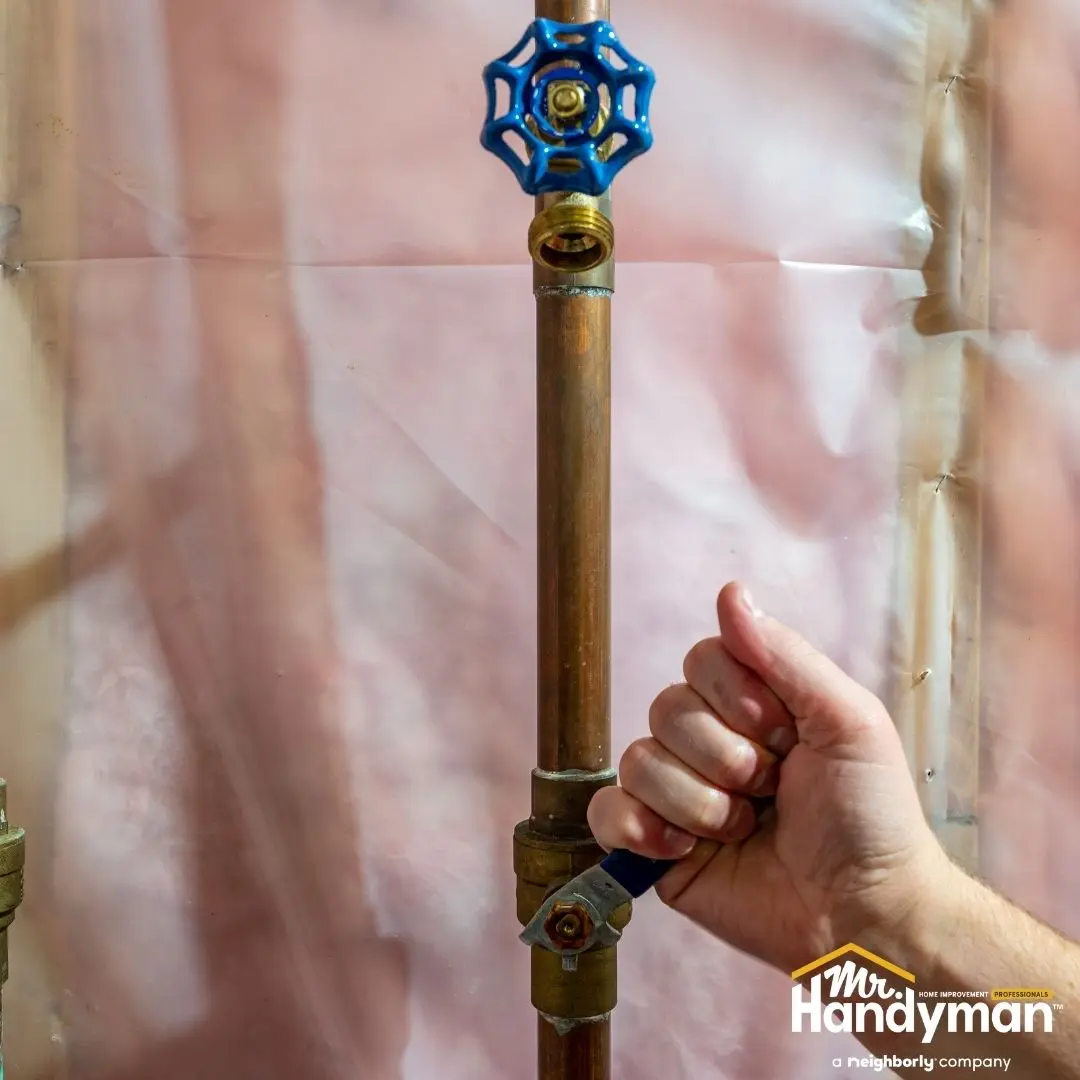
Knowing how and when to shut off your home’s water supply is one of the most critical Emergency Plumbing Tips for Sub-Zero Temperatures. If a pipe bursts, shutting off the water quickly can limit flooding and reduce structural damage.
Key Shutoff Tips
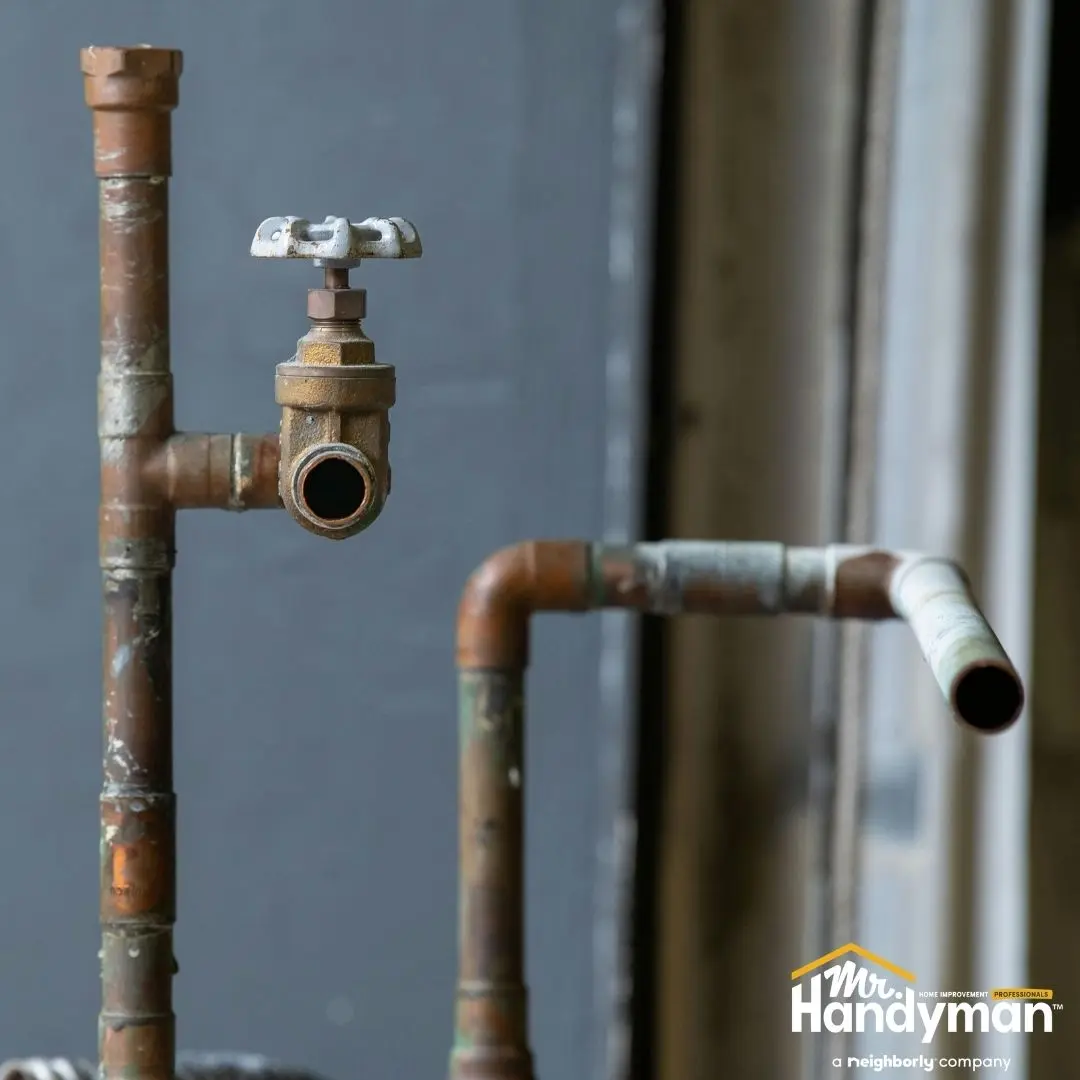
- Locate the main water shutoff valve before winter begins
- Ensure the valve operates properly and is accessible
- Shut off water immediately if a pipe bursts or leaks heavily
After shutting off the water, open faucets to drain remaining water from the system. This reduces pressure and minimizes additional leakage.
Protecting Exposed Pipes During Extreme Cold
When sub-zero temperatures are forecast, additional protective steps should be taken, even if pipes are already insulated. Extreme cold can overwhelm standard insulation, especially in unheated areas.
Short-Term Protection Measures
- Add temporary insulation to exposed pipes
- Use approved heat tape or heat cables on vulnerable lines
- Keep garage doors closed to protect plumbing inside
- Maintain indoor temperatures consistently above 55°F
These measures help reduce heat loss and lower the risk of freezing during extreme cold events.
Why Preparation Matters in Plumbing Emergencies
Plumbing emergencies during sub-zero temperatures often escalate quickly. Frozen pipes can burst within hours, and water damage spreads rapidly once ice thaws. Emergency response costs are typically much higher than preventive maintenance.
Homeowners who understand and apply Emergency Plumbing Tips for Sub-Zero Temperatures are better equipped to act decisively, protect their property, and reduce damage during extreme cold. Preparation, awareness, and timely professional support all play a critical role in keeping plumbing systems functional and homes protected when temperatures plunge well below freezing.

Keeping Water Moving During Sub-Zero Conditions
One of the most effective Emergency Plumbing Tips for Sub-Zero Temperatures is keeping water moving through the plumbing system. Standing water freezes faster than moving water, especially when temperatures fall well below freezing for extended periods. Maintaining controlled water flow can significantly reduce pressure buildup if ice begins to form.
During extreme cold, homeowners in Allentown, Bethlehem, Easton, and Nazareth often find that pipes in exterior walls or unheated spaces are the first to freeze. Allowing water to move through these lines helps delay freezing and lowers the risk of pipe bursts.
How to Safely Keep Water Moving
- Allow faucets on exterior walls to drip slowly
- Run water periodically through rarely used fixtures
- Focus on faucets farthest from the main water supply
- Avoid shutting off heat in unused rooms
This approach is widely recommended by plumbing professionals and insurance providers during severe cold events and is a foundational part of Emergency Plumbing Tips for Sub-Zero Temperatures.
Managing Indoor Temperatures During Extreme Cold
Maintaining consistent indoor temperatures is critical during sub-zero weather. Sudden temperature drops inside the home increase the likelihood of frozen pipes, even in areas that are normally protected.
The U.S. Department of Energy advises keeping indoor temperatures above 55°F to help prevent freezing plumbing. This recommendation is based on building science research and is especially important during prolonged cold snaps.
Temperature Management Strategies
- Keep thermostats set consistently day and night
- Avoid lowering heat during overnight hours
- Open cabinet doors under sinks on exterior walls
- Use interior doors to direct warm air toward plumbing areas
These steps reduce temperature gradients that can cause pipes to freeze rapidly during sub-zero conditions.
Protecting Plumbing in Garages, Basements, and Crawl Spaces
Unheated areas pose a major risk during extreme cold. Garages, basements, and crawl spaces often contain exposed plumbing that can freeze even when the rest of the home is warm. This makes these areas a priority in Emergency Plumbing Tips for Sub-Zero Temperatures.
Homes in older parts of Easton and Nazareth frequently have plumbing routed through these spaces, increasing vulnerability during polar cold events.
Immediate Protective Measures
- Seal gaps and cracks that allow cold air intrusion
- Add temporary insulation to exposed pipes
- Use approved heat cables where appropriate
- Keep access doors closed to retain heat
These short-term actions can prevent freezing when standard insulation alone is not enough.
Preventing Drain and Sewer Line Freezing
While supply lines receive much attention, drain and sewer lines can also freeze during sub-zero temperatures. Slow-moving wastewater, combined with cold air infiltration, can cause ice buildup inside pipes, leading to blockages and backups.
Frozen drains are a serious concern because they often affect multiple fixtures at once. Preventing this issue is an important component of Emergency Plumbing Tips for Sub-Zero Temperatures.
Steps to Reduce Drain Freezing Risk
- Run warm water briefly through drains daily
- Avoid pouring grease or food waste down drains
- Ensure vent pipes are clear of snow and ice
- Address slow drains before extreme cold sets in
Keeping drains flowing helps prevent ice formation and reduces the risk of backups during severe cold.
Monitoring Plumbing Systems Around the Clock
Extreme cold requires increased vigilance. Pipes can freeze and fail at any time, including overnight hours when temperatures are lowest. Regular monitoring allows homeowners to catch issues early.
What to Watch For
- Sudden loss of water pressure
- Unusual sounds when turning on faucets
- Frost or ice on exposed plumbing
- Damp spots or unexplained moisture
Early detection is one of the most effective Emergency Plumbing Tips for Sub-Zero Temperatures, as it allows corrective action before significant damage occurs.
Why Vigilance During Sub-Zero Weather Is Critical
Sub-zero temperatures accelerate plumbing failures and leave little margin for error. Frozen pipes can burst quickly, and damage often worsens when ice begins to thaw. Water damage repairs during winter are frequently extensive and costly.
Homeowners who apply Emergency Plumbing Tips for Sub-Zero Temperatures consistently during extreme cold are better equipped to protect their homes, minimize damage, and respond effectively if problems arise. Careful monitoring, temperature control, and proactive measures all play a vital role in maintaining plumbing safety during the harshest winter conditions.
What to Do If a Pipe Bursts in Sub-Zero Temperatures
Despite best efforts, pipes can still burst during extreme cold. Knowing exactly what to do is one of the most important Emergency Plumbing Tips for Sub-Zero Temperatures, as quick action can significantly limit water damage.
Immediate Actions to Take
- Shut off the main water supply immediately
- Turn off electricity to affected areas if water is near outlets or appliances
- Open faucets to drain remaining water from the system
- Contain leaking water with towels, buckets, or wet vacuums
Once the water is shut off, avoid attempting temporary repairs with tape or sealants. Burst pipes require professional repair to restore safe operation.
Protecting the Home After a Plumbing Emergency
After stopping active water flow, protecting the home becomes the priority. Standing water can quickly damage flooring, drywall, insulation, and structural components, especially in winter when drying is slower.
Post-Emergency Protection Steps
- Remove wet materials as soon as possible
- Increase ventilation using fans and dehumidifiers
- Monitor for signs of moisture behind walls or under floors
- Document damage for insurance purposes
Prompt drying helps reduce the risk of mold growth and secondary damage.
Why Temporary Fixes Are Not Enough
Temporary solutions may slow leaks, but they rarely address the underlying cause of winter pipe failures. Pipes that burst during sub-zero temperatures are often compromised by freezing damage that extends beyond the visible break.
Relying on short-term fixes can lead to repeated failures once water service is restored. Understanding this risk is a critical part of Emergency Plumbing Tips for Sub-Zero Temperatures and underscores the importance of proper repairs.
The Role of Professional Plumbing and Handyman Services
Extreme cold plumbing emergencies require trained assessment and repair. Professionals can safely replace damaged sections, evaluate surrounding pipes for freeze damage, and ensure insulation and protection are improved before water service resumes.
Working with Mr. Handyman of Easton, Bethlehem, Nazareth & Allentown provides homeowners with experienced support during winter emergencies. Professional handyman services help restore plumbing systems safely while reducing the risk of repeat failures during ongoing cold weather.
Preparing for the Next Sub-Zero Event
Once an emergency has been addressed, preparation for future cold snaps is essential. Sub-zero temperatures often occur in cycles, and vulnerabilities exposed once may fail again if not corrected.
Preventive Steps After an Emergency
- Add insulation to previously frozen pipes
- Seal drafts and air leaks near plumbing
- Upgrade vulnerable sections of piping
- Schedule a full plumbing inspection
These steps strengthen the plumbing system and reduce the likelihood of another emergency.
Staying Protected During Extreme Winter Conditions
Sub-zero temperatures demand vigilance, preparation, and fast response. Frozen and burst pipes remain one of the most costly winter home emergencies, but damage can be minimized through informed action.
Homeowners who follow proven Emergency Plumbing Tips for Sub-Zero Temperatures are better prepared to protect their homes, respond effectively during emergencies, and maintain plumbing safety during even the harshest winter conditions. Proactive planning, combined with professional support when needed, provides peace of mind when temperatures plunge well below zero.
Facing a winter plumbing emergency? Call Mr. Handyman of Easton, Bethlehem, Nazareth & Allentown for fast, reliable service - or request help online anytime.