Lighting affects every aspect of fitness facility operations—member safety during workouts, energy costs that consume significant portions of operating budgets, facility atmosphere that influences member satisfaction, and even social media appeal that drives marketing reach. For gym and fitness facility managers in Easton, Bethlehem, Nazareth, and Allentown, lighting maintenance represents one of the most impactful yet frequently overlooked aspects of facility management. Poor lighting creates injury risks, drives energy costs higher than necessary, makes facilities feel unwelcoming or outdated, and undermines the premium positioning many facilities strive to achieve.
The problem with lighting maintenance is that deterioration happens gradually. Fixtures don't suddenly fail completely—they dim slowly over months or years. Bulbs burn out one at a time rather than simultaneously. Dirt accumulates on lenses reducing light output incrementally. Ballasts in fluorescent fixtures start buzzing or flickering, but they still provide some light so replacement gets deferred. Members adapt to declining light levels without consciously recognizing the change. But when prospects tour facilities for the first time, they immediately perceive dim or flickering lighting as indicators of neglect that suggest broader facility maintenance problems.
Fitness facilities have unique lighting demands that exceed typical commercial spaces. Workout areas need bright, consistent lighting that allows members to see exercise form, read equipment displays, and move safely between stations. Locker rooms require adequate lighting for personal grooming and safety while maintaining appropriate privacy. Group fitness studios benefit from adjustable lighting supporting different class formats from high-energy cycling to relaxation-focused yoga. Functional training areas need even lighting without shadows that could hide trip hazards. Each of these requirements demands thoughtful lighting design and consistent maintenance.
Energy consumption from lighting represents significant ongoing expense in facilities operating twelve to sixteen hours daily. Older fluorescent or metal halide fixtures consume tremendous energy while generating heat that increases cooling costs during summer months. LED technology has transformed commercial lighting economics, reducing energy consumption by sixty to eighty percent while eliminating most maintenance through decades-long fixture life. Facilities still operating outdated lighting systems waste thousands of dollars annually on electricity and maintenance that LED upgrades would eliminate while improving light quality and member experience.
How Poor Lighting Maintenance Creates Safety Hazards
Lighting directly affects member safety throughout facilities, and inadequate lighting creates injury risks that expose facilities to liability while compromising member trust.
Insufficient lighting in workout areas prevents members from seeing proper form during exercises. Mirrors used for form checking become less effective in dim lighting. Members can't see cable attachments, weight plate configurations, or equipment settings clearly. This increases injury risk from improper technique, incorrect weight selection, or equipment misuse. Members performing complex movements like Olympic lifts or dynamic training need clear visibility of their body position and equipment status throughout movement ranges.
Shadows and uneven lighting create visual obstacles that hide trip hazards. Equipment on dark floors becomes invisible until members are directly upon it. Changes in floor levels or transitions between different surfaces disappear in shadows. Weight plates, bars, or accessories left on floors become tripping hazards that well-lit spaces would make obvious. Uneven lighting also creates visual fatigue as eyes constantly adjust between bright and dark areas, reducing attention to actual hazards.
Stairways and transitions between facility levels require particularly bright, even lighting to prevent falls. Poorly lit stairs are among the most dangerous areas in any facility. Members descending stairs can't judge step depth or see obstacles. Handrails become hard to locate in dim lighting. The combination of physical exertion leaving members fatigued and poor lighting creates conditions where serious falls become likely rather than merely possible.
Locker rooms and wet areas demand adequate lighting for safety around water hazards. Members navigating from showers to changing areas need clear visibility of floor surfaces that may be wet and slippery. Dim lighting prevents members from seeing water puddles or wet floor warning signs. Adequate lighting also supports security by eliminating dark corners where members feel vulnerable or where inappropriate behavior could occur unobserved.
Parking areas and building exteriors require bright lighting for member safety during early morning and evening hours when many facilities see peak traffic. Dark parking lots make members anxious about personal safety. Poorly lit building entrances create security concerns. Inadequate exterior lighting also makes facilities invisible to potential members driving past during evening hours when many people make gym decisions.
Emergency egress lighting must function properly during power failures to allow safe evacuation. Emergency lights with dead batteries or burned bulbs create serious safety violations. Exit signs that aren't illuminated fail their essential purpose during emergencies. Regular testing and maintenance of emergency lighting systems isn't optional—it's required by code and essential for member safety.
Energy Waste from Outdated Lighting Systems
Lighting energy consumption represents controllable expense that many facilities ignore despite significant potential savings through upgrades and proper maintenance.
Older fluorescent fixtures with magnetic ballasts consume far more energy than modern LED fixtures while requiring frequent bulb and ballast replacement. A typical four-lamp fluorescent fixture draws 120-140 watts continuously during operating hours. Equivalent LED fixtures draw 35-45 watts while providing equal or better light output. Facilities with hundreds of fixtures waste enormous amounts of electricity daily through outdated technology that also generates heat increasing cooling costs.
Metal halide fixtures common in older gyms, particularly in high-ceiling areas and basketball courts, represent even worse energy efficiency. These fixtures require long warm-up periods, waste energy as heat, and continue consuming power for cooling periods after being switched off. They also have relatively short lamp life requiring frequent replacement at significant cost. LED high-bay fixtures provide immediate full brightness, superior efficiency, and virtually maintenance-free operation for twenty-plus years.
Poor maintenance reduces lighting efficiency even with modern fixtures. Dirty lenses and reflectors reduce light output by twenty to forty percent, causing facilities to operate more fixtures than necessary to achieve adequate lighting levels. This wastes energy while accelerating fixture wear. Regular cleaning restores full light output, allowing some fixtures to be switched off or dimmed while maintaining adequate lighting.
Lack of lighting controls wastes energy in areas with variable occupancy. Facilities that leave all lights on at full brightness during all operating hours waste energy in temporarily unoccupied spaces. Motion sensors, occupancy sensors, and programmable controls reduce consumption by operating lights only when and where needed. Dimming controls allow light levels to match actual requirements rather than operating at maximum output constantly.
Operating lights during closed hours wastes significant energy over time. Facilities sometimes leave portions of lighting systems on overnight for security or because switches are inconvenient to access. LED security lighting consumes minimal energy while providing adequate visibility for security cameras and overnight facility protection without leaving main lighting systems operating unnecessarily.
Inefficient exterior lighting consumes excessive energy while providing inadequate security and visibility. Old parking lot fixtures with high-pressure sodium or metal halide lamps consume tremendous energy while producing harsh, poor-quality light. LED parking lot fixtures reduce energy consumption by sixty-plus percent while improving light quality and color rendering that makes vehicles and people more visible for enhanced security.
How Lighting Quality Affects Member Experience
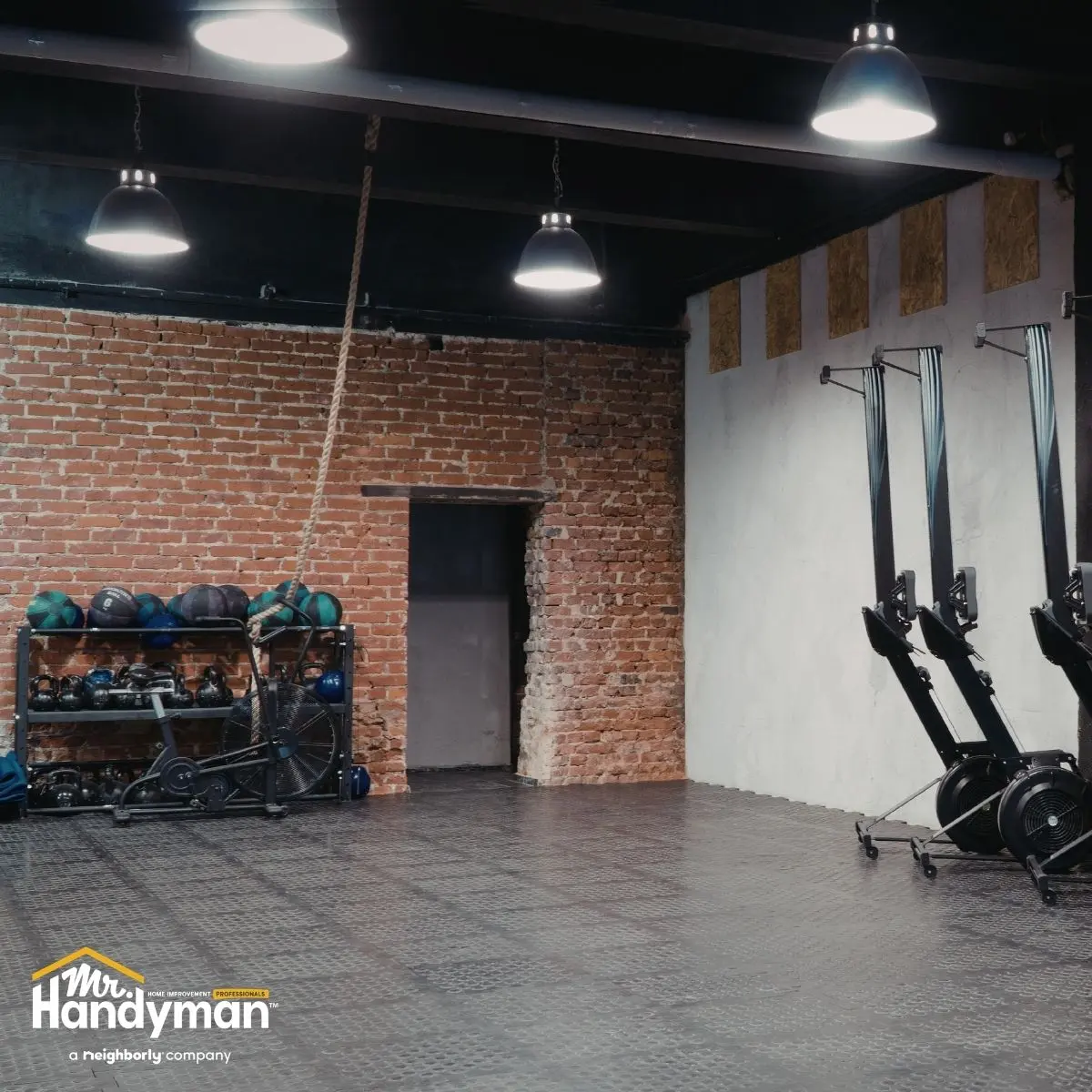
Beyond safety and energy considerations, lighting quality significantly influences member satisfaction, facility atmosphere, and competitive positioning.
Dim or flickering lighting makes facilities feel outdated and poorly maintained regardless of actual equipment quality or programming. Members form impressions about overall facility standards based on lighting condition because it's constantly visible throughout their experience. Bright, consistent lighting signals professional facility management that cares about member experience. Dim, inconsistent lighting suggests neglect that makes members question whether equipment maintenance receives proper attention.
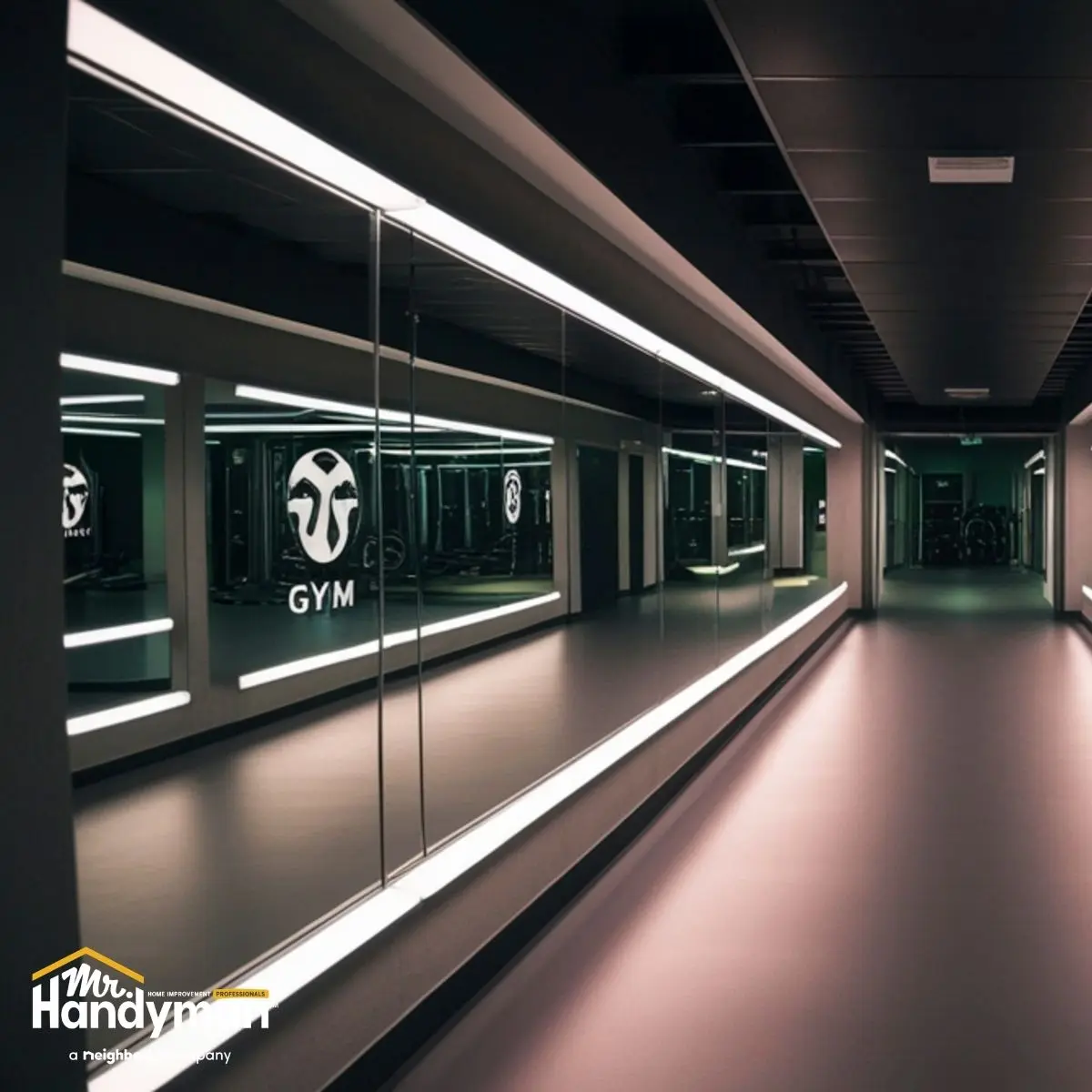
Color temperature affects facility atmosphere and member energy levels. Cool white lighting with higher color temperatures creates energizing atmosphere appropriate for high-intensity workout areas and group fitness studios. Warmer color temperatures create more relaxed atmosphere suitable for yoga studios, stretching areas, and locker rooms. Many facilities use uniform lighting throughout creating atmosphere mismatches that undermine intended experience in different zones.
Poor color rendering from outdated lighting affects how members perceive themselves and facility cleanliness. Lighting with low Color Rendering Index makes skin tones appear unhealthy, makes colored equipment and decor look dingy, and makes facilities appear dirty even immediately after thorough cleaning. High-CRI LED lighting presents people and spaces more naturally, improving member satisfaction and facility appearance in photographs posted to social media.
Glare from poorly positioned or bare fixtures creates visual discomfort and headaches. Fixtures that shine directly in members' eyes during floor exercises, at machine positions, or in stretching areas cause constant annoyance. Glare also reduces effective visibility by creating bright spots that cause eyes to constrict, making surrounding areas appear darker. Proper fixture selection and positioning eliminates glare while providing adequate illumination.
Inconsistent lighting between areas creates visual adjustment challenges as members move through facilities. Eyes require time to adjust between bright and dim areas. Constant readjustment causes fatigue and reduces alertness to actual hazards. Consistent lighting levels throughout facilities improve comfort and safety while creating cohesive visual experience.
Photography and social media appeal depends heavily on lighting quality. Members constantly photograph workouts for Instagram, TikTok, and other platforms. Poor lighting makes these photos look dark, grainy, or unflattering, causing members to avoid posting or to post images that make facilities look worse than they actually are. Excellent lighting makes member photos look professional, encouraging social sharing that provides free marketing while showing facilities in their best light.
Strategic Lighting Maintenance Programs
Systematic maintenance prevents lighting degradation while identifying problems before they affect member experience or safety.
Monthly fixture inspections should check for burned bulbs, flickering lights, or obviously dim fixtures. Replace burned bulbs immediately rather than waiting until multiple fixtures fail. Document locations of dim or problem fixtures for further investigation of ballast or driver failures requiring professional attention. Check emergency lighting indicators to verify battery backup systems remain charged.
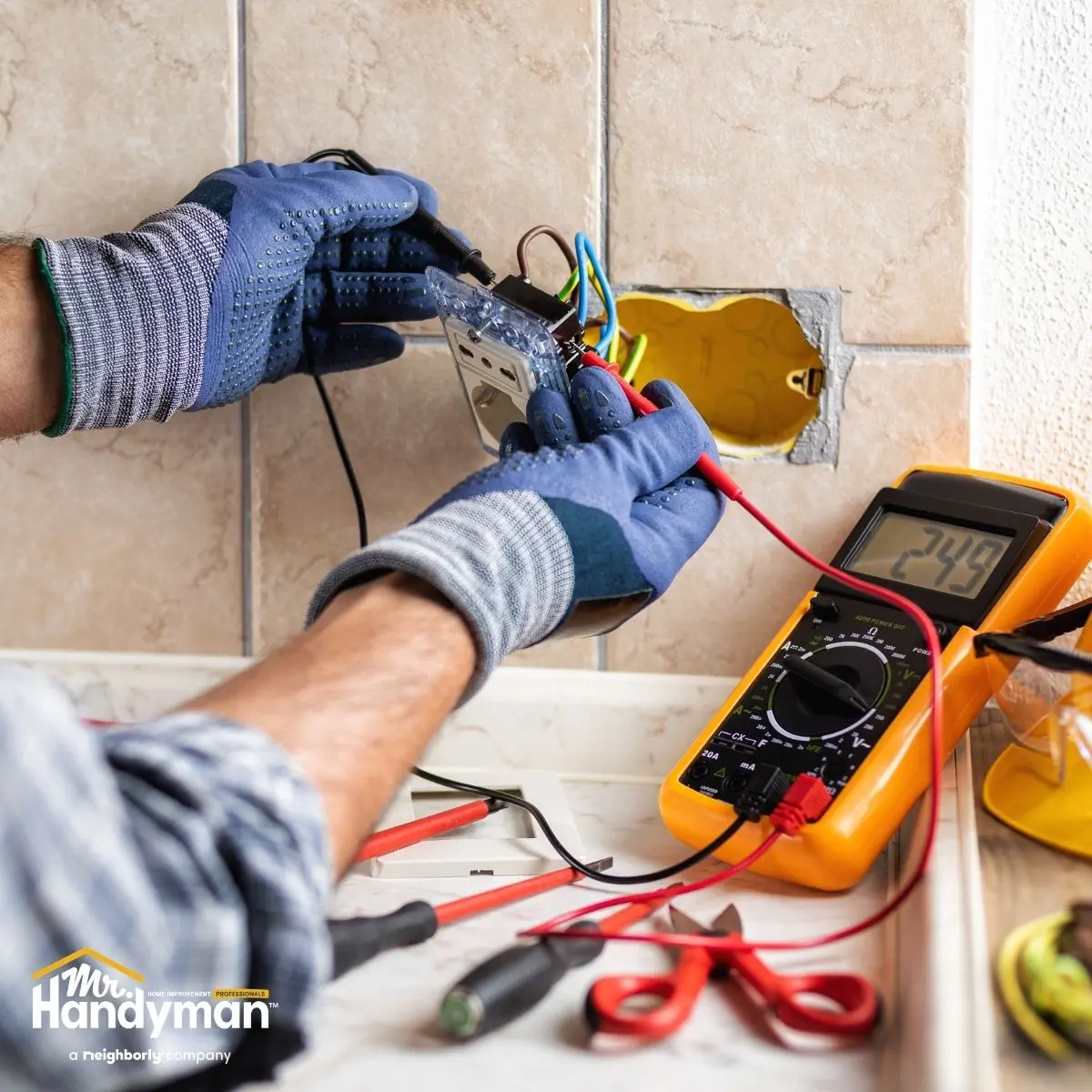
Quarterly professional lighting assessment evaluates overall system performance and identifies developing problems. Licensed electricians can test light levels with meters, identify failing ballasts or drivers before complete failure, and evaluate whether fixtures meet current code requirements. They recognize signs of electrical problems that facility staff might miss.
Semi-annual cleaning of fixtures and lenses restores full light output lost to accumulated dust and dirt. High-ceiling fixtures in workout areas collect substantial dust from chalk, rubber particles, and general air circulation. Cleaning during periods when facilities are closed allows access without disrupting member activities. Restored light output often allows dimming or switching off some fixtures while maintaining adequate lighting levels.
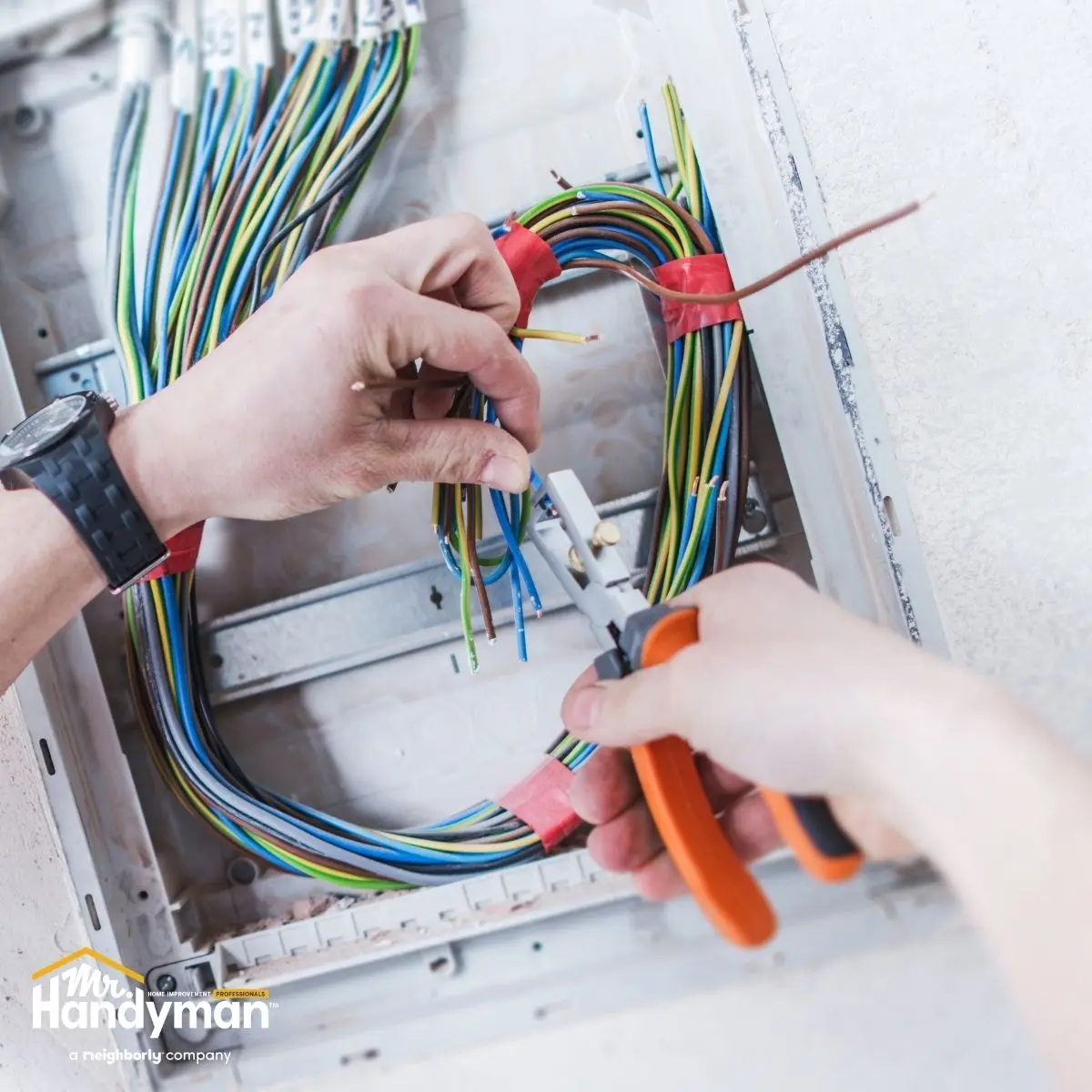
Annual deep electrical inspection verifies system safety and identifies code violations requiring correction. Check electrical panels for proper labeling, adequate capacity, and signs of overheating. Inspect visible wiring for damage or improper installation. Test ground fault circuit interrupter outlets in wet locations. Verify emergency lighting and exit signs function properly with backup power.
Immediate repair of identified problems prevents safety hazards and demonstrates responsive facility management. Members notice when reported problems receive prompt attention. Quick response builds trust and encourages continued reporting rather than members accepting deteriorating conditions as normal.
Track fixture failures over time to identify patterns indicating system problems. Multiple failures in specific areas might indicate electrical issues rather than random bulb failures. Accelerated failure rates suggest voltage problems, poor-quality replacement bulbs, or environmental factors requiring investigation. This data helps plan preventative replacements before widespread failures affect member experience.
LED Retrofit and Upgrade Strategies
Converting outdated lighting to LED technology delivers immediate and ongoing benefits that justify investment while transforming facility appearance and operating costs.
LED retrofits for existing fluorescent fixtures provide fastest, most economical upgrade path. LED tubes that work with existing fixtures eliminate ballast electricity consumption while providing better light quality. Complete fixture replacement provides superior results but costs more initially. Evaluate options based on fixture age, condition, and budget constraints.
High-bay LED fixtures transform high-ceiling areas common in gyms and functional training spaces. These fixtures provide instant full brightness, exceptional energy efficiency, and maintenance-free operation for twenty-plus years. Initial investment costs more than fluorescent or metal halide fixture replacement, but lifetime costs are dramatically lower considering energy savings and eliminated maintenance.
Adjustable fixtures with dimming capability provide flexibility supporting different activities in multi-purpose spaces. Group fitness studios benefit from bright lighting during high-energy classes and dimmed lighting during yoga or stretching sessions. Dimming controls integrated with facility scheduling systems automate lighting adjustments while reducing energy consumption during partial-brightness operation.
Exterior LED upgrades dramatically reduce parking lot and building lighting costs while improving security and visibility. LED fixtures for parking areas, building facades, and signage reduce energy consumption by sixty-to-eighty percent while providing superior light quality. Many utilities offer rebates for exterior LED upgrades that significantly offset initial investment costs.
Emergency egress lighting LED upgrades extend battery life and reduce maintenance while ensuring code compliance. LED emergency lights consume minimal power, allowing smaller battery systems or much longer backup duration. They also maintain full brightness throughout battery discharge rather than dimming as batteries deplete.
Color-tunable LED systems in premium facilities allow dynamic lighting adjustments supporting different times of day or activities. These advanced systems cost more but create distinctive atmosphere that supports premium positioning. Circadian rhythm lighting that shifts color temperature throughout the day supports member energy levels and workout effectiveness.
Lighting Controls That Reduce Waste
Automated controls reduce energy consumption while ensuring appropriate lighting operates when and where needed without requiring manual intervention.
Occupancy sensors in restrooms, locker rooms, and storage areas turn lights off automatically when spaces are unoccupied. These sensors pay for themselves quickly in energy savings while ensuring adequate lighting when spaces are actually used. They also reduce maintenance by reducing fixture operating hours.
Programmable lighting controls match lighting schedules to facility operations. Lights operate at full brightness during peak hours, dim during slower periods, and switch to minimal security lighting after closing. Scheduling systems prevent energy waste from lights left on after closing while ensuring facilities are properly lit when staff arrives for opening.
Daylight harvesting systems dim or switch off fixtures in areas with adequate natural light from windows or skylights. These systems maintain consistent lighting levels while reducing energy consumption during daylight hours. They work particularly well in facilities with substantial window areas or in functional training zones with skylights.
Task lighting in specific areas allows general lighting to be reduced while providing focused illumination where needed. Desk lamps at front desks, adjustable lighting at personal training stations, and focused lights at equipment maintenance areas reduce overall facility lighting loads while improving illumination quality for specific tasks.
Remote monitoring and control systems allow facility managers to adjust lighting from smartphones or computers. These systems identify fixtures consuming excessive power indicating failures, allow immediate response to member reports of lighting problems, and enable lighting adjustments without accessing physical switches or panels.
Frequently Asked Questions
How much can facilities save by upgrading to LED lighting?
Most facilities reduce lighting energy consumption by sixty-to-eighty percent through comprehensive LED upgrades. Typical gyms spending fifteen-to-twenty-five thousand dollars annually on lighting electricity reduce those costs to four-to-eight thousand dollars. Maintenance savings add thousands more annually from eliminated bulb and ballast replacement. Payback periods typically run two-to-four years depending on existing fixture types and utility rates.
Can lighting upgrades happen without closing the facility?
Yes, most lighting retrofits occur during off-hours or in sections while other areas remain operational. High-ceiling work might require working around class schedules when areas can be temporarily closed, but rarely requires complete facility closure. Professional electrical contractors experienced with occupied facilities minimize disruption.
What lighting color temperature works best for gyms?
Most workout areas benefit from 4000K-5000K (cool white to daylight) temperatures that create energizing atmosphere. Locker rooms often use warmer 3000K-3500K temperatures for more comfortable atmosphere. Yoga studios might use 2700K-3000K warm white for relaxation. Color preferences vary, so consider member demographics and facility positioning when selecting temperatures.
How often should LED fixtures need replacement or maintenance?
Quality LED fixtures typically last twenty-to-twenty-five years with minimal maintenance beyond periodic cleaning. Avoid cheap LED fixtures with inflated life claims—quality fixtures from reputable manufacturers justify higher initial costs through reliable long-term performance. Emergency lighting batteries need replacement every three-to-five years regardless of LED fixture longevity.
Do LED fixtures work with existing dimming systems?
It depends on dimmer type and LED fixture specifications. Many LED fixtures require specific dimmer types for proper operation. Older dimmer systems designed for incandescent or fluorescent fixtures often don't work properly with LED fixtures. Upgrading dimmers simultaneously with LED fixtures ensures compatibility and optimal performance.
Invest in Lighting That Supports Safety, Efficiency, and Experience
Lighting maintenance and upgrades deliver measurable returns through reduced energy costs, improved safety, enhanced member experience, and strengthened facility positioning. Strategic investment in modern LED systems and proper maintenance protects members while reducing operating costs that improve business profitability.
Managing a gym or fitness facility in the Lehigh Valley? The experienced team at Mr. Handyman of Easton, Bethlehem, Nazareth & Allentown understands fitness facility lighting demands and delivers maintenance, repairs, and LED upgrades that enhance safety while reducing energy costs. From routine maintenance to comprehensive LED retrofits, we help facilities create bright, efficient environments members appreciate. Call or visit Mr. Handyman of Easton, Bethlehem, Nazareth & Allentown to discuss your facility's lighting needs.