Harsh winter temperatures place significant strain on residential plumbing systems, especially in regions where prolonged cold snaps are common. How to Keep Pipes From Freezing During Harsh Winters is one of the most important topics homeowners can understand to prevent water damage, costly repairs, and unexpected plumbing emergencies. When water freezes inside pipes, it expands, creating pressure that can crack or burst pipes and release large amounts of water into the home.
Homeowners across Allentown, Bethlehem, Easton, and Nazareth experience these risks every winter, particularly in older homes with aging plumbing or limited insulation. Working with a trusted local provider like Mr. Handyman of Easton, Bethlehem, Nazareth & Allentown helps ensure pipes are properly protected before freezing temperatures arrive. Understanding How to Keep Pipes From Freezing During Harsh Winters begins with knowing why pipes freeze and which areas of the home are most vulnerable.
Why Pipes Freeze During Extreme Cold
Pipes freeze when exposed to temperatures below 32°F for extended periods. Water inside the pipe begins to freeze, expand, and create pressure against the pipe walls. Contrary to common belief, pipes often burst not where ice forms, but where pressure builds between the frozen blockage and a closed faucet.
According to the Insurance Institute for Business & Home Safety, frozen pipes are a leading cause of winter-related water damage in residential homes. This is a verified and consistently reported cause of insurance claims nationwide. Homes in colder regions, especially those with plumbing located in exterior walls or unheated spaces, face the highest risk.
Older homes in Allentown and Bethlehem may be particularly vulnerable due to outdated insulation standards and pipe placement that predates modern building codes. Understanding How to Keep Pipes From Freezing During Harsh Winters requires identifying these high-risk areas early.
Common Areas Where Pipes Are Most Likely to Freeze
Not all pipes face the same level of risk during winter. Pipes located in the following areas are most susceptible to freezing:
- Exterior walls with limited insulation
- Basements and crawl spaces
- Garages and utility rooms
- Attics and unheated storage areas
- Outdoor hose bibs and supply lines
Homes in Easton and Nazareth with unfinished basements or crawl spaces often experience freezing issues if these areas are not properly sealed or insulated. Addressing these vulnerable locations is a core part of How to Keep Pipes From Freezing During Harsh Winters.
Insulating Pipes to Prevent Freezing
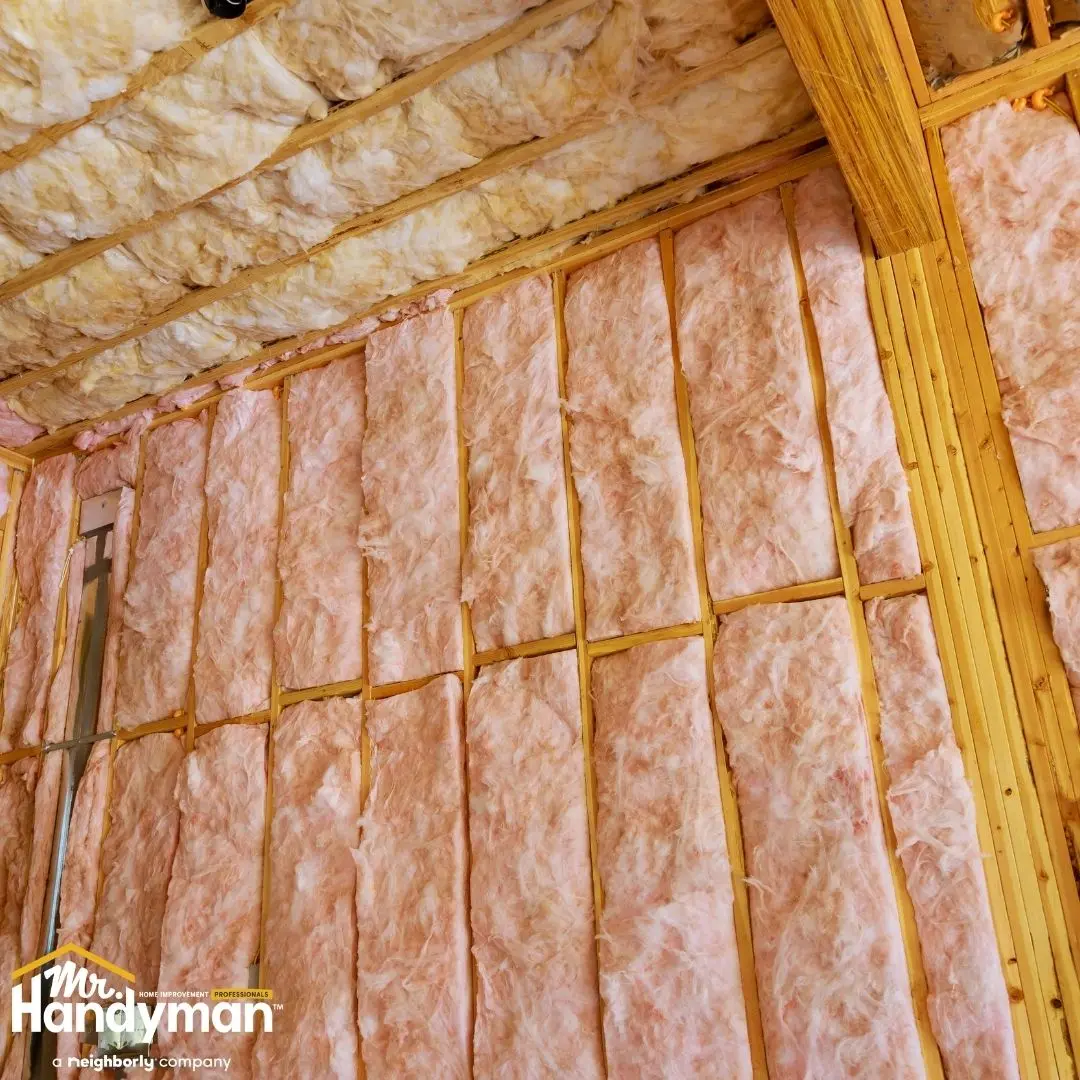
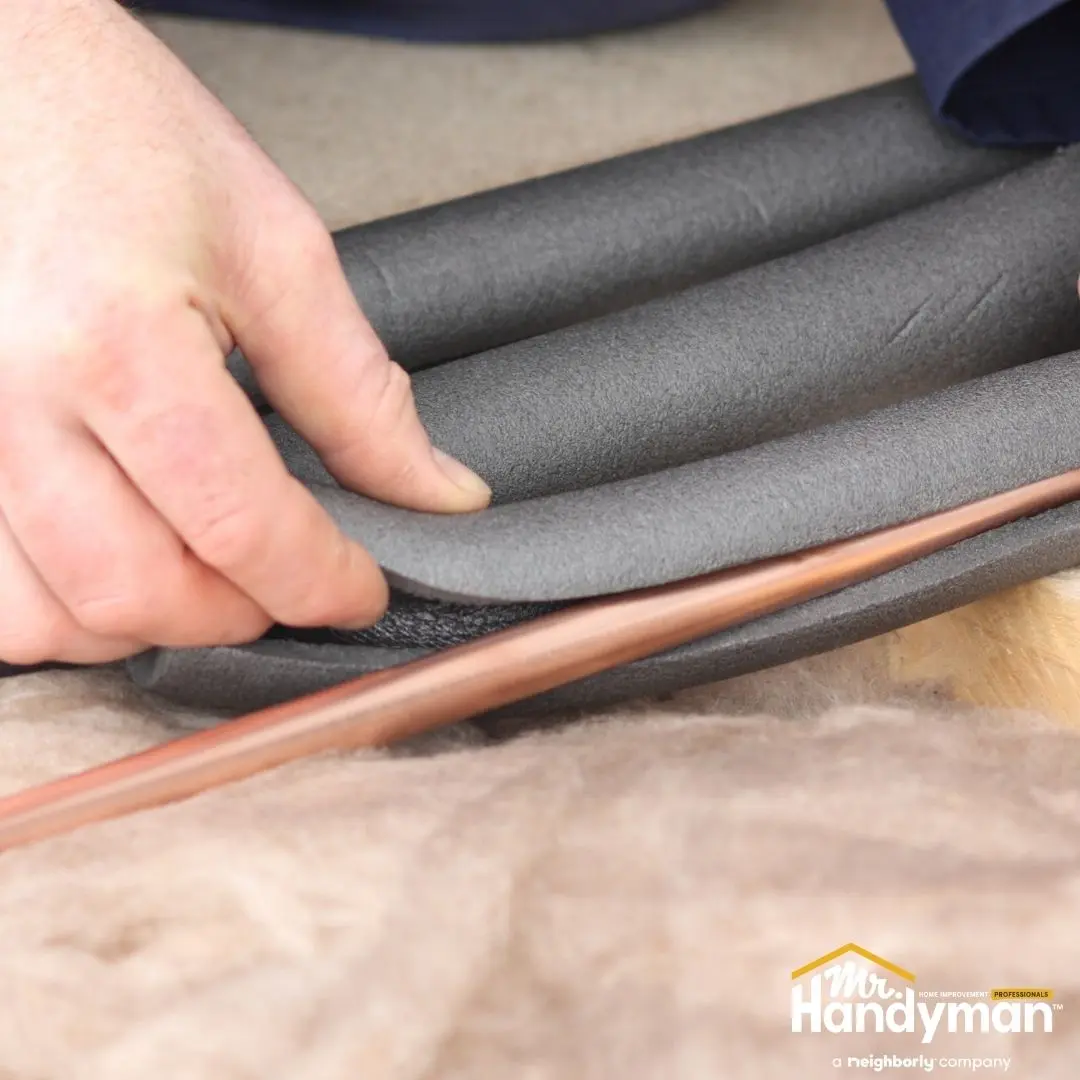
Proper insulation is one of the most effective ways to protect pipes from freezing temperatures. Insulation slows heat loss and helps maintain water temperature inside the pipe, even during extreme cold.
Effective Pipe Insulation Options
- Foam pipe sleeves sized correctly for the pipe diameter
- Fiberglass insulation wrapped and secured around pipes
- Heat tape or heat cables designed specifically for plumbing
It is important to note that heat tape must be installed according to manufacturer instructions to avoid fire hazards. Professional handyman services can ensure insulation is installed safely and effectively.
Insulating pipes is a proven method supported by plumbing and building industry standards and plays a central role in How to Keep Pipes From Freezing During Harsh Winters.
Sealing Drafts and Air Leaks
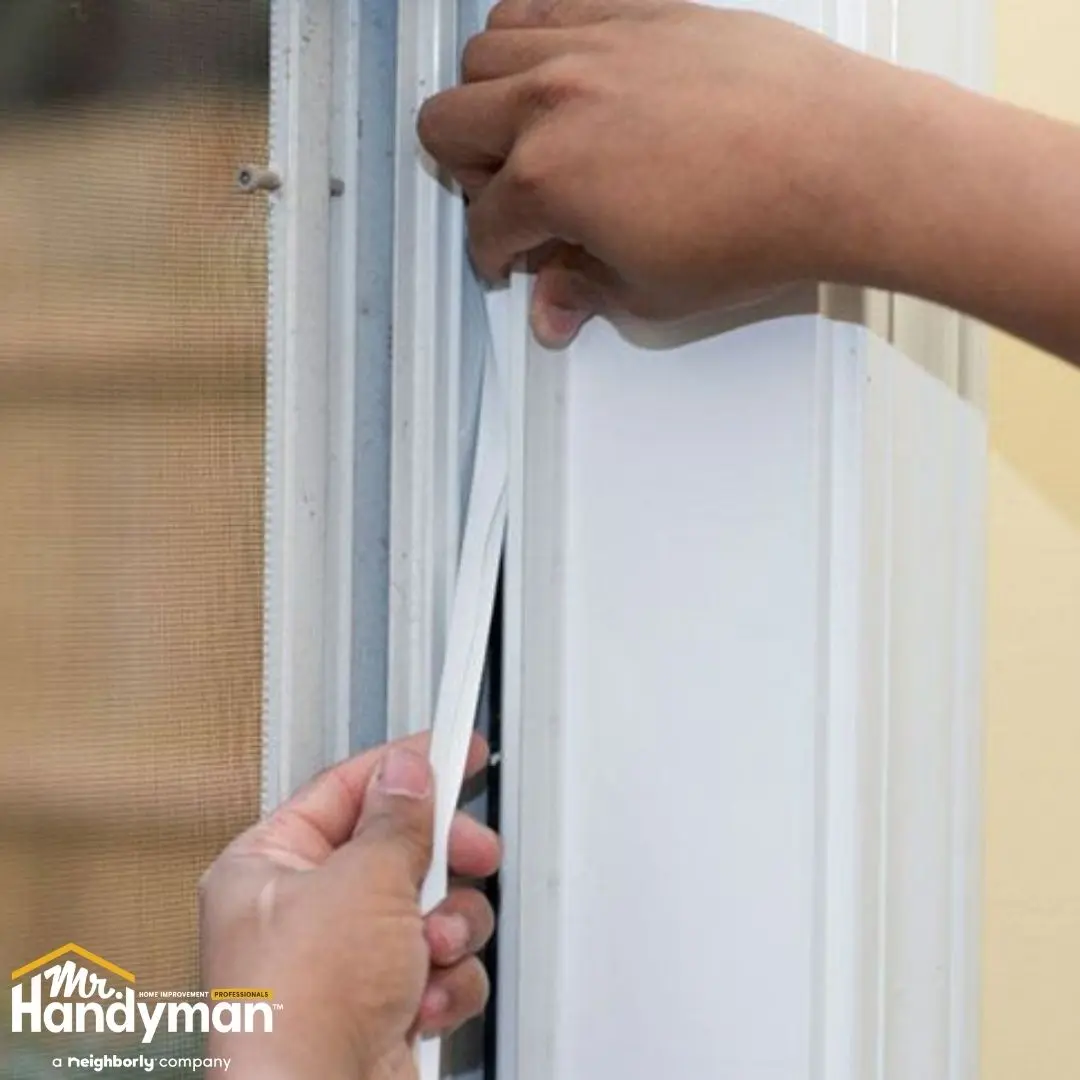
Cold air entering the home can quickly lower temperatures around plumbing, increasing the likelihood of freezing. Small gaps around windows, doors, and foundation penetrations allow cold air to reach pipes, even if the rest of the home is heated.
Steps to Reduce Cold Air Exposure
- Seal cracks and gaps with caulk or spray foam
- Weatherstrip doors and windows near plumbing areas
- Insulate access panels leading to plumbing spaces
- Close garage doors tightly during cold weather
Sealing air leaks improves energy efficiency while also protecting plumbing from freezing temperatures.
Maintaining Safe Indoor Temperatures
Maintaining consistent indoor temperatures is critical to How to Keep Pipes From Freezing During Harsh Winters. Turning the heat down too low, especially overnight or while away, increases the risk of frozen pipes.
The U.S. Department of Energy recommends keeping indoor temperatures above 55°F to protect plumbing systems. This guidance is based on building science research and widely accepted energy and safety standards.
Opening cabinet doors under sinks allows warm air to circulate around pipes, particularly in kitchens and bathrooms located on exterior walls.
Letting Faucets Drip During Extreme Cold
Allowing faucets to drip slightly during extreme cold can help prevent pipes from freezing by relieving pressure and keeping water moving. Even a small, steady drip can reduce the chance of freezing when temperatures drop rapidly.
This method is especially useful for pipes that have frozen in the past or are difficult to insulate. While dripping faucets may slightly increase water usage, the cost is minimal compared to repairing burst pipes.
Why Professional Assistance Matters
While homeowners can take many preventive steps, professional evaluation ensures no vulnerabilities are overlooked. Experienced handyman services can identify high-risk pipe locations, improve insulation, and recommend upgrades tailored to local winter conditions.
Working with Mr. Handyman of Easton, Bethlehem, Nazareth & Allentown provides homeowners with expert guidance and reliable home repair services designed for harsh winter conditions. Taking proactive action based on How to Keep Pipes From Freezing During Harsh Winters helps protect plumbing systems, prevent water damage, and maintain peace of mind throughout the coldest months of the year.
Protecting Pipes in Unheated and Vulnerable Areas
One of the most overlooked aspects of How to Keep Pipes From Freezing During Harsh Winters is addressing plumbing located in unheated or poorly insulated areas of the home. Pipes in crawl spaces, basements, garages, and attics are exposed to colder temperatures than interior plumbing and are far more likely to freeze during extended cold spells.
Homes throughout Allentown, Bethlehem, Easton, and Nazareth often include older construction with plumbing routed through exterior walls or unfinished spaces. These areas can quickly drop below freezing, even when the rest of the home remains heated.
Steps to Protect Pipes in Cold Zones
- Insulate crawl spaces and basement walls where plumbing is present
- Seal vents or foundation openings that allow cold air intrusion
- Add insulation to garage ceilings and shared walls with the home
- Relocate exposed pipes where feasible during renovations
Professional home repair services can evaluate whether pipe relocation or additional insulation is the safest long-term solution.
Winterizing Outdoor Plumbing Systems
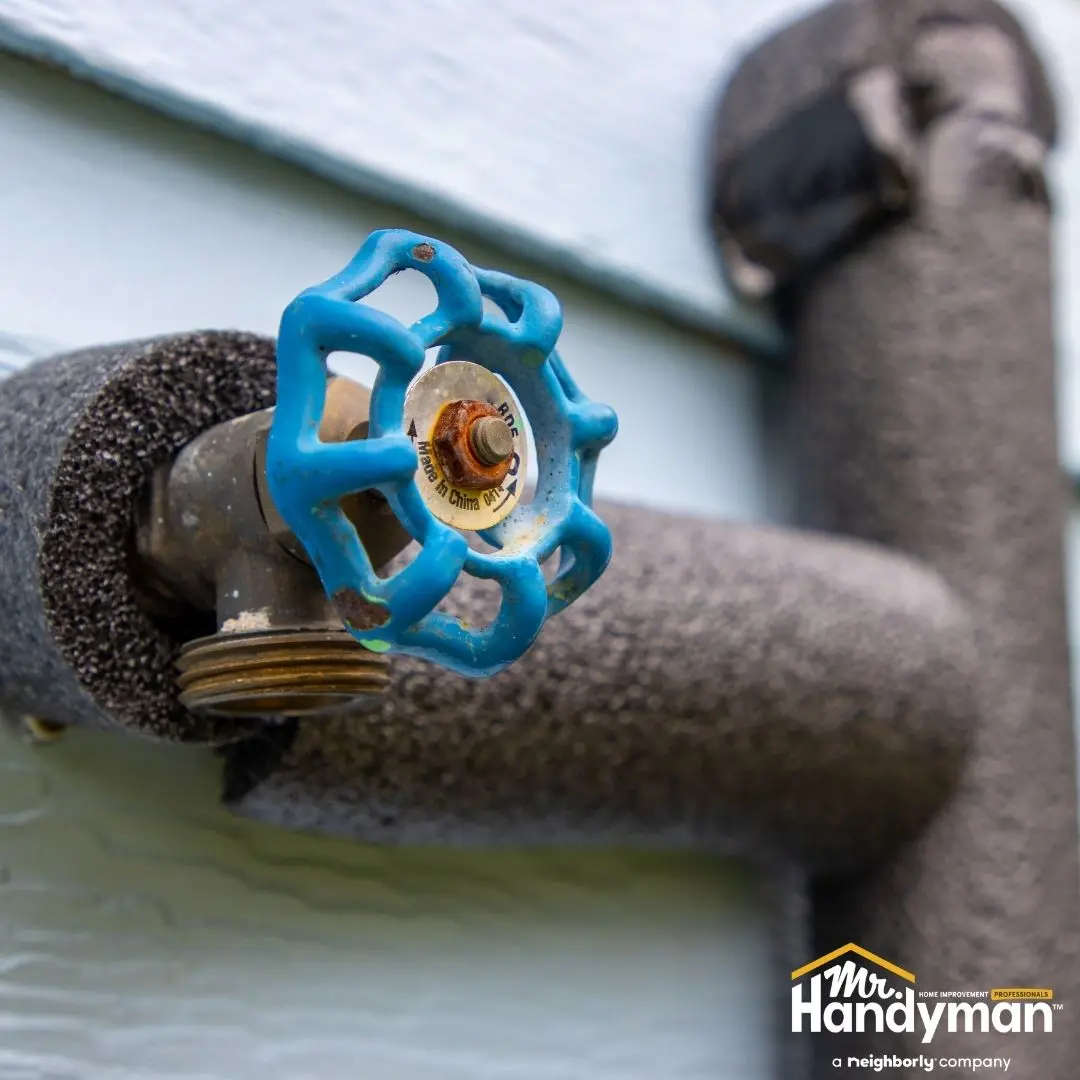
Outdoor plumbing components are a frequent source of winter damage. Hose bibs, outdoor faucets, and irrigation lines often retain water that freezes and expands. This expansion can crack pipes inside walls, leading to leaks that may not be discovered until spring.
Proper winterization is a critical element of How to Keep Pipes From Freezing During Harsh Winters, especially in regions that experience repeated freeze-thaw cycles.
Outdoor Plumbing Prevention Measures
- Disconnect and drain all garden hoses before winter
- Shut off interior valves supplying outdoor faucets
- Open outdoor faucets to allow remaining water to drain
- Install frost-free hose bibs when possible
According to the American Society of Home Inspectors, frozen outdoor plumbing is a common cause of interior pipe damage during winter. This risk is well-documented and preventable with proper preparation.
Managing Water Flow to Reduce Freezing Risk
Water that remains stagnant inside pipes freezes faster than moving water. Maintaining some level of flow during extreme cold can reduce freezing risk, especially in vulnerable sections of plumbing.
This principle is widely accepted in plumbing and building science and is frequently referenced in guidance on How to Keep Pipes From Freezing During Harsh Winters.
Safe Water Flow Practices
- Allow faucets farthest from the main supply to drip slowly
- Run water briefly through seldom-used fixtures each day
- Avoid shutting off heat entirely in unused rooms
These steps help keep water moving and reduce pressure buildup if freezing begins.
Using Heat Sources Safely Around Plumbing
Supplemental heat can be helpful in protecting pipes, but it must be used carefully to avoid safety hazards. Portable heaters, heat lamps, and heat cables can provide localized warmth when installed and monitored correctly.
Safe Heating Options for Pipes
- Use UL-listed heat cables designed specifically for plumbing
- Keep space heaters at least three feet from combustible materials
- Never leave portable heaters unattended
- Avoid open flames near plumbing systems
Professional installation is strongly recommended when using heat-based solutions, as improper use can create fire risks.
Monitoring Plumbing During Severe Cold Snaps
Active monitoring is an important part of How to Keep Pipes From Freezing During Harsh Winters, particularly during prolonged cold weather. Pipes may freeze gradually, and early detection can prevent a full burst.
Warning Signs of Freezing Pipes
- Reduced or no water flow from faucets
- Frost visible on exposed pipes
- Unusual odors from drains
- Whistling or banging noises when turning on taps
If any of these signs occur, immediate action is needed to prevent pipe failure.
Why Preventive Maintenance Makes a Difference
Preventive plumbing maintenance significantly lowers the risk of winter pipe damage. Inspections can identify weak points such as deteriorating insulation, aging pipes, or improper routing through cold zones.
Homeowners who prioritize maintenance as part of How to Keep Pipes From Freezing During Harsh Winters often avoid emergency repairs and costly water damage. Regular attention to insulation, sealing, and system condition protects both the plumbing system and the home’s structure.
Trusted handyman services offer practical solutions tailored to local winter conditions, helping homeowners reduce risk and maintain reliable plumbing throughout the harshest winter weather.
Preparing Plumbing Before Extended Absences
Extended absences during winter significantly increase the risk of frozen pipes. When a home is unoccupied, interior temperatures may drop too low, water remains stagnant in pipes, and early warning signs of freezing or leaks often go unnoticed. Preparing properly before leaving is a critical part of How to Keep Pipes From Freezing During Harsh Winters.
Vacation homes, rental properties, and primary residences left unattended during holidays are especially vulnerable in colder regions like Allentown, Bethlehem, Easton, and Nazareth.
Steps to Protect Pipes When Leaving Home
- Shut off the main water supply if the home will be vacant for an extended period
- Drain water from pipes, fixtures, and appliances where possible
- Set the thermostat to maintain indoor temperatures above 55°F
- Ask a trusted neighbor or property manager to check the home periodically
These steps are widely recommended by insurance providers and plumbing professionals because they significantly reduce the risk of freeze-related water damage.
What to Do If Pipes Begin to Freeze
Knowing how to respond quickly can limit damage if pipes begin to freeze. Reduced water flow or no water at all from a faucet is often the first sign. Immediate action can sometimes prevent a burst pipe.
Safe Actions to Take
- Turn on the affected faucet to relieve pressure
- Apply gentle heat using a hair dryer or warm towels
- Start heating from the faucet end and move toward the frozen section
- Avoid using open flames or high-heat devices
If the frozen section cannot be located or water flow does not return, professional assistance is necessary. Attempting aggressive thawing can cause pipes to crack or burst.
Upgrading Plumbing for Long-Term Freeze Protection
In some homes, repeated freezing indicates deeper structural or plumbing design issues. Long-term solutions are an important consideration within How to Keep Pipes From Freezing During Harsh Winters, especially for older properties.
Effective Long-Term Improvements
- Rerouting pipes away from exterior walls
- Adding insulation to walls, floors, and crawl spaces
- Replacing outdated or corroded piping materials
- Installing smart temperature and leak monitoring systems
These upgrades align with modern building standards and significantly reduce freeze risk over time.
The Role of Professional Handyman Services
While many preventive steps can be handled by homeowners, professional services provide added protection through experience and local knowledge. Trained professionals understand how harsh winters affect plumbing systems and can identify vulnerabilities that are easy to overlook.
Working with Mr. Handyman of Easton, Bethlehem, Nazareth & Allentown ensures pipes, fixtures, and insulation are evaluated with regional weather patterns and housing conditions in mind. Professional home repair and handyman services help homeowners implement reliable solutions that support How to Keep Pipes From Freezing During Harsh Winters.
Protecting Your Home Through Proactive Winter Planning
Frozen pipes are one of the most damaging and expensive winter plumbing problems, yet they are largely preventable. Insulation, sealing air leaks, maintaining indoor temperatures, monitoring vulnerable areas, and planning ahead for absences all contribute to safer plumbing systems.
Homeowners who follow proven strategies for How to Keep Pipes From Freezing During Harsh Winters protect not only their plumbing but also their walls, floors, and overall home structure. Proactive planning, combined with professional support when needed, provides peace of mind and helps ensure a warm, functional home throughout even the harshest winter conditions.
Protect your pipes before the next cold snap hits. Book professional winter plumbing help online or call to get started.
