January is one of the busiest months of the year for home repair calls. After weeks of holiday activity, cold weather exposure, and increased indoor use, many homes begin to show signs of stress. Minor issues that were easy to ignore in fall often become unavoidable once winter fully sets in. Most Common January Repair Requests - and How to Avoid Them explains why these problems appear so frequently at the start of the year and what homeowners can do to reduce the likelihood of needing urgent repairs.
For homeowners in Allentown, Bethlehem, Easton, and Nazareth, January typically brings sustained cold temperatures, fluctuating indoor humidity, and heavy reliance on home systems. Older homes and winter weather patterns common in the Lehigh Valley make January a peak month for repair requests. Working with a trusted local provider like Mr. Handyman of Easton, Bethlehem, Nazareth & Allentown helps homeowners address these issues efficiently, but prevention is always the most cost-effective approach. Understanding Most Common January Repair Requests - and How to Avoid Them starts with recognizing what winter does to your home after the holidays.
Why January Is a High-Demand Month for Home Repairs
January repair requests surge for a few predictable reasons. Homes experience prolonged cold, systems operate continuously, and many issues go unnoticed during the busy holiday season. Once routines return to normal, problems become more obvious and harder to ignore.
Key factors behind January repair demand include:
- Extended use of heating systems
- Indoor air drying out from constant heat
- Water sitting in pipes during holiday travel
- Increased moisture from snow and winter clothing
- Deferred maintenance during the holidays
In homes across Allentown and Bethlehem, these factors combine to create a predictable set of January repair needs. Knowing what to expect is the first step in reducing Most Common January Repair Requests - and How to Avoid Them.
Plumbing Issues at the Top of January Repair Calls
Plumbing problems consistently rank as the most common January repair requests. Cold temperatures place enormous stress on pipes, fixtures, and seals, especially in areas where plumbing runs near exterior walls.
Typical January Plumbing Repair Requests
- Frozen or burst pipes
- Dripping faucets that worsen in cold weather
- Running toilets caused by worn components
- Slow or clogged drains from holiday use
Many of these issues can be avoided with small preventative steps taken before and during winter.
How to Avoid January Plumbing Repairs
- Insulate exposed pipes in basements and utility areas
- Fix dripping faucets before freezing temperatures arrive
- Seal gaps where pipes enter walls or floors
- Keep cabinets open near exterior walls during extreme cold
Plumbing prevention is one of the most effective ways to reduce Most Common January Repair Requests - and How to Avoid Them, especially in older homes common throughout Easton and Nazareth.
Door, Hardware, and Draft-Related Repair Requests
January temperature swings cause doors and frames to expand and contract. As a result, many homeowners experience sticking doors, broken hardware, and cold drafts shortly after the new year.
Common January Door and Hardware Repairs
- Doors that stick or won’t latch
- Loose hinges and handles
- Drafts around exterior doors
- Misaligned interior doors
These issues affect comfort, safety, and energy efficiency.
How to Avoid Door and Draft Problems
- Adjust doors and hardware before winter fully sets in
- Replace worn weatherstripping
- Seal gaps around door frames and thresholds
- Address minor sticking issues early
Simple adjustments can significantly reduce Most Common January Repair Requests - and How to Avoid Them related to doors and drafts.
Drywall Cracks and Interior Surface Damage
Dry indoor air caused by heating systems often leads to drywall cracks, nail pops, and visible seam lines in January. While these issues may appear cosmetic, they can indicate movement or moisture concerns.
Common January Drywall Repair Requests
- Cracks along seams and corners
- Nail pops appearing in ceilings and walls
- Peeling paint near windows or doors
- Water stains revealed by winter condensation
How to Reduce Interior Surface Repairs
- Maintain balanced indoor humidity levels
- Address condensation promptly
- Repair small cracks before they spread
- Seal interior air leaks
Managing indoor conditions helps minimize Most Common January Repair Requests - and How to Avoid Them related to drywall and finishes.
Flooring and Trip Hazard Repairs After the Holidays

January sees a spike in flooring repair calls due to holiday foot traffic and winter moisture. Snow, salt, and debris tracked indoors accelerate wear and create safety hazards.
Typical January Flooring Repair Requests
- Loose tiles or planks
- Lifted carpet edges
- Damaged thresholds and transitions
- Slippery or uneven entryway flooring
How to Avoid Flooring Repairs
- Use heavy-duty mats at entryways
- Address loose flooring promptly
- Keep floors dry during winter storms
- Repair transitions before they worsen
Flooring maintenance plays a key role in reducing Most Common January Repair Requests - and How to Avoid Them, especially those related to safety.
Why Prevention Matters More Than Emergency Repairs
January repairs are often more expensive and disruptive than repairs completed earlier in the season. Cold weather limits repair options and increases the risk of secondary damage.
Homeowners who focus on prevention benefit from:
- Lower repair costs
- Fewer emergency calls
- Improved comfort and safety
- Greater peace of mind
This proactive approach is the foundation of Most Common January Repair Requests - and How to Avoid Them, helping homeowners stay ahead of winter challenges rather than reacting to them.
Professional Support Makes Prevention Easier
While some preventative steps can be handled by homeowners, many repairs require professional expertise to ensure durability under winter conditions.
Working with Mr. Handyman of Easton, Bethlehem, Nazareth & Allentown gives homeowners access to skilled professionals who understand January repair patterns in local homes. Professional handyman services help reduce Most Common January Repair Requests - and How to Avoid Them by addressing issues correctly before they escalate.
January does not have to be a month of unexpected repairs. With awareness, small preventative actions, and professional support, homeowners can start the year with fewer surprises and a more reliable home.
Heating, Electrical, and Moisture Issues That Drive January Repair Calls
Beyond plumbing and doors, January also brings a surge in repair requests tied to heating support components, electrical systems, and moisture-related damage. These issues often develop quietly during early winter and become obvious once cold weather is sustained. Addressing them proactively is a key part of Most Common January Repair Requests - and How to Avoid Them, especially for homes experiencing long stretches of freezing temperatures.
Homeowners across Allentown, Bethlehem, Easton, and Nazareth frequently report comfort and safety concerns in January that stem from small, correctable issues rather than major system failures.
Heating Support Repairs That Affect Comfort and Efficiency
While full HVAC servicing is usually handled by specialized contractors, many January repair requests involve the components that support heating performance inside the home. Poor airflow, drafts, and uneven temperatures are often traced to interior issues rather than the heating unit itself.
Common January Heating-Related Repair Requests
- Loose or damaged vent covers
- Gaps around duct penetrations in walls or ceilings
- Drafts caused by poorly sealed interior access points
- Thermostat mounting or placement issues
These problems reduce heating efficiency and make rooms feel colder than they should. They are a frequent driver of Most Common January Repair Requests - and How to Avoid Them because homeowners often assume the heating system is failing when the issue is actually distribution-related.
How to Reduce Heating Support Repair Requests
- Seal gaps around vents and ductwork
- Repair or replace damaged vent covers
- Address drafts near registers and returns
- Ensure thermostats are securely mounted and unobstructed
Small fixes in these areas help heating systems perform more effectively and reduce January comfort complaints.
Electrical Repairs That Peak During Winter Months
January also sees an increase in electrical repair requests. Shorter days, longer nights, and increased indoor activity place higher demand on lighting and electrical systems. Issues that were barely noticeable in summer often become disruptive in winter.
Typical January Electrical Repair Requests
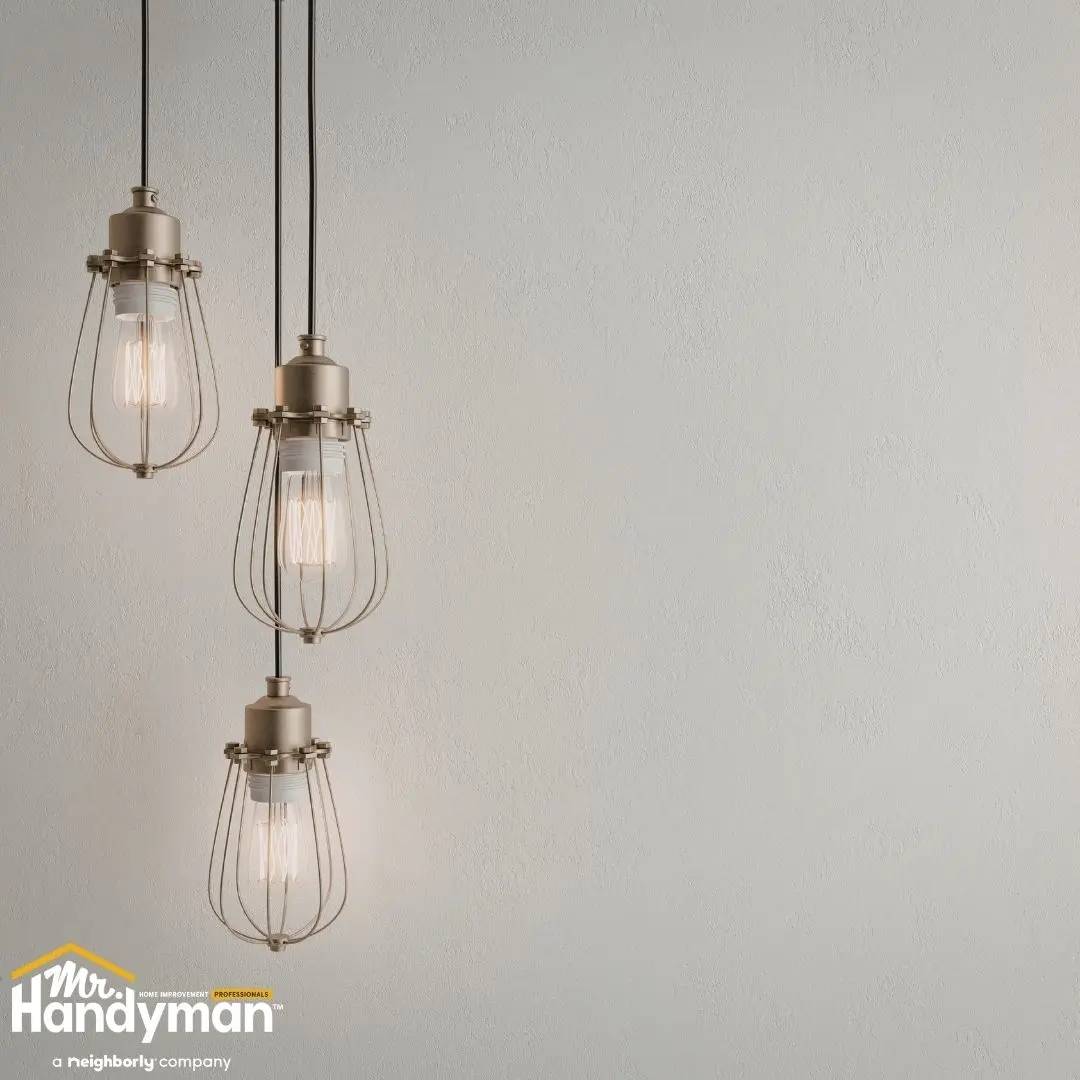
- Flickering or dim light fixtures
- Loose outlets and switch plates
- Malfunctioning light switches
- Inadequate lighting in stairways and hallways
These problems affect both safety and convenience. Electrical issues are a consistent category within Most Common January Repair Requests - and How to Avoid Them, particularly in older homes with aging components.
How to Avoid January Electrical Repairs
- Replace aging or damaged fixtures proactively
- Secure loose outlets and switches early
- Improve lighting in high-traffic and low-visibility areas
- Address minor electrical concerns before winter demand increases
Improving lighting and electrical stability reduces accident risk and prevents last-minute repair calls during cold weather.
Moisture and Condensation Damage That Surfaces in January
Moisture behaves differently in winter. Warm indoor air meets cold surfaces, creating condensation that can lead to stains, peeling paint, and surface damage. January is often when this damage becomes visible.
Common January Moisture-Related Repair Requests
- Water stains on ceilings or walls
- Peeling or bubbling paint near windows
- Soft or warped drywall
- Musty odors in enclosed spaces
These issues frequently appear after weeks of windows staying closed and heating systems running constantly. Moisture-related problems are a major contributor to Most Common January Repair Requests - and How to Avoid Them.
How to Reduce Moisture-Related Repairs
- Use bathroom and kitchen exhaust fans consistently
- Address condensation on windows promptly
- Repair damaged caulking or grout early
- Seal interior air leaks that allow warm air to reach cold surfaces
Managing indoor moisture helps prevent damage that often requires repair once January arrives.
Bathroom and Kitchen Fixture Failures After the Holidays
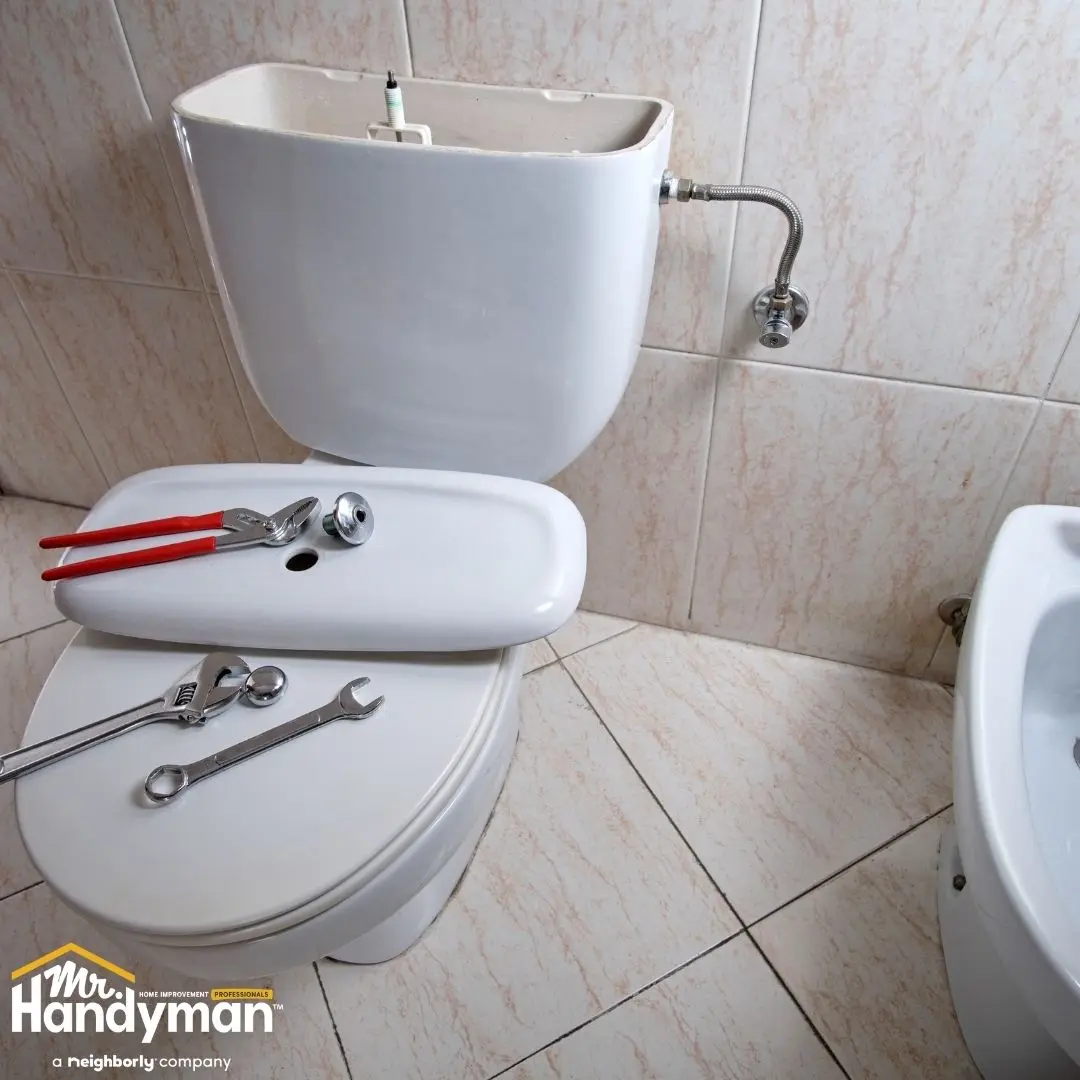
January is also a peak time for repair requests in kitchens and bathrooms. Increased holiday use, combined with cold weather stress, accelerates wear on fixtures and finishes.
Typical January Fixture Repair Requests
- Dripping faucets that worsen in cold weather
- Loose sinks or vanities
- Running toilets caused by worn internal parts
- Cracked grout or failed caulking
These issues are disruptive and often lead to water damage if ignored. Fixture repairs are a predictable part of Most Common January Repair Requests - and How to Avoid Them.
How to Prevent January Fixture Repairs
- Repair small leaks as soon as they appear
- Replace aging caulk and grout before winter
- Secure fixtures that show early signs of movement
- Monitor under-sink areas for moisture
Proactive attention reduces emergency calls during the coldest months.
Storage, Closet, and Interior Hardware Issues
Winter living places additional strain on storage systems and interior hardware. Heavy coats, boots, and seasonal items stress closet rods, shelving, and door hardware.
Common January Storage and Hardware Repairs
- Broken or sagging closet shelving
- Loose door handles and hinges
- Damaged cabinet hardware
- Misaligned closet doors
These problems often emerge in January after weeks of heavy use. They are a quieter but consistent category within Most Common January Repair Requests - and How to Avoid Them.
How to Avoid Storage and Hardware Repairs
- Reinforce shelving before winter use increases
- Tighten hardware periodically
- Address sticking doors early
- Avoid overloading storage systems
Simple adjustments reduce wear and extend the life of interior components.
Why January Exposes What Fall Maintenance Missed
Many January repair requests exist because fall maintenance was postponed or incomplete. Busy schedules and holiday preparations often push small repairs aside until they become unavoidable.
Homes in Allentown and Bethlehem frequently experience these patterns due to older construction and extended cold periods. Recognizing these trends is essential to reducing Most Common January Repair Requests - and How to Avoid Them.
Professional Support Helps Break the January Repair Cycle
Many January repairs are preventable, but only if issues are identified and addressed correctly. Temporary fixes often fail under winter conditions, leading to repeat service calls.
Working with Mr. Handyman of Easton, Bethlehem, Nazareth & Allentown provides homeowners with experienced professionals who understand winter-related repair patterns. Professional handyman services help reduce Most Common January Repair Requests - and How to Avoid Them by addressing root causes rather than symptoms.
By focusing on heating support components, electrical systems, moisture control, fixtures, and interior hardware, homeowners can dramatically reduce January repair surprises and enjoy a more comfortable, reliable start to the year.
Creating a Winter Maintenance Plan That Prevents January Repair Surprises
The most effective way to reduce January repair calls is to shift from reactive fixes to proactive planning. Many of the issues that surface in January are predictable and preventable when homeowners take a structured approach to winter maintenance. Turning awareness into action is the final step in Most Common January Repair Requests - and How to Avoid Them.
A winter maintenance plan does not need to be complicated. It simply requires consistency, prioritization, and attention to areas most affected by cold weather and increased indoor living.
Using December and Early Winter as a Prevention Window
January repair requests often originate from issues that develop in late fall or early winter. Addressing them before the coldest stretch of the season dramatically reduces the likelihood of emergencies.
Key Areas to Inspect Before January
- Exposed plumbing in basements, crawlspaces, and exterior walls
- Doors, windows, and interior access points for drafts
- Flooring transitions and high-traffic areas
- Bathroom and kitchen fixtures for early leaks
- Lighting and electrical components used daily
By inspecting these areas early, homeowners can resolve minor problems before they escalate into Most Common January Repair Requests - and How to Avoid Them scenarios.
Adopting Simple Weekly Winter Check Habits
Many January repairs can be avoided through small, routine checks performed throughout winter. These habits take only minutes but provide early warning signs of developing issues.
Weekly Winter Home Checks That Matter
- Feel for new drafts near doors, windows, and vents
- Look for condensation on windows or walls
- Listen for unusual sounds in pipes or heating vents
- Check floors and entryways for moisture damage
- Inspect under sinks and around appliances
Catching changes early allows homeowners to address them while fixes are still small and manageable. These habits reinforce the prevention mindset behind Most Common January Repair Requests - and How to Avoid Them.
Managing Indoor Conditions to Reduce Wear and Damage
Indoor conditions play a major role in January repair trends. Overly dry air, excessive humidity, and temperature imbalances all contribute to common winter problems.
Indoor Condition Adjustments That Prevent Repairs
- Maintain balanced indoor humidity levels
- Use exhaust fans consistently in kitchens and bathrooms
- Avoid blocking vents and returns
- Keep interior temperatures consistent during cold snaps
Managing indoor conditions reduces stress on materials and systems, helping prevent the surface damage and failures that drive Most Common January Repair Requests - and How to Avoid Them.
Knowing Which Repairs Should Not Be Delayed
Some winter issues should never wait. Delaying certain repairs almost guarantees bigger problems in January.
Repairs That Should Be Addressed Immediately
- Dripping or leaking plumbing
- Doors that do not latch or close properly
- Loose flooring or stair components
- Electrical issues such as flickering or warm outlets
- Persistent moisture or water stains
Taking action on these warning signs significantly lowers the risk of emergency repair calls during the coldest part of the year.
Why Professional Maintenance Makes Prevention Easier
While many preventative steps are manageable for homeowners, professional insight adds an extra layer of protection. Experienced professionals recognize subtle warning signs that are easy to overlook.
Working with Mr. Handyman of Easton, Bethlehem, Nazareth & Allentown gives homeowners access to skilled technicians familiar with local homes and winter conditions. Professional handyman services help homeowners break the cycle of Most Common January Repair Requests - and How to Avoid Them by addressing issues correctly and comprehensively.
Reducing Stress and Costs at the Start of the Year
January should feel like a fresh start, not a month of unexpected repairs. When homeowners take a proactive approach, they reduce both financial strain and disruption during an already challenging season.
Homeowners who focus on prevention experience:
- Fewer emergency calls
- Lower repair costs
- Improved comfort and safety
- Greater confidence in their home’s reliability
These benefits highlight the true value of Most Common January Repair Requests - and How to Avoid Them as more than a list of problems. It is a strategy for smarter winter home care.
Turning Awareness Into Long-Term Home Protection
Every winter reveals how a home responds to stress. By paying attention to January repair trends and acting early, homeowners strengthen their homes against future cold seasons.
Most Common January Repair Requests - and How to Avoid Them ultimately comes down to awareness, timing, and consistency. Small preventative actions taken before and during winter protect homes from major disruptions, allowing homeowners to enjoy a safer, more comfortable start to the year.
With proactive care and professional support, January becomes a month of confidence rather than surprise repairs.
Avoid common winter repairs with help from the pros. Call or schedule service online to start the year stress-free.