Your Kitchen Faucet and Fixtures Are Working Harder Than You Think
.webp)
The kitchen is the most active room in most homes. Meals are prepared, dishes are washed, hands are cleaned, and water runs multiple times a day, every single day. Over the course of a year, the average kitchen faucet is turned on and off more than a thousand times. The supply lines feeding it are under constant pressure. The drain beneath it handles grease, food particles, soap, and debris with every use.
Most homeowners do not think about their kitchen plumbing until something fails. The faucet starts dripping. The sprayer loses pressure. The water flow slows to a trickle or the handle becomes stiff and difficult to turn. By that point, the fixture has usually been declining for months, wasting water, reducing efficiency, and quietly adding wear to the surrounding plumbing.
Replacing kitchen plumbing fixtures is not simply an aesthetic upgrade, though the visual improvement is significant. It is a practical investment that improves water efficiency, reduces the risk of leaks, improves daily functionality, and in many cases, meaningfully increases the value of the home. Understanding what new fixtures actually deliver, and why older ones fall short, helps homeowners make the decision with confidence rather than waiting for a failure to force the issue.
What Happens to Kitchen Fixtures Over Time
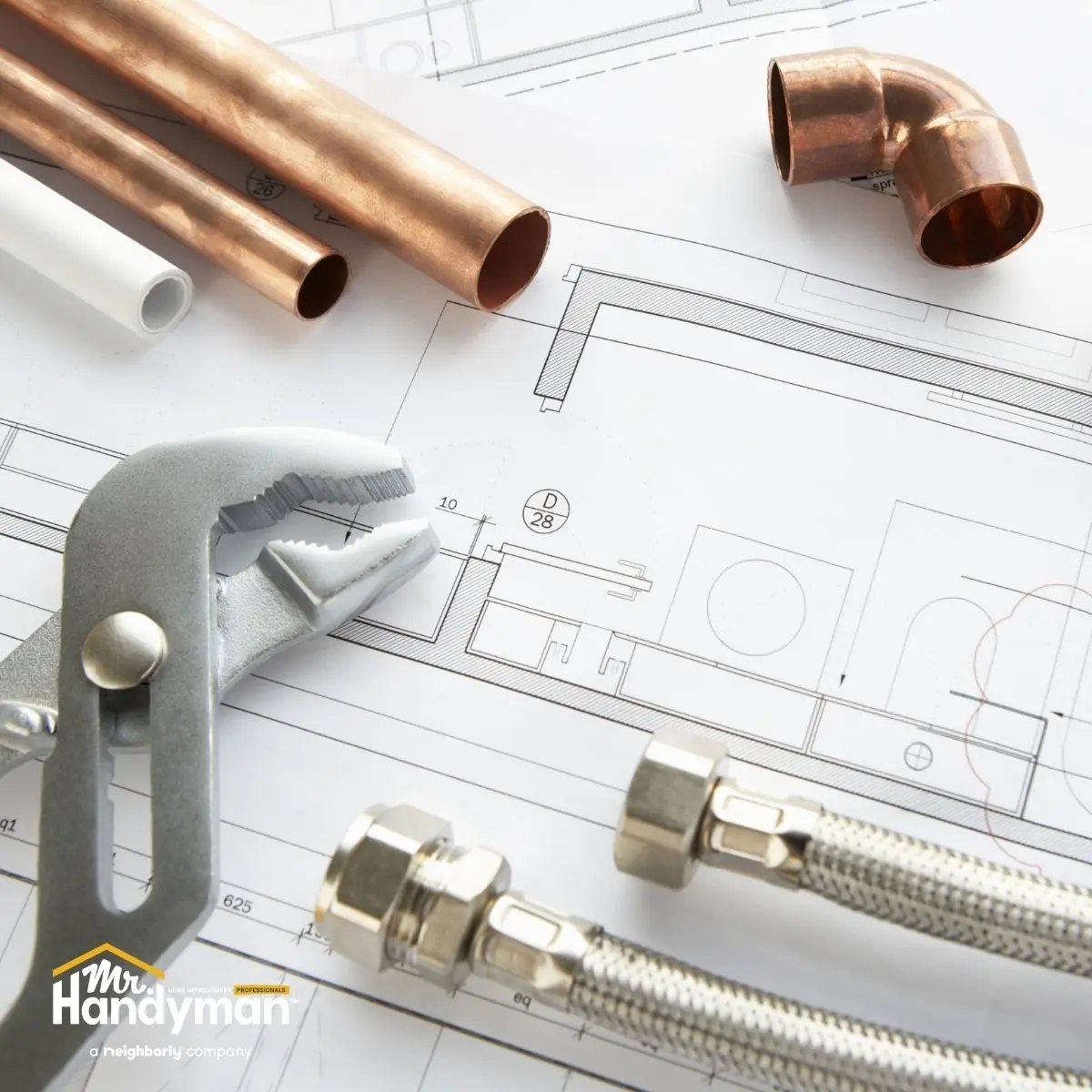
Kitchen plumbing fixtures do not fail suddenly in most cases. They degrade gradually, and the process is easy to ignore because each individual change is small enough to rationalize away.
Faucet cartridges and valve seats wear down with repeated use. The washers that create a watertight seal compress and crack over years of hot and cold water cycling through them. Internal components made from plastic or low-grade metal corrode, especially in areas with hard water or high mineral content. In homes throughout Martinsburg, Charles Town, and the older neighborhoods of Rockville, Bethesda, and Silver Spring, water quality varies, and mineral deposits accumulate inside faucet bodies and aerators over time, restricting flow and putting additional strain on the cartridge every time the handle is turned.
In older homes, which make up a significant portion of the housing stock across both West Virginia's Eastern Panhandle and Montgomery County, Maryland, kitchen fixtures may be original to the construction or last replaced decades ago. Fixtures installed in the 1970s, 80s, or even 90s were not built to the efficiency or material standards available today. Many contain lead-based brass components, which is a genuine health concern for families using that water for cooking and drinking. Others have internal parts that are no longer manufactured, making repairs difficult and often more expensive than a straightforward replacement.
The supply lines connecting fixtures to the shutoff valves beneath the sink are another point of failure that homeowners rarely consider until something goes wrong. Older braided or rubber supply lines become brittle with age, particularly where they flex near the fittings. A supply line failure under the kitchen sink is one of the most common causes of significant water damage in the home because the cabinet conceals the leak until it has already soaked the cabinet floor, the subfloor beneath it, and sometimes the adjacent wall cavity.
The Real Benefits of Upgrading Kitchen Plumbing Fixtures
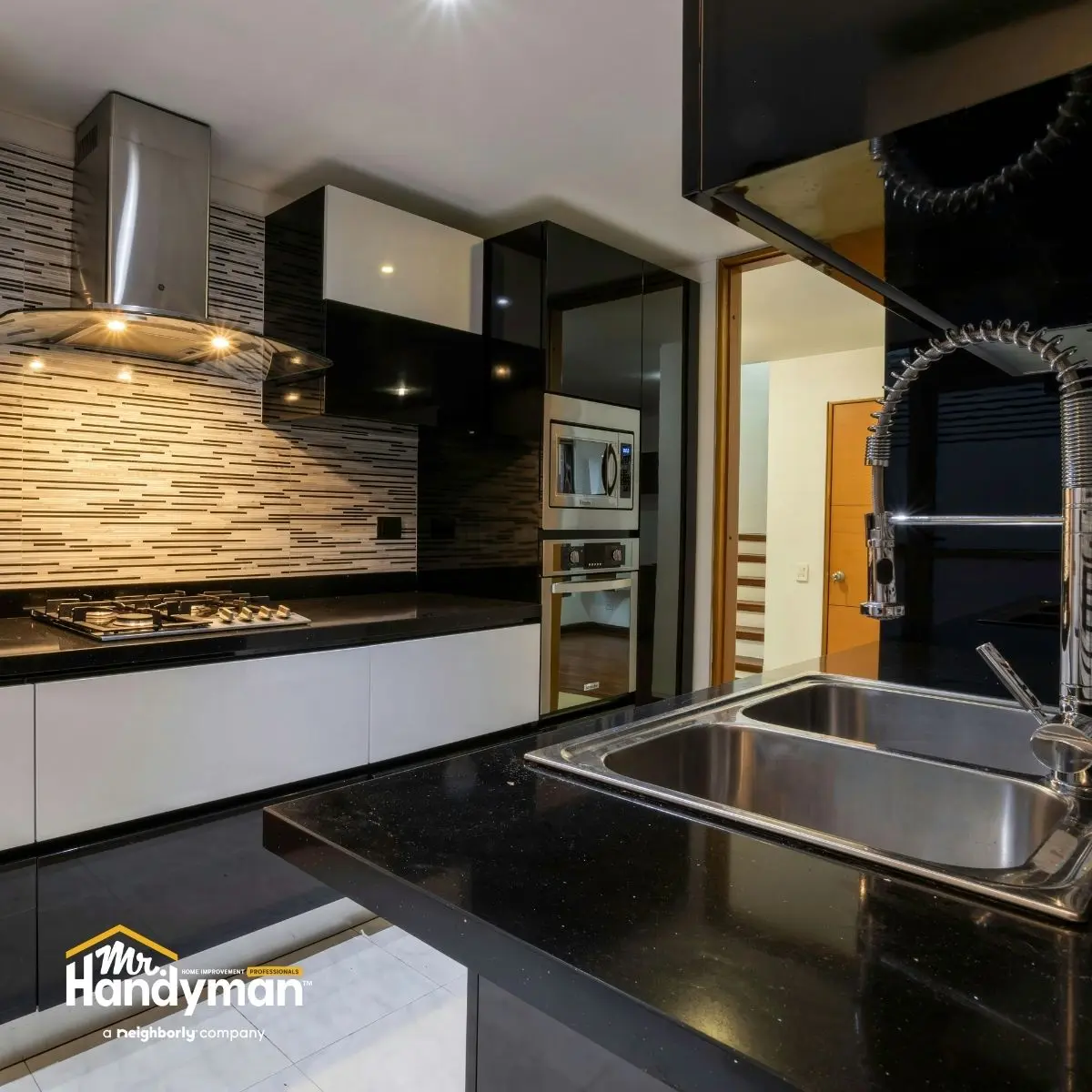
Understanding the value of new fixtures requires looking at what they actually deliver across several categories, not just how they look on the day they are installed.
Water Efficiency and Cost Savings
Modern kitchen faucets are manufactured to meet WaterSense standards, which means they deliver strong, usable water flow while using significantly less water per minute than older fixtures. A faucet installed before 2010 may flow at 2.2 gallons per minute or more. Current WaterSense certified faucets flow at 1.5 gallons per minute or less while maintaining pressure that feels equal or better due to improved aerator technology. For a household that uses the kitchen sink heavily, that difference adds up to thousands of gallons per year, which shows up directly on the water bill.
A dripping faucet compounds this further. A faucet that drips once per second wastes more than 3,000 gallons of water annually. Many homeowners tolerate a dripping faucet for months or years, absorbing that cost without realizing it. New fixtures eliminate that waste entirely.
Improved Water Quality at the Tap
Older faucets with brass components containing lead are a real concern, particularly in homes where the kitchen faucet is the primary source of drinking and cooking water. Lead leaches from aging brass fittings and internal components into the water that passes through them, especially when water sits in the fixture overnight and is drawn first thing in the morning. Modern faucets are manufactured to NSF/ANSI 61 and 372 standards, which verify that lead content in drinking water components is below acceptable thresholds. Replacing an older fixture with a certified modern one removes that exposure.
Aerators in new faucets also filter sediment more effectively than older designs, and the cleaner internal geometry of modern faucet bodies reduces the surface area where biofilm and mineral deposits accumulate over time.
Leak Prevention and Structural Protection
New fixtures come with new supply lines, new connections, and new seals. Every component is at zero wear when installed correctly. For homeowners in older homes with original or aging plumbing connections, this matters significantly. A new faucet installed with updated supply lines and properly seated shutoff valves reduces the probability of a slow leak developing in the most water-intensive area of the kitchen.
The cost of a new kitchen faucet and installation is modest compared to the cost of repairing water-damaged cabinetry, a compromised subfloor, or a wall cavity that has absorbed moisture over months of an undetected slow leak. Prevention here is not a theoretical benefit. It is a financial one.
Daily Functionality and Comfort
A faucet that turns smoothly, delivers consistent pressure, and responds precisely to temperature adjustments makes everyday kitchen tasks noticeably easier. Pull-down spray heads, touch-activated handles, and improved valve technology are not luxury features in modern faucets. They are standard in mid-range fixtures and make a real difference in how the kitchen functions throughout the day. Homeowners who replace a decades-old faucet often note that they did not realize how much friction the old fixture was adding to daily routines until it was gone.
Choosing the Right Kitchen Fixtures for Your Home
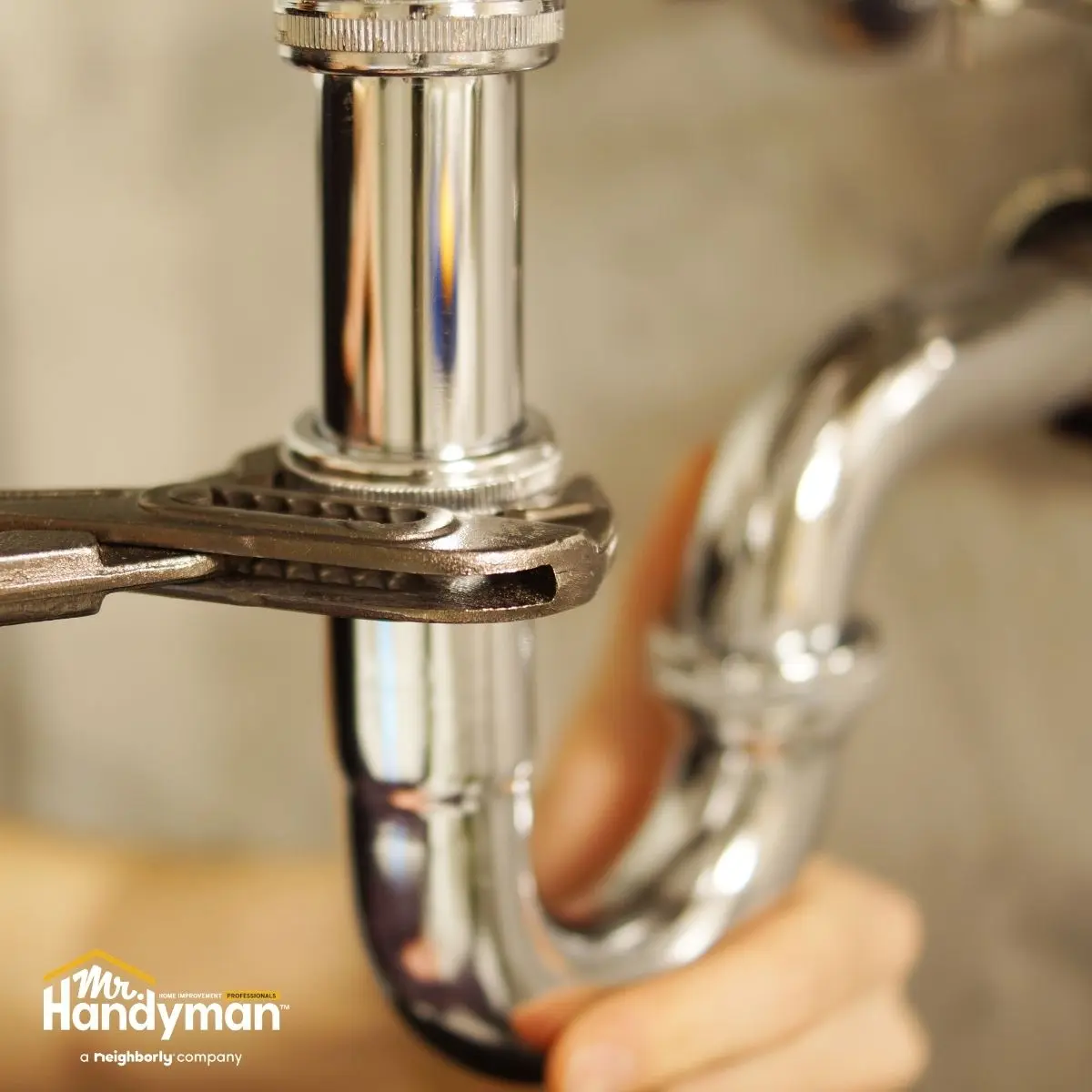
Not every kitchen needs the same solution. The right fixture depends on the age of your home, your existing plumbing configuration, your water quality, and how the kitchen is actually used day to day. Understanding the options available helps homeowners make a practical choice rather than simply picking the most expensive or most visually appealing option on the shelf.
Faucet Style and Configuration
Kitchen faucets come in single-hole, three-hole, and widespread configurations, and the right choice depends on what your sink already accommodates. Changing configurations is possible but requires additional work at the sink deck. For most homeowners replacing an existing faucet, matching the hole configuration keeps the project straightforward and cost-effective. Within that constraint, the choice between a single-handle and two-handle faucet comes down to preference and ease of use. Single-handle faucets are easier to operate with one hand and tend to have fewer failure points over time. Two-handle faucets offer more precise temperature control and suit homeowners who prefer that level of adjustment.
Pull-down and pull-out spray heads have become standard in modern kitchen design and for good reason. They extend the functional range of the faucet significantly, making it easier to rinse produce, fill large pots, and clean the sink itself. If your current faucet lacks a spray function or has a separate side sprayer that has lost pressure or begun to leak, upgrading to an integrated pull-down model consolidates the function and eliminates one more potential failure point under the sink.
Sink Upgrades and What They Change
If the faucet is being replaced, it is worth evaluating the sink at the same time. A sink that is scratched, stained, or chipped beyond cleaning affects the entire feel of the kitchen regardless of how good the new faucet looks. Undermount sinks, which sit below the countertop rather than dropping into it from above, have become the preferred option in most kitchen renovations because they eliminate the rim that collects debris and are significantly easier to keep clean. Drop-in sinks remain practical and cost-effective choices, particularly in kitchens where countertop replacement is not part of the plan.
Stainless steel remains the most common material for kitchen sinks due to its durability and resistance to heat and staining. Composite granite sinks have grown in popularity for their noise-dampening properties and their resistance to scratching. Cast iron sinks offer exceptional durability and a classic appearance but require more care to prevent chipping. The right material depends on how the kitchen is used and what the homeowner values in daily interaction with the sink.
Garbage Disposal Considerations
If your kitchen has a garbage disposal that is more than ten years old, replacing it alongside the faucet and sink is practical timing. Older disposals lose grinding efficiency over time, run louder, and are more prone to jamming. A new disposal installed at the same time as other fixture work avoids the need to return to the same space twice and ensures that all connections beneath the sink are fresh and properly seated.
What Older Homes in This Region Specifically Need
Homes in Martinsburg, Charles Town, Shepherdstown, and throughout the Eastern Panhandle of West Virginia, as well as the older neighborhoods of Rockville, Bethesda, Silver Spring, and Chevy Chase in Montgomery County, share a common set of plumbing realities that influence how kitchen fixture upgrades should be approached.
Many of these homes were built during periods when plumbing standards were different, materials were less durable, and water efficiency was not a design priority. A home built in the 1960s or 1970s may have original shutoff valves beneath the sink that have not been operated in decades. When a new faucet is installed, those valves need to be tested and often replaced, because a valve that seizes during installation or fails shortly afterward creates a larger problem than the one being solved.
Galvanized supply pipes, which are present in a meaningful number of older homes in both regions, present their own set of considerations. As galvanized pipe corrodes internally, it narrows and the rust and debris that flake off circulate through the water supply. A new faucet installed on a home with galvanized supply pipes may see its aerator clog within weeks as that debris collects at the screen. In these cases, the fixture upgrade is still worthwhile, but understanding the underlying pipe condition helps set accurate expectations and informs a longer-term plan for the plumbing system.
Water hardness is also a factor in both regions. Hard water accelerates mineral buildup inside faucet cartridges and aerators, shortening the effective service life of fixtures. Homeowners in areas with notably hard water benefit from fixtures with ceramic disc cartridges, which handle mineral-laden water better than rubber washer designs, and from cleaning aerators seasonally to maintain flow.
Frequently Asked Questions
How long does kitchen faucet installation typically take?
For a straightforward replacement where the hole configuration is not changing and the shutoff valves are in good condition, a faucet swap typically takes one to two hours. If the shutoff valves need replacement, the supply lines are corroded, or there is any water damage to address beneath the sink, the job takes longer. Having a professional assess the space before starting ensures there are no surprises once the old fixture is removed.
Can I install a new kitchen faucet myself?
Many homeowners complete faucet replacements successfully on their own. The challenge tends to arise with shutoff valves that have not been turned in years and seize or crack when operated, with supply lines that are difficult to access in tight cabinet spaces, or with older plumbing connections that do not match modern fittings. When any of those complications appear, having a professional complete the installation avoids the risk of a small project becoming a larger repair.
How do I know if my current supply lines need to be replaced?
If your supply lines are rubber and more than five years old, or if they show any stiffness, discoloration, or bulging near the fittings, they should be replaced. Braided stainless steel supply lines are the current standard and significantly more durable than rubber alternatives. Whenever a faucet is replaced, installing new supply lines at the same time is always the right call.
Will a new kitchen faucet increase my home's value?
Updated kitchen fixtures are consistently noted by real estate professionals as a detail that affects buyer perception during showings. A fresh, modern faucet signals that the home has been maintained. While the direct dollar-for-dollar return varies, kitchen updates, even modest ones, tend to contribute positively to how a home is valued and how quickly it moves in the market.
What should I do if water pressure at my kitchen faucet has been declining?
Start by removing and cleaning the aerator. Mineral deposits and debris collect at the aerator screen and are the most common cause of reduced flow at a single fixture. If cleaning the aerator restores pressure, the issue was localized. If pressure remains low after cleaning, the cartridge inside the faucet may be partially blocked or failing, or the shutoff valves beneath the sink may not be fully open. Persistent low pressure throughout the home points to a supply line or pressure regulator issue that warrants a broader inspection.
Ready to Upgrade Your Kitchen Plumbing Fixtures
New kitchen fixtures are one of the most practical home improvements available. They deliver better water efficiency, reduce leak risk, improve daily function, and update the most-used room in the house without requiring a full renovation. For homeowners in older homes across the Eastern Panhandle and Montgomery County, the case is even stronger given the age of existing fixtures and the plumbing realities that come with homes built several decades ago.
Mr. Handyman handles kitchen faucet replacements, sink installations, disposal upgrades, supply line replacements, and the full range of fixture work that keeps kitchens functioning well. Their technicians are experienced with the older homes and plumbing conditions common throughout this region, and they approach every job with the goal of getting it done right the first time.
Mr. Handyman of Martinsburg and Charles Town
mrhandyman.com/martinsburg-charles-town
Mr. Handyman of Northern Montgomery County
mrhandyman.com/northern-montgomery-county
Mr. Handyman of South Montgomery County
mrhandyman.com/south-montgomery-county
Call to schedule a kitchen fixture consultation or inspection. Whether you are replacing a single faucet or planning a broader kitchen plumbing update, the right help makes the difference between a smooth upgrade and an unexpected repair.