Spring arrives in the Lehigh Valley with a mix of relief and revelation. Relief that winter's harsh weather has ended, and revelation of all the damage those months inflicted on the properties you manage. For property managers overseeing buildings in Easton, Bethlehem, Nazareth, and Allentown, spring inspections aren't administrative busywork—they're essential protection against budget-destroying surprises and tenant-driving complaints that develop from problems left unaddressed.
The buildings under your management just survived months of freeze-thaw cycles, ice dams, snow load stress, and temperature extremes that tested every component. Roofs that looked sound in November may have compromised membranes or separated flashing. HVAC systems that ran continuously through winter are wearing out parts that will fail during summer heat when you need them most. Parking lots that seemed acceptable before snow now have cracks turned into potholes. Plumbing that survived freezing might have developed slow leaks that waste water and damage structures. Each issue costs more to repair the longer it waits.
Property managers face constant pressure from multiple directions. Owners expect their investments protected and income maximized. Tenants demand immediate response to problems affecting their comfort or operations. Budgets never stretch far enough to address everything that needs attention. Regulatory requirements keep expanding. Spring inspections feel like adding work to an impossible schedule. But systematic assessment actually reduces your workload over time by catching small problems before they become emergencies that blow budgets, disrupt tenant operations, and generate after-hours panic calls.
The difference between finding a small roof leak during planned inspection versus discovering it when a tenant calls about water damaging their belongings is thousands of dollars and massive liability exposure. Identifying worn HVAC components in spring costs hundreds to replace. Waiting until the system fails during July heat wave costs thousands in emergency service, temporary cooling equipment, and potentially lost rent if spaces become uninhabitable. Spring inspections shift you from reactive crisis management to proactive problem prevention.
Protecting Building Integrity and Property Value
Buildings deteriorate constantly, but winter accelerates that process dramatically in this climate. Spring inspection identifies damage while it's still repairable before it becomes structural failure requiring major reconstruction.
Water intrusion represents the single biggest threat to building integrity and the most expensive category of property damage. Winter creates numerous paths for water to enter buildings. Ice dams force water under roofing materials where it saturates insulation and rots structural decking. Freeze-thaw cycles crack masonry and separate flashing around roof penetrations. Failed window seals and deteriorated caulking allow water behind siding. Clogged gutters overflow and send water down walls where it infiltrates around windows and saturates foundation walls.
Each of these water entry points causes damage that compounds over time. A small roof leak that drips occasionally during heavy rain becomes complete membrane failure within two years. Minor moisture in wall cavities promotes mold growth that destroys insulation and requires expensive remediation. Foundation cracks that admit small amounts of water during spring thaw expand each year until basements flood during every rain. Spring inspection catches these issues while repairs are measured in hundreds of dollars instead of tens of thousands.
Structural elements throughout buildings show stress from winter conditions. Freeze-thaw action in the Lehigh Valley is particularly destructive to concrete and masonry. Parking lot pavement develops cracks that allow water penetration, which freezes, expands, and creates potholes almost overnight once temperatures fluctuate. Concrete walkways heave and settle unevenly, creating trip hazards and drainage problems. Brick and block walls develop deteriorated mortar joints that compromise structural integrity while allowing water infiltration.
Roofing systems on commercial and multi-family properties typically use low-slope or flat designs that handle snow loads well but create drainage challenges. Ponding water that doesn't drain within 48 hours after rain indicates problems that accelerate roof deterioration dramatically. Membrane roofs develop blisters, tears, and seam separation that aren't visible from ground level. Flashing around HVAC equipment, vents, and drains fails more frequently than roofing materials themselves, creating leak points that damage interiors during every rain.
Preventing Mechanical System Failures
HVAC, plumbing, and electrical systems keep buildings functional and tenants satisfied. These systems worked hard through winter, and components are wearing out. Spring inspection identifies parts approaching failure before they cause emergencies during your busiest season.
Commercial HVAC systems that ran continuously through cold months have components operating beyond their design life. Blower motors, contactors, capacitors, and control boards all wear from constant use. Heat exchangers in gas furnaces can develop cracks that create carbon monoxide hazards. Condensate drains that worked fine during heating season clog easily when systems switch to cooling mode, causing water damage to ceilings and promoting mold growth in ductwork.
Rooftop HVAC units common in commercial buildings face additional stress from weather exposure. Spring inspection verifies refrigerant lines haven't been damaged, outdoor air intakes aren't blocked, and controls operate correctly. Belts in older units stretch and wear, approaching failure. Air filters in commercial systems need replacement on schedules that depend on building use—office buildings might need quarterly changes while retail or food service spaces need monthly attention.
Building automation systems often need recalibration during seasonal transitions. Temperature sensors reading inaccurately cause comfort complaints and energy waste. Programmable thermostats still running schedules from previous tenants or outdated hours waste tremendous amounts of energy. Occupancy sensors that control lighting and HVAC in common areas malfunction and need adjustment or replacement.
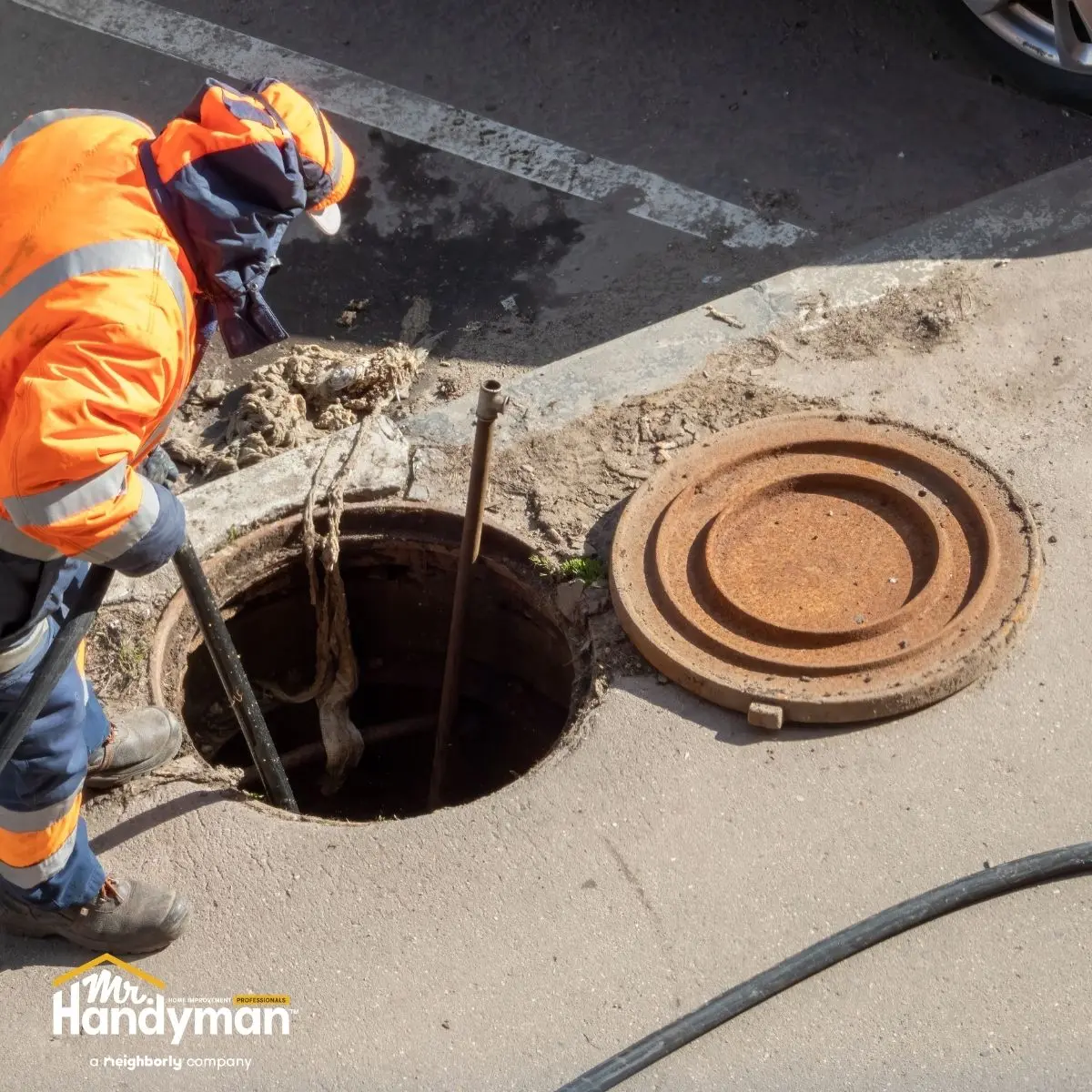
Plumbing systems develop problems during winter that reveal themselves gradually. Pipes that experienced freezing temperatures might have developed hairline cracks that leak slowly. Water heaters working overtime through cold months accumulate sediment that reduces capacity and efficiency. Pressure relief valves that haven't been tested in years sometimes fail, creating dangerous conditions. Sump pumps that sat idle all winter might not operate when spring thaw creates basement water infiltration.
Outdoor plumbing systems winterized in fall need careful spring reactivation. Irrigation systems serving landscaping often have damage from freezing that reveals itself only when pressurized. Backflow preventers require annual testing and certification by licensed professionals in most jurisdictions—missing this testing creates liability and code violations. Hose bibs and exterior faucets may have freeze damage that causes leaks when turned on.
Meeting Code Requirements and Liability Protection
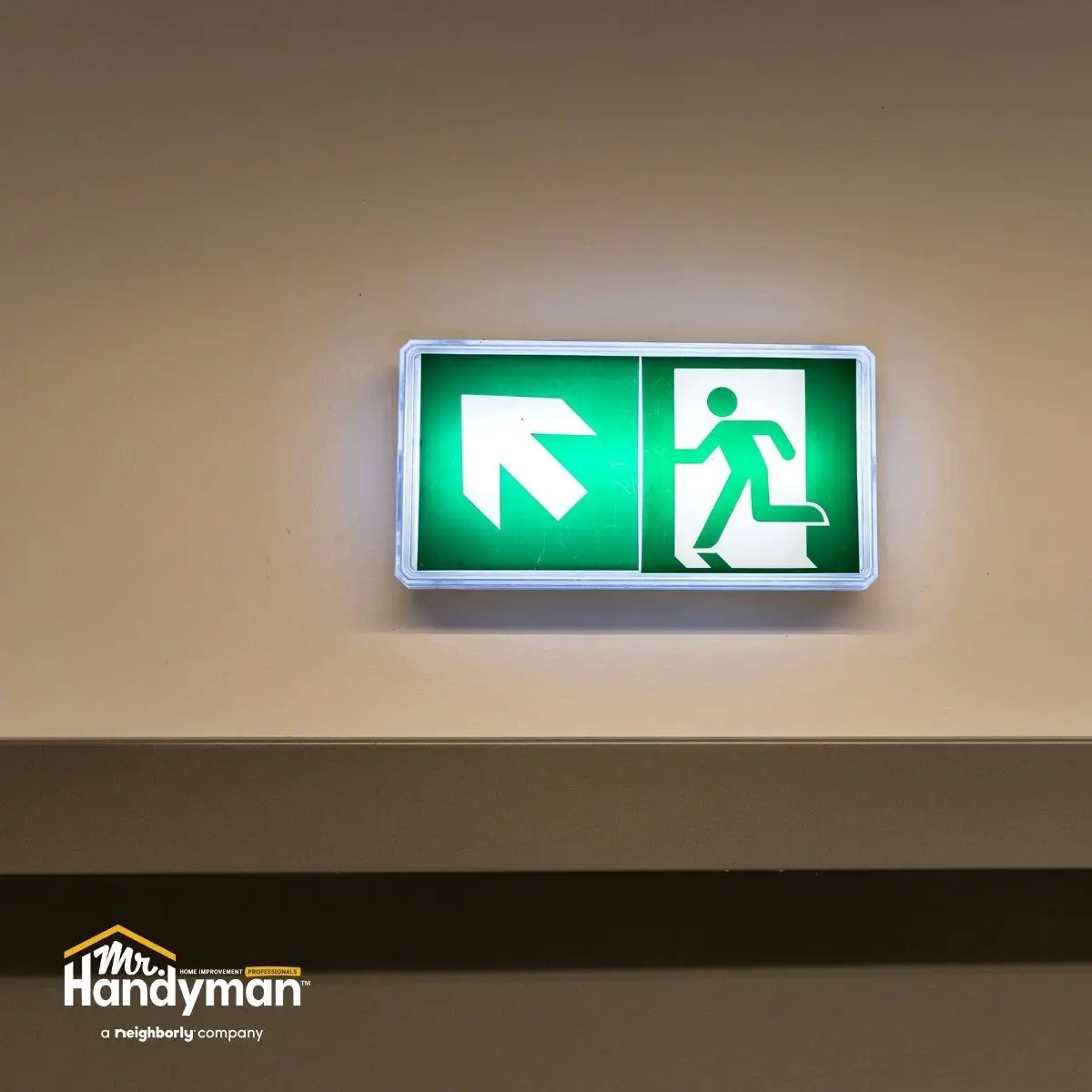
Properties under your management must meet safety codes and accessibility standards. Spring inspection verifies compliance and creates documentation protecting you from liability when problems occur despite your diligence.
Fire safety systems require professional inspection and testing on defined schedules. Sprinkler systems need annual flow tests, valve inspections, and verification that heads aren't blocked by stored materials or changes in space configuration. Fire extinguishers must have current annual inspection tags. Exit signs and emergency lighting need monthly testing with documented results—battery backups deteriorate and need scheduled replacement. Missing required inspections creates liability during fire marshal reviews and potentially voids insurance coverage after incidents.
Accessibility features throughout properties must remain compliant with ADA requirements. Handrails that loosen from use create hazards and compliance violations. Accessible door operators that fail prevent disabled individuals from entering buildings. Accessible parking space markings fade and need repainting to maintain clear designation. Ramps require proper slope, non-slip surfaces, and compliant handrails. These aren't optional maintenance items—they're legal requirements that create significant liability when neglected.
Electrical systems need periodic professional inspection beyond responding to obvious failures. Electrical panels with frequently tripping breakers indicate overloaded circuits or failing equipment that creates fire hazards. Ground fault circuit interrupter outlets required in bathrooms, kitchens, and outdoor locations fail over time and need testing. Outdoor electrical serving parking lot lighting, sign illumination, and building-mounted fixtures requires proper protection and regular inspection.
Elevator systems in multi-story buildings require state-mandated inspections and certifications that must remain current. Between official inspections, property managers should verify elevators operate smoothly without strange noises, rough stops, or door malfunctions that indicate developing problems. Documentation of all inspections and maintenance must be maintained and available for review.
Spring inspection creates records proving you identified problems and took appropriate action. When incidents occur, inspection documentation demonstrates whether issues were new developments or ongoing problems you attempted to address. When owners question repair expenses, inspection records show problems weren't created by deferred maintenance but resulted from normal wear or weather damage. When tenants complain, documentation establishes timelines and proves responsiveness.
Maintaining Tenant Satisfaction and Retention
Tenant retention directly affects property income and your success as a property manager. Spring inspection identifies problems affecting tenant satisfaction before they escalate into complaints, negative reviews, or lease non-renewals.
HVAC comfort issues top the list of tenant complaints. Systems that barely kept spaces warm through winter often fail to cool adequately when temperatures rise. Spring inspection identifies struggling systems before summer heat arrives. Replacing worn components in April costs far less than emergency service in July when tenants are sweltering and threatening to withhold rent or break leases.
Common area conditions affect how tenants and their visitors perceive properties. Burned-out lights in hallways, stairwells, and parking structures create safety concerns and make properties feel neglected. Dirty or damaged flooring in lobbies and corridors suggests poor management. Malfunctioning entry doors frustrate tenants daily. Restrooms in common areas with running toilets, dripping faucets, or failed exhaust fans create negative impressions that tenants remember during lease renewal decisions.
Parking lot conditions matter enormously to tenants and their customers. Potholes damage vehicles and create liability. Faded striping causes confusion and conflicts over parking space boundaries. Poor lighting makes tenants feel unsafe. Standing water from clogged drains creates hazards and accelerates pavement deterioration. Addressing these issues during spring inspection prevents the constant drip of tenant complaints throughout busy season.
Water intrusion affecting tenant spaces destroys satisfaction faster than almost any other problem. Roof leaks that drip onto merchandise, equipment, or furnishings create immediate crises. Window leaks that allow water infiltration during storms damage tenant property and suggest systemic neglect. Plumbing leaks from units above that damage ceilings and contents generate liability claims. Spring inspection of building envelope and plumbing systems identifies vulnerabilities before weather events test them with tenants inside.
Exterior appearance influences how tenants feel about properties and affects their willingness to renew leases. Peeling paint, damaged siding, overgrown landscaping, and neglected grounds make tenants question whether you're maintaining the property adequately. Well-maintained exteriors create pride and satisfaction. Spring cleanup and necessary repairs transform property appearance and tenant perception dramatically.
Optimizing Budgets and Preventing Cost Overruns
Spring inspection provides accurate information for budget planning instead of reactive spending on emergencies. Knowing what needs repair allows strategic scheduling and competitive bidding instead of paying premium pricing for urgent service.
Preventative maintenance costs a fraction of emergency repairs. Replacing a worn HVAC contactor during planned spring maintenance costs perhaps two hundred dollars. Waiting until it fails during peak cooling season costs a thousand dollars in emergency service, plus potential tenant compensation for lost business or spoiled inventory if spaces become too hot. Repairing small roof leaks identified during inspection costs hundreds. Ignoring them until interior damage appears costs thousands in roof repairs plus ceiling replacement, insulation replacement, and potential mold remediation.
Contractor availability and pricing improve dramatically when you're not competing with emergencies. Spring is ideal timing for securing competitive bids on identified repairs. Contractors appreciate planned work they can schedule efficiently rather than dropping everything for crisis response. This translates to better pricing and higher quality work completed on your timeline instead of theirs.
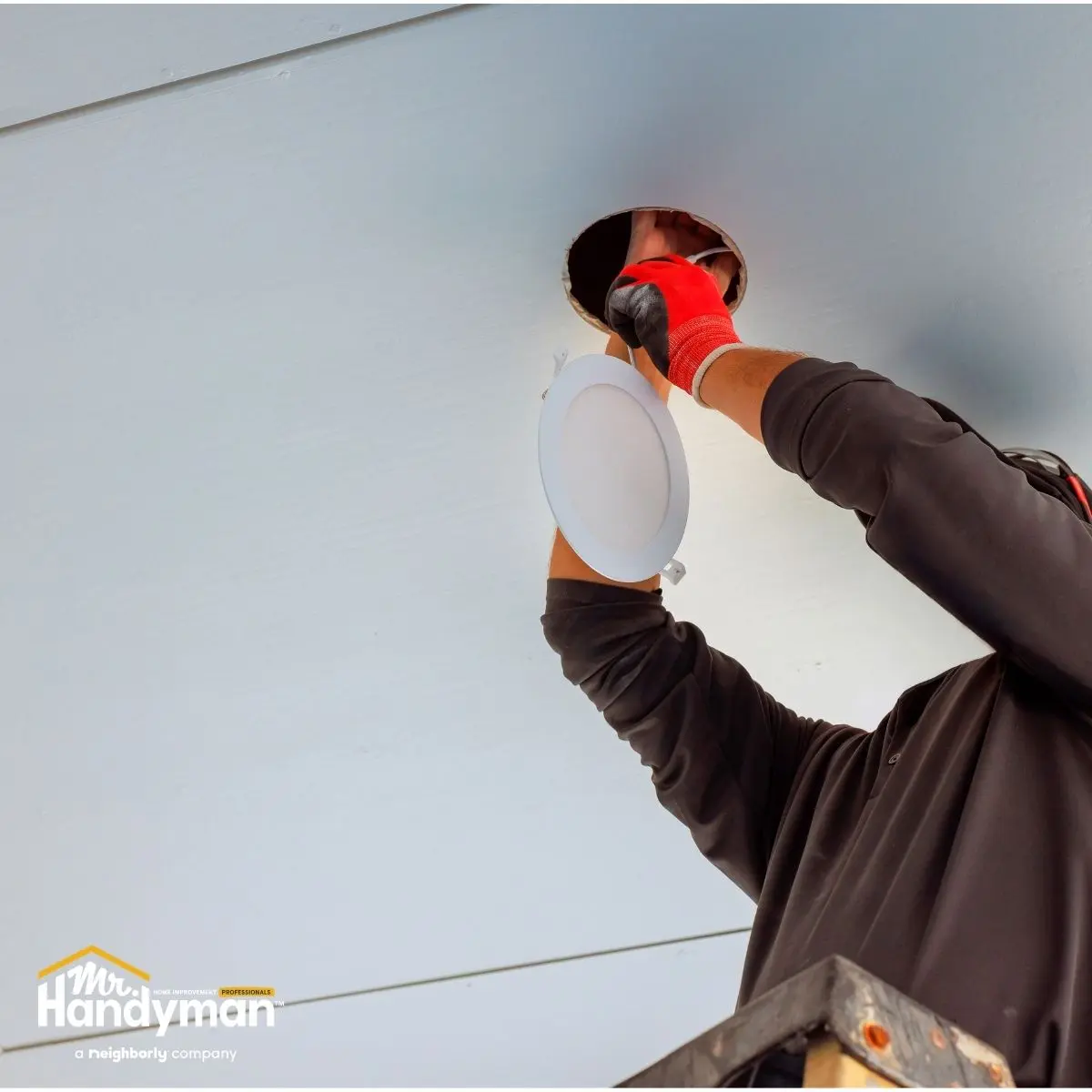
Energy efficiency problems identified during spring inspection save money immediately through reduced utility costs. HVAC systems running with dirty filters or failing components waste tremendous energy. Air leaks around windows and doors identified through inspection allow targeted weatherization. Inefficient lighting in common areas and parking lots can be upgraded to LED fixtures that pay for themselves through reduced energy consumption within two years.
Capital planning benefits enormously from systematic spring inspection. Major building systems have predictable lifespans. HVAC equipment typically lasts fifteen to twenty years. Roofing systems have defined service lives depending on materials. Spring inspection documenting system conditions allows you to predict replacement timing and budget appropriately rather than facing unexpected capital expenses when systems fail catastrophically.
Insurance considerations also favor documented inspection programs. Some commercial property insurance policies require periodic professional inspections of specific systems. Even when not required, documentation of regular maintenance and prompt repair of identified problems strengthens your position if claims occur. Insurance companies look more favorably on properties with documented maintenance programs versus those managed reactively.
Creating Effective Inspection Protocols
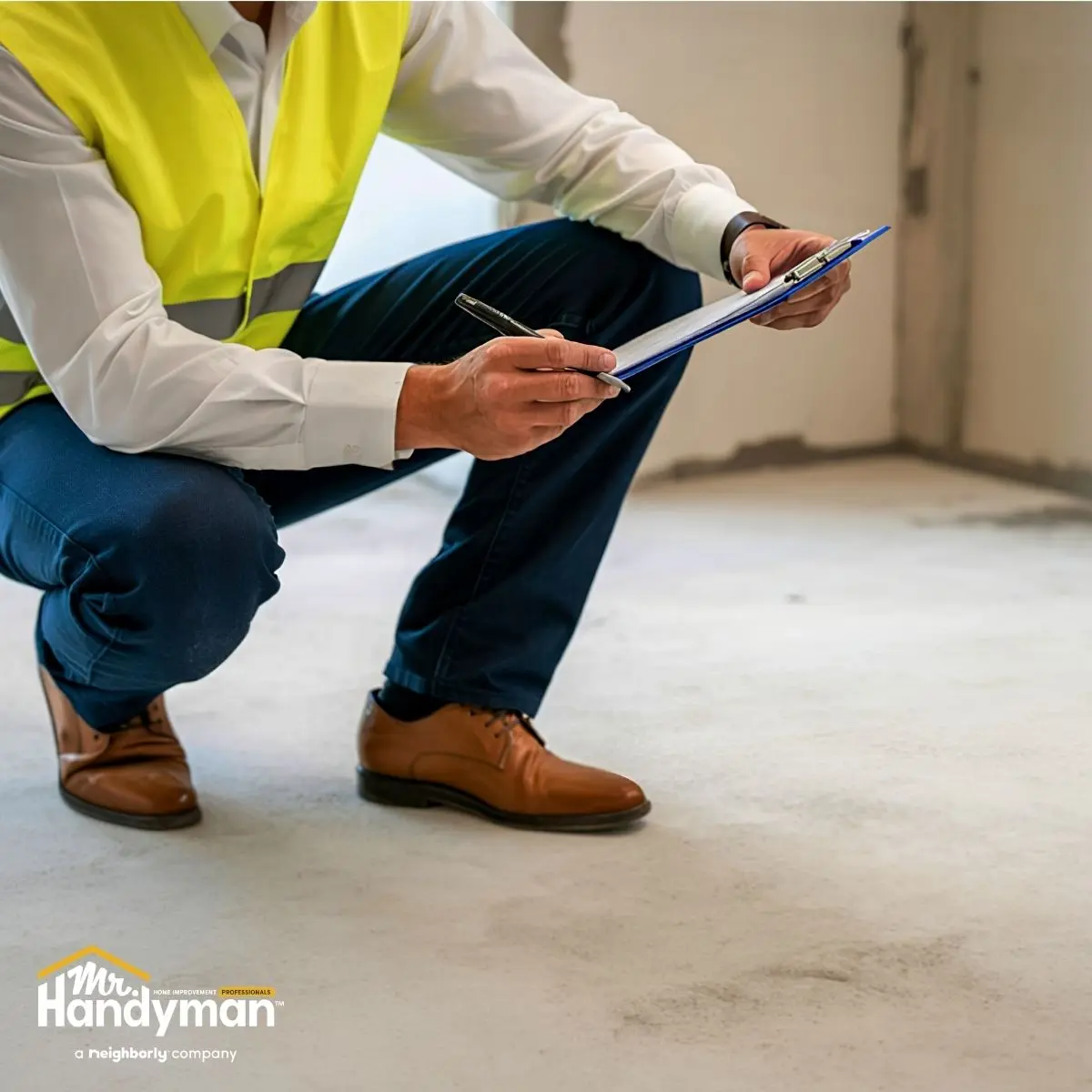
Systematic spring inspection requires organized approach covering all critical building systems and site conditions. Checklists ensure nothing gets overlooked and create consistent documentation over time.
Exterior envelope inspection starts at the roof and works downward. Examine roofing materials for damage, ponding water, or deterioration. Check all flashing, penetrations, and transitions for separation or damage. Inspect gutters and downspouts for clogs, damage, or improper discharge. Examine siding and trim for damage, deterioration, or missing sections. Check window and door perimeters for failed caulking or weather stripping. Inspect foundation walls for cracks or areas where water pools against the building.
Site conditions including parking lots, walkways, and landscaping need thorough assessment. Document pavement damage including potholes, cracking, and edge deterioration. Check striping visibility and compliance with accessibility requirements. Verify lighting operates properly throughout parking areas. Examine walkways for trip hazards, settlement, or spalling concrete. Assess drainage systems for clogs or damage. Evaluate landscaping for dead plants, overgrown areas, or irrigation problems.
Common areas and tenant spaces require walkthrough inspection noting conditions affecting satisfaction and safety. Check lighting for burned bulbs or malfunctioning fixtures. Examine flooring for damage or excessive wear. Test doors and hardware for proper operation. Inspect restrooms for plumbing problems or needed repairs. Note any signs of water intrusion, pest activity, or deferred maintenance.
Photography documenting conditions found during inspection creates powerful records for owner communication, contractor bidding, and liability protection. Date-stamped photos showing problems provide clear evidence of conditions and track changes over time. Before and after photos of completed repairs demonstrate value delivered and justify expenses to property owners.
Owner Communication and Relationship Management
Spring inspection creates opportunities to demonstrate value to property owners through professional reporting and proactive problem identification. How you communicate findings significantly affects owner confidence and your management contract security.
Comprehensive inspection reports should include executive summary highlighting critical findings, detailed documentation of all systems inspected, photographic evidence of problems identified, prioritized recommendations with cost estimates, and timeline proposals for addressing issues. Reports demonstrate that you're actively protecting owner investments rather than simply collecting management fees and responding to tenant calls.
Categorize recommendations by urgency to help owners understand priorities. Immediate action items include safety hazards, active water intrusion, failed mechanical systems, and code violations requiring correction. Near-term needs include repairs preventing further damage, maintenance preventing system failures, and improvements affecting tenant satisfaction. Long-term planning items include capital replacements approaching end of service life, efficiency upgrades with positive return on investment, and property improvements enhancing value or marketability.
Present findings in language owners understand, avoiding technical jargon that obscures meaning. Explain why repairs matter and what happens if deferred. Owners who don't regularly visit properties don't understand how minor issues escalate. Illustrate consequences clearly—a small roof repair now costs five hundred dollars, but delaying it two years means ten thousand dollars for complete section replacement plus interior damage repair.
Budget discussions should emphasize return on investment rather than just expenses. Preventative maintenance reduces long-term costs dramatically compared to emergency repairs. Energy efficiency improvements pay for themselves through reduced operating costs. Tenant retention from well-maintained properties preserves income and avoids turnover costs. Property value maintains or increases through systematic maintenance versus declining when deferred maintenance accumulates.
Track results over time showing how proactive management delivers value. Document problems identified during spring inspections and subsequent repairs completed. Show energy cost trends as efficiency improvements take effect. Demonstrate tenant retention rates and reduced turnover costs. Property owners appreciate managers who protect their investments through informed, proactive stewardship.
Frequently Asked Questions
When exactly should spring inspections be completed?
Late March through May in the Lehigh Valley, starting as soon as weather permits thorough exterior assessment. Complete before summer heat arrives so identified repairs happen during moderate weather when contractors have better availability and competitive pricing.
Should property managers conduct inspections personally or hire professionals?
Both. Conduct personal walkthroughs identifying obvious problems and documenting general conditions. Hire licensed professionals for specialized systems—roofing, HVAC, electrical, plumbing, elevators, and fire safety equipment. Professional inspections provide expert assessment and create documentation protecting you if systems fail despite maintenance.
How do I convince budget-conscious owners to approve needed repairs?
Provide clear documentation with photos showing problems. Explain consequences of deferral including escalating costs and liability exposure. Compare small repair costs now versus major replacement costs later. Emphasize tenant satisfaction and retention impacts on income. Frame recommendations as investment protection rather than unnecessary expenses.
What documentation should be kept from spring inspections?
Complete inspection reports with findings, photos, and recommendations. Records of owner communications and repair approvals or deferrals. Contractor quotes and completed work documentation. Before and after photos of repairs. Track everything in organized files proving you identified issues and took appropriate action.
How often should properties receive comprehensive inspections beyond spring assessments?
Twice annually minimum—spring and fall. Monthly visual checks of critical systems and high-traffic areas. Immediate inspection after severe weather. Scheduled professional service for mechanical systems and specialized equipment based on manufacturer recommendations and code requirements.
Professional Partnership for Property Management
Systematic spring inspections protect property investments, prevent expensive emergencies, and demonstrate professional management to owners. Identifying problems early controls costs while maintaining tenant satisfaction that preserves income and property value.
Managing properties in the Lehigh Valley? The experienced team at Mr. Handyman of Easton, Bethlehem, Nazareth & Allentown partners with property managers to conduct thorough spring inspections and complete identified repairs efficiently. From comprehensive assessments to skilled repairs, we help you protect investments and keep tenants satisfied. Call us or visit https://www.mrhandyman.com/easton-e-bethlehem-nazareth/ to discuss your property management needs.