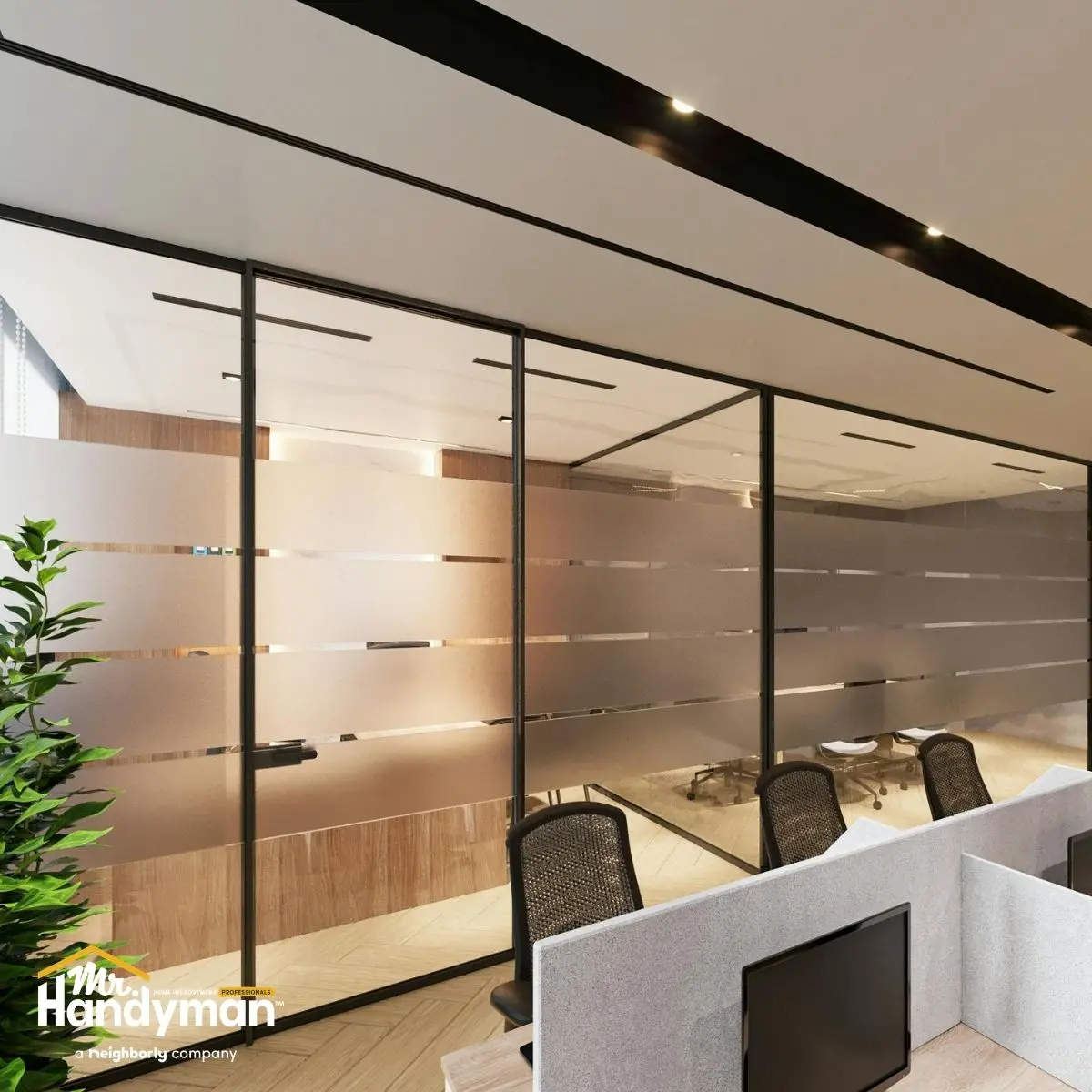
Customer impressions form within seconds of entering your business, and those first impressions determine whether they feel confident spending money with you or start questioning your professionalism. For businesses across Easton, Bethlehem, Nazareth, and Allentown, the condition of your physical space speaks louder than marketing materials or sales pitches. A worn, dated, or poorly maintained environment suggests that if you don't care about your own space, you probably don't care about quality in your products or services either.
The good news is that transforming customer perception doesn't require gut renovations or six-figure investments. Strategic small renovations targeting the areas customers notice most deliver dramatic improvements in how your business is perceived. Fresh paint in the right places, updated lighting that makes spaces feel modern and welcoming, and addressing the worn details that broadcast neglect all combine to create environments where customers feel comfortable and confident.
Businesses in the Lehigh Valley operate in buildings ranging from historic downtown storefronts to suburban strip centers to standalone structures. Age and architecture vary widely, but the principle remains constant—customers notice details that signal whether you maintain your business with pride or let things slide. Small renovations catch their attention positively instead of negatively, transforming spaces from forgettable or questionable into memorable and trustworthy.
The return on investment from customer-facing renovations goes beyond aesthetics. Improved environments increase time customers spend in your space, which typically correlates with higher spending. Professional appearance attracts better employees who want to work in quality environments. Updated spaces photograph better for marketing and social media. Most importantly, you eliminate the friction between your business quality and your space quality—when your environment matches the excellence of your service, customers don't have competing signals to reconcile.
Entry Areas and First Impressions
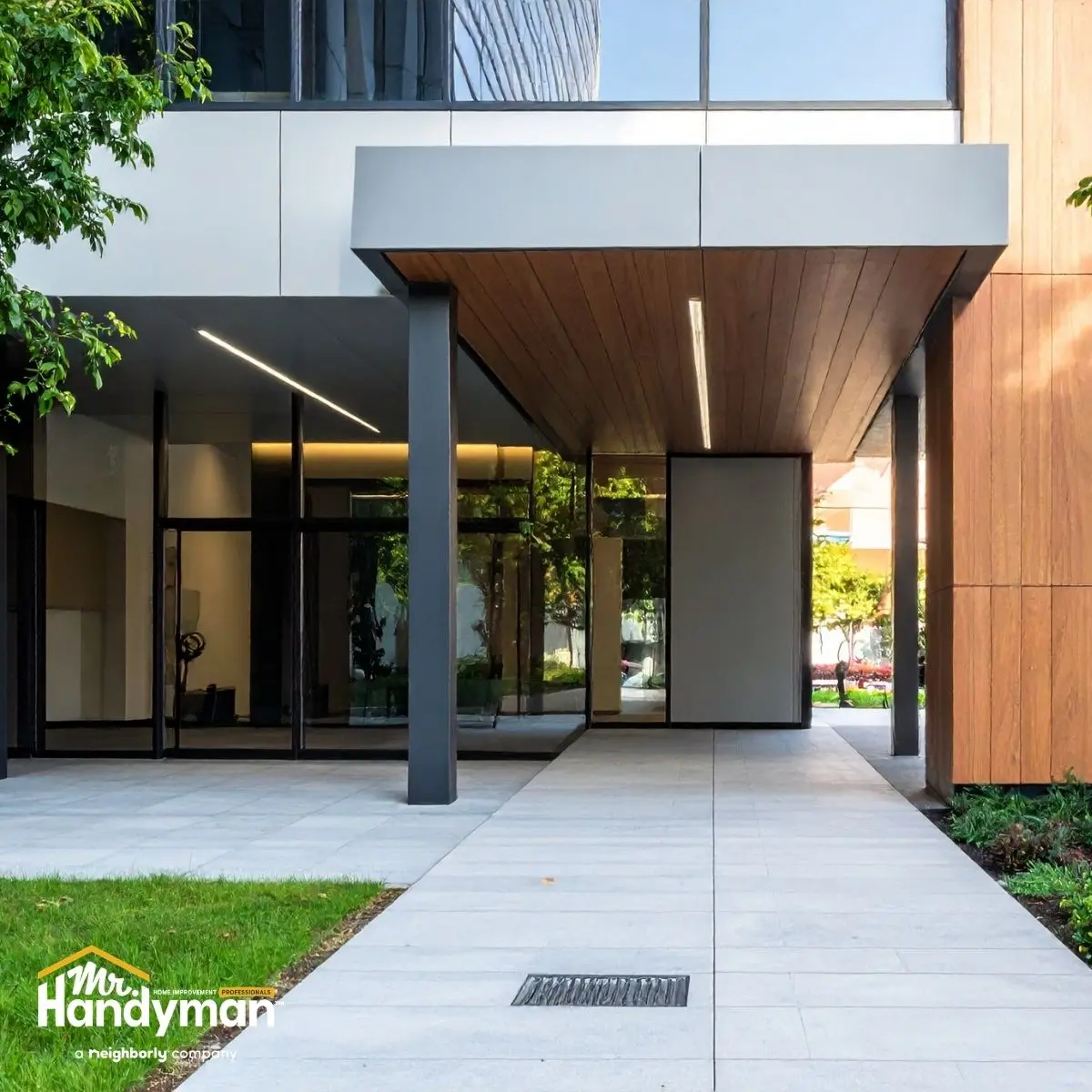
Customers decide whether your business feels professional or questionable within ten feet of your entrance. Entry renovation delivers the highest return per dollar invested because every single customer experiences this space.
Entry doors make immediate statements about your business. Doors with peeling paint, damaged hardware, or weathered finishes suggest neglect that customers associate with your entire operation. Fresh paint in professional colors, updated hardware that operates smoothly, and glass that's actually clean transform perception instantly. If doors stick, squeak, or close improperly, customers notice and judge accordingly. Automatic door operators that jerk or hesitate create negative impressions during the literal first interaction customers have with your physical space.
Flooring in entry areas takes tremendous abuse from tracked-in dirt, salt, and moisture, and it shows wear faster than any other surface. Entry flooring that's stained, cracked, or visibly worn makes customers question everything else. Strategic entry flooring renovation—whether tile, luxury vinyl, or appropriate commercial carpet—creates immediate visual improvement. Entry mats and walk-off systems prevent exterior debris from reaching interior floors while signaling that you care about maintaining clean professional environments.
Entry lighting affects both safety and ambiance. Dim, flickering, or harsh lighting makes businesses feel unwelcoming or cheap. LED fixtures with appropriate color temperature create bright, inviting environments while reducing energy costs dramatically. Well-lit entries make businesses feel open and accessible rather than closed or sketchy, especially during early morning or evening hours when natural light doesn't exist.
Walls in entry areas show scuffs, marks, and damage from constant traffic. Fresh paint transforms these spaces completely at minimal cost. Professional color selection matters—stark white shows every mark, while slightly warmer neutrals hide minor imperfections while feeling clean and modern. Accent walls or subtle color changes create visual interest without overwhelming small spaces.
Customer-Facing Surfaces and Touchpoints
Beyond entries, specific surfaces throughout your business receive customer attention and form impressions. Renovating these targeted areas delivers outsized impact relative to investment.
Reception desks, counters, and transaction areas are where customers interact directly with your business. Worn laminate, damaged edges, or outdated finishes make these critical touchpoints feel cheap or neglected. Countertop renovation using modern materials like quartz, butcher block, or even updated laminate transforms these surfaces from liabilities into assets. Hardware on cabinets and drawers underneath counters matters too—mismatched, tarnished, or missing pulls suggest inattention to detail.
Restrooms receive enormous customer attention because they're private spaces where people evaluate businesses honestly. Disgusting or poorly maintained restrooms destroy customer confidence regardless of how good your actual products or services are. Restroom renovation doesn't require complete reconstruction—fresh paint, updated fixtures, modern lighting, and quality accessories transform these spaces. Replace worn toilet seats, update faucets that drip or have tarnished finishes, install touchless fixtures where appropriate, and ensure exhaust fans actually work. Clean grout or re-grout tile where discoloration has occurred. These details signal that you maintain your business properly.
Waiting areas in professional offices, salons, auto shops, and medical practices give customers time to evaluate your business while they sit. Worn furniture, outdated magazines, poor lighting, and tired paint make wait times feel longer and businesses feel behind the times. Strategic furniture updates, improved lighting, fresh paint, and attention to details like outlet availability for phone charging modernize these spaces affordably.
Window treatments affect how businesses look from both inside and outside. Faded, dusty, or broken blinds make businesses look closed or abandoned. Modern treatments that control light while maintaining professional appearance improve customer experience and exterior curb appeal simultaneously.
Lighting Upgrades That Transform Spaces
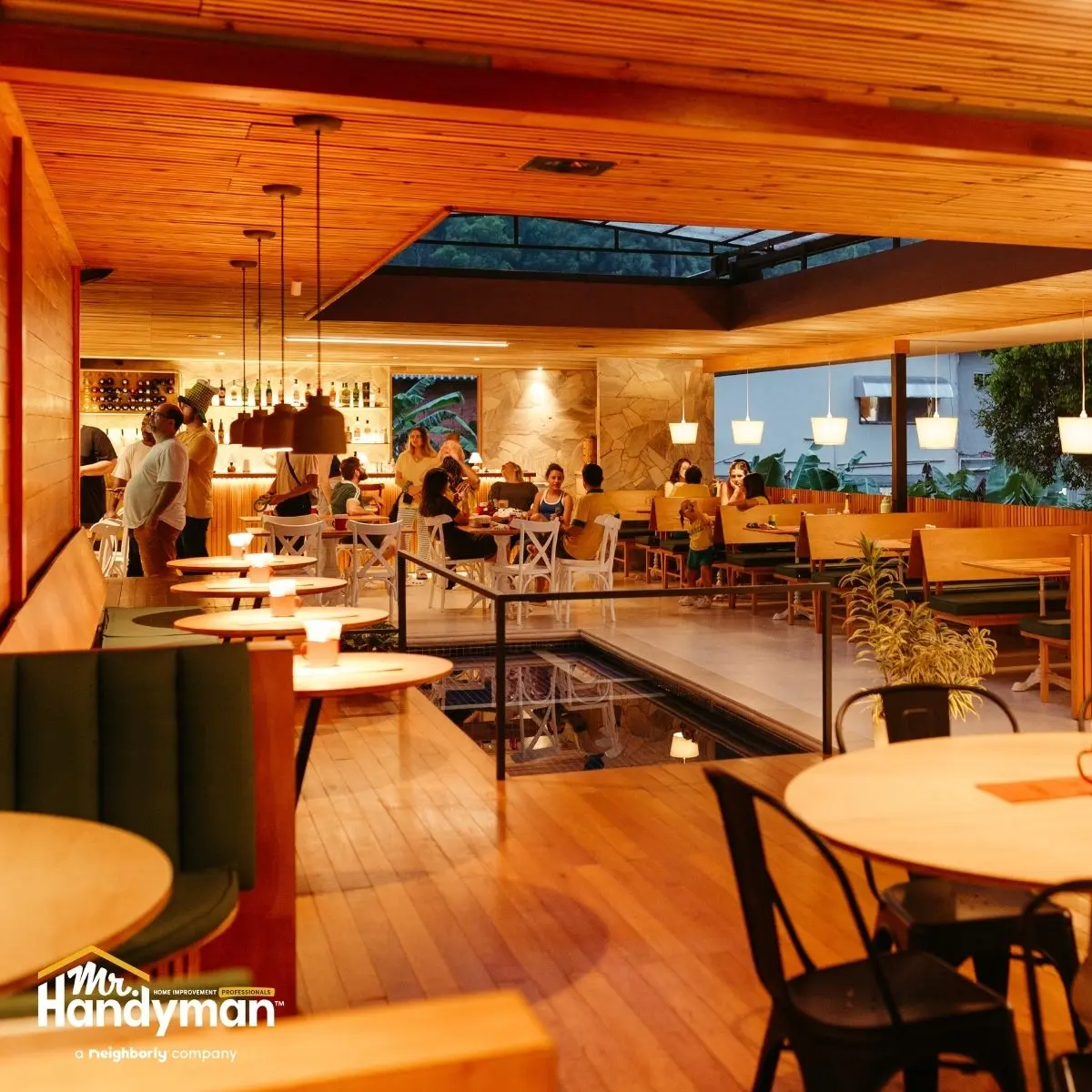
Lighting affects customer perception more dramatically than almost any other single factor, and LED technology makes comprehensive lighting upgrades affordable with immediate energy savings that offset costs.
Outdated fluorescent lighting with buzzing ballasts and poor color rendering makes businesses feel institutional and unwelcoming. LED panel or troffer replacements provide better light quality, eliminate noise, reduce energy consumption by sixty percent or more, and virtually eliminate maintenance. The difference in how spaces feel after lighting upgrades surprises most business owners—the same space suddenly feels cleaner, more modern, and more professional.
Task lighting in specific areas improves functionality while creating visual interest. Retail displays benefit from accent lighting that highlights products. Restaurant tables feel more intimate with focused lighting. Office work areas function better with appropriate task lighting reducing eye strain. Strategic lighting placement guides customer attention and creates atmosphere that generic overhead lighting never achieves.
Exterior lighting affects safety, security, and after-hours visibility. Dark building facades make businesses invisible during evening hours when many potential customers drive past. Updated exterior fixtures, sign illumination, and parking lot lighting improve visibility while reducing energy costs through LED conversion. Well-lit exteriors feel safer and more welcoming while making buildings visible and identifiable from distance.
Dimming controls and color temperature selection provide flexibility in creating appropriate ambiance for different business types and times of day. Restaurants benefit from dimming capability creating different moods for lunch versus dinner service. Retail spaces might use cooler color temperatures highlighting merchandise while offices might prefer warmer tones creating comfortable work environments. Modern LED systems provide this flexibility at costs barely exceeding standard fixtures.
Paint and Color Updates
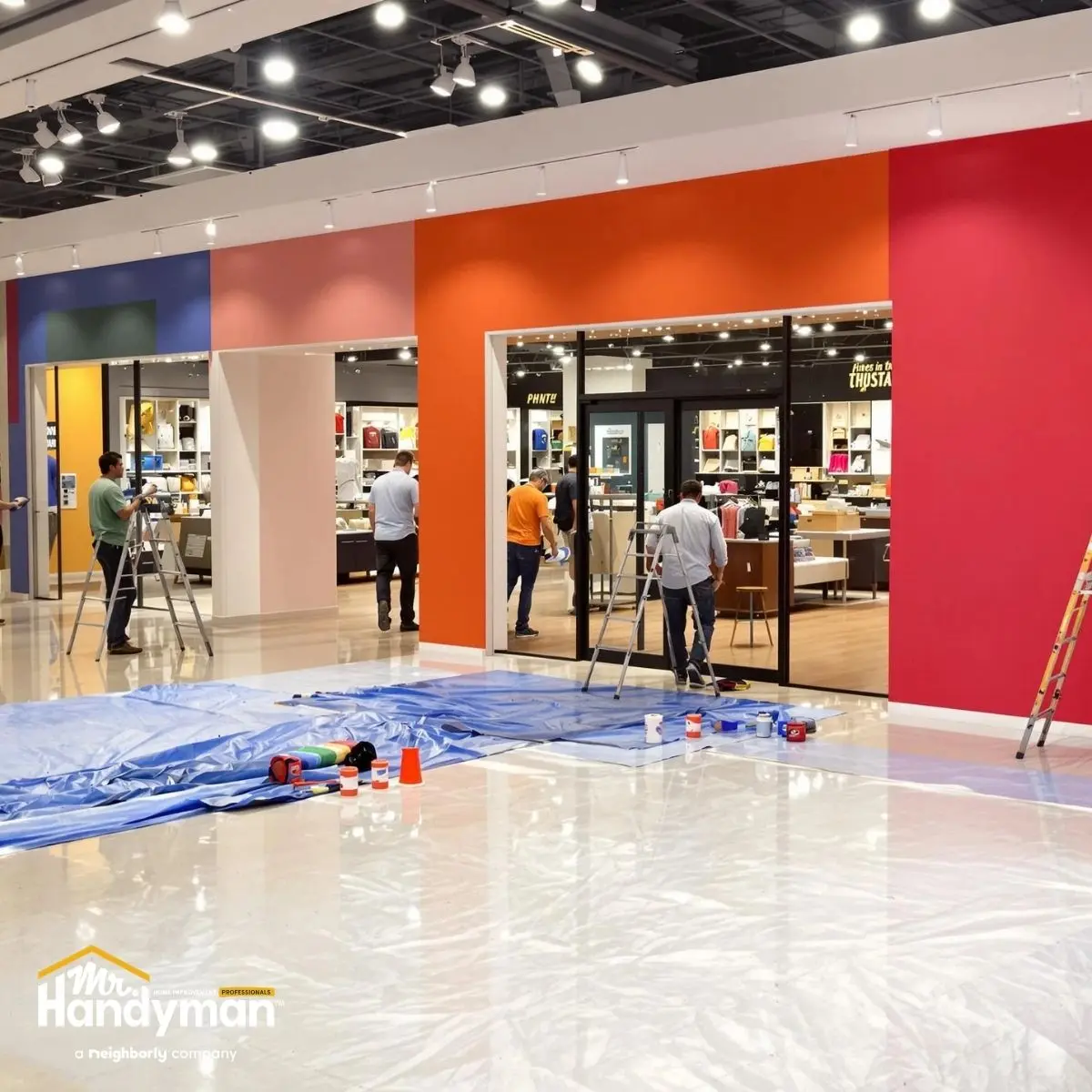
Fresh paint delivers the highest visual impact per dollar invested of any renovation. Strategic painting targeting customer-facing areas transforms businesses affordably while addressing the accumulation of scuffs, marks, and general aging that makes spaces feel tired.
Color selection affects customer perception significantly. Stark white shows every imperfection and feels cold or institutional. Warmer neutrals create welcoming environments while hiding minor wall damage between paint cycles. Accent colors add visual interest and can reinforce branding, but require careful selection avoiding trends that date quickly or colors that overwhelm small spaces.
Trim, doors, and detail painting often gets overlooked during basic paint jobs, but these elements significantly affect overall appearance. Baseboards with scuff marks, door frames with chipped paint, and window trim that's yellowed or damaged detract from otherwise fresh walls. Complete paint jobs addressing all these elements create cohesive professional appearance.
Ceilings receive less attention but affect how clean and maintained spaces feel. Stained or dingy ceilings from roof leaks, HVAC condensation, or simply age make entire spaces feel neglected. Fresh ceiling paint—or in cases of significant staining, ceiling tile replacement—dramatically improves how spaces read visually.
Exterior paint affects curb appeal and customer decisions about whether to enter your business. Faded, peeling, or mismatched exterior paint makes businesses look closed or failing. Fresh exterior paint signals that businesses are active, maintained, and professional. Proper surface preparation matters enormously for exterior durability—cheap paint jobs that skip preparation fail within two years while properly executed work lasts seven to ten years.
Flooring Updates in High-Traffic Areas
Flooring takes constant abuse in commercial environments, and worn or damaged floors create immediate negative impressions. Strategic flooring renovation in areas customers see most delivers dramatic improvement in perceived business quality.
Retail and restaurant flooring affects customer comfort and purchasing behavior. Cracked tile, stained carpet, or worn vinyl makes customers question cleanliness regardless of how often you clean. Modern luxury vinyl plank provides realistic wood appearance with complete waterproof protection and durability that handles commercial traffic. Porcelain tile offers timeless appearance and extreme durability though installation costs more. Commercial-grade carpet in appropriate areas provides comfort and sound absorption while standing up to heavy use.
Transition strips between different flooring materials often get overlooked but create tripping hazards and unprofessional appearance when damaged or missing. Quality transitions between flooring types create intentional, finished appearance versus the improvised look of mismatched materials meeting awkwardly.
Refinishing existing hardwood floors in historic commercial buildings restores beauty while preserving character. Many older commercial spaces in downtown Easton and Bethlehem have original hardwood hidden under carpet or vinyl. Exposing and refinishing these floors creates authentic character that new materials can't replicate while often costing less than installing new flooring.
Commercial kitchen flooring in restaurants requires slip-resistant surfaces that handle grease, water, and constant traffic. While customers don't typically see kitchen floors, health inspectors do, and failing inspections affects your ability to operate. Non-slip tile or sealed concrete with proper drainage prevents accidents while meeting health department requirements.
Storage and Organization Improvements
Visible clutter and disorganization suggest operational chaos that makes customers question whether you can deliver quality products or services. Strategic storage improvements eliminate the visual noise that undermines professional appearance.
Built-in shelving and cabinets in customer-facing areas organize materials while creating custom appearance that elevates perceived quality. Retail back walls with professional shelving display products intentionally rather than stacked boxes suggesting temporary operations. Office waiting areas benefit from built-in storage hiding clutter while providing surface area for displays or reading materials.
Point-of-sale areas accumulate tremendous clutter from supplies, paperwork, and equipment. Custom millwork or strategic cabinetry organizes these necessities while maintaining clean counters where customers complete transactions. Hidden storage for bags, receipt paper, and supplies keeps transaction areas functional without looking chaotic.
Back-of-house storage affects employee efficiency and morale even though customers don't see it directly. Well-organized storage areas with proper shelving, clear labeling, and logical layout help employees work efficiently. When employees spend less time hunting for supplies or materials, they provide better customer service. Modern businesses recognize that employee experience directly affects customer experience.
Display fixtures and merchandising systems in retail environments require periodic updating as they wear or as business needs change. Slatwall, gridwall, or custom fixtures organize products attractively while maximizing sales per square foot. Worn, mismatched, or inadequate fixtures make products look less appealing regardless of actual quality.
Signage and Wayfinding
Clear, professional signage guides customers while reinforcing brand identity. Worn, missing, or inadequate signage creates confusion and suggests businesses that don't invest in their own success.
Exterior signage makes businesses visible and identifiable from distance. Faded, damaged, or poorly lit signs make businesses invisible during prime evening hours when many customers are making purchasing decisions. Sign renovation or replacement dramatically improves visibility while reinforcing professional image. Monument signs, building-mounted signs, and blade signs all require maintenance and periodic updating to remain effective.
Interior directional signage helps customers navigate spaces confidently without asking for help. Restroom signs, department identifiers in larger retail spaces, and service area designations create smooth customer flow. ADA-compliant signage isn't optional—it's required, and missing or non-compliant signs create legal liability.
Window graphics and decals communicate hours, services, and promotions while adding visual interest to storefronts. Outdated, peeling, or faded window graphics make businesses look abandoned or failing. Fresh, professionally designed window treatments attract attention and communicate current information effectively.
Menu boards in restaurants require readability and easy updating capability. Chalkboard, digital displays, or printed boards all work depending on business type and budget, but worn boards with faded text or missing letters create terrible impressions. Customers interpret sloppy presentation as indication of food quality.
Comfort and Atmosphere Details
Small details affecting customer comfort significantly influence how long they stay and how much they spend. Strategic improvements to atmosphere create environments where customers want to linger.
Seating in waiting areas, restaurants, and retail spaces affects customer comfort and purchasing behavior. Worn, uncomfortable, or mismatched furniture makes customers want to leave quickly. Updated seating appropriate to business type—professional chairs in offices, comfortable booths in restaurants, strategic benches in retail—improves customer experience while supporting brand identity.
Temperature control affects customer comfort tremendously but often gets overlooked during renovation discussions. HVAC systems struggling to maintain comfortable temperatures make customers physically uncomfortable, which they associate with your business. Upgrading thermostats, improving insulation, or right-sizing HVAC equipment prevents the too-hot or too-cold environments that drive customers away.
Acoustic improvements reduce noise levels that make conversation difficult or create stressful environments. Sound-absorbing ceiling tiles, wall treatments, or strategic furniture placement reduce echo and noise in spaces with hard surfaces. Restaurants particularly benefit from acoustic treatment that allows conversation without shouting.
Scent affects customer perception though businesses often overlook this sensory element. Musty odors from poor ventilation, bathroom odors from failed exhaust fans, or cooking smells in inappropriate areas create negative impressions. Proper ventilation eliminates problem odors while allowing subtle scenting where appropriate for business type.
Technology and Convenience Updates
Modern customers expect certain technological conveniences, and providing them signals that your business understands current expectations and invests in customer experience.
WiFi availability in customer areas has shifted from luxury to expectation in many business types. Coffee shops, restaurants, professional offices, and retail spaces increasingly offer guest WiFi as basic service. Clear network information and simple password systems provide convenience customers appreciate.
Charging stations or accessible outlets allow customers to charge devices while in your space. Dead phone batteries make customers anxious and often cut visits short. Strategic placement of charging capability—built into waiting area furniture, available at restaurant tables, or offered at retail counters—extends visit duration while providing appreciated service.
Digital payment options including contactless and mobile payment systems meet customer expectations for convenience and speed. Outdated payment systems that only accept cash or require signatures for small purchases create friction in transaction process. Modern POS systems that handle multiple payment types smoothly improve customer experience while speeding transaction times.
Security systems including visible cameras provide customer reassurance about safety in parking areas and interior spaces. Well-lit, monitored environments make customers feel safer, particularly during evening hours or in areas where they're making valuable purchases.
Frequently Asked Questions
What small renovation delivers the biggest impact for customer perception?
Fresh paint combined with updated lighting transforms spaces more dramatically per dollar invested than any other renovation. These two improvements make existing spaces feel clean, modern, and well-maintained immediately.
How do I prioritize renovation projects with limited budget?
Focus on entry areas and customer-facing surfaces first since every customer experiences these spaces. Address obvious wear or damage that suggests neglect. Then improve lighting and paint in areas where customers spend the most time.
Should renovations match existing style or update to modern aesthetics?
Balance matters. Extremely trendy choices date quickly, but failing to update at all makes businesses look behind the times. Choose classic modern elements that will remain appropriate for five to ten years while refreshing tired aesthetics.
Can small renovations be completed without closing the business?
Most can with proper planning. Schedule work during off-hours or slower days. Section off renovation areas when possible. Communicate with customers about temporary inconvenience while improvements happen. Many renovations take only days, minimizing disruption.
How often should customer-facing areas receive renovation attention?
Paint every three to five years depending on traffic and wear. Flooring every five to ten years depending on material and use. Lighting and fixtures as technology improves or when function degrades. Continuous minor maintenance prevents major renovations becoming necessary.
Transform Customer Experience Through Strategic Improvement
Small renovations targeting areas customers notice most create dramatic improvements in how your business is perceived. Strategic investment in entry areas, customer touchpoints, lighting, and finishing details transforms spaces from forgettable or questionable into memorable and trustworthy environments where customers feel confident spending money.
Ready to improve customer impressions of your business? The experienced team at Mr. Handyman of Easton, Bethlehem, Nazareth & Allentown helps businesses throughout the Lehigh Valley complete strategic renovations that deliver maximum impact. From fresh paint to updated fixtures, we understand what customers notice and how to address it efficiently. Call us or visit https://www.mrhandyman.com/easton-e-bethlehem-nazareth/ to discuss renovation priorities for your business.