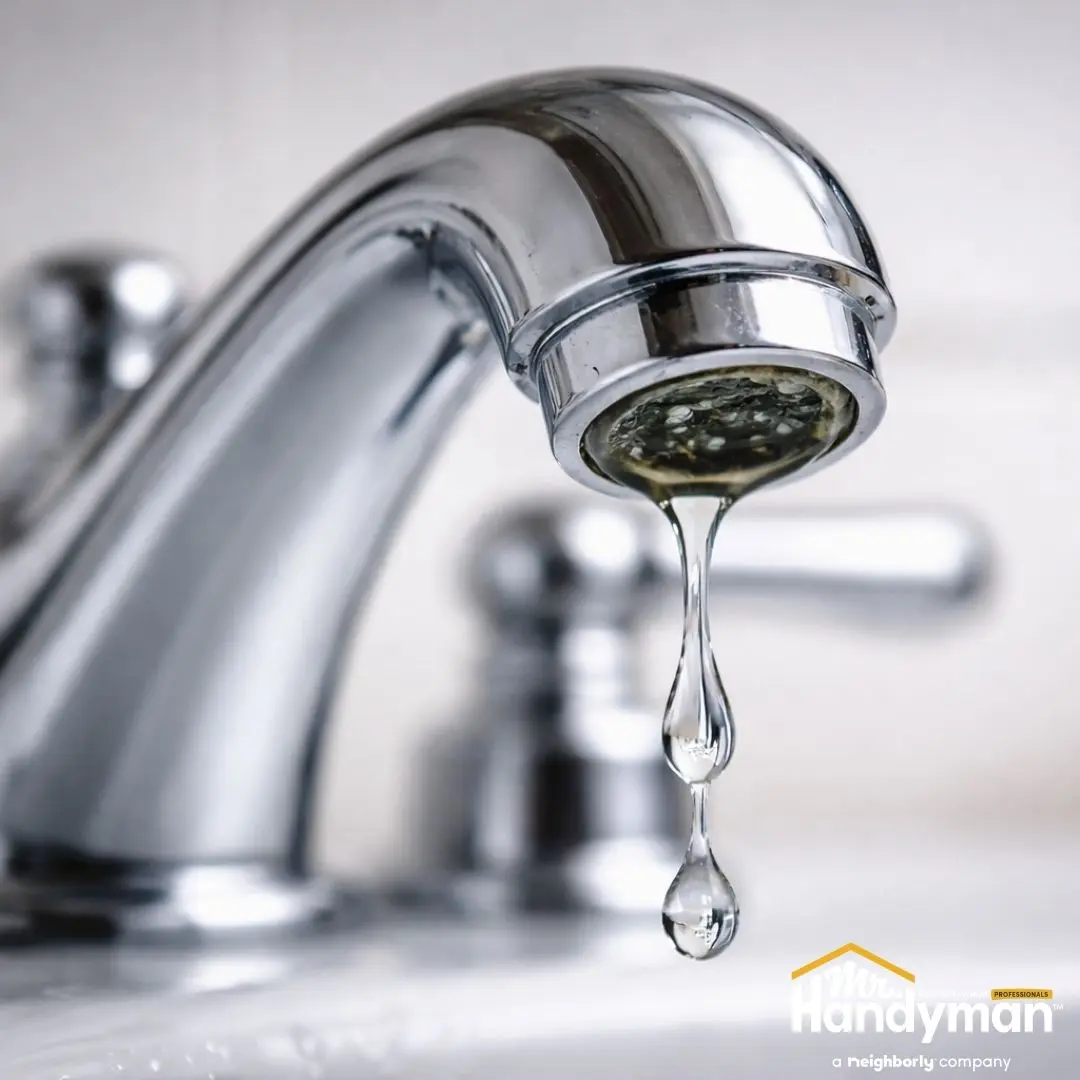
Cold winter temperatures often bring plumbing issues that homeowners do not experience during warmer months. Why Your Faucets Drip in Winter and What You Can Do About It is an important topic for homeowners who notice persistent dripping, increased water bills, or sudden plumbing noises when temperatures drop. While a dripping faucet may seem like a minor inconvenience, it can signal underlying plumbing stress caused by cold weather.
Homeowners across Allentown, Bethlehem, Easton, and Nazareth frequently experience winter faucet issues due to temperature fluctuations, aging plumbing components, and increased system pressure. Working with a trusted local provider like Mr. Handyman of Easton, Bethlehem, Nazareth & Allentown helps ensure winter plumbing problems are addressed properly before they lead to larger repairs. Understanding Why Your Faucets Drip in Winter and What You Can Do About It begins with recognizing how cold weather affects household plumbing.
How Cold Weather Causes Faucets to Drip
Winter temperatures place unique stress on plumbing systems. As water inside pipes cools, it contracts, which can affect internal pressure and fittings. Pipes and fixtures also expand and contract as temperatures fluctuate, causing seals, washers, and valve components to loosen or wear unevenly.
According to the American Society of Plumbing Engineers, temperature-related expansion and contraction is a common contributor to winter plumbing issues. Faucets are often the first visible sign of this stress, making dripping one of the most noticeable winter plumbing problems.
Homes in older neighborhoods throughout Allentown and Bethlehem may be particularly susceptible because older fixtures and valves are less tolerant of temperature changes. Recognizing Why Your Faucets Drip in Winter and What You Can Do About It requires understanding this seasonal stress on plumbing components.
Worn Washers and Seals Exposed by Winter Use
One of the most common causes of dripping faucets in winter is worn washers or seals. These small components create a watertight seal inside the faucet. Over time, normal use causes them to degrade. Cold weather accelerates this process by making rubber and plastic components less flexible.
In winter, faucets are often used more frequently as homeowners spend more time indoors. This increased use, combined with stiffened materials, makes leaks more likely. Dripping caused by worn washers is a key factor in Why Your Faucets Drip in Winter and What You Can Do About It.
Why Winter Makes Washer Problems Worse
- Cold temperatures reduce flexibility of rubber components
- Increased faucet use accelerates wear
- Temperature changes cause slight shifts in valve alignment
Replacing worn washers or seals typically resolves this issue, but identifying the correct component requires proper inspection.
Water Pressure Changes During Winter
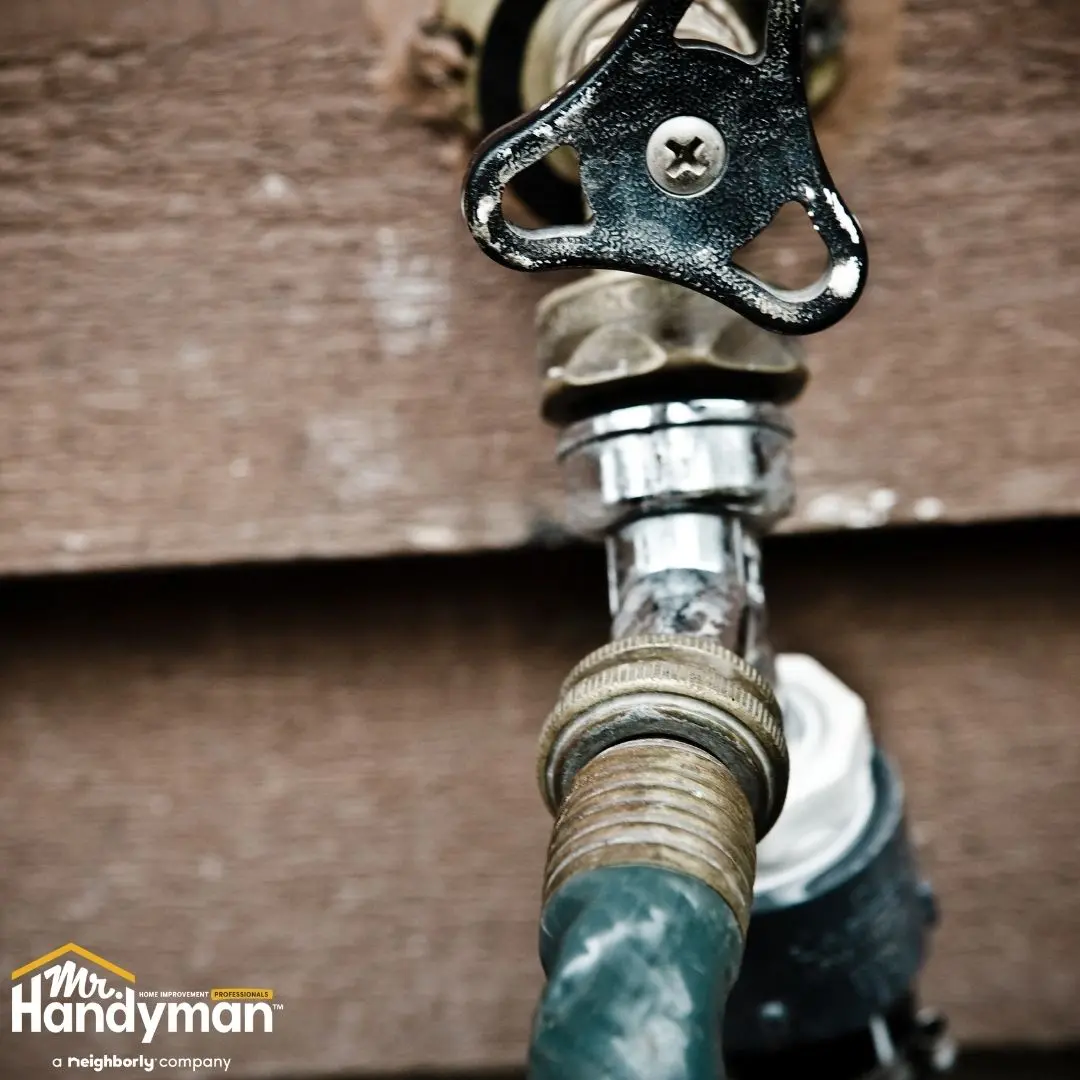
Winter can also affect household water pressure. As pipes contract in cold temperatures, pressure within the system may increase. Higher pressure places added strain on faucets, particularly older fixtures that may already have weakened internal components.
Pressure fluctuations are common in homes throughout Easton and Nazareth, especially during extreme cold snaps. When pressure increases, water can seep past worn seals, resulting in dripping faucets. Pressure-related leaks are a recognized part of Why Your Faucets Drip in Winter and What You Can Do About It.
Signs Pressure May Be a Factor
- Dripping occurs more often at night
- Multiple faucets show similar issues
- Pipes make knocking or tapping sounds
If pressure issues persist, professional evaluation is recommended to prevent damage to fixtures and pipes.
Frozen or Partially Frozen Pipes Contributing to Drips
In some cases, dripping faucets are intentionally used to prevent frozen pipes. Allowing a faucet to drip keeps water moving and relieves pressure buildup if ice begins to form. While this practice can help prevent pipe bursts, it can also mask underlying insulation or exposure issues.
Partially frozen pipes can also cause erratic dripping as ice restricts water flow and pressure fluctuates. This situation is especially concerning because it may indicate pipes are close to freezing completely. Understanding Why Your Faucets Drip in Winter and What You Can Do About It includes knowing when a drip is protective and when it signals a problem.
Outdoor Faucets and Cold Exposure
Outdoor faucets are especially vulnerable during winter. Even when not in use, residual water inside the faucet or supply line can freeze and expand. This expansion may crack internal components, leading to dripping once temperatures rise slightly.
Outdoor faucet leaks are common in winter and early spring and often go unnoticed until water damage occurs. Proper winterization is a critical part of preventing these issues.
Common Outdoor Faucet Winter Issues
- Hoses left connected during freezing temperatures
- Lack of frost-proof hose bibs
- Insufficient insulation on supply lines
Outdoor faucet damage is a frequent contributor to Why Your Faucets Drip in Winter and What You Can Do About It and should be addressed promptly.
Why Addressing Winter Drips Matters
A dripping faucet wastes water, increases utility costs, and places unnecessary strain on plumbing systems. According to the U.S. Environmental Protection Agency, a faucet dripping once per second can waste more than 3,000 gallons of water per year. This statistic is well-documented and highlights why even small leaks matter.
Addressing the causes behind Why Your Faucets Drip in Winter and What You Can Do About It helps homeowners protect their plumbing systems, reduce water waste, and prevent more serious winter-related damage. Early attention and proper repairs ensure faucets function reliably throughout the cold season.
Temperature Fluctuations Affecting Faucet Components
Rapid temperature changes are another major reason faucets begin dripping in winter. Outdoor temperatures may drop sharply overnight and rise during the day, causing pipes and faucet components to repeatedly expand and contract. This constant movement places stress on internal parts such as valve seats, cartridges, and O-rings.
Over time, even small shifts can prevent components from sealing tightly, allowing water to escape in slow, steady drips. This mechanical stress is a core explanation behind Why Your Faucets Drip in Winter and What You Can Do About It, particularly in homes with older plumbing systems or fixtures that have not been updated in many years.
Why Older Faucets Are More Vulnerable
- Metal components fatigue after years of expansion and contraction
- Older designs rely more heavily on rubber washers that stiffen in cold weather
- Mineral buildup limits proper movement of internal parts
Modern faucets often tolerate temperature changes better, but aging fixtures are far more likely to drip during winter.
Mineral Buildup Made Worse by Winter Conditions
Hard water minerals accumulate inside faucets over time, especially around aerators and valve assemblies. In winter, colder water temperatures can cause minerals to settle and harden more quickly, reducing the faucet’s ability to shut off completely.
Homes throughout Allentown, Bethlehem, Easton, and Nazareth may experience mineral-related faucet issues depending on local water composition. Mineral buildup is a well-recognized contributor to Why Your Faucets Drip in Winter and What You Can Do About It, as it interferes with proper sealing and increases wear.
Signs Mineral Buildup Is Contributing to Drips
- Reduced water flow along with dripping
- White or chalky residue around faucet openings
- Stiff or difficult-to-turn handles
Cleaning or replacing affected components often resolves these issues.
Dripping Faucets Used to Prevent Frozen Pipes
In some situations, faucets drip intentionally during winter as a preventive measure. Allowing a slow drip keeps water moving and helps relieve pressure if pipes begin to freeze. This approach is commonly recommended during extreme cold, particularly for pipes in exterior walls or unheated spaces.
While this practice can reduce the risk of frozen pipes, it should not be a permanent solution. Relying on constant dripping often indicates insufficient insulation or poor pipe placement. Understanding Why Your Faucets Drip in Winter and What You Can Do About It includes recognizing when dripping is a temporary safeguard versus a sign of a deeper issue.
When Dripping Is a Red Flag
- Faucets must drip every winter to avoid freezing
- Pipes have frozen in the past
- Dripping is required even at moderate cold temperatures
These signs suggest insulation or pipe routing improvements may be needed.
Outdoor Faucet Supply Lines Causing Indoor Drips
Outdoor faucet supply lines often extend inside walls before reaching the exterior. If these lines freeze or partially freeze, pressure changes can cause indoor faucets connected to the same supply to drip unexpectedly.
This connection is frequently overlooked by homeowners but is an important part of Why Your Faucets Drip in Winter and What You Can Do About It. Damage or stress in outdoor lines can affect indoor fixtures long before visible leaks appear outside.
How Outdoor Lines Impact Indoor Faucets
- Frozen sections restrict flow and alter pressure
- Cracks may leak internally before becoming visible
- Thawing can temporarily increase dripping
Proper winterization of outdoor plumbing helps prevent these cascading issues.
Why Ignoring Winter Drips Can Lead to Bigger Problems
A dripping faucet may seem minor, but ignoring it can lead to accelerated wear, higher water bills, and increased risk of pipe failure. Continuous dripping places stress on valve components and can worsen small leaks over time.
Winter conditions magnify these effects, making early attention essential. Recognizing the underlying causes behind Why Your Faucets Drip in Winter and What You Can Do About It allows homeowners to take corrective action before simple drips turn into costly plumbing repairs.
Addressing winter faucet issues promptly supports overall plumbing health and helps maintain reliable water service throughout the cold season.
What You Can Do to Stop Faucets From Dripping in Winter
Once homeowners understand Why Your Faucets Drip in Winter and What You Can Do About It, the next step is taking practical action. In many cases, winter faucet drips can be reduced or eliminated with targeted maintenance, insulation improvements, and timely repairs.
Addressing the root cause is essential. Simply tightening a handle or ignoring the drip may provide temporary relief but often allows the underlying issue to worsen during continued cold exposure.
Effective Steps Homeowners Can Take
- Replace worn washers, cartridges, or O-rings in dripping faucets
- Clean aerators and internal components to remove mineral buildup
- Insulate pipes under sinks and behind exterior walls
- Seal drafts around windows, doors, and plumbing access points
These actions help restore proper sealing and reduce cold air exposure that contributes to dripping.
Improving Insulation Around Faucets and Pipes
Insufficient insulation is a major contributor to winter faucet problems. Pipes located in exterior walls or under sinks near drafts cool rapidly, increasing the likelihood of dripping and freezing. Improving insulation is a long-term solution tied directly to Why Your Faucets Drip in Winter and What You Can Do About It.
Insulation Improvements That Make a Difference
- Add foam pipe insulation to exposed supply lines
- Insulate cabinet walls on exterior-facing sinks
- Install insulation behind access panels
- Use insulating covers on outdoor faucets
These upgrades reduce temperature swings and help plumbing components maintain proper function during cold weather.
When Dripping Signals a Bigger Plumbing Issue
In some cases, dripping faucets indicate broader plumbing concerns such as excessive water pressure, deteriorating pipes, or improperly installed fixtures. If multiple faucets drip simultaneously or leaks return quickly after repair, a more comprehensive evaluation is needed.
Pressure regulators, aging shutoff valves, and pipe corrosion can all contribute to winter dripping. Recognizing when a drip is a symptom of a larger issue is a key part of understanding Why Your Faucets Drip in Winter and What You Can Do About It.
Warning Signs of System-Wide Issues
- Dripping occurs throughout the home
- Faucets leak more during extreme cold
- Pipes make knocking, banging, or whistling noises
- Water pressure feels inconsistent
Professional assessment helps identify and correct these issues safely.
The Role of Professional Handyman Services
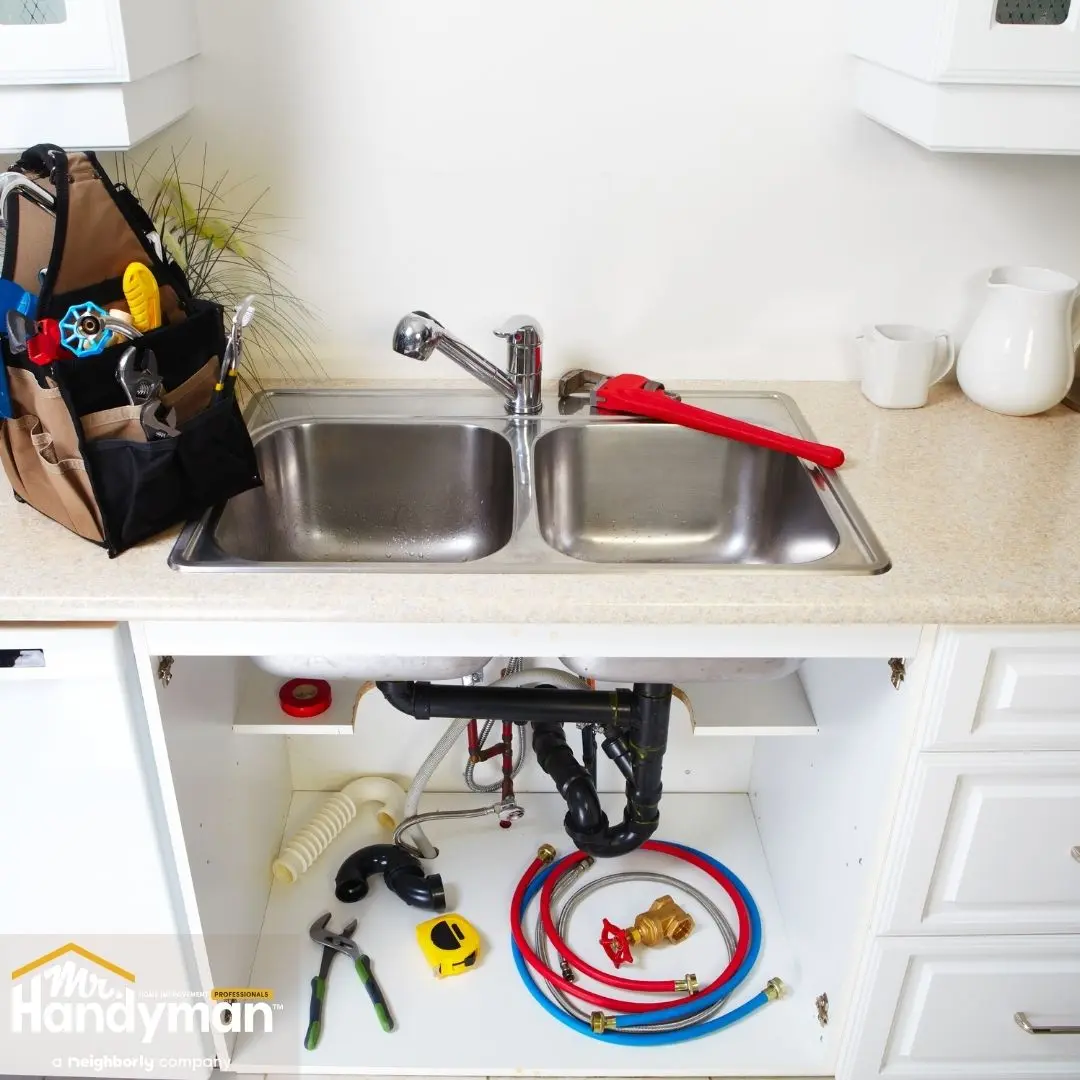
While some faucet repairs can be straightforward, winter plumbing conditions often complicate repairs. Cold-stressed components can break during DIY attempts, leading to additional leaks or damage. Professional services ensure repairs are completed correctly and safely.
Working with Mr. Handyman of Easton, Bethlehem, Nazareth & Allentown provides homeowners with experienced support tailored to local winter conditions. Handyman services can replace worn components, improve insulation, and identify underlying issues contributing to winter faucet drips.
Preventing Future Winter Faucet Problems
Preventive maintenance is the most effective way to reduce faucet issues year after year. Regular inspections before winter, combined with timely repairs, help faucets and plumbing systems withstand cold weather stress.
Homeowners who address Why Your Faucets Drip in Winter and What You Can Do About It proactively protect their plumbing systems, reduce water waste, and avoid larger winter repairs. Simple preventive steps, supported by professional guidance when needed, help ensure faucets operate reliably throughout the coldest months of the year.
Stop small drips before they lead to bigger damage. Schedule faucet and plumbing repairs online at https://www.mrhandyman.com/request-service/ or call.