Winter in the Lehigh Valley is long, cold, and demanding. Homeowners in Easton, Bethlehem, Nazareth, Allentown, and surrounding communities face freezing temperatures, heavy snowstorms, ice accumulation, and weeks of below-freezing nights. The region’s winter season begins early, intensifies quickly, and stays for months—placing extensive stress on furnaces, fireplaces, heat pumps, chimneys, vents, and the overall heating infrastructure of the home.
The Lehigh Valley’s homes range from historic brick properties in Bethlehem to older twin homes in Allentown, classic stone houses in Nazareth, and newer suburban residences around Easton. These homes often feature original fireplaces, aging chimneys, older furnaces, draft-prone windows, and older ductwork that requires thorough winter preparation to ensure safe, steady, and energy-efficient operation.
Winter preparation is not optional in this region—it is essential for safety, comfort, and reliability. This section explains why winter preparation matters so much in Easton, Bethlehem, Nazareth, and Allentown, how the local climate impacts home heating systems, and which parts of the home require the most attention before winter arrives.
Why Winter Preparation Matters in the Lehigh Valley
The winter climate brings moisture, freezing temperatures, and storms that directly affect home heating.
1. Extended Freezing Seasons Demand Reliable Heat
Temperatures in the Lehigh Valley frequently drop into:
- The 20s
- The teens
- Single digits
These freezing conditions last for months, causing:
- Heavy furnace cycling
- Increased fuel consumption
- Rapid wear on heat pumps
- Higher energy bills
- More demand on fireplaces
- Greater risk of mid-season system failure
Preparing early prevents breakdowns at the worst times.
2. Snow, Ice & Freezing Rain Affect Outdoor Heating Components
Winter storms impact:
- Heat pump coils
- Furnace exhaust pipes
- Chimney crowns
- Brick and mortar stability
- Gas fireplace vents
- Outdoor air intakes
A winter-ready home is equipped to handle these extreme conditions safely.
3. Older Homes Require Special Attention
Bethlehem and Nazareth are especially known for older homes, many with:
- Original masonry
- Century-old chimneys
- Outdated fireplaces
- Older furnace designs
- Drafty window systems
- Weakened insulation
These homes need additional preparation to ensure safe, reliable heating.
4. Fireplaces Are Used Constantly in Cold Months Homes in the Lehigh Valley often rely on:
- Wood-burning fireplaces
- Gas log inserts
- Pellet stoves
- Masonry fireplaces
- Wood stoves
These systems must be inspected and prepared to avoid smoke issues and safety hazards.
5. Ice Dams & Drafts Contribute to Winter Discomfort
The region’s freeze–thaw cycles cause:
- Draft problems
- Heat loss
- Moisture intrusion
- Increased furnace runtime
Preparation strengthens the home against temperature fluctuations.
Areas of the Home That Require Winter Preparation
Winter readiness involves more than simply checking the furnace.
1. Furnaces (Gas, Oil & Electric)
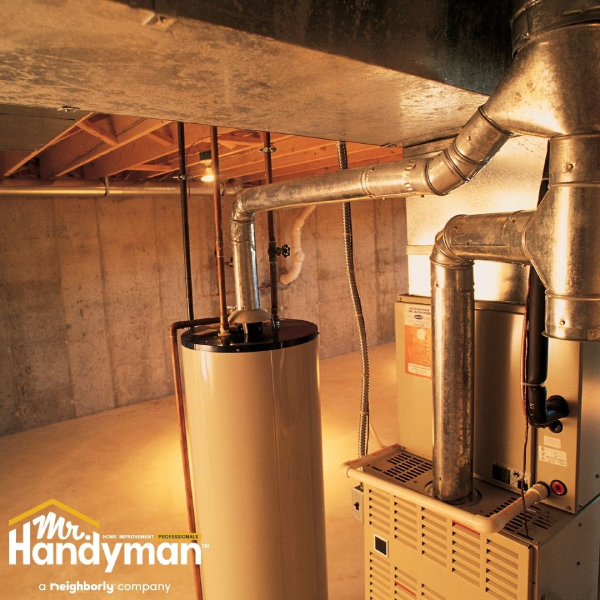
Furnaces are the heart of winter heating in the Lehigh Valley. Winter preparation includes:
- Burner cleaning
- Blower motor lubrication
- Heat exchanger evaluation
- Filter replacement
- Flame sensor cleaning
- Exhaust vent inspection
- Safety switch testing
- Gas pressure and oil flow checks
A furnace failure during a snowstorm is dangerous—preparation prevents this.
2. Heat Pumps & Hybrid Heating Systems
Heat pumps lose efficiency in freezing temperatures. Winter preparation ensures:- Defrost cycles work
- Outdoor coils stay clear
- Refrigerant levels are correct
- Emergency heat mode works
- Wiring and components withstand cold exposure
Without winter prep, heat pumps struggle to perform in this region.
3. Chimneys, Masonry & Fireplace Systems
The Lehigh Valley’s combination of cold temperatures and masonry-heavy architecture requires:
- Creosote removal
- Chimney sweeping
- Masonry inspection
- Draft testing
- Damper adjustment
- Chimney cap evaluation
- Firebox inspection
Freezing temperatures accelerate masonry deterioration—preparation is essential.
4. Gas Fireplaces & Log Sets
Gas fireplaces require:
- Pilot testing
- Burner cleaning
- Gas line inspection
- Vent safety checks
- Flame height calibration
- Carbon monoxide checks
Gas fireplace failure in freezing weather creates serious safety concerns.
5. Home Weatherproofing & Draft Control
Winter preparation includes:
- Sealing window drafts
- Weatherstripping doors
- Correcting chimney drafts
- Insulating attic bypasses
- Addressing cold air leaks around older masonry
This improves energy efficiency and comfort.
6. Exterior Vent & Intake Safety
Snow storms and freezing rain can block:
- Furnace exhaust pipes
- Dryer vents
- Gas fireplace vents
- HVAC intake lines
Winter preparation ensures all vents operate safely throughout the season.
Once a home in the Lehigh Valley—whether in Easton, Bethlehem, Nazareth, Allentown, or the surrounding communities—has undergone a complete winter-preparation service for its furnace, fireplace, and heating infrastructure, the difference through the colder months becomes undeniable. The region’s long, severe winters demand heating systems that run reliably, safely, and efficiently under continuous strain. A winter-ready home experiences better comfort, lower energy costs, improved safety, and fewer mechanical issues throughout the season.
Section 2 explains the full range of benefits homeowners notice after preparation, from better furnace performance to cleaner-burning fireplaces, reduced drafts, long-term system protection, stronger indoor air quality, and improved resilience against freezing temperatures, snowstorms, and ice.
What Homeowners Experience After Furnace & Fireplace Winter Preparation
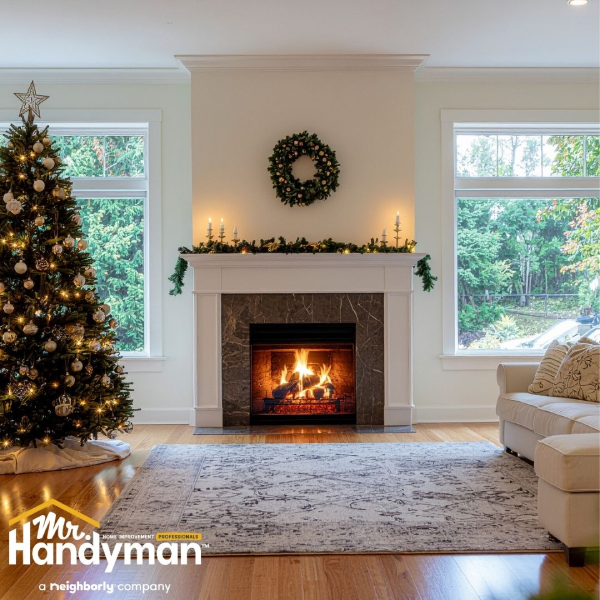
A winter-ready home performs noticeably better than a home entering winter without any seasonal servicing.
1. Faster and More Efficient Warm-Up Times
A properly prepared furnace or heat pump responds more quickly when temperatures drop. Homeowners notice:
- Quicker ignition
- Shorter warm-up periods
- Stronger airflow from vents
- More immediate heat throughout the home
- Less lag between thermostat command and system response
This is especially important during early mornings and late-night temperature dips, when Lehigh Valley temperatures often fall into the teens.
2. More Even Heating in Every Room
Uneven heating is a common issue in older Lehigh Valley homes. After preparation, rooms stay more consistent because:
- Airflow is restored through cleared and balanced ducts
- Dampers are properly aligned
- Blowers distribute air more effectively
- Burners produce steady, clean heat
- Thermostats respond more accurately
Homes in Bethlehem’s historic districts, Allentown’s older neighborhoods, and Nazareth’s classic brick homes see major improvements in temperature uniformity.
3. Reduced Heating Costs Throughout the Season
Prepared heating systems consume less energy. Homeowners benefit from:
- Fewer heating cycles
- More efficient fuel combustion
- Reduced strain on furnace components
- Lower reliance on emergency heat in heat pumps
- Improved thermostat accuracy
With heating running nearly nonstop during January and February, winter preparation provides meaningful energy savings.
4. Stronger Indoor Air Quality During Winter
When homes in the Lehigh Valley stay tightly sealed during winter, indoor air quality declines unless the heating system is properly cleaned and maintained.
After preparation, indoor air becomes:
- Fresher
- Less dusty
- Free of combustion odors
- Cleaner from the removal of soot and particulates
- More balanced in humidity
Fireplaces burn cleaner, and furnaces circulate healthier air. Families breathe easier throughout the winter months.
5. Fewer Noises From the Furnace or Fireplace
A lack of winter preparation often results in noises such as:
- Rattling
- Vibrating
- Blower squealing
- Ignition popping
- Whistling vents
- Creaking from restricted airflow
Once prepared, systems run noticeably quieter, creating a more peaceful winter environment.
Fireplace Improvements After Winter Preparation
Fireplaces are used frequently throughout the Lehigh Valley’s long winter. After preparation, performance improves significantly.
1. Cleaner, Safer, Hotter Wood-Burning Fires
Winter preparation ensures:
- Creosote removal
- Clear flue airflow
- Consistent draft
- Safer combustion
- Less smoke spillage into the home
Historic and older homes in Bethlehem and Easton benefit greatly from chimney and masonry checks, as many fireplaces have decades of wear that need attention before heavy winter use.
2. Stronger, Safer Gas Fireplace Performance
Gas fireplaces are popular supplemental heat sources in Allentown and Nazareth homes.
After preparation:
- Burner flames burn cleaner
- Pilots ignite immediately
- Gas flow is regulated properly
- CO risks are minimized
- Venting pathways remain safe
This reliability is essential during the frequent winter storms common in the region.
3. Better Ambiance and Appearance
A prepared fireplace:
- Produces stronger, more stable flames
- Burns fuel more completely
- Reduces soot marks
- Enhances the visual atmosphere of the home
With families hosting holiday gatherings and winter events, an optimized fireplace becomes a centerpiece of comfort.
4. Reduced Risk of Chimney Fires or Smoke Backflow
Creosote buildup is a major cause of chimney fires, especially in regions with heavy fireplace use. Winter preparation removes this hazard and corrects issues such as:
- Blocked flues
- Damper malfunction
- Poor draft caused by exterior temperature changes
This reduces fire risk and prevents smoke from entering the home.
Comfort Improvements Throughout the Home After Winter Preparation
A winter-ready home simply feels better throughout the entire heating season.
1. Fewer Drafts and Cold Spots
After sealing and fireplace preparation, homeowners notice:
- Less cold air infiltration
- Warmer hallways and entryways
- Reduced drafts around chimneys
- More stable temperatures in older rooms
- Better comfort in large or multi-story homes
This makes a noticeable difference in classic Lehigh Valley homes with older, draft-prone windows and construction.
2. A Better Environment for Family Gatherings
Winter brings holiday events, celebrations, and more time spent indoors.
With a fully prepared heating system:
- Guests stay warm
- Fireplaces burn brightly and safely
- The home maintains consistent heat
- Indoor air remains fresh, not stale
This improves comfort throughout long winter gatherings.
3. Improved Thermostat Responsiveness
Winter preparation improves thermostat accuracy and responsiveness, especially when:
- Sensors are cleaned
- Wiring issues are corrected
- Heating components are balanced
- Burners operate consistently
Thermostats overcorrect less often, resulting in fewer temperature fluctuations.
Protection Against Harsh Winter Weather
The Lehigh Valley experiences harsh winter extremes. Winter preparation protects home heating systems from serious damage.
1. Lower Risk of Unexpected Furnace Failure
A furnace that breaks down during a snowstorm or deep freeze can create dangerous conditions. Winter preparation reduces risk by:
- Replacing worn parts
- Cleaning essential components
- Ensuring safe operation
- Testing ignition systems
- Confirming heat exchanger integrity
Prepared furnaces withstand harsh temperatures better than neglected systems.
2. Increased Furnace & Heat Pump Longevity
Systems that face months of heavy use each year require seasonal preparation to last their full lifespan. Prepared systems experience:
- Less wear
- Fewer breakdowns
- Improved mechanical performance
- Reduced strain during cold spells
This lowers long-term replacement and repair costs significantly.
3. Reduced Risk of Carbon Monoxide Hazards
Furnaces and fireplaces produce carbon monoxide when operating improperly. Winter preparation prevents:
- Blocked vents
- Damaged flue components
- Incomplete combustion
- Leaking gas lines
- Malfunctioning sensors
A winter-ready home is far safer for families and pets.
4. Better Protection Against Moisture Intrusion & Freeze Damage
Winter storms bring cycles of freezing, thawing, and refreezing that damage:
- Chimneys
- Masonry
- Exterior furnace components
- HVAC lines
- Flue caps
- Brick structures
Winter prep helps homeowners catch early signs of damage before they worsen.
Energy Efficiency Improvements From Winter Preparation
Energy efficiency becomes critical during a season of high heating use.
1. Reduced Energy Consumption All Winter Long
Thanks to optimizations like:
- Clean burners
- Calibrated thermostats
- Balanced airflow
- Efficient ignition
- Protected heat exchangers
Homes consume less natural gas, oil, or electricity throughout the coldest months.
2. Enhanced Fireplace Heating Capacity
A prepared fireplace—wood or gas—produces more usable heat and reduces waste by:
- Improving draft
- Increasing burn efficiency
- Enhancing flame output
- Eliminating smoke loss
This helps supplement furnace usage.
3. More Sustainable Long-Term Heating Performance
Prepared systems stay efficient, reducing overall heating costs over the lifetime of the home’s heating equipment.
Long-Term Home Protection & Value Preservation
Seasonal furnace and fireplace preparation helps maintain the structure and value of the home.
1. Structural Chimney Preservation
Chimneys in the Lehigh Valley face freeze–thaw cycles that cause:
- Brick cracking
- Mortar deterioration
- Chimney lining damage
- Moisture absorption
Winter readiness identifies these issues early.
2. Prevention of Major Heating System Failures
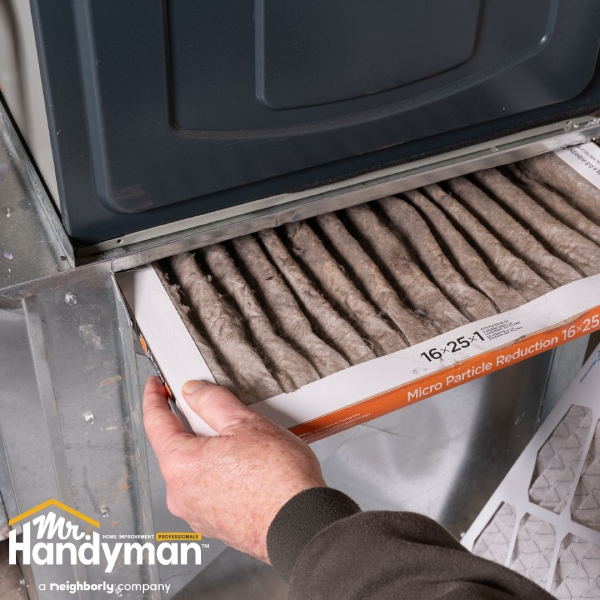
Small furnace problems—if ignored—can cause:
- Heat exchanger cracks
- Motor burnout
- Flame sensor failure
- CO leaks
- Complete system shutdown
Winter prep eliminates these risks.
3. Increased Home Longevity and Stability During Harsh Winters
Older homes in Bethlehem, Easton, Nazareth, and Allentown benefit substantially from preventive care and system optimization.
Trusted Winter Preparation for Easton, Bethlehem, Nazareth & Allentown
Residents across the Lehigh Valley rely on Mr. Handyman of Easton, Bethlehem, Nazareth & Allentown to prepare their furnaces, fireplaces, and heating systems for the region’s demanding winter conditions. With detailed inspections, thorough servicing, and weather-specific preparation, your home stays warm, safe, and energy-efficient through every cold spell, storm, and freezing night.
Schedule your winter preparation service today with Mr. Handyman of Easton, Bethlehem, Nazareth & Allentown. Enjoy a warmer, safer, and fully prepared home this winter season.