Freezing weather has a way of turning minor household issues into major emergencies. A small draft can lead to frozen pipes. A loose step can become a serious fall hazard. A tiny leak can cause extensive water damage overnight. Understanding small fixes that prevent big problems during freezing weather helps homeowners take proactive steps that protect their homes, reduce repair costs, and improve safety throughout the coldest months of the year.
Winter places constant stress on home systems. Temperature fluctuations, ice, snow, and dry indoor air expose weaknesses that may stay hidden during warmer seasons. Addressing small issues early is one of the most effective forms of home maintenance because it prevents chain reactions that lead to costly repairs.
Why Freezing Weather Amplifies Small Issues
Cold temperatures affect nearly every material in a home. Wood, metal, and concrete expand and contract. Water inside pipes freezes and expands. Moisture tracked indoors refreezes in unexpected places.
These conditions magnify problems that might otherwise seem insignificant. A gap around a window frame allows cold air to penetrate walls. A dripping faucet increases freeze risk in supply lines. A door that does not seal properly can lower indoor temperatures enough to stress plumbing and heating systems.
Homes in areas such as Chelsea and Saline often experience extended periods of freezing temperatures, making early attention to small fixes especially important.
Sealing Drafts Before They Lead to Frozen Pipes
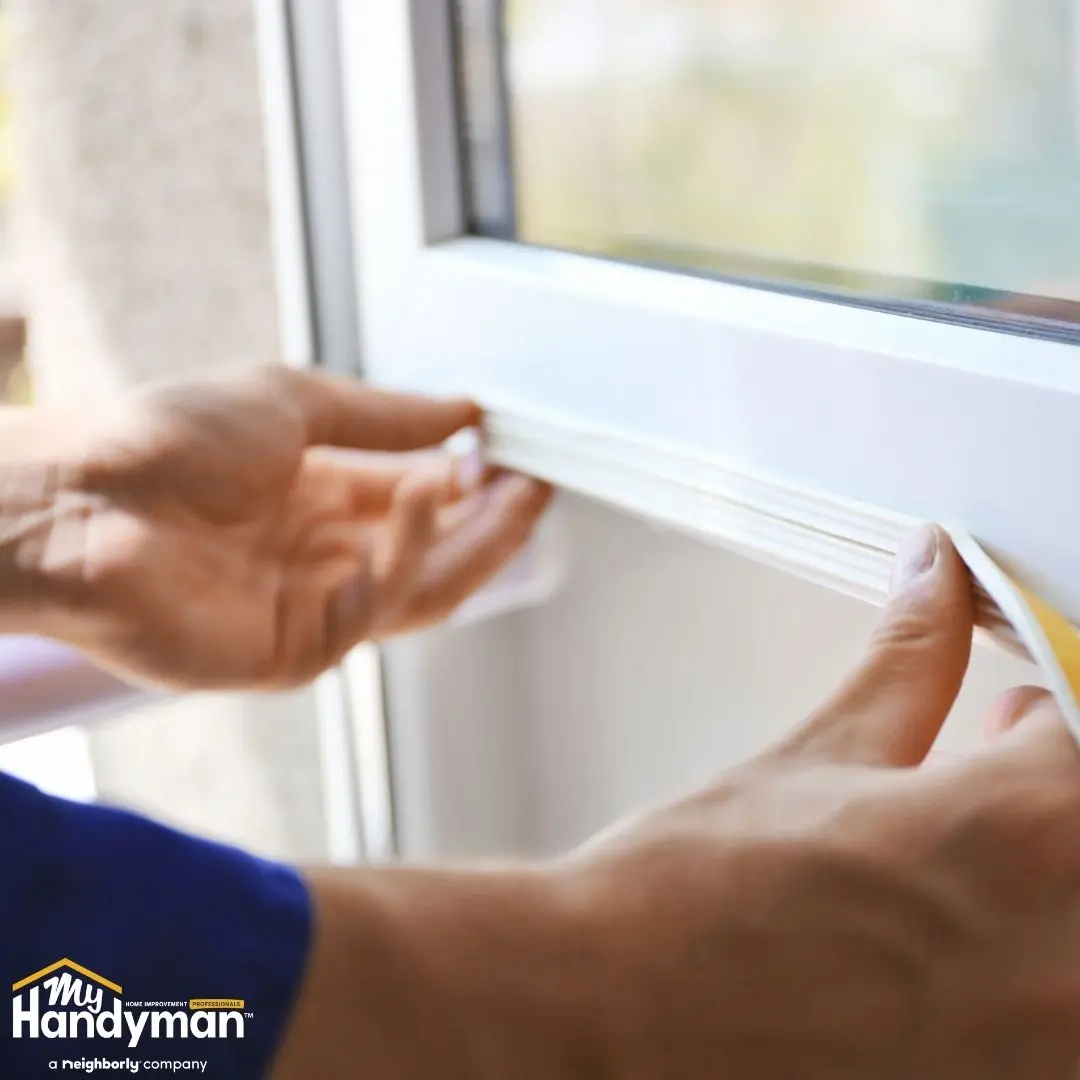
Drafts are one of the most overlooked winter hazards. Even small air leaks can significantly lower temperatures inside walls and near plumbing lines.
Simple fixes such as replacing worn weatherstripping, sealing gaps around windows, and addressing air leaks near baseboards help stabilize indoor temperatures. These small repairs reduce the risk of frozen pipes, lower heating strain, and improve overall comfort.
Draft sealing is especially important in rooms with exterior walls, basements, and areas where plumbing runs close to unheated spaces.
Insulating Exposed Pipes and Vulnerable Areas
Frozen pipes are among the most expensive winter emergencies homeowners face. The damage often occurs not when pipes freeze, but when they thaw and burst.
Small preventative fixes include insulating exposed pipes, sealing gaps where pipes enter walls, and securing insulation that has shifted over time. These steps are quick to complete but significantly reduce freeze risk.
Homes in places like Dexter and Pinckney often benefit from pipe insulation updates due to older layouts and colder exterior exposure.
Fixing Drips and Minor Plumbing Leaks Early
A dripping faucet may seem harmless, but during freezing weather it often indicates pressure issues or worn components that increase freeze risk.
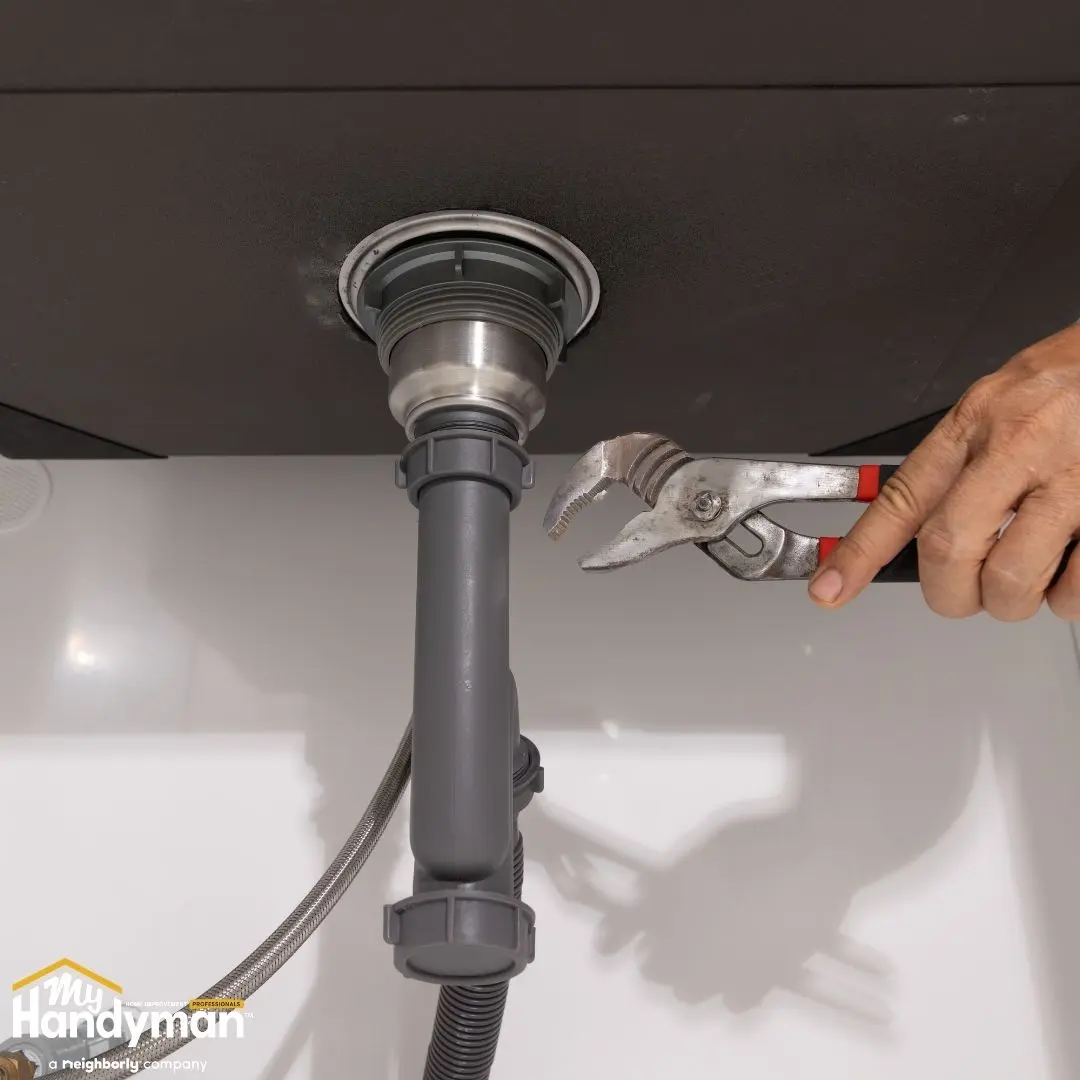
Repairing minor leaks, tightening fittings, and replacing worn washers or valves helps maintain proper water flow and reduces the chance of ice forming inside pipes. Addressing these issues early prevents sudden failures during extreme cold.
Small plumbing fixes also reduce water waste and support better long-term home maintenance.
Adjusting Doors and Windows That Stick or Do Not Seal
Doors and windows often behave differently in freezing weather. Materials contract, frames shift, and hardware becomes misaligned.
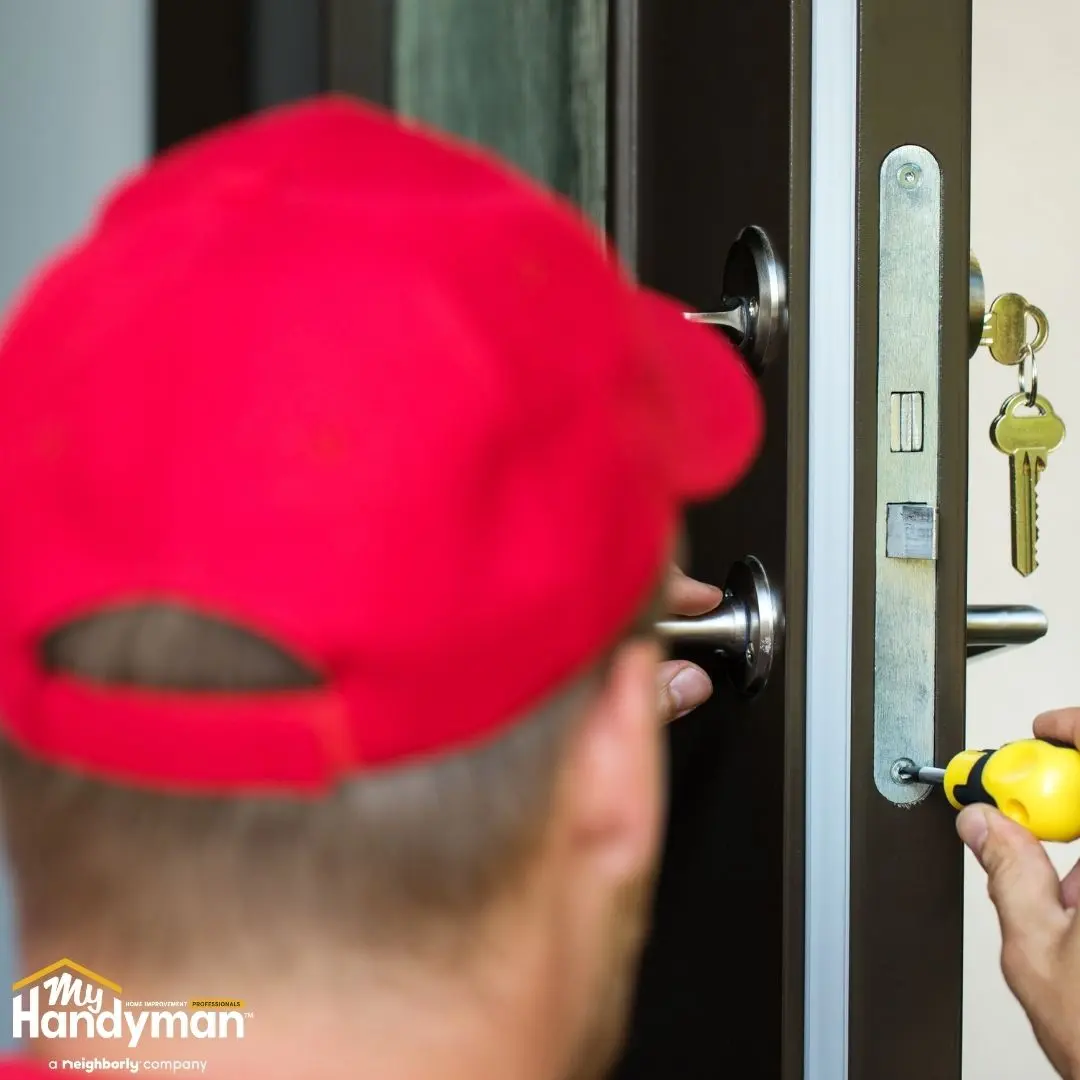
Fixing doors that stick, scrape, or fail to latch properly improves insulation and security. Adjusting window latches and repairing damaged seals prevents cold air infiltration and condensation buildup.
These small adjustments help maintain consistent indoor temperatures and reduce strain on heating systems.
Securing Flooring and Preventing Slip Hazards
Winter moisture quickly turns minor flooring issues into safety hazards. Loose tiles, curled carpet edges, or damaged transitions become dangerous when snow and ice are tracked indoors.
Small fixes such as securing transitions, repairing loose flooring, and reinforcing entryway surfaces prevent slips and falls. These repairs are especially important in hallways, stairways, and entry points.
Addressing flooring issues early prevents accidents and further material damage.
Reinforcing Handrails and Stair Components
Stairs see heavier use during winter as people move cautiously in bulky clothing and wet footwear. Loose handrails or unstable steps increase fall risk significantly.
Tightening handrails, repairing loose balusters, and securing stair treads are small fixes that greatly improve safety. These repairs protect everyone in the household, especially children and older adults.
Managing Moisture Before It Causes Damage
Condensation and moisture buildup are common during freezing weather. Left unaddressed, moisture leads to mold growth, peeling paint, and structural damage.
Small fixes such as repairing exhaust fans, sealing caulk lines, and improving ventilation reduce indoor moisture levels. These preventative steps protect walls, ceilings, and flooring from long-term damage.
Why Small Fixes Matter More Than Big Repairs in Winter
Winter emergencies rarely start as large failures. They usually begin with small, ignored issues that worsen under cold conditions.
Addressing small fixes that prevent big problems during freezing weather reduces emergency repair calls, protects property value, and improves daily comfort. These fixes cost far less than major repairs and can often be completed quickly.
Professional Support for Winter Preventative Fixes
Identifying and addressing multiple small issues can be overwhelming, especially when winter conditions cause several problems to appear at once. Professional handyman services help homeowners tackle these fixes efficiently.
My Handyman of Ann Arbor, Saline, and Chelsea provides reliable home repair and home maintenance services to help homeowners complete small winter fixes before they turn into major problems. Professional support ensures repairs are done correctly and timed appropriately for freezing conditions.
Taking action early sets the stage for a safer, more resilient home throughout winter.
Interior Preventative Fixes That Stop Winter Damage Before It Starts
When it comes to small fixes that prevent big problems during freezing weather, many of the most effective actions happen inside the home. Interior spaces reveal early warning signs of winter stress, and addressing them promptly helps homeowners avoid emergencies, reduce repair costs, and maintain safer living conditions throughout the season.
Interior preventative fixes are often quick and affordable, yet they protect some of the most vulnerable systems in the home.
Stabilizing Indoor Temperatures in Vulnerable Rooms
Rooms with exterior walls, basements, and areas above garages are more susceptible to temperature drops during freezing weather. Even small temperature fluctuations in these spaces can affect plumbing, flooring, and wall finishes.
Preventative fixes include sealing baseboard gaps, insulating outlet boxes on exterior walls, and adjusting door sweeps to reduce cold air intrusion. These small improvements help stabilize room temperatures and protect nearby pipes from freezing.
Homes in areas such as Brighton often experience noticeable cold spots in winter, making these interior fixes especially valuable.
Protecting Plumbing Inside Cabinets and Vanities
Plumbing located inside kitchen and bathroom cabinets is especially vulnerable during freezing weather. Cold air entering through exterior walls can lower temperatures inside cabinets enough to freeze supply lines.
Small fixes include sealing gaps behind cabinets, adding pipe insulation, and ensuring cabinet doors can be opened easily during extreme cold to allow warm air circulation. These steps significantly reduce freeze risk without requiring major plumbing changes.
Addressing these areas proactively helps prevent sudden bursts that cause extensive water damage.
Maintaining Door Function to Prevent Cold Air Migration
Interior doors play a role in managing airflow and temperature balance throughout the home. Doors that bind, warp, or fail to close properly allow cold air to migrate into warmer areas, stressing heating systems and plumbing.
Preventative fixes involve adjusting hinges, planing tight edges if needed, and ensuring doors latch smoothly. These adjustments help maintain consistent temperatures and reduce cold drafts that can impact interior systems.
Proper door function also improves comfort and reduces condensation-related issues.
Securing Flooring and Transitions in Moisture-Prone Areas
Winter moisture tracked indoors often pools near entryways, kitchens, and bathrooms. Flooring issues in these areas worsen quickly when exposed to water and temperature changes.
Small preventative fixes include re-securing loose transitions, repairing cracked tiles, and tightening flooring fasteners. Addressing these issues early prevents water from penetrating subfloors and reduces slip hazards.
Homes in communities such as Ypsilanti frequently include mixed flooring types that benefit from proactive winter attention.
Improving Ventilation to Control Condensation
Condensation buildup is common during freezing weather when warm indoor air meets cold surfaces. Left unchecked, condensation leads to peeling paint, warped trim, and mold growth.
Preventative fixes include repairing bathroom and kitchen exhaust fans, sealing duct connections, and ensuring vents exhaust fully outside. These steps help control moisture levels and protect interior finishes.
Improved ventilation also supports healthier indoor air quality during winter when windows remain closed.
Addressing Drywall Cracks and Trim Separation Early
Dry indoor air during winter causes materials to shrink, resulting in drywall cracks and trim separation. While these issues may appear cosmetic, they can worsen and allow air leakage over time.
Small fixes such as filling cracks, reattaching loose trim, and sealing gaps prevent further deterioration and improve insulation. Addressing these areas early keeps problems contained and reduces future repair needs.
Checking Interior Lighting and Electrical Safety
Winter increases reliance on artificial lighting. Loose fixtures, flickering lights, or faulty switches become safety concerns when daylight is limited.
Preventative fixes include tightening fixtures, replacing failing switches, and securing outlets. These repairs reduce the risk of electrical issues and improve visibility in high-traffic areas.
Well-maintained lighting supports both safety and comfort during freezing weather.
Why Interior Preventative Fixes Deliver High Value
Interior fixes often require minimal materials and time, yet they protect systems that are costly to repair if damaged. Preventing frozen pipes, moisture intrusion, and slip hazards delivers immediate and long-term benefits.
By focusing on interior preventative work, homeowners reduce the likelihood of emergency calls and avoid the stress of winter-related failures.
Professional Help for Interior Winter Fixes
While many small fixes seem simple, proper execution matters. Poorly sealed gaps or incorrectly installed insulation can worsen problems rather than solve them.
My Handyman of Ann Arbor, Saline, and Chelsea provides dependable home repair and home maintenance services to help homeowners complete interior preventative fixes that protect against freezing weather. Professional support ensures repairs are effective, safe, and tailored to winter conditions.
Focusing on these interior actions reinforces how small fixes that prevent big problems during freezing weather create strong protection when conditions are at their harshest.
Exterior Preventative Fixes and Long-Term Winter Protection Strategies
When it comes to small fixes that prevent big problems during freezing weather, exterior repairs and long-term preparation play a critical role. The outside of a home is the first line of defense against cold, moisture, and ice. Small weaknesses on the exterior often trigger the most expensive winter emergencies once freezing conditions set in.
Addressing exterior issues early and building long-term habits around winter preparation helps homeowners protect structural components, avoid water damage, and reduce safety risks year after year.
Sealing Exterior Gaps Before Cold Air and Moisture Get Inside
Small exterior gaps allow cold air, wind, and moisture to penetrate the home. Over time, these gaps lower interior temperatures and increase the risk of frozen pipes, condensation, and material deterioration.
Preventative fixes include sealing gaps around siding transitions, utility penetrations, vents, and exterior trim. Replacing cracked caulk and securing loose materials prevents cold air infiltration and moisture intrusion during freeze and thaw cycles.
Homes in areas such as Howell often experience strong winter winds that magnify the impact of even small exterior openings, making sealing repairs especially important.
Repairing Door Thresholds and Exterior Entry Points
Exterior doors are high-risk areas during freezing weather. Damaged thresholds, worn weatherstripping, or misaligned doors allow cold air and water to enter the home.
Small fixes such as adjusting door alignment, replacing thresholds, and reinforcing weather seals significantly improve insulation and moisture control. These repairs also reduce ice buildup near entry points and improve indoor temperature consistency.
Well-sealed exterior doors protect both comfort and safety throughout winter.
Preventing Ice-Related Damage Around the Home
Ice buildup around the home can cause more than slip hazards. Repeated freezing and thawing damages concrete, steps, and walkways, leading to cracks and uneven surfaces.
Preventative exterior fixes include repairing small concrete cracks, securing loose steps, and addressing drainage issues that allow water to pool and refreeze. These repairs help prevent structural damage and reduce fall risk.
Stairways, porches, and walkways should receive special attention because winter conditions amplify even minor surface defects.
Protecting Exterior Plumbing and Hose Connections
Exterior plumbing components are especially vulnerable during freezing weather. Hose bibs, exterior pipes, and unprotected connections are common failure points.
Small fixes include insulating exterior pipes, repairing damaged covers, and sealing gaps where pipes enter the home. Addressing these areas early prevents freeze-related bursts that can cause extensive interior water damage.
Homes in communities such as Pinckney often benefit from these preventative measures due to colder overnight temperatures and exposed plumbing configurations.
Maintaining Exterior Lighting for Winter Safety
Exterior lighting becomes critical during winter when daylight hours are limited. Poor lighting increases the risk of slips, falls, and security issues around the home.
Small preventative fixes include replacing burned-out bulbs, securing loose fixtures, and adjusting light placement to eliminate dark areas. Motion-activated lighting near entryways and walk paths improves safety during early mornings and evenings.
Proper exterior lighting also discourages ice-related accidents by improving visibility during winter conditions.
Securing Railings, Steps, and Outdoor Safety Features
Outdoor railings and steps endure harsh conditions during winter. Moisture, freezing temperatures, and heavy use loosen fasteners and weaken connections.
Small fixes such as tightening railings, securing balusters, and repairing step surfaces significantly reduce fall risk. These repairs are especially important for homes with elevated entries, decks, or multi-step access points.
Addressing outdoor safety features proactively prevents injuries and reduces liability risks.
Managing Drainage to Prevent Winter Water Damage
Poor drainage allows water to collect near foundations, walkways, and entry points. When temperatures drop, this water freezes and expands, causing cracks and surface damage.
Preventative fixes include clearing debris from drainage paths, repairing small grading issues, and ensuring water is directed away from the home. These steps reduce ice formation and protect exterior materials.
Managing drainage also helps prevent basement moisture issues that often appear during winter thaws.
Building Long-Term Winter Preparation Habits
The most effective winter protection strategies extend beyond one season. Homeowners who treat winter as a diagnostic period gain valuable insight into recurring vulnerabilities.
Long-term habits include:
- Documenting areas that consistently freeze or draft
- Scheduling repairs based on winter observations
- Performing pre-winter inspections annually
- Addressing small exterior repairs before temperatures drop
These habits reduce emergency repairs and spread maintenance costs more evenly throughout the year.
Why Small Exterior Fixes Deliver Big Long-Term Value
Exterior issues often trigger the most severe winter damage. A small gap leads to frozen pipes. A cracked step becomes a fall hazard. A loose railing fails under icy conditions.
By focusing on small fixes that prevent big problems during freezing weather, homeowners protect their investment and avoid the stress of winter emergencies. These fixes cost far less than major repairs and provide immediate peace of mind.
Professional Support for Winter Exterior Repairs
Exterior winter repairs require proper materials, correct installation, and an understanding of how cold affects building components. Professional help ensures repairs hold up under freezing conditions.
My Handyman of Ann Arbor, Saline, and Chelsea provides dependable home repair and home maintenance services to help homeowners complete small exterior fixes that prevent major winter problems. Professional support ensures repairs are durable, safe, and appropriate for harsh winter conditions.
Strengthening Your Home Against Freezing Weather
Freezing weather does not cause major damage on its own. Damage occurs when small issues are ignored. By addressing minor exterior fixes, reinforcing safety features, and building long-term maintenance habits, homeowners create homes that are resilient, safe, and prepared.
Understanding small fixes that prevent big problems during freezing weather empowers homeowners to act early, protect their homes, and move through winter with confidence rather than concern.
Taking care of small fixes now can prevent major winter damage later. Schedule handyman service online or call us today.