Knowing how to keep pipes from freezing during harsh winters is one of the most important responsibilities homeowners face in cold climates. When temperatures drop below freezing for extended periods, plumbing systems become vulnerable to damage that can lead to costly repairs, water loss, and significant property damage. Frozen pipes are not only inconvenient. They are one of the leading causes of winter home repair emergencies.
Freezing temperatures affect plumbing gradually. Water inside pipes slows, expands, and eventually turns to ice. As ice forms, pressure builds inside the pipe, often exceeding what the material can withstand. When this happens, pipes crack or burst, frequently in areas hidden behind walls or beneath floors. Understanding why pipes freeze and where risks are highest allows homeowners to take practical steps before winter conditions create serious problems.
Why Pipes Freeze During Winter
Pipes freeze when exposed to temperatures below 32 degrees Fahrenheit for prolonged periods. This exposure can come from outdoor cold seeping indoors, insufficient insulation, or inconsistent heating. Pipes located in unheated or poorly insulated areas face the highest risk.
Common high-risk locations include basements, crawl spaces, attics, garages, and exterior walls. Plumbing near foundation vents, rim joists, and access panels is also vulnerable. Even homes with modern construction can experience freezing if airflow patterns allow cold air to reach supply lines.
In areas such as Saline and Chelsea, extended cold snaps increase the likelihood that pipes will remain below freezing long enough to form ice. Homes that rely on supplemental heating or have unused rooms may face additional risk if temperatures fluctuate.
The Hidden Cost of Frozen Pipes
Frozen pipes often go unnoticed until damage has already occurred. While water flow may stop temporarily, the most serious problems usually appear during thawing. As ice melts, water rushes through weakened sections of pipe, escaping through cracks and flooding surrounding materials.
Water damage spreads quickly through drywall, insulation, flooring, and framing. Repairs often extend beyond plumbing to include structural repairs, mold prevention, and restoration work. This makes frozen pipes one of the most expensive winter home maintenance failures.
Preventing freezing is far more cost-effective than repairing damage afterward. Even basic preventative measures can significantly reduce risk and help homeowners avoid emergency calls during severe weather.
Identifying Pipes Most at Risk
Understanding where your plumbing system is most vulnerable is a critical first step. Pipes that run along exterior walls are exposed to colder temperatures, especially if insulation is minimal or deteriorating. Supply lines serving outdoor faucets are also frequent problem areas.
Bathrooms and kitchens located above garages or near exterior corners often contain pipes that freeze first. In some homes, plumbing in finished basements may be inadequately insulated behind walls or ceilings, creating hidden risk zones.
Homes in communities like Dexter and Pinckney may include older plumbing layouts where pipes were not installed with modern cold-weather protections in mind. Identifying these areas early allows homeowners to prioritize preventative improvements.
The Role of Insulation in Freeze Prevention
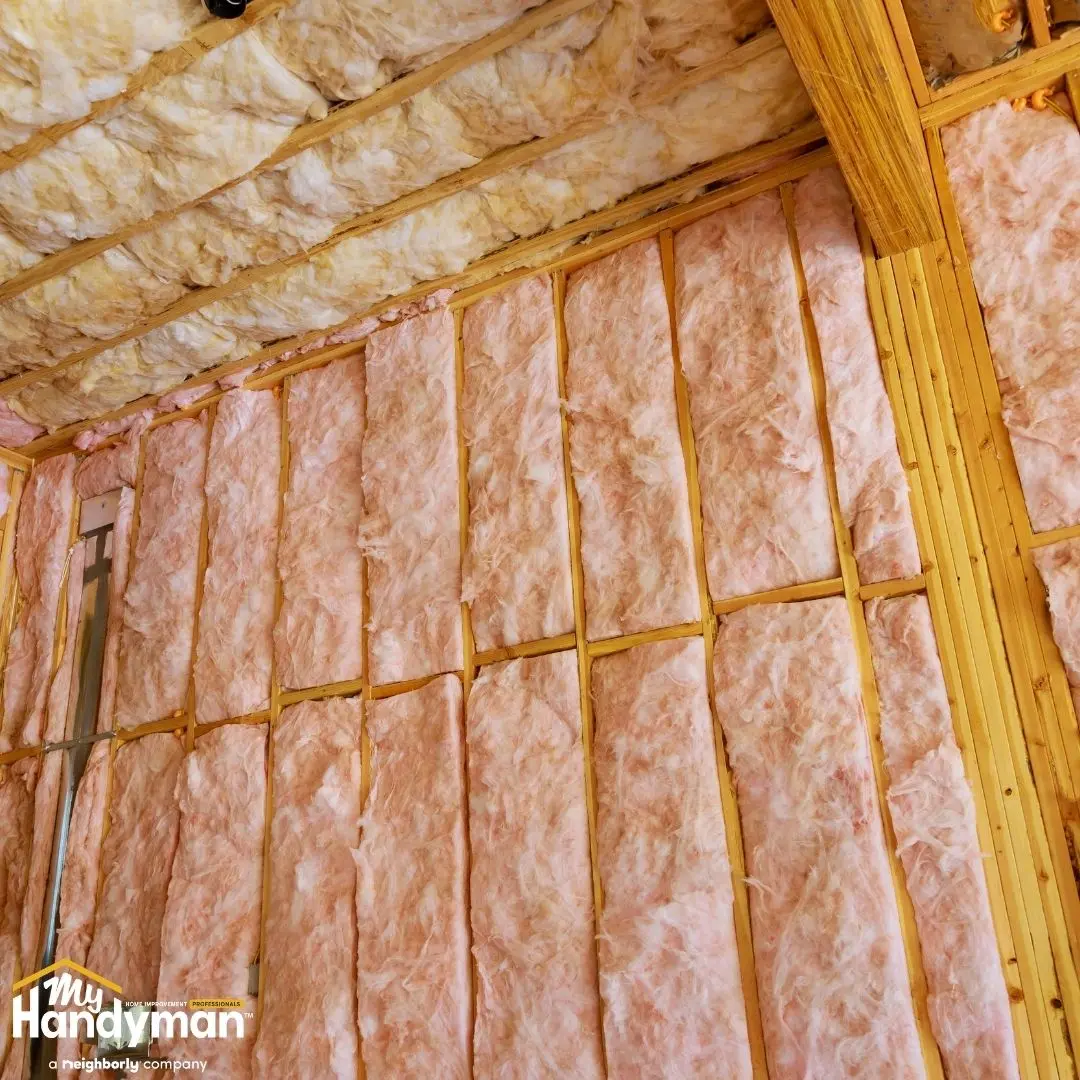
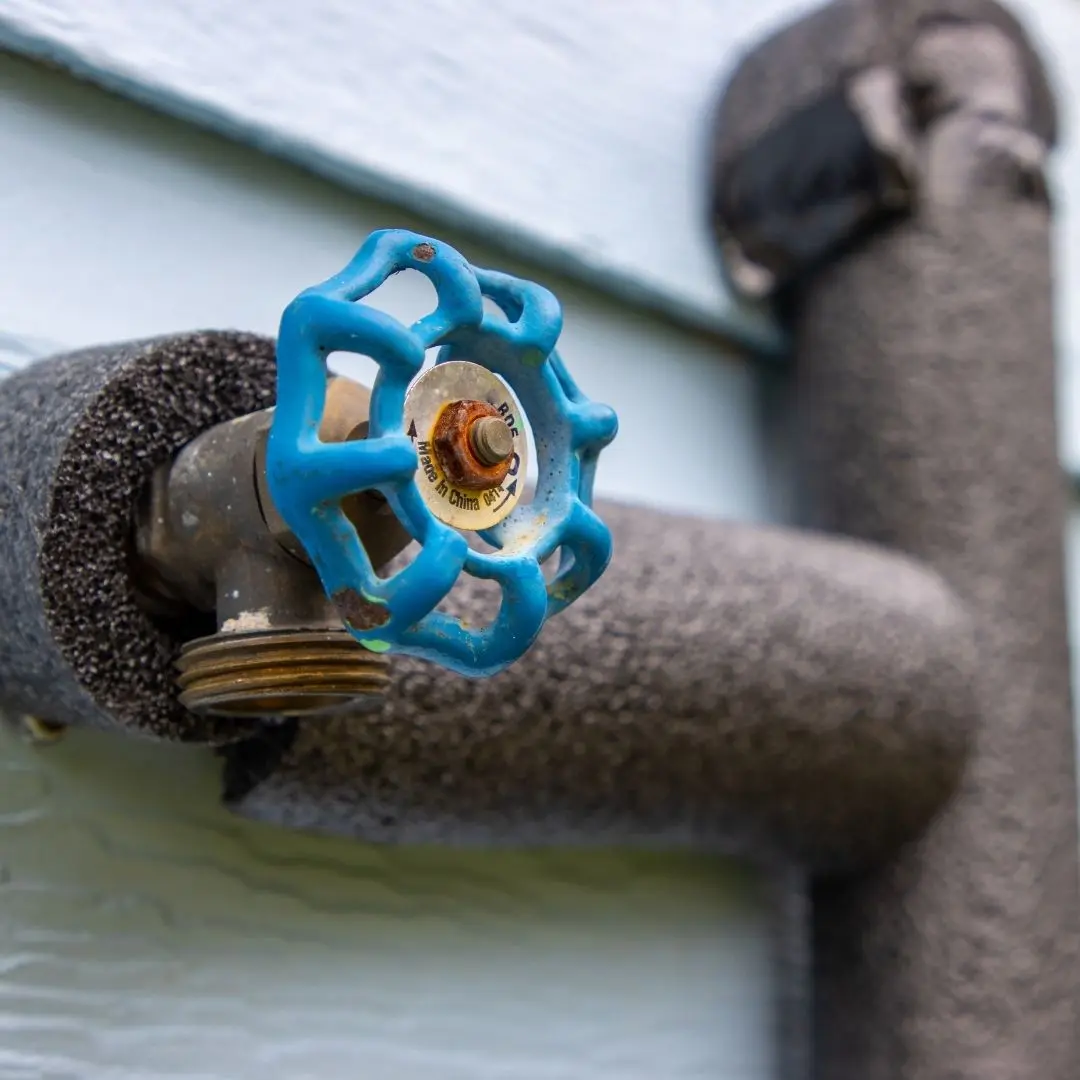
Insulation is one of the most effective defenses against frozen pipes. Proper insulation slows heat loss and reduces exposure to cold air. Pipe insulation sleeves and wraps are designed specifically for this purpose and can be installed without major disruption.
Insulation is especially important where pipes pass through unheated spaces or penetrate exterior walls. Sealing gaps around pipes also prevents cold air infiltration that can negate the benefits of insulation.
While insulation alone cannot prevent freezing during extreme cold, it dramatically reduces risk when combined with consistent indoor heating and airflow management.
Consistent Heating as a Preventative Strategy
Maintaining steady indoor temperatures is essential for keeping pipes from freezing. Rapid temperature drops or prolonged setbacks increase the likelihood that pipes in marginally heated areas will freeze.
Rooms that are rarely used should still be heated adequately during winter. Closing vents or doors may save energy in the short term but can expose plumbing to dangerous cold conditions. Opening cabinet doors beneath sinks allows warm air to circulate around pipes, offering additional protection during cold spells.
These home maintenance habits are simple but effective, particularly during nights when outdoor temperatures drop sharply.
Why Prevention Requires a Whole-Home Approach
Preventing frozen pipes is not about a single fix. It requires attention to insulation, airflow, heating consistency, and awareness of vulnerable plumbing locations. Homeowners who take a proactive approach reduce their reliance on emergency home repair services and protect their property from avoidable damage.
My Handyman of Ann Arbor, Saline, and Chelsea supports homeowners with practical home maintenance and home repair solutions designed to address seasonal risks. Professional evaluations can uncover hidden vulnerabilities and help ensure plumbing systems are prepared for harsh winter conditions.
Understanding how freezing occurs and where risks are highest lays the foundation for effective prevention. With the right preparation, homeowners can protect their plumbing systems and maintain reliable water access throughout even the harshest winters.
Essential Prevention Techniques to Stop Pipes From Freezing
Understanding how to keep pipes from freezing during harsh winters requires more than identifying risk areas. Effective prevention comes from applying targeted techniques that address temperature control, airflow, and water movement throughout the home. These strategies are practical, affordable, and highly effective when implemented before and during extended cold weather.
Winter pipe protection works best when homeowners think proactively. Rather than reacting to frozen pipes, preventative home maintenance focuses on reducing the conditions that allow freezing to occur in the first place.
Using Pipe Insulation Strategically
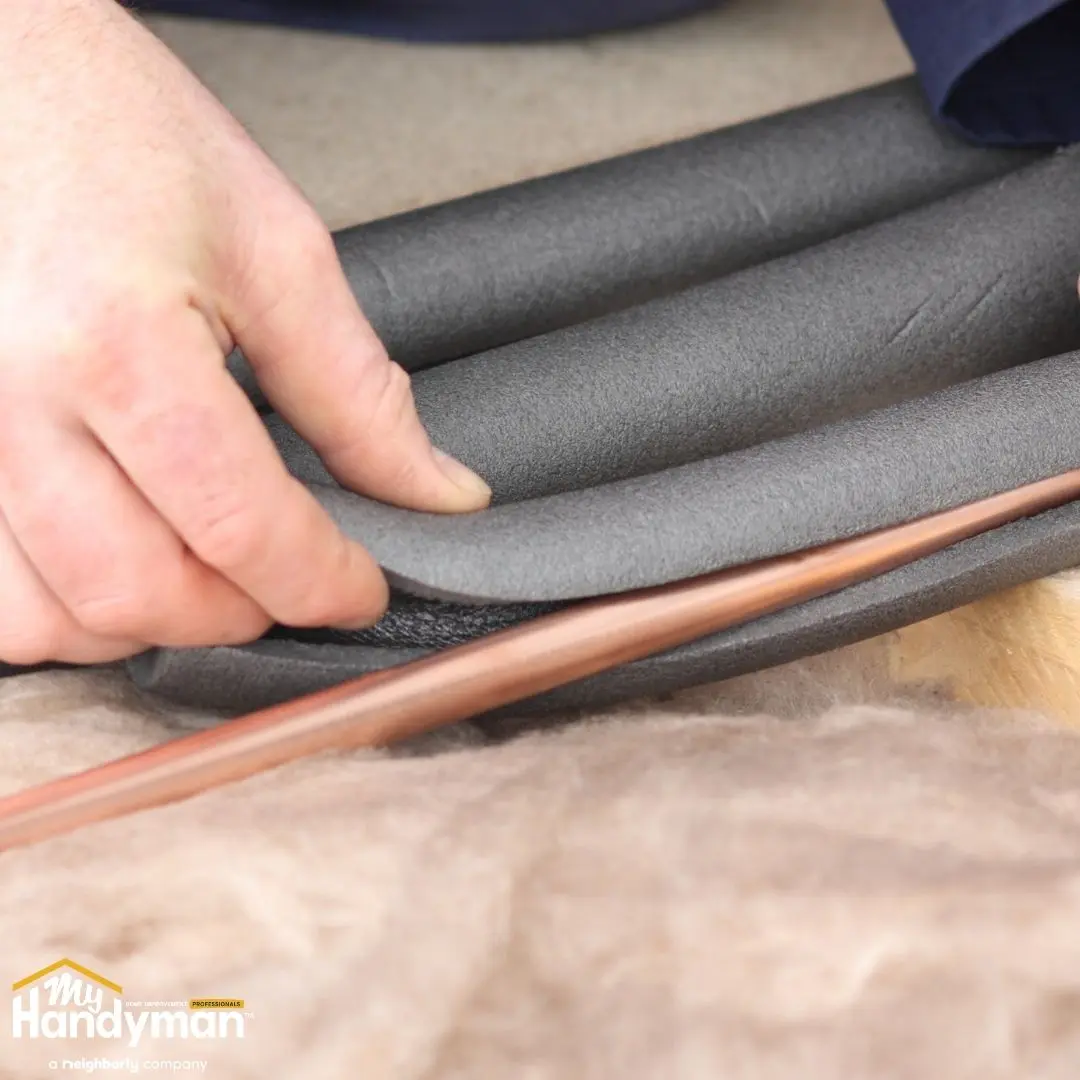
Pipe insulation is most effective when applied to the right areas. Not all pipes carry the same level of risk, so prioritization matters. Supply lines located in unheated basements, crawl spaces, attics, and garages should be insulated first.
Foam sleeves and fiberglass wraps help retain heat and slow temperature drops. They are especially useful for pipes running near exterior walls or passing through framing that is exposed to cold air. Insulation should be continuous, with seams sealed properly to prevent cold air infiltration.
Homes in colder areas such as Manchester often benefit from additional insulation around rim joists and foundation penetrations. These areas are common entry points for cold air and frequently overlooked during standard home maintenance routines.
Sealing Air Leaks That Expose Plumbing
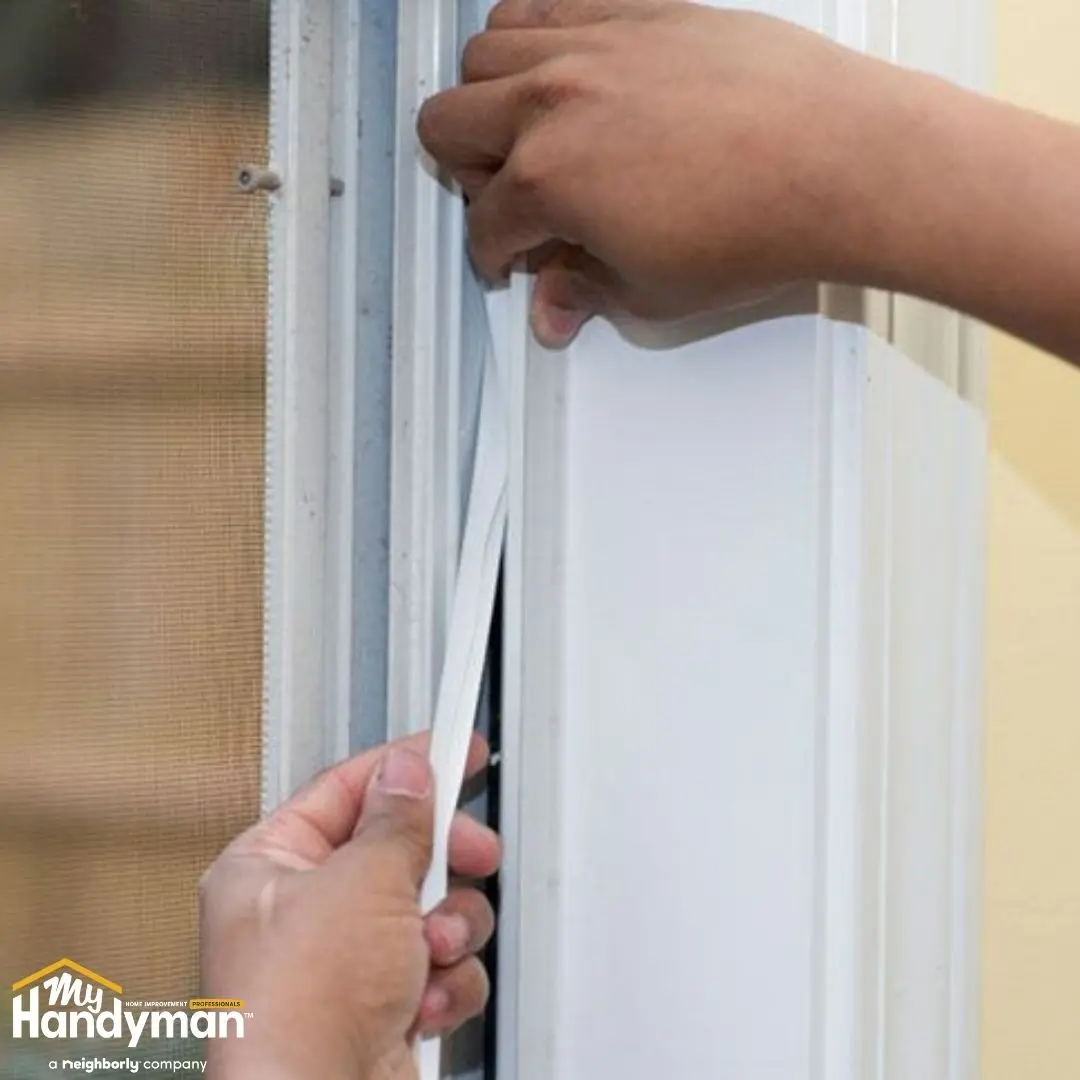
Cold air infiltration is one of the most common contributors to frozen pipes. Small gaps around windows, doors, vents, and utility penetrations allow cold air to circulate around plumbing, rapidly lowering pipe temperatures.
Sealing these leaks with caulk or expanding foam helps stabilize indoor temperatures and protects nearby pipes. This step is especially important in basements and crawl spaces, where cold air often accumulates.
Preventative home repair efforts should include inspecting areas where pipes enter the home, as well as locations where plumbing passes through walls or floors. Even minor air leaks can significantly increase freezing risk during harsh winters.
Keeping Water Moving During Extreme Cold
Water movement helps reduce freezing risk by preventing ice from forming inside pipes. Allowing faucets to drip slightly during extreme cold can relieve pressure and keep water flowing through vulnerable sections.
This approach is most effective for pipes known to freeze in the past or those located along exterior walls. It should be used selectively, focusing on high-risk areas rather than the entire home.
While dripping faucets may increase water usage slightly, the cost is minimal compared to the expense of repairing burst pipes and water damage. This method serves as a short-term safeguard during periods of severe cold.
Managing Indoor Airflow Around Pipes
Airflow plays a critical role in pipe temperature. Pipes enclosed within cabinets or behind walls may not receive enough warm air circulation, allowing temperatures to drop below freezing.
Opening cabinet doors under sinks allows heated air to reach supply lines, especially in kitchens and bathrooms located on exterior walls. This simple step can make a significant difference during overnight temperature drops.
Ensuring that heating vents are not blocked by furniture or storage items also helps maintain consistent warmth throughout the home. Balanced airflow supports overall home maintenance goals and reduces plumbing stress.
Preparing Homes Before Leaving During Winter
Vacant homes face a higher risk of frozen pipes due to reduced heating and limited monitoring. Homeowners leaving for extended periods during winter should take extra precautions.
Setting thermostats to maintain a minimum indoor temperature is essential. Shutting off the main water supply and draining pipes may be appropriate for longer absences, depending on the home’s layout and heating reliability.
Homes in areas such as Pinckney and Whitmore Lake experience fluctuating winter conditions that can increase risk when properties are unattended. Planning ahead helps prevent surprises upon return.
Monitoring Water Pressure and System Health
Excessive water pressure increases stress on plumbing, especially during cold weather when pipes contract. Installing or maintaining a pressure-reducing valve helps keep pressure within safe limits.
Monitoring pressure allows homeowners to identify issues early and take corrective action before freezing conditions amplify damage. This step supports long-term home repair prevention and system longevity.
Routine inspections of visible plumbing for signs of corrosion, leaks, or weakened joints also contribute to winter readiness. Addressing small issues early reduces the chance of failure during extreme cold.
Professional Inspections as a Preventative Measure
While many freeze-prevention steps are manageable for homeowners, professional assessments provide added protection. Experienced handyman services can identify hidden vulnerabilities such as insufficient insulation behind walls, aging pipe materials, or improper installation practices.
My Handyman of Ann Arbor, Saline, and Chelsea offers professional home repair and home maintenance services designed to prepare plumbing systems for winter conditions. Expert evaluations help homeowners implement targeted improvements that reduce freezing risk and increase system reliability.
Applying these essential prevention techniques strengthens your home’s defenses against winter plumbing problems. With thoughtful preparation and consistent maintenance, homeowners can significantly reduce the likelihood of frozen pipes and protect their property throughout harsh winter conditions.
Long-Term Protection and What to Do When Pipes Are at Risk
Knowing how to keep pipes from freezing during harsh winters also means thinking beyond short-term fixes. While insulation and daily habits reduce immediate risk, long-term protection focuses on system upgrades, smart planning, and knowing exactly how to respond when conditions become dangerous. Homes that combine prevention with preparedness are far less likely to experience catastrophic plumbing failures during winter.
Cold-weather plumbing protection is most effective when homeowners treat it as part of an ongoing home maintenance strategy rather than a seasonal chore. Pipes that freeze once are more likely to freeze again if underlying vulnerabilities remain unaddressed.
Upgrading Plumbing for Cold-Weather Reliability
Older plumbing systems often lack modern freeze protection. Pipes made from outdated materials or installed without consideration for airflow and insulation are more vulnerable during extreme cold. In these cases, upgrades provide meaningful long-term benefits.
Replacing aging pipes with materials better suited for temperature fluctuations reduces the likelihood of cracking or joint separation. Relocating pipes away from exterior walls or adding protective chases can also significantly improve performance in winter conditions.
Homes in areas such as Ypsilanti and Pittsfield Township often include a mix of older construction and newer additions. Evaluating how plumbing was installed across different sections of the home helps identify inconsistencies that increase freezing risk.
Using Smart Technology to Monitor Risk
Smart home technology offers additional protection against frozen pipes. Temperature sensors placed near vulnerable plumbing alert homeowners when conditions approach freezing. Water leak detectors provide early warnings if a pipe cracks or begins leaking.
Some systems can automatically shut off water when a leak is detected, limiting damage even if the homeowner is away. These tools are especially useful for second homes, rental properties, or households that travel frequently during winter.
While smart devices do not replace physical prevention measures, they add a valuable layer of monitoring that supports proactive home repair planning.
Developing a Winter Emergency Response Plan
Despite best efforts, extreme weather can still push plumbing systems to their limits. Having a clear response plan reduces panic and limits damage when pipes are at risk of freezing or have already frozen.
Homeowners should know:
- Where the main water shutoff valve is located
- How to safely thaw a frozen pipe using warm air
- When to stop and call a professional
Frozen pipes should never be thawed using open flames or high-heat devices. Gradual warming with space heaters or hair dryers is safer and helps prevent sudden pressure changes that can cause pipes to burst.
If a pipe has already burst or water damage is visible, shutting off the water supply immediately is critical. Acting quickly can prevent widespread damage and reduce repair costs.
Why Preventative Maintenance Matters Year After Year
Winter plumbing issues often repeat themselves when root causes remain unresolved. A pipe that freezes once is likely located in a vulnerable area that requires additional insulation, airflow, or rerouting.
Annual home maintenance inspections help identify patterns and address weaknesses before winter returns. These inspections are particularly important after renovations, changes to heating systems, or upgrades that may alter airflow within walls and ceilings.
Consistent maintenance reduces emergency calls, extends plumbing lifespan, and protects surrounding building materials from moisture-related damage.
Special Considerations for Vacant or Seasonal Homes
Homes that sit vacant during winter face higher risk because heating systems may be set lower and plumbing issues may go unnoticed for extended periods. Preparing these properties requires additional precautions.
Maintaining a minimum indoor temperature, even when unoccupied, helps protect pipes. Shutting off and draining water lines may be appropriate for some homes, depending on layout and accessibility.
In areas like Howell and Brighton, where winter conditions can shift quickly, monitoring vacant homes is especially important. Regular check-ins or professional oversight provide added peace of mind.
When Professional Help Is the Right Choice
Some plumbing vulnerabilities are difficult to identify without experience. Pipes hidden behind walls, under slabs, or within ceilings may be exposed to cold airflow that is not obvious during visual inspections.
Professional handyman services can assess insulation coverage, identify airflow issues, and recommend targeted improvements. These evaluations often reveal small adjustments that make a significant difference in winter performance.
My Handyman of Ann Arbor, Saline, and Chelsea provides trusted home repair and home maintenance services focused on practical solutions for seasonal challenges. Professional support helps homeowners move from reactive repairs to confident prevention.
Protecting Your Home Through Smart Preparation
Preventing frozen pipes is about combining awareness, preparation, and long-term planning. From insulation and airflow management to emergency readiness and system upgrades, each step contributes to a more resilient home.
Understanding how to keep pipes from freezing during harsh winters empowers homeowners to take control of their plumbing systems rather than waiting for problems to occur. With consistent maintenance and informed decisions, homes can remain safe, functional, and protected throughout even the most severe winter conditions.
Protect your pipes before freezing temperatures cause damage. Book professional winter plumbing help online or call today.