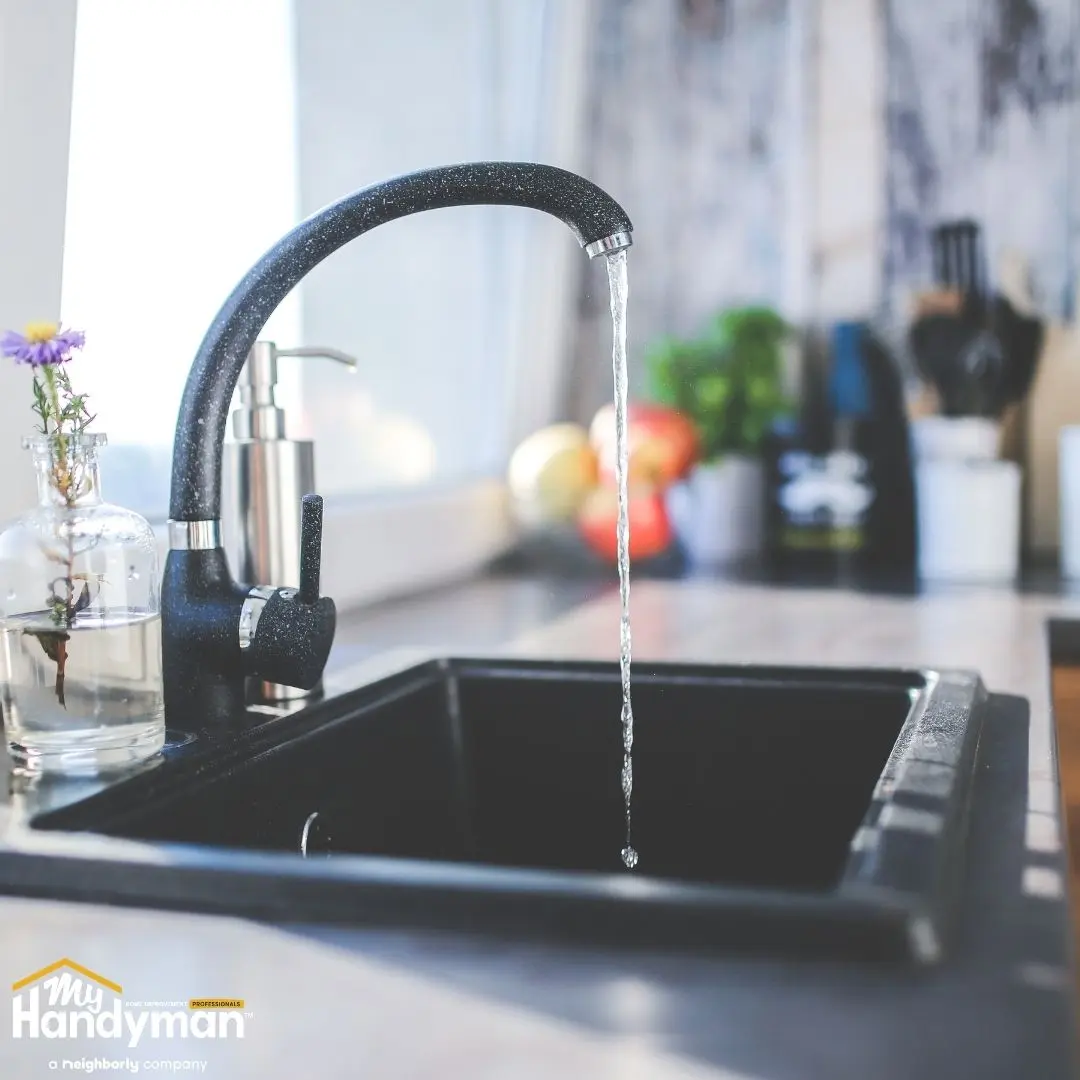
When temperatures drop, many homeowners begin to notice an annoying and sometimes concerning issue: dripping faucets. Understanding why your faucets drip in winter and what you can do about it helps prevent wasted water, rising utility bills, and potential plumbing damage that often starts small but escalates quickly during cold weather. Winter creates a unique set of conditions that place added stress on plumbing systems, making even minor weaknesses more noticeable.
A dripping faucet is rarely just a nuisance in winter. It is often a signal that something within the plumbing system is reacting to cold temperatures, pressure changes, or material contraction. Recognizing the cause early allows homeowners to take corrective action before the problem worsens.
How Cold Weather Affects Faucet Components
Winter temperatures affect plumbing materials differently than warm weather. Metal pipes, fittings, and faucet components contract as temperatures drop. This contraction can loosen connections, alter pressure balance, and expose worn internal parts such as washers, cartridges, and seals.
Rubber and plastic components inside faucets also stiffen in cold conditions. When these parts lose flexibility, they may no longer create a watertight seal, allowing water to escape slowly even when the faucet is fully closed.
Homes in colder areas such as Chelsea and Saline often experience longer periods of contraction and expansion as temperatures fluctuate. Over time, this repeated stress accelerates wear on faucet components.
Increased Water Pressure During Winter
Another reason faucets drip more frequently in winter is increased water pressure. When pipes partially freeze or water flow is restricted, pressure can build within the system. This added pressure seeks an outlet, often forcing water past weakened seals inside faucets.
Pressure fluctuations are especially common overnight when temperatures drop sharply. Homeowners may notice dripping that worsens at night or early morning and improves later in the day as temperatures rise.
High water pressure does not only cause dripping. It increases overall strain on plumbing systems, contributing to leaks, joint failures, and premature wear. Addressing pressure-related issues is an important part of winter home maintenance.
Worn Washers and Cartridges Exposed by Cold
Faucets rely on internal components to stop water flow completely. Over time, washers compress, cartridges wear down, and seals degrade. During warmer months, these worn parts may still function well enough to prevent noticeable dripping.
Winter exposes these weaknesses. As materials contract and pressure increases, worn components can no longer compensate, resulting in persistent drips. This is why faucets that seemed fine in fall may suddenly begin dripping once cold weather arrives.
Homes in areas like Dexter and Pinckney often include a mix of older and newer fixtures, making age-related wear a common contributor to winter dripping.
Outdoor Faucets and Cold Exposure
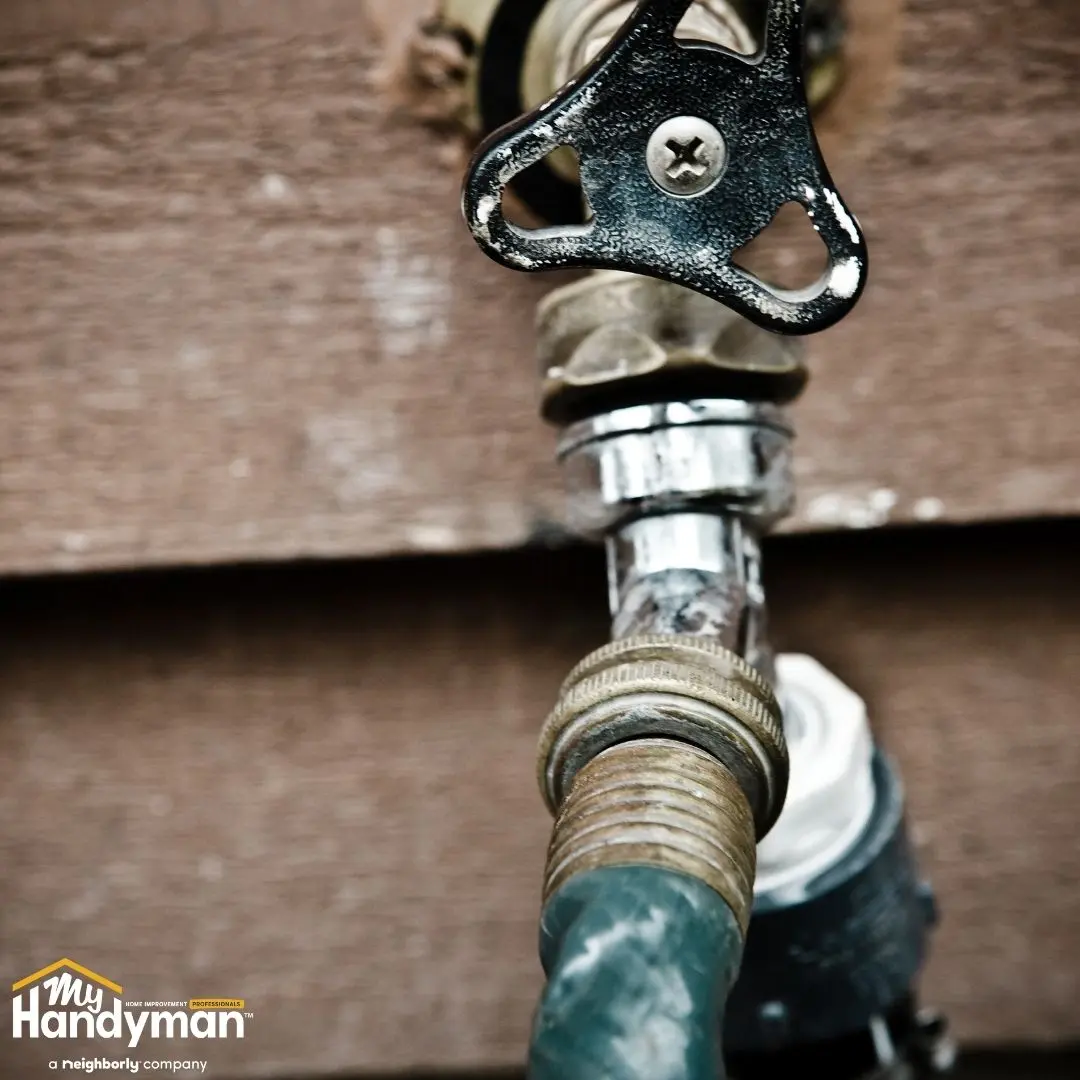
Outdoor faucets are particularly vulnerable during winter. If hoses remain connected or water is left inside exterior lines, freezing can occur. As ice forms, it expands, placing pressure on internal components and causing cracks or seal failures.
Even frost-free faucets can drip if they are not properly winterized. These fixtures rely on correct installation and drainage to prevent freezing. If water remains trapped inside, damage can still occur.
Dripping from outdoor faucets should never be ignored. It may indicate internal damage that can worsen when temperatures fluctuate, potentially leading to leaks inside walls once thawing occurs.
Why Dripping Faucets Matter More in Winter
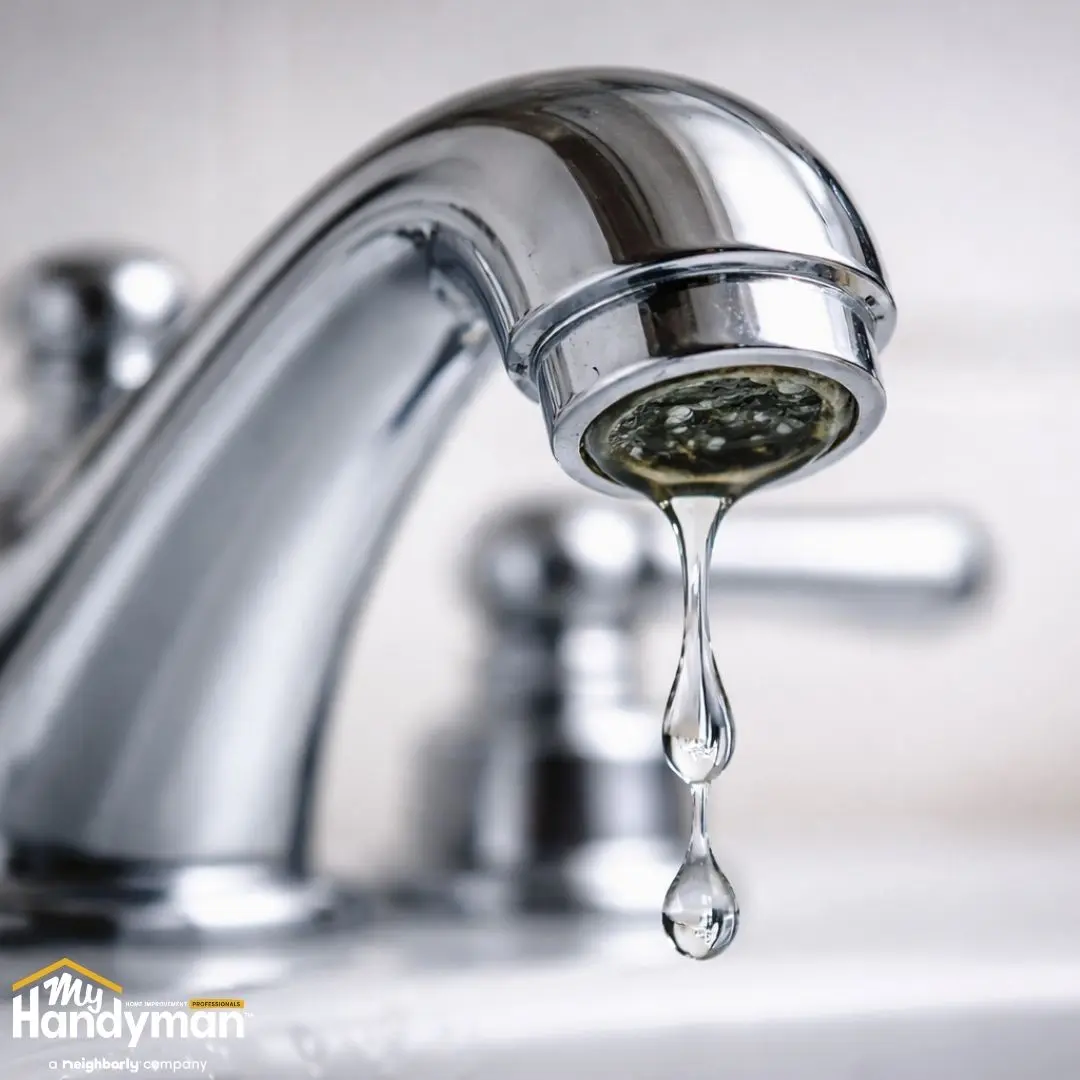
A dripping faucet wastes water year-round, but winter increases the stakes. Drips may signal freezing risk, pressure imbalance, or component failure that could lead to burst pipes or larger leaks. In some cases, dripping is intentionally used to prevent freezing, but unintended drips often indicate an underlying issue.
Ignoring winter faucet drips can result in higher water bills, hidden water damage, and increased risk of emergency home repair. Addressing the cause early helps protect both plumbing systems and surrounding materials.
Professional Insight for Winter Plumbing Issues
While some dripping faucet issues can be resolved with simple repairs, others require professional assessment. Identifying whether the cause is pressure-related, temperature-related, or due to worn components is key to choosing the right solution.
My Handyman of Ann Arbor, Saline, and Chelsea provides reliable home repair and home maintenance services designed to address winter plumbing concerns before they escalate. Professional evaluation helps homeowners resolve dripping issues effectively and reduce cold-weather plumbing risks.
Understanding why faucets drip during winter sets the foundation for effective solutions. With the right knowledge and timely action, homeowners can stop unnecessary water loss and protect their plumbing systems throughout the cold season.
Common Winter Dripping Scenarios and What They Usually Mean
Understanding why your faucets drip in winter and what you can do about it requires recognizing that not all winter drips come from the same cause. Some are related to cold exposure, others to pressure changes, and some to normal wear that becomes more noticeable during freezing conditions. Knowing which scenario applies helps homeowners respond appropriately instead of guessing or delaying action.
Winter dripping often follows predictable patterns. Paying attention to when and where dripping occurs provides valuable clues about what is happening inside the plumbing system.
Dripping That Starts Only During Cold Nights
One of the most common winter scenarios is a faucet that drips primarily overnight or during extreme cold spells. This pattern usually points to temperature-related pipe contraction or pressure buildup caused by partial freezing elsewhere in the system.
As temperatures drop, pipes contract and water flow may become restricted. Pressure increases behind these restrictions, forcing water past weakened faucet seals. When temperatures rise during the day, pressure normalizes and dripping may slow or stop temporarily.
Homes in colder communities such as Manchester and Whitmore Lake often experience this cycle during prolonged cold snaps. Repeated overnight dripping should be treated as a warning sign rather than a harmless inconvenience.
Dripping From a Faucet That Was Recently Quiet
Faucets that functioned normally throughout warmer months but begin dripping in winter often have internal components that are nearing the end of their service life. Washers, cartridges, and seals degrade gradually, and cold temperatures reduce their ability to maintain a tight seal.
Winter exposes this wear by increasing pressure and reducing material flexibility. What once held water back under mild conditions can no longer do so reliably.
This scenario is especially common in homes with older fixtures or fixtures that have not been serviced regularly. Addressing worn components early helps prevent further deterioration and more extensive home repair needs.
Dripping After Using Hot Water
If dripping occurs shortly after hot water use, thermal expansion may be contributing to the issue. As hot water moves through pipes and fixtures, materials expand. When water flow stops and temperatures stabilize, contraction can slightly shift internal components.
In winter, this expansion and contraction cycle becomes more pronounced due to colder ambient temperatures. The result is dripping that appears shortly after showers, laundry, or dishwashing.
This type of drip often points to aging faucet components or connections that would benefit from inspection and maintenance rather than simple tightening.
Outdoor Faucet Drips During Freezing Weather
Outdoor faucet drips are one of the most serious winter scenarios. Dripping from an exterior faucet often indicates that water has frozen inside the line, damaging internal seals or the faucet body itself.
Even small drips can signal internal cracking that worsens during freeze and thaw cycles. When temperatures rise, leaks may extend into walls or basements, causing hidden water damage.
Homes in areas like Grass Lake and Brighton frequently experience these issues when outdoor plumbing is not fully winterized. Outdoor drips should always be addressed promptly.
Constant Dripping Regardless of Temperature
When a faucet drips continuously, regardless of outdoor conditions, the issue is usually mechanical rather than temperature-driven. Common causes include severely worn cartridges, damaged valve seats, or internal corrosion.
While winter may make the drip more noticeable, these issues typically require repair or replacement rather than seasonal adjustments. Ignoring constant dripping increases water waste and accelerates fixture deterioration.
This type of drip is also more likely to worsen over time, potentially leading to leaks behind walls or under sinks.
When Dripping Is Sometimes Intentional
In some cases, homeowners intentionally allow faucets to drip during extreme cold to prevent pipes from freezing. This controlled dripping keeps water moving and reduces pressure buildup in vulnerable lines.
Intentional dripping should be limited to known problem areas and used only during severe cold. It should not be confused with uncontrolled dripping caused by failing components.
Understanding the difference between preventative dripping and problem-related dripping is essential. Preventative dripping is temporary and deliberate, while problem-related dripping persists or worsens without intervention.
Why Identifying the Scenario Matters
Each winter dripping scenario points to a different underlying issue. Treating all drips the same can lead to unnecessary repairs or missed warning signs. Proper identification allows homeowners to choose the most effective response.
Targeted home maintenance reduces the likelihood of larger plumbing failures and helps protect fixtures, pipes, and surrounding materials during winter.
Professional Evaluation for Accurate Diagnosis
Some dripping causes are easy to identify, while others require professional assessment. Experienced handyman services can determine whether dripping is due to pressure imbalance, component wear, freezing risk, or installation issues.
My Handyman of Ann Arbor, Saline, and Chelsea provides dependable home repair and home maintenance services designed to diagnose winter plumbing issues accurately. Professional insight ensures the right solution is applied before minor drips turn into major problems.
Recognizing common winter dripping scenarios helps homeowners respond confidently and effectively. This understanding sets the stage for choosing the right preventative steps and knowing when repairs are truly needed.
Practical Fixes, Prevention Strategies, and When to Call for Help
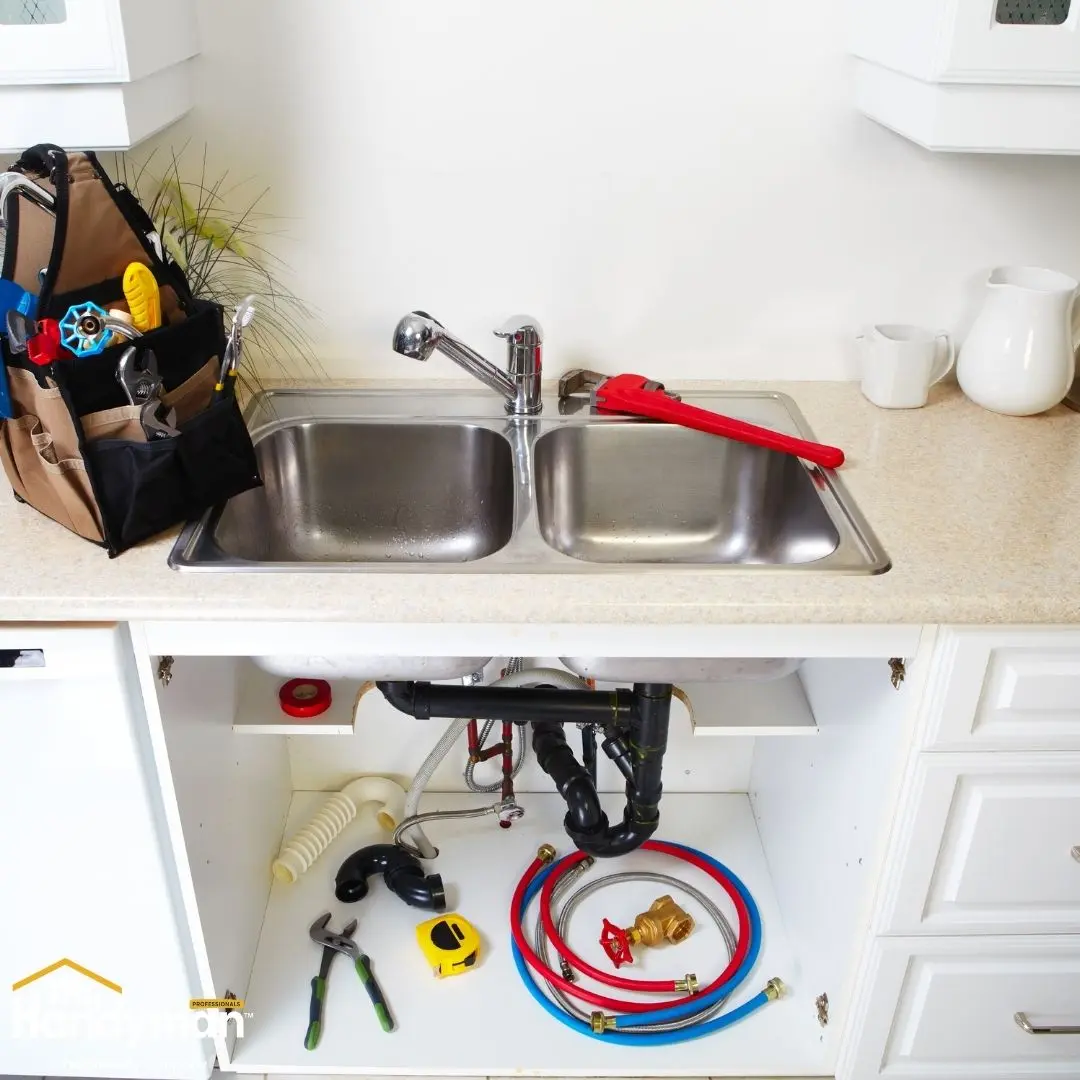
Understanding why your faucets drip in winter and what you can do about it ultimately comes down to knowing how to respond once the cause is identified. Some winter drips can be resolved with simple adjustments, while others require repair or professional attention. The key is choosing the right solution before dripping turns into a larger plumbing issue.
Winter faucet problems tend to worsen over time if left unaddressed. Cold temperatures place ongoing stress on plumbing systems, which means small leaks rarely stay small for long.
Simple Fixes Homeowners Can Handle Safely
Some winter faucet drips stem from minor issues that homeowners can address with basic home maintenance steps. Replacing worn washers or cartridges is one of the most common solutions for interior faucets that drip consistently.
If the drip is coming from a single-handle or cartridge-style faucet, the internal cartridge may be worn or damaged. For traditional faucets, deteriorated rubber washers are often the culprit. Replacing these parts restores a tight seal and stops water flow effectively.
Tightening loose packing nuts or handle components can also resolve dripping caused by contraction during cold weather. These fixes should be done carefully to avoid over-tightening, which can damage components.
These solutions are most effective when dripping is steady and not linked to freezing or pressure issues elsewhere in the system.
Adjusting Water Pressure to Reduce Stress
High water pressure plays a significant role in winter faucet problems. Pressure that may be manageable during warmer months can push worn components past their limits when pipes contract in cold weather.
Installing or adjusting a pressure-reducing valve helps stabilize pressure throughout the home. This not only reduces faucet dripping but also protects pipes, appliances, and connections from long-term damage.
Monitoring pressure is a smart home maintenance habit, especially during winter when fluctuations are more common. Reducing excess pressure lowers strain on the entire plumbing system.
Protecting Faucets From Cold Exposure
Preventing cold air from reaching faucets and supply lines is one of the most effective long-term solutions. Interior faucets located on exterior walls benefit from added insulation behind cabinets and along supply lines.
Opening cabinet doors during extreme cold allows warm air to circulate around pipes and fixtures. This simple step helps prevent both dripping and freezing.
Outdoor faucets require special attention. Disconnecting hoses, shutting off exterior water supplies, and draining remaining water reduces the risk of internal damage. Installing insulated faucet covers adds an extra layer of protection during prolonged cold spells.
Homes in areas such as Superior Charter Township often experience strong winter winds that drive cold air into exterior walls, making faucet protection especially important.
Knowing When Dripping Signals a Bigger Problem
Not all winter faucet drips are isolated fixture issues. In some cases, dripping is a symptom of freezing risk elsewhere in the system. Faucets may drip as pressure builds behind partially frozen pipes, acting as a weak release point.
If dripping is accompanied by reduced water flow, frost on pipes, or unusual noises, immediate attention is needed. These signs suggest that freezing may already be occurring inside the plumbing system.
Ignoring these warnings increases the risk of burst pipes once thawing begins. In these situations, stopping the drip without addressing the underlying cause can make the problem worse.
Intentional Dripping Versus Uncontrolled Leaks
During extreme cold, some homeowners intentionally allow faucets to drip slowly to keep water moving and reduce freezing risk. This approach can be effective when used correctly and selectively.
Intentional dripping should only be used for known problem pipes and stopped once temperatures stabilize. It should never replace proper insulation or long-term solutions.
Uncontrolled leaks, on the other hand, continue regardless of temperature and often worsen over time. These leaks waste water, increase bills, and signal component failure that requires repair.
Understanding the difference helps homeowners avoid unnecessary water loss while still protecting pipes during harsh winter conditions.
Preventative Maintenance for Long-Term Protection
Preventing winter faucet problems starts with regular home maintenance. Inspecting faucets for wear before winter allows repairs to be completed under less stressful conditions.
Replacing aging fixtures, upgrading to frost-resistant outdoor faucets, and improving insulation around plumbing all reduce the likelihood of winter drips. These improvements also support overall plumbing health year-round.
Homes in communities like Milan and Willis often include older construction where proactive updates make a significant difference in winter reliability.
When Professional Help Is the Best Option
Some faucet issues require professional evaluation. Persistent dripping, signs of freezing, or leaks that reappear after repair attempts indicate deeper problems that should not be ignored.
Professional handyman services can identify whether dripping is caused by pressure imbalance, hidden pipe exposure, or failing internal components. This prevents repeated repairs and helps address root causes effectively.
My Handyman of Ann Arbor, Saline, and Chelsea provides trusted home repair and home maintenance services designed to resolve winter plumbing issues safely and efficiently. Professional support helps homeowners move from temporary fixes to lasting solutions.
Protecting Your Plumbing Through Winter
Winter faucet drips are more than an inconvenience. They are often early warnings of stress within the plumbing system. Addressing them promptly protects fixtures, pipes, and surrounding materials from damage that can escalate quickly in cold weather.
Understanding why your faucets drip in winter and what you can do about it empowers homeowners to respond with confidence. Through timely repairs, preventative maintenance, and professional support when needed, faucets can remain reliable and drip-free throughout even the coldest winter months.
A dripping faucet can signal bigger issues behind the scenes. Schedule faucet repairs online at https://www.mrhandyman.com/request-service/ or call us.