Winter creates conditions that test every part of a home. Cold temperatures, snow, ice, reduced daylight, and increased indoor living all raise the risk of accidents and damage. Understanding how a handyman can improve your home’s safety this winter helps homeowners address these risks proactively rather than reacting to emergencies when conditions are at their worst.
Many winter hazards develop gradually. A loose handrail, a drafty door, or worn flooring may not seem urgent until snow is tracked inside or temperatures drop overnight. A professional handyman focuses on these small but critical details, reducing safety risks while supporting long-term home maintenance.
Why Winter Increases Safety Risks Inside the Home
Winter changes how homes are used and how systems perform. Entryways experience constant moisture. Stairways see heavier use. Lighting becomes more important as daylight hours shrink. Heating systems and doors operate under constant stress.
At the same time, homeowners spend more time indoors, which increases wear on floors, hardware, and fixtures. These combined factors create safety risks that often go unnoticed until an incident occurs.
Homes in areas such as Chelsea and Saline frequently face prolonged winter conditions, making seasonal safety improvements especially important for preventing injuries and property damage.
Reducing Slip and Fall Hazards in High-Risk Areas
Slip and fall accidents are among the most common winter-related injuries in homes. Snow, ice, and slush tracked indoors quickly turn smooth surfaces into hazards, especially in entryways, hallways, and staircases.
A handyman can improve safety by securing loose flooring, repairing damaged transitions, and installing slip-resistant solutions where needed. Loose tiles, curling carpet edges, or uneven thresholds become significantly more dangerous when moisture is present.
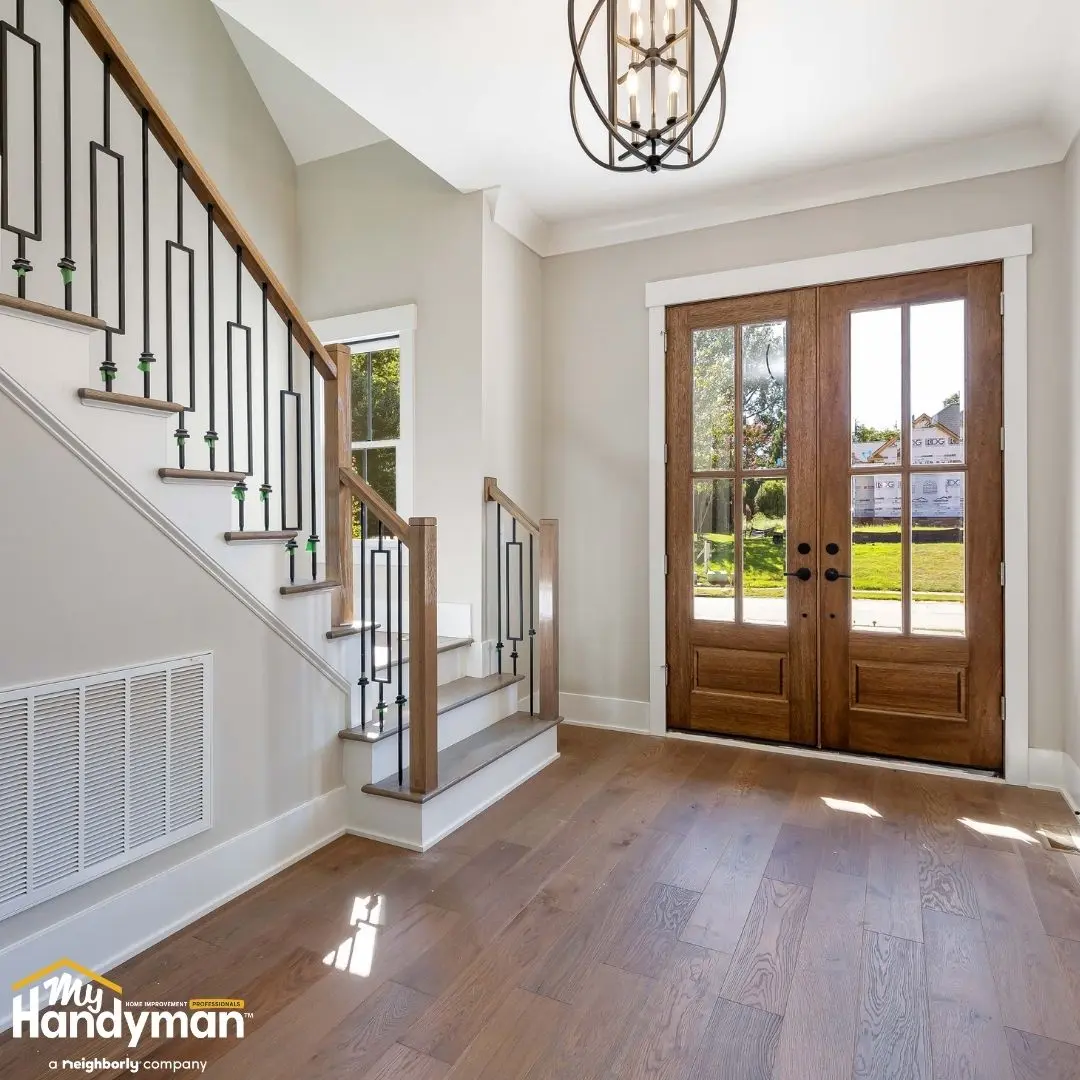
Handrails and stair components are another critical focus. Tightening loose railings, repairing worn treads, and reinforcing stair structure helps prevent falls during a season when balance and footing are already compromised.
Improving Lighting for Dark Winter Days
Reduced daylight makes lighting one of the most important winter safety factors. Poorly lit areas increase the risk of trips, falls, and general accidents inside the home.
A handyman can improve lighting safety by replacing outdated fixtures, installing brighter bulbs where appropriate, and adding lighting in shadowed areas such as stairways, hallways, and entry points. Fixing flickering fixtures or faulty switches also prevents sudden loss of visibility.
Improved lighting not only enhances safety but also makes winter living more comfortable and functional, especially during early mornings and evenings.
Addressing Door and Hardware Issues That Affect Safety
Doors behave differently in winter. Temperature changes cause materials to expand and contract, which can lead to doors that stick, fail to latch, or close improperly.
These issues affect more than convenience. Doors that do not close securely compromise security and allow cold air to enter, increasing the risk of frozen pipes and indoor condensation.
A handyman can realign doors, adjust hinges, replace worn hardware, and ensure locks function properly. These repairs restore smooth operation and support both safety and energy efficiency.
Preventing Winter-Related Plumbing Hazards
Plumbing issues pose serious safety risks during winter. Frozen pipes can burst suddenly, leading to flooding, water damage, and electrical hazards.
A handyman helps reduce this risk by insulating exposed pipes, sealing air leaks near plumbing lines, and addressing small leaks before freezing temperatures make them worse. Bathrooms, kitchens, basements, and exterior walls are common focus areas.
Homes in places like Dexter and Pinckney often include older plumbing configurations that benefit significantly from these preventative winter safety measures.
Securing Entryways and Managing Winter Moisture
Entryways absorb the brunt of winter weather. Wet boots, melting snow, and salt quickly create slippery conditions and accelerate material wear.
A handyman can improve safety by repairing damaged thresholds, sealing gaps that allow water intrusion, and securing mats or flooring that shift underfoot. Addressing these issues early reduces slip hazards and protects underlying surfaces from water damage.
Managing moisture at entry points also helps prevent mold growth and deterioration of trim and subflooring.
Repairing Loose Fixtures and Interior Features
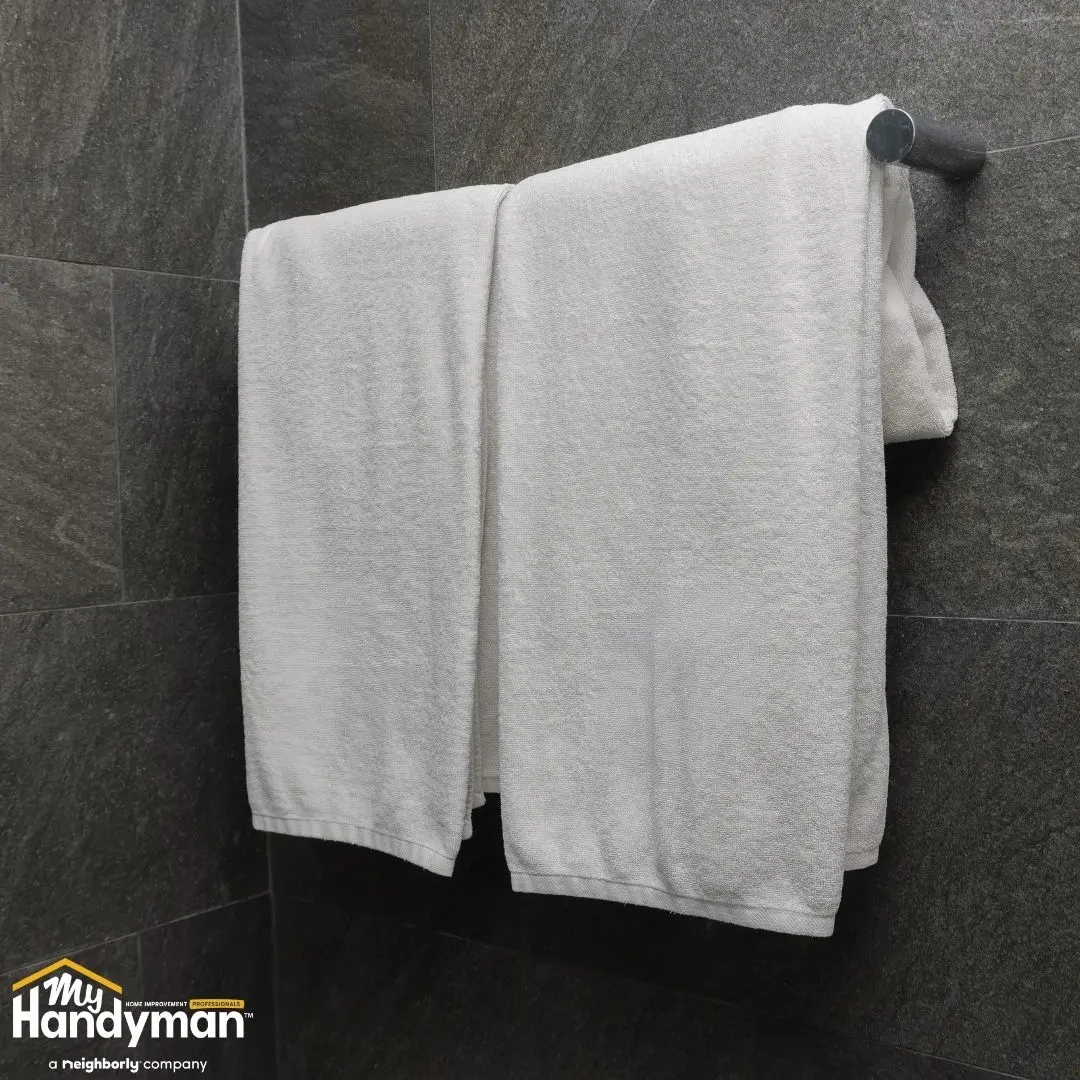
Winter dryness and temperature fluctuations can loosen fixtures throughout the home. Cabinet hardware, shelving, towel bars, and mounted accessories may become unstable, creating hidden safety risks.
A handyman can secure these fixtures properly, ensuring they can handle daily use without pulling loose or failing unexpectedly. This is especially important in bathrooms, kitchens, and stairways where balance and support matter most.
Small repairs in these areas prevent injuries and reduce the likelihood of larger repairs later.
Why a Handyman’s Preventative Approach Matters in Winter
Many winter safety issues are not dramatic failures. They are small, manageable problems that become dangerous when combined with cold, moisture, and limited visibility.
A handyman takes a preventative approach, identifying risks early and resolving them before they escalate. This approach reduces emergency repairs, lowers injury risk, and supports consistent home maintenance throughout the season.
Professional Support for Winter Home Safety
Coordinating multiple safety-related repairs can be overwhelming, especially during winter when issues often appear all at once. Professional handyman services streamline this process by addressing a wide range of concerns efficiently.
My Handyman of Ann Arbor, Saline, and Chelsea provides dependable home repair and home maintenance services to help homeowners improve safety during winter. Professional support ensures repairs are completed correctly and tailored to the specific challenges winter creates.
Understanding how a handyman can improve your home’s safety this winter starts with recognizing that safety is built through many small, proactive repairs. Addressing these details early helps protect your home, your family, and your peace of mind throughout the coldest months.
Preventative Safety Upgrades That Reduce Winter Accidents at Home
Understanding how a handyman can improve your home’s safety this winter goes beyond fixing visible problems. Preventative safety upgrades focus on reducing the likelihood of accidents before they occur, especially during months when cold, moisture, and reduced daylight create higher risks. These upgrades are often small in scope but significant in impact, helping homeowners maintain safer living environments throughout winter.
A handyman’s role during winter is largely preventative, addressing conditions that quietly increase risk when left unattended.
Reinforcing Stairways and Improving Stability
Stairways are one of the most common locations for winter-related injuries inside the home. Bulky clothing, wet footwear, and reduced traction increase fall risk, even on stairs that feel safe during other seasons.
Preventative upgrades include tightening or reinforcing handrails, securing loose balusters, and repairing worn stair treads. A handyman can also address subtle issues such as uneven riser heights or loose trim that creates instability underfoot.
These improvements are especially important in multi-level homes where stairways see constant winter use.
Upgrading Entryway Safety Features
Entryways are transition zones where outdoor hazards enter the home. Preventative safety upgrades here focus on controlling moisture and improving footing.
A handyman can install or secure slip-resistant flooring, reinforce thresholds, and ensure mats remain flat and stationary. Repairing gaps around doors also prevents snowmelt from seeping indoors and refreezing near entrances.
Homes in areas such as Brighton often experience repeated freeze and thaw cycles, making entryway safety upgrades especially valuable for preventing slips and falls.
Improving Bathroom Safety During Winter
Bathrooms become higher-risk spaces in winter due to increased moisture, condensation, and temperature differences. Smooth surfaces combined with wet conditions increase fall potential.
A handyman can improve bathroom safety by securing grab bars, repairing loose fixtures, and addressing flooring issues. Installing or reinforcing non-slip solutions near tubs and showers helps reduce risk during daily use.
Preventative bathroom safety upgrades are particularly beneficial for households with children, older adults, or guests unfamiliar with the home.
Enhancing Interior Lighting in Key Areas
Winter darkness increases reliance on artificial lighting. Poor lighting in hallways, staircases, and closets makes navigation more difficult and increases accident risk.
A handyman can improve lighting by adding fixtures, replacing outdated units, or adjusting placement to eliminate shadows. Installing motion-activated lighting in high-traffic areas also improves safety during nighttime movement.
Improved lighting reduces strain on eyes and supports safer movement throughout the home during winter.
Securing Loose Flooring and Transitions
Flooring issues that feel minor in summer become safety hazards in winter when moisture is present. Loose tiles, curling carpet edges, or unstable transitions increase slip and trip risk.
Preventative repairs include reattaching loose flooring, securing transitions, and addressing uneven surfaces. These fixes improve safety and prevent further deterioration caused by winter wear.
Homes in communities such as Ypsilanti often include older flooring systems that benefit from proactive winter repairs.
Checking and Repairing Interior Doors
Interior doors affect safety by controlling access, privacy, and movement. In winter, doors may swell, bind, or fail to close properly.
A handyman can adjust interior doors, repair hardware, and ensure smooth operation. This prevents sudden sticking or slamming that can cause injury or damage.
Well-functioning doors also support better indoor temperature control, reducing condensation and moisture-related hazards.
Addressing Drywall and Trim Damage
Dry winter air can cause drywall cracks and trim separation that create sharp edges or unstable surfaces. These issues may seem cosmetic but can pose safety risks if left unresolved.
Repairing cracks, securing loose trim, and reinforcing damaged areas helps maintain safe, smooth surfaces throughout the home.
Preventative attention here also prevents further damage as winter dryness continues.
Why Preventative Safety Work Matters More in Winter
Winter magnifies small safety issues. Reduced traction, heavier clothing, and limited visibility make minor defects more dangerous than they are during warmer months.
Preventative upgrades reduce the likelihood of accidents, limit emergency repairs, and support consistent home maintenance. These improvements also reduce stress by creating safer, more predictable living spaces during a challenging season.
Professional Support for Preventative Winter Safety
Preventative safety upgrades require careful evaluation and proper installation. Professional handyman services ensure that improvements are secure, effective, and appropriate for winter conditions.
My Handyman of Ann Arbor, Saline, and Chelsea provides reliable home repair and home maintenance services to help homeowners complete preventative safety upgrades during winter. Professional support ensures that safety improvements are durable and correctly implemented.
Focusing on preventative upgrades reinforces how a handyman can improve your home’s safety this winter. By addressing risks before accidents occur, homeowners create safer environments that protect everyone throughout the coldest months.
Building Long-Term Winter Safety Habits With Professional Handyman Support
Understanding how a handyman can improve your home’s safety this winter is most powerful when short-term repairs lead to long-term habits. Winter safety is not achieved through a single fix. It is built through consistent attention, seasonal planning, and preventative maintenance that strengthens the home year after year. A handyman plays a key role in helping homeowners move from reactive fixes to proactive safety management.
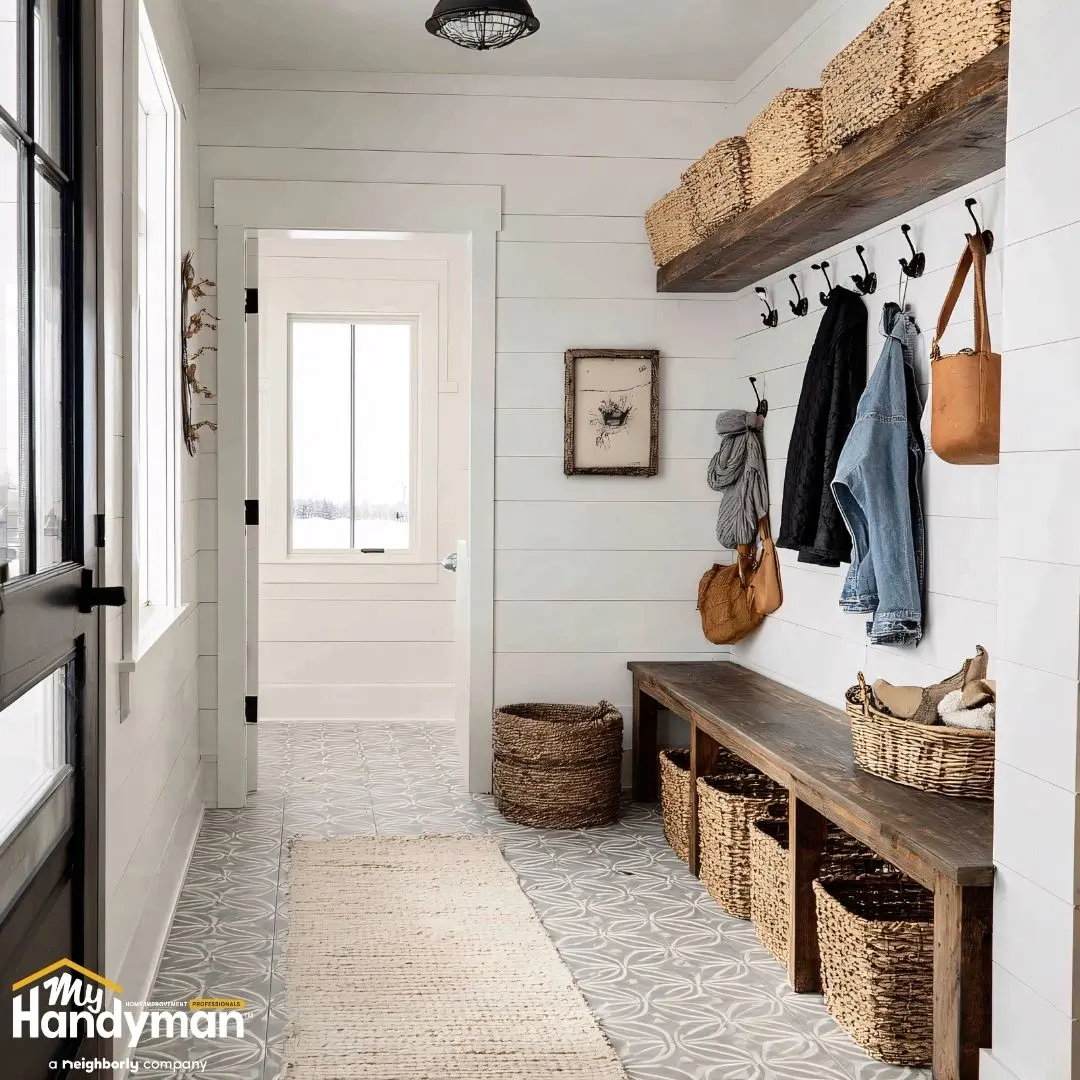
Winter exposes patterns. The same stairs feel slippery every year. The same entryway collects moisture. The same door sticks when temperatures drop. Recognizing these patterns allows homeowners to plan smarter improvements rather than repeatedly addressing symptoms.
Using Winter to Identify Ongoing Safety Weak Points
Winter highlights how a home behaves under stress. Areas that become hazardous during cold months are often telling homeowners where long-term safety improvements are needed.
Recurring winter safety weak points often include:
- Entryways with repeated moisture buildup
- Staircases that feel unstable during heavy use
- Poorly lit hallways or landings
- Doors that consistently misalign in cold weather
- Flooring that becomes slick when wet
A handyman helps homeowners assess these areas objectively and recommend solutions that go beyond temporary fixes. Addressing the root cause reduces repeat risk each winter.
Establishing Seasonal Safety Checkpoints
One of the most effective long-term habits is scheduling seasonal safety check-ins. Winter should not be the only time safety is evaluated, but it should inform future planning.
A practical approach includes:
- Pre-winter inspections to prepare the home
- Mid-winter adjustments based on real conditions
- Post-winter repairs to address damage or wear
These checkpoints keep safety improvements manageable and prevent issues from compounding over time.
Upgrading Safety Features for Year-Round Benefit
Many winter safety upgrades deliver value well beyond the cold season. Improvements such as reinforced handrails, better lighting, secured flooring, and properly aligned doors improve daily safety throughout the year.
A handyman helps homeowners choose upgrades that are durable, appropriate for the space, and aligned with long-term home maintenance goals. This approach ensures safety investments continue to pay off after winter ends.
Homes in areas such as Manchester often benefit from permanent safety upgrades because extended winters and fluctuating temperatures place repeated stress on home features.
Preventing Small Safety Issues From Becoming Emergencies
Many winter accidents happen not because of extreme conditions, but because small issues were ignored. A loose step, a dim hallway, or a shifting threshold becomes dangerous when combined with wet boots and low visibility.
Regular handyman support allows these issues to be corrected early, when repairs are simpler and less disruptive. This preventative approach reduces emergency calls, unexpected costs, and injury risk.
Safety-focused maintenance also helps homeowners avoid reactive decision-making during harsh weather.
Supporting Aging in Place and Household Changes
Winter safety becomes increasingly important as household needs change. Aging adults, children, and guests are all more vulnerable to winter-related hazards.
Handyman-led safety improvements support aging in place by reinforcing stability, improving visibility, and reducing fall risk. These upgrades adapt the home to changing needs without making it feel institutional or restrictive.
Long-term safety planning ensures the home remains comfortable and accessible for everyone.
Tracking Safety Repairs to Guide Future Improvements
Keeping a simple record of winter safety repairs helps homeowners identify trends. If the same issue is addressed repeatedly, it may indicate a need for a more permanent solution.
Tracking repairs helps determine when reinforcement, replacement, or redesign is the better long-term choice. This reduces repeated maintenance and improves overall safety planning.
Why Ongoing Handyman Support Makes a Difference
Winter safety is not about one large project. It is about many small details that work together. Professional handyman services provide continuity, experience, and efficiency that homeowners benefit from year after year.
A trusted handyman understands the home’s history, recognizes recurring issues, and recommends solutions that align with both safety and long-term home maintenance.
My Handyman of Ann Arbor, Saline, and Chelsea provides dependable home repair and home maintenance services to help homeowners build safer living environments through every winter season. Professional support ensures safety improvements are thoughtful, durable, and tailored to the home’s specific challenges.
Turning Winter Safety Into a Lasting Advantage
Winter does not have to be a season of constant worry. With the right approach, it becomes an opportunity to strengthen the home and improve daily living.
Understanding how a handyman can improve your home’s safety this winter empowers homeowners to act proactively. By addressing immediate risks, building preventative habits, and partnering with experienced professionals, homeowners create safer, more resilient homes that remain protected through winter and beyond.