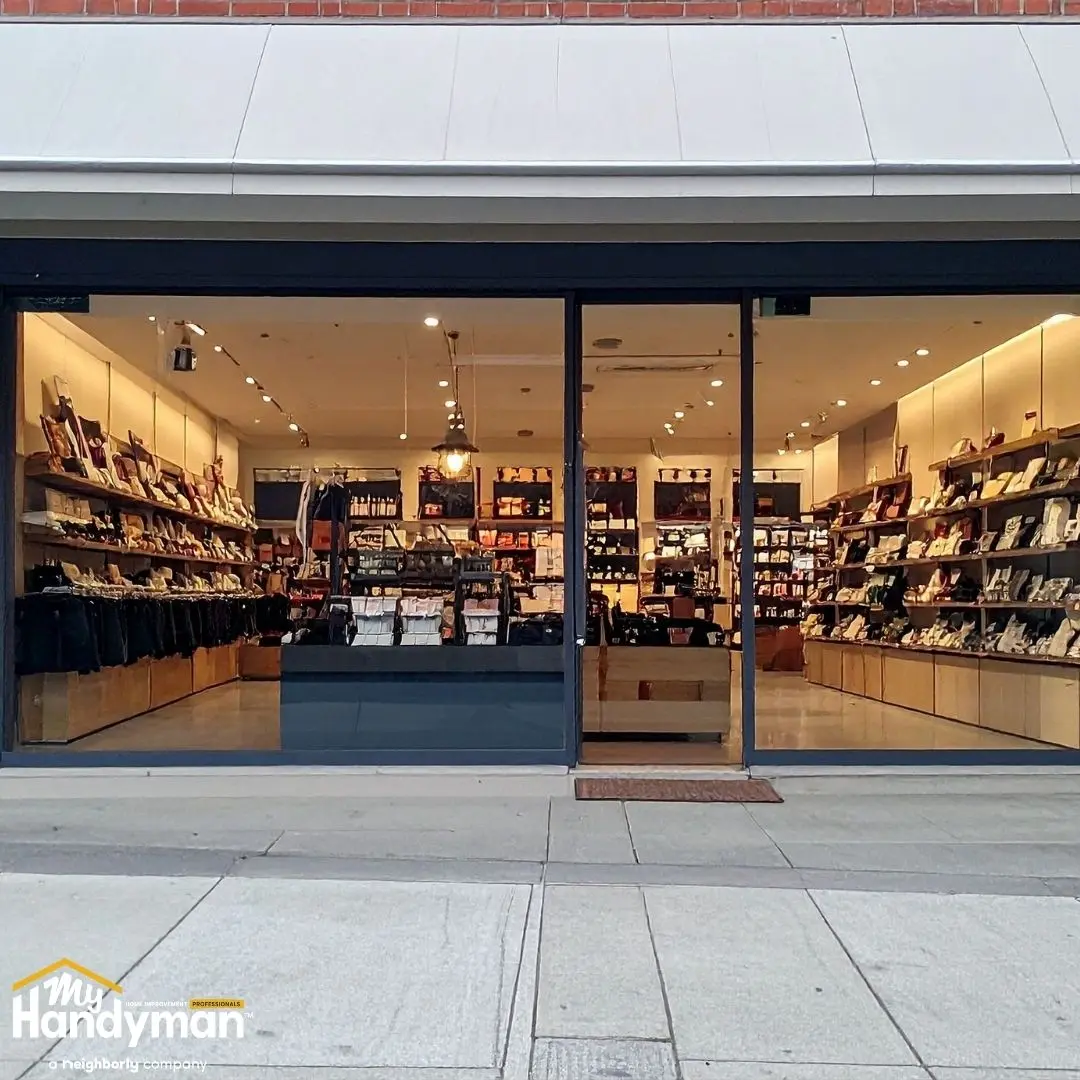
Winter creates some of the most challenging conditions commercial properties face all year. Snow, ice, freezing temperatures, and reduced daylight increase the risk of accidents, injuries, and operational disruptions. Understanding winter safety improvements every commercial property needs helps business owners and property managers protect employees, customers, and assets while reducing liability during the most hazardous season.
Unlike aesthetic upgrades, winter safety improvements are directly tied to risk management. Small oversights during winter can quickly lead to slip-and-fall incidents, accessibility issues, or emergency repairs that disrupt operations. Proactive commercial maintenance ensures properties remain safe, compliant, and functional even when conditions are at their worst.
Why Winter Presents Elevated Safety Risks for Commercial Properties
Winter introduces hazards that do not exist during other seasons. Ice accumulation, wet entryways, reduced visibility, and frozen building components all increase the likelihood of accidents. These risks are amplified in commercial environments where foot traffic is higher and responsibilities extend beyond occupants to customers and vendors.
Cold weather also stresses building systems. Doors stick, handrails loosen, lighting becomes more critical, and emergency exits must remain accessible despite snow and ice. Without focused winter preparation, small issues can quickly escalate into serious safety concerns.
Commercial properties in areas such as Chelsea and Saline often experience prolonged winter conditions, making seasonal safety planning an essential part of responsible facility management.
Slip and Fall Prevention in High-Traffic Areas
Slip-and-fall incidents are among the most common and costly winter-related claims for commercial properties. Snow, slush, and ice tracked indoors create hazardous walking surfaces, particularly near entrances and transition zones.
Key winter safety improvements include installing slip-resistant mats, securing floor transitions, and ensuring flooring surfaces are properly maintained. Mats should be sized appropriately, lie flat, and be replaced when saturated or worn.
Exterior walkways and entry thresholds also require attention. Uneven surfaces, damaged concrete, or loose tiles become significantly more dangerous when ice is present. Addressing these issues before winter reduces accident risk and liability exposure.
Ensuring Safe and Accessible Entryways
Commercial entryways must remain safe and accessible throughout winter. Doors that stick, fail to close properly, or freeze open create safety and security risks while also impacting accessibility compliance.
Winter safety improvements often involve adjusting door hardware, replacing worn closers, and addressing weatherstripping failures. These updates ensure doors operate smoothly despite temperature changes and ice buildup.
Clear signage, adequate lighting, and unobstructed paths are especially important during winter when visibility is reduced. Well-maintained entryways help prevent accidents and ensure safe access for all visitors.
Stairways, Handrails, and Elevated Surfaces
Stairways and ramps are high-risk areas during winter, especially when moisture and ice are present. Loose handrails, worn stair treads, or poor lighting significantly increase fall risk.
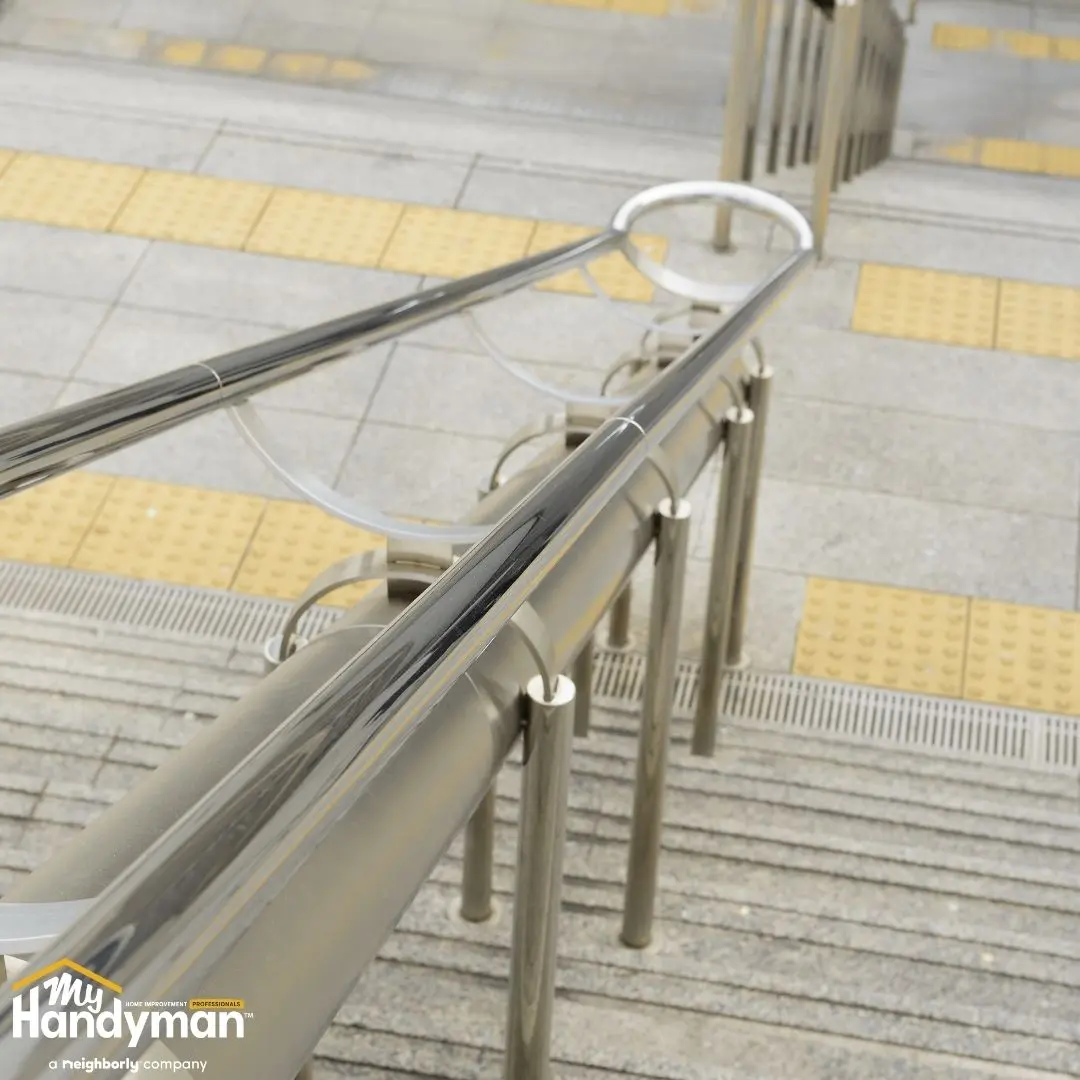
Inspecting and reinforcing handrails, repairing damaged steps, and improving traction on stair surfaces are essential winter safety improvements. These actions support compliance with safety standards while protecting occupants and visitors.
Properties in areas like Brighton and Howell often see increased stairway wear during winter due to moisture and temperature fluctuations, making early-season repairs especially important.
Lighting Upgrades for Shorter Winter Days
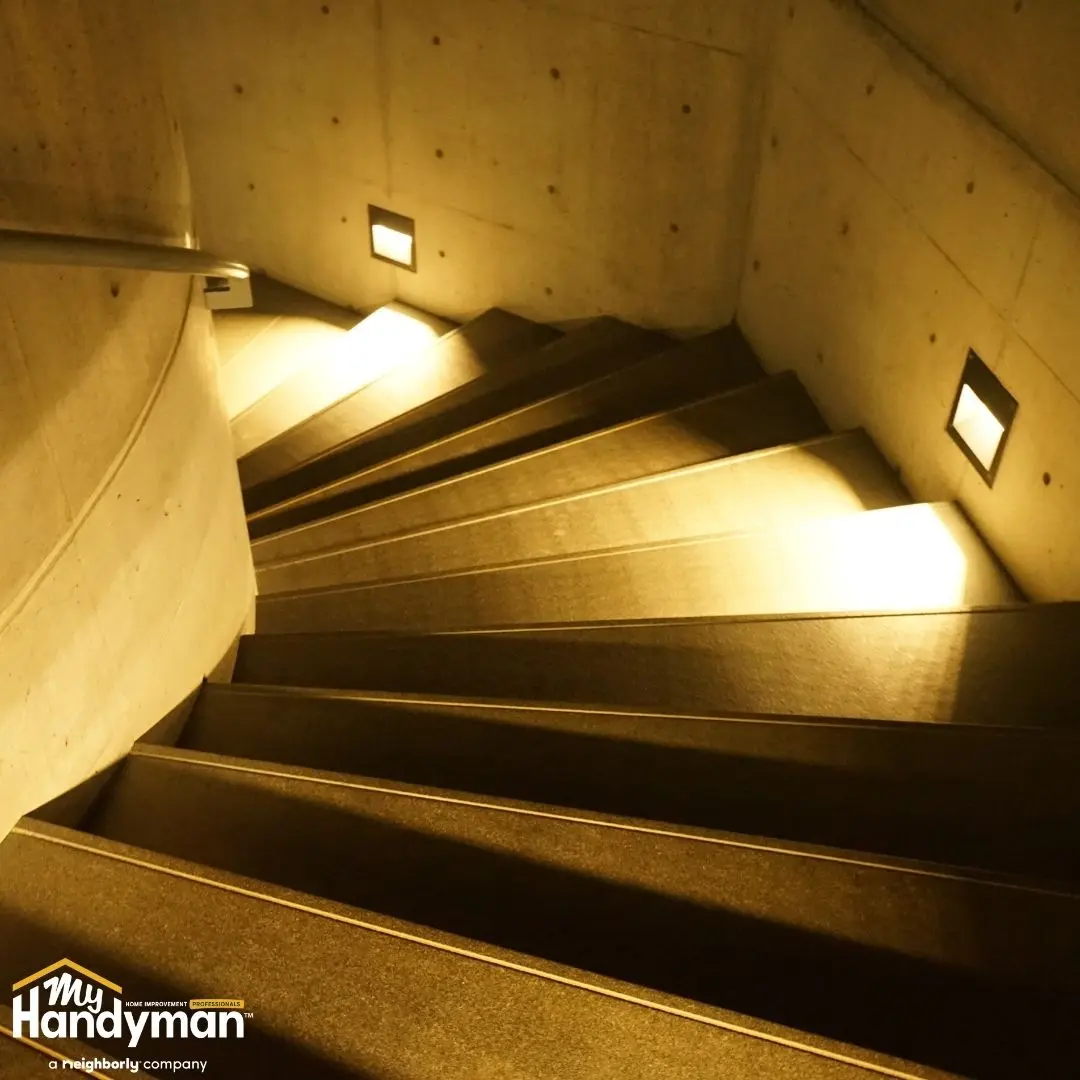
Reduced daylight hours make lighting one of the most critical winter safety considerations. Poorly lit walkways, parking areas, stairwells, and interior corridors increase accident risk and reduce perceived safety.
Winter safety improvements should include inspecting and upgrading both interior and exterior lighting. Burned-out bulbs, flickering fixtures, and inadequate coverage should be addressed promptly.
Consistent, well-placed lighting improves visibility, deters security issues, and helps occupants navigate safely during darker winter months.
Maintaining Clear and Safe Emergency Exits
Emergency exits must remain fully accessible during winter conditions. Snow accumulation, ice buildup, or blocked pathways can prevent safe evacuation during emergencies.
Commercial properties should ensure exit doors open freely, panic hardware functions correctly, and exterior exit paths are kept clear. These are critical safety requirements that cannot be compromised by winter weather.
Routine inspections during winter help confirm that emergency systems remain reliable even during severe conditions.
Interior Moisture Control and Surface Safety
Winter brings increased moisture indoors from snow and ice. Without proper management, this moisture damages flooring and creates persistent slip hazards.
Improving drainage near entrances, using appropriate floor materials, and repairing damaged surfaces are key safety improvements. Promptly addressing leaks or condensation issues prevents water accumulation that compromises safety.
Moisture control is a vital part of winter commercial maintenance that protects both occupants and building materials.
Why Proactive Winter Safety Improvements Matter
Reactive safety responses often occur after an incident has already happened. Proactive winter safety improvements reduce accident risk, protect against liability claims, and demonstrate responsible property management.
These improvements also support employee confidence and customer trust. Safe environments encourage continued use of commercial spaces even during challenging winter conditions.
Professional Support for Commercial Winter Safety
Implementing winter safety improvements requires consistent inspections, timely repairs, and experienced execution. Professional handyman services help commercial properties address safety risks efficiently and correctly.
My Handyman of Ann Arbor, Saline, and Chelsea provides dependable commercial maintenance and home repair services to help businesses prepare their properties for winter hazards. Professional support ensures safety improvements are durable, compliant, and effective throughout the season.
Understanding winter safety improvements every commercial property needs is the first step toward reducing risk and maintaining safe operations during the coldest months of the year.
Building System Safety and Winter-Specific Inspections
Understanding winter safety improvements every commercial property needs goes beyond surface hazards like ice and poor lighting. Winter places intense strain on building systems that directly affect safety, reliability, and compliance. Heating failures, frozen plumbing, malfunctioning doors, and electrical issues can quickly turn into safety emergencies if they are not addressed proactively.
Winter-specific inspections focus on identifying vulnerabilities before extreme cold exposes them. These inspections are a critical layer of commercial maintenance that protects both people and property during the most demanding season.
Heating System Reliability and Safety
A dependable heating system is a core winter safety requirement for any commercial property. Inconsistent or failing heat creates unsafe indoor conditions, increases slip hazards from condensation, and can violate workplace safety standards.
Winter inspections should evaluate:
- Consistent heat distribution across occupied spaces
- Proper airflow and unobstructed vents
- Safe operation of furnaces, boilers, and controls
- Signs of strain such as unusual noises or cycling issues
Cold spots within a building often indicate airflow or system balance problems that can worsen as temperatures drop. Addressing these issues early helps maintain safe indoor environments for employees and customers.
Plumbing Systems and Freeze Risk Prevention
Frozen pipes are one of the most damaging winter hazards for commercial properties. Burst pipes can cause extensive flooding, force closures, and create electrical and slip hazards.
Winter safety improvements for plumbing include inspecting exposed pipes, ensuring proper insulation, and checking for air leaks near plumbing penetrations. Restrooms, utility rooms, and rarely used spaces are especially vulnerable during prolonged cold.
Businesses in areas such as Ypsilanti often include older plumbing layouts that were not designed for modern winter conditions. Targeted inspections reduce the risk of freeze-related emergencies.
Electrical System Safety During Winter Demand
Winter increases electrical demand due to lighting, heating support equipment, and extended operating hours. Electrical systems under strain are more likely to fail or create safety hazards if issues are present.
Winter inspections should focus on:
- Overloaded outlets or circuits
- Damaged cords or fixtures
- Reliable operation of emergency lighting
- Proper labeling and access to electrical panels
Electrical failures during winter are particularly disruptive because repairs may be delayed by weather. Preventative inspection reduces outage risk and improves overall safety.
Doors, Hardware, and Fire-Rated Assemblies
Temperature fluctuations during winter cause materials to expand and contract, which affects doors, frames, and hardware. Doors that bind, fail to latch, or do not close fully compromise safety, security, and fire protection.
Winter safety inspections should include:
- Door alignment and smooth operation
- Functioning closers and panic hardware
- Integrity of fire-rated doors and seals
- Reliable operation of automatic doors
Fire-rated doors must close and latch properly at all times. Winter-related misalignment can quietly compromise compliance if not addressed promptly.
Emergency Systems and Exit Reliability
Emergency systems must function flawlessly regardless of weather conditions. Winter inspections ensure that safety equipment remains operational during power outages, storms, or extreme cold.
Critical checks include:
- Emergency lighting and backup power systems
- Exit signage visibility
- Clear and operable exit doors
- Exterior exit paths free of obstructions
Blocked or frozen exits are a serious liability during emergencies. Regular winter inspections help ensure that evacuation routes remain safe and accessible.
Roof, Ceiling, and Overhead Safety Concerns
Winter weather increases the risk of leaks, ice dams, and structural stress. Water intrusion from melting snow or ice can create interior slip hazards and damage electrical systems.
Inspecting ceilings, roof access points, and overhead areas helps identify early signs of moisture intrusion. Addressing these issues promptly prevents cascading safety problems inside the building.
Commercial properties with flat or low-slope roofs should be especially vigilant during freeze and thaw cycles.
Why System-Level Inspections Are Critical in Winter
Many winter safety incidents originate from system failures rather than visible hazards. Heating loss, plumbing breaks, or electrical issues often create secondary dangers such as ice buildup, darkness, or emergency evacuations.
System-level inspections shift safety efforts from reactive response to proactive prevention. This approach significantly reduces winter-related incidents and operational disruptions.
Professional Support for Winter System Safety
Winter building system inspections require experience and attention to detail. Professional handyman services help commercial properties identify hidden risks and implement safety improvements efficiently.
My Handyman of Ann Arbor, Saline, and Chelsea provides dependable commercial maintenance and home repair services to help businesses address winter safety risks at the system level. Professional support ensures inspections are thorough and corrective actions are completed correctly.
Focusing on building systems reinforces why winter safety improvements every commercial property needs must go beyond surface fixes. System-level readiness protects occupants, prevents emergencies, and supports safe operations throughout the coldest months.
Long-Term Winter Safety Planning, Liability Reduction, and Ongoing Compliance
Implementing winter safety improvements every commercial property needs does not end once initial hazards are addressed. True winter safety requires ongoing attention, documentation, and long-term planning to reduce liability and maintain compliance throughout the entire season. Commercial properties that treat winter safety as a continuous process are far better protected against accidents, claims, and operational disruptions.
Winter conditions change rapidly. Snow accumulation, freeze and thaw cycles, and fluctuating temperatures mean that yesterday’s safe conditions can become today’s hazards without warning. Long-term planning helps commercial properties stay ahead of these shifts.
Establishing a Winter Safety Maintenance Routine
A structured winter safety routine ensures that critical areas are reviewed consistently rather than only after incidents occur. Regular walkthroughs help identify emerging hazards before they lead to accidents.
An effective winter safety routine often includes:
- Daily visual checks of entryways and walkways
- Weekly inspections of high-traffic interior areas
- Routine reviews of lighting and emergency systems
- Ongoing monitoring of doors, exits, and handrails
Consistency is key. Even brief inspections performed regularly can significantly reduce winter-related safety risks.
Documenting Safety Efforts to Reduce Liability
Documentation plays a critical role in liability protection. When accidents occur, records of regular inspections and repairs demonstrate that reasonable steps were taken to maintain a safe environment.
Maintenance logs, inspection checklists, and repair records help establish due diligence. These records are especially important for commercial properties with high public access or multiple tenants.
Well-documented winter safety efforts support insurance claims, legal defense, and internal accountability.
Training Staff to Identify Winter Hazards
Employees are often the first to notice developing hazards. Training staff to recognize and report winter-related issues improves response time and reduces risk.
Staff should be encouraged to report:
- Wet or icy floors
- Malfunctioning doors or lighting
- Blocked exits
- Unusual temperature changes
Clear reporting channels ensure that small issues are addressed promptly rather than overlooked. This collaborative approach strengthens overall safety.
Maintaining Compliance Throughout Winter
Winter conditions can inadvertently create compliance issues if safety features stop functioning as intended. Fire doors that fail to close, emergency lighting that does not activate, or blocked exits all create serious risks.
Ongoing winter safety planning includes verifying that safety systems continue to meet regulatory requirements despite weather-related stress. Regular inspections help prevent compliance gaps that could lead to fines or liability.
Adapting Safety Measures During Extreme Weather Events
Extreme winter weather requires heightened safety measures. Snowstorms, ice storms, and prolonged cold spells increase the frequency and severity of hazards.
During these periods, commercial properties may need to:
- Increase inspection frequency
- Adjust access points to safer entrances
- Enhance interior moisture control
- Coordinate rapid response repairs
Flexibility allows safety plans to scale with conditions rather than remaining static.
Preparing for Post-Winter Recovery
Winter safety planning also includes preparing for the transition into spring. Freeze and thaw cycles often reveal damage that was hidden during winter, such as cracked flooring, loose hardware, or moisture intrusion.
Scheduling post-winter inspections helps identify and address damage early, preventing long-term deterioration and safety concerns.
This proactive approach ensures that winter does not leave lasting safety issues behind.
Why Professional Support Strengthens Winter Safety Programs
Managing winter safety requires coordination, expertise, and consistency. Professional handyman services provide the support needed to maintain high safety standards without overburdening internal staff.
Experienced professionals understand winter-specific risks and can address repairs promptly and correctly. This reduces downtime and ensures that safety improvements remain effective throughout the season.
My Handyman of Ann Arbor, Saline, and Chelsea offers dependable commercial maintenance and home repair services to help businesses maintain winter safety improvements, reduce liability, and stay compliant. Professional support ensures that safety efforts are not only implemented but sustained.
Creating a Safer Commercial Environment All Winter Long
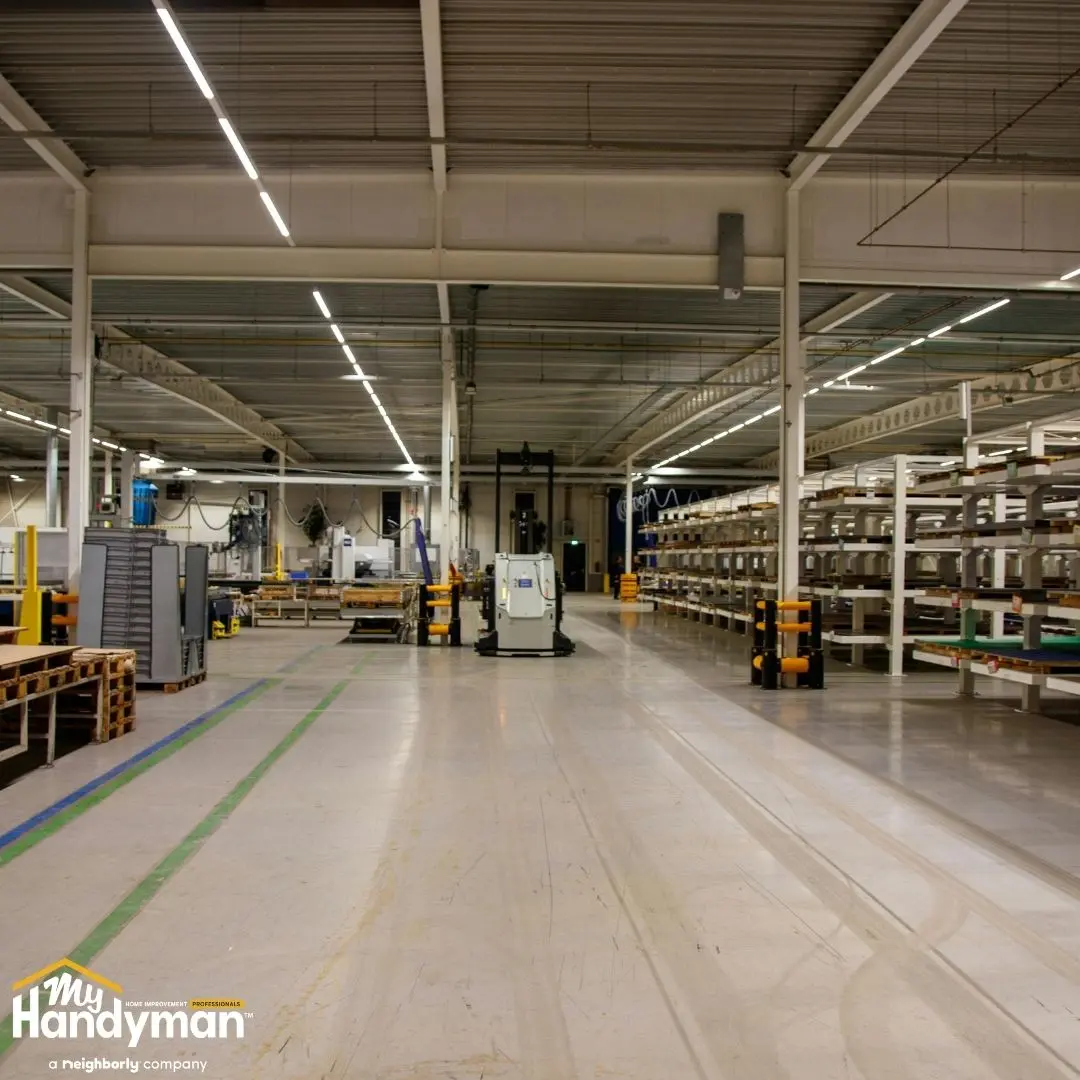
Winter safety is not a one-time task. It is an ongoing responsibility that requires vigilance, planning, and follow-through. Commercial properties that prioritize continuous safety improvements protect people, operations, and reputations during the most challenging season.
Understanding winter safety improvements every commercial property needs empowers business owners and property managers to move beyond reactive responses. With structured routines, clear documentation, trained staff, and professional support, commercial spaces can remain safe, compliant, and fully operational throughout winter and beyond.
Improve safety and reduce liability this winter. Call us to schedule commercial safety improvements.