Winter in the Lehigh Valley brings freezing temperatures, snow, and added strain on residential plumbing systems. Top Winter Plumbing Problems - and How to Prevent Them is an essential topic for homeowners who want to avoid costly repairs, water damage, and unexpected emergencies during the coldest months of the year. From frozen pipes to stressed water heaters, winter-related plumbing issues are common, but many can be prevented with proper preparation and professional support.
Homeowners throughout Allentown, Bethlehem, Easton, and Nazareth face increased plumbing risks due to fluctuating temperatures, older housing construction, and extended cold snaps. Partnering with a trusted local provider like Mr. Handyman of Easton, Bethlehem, Nazareth & Allentown helps ensure home plumbing systems are protected, efficient, and reliable all winter long. Understanding Top Winter Plumbing Problems - and How to Prevent Them starts with knowing why cold weather impacts plumbing so severely and what steps can reduce those risks.
Why Winter Is Especially Hard on Home Plumbing
Plumbing systems are designed to move water efficiently, but they are not built to withstand prolonged freezing temperatures without proper insulation and maintenance. When outdoor temperatures fall below 32°F, water inside pipes can freeze and expand. This expansion creates pressure that pipes, fittings, and joints may not be able to handle.
According to the Insurance Institute for Business & Home Safety, frozen and burst pipes are among the leading causes of winter-related water damage claims in residential homes. This data is well-documented across insurance providers and highlights why winter plumbing preparation is so important. Homes in older neighborhoods across Allentown, Bethlehem, Easton, and Nazareth may be more vulnerable due to aging pipes, insufficient insulation, or plumbing located in exterior walls and crawl spaces.
Frozen Pipes: A Leading Winter Plumbing Issue
Frozen pipes are one of the most common problems discussed when addressing Top Winter Plumbing Problems - and How to Prevent Them. Pipes exposed to cold air, such as those in basements, garages, crawl spaces, and exterior walls, are especially at risk. When water freezes inside a pipe, pressure builds until the pipe cracks or bursts.
One of the most challenging aspects of frozen pipes is that damage may not be immediately visible. Often, pipes burst when the ice begins to thaw, allowing water to flow freely into walls, ceilings, and floors. This can result in extensive water damage before homeowners are aware there is a problem.
How to Prevent Frozen Pipes
Preventing frozen pipes is one of the most effective ways homeowners can reduce winter plumbing emergencies:
- Insulate exposed pipes using foam pipe insulation or approved heat tape.
- Seal air leaks around doors, windows, and plumbing entry points.
- Maintain consistent indoor temperatures, even when away from home.
- Allow faucets to drip slightly during extreme cold to keep water moving.
If freezing occurs repeatedly, it may indicate inadequate insulation or improper pipe placement. Professional handyman services can assess these conditions and recommend long-term solutions.
Burst Pipes and Resulting Water Damage
Burst pipes often occur as a direct result of freezing, but they can also be caused by corrosion, aging materials, or weakened joints stressed by temperature fluctuations. Even a small rupture can release hundreds of gallons of water per day, leading to structural damage, mold growth, and compromised insulation.
Homeowners may not immediately confirm burst pipes if the damage occurs behind walls or beneath floors. Warning signs include unexplained water stains, sudden drops in water pressure, or persistent damp or musty odors. Addressing Top Winter Plumbing Problems - and How to Prevent Them requires recognizing these early indicators and responding quickly.
How to Reduce the Risk of Burst Pipes
- Shut off and drain outdoor water lines before freezing temperatures arrive.
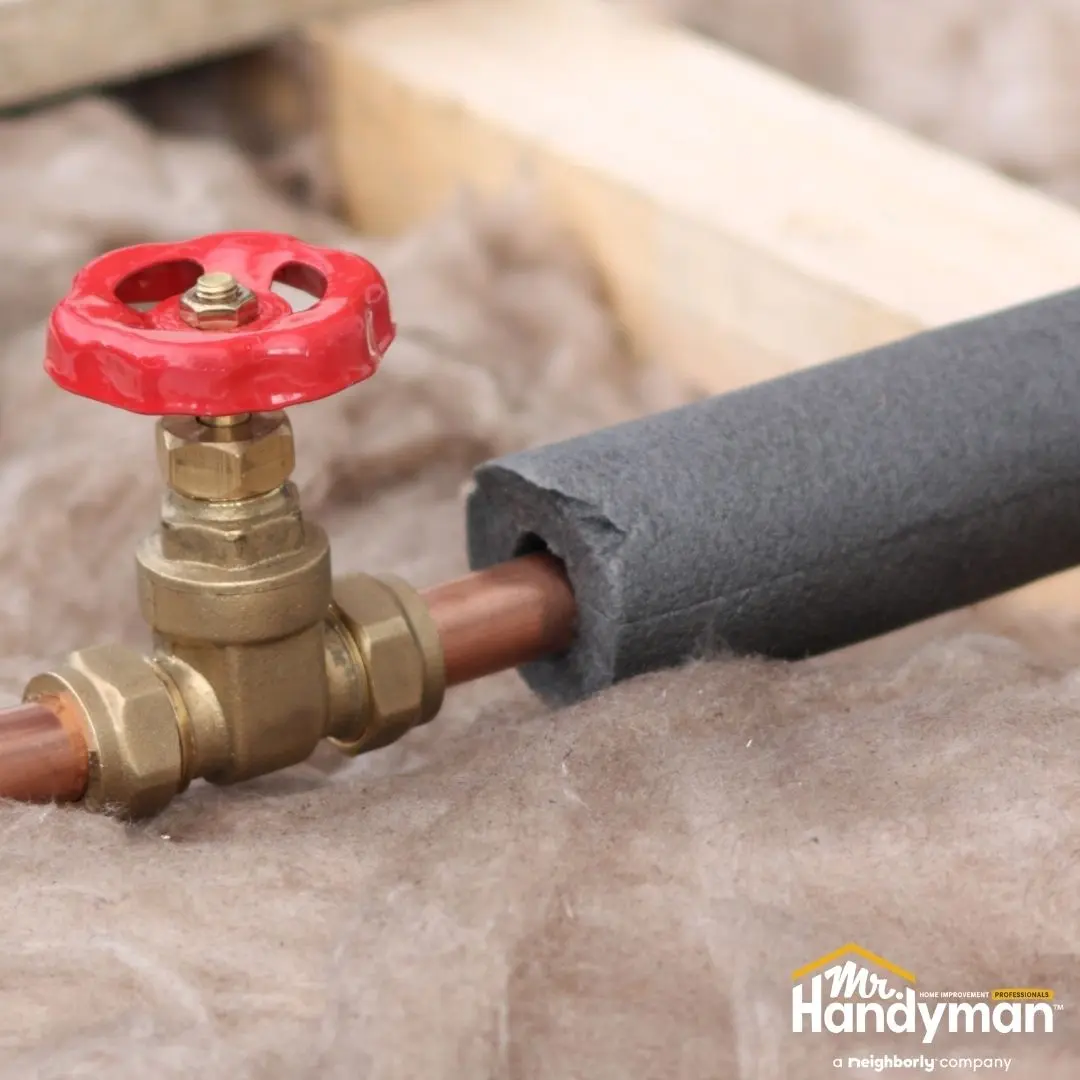
- Know the location of the home’s main water shutoff valve.
- Schedule seasonal plumbing inspections to identify weak or aging pipes.
- Replace outdated plumbing components before they fail.
Preventive home repair measures can significantly reduce the likelihood of emergency plumbing repairs during winter.
Water Heater Strain During Cold Weather
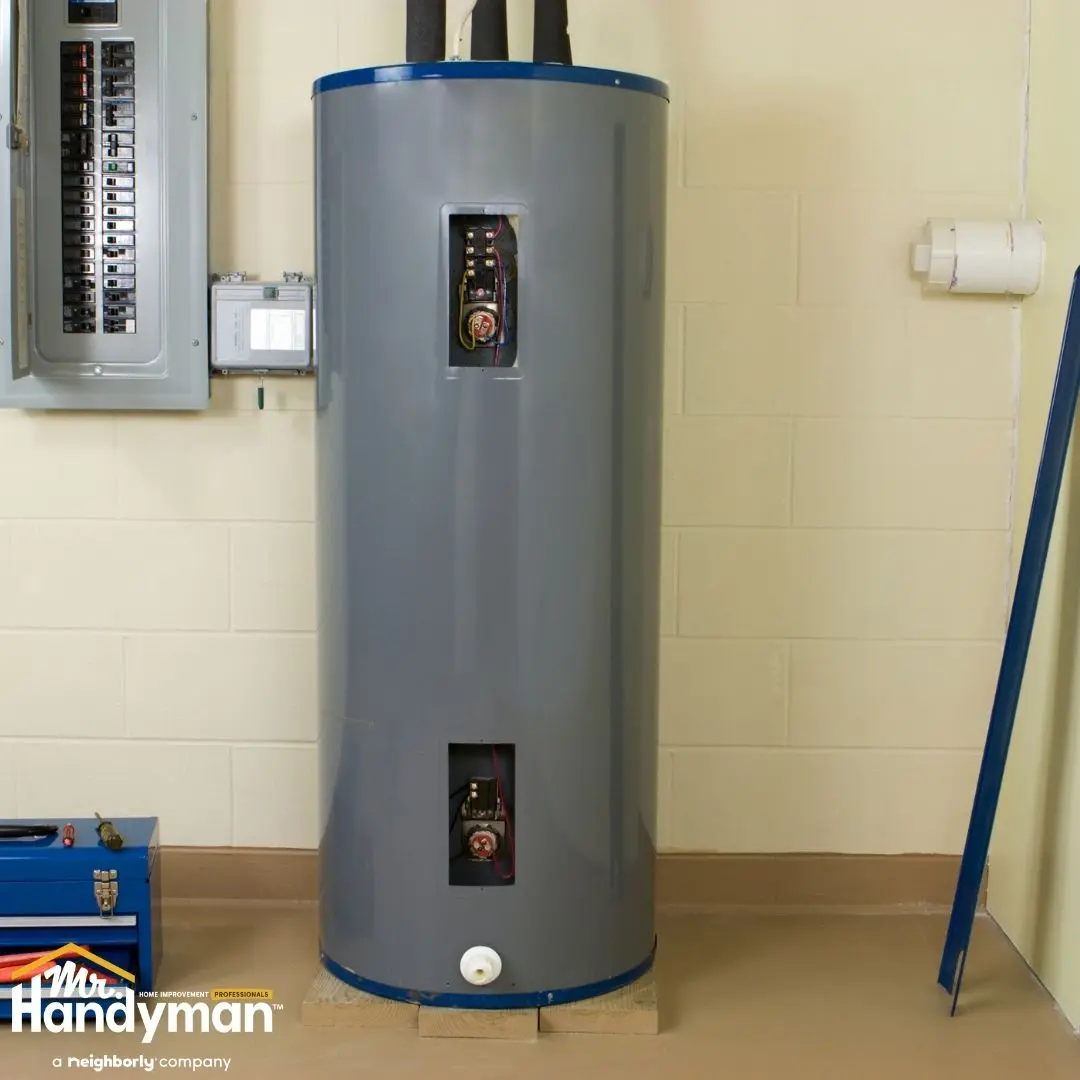
Cold weather places additional demand on water heaters because incoming water temperatures drop significantly in winter. This forces the system to work harder to deliver consistent hot water. The U.S. Department of Energy reports that water heaters account for approximately 18 percent of a home’s total energy use, and inefficiencies often become more noticeable during colder months.
Sediment buildup, aging heating elements, and incorrect thermostat settings can lead to inconsistent hot water or complete system failure. These issues are a key part of Top Winter Plumbing Problems - and How to Prevent Them, particularly in homes with higher winter water usage.
Water Heater Prevention Tips
- Flush the water heater annually to remove sediment buildup.
- Insulate the water heater tank and nearby hot water pipes.
- Set the thermostat to approximately 120°F for efficiency and safety.
- Schedule routine maintenance to ensure proper operation.
Proactive water heater care improves performance, extends system lifespan, and reduces the risk of winter breakdowns.
The Value of Professional Winter Plumbing Support
While some winter plumbing tasks can be handled by homeowners, many issues require trained evaluation to avoid accidental damage or safety risks. Experienced handyman professionals understand local building conditions, seasonal risks, and proper repair methods specific to the Lehigh Valley region.
Reliable handyman services provide homeowners with peace of mind by identifying vulnerabilities, performing preventive repairs, and ensuring plumbing systems are prepared to withstand winter conditions. Taking proactive steps based on Top Winter Plumbing Problems - and How to Prevent Them helps protect both the home and the investment it represents.
Clogged Drains and Slow Pipes in Winter
Clogged drains are another major concern when discussing Top Winter Plumbing Problems - and How to Prevent Them. During winter months, household routines change. More time spent indoors often leads to increased use of sinks, showers, and toilets. Holiday gatherings, heavier cooking, and colder weather can all contribute to slow drains and backups.
In winter, grease and food particles harden faster inside pipes due to lower temperatures. What might wash away easily in summer can cling to pipe walls in cold weather, gradually narrowing the pipe’s interior. Over time, this buildup can lead to full blockages, unpleasant odors, and even pipe damage if pressure increases.
Homes in Allentown, Bethlehem, Easton, and Nazareth with older plumbing systems may experience these problems more frequently, especially if pipes already have buildup from years of use.
How to Prevent Winter Drain Clogs
Preventive habits play a key role in avoiding clogged drains during winter:
- Avoid pouring grease, fats, or oils down kitchen drains.
- Use drain strainers in sinks and showers to catch food scraps and hair.
- Run hot water after each sink use to help flush residue.
- Schedule professional drain cleaning before winter if drains are already slow.
Addressing drain issues early reduces stress on pipes and lowers the risk of backups during colder months.
Outdoor Plumbing and Hose Bib Failures
Outdoor plumbing components are especially vulnerable in winter. Hose bibs, outdoor faucets, and irrigation lines are often exposed to freezing air, making them a common source of winter plumbing damage. When water remains in these lines and freezes, it expands and can crack pipes inside walls, even if the damage is not immediately visible.
This issue is a frequent contributor to Top Winter Plumbing Problems - and How to Prevent Them, particularly in homes where outdoor plumbing was not properly winterized. Many homeowners only discover the problem in spring when water is turned back on and leaks appear.
Preventing Outdoor Plumbing Damage
- Disconnect and drain all garden hoses before freezing temperatures.
- Shut off interior valves supplying outdoor faucets.
- Install frost-proof hose bibs if not already in place.
- Insulate exterior pipes and exposed plumbing connections.
Professional handyman services can safely winterize outdoor plumbing and upgrade fixtures to reduce long-term risk.
Sump Pump Issues During Winter Thaws
Sump pumps play a critical role in preventing basement flooding, especially during winter thaws and heavy snowmelt. While many homeowners associate sump pumps with spring rains, winter conditions can place equal stress on these systems. Frozen discharge lines, power outages, and lack of maintenance can all cause sump pump failure.
Basements in areas like Bethlehem and Easton are particularly susceptible to water intrusion due to older foundations and fluctuating groundwater levels. Sump pump failure is a serious entry on the list of Top Winter Plumbing Problems - and How to Prevent Them because it can result in rapid and extensive water damage.
How to Keep Sump Pumps Working in Winter
- Ensure the discharge line is insulated and free of ice.
- Test the pump periodically throughout winter.
- Install a battery backup to protect against power outages.
- Keep the sump pit clear of debris.
Regular inspection and maintenance help ensure sump pumps perform reliably during winter weather changes.
Toilet and Sewer Line Problems in Cold Weather
Cold temperatures can also impact toilets and sewer lines. In extreme cases, sewer lines may freeze, especially if pipes are shallow or poorly insulated. Frozen sewer lines can cause wastewater backups, slow drains throughout the home, and unpleasant odors.
Increased use during winter gatherings can further strain sewer systems. Combined with cold weather, this makes sewer issues a notable part of Top Winter Plumbing Problems - and How to Prevent Them.
Reducing Sewer and Toilet Issues
- Avoid flushing items not designed for sewer systems.
- Schedule sewer inspections if slow drainage is persistent.
- Insulate pipes in crawl spaces and unheated areas.
- Address minor drainage issues before freezing temperatures worsen them.
Professional evaluations can identify risks that are not visible to homeowners and help prevent costly sewer repairs.
Water Pressure Fluctuations and Pipe Stress
Winter can also cause noticeable changes in water pressure. Freezing temperatures may partially block pipes, restrict flow, or stress weakened plumbing joints. Sudden pressure changes can lead to leaks, dripping faucets, or pipe failure.
Homes with aging plumbing infrastructure are more likely to experience pressure-related issues during winter. Monitoring water pressure and responding quickly to unusual changes is an important part of managing Top Winter Plumbing Problems - and How to Prevent Them.
How to Manage Winter Water Pressure Issues
- Monitor for sudden drops or spikes in pressure.
- Address dripping faucets promptly.
- Insulate pipes to maintain consistent temperatures.
- Have pressure regulators inspected if issues persist.
Addressing pressure problems early reduces long-term wear on plumbing components.
Why Winter Plumbing Prevention Matters
Preventing winter plumbing problems protects more than just pipes. It safeguards flooring, drywall, insulation, and the overall structure of the home. Water damage repairs often exceed the cost of preventive maintenance, making early action a financially responsible choice.
Homeowners across Allentown, Bethlehem, Easton, and Nazareth benefit from proactive home repair and handyman services that address vulnerabilities before winter weather causes damage. Understanding Top Winter Plumbing Problems - and How to Prevent Them empowers homeowners to take practical steps that protect their property, improve system reliability, and reduce the likelihood of emergency repairs during the coldest months of the year.
Hidden Leaks and Winter Moisture Problems
Hidden leaks are often overlooked when discussing Top Winter Plumbing Problems - and How to Prevent Them, yet they can cause serious damage during colder months. Pipes that expand and contract due to fluctuating temperatures may develop small cracks or loose fittings. These leaks often occur behind walls, under floors, or in ceilings, where they can go unnoticed for extended periods.
Winter conditions can make leak detection more difficult because moisture may evaporate slowly or freeze before visible signs appear. Homeowners may notice subtle indicators such as peeling paint, warped flooring, unexplained increases in water bills, or persistent damp odors. Identifying and repairing hidden leaks early reduces the risk of mold growth and structural damage.
Preventing Winter Leak Damage
- Inspect exposed plumbing regularly for signs of moisture.
- Monitor water bills for unexpected increases.
- Address minor leaks promptly before freezing temperatures worsen them.
- Schedule professional inspections to locate leaks in concealed areas.
Routine maintenance and early intervention play a significant role in reducing winter-related plumbing damage.
Cracked Fixtures and Plumbing Components
Cold weather can affect more than just pipes. Plumbing fixtures such as sinks, toilets, and shutoff valves may crack if exposed to freezing temperatures, especially in unheated bathrooms, basements, or vacation homes. Porcelain fixtures are particularly vulnerable when water inside them freezes and expands.
This type of damage is an important consideration within Top Winter Plumbing Problems - and How to Prevent Them, as cracked fixtures often require full replacement rather than simple repair. Preventing exposure to freezing conditions helps preserve both fixtures and connected plumbing lines.
How to Protect Plumbing Fixtures in Winter
- Keep indoor temperatures above freezing in all areas of the home.
- Insulate plumbing in rarely used rooms and basements.
- Shut off and drain water in unused bathrooms if possible.
- Address drafts that allow cold air to reach plumbing fixtures.
Preventive steps reduce stress on fixtures and help avoid costly replacements.
Plumbing Problems in Vacant or Seasonal Homes
Homes left vacant during winter face an increased risk of plumbing problems. Without regular water use and indoor heating, pipes are more likely to freeze. Vacant properties in Allentown, Bethlehem, Easton, and Nazareth are especially vulnerable during extended cold spells.
Many winter plumbing emergencies occur in seasonal or temporarily unoccupied homes. Frozen pipes, unnoticed leaks, and failed sump pumps can cause significant damage before anyone becomes aware of the issue. These situations frequently appear in discussions of Top Winter Plumbing Problems - and How to Prevent Them because they are both common and preventable.
Preventing Plumbing Damage in Vacant Homes
- Shut off the main water supply and drain pipes before leaving.
- Set thermostats to maintain safe indoor temperatures.
- Arrange periodic checks during extended absences.
- Install smart leak detection devices for early alerts.
Proper preparation significantly reduces risk in unoccupied properties.
Why Professional Winter Plumbing Maintenance Is Important
While homeowners can take many preventive measures, professional maintenance provides an added layer of protection. Trained professionals understand how winter weather impacts plumbing systems and can identify vulnerabilities that are not immediately visible.
Handyman services help homeowners address Top Winter Plumbing Problems - and How to Prevent Them by performing inspections, repairs, insulation upgrades, and fixture replacements safely and efficiently. Local experience is especially valuable in the Lehigh Valley, where winter conditions and housing styles vary widely.
Working with Mr. Handyman of Easton, Bethlehem, Nazareth & Allentown ensures plumbing systems receive regionally appropriate care. Professional support reduces emergency calls, extends the lifespan of plumbing components, and helps maintain consistent water service throughout winter.
Protecting Your Home From Costly Winter Plumbing Repairs
Preventing winter plumbing problems is about preparation, awareness, and timely maintenance. Frozen pipes, hidden leaks, drain issues, and fixture damage can all be minimized through proactive steps and professional assistance. According to the Insurance Information Institute, water damage and freezing account for a significant portion of homeowner insurance claims each year, reinforcing the importance of prevention.
Homeowners who understand Top Winter Plumbing Problems - and How to Prevent Them are better equipped to protect their property, avoid unexpected expenses, and maintain a safe living environment during cold weather. Regular inspections, thoughtful winterization, and trusted handyman services all contribute to a more reliable plumbing system and greater peace of mind throughout the winter season.
Don’t wait for winter plumbing problems to turn into emergencies. Call Mr. Handyman of Easton, Bethlehem, Nazareth & Allentown today or schedule service online.
