
Michigan's Climate and Regional Culture Create Specific Interior Transformation Opportunities
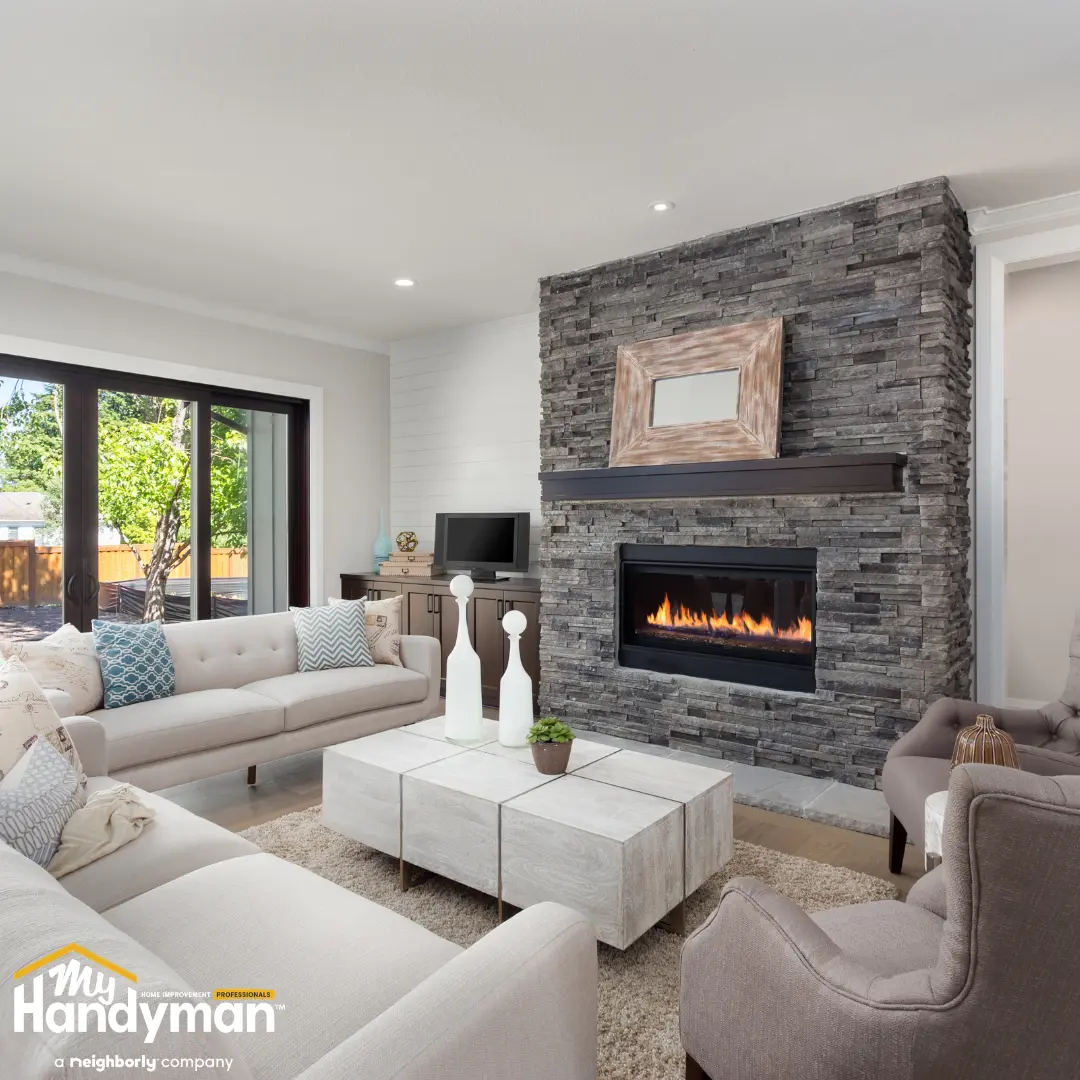
The wall and trim conditions in Ann Arbor, Saline, Chelsea, and the surrounding Washtenaw County communities reflect both the accumulated effects that Michigan's genuine four-season climate creates in interior surfaces and the diverse construction character that the University of Michigan's established neighborhoods, Saline's small-town residential stock, and Chelsea's rural and historic character have produced across the service area. The Great Lakes region's extended heating season creates the low indoor humidity conditions that wood trim contraction, joint compound stress at wall seams, and the paint adhesion challenges that the regional thermal and humidity cycling advances in interior surfaces between maintenance intervals. The warm, humid Michigan summer activates biological growth in moisture-adjacent interior positions. And the service area's varied water chemistry creates the mineral accumulation at moisture-adjacent wall and fixture surfaces that cleaning water contact advances between maintenance intervals.
The University of Michigan's presence creates the interior improvement evaluation context that the active Ann Arbor residential market sustains as the quality standard sophisticated regional buyers apply to wall and trim conditions during showing activity. The faculty, research professionals, and university-affiliated households whose metropolitan residential experience in Boston, Chicago, New York, and other major university cities established their interior quality references evaluate Ann Arbor homes against those standards, and the wall and trim condition that communicates current design awareness and maintained building investment performs differently in that evaluation environment than the same interior whose accumulated Michigan climate effects and dated original specifications communicate the deferred attention the regional conditions advance without routine maintenance.
The historic residential character of Ann Arbor's established neighborhoods, the Victorian and craftsman architectural heritage that the University corridor communities preserve, and the farmhouse and rural residential character of Saline and Chelsea all create the architectural compatibility context that wall and trim improvement in those specific communities warrants addressing through the period-appropriate and style-compatible selections that each community's residential heritage specifically rewards over the generic improvement that does not account for those architectural contexts.
The Washtenaw County housing stock's diverse construction character creates the wall and trim improvement opportunity that the region's varied development eras have produced. The established Ann Arbor neighborhoods carry the original plaster walls and substantial wood trim of older construction whose material quality Michigan's climate has been testing through accumulated seasonal cycling. The Saline and Chelsea properties carry the varied construction character that small-town and rural residential development produced across those communities' building eras, and the newer Washtenaw County suburban developments carry the builder-grade specifications that deliberate wall and trim investment elevates above the original baseline those construction eras created.
Paint: The Washtenaw County Interior Transformation Foundation

Interior repainting consistently delivers the strongest single-investment interior transformation in Washtenaw County homes because the specific conditions that Michigan's humidity cycling and the warm season's biological growth activation create in interior surfaces between repainting intervals make fresh paint proportionally more impactful in this market than in more moderate climates without those combined regional effects.
The Michigan humidity cycling's joint cracking in Washtenaw County homes reflects the dimensional changes that forced-air heating's dry conditions and the warm, humid Michigan summer's elevated moisture create in interior wall assemblies between the seasonal extremes the regional climate produces annually. The visible joint cracking at wall and ceiling seams that this cycling creates communicates the regional climate's accumulated effects in Washtenaw County home interiors at rates that more humidity-stable climates without Michigan's extended heating demand and warm season moisture do not produce between comparable repainting intervals.
Biological treatment at moisture-adjacent interior positions before repainting specifically addresses the mold and mildew establishment that Michigan's warm, humid summer activates on bathroom walls, kitchen-adjacent surfaces, and the building envelope-adjacent interior positions where moisture conditions the regional warm season's ambient temperatures sustain between maintenance intervals. Professional biological treatment before new paint application, followed by mildew-resistant primer and finish paint at those specific positions, produces the lasting results that the Michigan warm season's biological growth conditions require rather than the cosmetic correction that painting over untreated establishment delivers before the regional summer's ambient conditions advance through those materials.
Color selection for the Washtenaw County residential market should account for the genuine seasonal light variation that Michigan's climate creates between the extended winter's compressed and overcast daylight and the warm season's abundant sunshine, selecting colors that maintain warmth and vitality through the heating season's lower light levels. The University of Michigan community's design awareness and the active Washtenaw County residential market's metropolitan buyer influences create the color currency context that current design directions specifically reward when interior paint investment communicates awareness of those regional design references.
Trim Updates for Washtenaw County Interiors

Baseboard and door casing repairs address the joint conditions that Michigan's humidity cycling creates at trim interfaces and building envelope transitions. The paintable flexible caulk that accommodates the dimensional movement the regional humidity cycling creates at those interfaces produces the trim condition that holds through subsequent Michigan seasonal cycles rather than the rigid alternatives that the regional climate advances through failure at those moving interfaces on the compressed timeline the Great Lakes humidity swing creates between the heating season's dry conditions and the warm season's elevated interior moisture.
Trim profile upgrades from the builder-grade flat or simplified profiles that newer Washtenaw County construction commonly produces to the more substantial craftsman, colonial, or period-appropriate profiles that the University of Michigan corridor's architectural heritage and the active regional market's quality-aware buyers reward delivers the visual differentiation that the same paint color and wall treatment cannot achieve without the trim scale and profile character those upgrades provide in the gathering and living spaces where the regional entertaining culture concentrates the social activity that interior quality specifically serves.
The historic district compatibility consideration for trim upgrades in Ann Arbor's established University neighborhoods warrants the period-appropriate profile selections that the Victorian, craftsman, and early-twentieth-century architectural character those communities preserve motivates as the authentic detail investment that compatible installation delivers rather than the contemporary profiles that those historic architectural contexts reward less fully.
Wainscoting and Wall Paneling for Washtenaw County Interiors
Wainscoting and wall paneling installations in Ann Arbor, Saline, and Chelsea homes deliver the architectural character and the surface durability that the University of Michigan community's design awareness and Michigan's genuine indoor season together motivate as wall improvement investments that paint alone cannot provide at the same functional and visual level.
Wainscoting installation in dining rooms, entry spaces, and the gathering areas where Washtenaw County's social culture concentrates entertaining activity delivers the visual anchoring and the lower wall surface protection that those positions specifically benefit from in the regional climate context. The period-appropriate character that wainscoting communicates in Ann Arbor's established University corridor neighborhoods and the farmhouse-compatible board-and-batten interpretations that Saline and Chelsea's rural residential character accommodates both deliver the architectural investment that the active Washtenaw County market's quality-aware buyers evaluate at the close-range detail level that interior quality communicates during showing activity.
Board-and-batten accent walls deliver the dramatic visual transformation that a single wall's vertical line treatment provides in the primary gathering and living spaces of Washtenaw County homes at the targeted investment scope that full-room wainscoting exceeds. The vertical line character that board-and-batten creates communicates the design investment that the University community's metropolitan quality references and the Saline and Chelsea farmhouse aesthetic both specifically reward when those treatments appear in the primary gathering spaces that regional entertaining culture concentrates attention on.
Material selection for Michigan's humidity variation warrants the moisture-resistant specifications that the Great Lakes climate's seasonal humidity cycling creates as the dimensional stability requirement for wainscoting and paneling materials in the moisture-adjacent and building envelope-adjacent positions those homes present. MDF with adequate sealing and mildew-resistant primer at moisture-adjacent positions outperforms standard finger-jointed pine without that preparation in the humidity conditions Michigan's extended heating season and warm summer together create in the interior environments where wainscoting and paneling permanently live.
Crown Molding for Washtenaw County Gathering Spaces
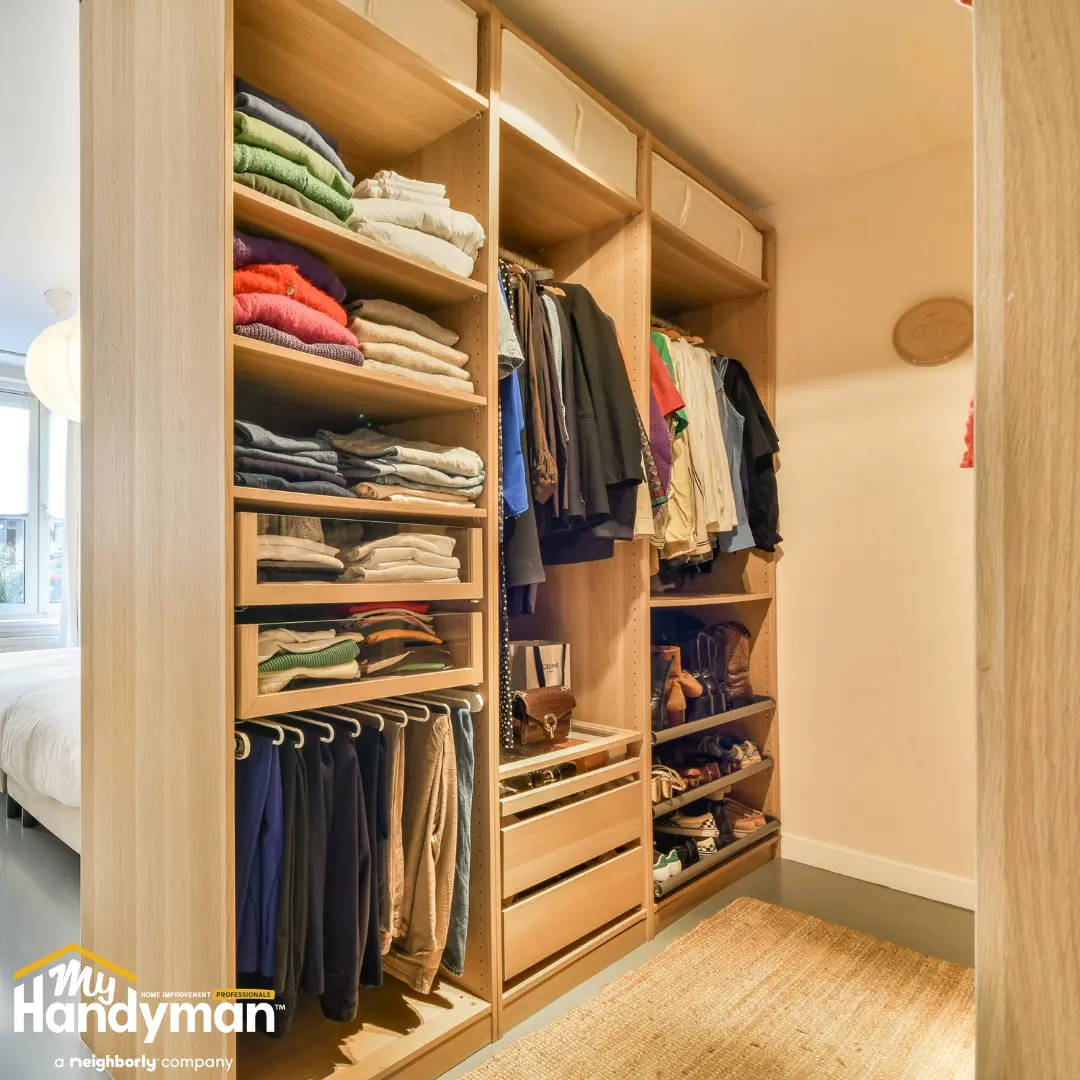
Crown molding installation in the primary gathering spaces of Washtenaw County homes delivers the ceiling-to-wall definition that the construction era's builder-grade specifications commonly omit and that the University of Michigan community's quality-aware buyers specifically evaluate as the architectural completion indicator those buyers associate with quality interior investment. The ceiling-to-wall junction that crown molding defines converts the generic builder-grade transition that Washtenaw County's diverse housing stock commonly carries in primary gathering spaces into the finished architectural character that quality interior design communicates at the overhead position that gathering space visitors observe from every seating position throughout every visit.
The period-appropriate crown molding selection for Ann Arbor's established University neighborhood homes warrants the profile selections that the Victorian, craftsman, and early-twentieth-century architectural character those communities preserve motivates as the compatibility consideration that installation in those specific Ann Arbor contexts rewards. The crown molding profile that complements the architectural heritage of a historic Ann Arbor property communicates the period-appropriate investment that the University corridor's residential character rewards differently than the generic contemporary profile that does not account for those architectural contexts.
Flexible caulk at wall and ceiling interfaces for Washtenaw County crown molding addresses the dimensional movement that Michigan's humidity variation creates at those junction positions between the heating season's dry interior conditions and the warm season's elevated moisture. Crown molding without the flexible caulk discipline that the regional humidity cycling requires develops the joint opening and paint cracking that repainting without addressing the underlying movement condition cannot prevent through subsequent Michigan seasonal cycles.
Accent Walls and Decorative Treatments
Shiplap installations in Washtenaw County primary gathering spaces deliver the texture and visual warmth that both the University community's transitional design aesthetic and the Saline and Chelsea farmhouse style direction specifically reward in the living and dining environments of regional homes. The horizontal plank character that shiplap creates communicates the design investment that the active Washtenaw County market rewards when those treatments appear in the primary gathering spaces that the regional entertaining culture and the spring listing season concentrate attention on simultaneously.
Wallpaper accent applications in Washtenaw County dining rooms and primary gathering spaces warrant the humidity stability consideration that Michigan's indoor moisture variation creates for wallpaper adhesion in those interior positions. Application to confirmed dimensionally stable wall surfaces away from building envelope-adjacent positions where the heating season's thermal cycling and the summer's elevated moisture creates the adhesion cycling that wallpaper requires stable conditions to maintain delivers the pattern and color depth investment that paint alone cannot achieve at the accent wall scale those applications create in Washtenaw County gathering homes.
Frequently Asked Questions
How does Michigan's humidity cycling specifically affect interior trim and paint maintenance in Washtenaw County homes?
The forced-air heating that Michigan's extended winter requires drops indoor relative humidity to levels that wood movement and joint compound stress advance in interior trim and wall assemblies, creating the joint cracking and baseboard separation that the heating season produces more aggressively in Washtenaw County homes than in more humidity-stable climates. The warm, humid Michigan summer then reverses those conditions, creating the opposite dimensional response that the annual humidity cycling between those extremes produces in interior assemblies between maintenance intervals. Flexible caulk at trim interfaces and flexible joint compound at cracking positions addresses the movement that the regional cycling continues creating rather than the rigid alternatives that Michigan's climate advances through failure on the compressed timeline the Great Lakes humidity swing creates.
What paint finish performs best in Washtenaw County gathering spaces?
Eggshell or satin at primary wall surfaces provides the washability the regional entertaining culture's hosting activity requires alongside the surface quality that conceals the joint repairs that Michigan's humidity cycling creates as a routine Washtenaw County interior maintenance need. Semi-gloss at trim and door surfaces provides the durability and cleanability that high-contact gathering positions require through the extended indoor season and the active social calendar that the University community and the regional entertaining culture sustain through both the warm months and the heating season's indoor concentration.
Is wainscoting appropriate for Washtenaw County homes given Michigan's humidity variation?
Properly specified wainscoting with moisture-resistant material selection, adequate mildew-resistant primer, and flexible caulk at wall interfaces performs durably through Michigan's humidity variation in Washtenaw County homes. The architectural character that wainscoting delivers in the gathering spaces the regional social culture and the University community's entertaining traditions concentrate activity within specifically justifies the material specification investment that the regional humidity cycling warrants for lasting wainscoting performance in Ann Arbor, Saline, and Chelsea homes.
How should Washtenaw County homeowners sequence wall and trim updates with other improvements?
Building envelope repairs that confirm moisture exclusion from Michigan's significant precipitation events and the biological treatment that the warm, humid summer activates on affected interior surfaces should precede painting and trim work in Washtenaw County homes where those conditions could introduce moisture or organic establishment to the interior assemblies that wall and trim investment engages above inadequately addressed conditions. Completing the moisture exclusion and biological treatment that the regional climate requires before interior improvement investment proceeds protects those improvements from the conditions that Michigan's climate creates in building assemblies below inadequately protected positions.
What is the most impactful single wall and trim update in a Washtenaw County gathering home?
Crown molding installation in the primary living and dining rooms delivers the single most impactful architectural transformation per dollar invested in Washtenaw County gathering spaces. The ceiling-to-wall definition that crown molding provides converts the builder-grade condition that the regional housing stock commonly carries in those primary gathering spaces into the finished architectural character that the University of Michigan community's quality-aware buyers and the regional entertaining culture both specifically reward at the overhead detail level that interior quality communicates most comprehensively from every seating position in those gathering rooms.
Washtenaw County Interiors Transformed for the Gathering Season and Beyond
The simple wall and trim updates that Ann Arbor, Saline, and Chelsea homeowners complete before the Michigan warm season delivers its return through every social occasion the improved spaces host, through every extended indoor hour that the Great Lakes winter concentrates in the rooms that fresh paint, restored trim, and architectural detail improvement transformed, and through the active Washtenaw County listing season that the University community and the regional market's metropolitan buyer influence creates as the transaction environment that current design investment and maintained interior condition specifically serves. Biological treatment at affected positions before mildew-resistant paint. Flexible caulk at the trim interfaces the humidity cycling advances. Period-appropriate crown molding and wainscoting that the University corridor's architectural heritage and the farmhouse character of Saline and Chelsea both reward. Each investment serving the regional climate conditions and the market dynamics that Washtenaw County's specific residential character creates as the context those improvements specifically reward.
Mr. Handyman of Ann Arbor, Saline, and Chelsea has the regional experience to help homeowners execute the wall and trim updates that transform Washtenaw County interiors for the gathering season and the extended indoor months that follow.
Website: https://www.mrhandyman.com/ann-arbor-saline-and-chelsea/
Serving homeowners throughout Ann Arbor, Saline, Chelsea, and the surrounding Washtenaw County communities with dependable service and the expertise your home deserves.
