The start of a new year is a critical planning period for business owners, property managers, and facility teams. Addressing the top commercial maintenance priorities for the new year early helps protect assets, reduce downtime, and create safer, more efficient environments for employees and customers. Rather than reacting to problems as they arise, proactive maintenance allows businesses to stay ahead of costly disruptions and extend the lifespan of their facilities.
Winter and early-year months are especially important for commercial maintenance planning. Cold weather exposes weaknesses in building systems, and many businesses experience shifts in operations, staffing, or foot traffic that make maintenance issues more noticeable. Starting the year with a clear maintenance strategy supports smoother operations throughout every season that follows.
Why the New Year Is a Strategic Time for Commercial Maintenance
The new year provides a natural reset for evaluating building conditions and setting priorities. Many commercial properties defer repairs during busy periods, which means issues often accumulate by year’s end. Addressing them early prevents small concerns from becoming major liabilities.
Budget planning also plays a role. Maintenance scheduled at the beginning of the year can be aligned with annual budgets, reducing the need for emergency spending later. This proactive approach supports better financial control and more predictable operational costs.
Businesses in communities such as Chelsea and Saline often use the new year to reassess facilities after winter wear, ensuring their spaces remain professional, safe, and functional.
Building Safety and Code Compliance Checks
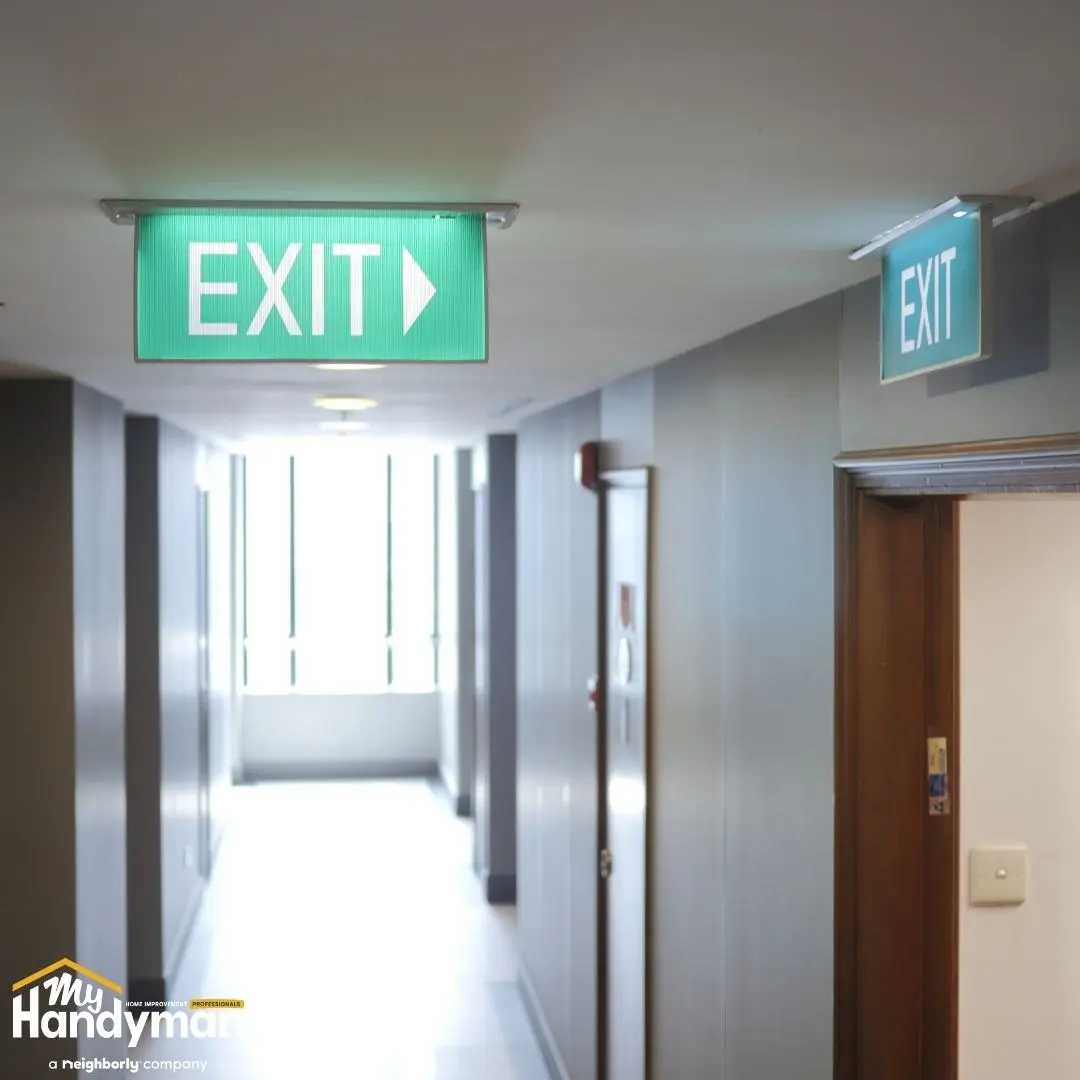
One of the most important commercial maintenance priorities at the start of the year is safety and compliance. Codes and regulations exist to protect occupants, customers, and property owners, and lapses can result in fines or liability issues.
Key areas to review include:
- Emergency exits and signage
- Handrails, stairways, and walkways
- Fire-rated doors and partitions
- Interior and exterior lighting
- Trip and slip hazards
Winter conditions can worsen safety risks, especially in entryways and high-traffic areas. Addressing these issues early supports both compliance and day-to-day safety.
Heating Systems and Indoor Comfort
Reliable heating is essential for commercial spaces during winter and early spring. HVAC systems that struggle to maintain consistent temperatures can disrupt operations, reduce employee productivity, and affect customer experience.
Commercial maintenance priorities should include inspecting heating systems, addressing airflow issues, and resolving uneven temperature distribution. Preventative maintenance reduces breakdown risk and improves energy efficiency.
Comfort-related issues often become apparent during winter when systems are under maximum demand. Resolving these problems early in the year helps stabilize indoor environments for the months ahead.
Plumbing and Water Systems Inspection
Plumbing issues are a major source of commercial property damage and downtime. Winter increases the risk of frozen pipes, leaks, and pressure-related failures that can disrupt operations unexpectedly.
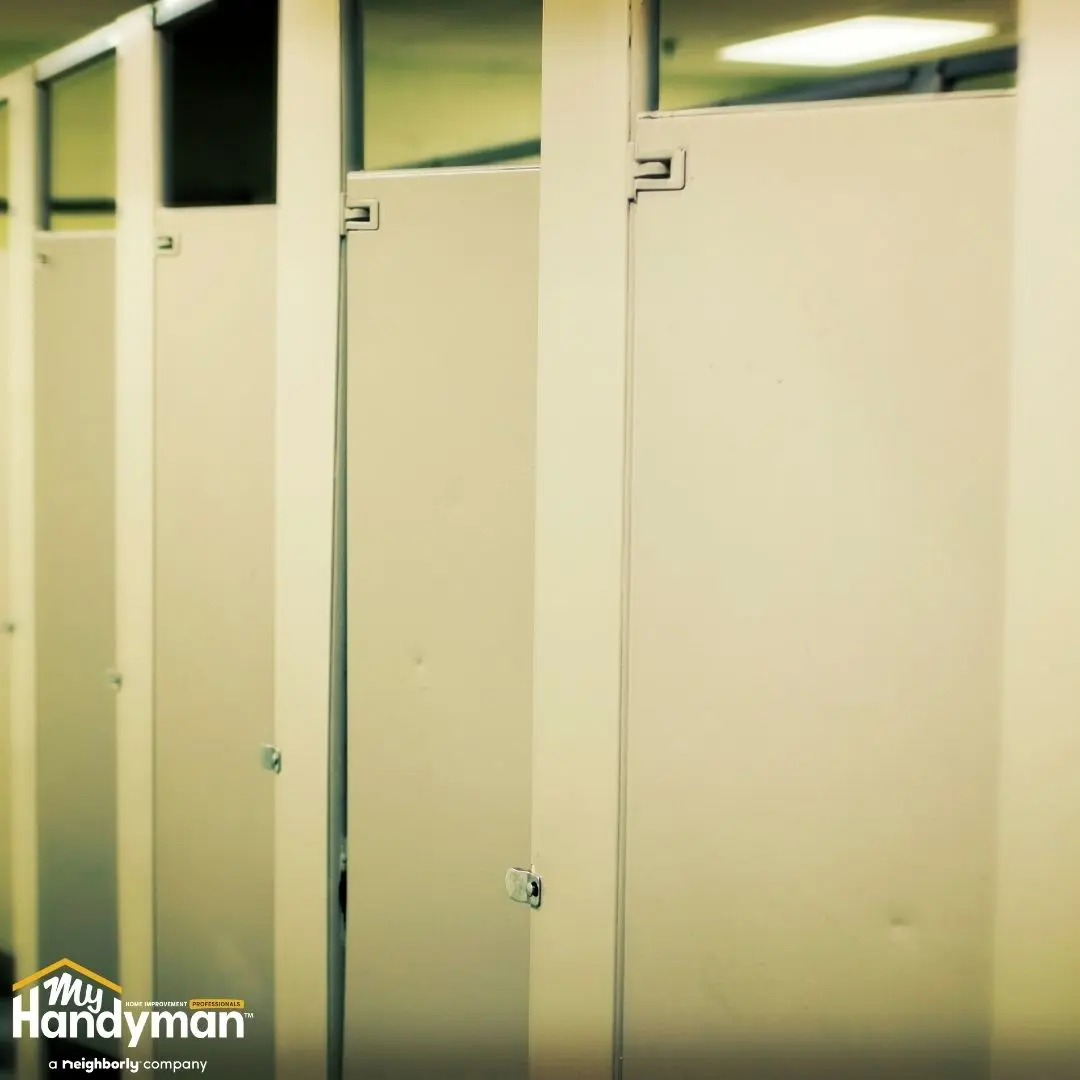
Inspecting exposed pipes, addressing minor leaks, and ensuring proper insulation are critical early-year tasks. Restrooms, break rooms, and utility areas should be evaluated for wear, moisture damage, and fixture performance.
For businesses, plumbing failures are more than an inconvenience. They can force closures, impact customer satisfaction, and lead to costly repairs. Proactive commercial maintenance helps prevent these scenarios.
Doors, Windows, and Building Envelope Integrity
Doors and windows play a major role in energy efficiency, security, and comfort. Winter highlights issues such as drafts, sticking doors, and damaged seals that may go unnoticed in warmer months.
Commercial properties should prioritize repairing or adjusting doors, replacing worn weatherstripping, and addressing window issues that affect insulation and security. These improvements reduce heating costs and improve overall building performance.
Entry points are especially important for customer-facing businesses, where appearance and ease of access affect first impressions.
Interior Wear and High-Traffic Areas
High-traffic commercial spaces experience accelerated wear, particularly during winter when moisture, salt, and debris are tracked indoors. Flooring, walls, trim, and fixtures often show damage by year’s end.
Addressing interior wear early helps maintain a professional appearance and prevents further deterioration. Repairs to flooring, drywall, and trim support both aesthetics and safety.
Businesses in areas like Brighton and Howell often see increased winter wear due to weather conditions, making early-year repairs especially important.
Lighting and Electrical Functionality
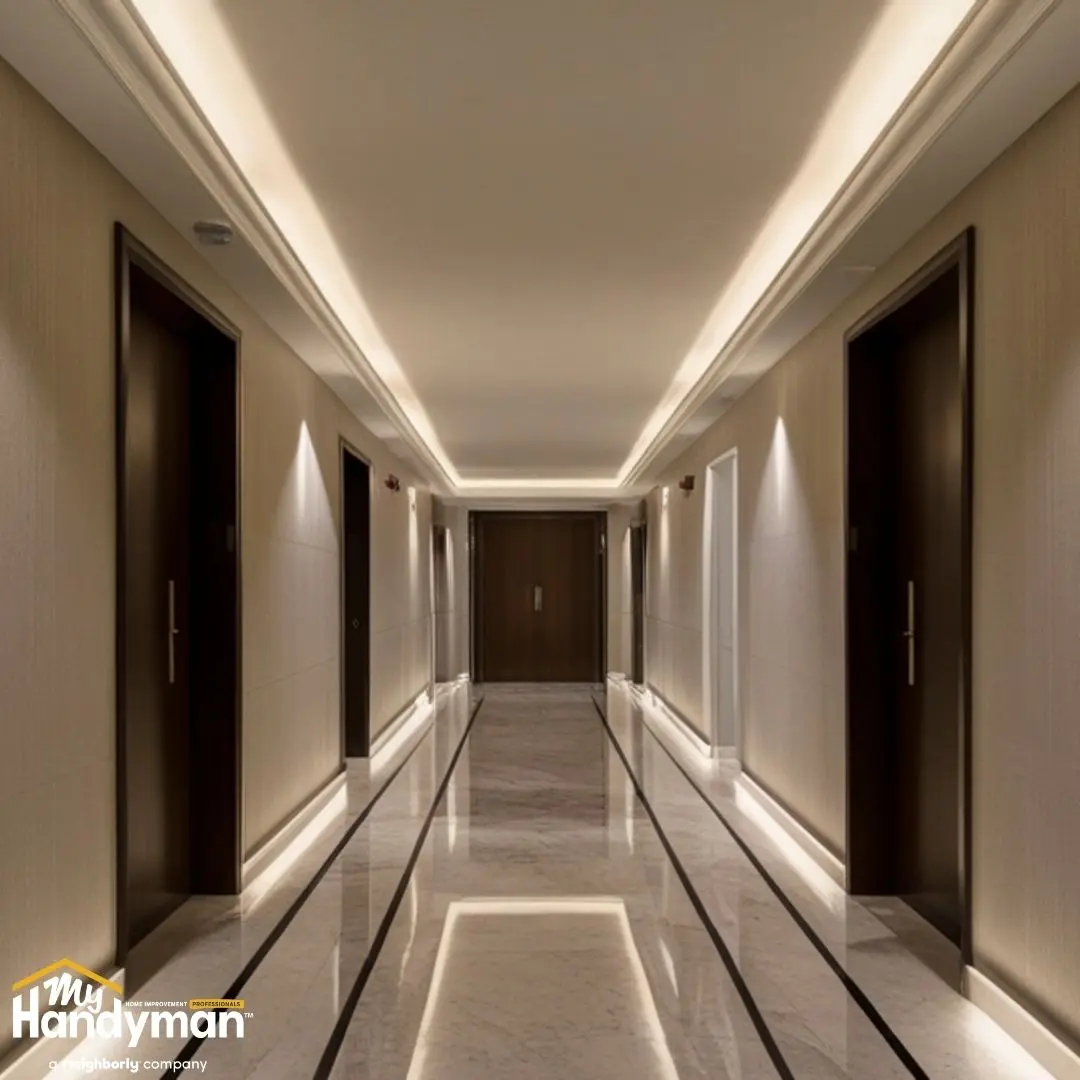
Lighting affects safety, productivity, and customer experience. Shorter daylight hours during winter make lighting issues more noticeable and disruptive.
Commercial maintenance priorities should include checking interior and exterior lighting, replacing failing fixtures, and ensuring adequate illumination in work areas and walkways. Electrical outlets, switches, and panels should also be evaluated for wear or damage.
Well-maintained lighting reduces accident risk and creates a more welcoming environment for both employees and visitors.
Why Proactive Commercial Maintenance Matters
Proactive commercial maintenance reduces emergency repairs, supports consistent operations, and extends the lifespan of building systems. Businesses that plan maintenance early in the year are better positioned to handle unexpected challenges without major disruption.
Rather than reacting to failures, a structured maintenance approach supports stability and long-term cost control. This mindset is especially important for commercial properties where downtime directly affects revenue.
Professional Support for Commercial Maintenance Planning
Managing commercial maintenance requires coordination, experience, and reliable execution. Professional handyman services help businesses address a wide range of repair and maintenance needs efficiently.
My Handyman of Ann Arbor, Saline, and Chelsea provides dependable commercial maintenance and home repair services to help businesses start the new year with confidence. Professional support ensures that critical priorities are addressed correctly and on schedule.
Understanding the top commercial maintenance priorities for the new year sets the foundation for a safer, more efficient, and more reliable business environment. Addressing these essentials early allows businesses to focus on growth and operations rather than unexpected repairs.
Operational Efficiency, Preventative Maintenance, and Cost Control
Beyond immediate repairs and safety checks, addressing the top commercial maintenance priorities for the new year requires a strong focus on operational efficiency and preventative planning. Commercial properties function as systems, and when one component underperforms, it affects productivity, comfort, and profitability. Early-year maintenance is the ideal time to shift from reactive fixes to structured, forward-looking strategies.
Preventative maintenance is not just about avoiding breakdowns. It is about creating predictable operating conditions that allow businesses to focus on customers, employees, and growth rather than ongoing facility issues.
Establishing a Preventative Maintenance Schedule
One of the most impactful steps businesses can take at the start of the year is formalizing a preventative maintenance schedule. Without a clear plan, maintenance often becomes reactive, leading to higher costs and unexpected downtime.
A structured schedule typically includes:
- Regular inspections of HVAC and plumbing systems
- Routine checks of doors, windows, and entry points
- Scheduled lighting and electrical reviews
- Periodic safety and compliance walkthroughs
By spacing maintenance throughout the year, businesses reduce strain on budgets and avoid the compounding effects of deferred repairs. Preventative planning also extends the lifespan of major building systems.
Reducing Energy Waste Through Maintenance
Energy costs are a significant operational expense for commercial properties. Maintenance issues such as poor insulation, malfunctioning equipment, or inefficient lighting contribute to unnecessary energy use.
Early-year maintenance should focus on identifying and correcting these inefficiencies. Repairing door seals, adjusting HVAC performance, and upgrading lighting controls help reduce energy waste without requiring major capital investment.
These improvements are especially valuable during winter when heating demands are highest and inefficiencies are most costly.
Minimizing Disruption to Business Operations
One of the challenges of commercial maintenance is completing work without interrupting daily operations. Proactive planning allows maintenance tasks to be scheduled during low-traffic periods or off-hours.
Addressing multiple small issues at once is often more efficient than repeated service calls. Coordinated maintenance reduces disruptions for employees and customers while improving overall workflow.
Businesses that plan maintenance early in the year gain more flexibility in scheduling, making it easier to align work with operational needs.
Managing Wear in High-Use Commercial Spaces
High-traffic areas experience faster deterioration than other parts of a commercial property. Flooring, doors, fixtures, and wall surfaces often show signs of wear that affect both appearance and safety.
Preventative maintenance includes reinforcing or repairing these elements before they fail completely. Addressing loose door hardware, damaged flooring transitions, or worn trim reduces liability risk and preserves a professional environment.
Properties in communities such as Ypsilanti frequently include mixed-use or older buildings where proactive wear management plays a key role in long-term cost control.
Avoiding Emergency Repairs Through Early Intervention
Emergency repairs are disruptive and expensive. They often occur when small issues are ignored until they become critical failures. Early-year maintenance provides an opportunity to catch problems while they are still manageable.
Examples include:
- Minor plumbing leaks before pipe failure
- Door alignment issues before hardware breaks
- Electrical concerns before outages occur
- Moisture intrusion before structural damage develops
Preventative maintenance reduces emergency calls, protects operating budgets, and improves predictability.
Tracking Maintenance to Improve Decision-Making
Documentation is an often-overlooked aspect of commercial maintenance. Keeping records of repairs, inspections, and recurring issues helps businesses identify patterns and plan future improvements more effectively.
Maintenance tracking supports smarter budgeting and helps determine when repairs are no longer cost-effective compared to replacement. This data-driven approach improves long-term facility planning.
Aligning Maintenance With Business Goals
Commercial maintenance priorities should align with broader business objectives. Customer-facing spaces may prioritize appearance and accessibility, while industrial or office environments may focus on efficiency and reliability.
Understanding how each area supports operations helps allocate resources where they have the greatest impact. Early-year planning ensures maintenance supports business performance rather than competing with it.
Professional Support for Preventative Commercial Maintenance
Implementing an effective preventative maintenance strategy requires experience and coordination. Professional handyman services help businesses manage diverse maintenance needs efficiently.
My Handyman of Ann Arbor, Saline, and Chelsea provides dependable commercial maintenance and home repair services to help businesses improve operational efficiency and control costs throughout the year. Professional support ensures that preventative strategies are executed correctly and consistently.
Focusing on operational efficiency and preventative planning strengthens the impact of the top commercial maintenance priorities for the new year. With structured scheduling, energy-conscious repairs, and proactive interventions, businesses can reduce risk, manage costs, and create more reliable facilities.
Long-Term Planning and Scaling Maintenance for the Year Ahead
Addressing the top commercial maintenance priorities for the new year is most effective when early actions connect to a long-term strategy. Commercial properties evolve as businesses grow, usage patterns change, and systems age. Planning beyond immediate repairs allows maintenance to scale with operations rather than constantly reacting to problems.
A strong long-term approach balances preventative care, budget control, and adaptability, ensuring facilities remain safe, functional, and professional throughout the year.
Using Early-Year Maintenance to Set Annual Direction
The first months of the year provide valuable insight into how a commercial property performed during peak winter conditions. Heating efficiency, plumbing reliability, door and window performance, and high-traffic wear patterns all reveal where systems are under stress.
Using this information, businesses can set clear maintenance priorities for the year ahead. Identifying which issues are seasonal versus structural helps determine whether solutions should be temporary adjustments or permanent upgrades.
Homes and businesses in areas such as Manchester often experience extended winter wear, making early-year assessments especially useful for long-term planning.
Scaling Maintenance as Business Needs Change
As businesses grow or shift operations, maintenance needs change as well. Increased staff, extended hours, or higher customer traffic place additional demands on building systems.
Long-term maintenance planning accounts for these changes by adjusting schedules, reinforcing high-use areas, and upgrading components before failures occur. This proactive scaling prevents small issues from becoming bottlenecks that disrupt operations.
Facilities that adapt maintenance plans alongside business growth maintain better reliability and avoid sudden capacity-related failures.
Planning Capital Improvements Strategically
Not all maintenance issues can be resolved through repairs alone. Some systems reach a point where replacement or major upgrades are more cost-effective. Early-year planning helps identify these situations before they become emergencies.
Examples of capital improvements include:
- HVAC system upgrades
- Plumbing system replacements in aging buildings
- Flooring upgrades in high-traffic areas
- Accessibility improvements for compliance and usability
By identifying these needs early, businesses can plan budgets and timelines more effectively rather than making rushed decisions later.
Balancing Short-Term Fixes With Long-Term Solutions
One challenge in commercial maintenance is balancing immediate needs with long-term goals. Temporary fixes may resolve urgent issues but can lead to repeated costs if underlying problems are not addressed.
A long-term perspective encourages businesses to evaluate whether repairs are extending system life appropriately or simply delaying inevitable upgrades. Making these distinctions early helps allocate resources more wisely.
This approach also reduces disruption by consolidating work rather than spreading repeated repairs over time.
Preparing for Seasonal Transitions
Effective commercial maintenance planning anticipates seasonal changes rather than reacting to them. After winter priorities are addressed, planning should shift toward spring and summer needs.
This may include:
- Preparing cooling systems for warmer months
- Addressing exterior wear once weather allows
- Adjusting lighting and ventilation for longer days
- Scheduling interior projects before peak business periods
Seasonal foresight keeps facilities operating smoothly year-round and reduces last-minute maintenance pressure.
Maintaining Professional Standards Across All Spaces
Commercial properties are reflections of the businesses that operate within them. Well-maintained facilities support brand image, employee morale, and customer confidence.
Long-term maintenance planning ensures that appearance and functionality remain consistent across all areas, not just customer-facing spaces. Break rooms, restrooms, offices, and utility areas all contribute to overall performance.
Businesses in communities like Superior Charter Township often manage a mix of public and private spaces, making consistent maintenance essential for professionalism and compliance.
Building Reliable Maintenance Partnerships
One of the most valuable long-term maintenance decisions is establishing reliable professional support. Consistent service providers understand the property, its history, and its unique challenges.
Working with the same professionals improves efficiency, reduces onboarding time, and ensures continuity in maintenance standards. This partnership approach supports both routine upkeep and unexpected repairs.
Why Professional Support Strengthens Long-Term Outcomes
Managing commercial maintenance internally can be challenging, especially as facilities grow or diversify. Professional handyman services provide the flexibility to address a wide range of needs without maintaining multiple specialized vendors.
My Handyman of Ann Arbor, Saline, and Chelsea offers dependable commercial maintenance and home repair services to help businesses plan, scale, and execute maintenance strategies throughout the year. Professional support ensures that maintenance evolves alongside business needs while maintaining high standards.
Starting the Year With a Strong Maintenance Foundation
The new year sets the tone for how commercial properties will perform over the months ahead. By addressing immediate needs, improving efficiency, and planning strategically, businesses can reduce risk, control costs, and create reliable environments that support operations.
Understanding the top commercial maintenance priorities for the new year empowers business owners and property managers to move forward with confidence. With proactive planning, scalable strategies, and professional support, commercial facilities can remain resilient, compliant, and ready for whatever the year brings.
Start the year with reliable commercial maintenance support. Call us or schedule service online for your business.