
Michigan's Climate Makes the Mudroom Essential, Not Optional
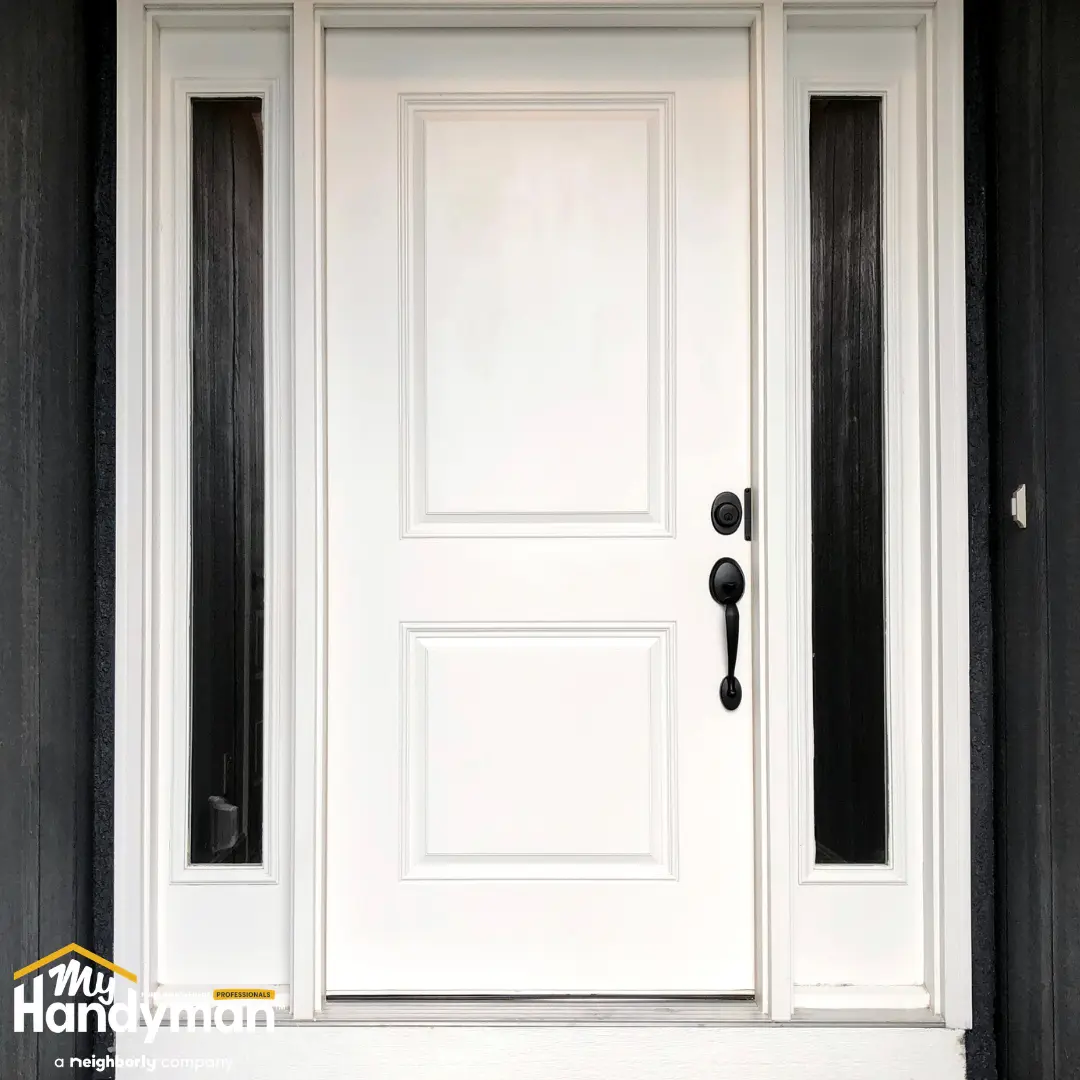
The entryway or mudroom in an Ann Arbor, Saline, or Chelsea home serves a function that Michigan's genuine four-season climate elevates from the design amenity that warmer or drier markets treat it as into the operational necessity that the Great Lakes region's extended winters, lake-influenced precipitation, deep freeze-thaw cycling, road salt and ice-melt chemical contact, and the compressed but active outdoor season all together motivate as the practical investment that the regional climate specifically rewards through every month of the year.
The Great Lakes climate's extended winter creates the specific entry and mudroom demands that distinguish Washtenaw County from both the northern markets where sustained extreme cold dominates mudroom design guidance and the moderate southern markets where freeze risk is minimal and entry management is primarily aesthetic. Michigan's winter delivers the sustained cold events, the lake-effect snow influence that southeast Michigan experiences from Lake Erie and Lake Michigan systems, and the road salt and ice-melt chemical contact that the regional ice management season creates at entry positions through the extended heating calendar. That combination produces the concentrated wet boot traffic, the heavy outerwear accumulation, and the road salt chemical tracking that Washtenaw County entry positions manage through every week of a heating season that runs meaningfully longer than national average climate assumptions calibrate mudroom guidance toward.
The University of Michigan community creates the specific entry and mudroom quality context that Ann Arbor's sophisticated residential population brings to those household spaces. The academic and professional households whose careers have taken them through metropolitan residential markets in Chicago, New York, Boston, and other major university communities bring the entry and mudroom quality expectations those markets established as the functional and aesthetic standards those households evaluate their Ann Arbor properties against. The graduate student culture's active outdoor lifestyle alongside the faculty and research community's design awareness together create the Ann Arbor entry investment motivation that deliberate improvement specifically serves.
Saline and Chelsea's small-town and rural character creates the entry and mudroom investment context that agricultural heritage, active outdoor lifestyles, and the community character those towns preserve through their residential culture motivate as the functional and aesthetic investment their household entry management specifically demands. The gardening, the farming activity that rural Washtenaw County properties sustain, and the outdoor recreation that the region's parks and natural areas motivate all create the entry and mudroom demands that organized, durable, practical improvement serves throughout the annual cycle.
The water chemistry consideration for Washtenaw County entry and mudroom improvement warrants the specific awareness that Saline and Chelsea's harder well water approaching 19 grains per gallon creates for entry utility sink fixtures, floor cleaning water mineral accumulation, and the hardware surfaces that the regional water chemistry contacts in entry environments. That mineral accumulation at those positions distinguishes the harder water household's entry maintenance context from Ann Arbor municipal water households at the more moderate 7.9 grain per gallon hardness.
Flooring: The Washtenaw County Entry Foundation

Flooring selection for Ann Arbor, Saline, and Chelsea entry and mudroom positions must address the road salt and ice-melt chemical contact that the extended Michigan winter creates at entry thresholds, the concentrated moisture that winter boot traffic deposits from snow and ice accumulation, the freeze-thaw temperature differential at building envelope transitions, and the biological growth conditions that Michigan's warm humid summer activates on porous flooring materials in the moisture-adjacent entry positions that wet boot traffic and the regional warm season's elevated humidity together create.
Porcelain tile provides the most consistently appropriate entry and mudroom flooring specification for Washtenaw County homes because its non-porous glazed surface resists the road salt and ice-melt chemical contact that Michigan's extended ice management season creates at entry positions, manages the concentrated moisture that winter boot traffic deposits, and delivers the dimensional stability through the freeze-thaw temperature differential that the building envelope transition creates between Michigan's outdoor cold and the conditioned interior. In Saline and Chelsea homes where harder well water creates the mineral accumulation in floor cleaning water that mopping deposits on those surfaces, epoxy grout specification at tile joints resists that mineral penetration more effectively than standard cementitious grout whose porosity the regional water chemistry advances toward discoloration between cleaning intervals.
The road salt chemical resistance consideration for Washtenaw County entry flooring reflects the calcium chloride and deicing agents that tracked-in winter boot soles carry from Michigan's extended ice management season into those entry floor positions. Non-porous hard flooring surfaces that cleaning removes road salt chemical contact from completely between events outperform the porous alternatives that those chemicals penetrate and deteriorate from in the enclosed entry environment between cleaning intervals.
Luxury vinyl plank at mudroom and utility entry positions delivers the moisture resistance, the dimensional stability through Michigan's genuine seasonal temperature range, the road salt chemical tolerance, and the maintenance practicality that the regional climate creates as the entry flooring performance requirements at those specific positions throughout the extended heating season.
Storage for Michigan's Full Seasonal Range
The Washtenaw County seasonal storage challenge reflects the genuine four-season character that Michigan's climate creates as the full equipment management requirement that Ann Arbor, Saline, and Chelsea households navigate across the complete annual cycle. The heavy winter outerwear, the extended boot storage for the heating season's sustained cold and wet conditions, the transitional jacket and footwear range that Michigan's shoulder seasons require, the summer's outdoor recreation equipment, and the University community's active lifestyle gear all create the storage demands that organized entry and mudroom systems specifically address for the regional seasonal character.
Built-in locker systems with individual compartments for each household member provide the organizational discipline that Michigan's extended winter entry traffic and the University community's active outdoor culture create as the daily entry management requirement. The Ann Arbor community's design awareness and Saline and Chelsea's rising residential quality expectations both motivate the built-in quality and finish that deliberate investment provides over the freestanding furniture alternatives that provide comparable storage without the architectural permanence and integration that built-in installation delivers.
Built-In Seating and Boot Storage for Michigan's Extended Winter

The mudroom seating and boot storage that Washtenaw County's extended heating season creates as the daily practical requirement reflects the sustained cold and wet conditions that Michigan's winter delivers through the months that the regional climate sustains as the concentrated entry management period that organized storage serves most directly.
Built-in bench seating with under-bench storage delivers the seated boot management function and the organized footwear storage that Michigan's winter boot requirements specifically warrant. The heavy winter boots that Washtenaw County's sustained cold and wet conditions require are most practically managed from a seated position, and the built-in bench that provides that function while concealing organized boot storage beneath the seat converts what would otherwise be a wet entry floor accumulation into the organized storage that maintains the entry's functional appearance through Michigan's extended heating season.
Boot tray and drainage consideration in Washtenaw County mudroom design addresses the concentrated moisture that winter boot traffic deposits from Michigan's snow and ice accumulation alongside the road salt and ice-melt chemical contact that the regional ice management season creates at those entry positions. Built-in boot tray positions with the drainage or moisture management that wet boot accumulation requires prevents the concentrated moisture and chemical contact from advancing the flooring deterioration and the biological growth that Michigan's warm season then activates in inadequately managed moisture accumulation at those entry positions between cleaning intervals.
The seasonal gear storage dimension for Ann Arbor, Saline, and Chelsea households reflects the outdoor recreation lifestyle that Washtenaw County's natural areas, the Huron River corridor, and the University community's active outdoor culture motivate through both the winter and the warm season. The cross-country ski equipment, the ice fishing gear, and the winter recreation accessories that Michigan's extended cold season motivates alongside the summer's hiking, cycling, and water recreation equipment that the warm months create as the outdoor lifestyle accumulation that entry and mudroom organized storage serves throughout the Washtenaw County annual cycle.
Utility and Plumbing Additions
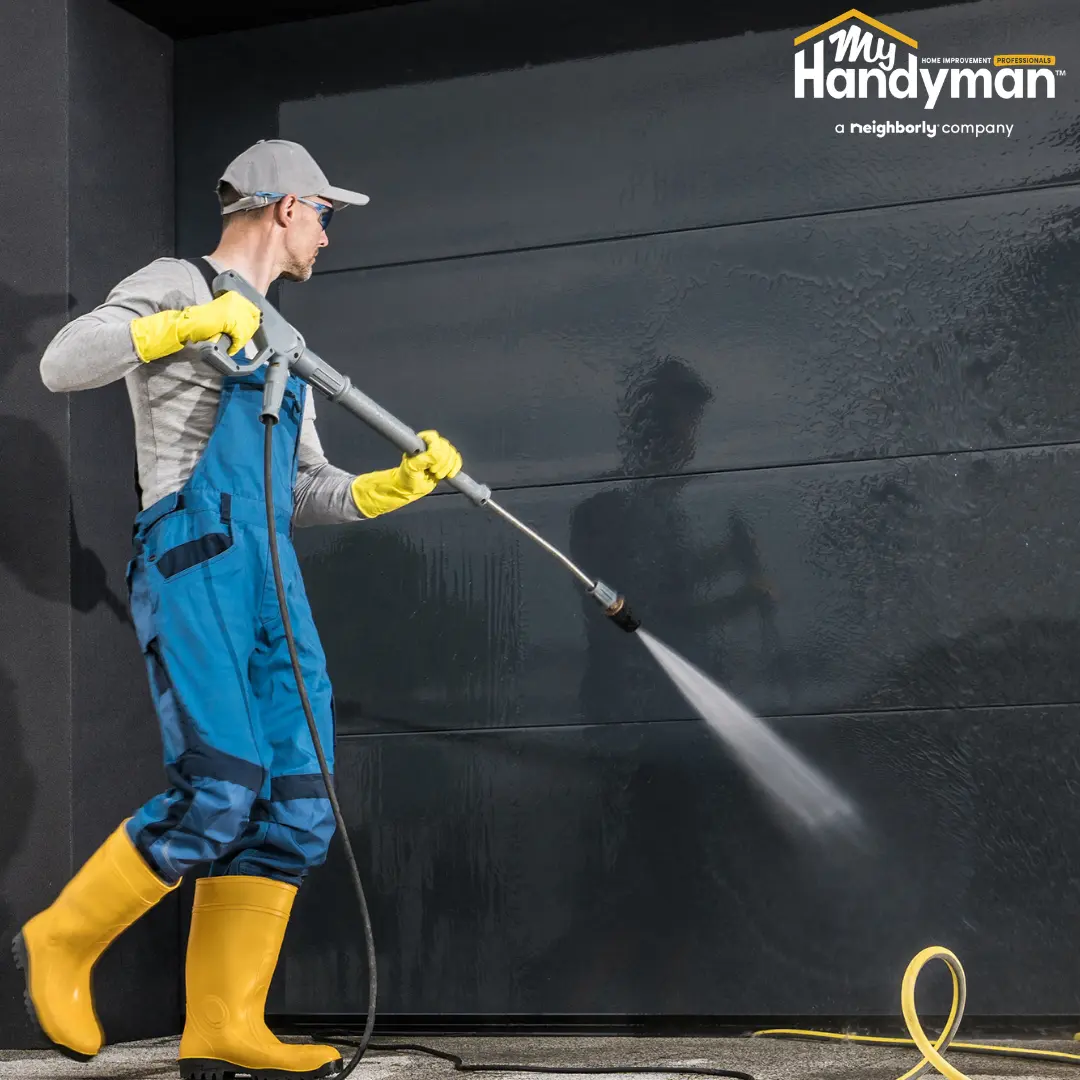
Mudroom utility sink installation delivers the specific functional return that the University community's active outdoor lifestyle, the gardening culture that Washtenaw County's residential communities sustain, and the agricultural heritage that Saline and Chelsea's rural character motivates as the hand and equipment cleaning demand that a dedicated entry utility sink serves before those materials enter the interior living spaces. The garden produce, the outdoor recreation equipment, and the active lifestyle contact that Washtenaw County's natural setting creates all produce the cleanup need that the mudroom utility sink resolves without routing those materials through the kitchen and bathroom fixtures the entry position specifically protects.
The harder water hardware consideration for Saline and Chelsea mudroom utility sink installations warrants the mineral-deposit-resistant finish selection that harder well water approaching 19 grains per gallon makes specifically important for those utility sink fixtures. Brushed and matte finish hardware that resists the calcium and magnesium deposit visibility the harder regional well water creates on polished chrome alternatives delivers the practical maintenance advantage that those specific households benefit from at utility sink positions between cleaning intervals.
Task lighting at storage positions addresses the natural light limitation that Michigan's extended winter creates in the entry spaces that early morning departure and late afternoon return concentrates activity at during the compressed daylight of the regional heating season. Adequate task lighting at coat hook positions, bench seating, and the mirror position that entry preparation benefits from converts the dimly lit functional transition that inadequate lighting creates into the welcoming, well-illuminated space that thoughtful entry improvement specifically provides through the darker months Michigan's genuine seasonal variation creates.
Durable Finishes for Washtenaw County Entry Conditions
Paint specification for Washtenaw County mudroom walls addresses the road salt moisture that winter entry traffic deposits at those wall positions, the biological growth that Michigan's warm, humid summer activates on inadequately specified wall surfaces in those moisture-adjacent positions, and the harder water mineral contact that cleaning water creates on those surfaces in Saline and Chelsea homes between maintenance intervals. Semi-gloss or satin finish paint with mildew-resistant formulation at moisture-adjacent entry wall positions delivers the surface durability that Michigan's extended winter and warm season together create as the entry wall performance requirements those conditions advance.
Frequently Asked Questions
What entry flooring performs best through Michigan's extended winter road salt contact and freeze-thaw conditions?
Porcelain tile with epoxy grout provides the best combination of road salt chemical resistance, moisture management, freeze-thaw dimensional stability, and biological growth resistance for Washtenaw County entry and mudroom applications. The non-porous glazed surface resists both the road salt chemical contact Michigan's extended ice management season creates at entry positions and the mineral deposits the regional water chemistry creates in floor cleaning water, while epoxy grout resists those mineral deposits more effectively than cementitious alternatives between cleaning intervals.
Is heated floor installation worth the investment in a Washtenaw County mudroom?
For Ann Arbor, Saline, and Chelsea homes with exterior wall exposure at the mudroom position and the porcelain tile specification that the regional climate warrants, radiant floor heating delivers the daily comfort improvement that Michigan's extended cold season makes specifically worthwhile beneath the tile surface that the heating season's sustained cold creates as the entry floor temperature condition those households manage through every winter week. The multiple daily crossings that winter entry creates compounds the comfort return that radiant floor heating delivers across Michigan's extended heating calendar.
How large should a mudroom utility sink be for Washtenaw County's active outdoor lifestyle?
A utility sink with minimum twelve-inch basin depth and single-basin configuration accommodating hand and forearm submersion for garden produce washing, outdoor equipment cleaning, and the active lifestyle cleanup that Washtenaw County's natural setting and the University community's outdoor culture creates provides the functional capacity that regional mudroom utility sink use warrants. A faucet with extended reach and spray mode alongside a mineral-deposit-resistant finish in brushed nickel or matte black delivers the functional and durability specifications that Saline and Chelsea's harder well water context makes specifically important at those utility positions.
What storage capacity does a Washtenaw County mudroom need per household member?
Heavy winter coat, two to three mid-layer jackets for Michigan's shoulder seasons, boot storage for two to three pairs including heavy winter boots and rain boots, the outdoor recreation gear that the University community's active lifestyle and Washtenaw County's natural areas motivate, and the seasonal sport and activity equipment that Michigan's genuine four-season calendar creates all together establish the per-occupant storage capacity that Washtenaw County mudroom design should provide for the regional seasonal and lifestyle character.
How does the University of Michigan community affect entry and mudroom investment priorities in Ann Arbor?
The academic and professional households whose careers have taken them through major metropolitan residential markets bring the entry and mudroom quality expectations those markets established as the functional and aesthetic standards they evaluate their Ann Arbor properties against. Those quality references specifically reward the built-in organizational permanence, the coordinated hardware quality, and the functional utility sink investment that deliberate entry improvement provides over the freestanding furniture alternatives those households have learned to distinguish from purpose-built installation in the metropolitan residential contexts their careers established as their quality references.
Washtenaw County Entries Built for the Climate and Lifestyle They Serve
The entryway or mudroom improvement that delivers genuine lasting return in Ann Arbor, Saline, Chelsea, and the surrounding Washtenaw County communities combines the porcelain tile flooring with epoxy grout that resists Michigan's road salt chemical contact and the regional water chemistry's mineral deposits, the built-in bench and seasonal storage that the extended winter and active outdoor lifestyle motivate, the utility sink that the University community's outdoor culture and Saline and Chelsea's rural heritage create as a practical daily need, the task lighting that Michigan's compressed winter daylight makes specifically important at entry positions, and the mildew-resistant paint and moisture-aware finish specifications that the regional warm season and the extended winter's moisture conditions advance as the entry wall surface demands those positions require. That combination delivers the entry quality that Michigan's genuine climate, the regional lifestyle, and the active Washtenaw County residential market all specifically reward.
Mr. Handyman of Ann Arbor, Saline, and Chelsea has the regional experience to help homeowners plan and execute entryway and mudroom improvements that serve Michigan's specific climate demands and Washtenaw County's lifestyle character.
Website: https://www.mrhandyman.com/ann-arbor-saline-and-chelsea/
Serving homeowners throughout Ann Arbor, Saline, Chelsea, and the surrounding Washtenaw County communities with dependable service and the expertise your home deserves.