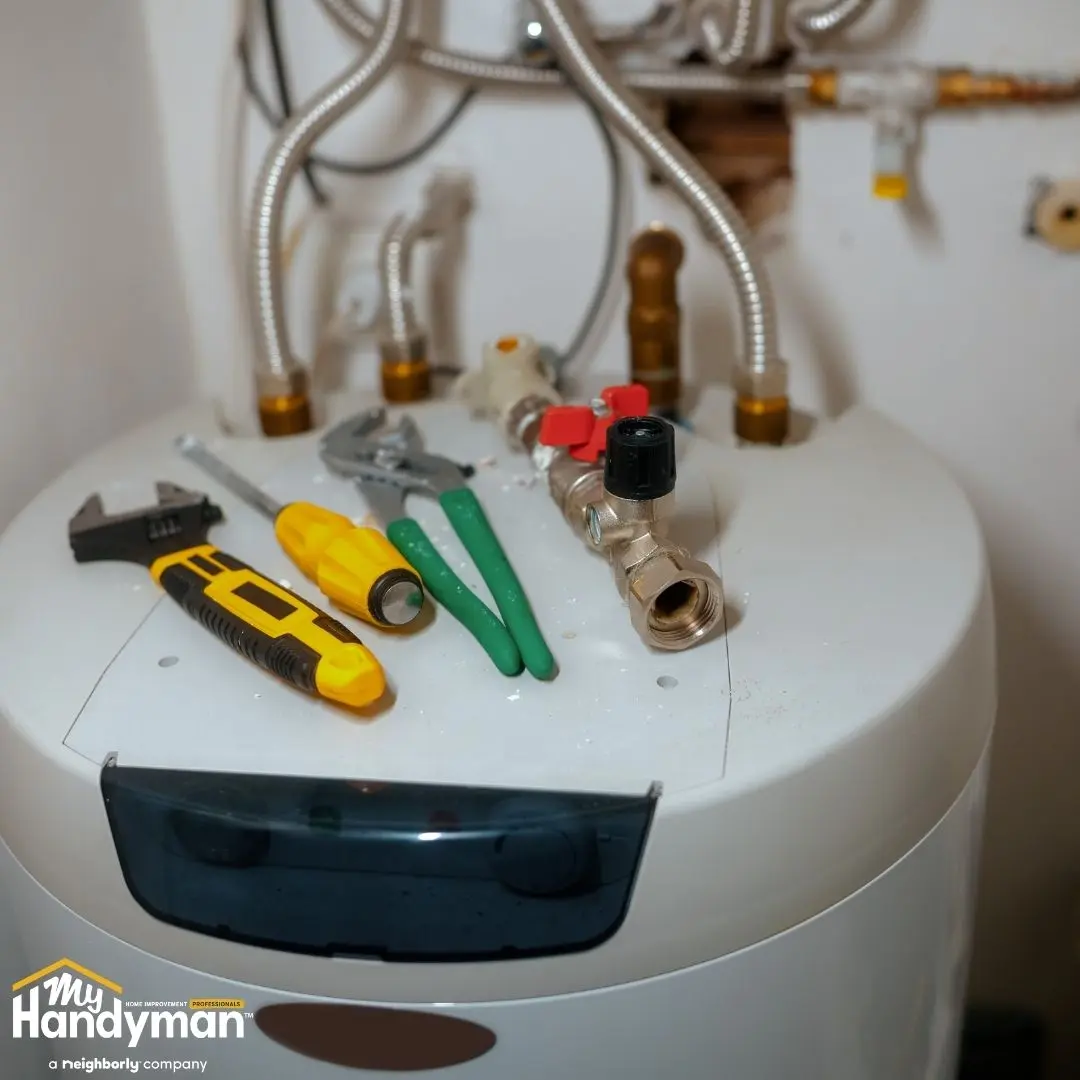
Cold temperatures place added strain on many household systems, but few are impacted as directly as water heaters. Understanding the signs your water heater is struggling in cold weather helps homeowners avoid sudden breakdowns, inconsistent hot water, and costly emergency repairs. During winter, water heaters work harder to raise colder incoming water to usable temperatures, often exposing weaknesses that remain hidden during warmer months.
Water heater issues rarely appear without warning. Subtle changes in performance, sound, or water quality often indicate that the system is under stress. Recognizing these early signs allows homeowners to take action before winter conditions make repairs more difficult and disruptive.
Why Cold Weather Affects Water Heater Performance
During winter, groundwater temperatures drop significantly. Water entering the home is much colder, which means the water heater must work longer and harder to reach the desired temperature. This increased workload accelerates wear on heating elements, burners, and internal components.
At the same time, winter household demand often increases. Hot water is used more frequently for showers, laundry, dishwashing, and general cleaning. When supply struggles to keep up with demand, performance issues become noticeable.
Homes in colder areas such as Chelsea and Saline may experience longer periods of stress on water heaters due to sustained low temperatures. Systems that were already aging or poorly maintained are especially vulnerable during these months.
Inconsistent Hot Water Temperature
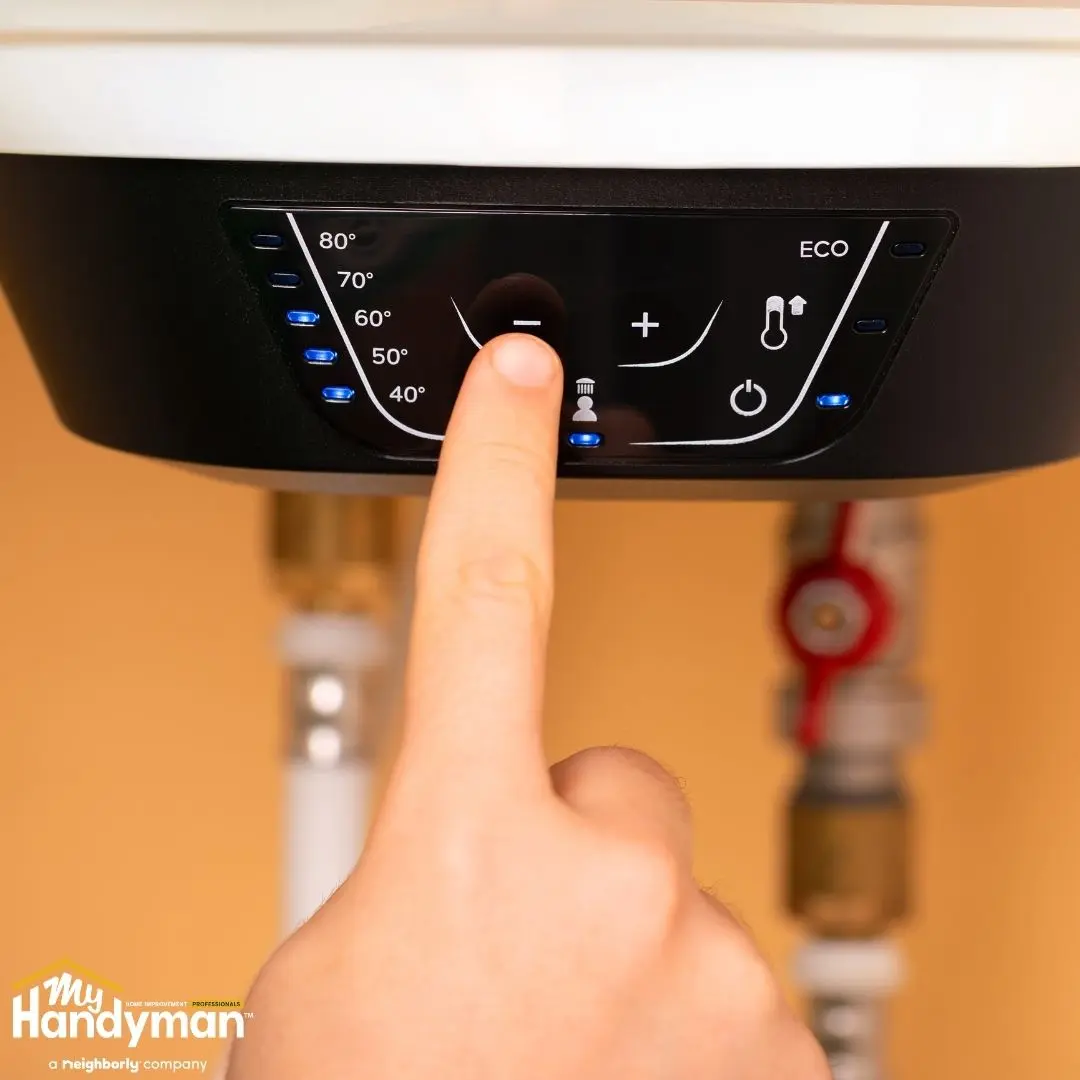
One of the earliest signs of winter-related water heater trouble is inconsistent water temperature. Homeowners may notice water fluctuating between hot and lukewarm, even during short usage periods. This issue often becomes more noticeable during mornings or evenings when demand is highest.
Inconsistent temperatures can result from worn heating elements, sediment buildup inside the tank, or a thermostat struggling to regulate output under increased load. Cold incoming water amplifies these issues, making temperature swings more pronounced.
Ignoring this warning sign can lead to complete system failure during peak winter demand. Addressing temperature inconsistency early is an important part of proactive home maintenance.
Reduced Hot Water Supply
Another common indicator that a water heater is struggling is a reduced supply of hot water. Showers may run cold more quickly, or multiple fixtures may not be able to operate simultaneously without a noticeable drop in temperature.
During winter, reduced supply often points to capacity limitations or efficiency loss. Sediment buildup at the bottom of the tank reduces usable volume and interferes with heat transfer. In tankless systems, cold inlet water may exceed the unit’s ability to heat water quickly enough during high demand.
Homes in areas like Dexter and Pinckney may notice these issues more frequently due to colder average winter temperatures. Reduced hot water availability should always be treated as a warning sign rather than a seasonal inconvenience.
Unusual Noises During Operation
Cold weather can make internal water heater problems more noticeable through sound. Rumbling, popping, or banging noises often indicate sediment buildup inside the tank. As water heats, trapped sediment causes uneven heating and creates noise.
These sounds may become louder or more frequent in winter because the system runs longer heating cycles. Over time, sediment buildup can damage heating elements and weaken the tank, increasing the risk of leaks or failure.
Unusual noises should not be ignored, especially during cold weather when system stress is already elevated. Early intervention can prevent more serious damage and extend the lifespan of the unit.
Longer Recovery Times
If it takes significantly longer for hot water to return after use, the water heater may be struggling to keep up. Cold inlet water slows recovery time, but excessive delays often signal declining efficiency or component wear.
Longer recovery times place additional strain on the system, especially in households with frequent hot water use. This can lead to higher energy consumption and increased wear during winter months.
Monitoring recovery time is a simple but effective way to assess water heater performance as part of routine home maintenance.
Why Early Detection Matters in Winter
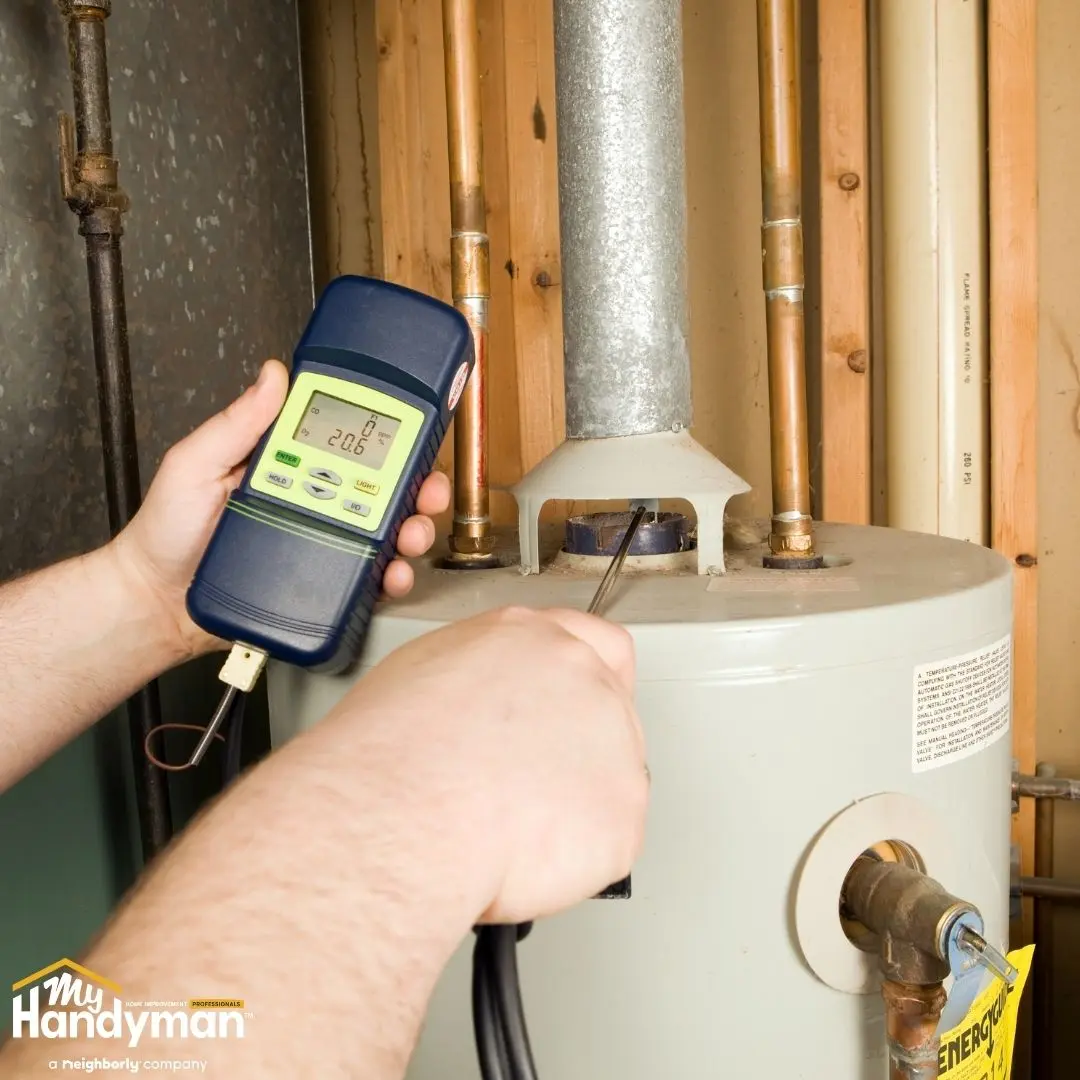
Winter is one of the most challenging times for water heater repairs. Cold conditions can limit scheduling availability, complicate installations, and increase the impact of system downtime. A failed water heater during winter affects sanitation, comfort, and daily routines more severely than at other times of year.
Recognizing the signs your water heater is struggling in cold weather allows homeowners to address issues proactively rather than reactively. Early repairs are typically less expensive and less disruptive than emergency replacements during freezing conditions.
My Handyman of Ann Arbor, Saline, and Chelsea supports homeowners with professional home repair and home maintenance services designed to identify system stress early and recommend practical solutions before winter issues escalate.
Additional Warning Signs That Point to Winter Water Heater Stress
As winter progresses, water heater issues often become more noticeable. Many homeowners assume these changes are normal seasonal inconveniences, but they are frequently clear indicators of system strain. Recognizing the signs your water heater is struggling in cold weather allows you to intervene before performance declines further or failure occurs at the worst possible time.
Cold weather does not create water heater problems on its own. Instead, it magnifies existing weaknesses such as aging components, reduced efficiency, and deferred home maintenance. Understanding these warning signs helps homeowners make informed decisions about repair, maintenance, or replacement.
Discolored or Cloudy Hot Water
Changes in water appearance are a common but often ignored warning sign. Rust-colored, cloudy, or metallic-smelling hot water typically indicates corrosion inside the tank. Cold weather accelerates this process by increasing heating cycles and internal stress.
Sediment buildup at the bottom of the tank can also mix into the water supply during heavy winter use. As the heater works harder to heat colder water, sediment is disturbed more frequently, affecting water clarity and quality.
Homes in areas such as Manchester often have a mix of older plumbing infrastructure and newer upgrades. In these situations, discoloration may point to tank deterioration that requires prompt attention to avoid leaks or failure.
Visible Moisture or Small Leaks Around the Tank
Moisture around the base of a water heater is never a good sign, especially during winter. Condensation can occur naturally, but persistent dampness or pooling water often signals a more serious issue.
Cold weather causes metal tanks to expand and contract repeatedly. Over time, this movement can weaken seams, fittings, and valves. Small leaks may appear first and worsen quickly under continued pressure and temperature fluctuations.
Catching leaks early is critical. Even slow leaks can cause floor damage, encourage mold growth, and indicate that the tank is nearing the end of its service life. Winter is one of the worst times for an unexpected tank failure, making early detection especially important.
Rising Energy Bills Without Increased Usage
A struggling water heater often consumes more energy as it works harder to meet demand. During winter, some increase in energy use is expected, but sharp or unexplained spikes may indicate declining efficiency.
Sediment buildup, failing heating elements, or burner issues force the system to run longer heating cycles. This increases utility costs while delivering less reliable hot water.
Monitoring energy bills alongside system performance provides valuable insight. When higher costs coincide with reduced output, the water heater is likely under strain and in need of home repair or maintenance.
Pilot Light or Ignition Problems
Gas water heaters may experience pilot light or ignition issues more frequently during winter. Cold air drafts, ventilation problems, or aging components can cause the pilot to go out or prevent proper ignition.
Repeated pilot failures are not a seasonal nuisance. They are a safety and reliability concern that should be addressed promptly. Inconsistent ignition affects water temperature and increases wear on the system.
In communities like Howell, where winter temperatures can fluctuate sharply, these issues may appear more often if ventilation or insulation is inadequate around the unit.
Excessive Pressure Relief Valve Discharge
The temperature and pressure relief valve is designed to release water when internal pressure becomes too high. During winter, increased heating cycles and sediment buildup can raise pressure inside the tank.
If the valve discharges water regularly, it may indicate overheating, excessive pressure, or a failing valve. Ignoring this sign can lead to serious safety risks, including tank damage.
Routine home maintenance includes inspecting the pressure relief valve to ensure it functions properly. Persistent discharge should always be evaluated by a professional.
Age-Related Performance Decline
Water heaters typically have a limited lifespan. As systems age, their ability to handle winter demand decreases. Cold inlet water, higher usage, and longer heating cycles expose age-related weaknesses more clearly than warmer months.
Older units may still function adequately during summer but struggle noticeably in winter. Reduced capacity, inconsistent temperatures, and increased noise often signal that the system is nearing replacement.
Homes in areas such as Ypsilanti frequently include older housing stock where aging water heaters are more common. Evaluating system age alongside performance helps homeowners plan proactively rather than react during an emergency.
Why Winter Makes These Signs More Urgent
Winter amplifies the consequences of water heater failure. Cold temperatures increase repair complexity, reduce scheduling flexibility, and make loss of hot water more disruptive to daily life. A failing system in winter affects hygiene, cleaning, and comfort far more than during warmer months.
Addressing warning signs early reduces the likelihood of emergency replacement and water damage. Preventative home maintenance is especially valuable during winter when system resilience matters most.
Professional Assessment as Preventative Care
Some warning signs are easy to spot, while others require experienced evaluation. Professional handyman services can assess sediment levels, inspect valves, test heating elements, and identify inefficiencies that are not visible from the outside.
My Handyman of Ann Arbor, Saline, and Chelsea provides reliable home repair and home maintenance services designed to help homeowners evaluate water heater performance before winter issues escalate. Professional insight helps determine whether maintenance, repair, or replacement is the most practical next step.
Recognizing these additional warning signs completes a clearer picture of how winter affects water heaters. Early action protects your home, controls costs, and ensures reliable hot water when it is needed most.
Preventing Winter Water Heater Problems and Knowing When to Act
Recognizing the signs your water heater is struggling in cold weather is only part of protecting your home. The next step is knowing how to reduce strain on the system and when professional intervention becomes necessary. Winter places sustained demand on water heaters, and without proper home maintenance, small performance issues can escalate into complete system failure at the worst possible time.
Long-term reliability depends on preparation, routine upkeep, and realistic expectations about system lifespan. Homeowners who take preventative steps before and during winter are far more likely to maintain consistent hot water and avoid emergency home repair situations.
Routine Maintenance That Supports Winter Performance
Regular maintenance is the foundation of winter water heater reliability. Sediment buildup is one of the most common contributors to poor cold-weather performance. Minerals settle at the bottom of the tank, reducing efficiency and forcing the system to work harder to heat water.
Flushing the tank removes sediment and improves heat transfer. This process is especially important before winter begins, when incoming water temperatures are lowest. For tankless systems, descaling helps maintain proper flow and heating efficiency during periods of increased demand.
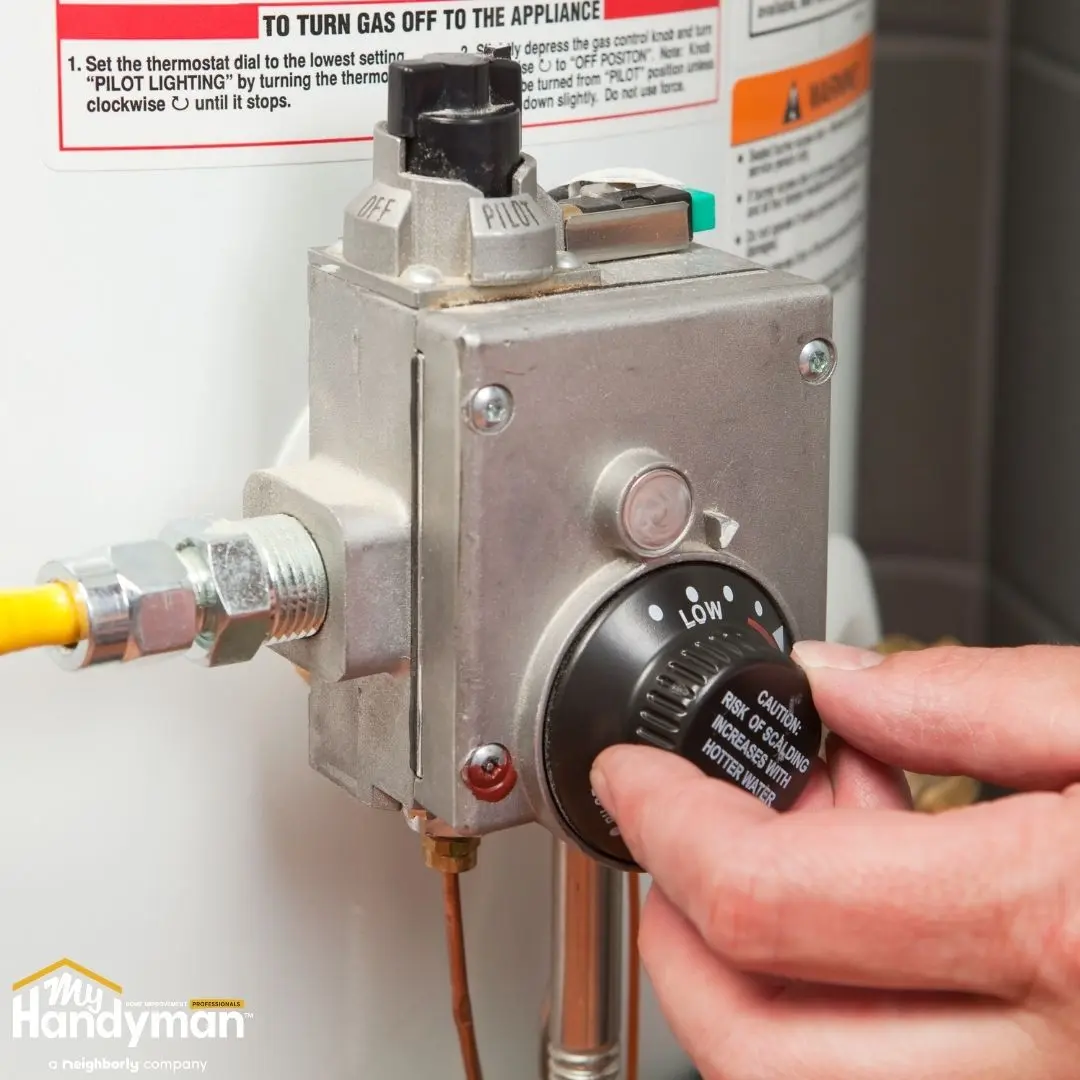
Checking the temperature setting is another simple but important step. Water heaters are typically set between 120 and 140 degrees Fahrenheit. If the setting is too low, cold inlet water may prevent the system from keeping up. If it is too high, excess strain and energy use can occur. Proper calibration supports both comfort and efficiency.
Insulating the Water Heater and Surrounding Pipes
Insulation plays a key role in reducing winter strain. Water heaters located in basements, garages, or utility rooms are often exposed to colder ambient temperatures. Insulating the tank helps retain heat and reduces the frequency of heating cycles.
Hot water pipes should also be insulated, particularly those running through unheated spaces. This reduces heat loss as water travels to fixtures and shortens recovery time between uses. Insulation is a low-cost home maintenance upgrade that delivers noticeable performance benefits during winter.
Homes in colder areas such as Whitmore Lake often benefit from a full inspection of mechanical spaces to identify insulation gaps that increase system workload.
Managing Hot Water Demand in Winter
Winter usage patterns can push water heaters beyond their intended capacity. Multiple back-to-back showers, increased laundry, and higher dishwashing frequency all add demand when the system is already working harder.
Spacing out high-demand activities helps prevent temperature drops and excessive cycling. For example, running the dishwasher and washing machine at different times allows the heater to recover between uses. This approach reduces wear and helps maintain consistent water temperature.
For households that consistently experience shortages during winter, capacity limitations may be a contributing factor. This is especially relevant in larger households or homes with older systems that were sized for lower usage levels.
Understanding When Repairs Are No Longer Enough
While maintenance and minor repairs can extend the life of a water heater, there comes a point when replacement is the more practical option. Age is one of the most reliable indicators. Most traditional tank water heaters have a lifespan of eight to twelve years, depending on maintenance and usage.
If an older system shows multiple signs of struggle, such as inconsistent temperature, noise, leaks, and rising energy costs, continued repairs may offer diminishing returns. Cold weather often exposes these age-related weaknesses more clearly than other seasons.
Homes in areas like Milan and Willis frequently include water heaters that have been in service for many years. Evaluating replacement before winter failure helps homeowners avoid emergency decisions and rushed installations.
Planning Replacement During Winter Months
Replacing a water heater during winter is not ideal, but proactive planning can make the process smoother. If replacement is anticipated, scheduling work before complete failure allows for better system selection and timing.
Modern water heaters offer improved efficiency and better performance in cold conditions. High-efficiency tank models and properly sized tankless systems are better equipped to handle cold inlet water and winter demand.
A planned replacement also allows homeowners to address related upgrades, such as improved venting, updated connections, or added insulation, which contribute to long-term reliability.
The Value of Professional Evaluation
Some water heater issues are easy to recognize, while others require experienced assessment. Professional handyman services can evaluate system condition, measure efficiency loss, and identify whether maintenance or replacement is the best course of action.
My Handyman of Ann Arbor, Saline, and Chelsea provides dependable home repair and home maintenance services to help homeowners make informed decisions about water heater care. Professional evaluations reduce guesswork and help prioritize solutions that align with both budget and long-term needs.
Protecting Comfort and Reliability Through Winter
A reliable water heater is essential during winter. Hot water supports hygiene, cleaning, and overall comfort when cold weather limits alternatives. Paying attention to performance changes and responding early prevents disruptions and protects your home from secondary damage.
Understanding the signs your water heater is struggling in cold weather empowers homeowners to act before minor issues become major problems. With routine maintenance, thoughtful usage, and professional support when needed, water heaters can continue to perform reliably even during the most demanding winter conditions.
If your hot water isn’t keeping up this winter, don’t ignore it. Call us to have a trusted handyman inspect your water heater.