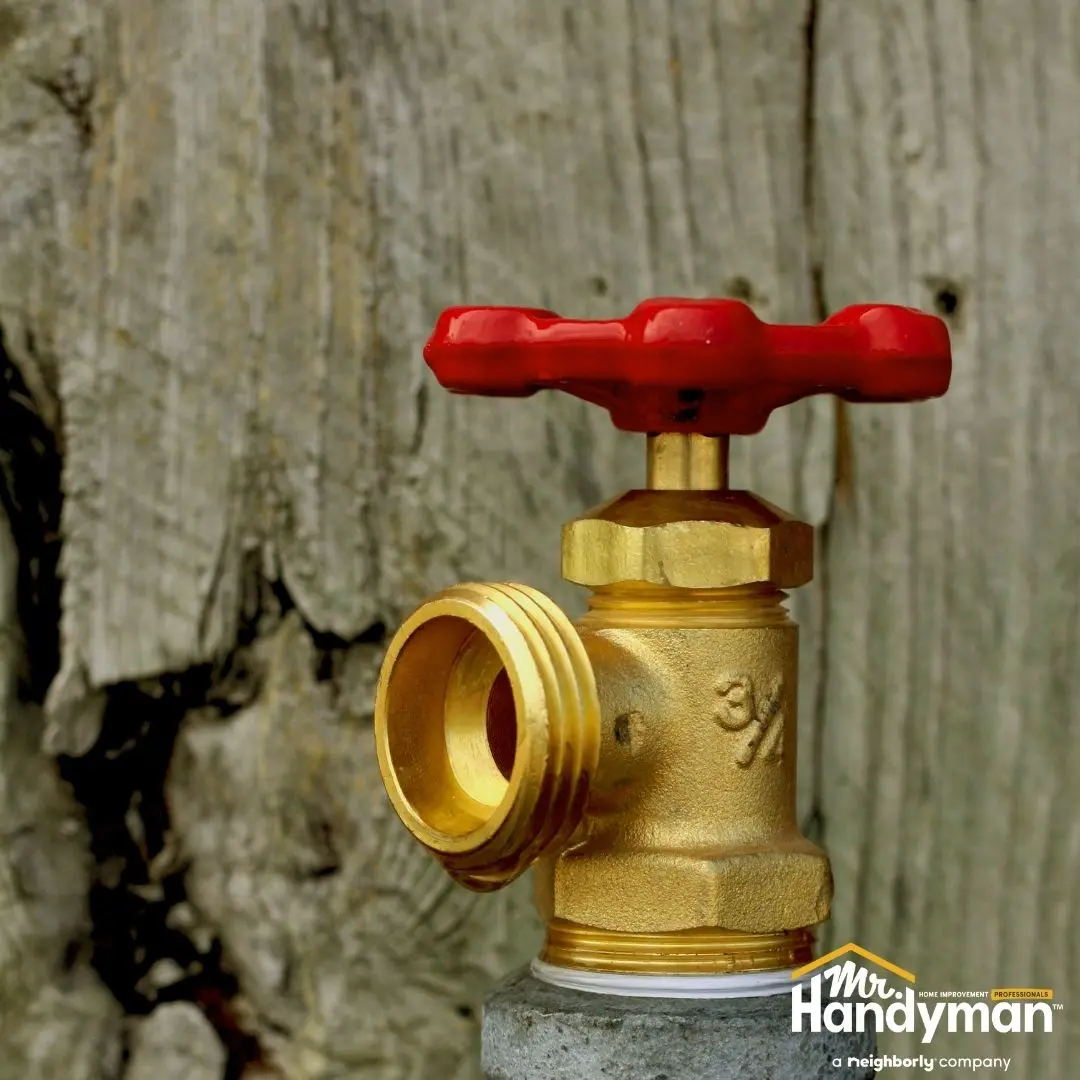
Winter places unique stress on every part of a home. Cold temperatures, fluctuating humidity, snow, and ice expose weaknesses that may stay hidden during warmer months. Understanding the top winter home repairs every homeowner should tackle helps prevent small issues from escalating into costly damage while improving comfort, safety, and long-term home maintenance.
Winter is not just a season to react to problems. It is an ideal time to address repairs proactively because issues tend to surface faster when systems are under stress. Homes that receive timely winter repairs often experience fewer emergencies and lower repair costs later in the year.
Why Winter Reveals Hidden Home Repair Needs
During winter, homes operate under constant pressure. Heating systems run continuously, materials expand and contract, and moisture is tracked indoors daily. These conditions highlight inefficiencies and wear that might go unnoticed during mild weather.
Drafts become more obvious, doors and windows behave differently, and plumbing is more vulnerable to freezing. By addressing these issues early, homeowners protect both the structure of the home and daily living conditions.
Homeowners in areas such as Chelsea and Saline often experience prolonged winter conditions, making seasonal repairs especially important for preventing ongoing damage.
Repairing Drafty Doors and Windows
Drafts are one of the most common winter complaints and a clear sign that repairs are needed. Gaps around doors and windows allow cold air in and warm air out, forcing heating systems to work harder and increasing energy costs.
Winter home repairs in this area often include replacing worn weatherstripping, adjusting door alignment, sealing window gaps, and repairing damaged frames. These repairs improve comfort immediately and reduce strain on heating systems.
Addressing drafts also helps regulate indoor humidity, reducing condensation and protecting interior finishes.
Fixing Sticking Doors and Misaligned Hardware
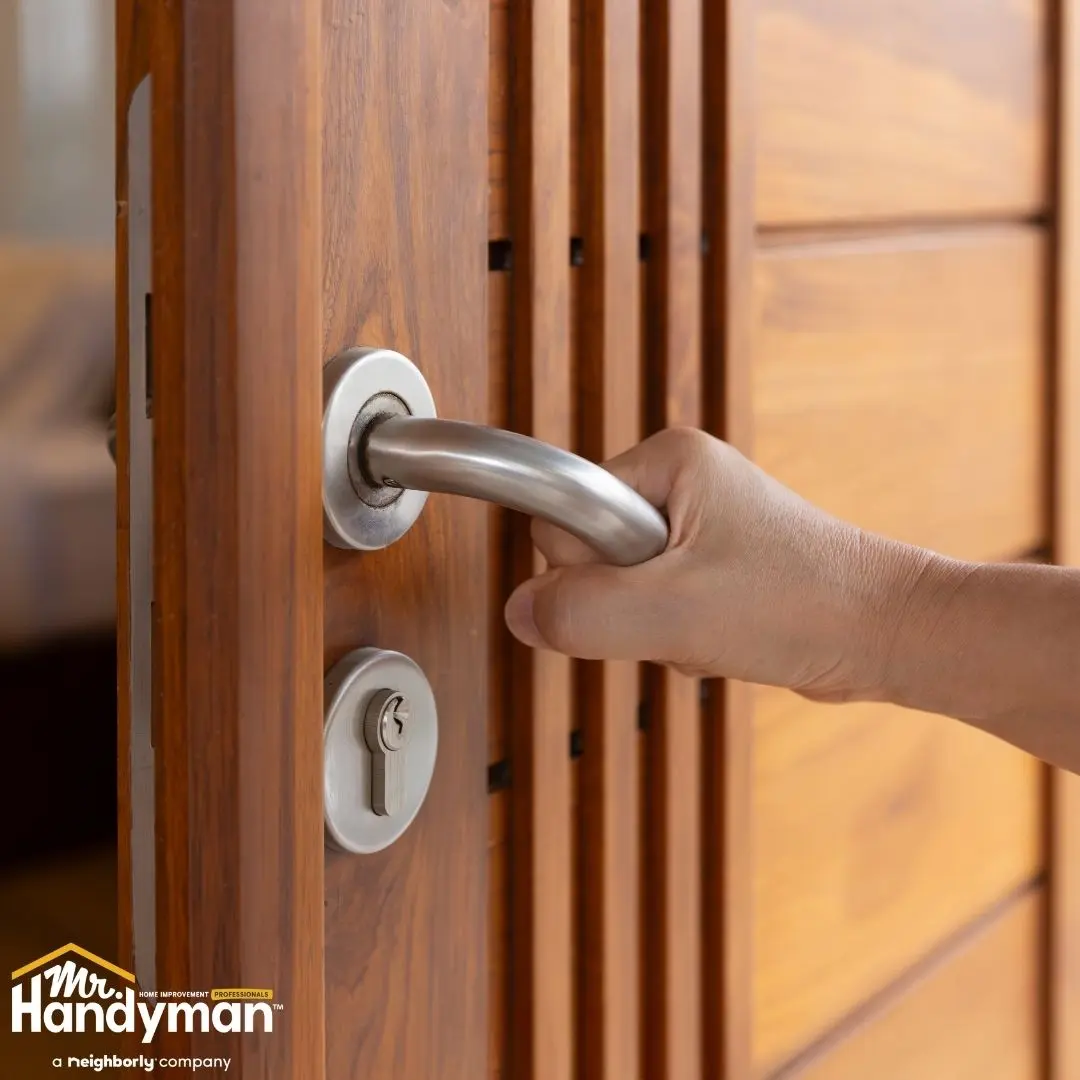
Cold temperatures cause materials to expand and contract, which can lead to doors that stick, scrape, or fail to latch properly. These issues often worsen in winter when indoor and outdoor temperature differences are greatest.
Repairing door alignment, tightening hinges, and adjusting hardware restores smooth operation and prevents further wear. Properly functioning doors also improve security and help maintain consistent indoor temperatures.
Ignoring these issues can lead to damaged frames or hardware failure later in the season.
Preventing Frozen and Leaking Pipes
Plumbing is one of the most vulnerable systems during winter. Frozen pipes can burst without warning, causing extensive water damage and costly repairs.
Winter plumbing repairs focus on insulating exposed pipes, sealing air leaks near plumbing lines, and repairing minor leaks before freezing temperatures worsen them. Bathrooms, kitchens, basements, and exterior walls are common risk areas.
Homes in places like Dexter and Pinckney often include older plumbing layouts that benefit from proactive winter repairs to reduce freeze risk.
Addressing Interior Moisture and Condensation Issues
Winter moisture problems often appear as condensation on windows, damp walls, or peeling paint. These issues indicate ventilation or insulation problems that should not be ignored.
Repairing bathroom exhaust fans, sealing gaps, and addressing insulation deficiencies helps control moisture levels. Proper moisture management protects drywall, trim, and flooring from long-term damage.
Left unaddressed, winter moisture issues can lead to mold growth and structural deterioration.
Repairing Flooring and Reducing Slip Hazards
Snow, ice, and salt tracked indoors take a toll on flooring during winter. Loose tiles, damaged transitions, and worn surfaces become safety hazards when moisture is present.
Winter home repairs in this area include securing flooring transitions, repairing damaged boards or tiles, and addressing uneven surfaces. Entryways and high-traffic areas should receive special attention.
These repairs improve safety and prevent further flooring damage during the busiest indoor season.
Maintaining Heating System Components
While full HVAC servicing is important year-round, winter often reveals smaller repair needs that affect comfort and efficiency. Loose vents, damaged registers, or poor airflow can create cold spots throughout the home.
Repairing or replacing damaged vents, sealing duct gaps, and addressing airflow obstructions improves heat distribution. These targeted repairs support better comfort without requiring major system changes.
Fixing Cracks in Drywall and Interior Trim
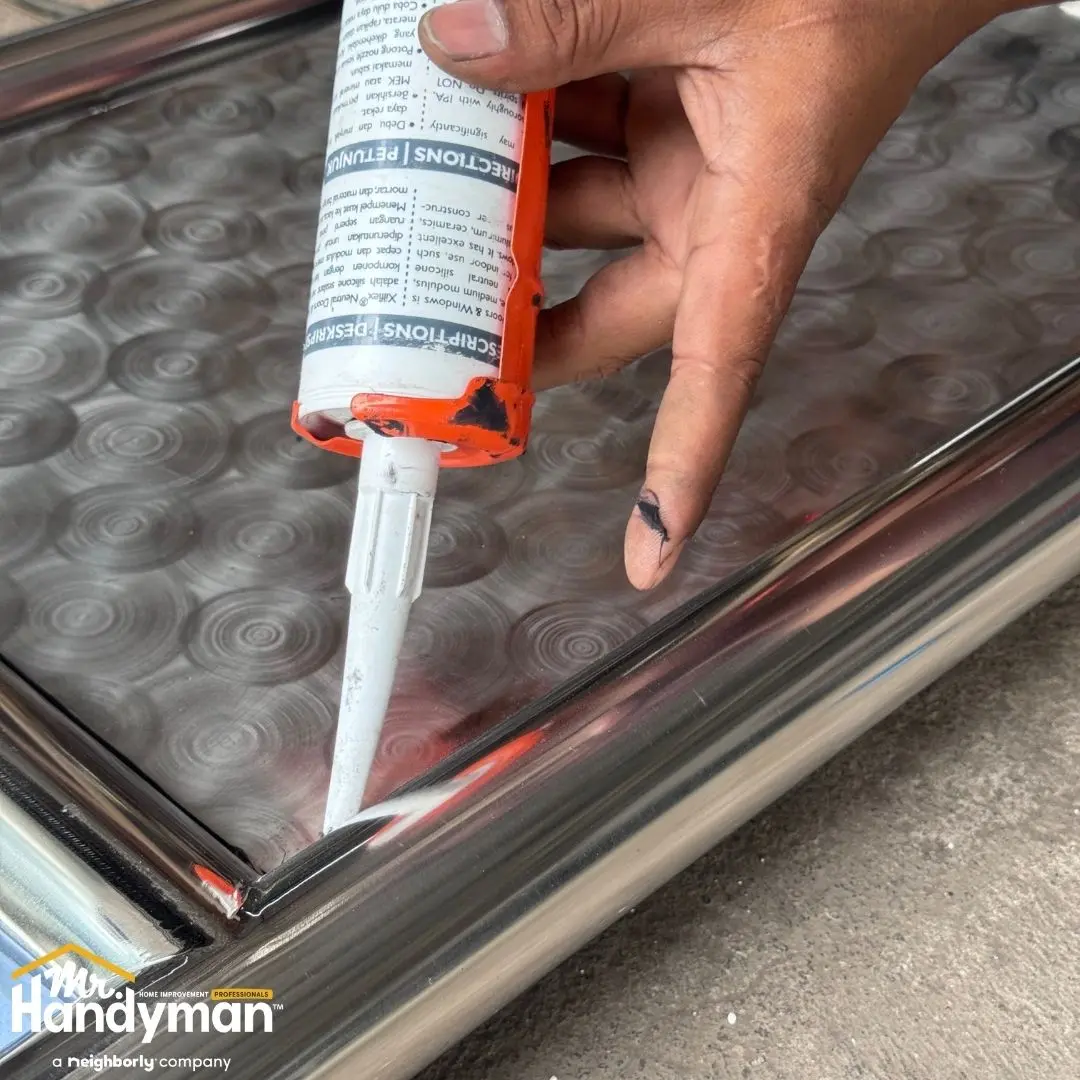
Dry indoor air during winter can cause drywall cracks and trim separation. These issues may seem cosmetic, but they can worsen over time if ignored.
Repairing cracks, securing loose trim, and touching up damaged areas helps maintain interior integrity and prevents further deterioration. Addressing these repairs early keeps small issues from spreading.
Why Tackling Winter Repairs Early Matters
Winter repairs are often more urgent because conditions can worsen problems quickly. A small draft can lead to frozen pipes. A minor leak can cause extensive water damage. Loose flooring can become a serious slip hazard.
By addressing the top winter home repairs every homeowner should tackle, homeowners reduce emergency repairs, protect property value, and improve daily comfort throughout the cold season.
Professional Support for Winter Home Repairs
Coordinating multiple winter repairs can be challenging, especially when issues appear all at once. Professional handyman services help homeowners address a wide range of repair needs efficiently.
My Handyman of Ann Arbor, Saline, and Chelsea provides dependable home repair and home maintenance services to help homeowners tackle essential winter repairs safely and correctly. Professional support ensures repairs are completed before winter conditions cause further damage.
Addressing these early priorities lays the foundation for a safer, more comfortable home during winter.
Preventative Winter Repairs That Protect Your Home From Costly Damage
Once immediate winter issues are addressed, the next layer of the top winter home repairs every homeowner should tackle focuses on prevention. Preventative winter repairs are designed to stop damage before it starts, reducing the risk of emergencies and preserving the home through the harshest months of the year. These repairs may not always feel urgent, but they play a critical role in protecting comfort, safety, and long-term home maintenance.
Winter conditions are unforgiving. Small weaknesses in a home’s structure or systems can escalate quickly when exposed to prolonged cold, moisture, and daily indoor use.
Sealing Air Leaks to Stabilize Indoor Conditions
Air leaks are one of the most damaging yet overlooked winter issues. Gaps around doors, windows, outlets, and attic access points allow cold air to enter and warm air to escape. This imbalance forces heating systems to work harder and creates uneven indoor temperatures.
Preventative winter repairs include sealing cracks, reinforcing weatherstripping, and addressing gaps where different building materials meet. These repairs improve energy efficiency while also reducing condensation that can damage walls and windows.
Homes in areas such as Brighton often benefit from air-sealing repairs due to temperature swings and older construction details that allow drafts to form over time.
Insulating Vulnerable Areas Before Freezing Conditions Worsen
Insulation problems are often revealed in winter through cold floors, chilly rooms, or uneven heating. Preventative repairs focus on reinforcing insulation in areas most vulnerable to heat loss.
Key areas include basements, crawl spaces, attics, and exterior walls where plumbing runs. Insulating these zones protects pipes from freezing and improves overall comfort.
Addressing insulation gaps early prevents frozen pipe emergencies and reduces heating strain throughout winter.
Checking and Repairing Exterior Penetrations
Exterior penetrations such as vents, hose bibs, and utility line entries are common weak points during winter. These openings allow cold air, moisture, and even pests to enter if not properly sealed.
Preventative winter repairs include inspecting caulking, replacing deteriorated seals, and securing loose vent covers. These small repairs protect interior systems and reduce moisture intrusion that can cause long-term damage.
Homes in places like Howell often experience wind-driven cold that makes these penetrations especially vulnerable during winter storms.
Reinforcing Stairways, Railings, and Safety Features
Winter increases fall risk inside the home due to moisture, bulky clothing, and reduced mobility. Loose railings, unstable steps, or worn treads become more dangerous during this season.
Preventative repairs include tightening handrails, securing stair components, and addressing worn or uneven surfaces. These repairs improve safety and reduce accident risk when winter conditions make movement more challenging.
Addressing these issues proactively supports household safety throughout the season.
Maintaining Bathroom and Kitchen Ventilation
Ventilation is essential during winter when windows stay closed and moisture builds up quickly. Poor ventilation leads to condensation, peeling paint, and mold growth.
Preventative winter repairs include repairing or replacing bathroom exhaust fans, sealing duct connections, and ensuring vents discharge properly outside. Kitchens also benefit from ventilation checks, especially during heavy winter cooking.
Proper ventilation protects interior finishes and supports healthier indoor air quality.
Inspecting and Securing Attic Access and Hatches
Attic access points are often overlooked but play a major role in winter heat loss. Poorly sealed attic hatches allow warm air to escape and cold air to settle into living spaces.
Preventative repairs focus on sealing gaps, adding insulation around access points, and ensuring covers fit securely. These improvements reduce drafts and improve heating efficiency.
Homes in communities such as Ypsilanti often include older attic access designs that benefit significantly from these updates.
Preventing Moisture Damage in Entryways
Entryways absorb the brunt of winter moisture from snow, ice, and salt. Without preventative repairs, water can seep into flooring, trim, and subflooring.
Preventative measures include repairing damaged thresholds, sealing trim gaps, and reinforcing flooring transitions. These repairs reduce slip hazards and protect materials from long-term water damage.
Addressing entryway wear early prevents the need for larger repairs later.
Checking Interior Caulking and Seams
Caulking around tubs, sinks, windows, and trim often shrinks or cracks during winter due to dry air. These gaps allow moisture infiltration and air leakage.
Replacing deteriorated caulk is a simple but effective preventative repair that protects walls, flooring, and cabinetry. It also improves appearance and cleanliness during heavy indoor use.
Why Preventative Winter Repairs Save Money
Preventative winter repairs cost significantly less than emergency fixes. A small sealing repair can prevent frozen pipes. Reinforcing insulation can reduce heating costs. Securing safety features can prevent injuries.
These repairs also extend the lifespan of materials and systems, reducing overall home maintenance expenses.
Professional Support for Preventative Winter Repairs
Identifying and completing preventative winter repairs requires experience and attention to detail. Professional handyman services help homeowners address multiple issues efficiently and correctly.
My Handyman of Ann Arbor, Saline, and Chelsea provides reliable home repair and home maintenance services to help homeowners complete preventative winter repairs that protect their homes throughout the season. Professional support ensures that small issues are resolved before winter conditions turn them into costly problems.
Focusing on prevention strengthens the value of the top winter home repairs every homeowner should tackle. With proactive attention, homes remain safer, warmer, and more resilient through the coldest months of the year.
Long-Term Winter Maintenance Habits That Protect Your Home Year After Year
Addressing the top winter home repairs every homeowner should tackle is most effective when paired with long-term maintenance habits that extend beyond a single season. Winter exposes recurring patterns in how a home performs under stress, and using those insights helps homeowners plan smarter repairs, reduce emergencies, and protect their property over time.
Rather than treating winter repairs as isolated tasks, building consistent habits ensures homes remain resilient through every cold season.
Using Winter as a Diagnostic Season
Winter provides valuable information about a home’s weak points. Cold rooms, persistent drafts, moisture buildup, and uneven heating patterns highlight areas that need attention.
Homeowners can use these observations to create a prioritized repair list for both immediate and future improvements. Documenting problem areas during winter helps ensure they are addressed when conditions are most favorable for repair.
This diagnostic approach turns winter challenges into actionable insights rather than recurring frustrations.
Scheduling Repairs Strategically Throughout the Year
Not all winter repair needs must be completed during the coldest months. Some repairs are best planned for warmer seasons once winter reveals where problems exist.
For example:
- Draft issues may lead to spring window or insulation upgrades
- Moisture problems may prompt ventilation improvements
- Flooring wear may be scheduled for off-peak seasons
Planning repairs strategically helps spread costs and minimizes disruption while still addressing root causes.
Establishing Seasonal Maintenance Checkpoints
Creating seasonal maintenance checkpoints reduces the likelihood of emergency repairs. Winter maintenance should be part of a year-round routine rather than a reactive response.
Effective checkpoints include:
- Pre-winter inspections to prepare the home
- Mid-winter check-ins to monitor stress points
- Post-winter assessments to address damage
These checkpoints help catch issues early and keep maintenance manageable.
Maintaining Heating Efficiency Long-Term
Heating efficiency is not just a winter concern. Repairs made during winter often reveal opportunities for long-term improvements.
Sealing air leaks, improving insulation, and repairing duct issues contribute to year-round energy efficiency. These improvements reduce utility costs and support consistent indoor comfort beyond winter.
Maintaining heating efficiency protects both comfort and budgets over time.
Preventing Repeat Moisture and Condensation Issues
Moisture problems that appear in winter often recur if underlying causes are not addressed. Long-term solutions focus on ventilation, insulation, and sealing improvements rather than repeated cosmetic repairs.
Addressing these root causes prevents mold growth, material deterioration, and recurring damage to walls and finishes.
Homes in areas such as Manchester often benefit from moisture-focused maintenance due to extended cold seasons and fluctuating humidity.
Updating Safety Features Based on Winter Use
Winter increases reliance on handrails, stairways, and entryways. Safety issues identified during winter should inform permanent upgrades.
Reinforcing railings, improving lighting, and upgrading slip-resistant surfaces reduces risk year-round. These improvements support aging in place and overall household safety.
Tracking Repairs to Guide Future Decisions
Keeping a simple record of winter repairs helps homeowners identify patterns and recurring problem areas. Tracking repairs supports better decision-making by revealing when ongoing fixes may no longer be cost-effective.
This information helps determine when upgrades or replacements provide better long-term value.
Why Professional Support Strengthens Long-Term Maintenance
Long-term winter maintenance requires consistency and expertise. Professional handyman services help homeowners move beyond temporary fixes and address root causes effectively.
Experienced professionals can recommend durable solutions, perform thorough repairs, and help plan upgrades that reduce future maintenance demands.
My Handyman of Ann Arbor, Saline, and Chelsea provides dependable home repair and home maintenance services to help homeowners develop sustainable winter maintenance strategies. Professional support ensures repairs protect homes not just for one winter, but for many seasons to come.
Turning Winter Repairs Into Lasting Home Protection
Winter challenges every home, but it also offers an opportunity to strengthen it. By addressing immediate repairs, focusing on prevention, and building long-term maintenance habits, homeowners protect comfort, safety, and property value.
Understanding the top winter home repairs every homeowner should tackle empowers homeowners to take control of winter conditions rather than react to them. With thoughtful planning and professional support, winter becomes a season of protection and preparation rather than stress.
Stay ahead of winter wear and tear. Schedule home repairs online.
