For many homeowners in Pinellas County, the bathroom is the room that makes or breaks the decision to stay in their home long-term. It's also the most hazardous room in the house for older adults. Aging in place home modifications are one of the most practical investments a homeowner can make, and the bathroom is almost always the right place to start. At Mr. Handyman serving Palm Harbor, Clearwater, and Largo, our team specializes in safety and accessibility upgrades that help homeowners stay comfortable and independent without the disruption of a full remodel. Here's what this guide covers:
- Why the bathroom is the highest-priority room for aging in place upgrades
- The modifications that make the biggest safety impact
- How to assess your bathroom's current accessibility
- What a professional installation looks like versus DIY
- How to plan your modifications in the right order
Why the Bathroom Comes First
When families and older homeowners start thinking about what needs to change for long-term independent living, it's easy to focus on big-picture concerns like stairlifts or doorway widths. Those matter, but the bathroom is where the greatest fall risk lives, and it's where targeted modifications pay off the fastest.
According to the CDC, one in four adults aged 65 and older reports falling each year, and the bathroom accounts for a disproportionate share of those incidents. Wet, slippery surfaces, awkward transitions in and out of tubs and showers, and the physical demands of lowering and raising the body from a toilet all combine to make this one room a significant hazard. In Clearwater and the broader Pinellas County area, where a large percentage of the population is retirement age or older, bathroom safety isn't a niche concern — it's a community-wide priority.
The good news is that you don't need a full gut renovation to make meaningful improvements. A handful of well-chosen, professionally installed modifications can dramatically reduce fall risk, improve daily comfort, and extend the years a homeowner can live safely in the home they love.
5 Most Impactful Bathroom Modifications for Aging in Place
Not all upgrades carry equal weight. Some changes are cosmetic, while others directly address the physical realities of limited mobility, balance challenges, and changes in strength that come with aging. The modifications below consistently make a big difference in terms of safety and usability, and most can be completed with minimal effort to your daily routine during installation.
1. Grab Bar Installation
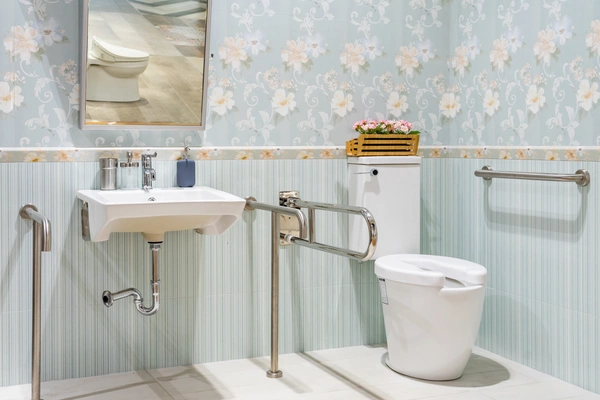
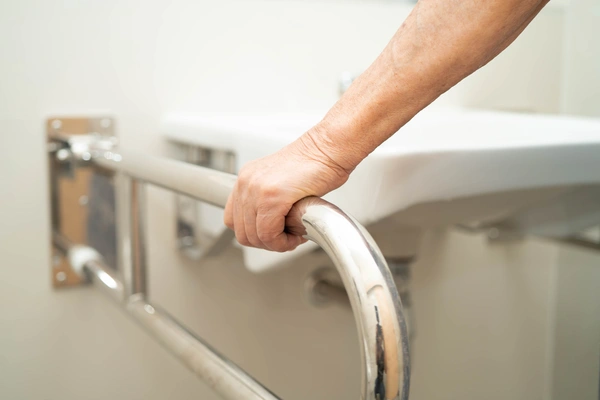
Grab bars are the single most effective bathroom safety upgrade available, and they're frequently underestimated because they seem simple. Done right, they're anything but. Placement matters enormously. A bar installed in the wrong location, at the wrong height, or anchored into drywall rather than into studs or blocking can create a false sense of security that's more dangerous than no bar at all.
- Toilet area: Bars positioned for sit-to-stand support make one of the most physically demanding bathroom tasks far safer, especially for family members with reduced lower body strength.
- Shower or tub enclosure: Interior bars provide a stable grip point during bathing, which is when fall risk peaks due to wet surfaces and closed-eye moments.
- Shower entry: A bar at the threshold gives a secure handhold for stepping in and out, eliminating one of the most common injury points in the bathroom.
- ADA sizing and weight ratings: All bars should meet ADA-compliant specifications and be rated for the appropriate load, not just selected for looks.
2. Walk-In Shower Conversion
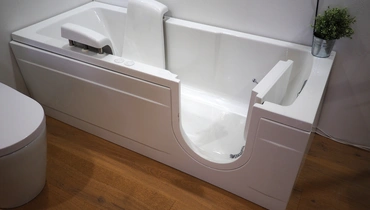
Converting a standard tub-shower combination to a walk-in shower with a low or zero-threshold entry is one of the most significant functional changes a homeowner can make. Stepping over a tub wall is one of the leading causes of bathroom falls for older adults, and eliminating that barrier removes the risk entirely.
- Fold-down bench: Allows seated bathing, which reduces the physical demands of showering and supports healthy aging by making the daily routine sustainable long-term.
- Handheld showerhead: Lets the user direct water while staying stationary, dramatically reducing the need to shift weight or move under the stream.
- Non-slip tile or flooring: Compounds the safety benefit of the conversion by addressing the surface hazard that remains even in a threshold-free shower.
- Quality of life impact: For homeowners in Palm Harbor and Largo with deep soaking tubs they rarely use, this modification often improves daily comfort just as much as it improves safety.
3. Comfort Height Toilet or Raised Toilet Seat
Standard toilets sit at 15 inches from the floor, which requires significant leg and core strength to lower into and rise from safely. Comfort height toilets, which measure 17 to 19 inches, substantially reduce the physical effort involved and reduce the risk of losing balance during the transition.
- Full toilet replacement: Delivers the most seamless result and requires no add-on hardware, making it the preferred option when the existing toilet is already due for replacement.
- Raised toilet seat: Provides similar height benefit at a lower upfront cost and can be installed quickly without any plumbing work, making it a practical option for family members who need a fast solution.
- Toilet safety frame: Adds armrests on both sides for sit-to-stand support and can be used independently or in combination with a wall-mounted grab bar.
4. Non-Slip Flooring and Surface Treatments
Wet tile is one of the most hazardous surfaces in any home, and most older bathrooms in the Palm Harbor, Clearwater, and Largo area feature smooth ceramic or porcelain tile that offers little grip when wet. Options range from non-slip surface treatments applied to existing tile, to replacement with slip-resistant tile or luxury vinyl plank that carries a higher friction rating for wet areas.
- Non-slip surface treatment: Applied directly to existing tile, this is the least disruptive option and can make a big difference in traction without any demo work.
- Slip-resistant tile replacement: The most durable long-term solution, particularly in showers and around tub areas where moisture is constant.
- Luxury vinyl plank: A popular option for the main bathroom floor that offers cushioning underfoot, warmth, and significantly better wet-surface grip than ceramic.
- Bath mat caution: Suction-backed mats provide some benefit but can shift, bunch, or curl at the edges, creating their own trip hazard for those with limited mobility.
5. Handheld Showerhead and Adjustable Bar
A fixed showerhead requires a person to move under the water stream, which increases movement and balance demands during one of the most physically risky parts of the bathing routine. A handheld showerhead on a sliding bar lets the user direct water where needed while remaining stationary, seated on a bench, or in a position of greater stability.
- Smart lighting integration: Pairing this upgrade with motion-activated smart lighting in the shower area ensures the space is always well lit when it's in use, removing another common fall risk.
- Seated shower compatibility: Works naturally with a fold-down bench or shower chair, making it the ideal companion modification for homeowners who prefer or need a seated bathing option.
- Adjustable bar height: Accommodates different users and positions, so the same fixture works whether someone is standing, seated, or assisting a family member.
- Low upfront cost, high impact: This is one of the most affordable modifications available and one of the most frequently recommended starting points for healthy aging in place.
Assessing Your Current Bathroom
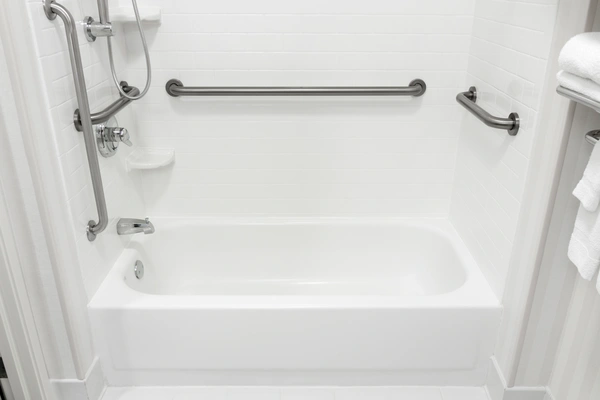
Before deciding which modifications to prioritize, it helps to walk through your bathroom with fresh eyes — or to have a professional assess it — looking for the specific friction points that create risk. Pull out shelves inside vanity cabinets, a smart thermostat for consistent temperature control during bathing, and smart lighting at entries are all worth factoring into a full accessibility review alongside the more obvious structural upgrades. Here's a quick reference for what to evaluate:
| Area | What to Look For | Common Modification |
|---|---|---|
| Shower or tub entry | Step height, threshold width, grab surface availability | Walk-in conversion, grab bars, threshold ramp |
| Shower interior | Slip resistance, seating availability, showerhead type | Non-slip surface, fold-down bench, handheld showerhead |
| Toilet | Seat height, stability support nearby | Comfort-height toilet, grab bar, safety frame |
| Floor | Slip resistance when wet, rug stability | Non-slip treatment, flooring replacement |
| Lighting | Visibility at night, switches at entry | Motion-activated lighting, illuminated switches |
| Doorway | Width for walker or wheelchair clearance | Door widening, offset hinges to gain clearance |
A professional assessment from Mr. Handyman can help identify which of these apply to your specific bathroom layout and prioritize modifications based on your needs and budget.
Frequently Asked Questions About Aging in Place Bathroom Modifications
Homeowners in Palm Harbor, Clearwater, Largo, and across Pinellas County often come to us with similar questions as they start planning bathroom modifications. Here are the ones we hear most often.
Do I Need a Full Bathroom Remodel to Make It Accessible?
No. Many of the most impactful aging in place modifications can be completed without touching plumbing, relocating fixtures, or gutting the space. Grab bar installation, toilet seat upgrades, handheld showerheads, and non-slip surface treatments are all add-on services that work with your existing bathroom. A full walk-in shower conversion does involve more significant work, but it's still far less disruptive and expensive than a full remodel.
How Do I Know If a Grab Bar Is Installed Correctly?
A properly installed grab bar should be anchored into wall studs or into backing board specifically added to support it, not just into drywall. It should hold a minimum of 250 pounds of force per ADA guidelines and should not flex, shift, or creak when weight is applied. If you have existing grab bars that move when you pull on them, they should be removed and reinstalled correctly — a loose grab bar is a serious hazard.
What Is the Typical Cost Range for These Modifications?
Costs vary widely depending on the modification. Grab bar installation typically runs from a few hundred dollars for a straightforward single-bar install into existing studs, to more for a full toilet and shower bar system requiring blocking. A walk-in shower conversion is a larger investment, generally ranging from a few thousand dollars upward depending on size, tile selection, and fixtures. We provide upfront pricing after an on-site assessment so there are no surprises.
Can These Modifications Be Done While I'm Living in the Home?
Yes, and most are completed in a single visit. Grab bars, toilet upgrades, and showerhead replacements involve minimal disruption and are typically done in a matter of hours. A shower conversion takes longer but is generally completed within a day or two, with the bathroom out of service only during active work.
Let Mr. Handyman Help You Stay in the Home You Love
Making your bathroom safer doesn't have to mean uprooting your life or starting over with a full renovation. The right modifications, installed correctly, can give you and your family confidence that your home will support you for years to come. We're proud to serve home and business owners in Palm Harbor, FL, and nearby communities including Clearwater, Largo, Dunedin, Tarpon Springs, Safety Harbor, and beyond with aging in place modifications, bathroom upgrades, grab bar installation, and more.
Every job is backed by the Neighborly Done Right Promise, and our technicians arrive on time, in uniform, and with upfront pricing before any work begins. Whether you're planning ahead or responding to a change in mobility for yourself or a loved one, our team is ready to help.
Schedule your accessibility assessment today and take the first step toward a safer, more comfortable home.