
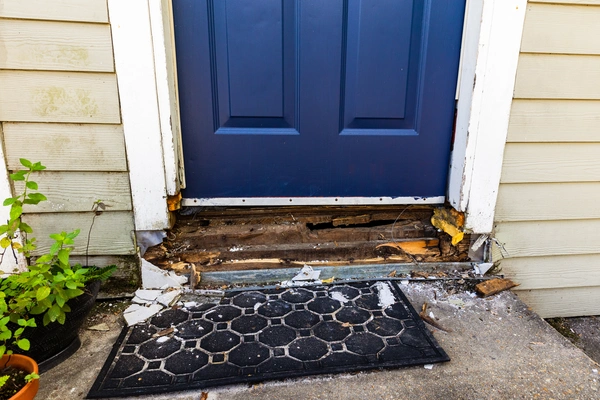
If you own a home in Pinellas County, exterior wood rot repair is one of the most important services you should know about before damage quietly spreads through your home's structure. Florida's relentless heat, salt air, and near-constant humidity create the perfect conditions for decay fungi to take hold, and once they do, the damage spreads quickly. Our team at Mr. Handyman serving Palm Harbor, Clearwater, and Largo handles wood rot repairs of all sizes, from a single rotted window frame to widespread exterior decay. Understanding why your home is at risk, what to look for, and how to respond can save you thousands of dollars in structural repairs down the line. Here's what this guide covers:
- Why Florida's climate makes wood rot especially aggressive in Pinellas County
- The most vulnerable areas of your home's exterior
- How to tell the difference between wet rot and dry rot
- What the repair process actually looks like
- How to protect your home from future decay
Why Florida's Climate Is a Wood Rot Nightmare
Most homeowners think of wood rot as something that happens to neglected properties. The truth is, in a place like Clearwater, even well-maintained homes can develop decay on exterior surfaces within just a few years without the right preventive care. The combination of factors at play here is genuinely unique to coastal Florida.
Florida is the most humid state in the country. According to the Florida Climate Center at Florida State University, summer dew point temperatures across the state consistently run in the high 60s to low 70s, with coastal areas experiencing even higher moisture levels due to warm water from the Gulf. That sustained moisture in the air doesn't just make summers uncomfortable; it keeps exterior wood surfaces from ever fully drying out between rain events.
Wood decay fungi need a moisture content of roughly 28% or higher to establish and thrive. In a climate where outdoor humidity regularly climbs above 80% overnight and rainfall averages over 50 inches annually, exterior wood in Palm Harbor and surrounding communities can stay in that danger zone for months at a stretch. Add salt air corrosion to the mix, which weakens wood fibers and accelerates moisture absorption, and you have a recipe for rapid, widespread decay.
The Most Vulnerable Areas of Your Home's Exterior
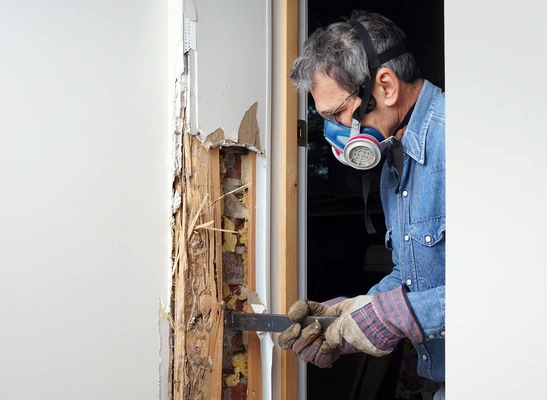
Not all wood on your home is equally at risk. Some areas are exposed to far more moisture, poor drainage, or reduced airflow than others. Knowing where to look is half the battle.
Florida's combination of heavy rain, high humidity, and intense UV exposure creates concentrated stress points on exterior structures. Areas where water collects, where two surfaces meet, or where paint and sealant have cracked even slightly are almost always the first to show signs of decay. Our team at Mr. Handyman serving Palm Harbor, Clearwater, and Largo regularly finds wood rot damage in predictable locations that homeowners often overlook until it's advanced.
1. Fascia and Soffit Boards
These run along your roofline and are constantly exposed to heat, rain runoff, and trapped moisture from the attic. Because they're overhead and easy to ignore during routine walkarounds, fascia and soffit damage can go unnoticed for years while decay quietly works its way into the underlying structure.
2. Window and Door Frames
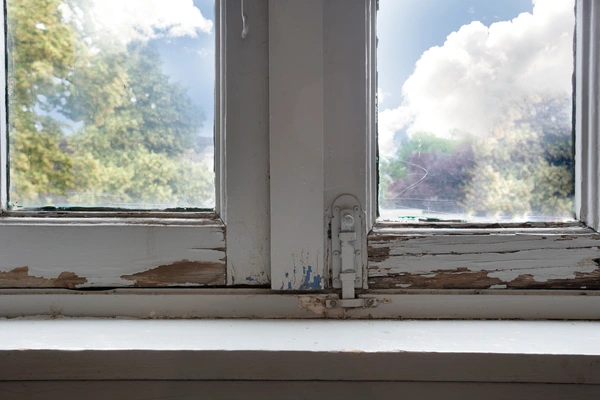
Gaps in caulking allow water to seep in behind the frame, where it sits against raw wood and accelerates decay quickly. Window sills are especially prone to this, as they angle outward to shed rain but collect debris and standing water in the corners over time. Peeling paint on frames and sills is often the first visible warning sign that moisture has already started working its way into the wood beneath.
3. Deck and Porch Framing
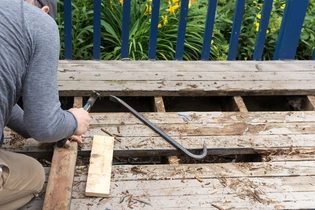
Horizontal surfaces trap standing water, and joints between boards or posts are especially prone to decay from the inside out. The framing beneath your deck surface is often the first place rot takes hold, and compromised wood in these structural members can create safety risks well before it's visible from above. Catching it early prevents further damage to the posts, ledger board, and any attached structures.
4. Exterior Siding
The base of exterior walls near ground level takes repeated splash-back from rain, keeping that section of siding consistently damp. Without adequate clearance between the siding and the soil or mulch below, moisture has a direct and constant path into the wood.
5. Fence Posts and Rails
Direct ground contact and constant moisture exposure make fence wood among the fastest to rot in the Palm Harbor and Clearwater areas. Posts set directly in soil are especially vulnerable, and rot at the base of a post can compromise the entire fence line before it's even visible above ground.
Wet Rot vs. Dry Rot: Knowing the Difference
Many homeowners are surprised to learn there are two distinct types of wood rot, and they behave quite differently. Identifying which one you're dealing with matters because the repair approach and the urgency can vary.
Both wet rot and dry rot are caused by fungi, but they thrive under slightly different conditions and leave different signatures on the wood they attack.
Wet Rot
Wet rot is the more common of the two in Florida's environment, and it tends to stay localized to the areas of highest moisture exposure. Here's what to look for:
- Soft, spongy texture: Affected wood compresses easily when pressed with a finger or screwdriver.
- Dark discoloration: The wood often appears darker than the surrounding area, sometimes nearly black.
- Visible cracking: You may notice longitudinal cracking along the wood grain.
- Musty smell: Wet rot often produces a damp, earthy odor, particularly noticeable in enclosed spaces like soffits or underneath decking.
Dry Rot
Dry rot is more deceptive and, in many ways, more dangerous. It can travel through masonry and spread to wood that isn't even directly wet, which means it can move well beyond the initial damage site before it's detected.
- Brittle, crumbly texture: Dry rot leaves wood feeling almost like it could be crushed in your hand.
- Gray or white fungal growth: A cotton-like mycelium or powdery spore dust is often visible on the surface.
- Cubical cracking pattern: The wood breaks into small, cube-like sections rather than splitting along the grain.
- Spread beyond the moisture source: Unlike wet rot, dry rot can appear on wood that seems relatively dry to the touch.
What Exterior Wood Rot Repair Actually Involves
A lot of homeowners assume wood rot repair just means slapping some wood filler on the damaged area and painting over it. Done right, it's a more thorough process, and cutting corners will only lead to the same problem returning faster.
Here's a general look at how a proper repair is handled:
| Repair Stage | What Happens |
|---|---|
| Inspection | The full extent of damage is assessed, including hidden areas behind siding or trim |
| Moisture source identification | The cause of the moisture intrusion is located and addressed before repairs begin |
| Removal of decayed wood | All rotted material is cut back to solid, sound wood |
| Epoxy consolidation or fill | For minor to moderate damage, wood hardener and wood filler restore structural integrity |
| Board replacement | Severely compromised wood is replaced with new, treated lumber to fully restore structural integrity |
| Sealing and priming | All repaired and replacement surfaces are sealed, primed, and painted to block future moisture |
| Preventive caulking | Gaps around frames, joints, and trim are recaulked to eliminate entry points |
One of the most important steps is identifying and fixing the moisture source before any repair work begins. Repairing rotted wood without addressing the underlying water intrusion is like mopping the floor without turning off the leaking pipe.
Frequently Asked Questions About Exterior Wood Rot Repair
Florida homeowners searching for answers about wood rot often have similar questions. Here are a few of the most common ones we hear from homeowners throughout Palm Harbor, Clearwater, Largo, and the surrounding Pinellas County area.
Can I Paint Over Wood Rot to Stop It from Spreading?
No. Painting over rotted wood traps moisture inside and actually accelerates the decay. Paint can mask the problem visually, but the fungi continue to break down the wood beneath the surface. The only way to stop rot is to remove the decayed material, address the moisture source, and then apply proper sealant and primer before painting.
How Do I Know If Wood Rot Is Structural or Just Cosmetic?
The location and depth of the damage determine structural impact. Surface-level rot on trim boards is generally cosmetic and easier to address. Rot in load-bearing elements like posts, beams, joists, or framing is a structural concern that needs professional attention promptly. When in doubt, have it assessed. A probe test with a screwdriver into the damaged area is a quick way to gauge depth, but a professional inspection gives you the full picture.
How Long Does Exterior Wood Rot Repair Take?
Most standard exterior rot repairs, such as a window frame, a section of fascia, or a few fence boards, can be completed in a single visit. Larger projects involving deck framing, multiple sections of siding, or extensive soffit damage may require additional time. Your technician can give you a timeline after the initial assessment.
Will My Repaired Wood Rot Again?
It can, if the moisture source isn't corrected. Properly repaired wood, sealed with a quality primer and topcoat and treated with wood hardener where appropriate, can last many years. The key is eliminating the conditions that allowed rot to develop in the first place, whether that's improving drainage, recaulking joints, improving ventilation, or replacing damaged gutters that were directing water toward your siding.
Trust Mr. Handyman Serving Palm Harbor, Clearwater & Largo
Wood rot doesn't wait, and in Florida's climate, a small soft spot in a fascia board can become a full framing repair in less time than you'd think. The team at Mr. Handyman serving Palm Harbor, Clearwater, and Largo brings licensed, experienced craftsmanship to every wood rot repair, from the initial assessment through the final coat of sealant. We're proud to serve homeowners and business owners in Clearwater, FL, and nearby communities including Palm Harbor, Largo, Dunedin, Tarpon Springs, and beyond with wood rot repair, siding repair, deck restoration, and more.
Every job is backed by the Neighborly Done Right Promise, and we provide upfront pricing before any work begins so there are no surprises. Whether you're dealing with a single rotted window frame or suspect damage has spread across your home's exterior, we're ready to take a look and get it handled right.
Schedule your wood rot inspection today and stop the damage before it spreads.
