
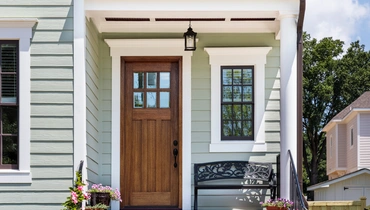
Your front door is one of the hardest-working parts of your home, and one of the most overlooked. It faces Florida's intense UV exposure, salt air, humidity, and storm season year after year while quietly affecting your home's energy efficiency, security, and curb appeal every single day. Front door replacement is one of the smartest investments a homeowner can make, both for daily livability and long-term value. At Mr. Handyman serving Palm Harbor, Clearwater, and Largo, our team handles door installation and replacement for all door types, including single-unit replacements that most competitors won't take on. Here's what this guide covers:
- The signs that tell you it's time to replace rather than repair
- How Florida's climate affects different door materials
- The most popular door material options and how they compare
- What to look for in hardware, glazing, and energy efficiency
- What the replacement process looks like from start to finish
Signs It's Time to Replace Your Front Door
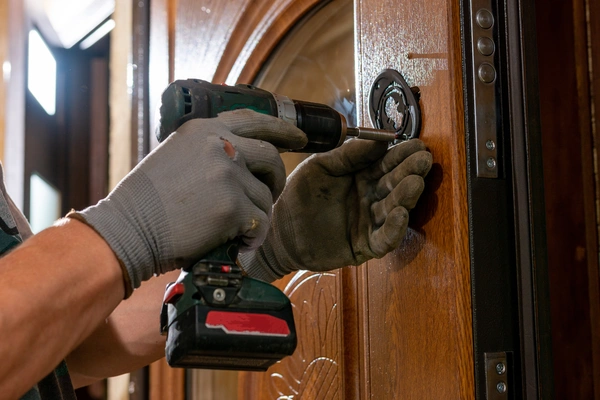
Knowing when repair is no longer enough is the first step. Many homeowners in the Palm Harbor, Clearwater, and Largo area wait longer than they should because the signs of a failing door are gradual. By the time the issue is obvious, it's usually been quietly costing them in energy bills, security, or comfort for months or years.
Here are the clearest indicators that replacement is the right call:
- Visible warping or bowing: A warped door frame or door slab that no longer sits flush in the frame creates air gaps, allows moisture intrusion, and compromises the lock alignment. In Florida's heat and humidity, wood doors are especially prone to this over time.
- Drafts or light around the edges: If you can feel air movement or see daylight around the door frame with it closed, the seal has failed and your air conditioning is working overtime to compensate.
- Difficulty latching or locking: A door that has shifted in its frame makes the deadbolt and latch harder to engage, which is both a security concern and a sign of structural movement that weatherstripping alone won't fix.
- Soft spots, rot, or surface deterioration: Wood doors and frames exposed to Florida's rainfall and humidity can develop rot around the base, corners, and any areas where the finish has cracked or peeled. Once the wood is compromised, a surface repair is a temporary fix at best.
- Outdated energy performance: Older doors, especially single-pane glass units or hollow-core styles, offer little insulation value in a climate where air conditioning runs nearly year-round. A properly insulated replacement door can make a noticeable difference in monthly utility costs.
- Storm damage: Impact from debris, wind pressure, or water intrusion during a storm can compromise the door's structural integrity in ways that aren't always visible from the surface.
How Florida's Climate Affects Your Door Choice
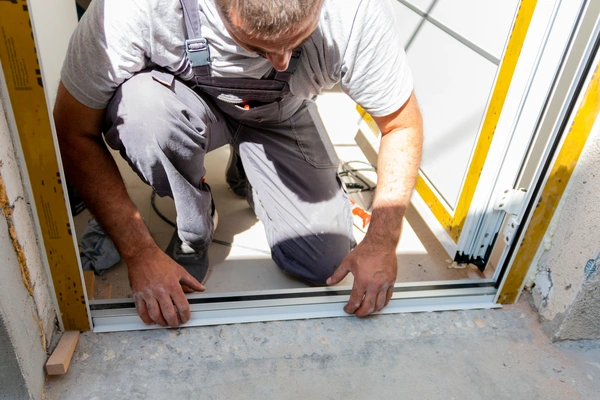
Not every door performs equally well in Pinellas County's environment. The combination of salt air, high humidity, intense UV exposure, and the occasional hurricane-force wind event creates demanding conditions that eliminate some materials as practical long-term options and make others a clear fit.
Wood doors are beautiful and classic, but in a coastal Florida environment, they demand consistent maintenance. Without regular sealing, painting, and inspection, wood absorbs moisture, swells, warps, and eventually rots. For homeowners who love the look and are committed to upkeep, it can work, but it's the highest-maintenance option by a significant margin.
Fiberglass and steel doors are far better suited to Florida conditions. They don't absorb moisture, resist warping and rot, and hold up well against UV exposure with proper finishing. Steel offers superior dent resistance and security, while fiberglass can be textured to closely mimic the look of wood grain without the maintenance demands. For homes in direct coastal proximity like many in Clearwater and Palm Harbor, fiberglass and steel are the materials most professionals recommend for their longevity and low upkeep.
4 Front Door Material Options Compared
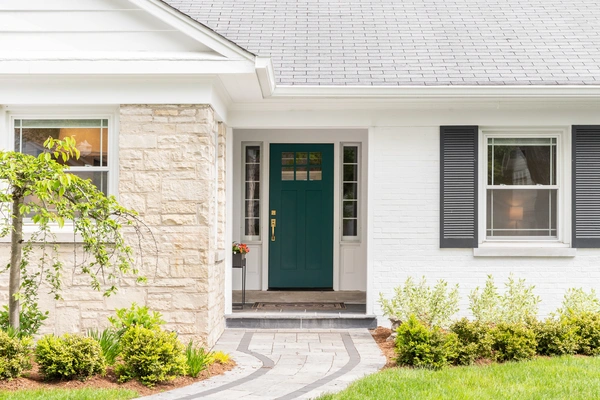
Choosing the right material is one of the most important decisions in the replacement process. Here's how the four main options stack up for Florida homeowners:
1. Steel Entry Doors
Steel is the top-performing front door material for durability, security, and return on investment. According to the 2025 Remodeling Impact Report from NAR and NARI, a new steel front door has an estimated 100% cost recovery at resale, making it one of the highest-returning home improvements available.
- Security: Steel is significantly harder to breach than wood or fiberglass, and most steel entry doors come pre-hung with reinforced frames that resist kick-in attempts.
- Energy efficiency: Quality steel doors feature a polyurethane foam core that provides strong insulation value, helping to keep conditioned air inside a home in Clearwater's year-round heat.
- Low maintenance: Steel doors don't warp, swell, or rot, and with periodic repainting they maintain their appearance for decades.
- Dent susceptibility: Steel can dent from significant impact, though modern steel doors are considerably more impact-resistant than older models.
2. Fiberglass Entry Doors
Fiberglass is the most versatile option and a strong fit for Florida's coastal environment. It resists moisture, rot, and UV degradation without the maintenance demands of wood.
- Wood-look aesthetics: High-quality fiberglass doors are molded and stained to closely replicate the grain and texture of wood, making them the preferred choice for homeowners who want the traditional look without the upkeep.
- Dimensional stability: Fiberglass doesn't expand and contract with humidity the way wood does, which means it holds its fit in the frame year-round in Florida's climate swings.
- Energy performance: Like steel, quality fiberglass doors use foam-core insulation and are available with Energy Star ratings that matter in a high-cooling-demand area like Pinellas County.
- Higher upfront cost: Fiberglass typically costs more than steel, but the trade-off in aesthetics and corrosion resistance often justifies it for coastal homes.
3. Wood Entry Doors
Wood delivers unmatched warmth and character, and for the right homeowner with the right commitment to maintenance, it can last decades in Florida.
- Aesthetic appeal: Nothing replicates the look and feel of real wood, and it remains the premium choice for high-end custom homes where appearance is a priority.
- Maintenance demands: In Palm Harbor and Clearwater's climate, a wood door needs to be inspected, sealed, and repainted or restained regularly to prevent moisture damage and rot.
- Repair flexibility: Unlike steel or fiberglass, wood can be sanded, patched, and refinished on-site if minor damage occurs, extending its lifespan with targeted maintenance.
- Not ideal for direct coastal exposure: Homes with doors that face prevailing winds off the Gulf are particularly hard on wood, and the maintenance cycle accelerates in those conditions.
4. Impact-Rated Doors
For homes in Pinellas County, an impact-rated door is worth serious consideration regardless of material. Florida's storm exposure is significant, and an impact-rated door offers protection during high-wind events that standard doors simply can't match.
- Hurricane resistance: Impact-rated doors are tested to withstand high-speed wind and debris impact, providing structural protection that matters in a named-storm zone.
- Insurance considerations: Some Florida homeowners insurance policies offer premium reductions for verified impact-rated exterior doors and windows. It's worth confirming with your insurer.
- Noise reduction: Impact glazing and reinforced construction also provide meaningful sound dampening, a secondary benefit that many homeowners appreciate after installation.
- Combined with storm door: For homes where a full impact-rated replacement isn't in the budget, pairing a quality exterior door with a storm door provides an additional layer of weather protection.
What to Look for Beyond the Door Slab
The door itself is only part of the equation. A replacement that doesn't address the full entry system can leave gaps in performance that undermine the investment.
| Component | What Matters | Why It Counts |
| Frame and jamb | Solid wood or composite, properly flashed | A weak frame compromises security and weatherproofing regardless of door quality |
| Weatherstripping | Continuous compression seal around all four sides | Even a high-quality door leaks air without a complete seal |
| Threshold | Adjustable, with interlocking sweep | Florida's driving rain requires a watertight threshold, not just a decorative one |
| Deadbolt and hardware | Grade 1 or Grade 2 deadbolt, reinforced strike plate | Hardware quality determines real security performance |
| Glazing | Tempered or impact-rated glass where applicable | Decorative glass panels that aren't tempered or impact-rated are a weak point |
| Paint or finish | Exterior-rated, UV-resistant coating | Florida's sun degrades non-exterior finishes quickly, causing peeling and fading |
Frequently Asked Questions About Front Door Replacement
Homeowners in Palm Harbor, Clearwater, Largo, and across Pinellas County often come to us with similar questions when they start thinking about a door replacement. Here are the most common ones.
Can I Replace Just the Door Slab Without Replacing the Frame?
Sometimes, but it depends on the condition of the existing frame and whether the new door matches the existing rough opening dimensions. If the frame is in good condition and square, a slab replacement can work. If the frame has shifted, rotted, or no longer holds weatherstripping properly, replacing the full pre-hung unit is the better long-term solution. Our technicians assess the existing frame as part of the replacement process and will give you an honest recommendation.
How Long Does a Front Door Replacement Take?
Most standard front door replacements are completed in a single visit. The existing door and hardware are removed, the frame is inspected and prepared, the new pre-hung unit is set and shimmed level, and the entry is trimmed, sealed, and finished. More involved work, such as frame repairs or structural modifications, may add time. We provide a clear timeline before work begins.
Do I Need a Permit to Replace My Front Door in Pinellas County?
In most cases, a straight door-for-door replacement in the same opening does not require a permit. Modifications to the opening size, adding a new door where none existed, or impact-rated door installations may have different requirements depending on local municipality rules. We can advise on permit requirements for your specific project during the assessment.
Should I Add a Storm Door at the Same Time?
It depends on your entry's exposure. A storm door adds a second barrier against rain, wind, and insects, and can extend the life of the primary door by reducing direct weather exposure. For entries that face prevailing weather or direct sun, it's often worth the addition. For covered or recessed entries, the benefit is smaller. We can walk you through the pros and cons based on your specific entry configuration.
Trust Mr. Handyman Serving Palm Harbor, Clearwater & Largo
A front door replacement is one of the few home improvements that delivers on every front: curb appeal, energy efficiency, security, and resale value. The team at Mr. Handyman serving Palm Harbor, Clearwater, and Largo handles single-unit door replacements that many competitors won't take on, backed by licensed craftsmanship and the Neighborly Done Right Promise. We're proud to serve homeowners in Clearwater, FL, and nearby communities including Palm Harbor, Largo, Dunedin, Tarpon Springs, Safety Harbor, and beyond with door installation, replacement, and repair services.
We provide upfront pricing before any work begins and show up on time, in uniform, ready to get it done right the first time.
Schedule your door replacement consultation today and get a front entry your home deserves.