Cracks, holes, water stains, and sagging ceilings are facts of life for homeowners in Pinellas County. Whether the culprit is a doorknob punched through a wall, a slow roof leak, or a plumbing mishap behind the drywall, the damage always looks worse than the average homeowner wants to deal with on their own. Drywall repair services from a professional team go well beyond patching and painting — they assess the underlying cause, address structural concerns, and deliver a seamless finish that blends with the surrounding interior walls. Understanding drywall repair cost upfront, knowing when to repair drywall versus pursue full drywall installation, and recognizing when plaster repair is the more appropriate solution are all part of choosing the right path forward. At Mr. Handyman serving Palm Harbor, Clearwater, and Largo, our team handles drywall repairs of every size, from hairline ceiling cracks to full section replacements. Here's what this guide covers:
- The most common types of drywall damage in Florida homes
- What professional drywall repair actually includes
- When repair is the right call versus full replacement
- How Florida's humidity affects drywall performance
- What homeowners can expect from the process
Why Drywall Damage Is Especially Common in Florida
Homes in Palm Harbor, Clearwater, and Largo face a combination of environmental stressors that accelerate drywall deterioration compared to drier climates. High humidity encourages moisture absorption through walls and ceilings, seasonal storms can drive water through even well-sealed structures, and Florida's temperature swings cause the framing behind drywall to expand and contract more than homeowners often realize.
Gypsum board, which makes up most residential drywall, derives its fire resistance from chemically combined water in its core — that water retards heat transfer through the assembly until it is driven off as vapor at elevated temperatures. That same water-based composition also makes drywall susceptible to moisture damage when it's exposed to sustained humidity, leaks, or flooding. Understanding what you're dealing with before choosing a repair approach is an important first step.
6 Types of Drywall Damage Professionals See Most Often
Drywall problems come in a range of forms, and the right repair approach depends heavily on the type and cause of the damage. Here's what our team at Mr. Handyman serving Palm Harbor, Clearwater, and Largo encounters most frequently in Pinellas County homes.
1. Small Holes and Punctures
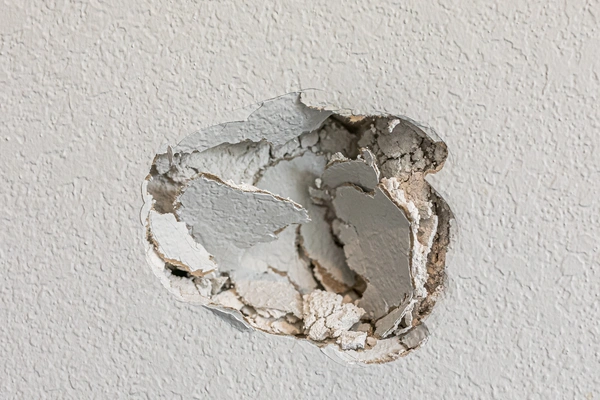
Nail pops, doorknob impacts, anchors that got pulled clean, and accidental dents are the most common drywall repair calls. Drywall holes left unaddressed tend to grow as edges crumble, so catching them early prevents further damage to the surrounding wall surface. These repairs are also the most manageable, typically requiring a patch, joint compound, feathering, and a matching finish coat.
- Nail pops: Often a sign that framing lumber has dried and shrunk slightly, pushing fasteners back through the drywall surface. The fix involves resetting the fastener, covering with compound, and blending the finish.
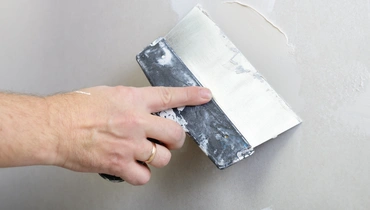
- Small holes up to six inches: Patched with a backing board or mesh patch kit, then skimmed with multiple thin coats of joint compound to build a smooth, blended surface.
- Anchor damage: Holes left by toggle bolts or large anchors are filled, sanded, and textured to match before painting.
2. Cracks
Not all cracks are created equal. Hairline cracks at corners and seams are usually cosmetic results of normal settling or humidity cycling. Larger cracks, particularly diagonal cracks running from door and window corners, can signal more serious structural movement. In older Palm Harbor homes with plaster walls rather than modern drywall, plaster repair follows a similar diagnostic process but requires different materials and technique to achieve a lasting, blended result.
- Settlement cracks: Thin, horizontal or vertical cracks along seams or at joints that are cosmetic and can be taped, filled, and refinished.
- Stress cracks: Diagonal cracks from corners of openings that may indicate foundation movement or framing issues. These need the underlying cause addressed before the surface repair will hold long-term.
- Tape separation: Drywall tape that has lifted or bubbled at seams needs to be removed, the joint re-bedded, and new tape applied before skim coating.
3. Water Damage
Water damage is one of the most serious drywall issues Florida homeowners face, and it's one that demands more than a surface fix. Stained, soft, or sagging drywall from a leak requires identifying and stopping the moisture source before any repair work begins — otherwise the damage returns.
- Staining without structural compromise: If the drywall is still firm after the leak is resolved, the stained area can be primed with a stain-blocking primer and repainted.
- Softened or crumbling sections: Drywall that has lost structural integrity from water absorption needs to be cut out and replaced entirely.
- Mold presence: Any visible mold on or behind drywall requires proper remediation before new drywall is installed. Our team identifies this during assessment and advises on next steps.
4. Ceiling Damage
Ceiling drywall takes on unique challenges beyond what wall panels face. Gravity works against sagging sections, and water damage from above is a constant risk in Florida's heavy rain season. Ceiling repairs require proper support during patching and more precise finishing work to avoid visible seams from below.
- Sagging sections: Usually the result of water infiltration or fastener failure, requiring removal of the compromised section and installation of new drywall with proper fastening into ceiling joists.
- Popcorn or textured ceiling matching: Removing damaged textured ceiling material and matching the existing texture is one of the more skilled finishing tasks in drywall repair, and a mismatched patch is immediately visible.
- Water stain rings: Circular stains from slow overhead leaks need stain-blocking primer to prevent bleed-through before a topcoat of paint.
5. Large Section Damage
Damage covering more than a square foot or two — from a renovation cutout, a major impact, or extensive water intrusion — requires a structured repair approach. Professionals can handle large holes over 6 inches that are simply too big for standard patch kits to support reliably. Backing boards or full panel replacement ensures the repaired section has solid support and won't flex or crack at the seams over time.
- California patch method: Used for medium-sized holes, this technique creates a self-supporting patch from the damaged drywall itself and allows for a clean, flush repair without additional backing hardware.
- Full panel replacement: When damage is widespread or the existing drywall is too compromised to patch reliably, removing and replacing the full panel from stud to stud delivers the most durable result.
- Finishing and blending: The most time-intensive part of any large repair is the finishing — multiple coats of joint compound, sanding between coats, and texture matching to make the repair invisible.
6. Popcorn Ceiling Removal and Resurfacing
Many Palm Harbor, Clearwater, and Largo homes from the 1970s through 1990s have popcorn ceilings that homeowners want removed for aesthetic or practical reasons. This falls squarely within drywall services and involves more than just scraping — the ceiling underneath often needs skim coating and finishing to be paint-ready.
- Pre-1978 testing: Popcorn ceilings in older homes may contain asbestos and should be tested before any removal work begins. Our team can advise on this step before proceeding.
- Skim coating: After removal, the ceiling surface is skim coated with joint compound to fill gouges, smooth ridges, and create a flat, paintable finish.
- Smooth or re-textured finish: Homeowners can choose a smooth ceiling finish or a lighter texture that modernizes the look without the heavy popcorn profile.
What Professional Drywall Repair Includes
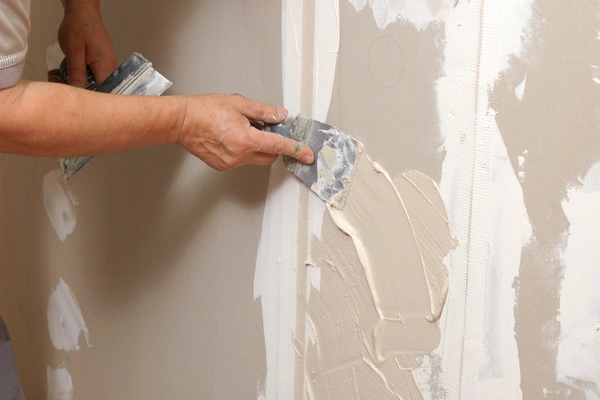
A professional drywall repair isn't just the visible patch — it's the full sequence of steps that makes the repair hold and look right long-term. Here's what the process typically covers:
| Step | What Happens |
|---|---|
| Assessment | Damage is evaluated for type, extent, and underlying cause |
| Moisture source check | Any active or past water intrusion is identified before repairs begin |
| Preparation | Damaged material is cut back cleanly to sound drywall or framing |
| Patching or replacement | Appropriate repair method is selected based on hole size and damage type |
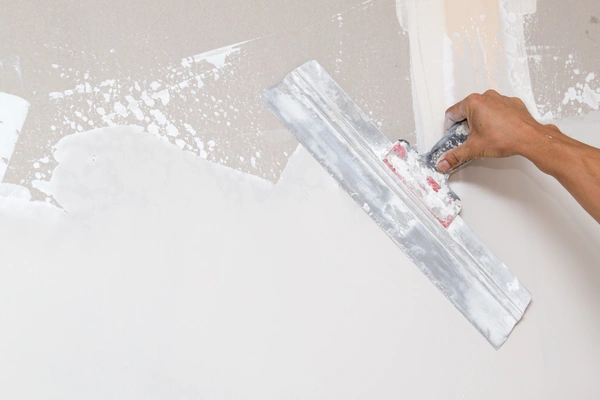
| Taping and mudding | Joint tape and multiple coats of compound build a smooth, solid surface |
| Sanding | Each coat is sanded between applications for a flush, seamless result |
| Texture matching | Existing wall or ceiling texture is matched as closely as possible |
| Priming | A quality primer seals the repair and prepares for paint |
We're proud to serve home and business owners in Clearwater, FL, and nearby communities including Palm Harbor, Largo, Dunedin, Tarpon Springs, Safety Harbor, and beyond with drywall repair, ceiling repair, and finishing services.
Frequently Asked Questions About Drywall Repair
Homeowners in Palm Harbor, Clearwater, and Largo frequently come to us with similar questions when they're dealing with wall or ceiling damage. Here are the most common ones.
What Does Drywall Repair Cost?
Drywall repair cost varies widely depending on the size, type, and complexity of the damage. Small holes and nail pops are among the most affordable repairs, while water-damaged sections requiring mold remediation, full panel replacement, and texture matching represent a larger investment. Drywall replacement for a standard section typically takes about one hour of labor, though finishing, texture matching, and drying time between coats extend the overall timeline. Homeowners should request multiple estimates that outline cost for materials and labor separately so comparisons are meaningful. One of the most common mistakes homeowners make is hiring drywall contractors based on price alone without confirming that texture matching, priming, and moisture assessment are included. We provide fully upfront pricing after assessing the damage so there are no surprises.
Can I Paint Over Drywall Damage Instead of Repairing It?
Paint doesn't fill or structurally support damaged drywall. Cracks will show through paint within a season, and water-stained areas will bleed through standard paint without a stain-blocking primer underneath. Painting over damage is a cosmetic delay, not a repair.
How Do I Know If My Drywall Has Mold Behind It?
Visible mold on the surface, a persistent musty smell in a specific area, or drywall that feels soft and spongy despite no visible staining are all indicators of moisture damage that may extend behind the wall face. The only way to confirm what's behind the surface is to open it up and inspect. Our team does this as part of the repair assessment whenever moisture damage is suspected. When vetting any drywall contractor for this type of work, homeowners should check customer ratings and profiles on contractor platforms to confirm the team has verified experience with moisture-related repairs specifically.
Does Drywall Repair Include Painting?
Our drywall repairs are finished through priming and texture matching, ready for paint. Final painting of the repaired area can be included as an add-on service, and we can advise on whether spot painting will blend well with the existing finish or whether a full wall repaint will deliver a better result. If you already work with a preferred painting company, we coordinate our finish work to hand off a surface that's properly primed and ready for their crew.
How Long Does Drywall Repair Take?
Most standard repairs — holes, cracks, and small water-damaged sections — are completed in a single visit. Larger repairs or full panel replacements that require multiple coats of compound to dry between applications may require a follow-up visit to complete sanding and finishing. We give a clear timeline before work begins.
Trust Mr. Handyman Serving Palm Harbor, Clearwater & Largo
Drywall damage doesn't fix itself, and a patch that isn't done right shows up every time the light hits the wall at an angle. The team at Mr. Handyman serving Palm Harbor, Clearwater, and Largo brings professional craftsmanship to every drywall repair, from a single nail pop to a full ceiling section replacement. Every job is backed by the Neighborly Done Right Promise, and we provide upfront pricing before any work begins.
Schedule your drywall repair today and get your walls looking the way they should.