

Most window companies in Pinellas County won't schedule a job for fewer than four units, leaving homeowners with one damaged or failing single hung window replacement stuck between doing nothing and committing to a full-house project they didn't plan for. At Mr. Handyman serving Palm Harbor, Clearwater, and Largo, our team handles single-unit window replacement and repair for homeowners who need one window handled without a project minimum attached. Here's what this guide covers:
- What single hung windows are and how they differ from other window types
- When replacement makes more sense than repair
- Why most window companies won't replace just one, and what to do about it
- What the single-unit replacement process actually looks like
- Material and glass options for Florida's climate
3 Things to Know About Single Hung Windows
Before deciding between repair and replacement, it helps to know exactly what you're working with. Single hung windows are one of the most common window types in Florida homes built between the 1970s and early 2000s, and understanding how they're built explains why they fail the way they do.
1. Single Hung vs. Double Hung
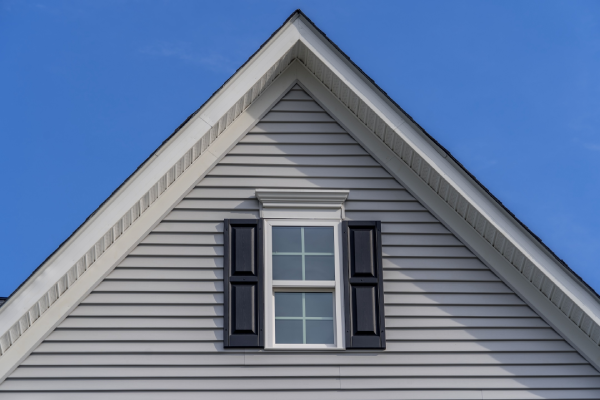
Both window types have two sashes: an upper and a lower panel. The difference is which one moves. In a single hung window, only the lower sash opens and closes. The upper sash is fixed in place. Double hung windows allow both sashes to slide, which improves ventilation and makes cleaning easier from inside the home. Single hung windows are simpler in construction, less expensive to manufacture, and still common throughout Pinellas County homes. Their fixed upper sash creates fewer potential failure points, but it also limits ventilation options compared to double hung designs. Single hung windows also feature a sloped sill design that channels water away from the frame, making them well-suited for Florida's frequent rain events when properly maintained and sealed.
2. How Single Hung Windows Fail in Florida's Climate
Florida's heat, humidity, and UV exposure stress window components in ways that cooler climates don't. The combination of thermal expansion during the day and contraction at night puts repeated stress on weatherstripping, glazing seals, and frame materials over time. According to the U.S. Department of Energy, heat gain and loss through windows accounts for 25–30% of residential heating and cooling energy use, and in a climate where air conditioning runs for eight to nine months of the year, a compromised window seal has real ongoing cost. Common failure points in Pinellas County single hung windows include:
- Failed glazing seals between panes, causing fogging or condensation inside the glass
- Warped or swollen frames from moisture absorption, particularly in wood-frame windows
- Cracked or deteriorated weatherstripping around the lower sash
- Broken balances or springs that prevent the lower sash from staying open
- UV-degraded frames, particularly in vinyl and aluminum units exposed to direct southwestern sun
3. When to Repair vs. Replace a Single Hung Window
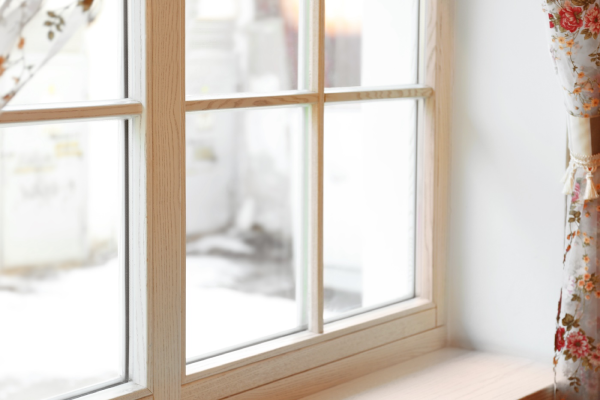
Not every failing window needs full replacement. Hardware issues, weatherstripping wear, and minor frame damage can often be resolved without swapping the full unit. Replacement becomes the right call when:
- The glazing seal between panes has failed and condensation appears inside the glass
- The frame has rotted, warped, or cracked beyond surface repair
- The sash no longer closes squarely, creating a persistent draft or water intrusion point
- The glass itself is cracked, chipped, or no longer meets current impact-rating requirements
- Energy loss is significant enough that continued repair costs outpace replacement value
Why Most Window Contractors Won't Replace Just One Window
The project minimum requirement, typically four units or more, comes down to job economics rather than technical necessity. Window contractors who source product in bulk and build their crews around high-volume installation don't have a cost structure that supports a single-unit call. The overhead of a truck, a two-person crew, and a scheduling slot doesn't pencil out at single-unit margins for companies built around volume.
The result is a real gap in the market. A homeowner with one storm-damaged window, one failed seal, or one unit that no longer meets current impact requirements has limited options if they don't want to replace the whole house at once.
Mr. Handyman serving Palm Harbor, Clearwater, and Largo operates differently. Our team handles single-unit window replacements alongside the full range of residential maintenance and repair work, and the economics of a service visit work for us at any project size.
What Single Hung Window Replacement Includes
A single-unit replacement follows a consistent sequence regardless of frame material or glass type. Accurate measurements are critical at the outset — even a small variance between the rough opening and the replacement unit affects how the window seats, seals, and performs over time. When the existing frame is in good condition, an insert replacement fits a new sash and frame assembly directly into the opening without disturbing the surrounding trim or interior finish, which is faster and less expensive than a full-frame replacement.
| Step | What Happens |
| Measurement and product selection | The existing unit is carefully measured, frame condition assessed, and a replacement unit selected to fit the rough opening precisely |
| Removal | The existing sash, frame, and any deteriorated flashing or caulk are removed cleanly |
| Opening preparation | The rough opening is inspected for moisture damage, rot, or deteriorated sill material before the new unit goes in |
| Installation | The new window is set, leveled, shimmed, and fastened into the rough opening |
| Sealing and flashing | Exterior flashing tape and caulk seal the perimeter against Florida's wind-driven rain |
| Interior finishing | Interior trim is reinstalled or replaced as needed and the opening is caulked on the inside |
The job typically takes two to four hours for a standard single hung replacement in an accessible location. Second-floor windows or units with significant frame or sill damage take longer.
Material Options for Pinellas County Homes
Replacement windows for Florida homes need to hold up against UV exposure, salt air in coastal areas, humidity, and the thermal cycling that comes with year-round heat. Here's how the most common frame materials compare for Palm Harbor, Clearwater, and Largo homeowners.
| Frame Material | Strengths | Considerations |
| Vinyl | Low maintenance, resists moisture and rot, strong thermal performance | Can warp in extreme direct heat; quality varies widely by manufacturer |
| Aluminum | Durable, slim sightlines, strong structural performance | Conducts heat more than other materials; less energy-efficient without thermal break |
| Fiberglass | Excellent energy performance, dimensional stability, resists UV degradation | Higher cost than vinyl or aluminum |
| Wood with clad exterior | Traditional appearance, good insulation values | Requires maintenance; interior wood is vulnerable to moisture if seals fail |
For most Pinellas County homes, vinyl with low-E glass coating and argon gas fill between panes delivers the best combination of energy performance, durability, and cost. Window pricing varies based on features and product lines — a base vinyl unit costs significantly less than a fiberglass unit with impact glazing and multi-point locking hardware. Impact-rated glass is worth considering even for windows not in a designated wind-borne debris region, as Florida's weather doesn't always follow zoning lines.
Frequently Asked Questions About Single Hung Window Replacement
Palm Harbor, Clearwater, and Largo homeowners ask us these questions most often when they're figuring out whether a single window needs repair, replacement, or a permit pulled before the job can start.
Do I have to replace all my windows at once?
No. Single hung windows can be replaced one at a time. There's no technical reason a single unit can't be swapped independently. The minimum-unit requirement from many window contractors is a business policy, not a code or installation requirement. Mr. Handyman serving Palm Harbor, Clearwater, and Largo handles individual replacements without a project minimum.
Does replacing one window require a permit in Pinellas County?
In most cases, yes. Florida requires a permit for window replacement when the existing unit is being fully removed and replaced. Permits ensure the new unit meets current wind load, impact, and energy code requirements for Pinellas County. Our team handles permit coordination as part of the project scope.
How long does a single window replacement take?
A standard single hung replacement in an accessible location typically takes two to four hours from removal to finished installation. Units on upper floors, windows with rot in the surrounding framing, or installations requiring sill repair will take longer. We provide a timeline estimate before work begins.
What glass options are available for single hung window replacement in Florida?
Low-E glass with argon fill is the standard recommendation for Florida's climate, as it reduces solar heat gain while maintaining visible light transmission. Impact-rated glass, which meets Florida's wind-borne debris standards, is another option and eliminates the need for storm shutters on that unit. Tempered glass is required by code in certain locations near doors and floors. Our team confirms which glass specification applies to your specific opening before ordering.
Schedule Your Single Window Replacement
We're proud to serve homeowners in Clearwater, FL, and nearby communities including Palm Harbor, Largo, Dunedin, Tarpon Springs, Safety Harbor, and beyond. One damaged or failing window shouldn't mean waiting until you're ready to replace them all. Mr. Handyman serving Palm Harbor, Clearwater, and Largo replaces single hung windows one unit at a time, with upfront pricing and the Neighborly Done Right Promise backing every job.
Schedule your window replacement today and get that window handled on your timeline.