
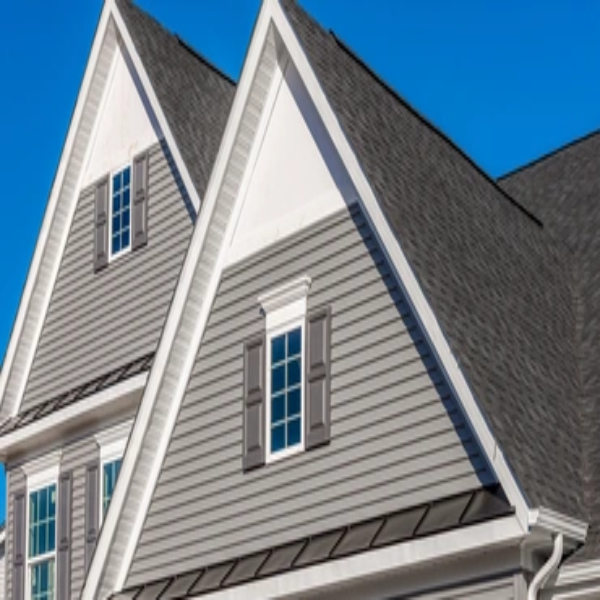
The soffit and fascia on a Florida home do more structural work than most homeowners realize, and they take more punishment than almost any other exterior component. By the time visible damage appears, the underlying deterioration has usually been progressing for months. Soffit and fascia repair done before hurricane season is a fundamentally different conversation from soffit and fascia repair done after a storm has torn panels free and driven rain into the attic. At Mr. Handyman serving Palm Harbor, Clearwater, and Largo, our team handles siding, soffit, and fascia board repair throughout Pinellas County. Here's what this guide covers:
- What soffits and fascia actually do and why both matter for Florida homes
- The specific damage patterns most common in Palm Harbor, Clearwater, and Largo
- A yearly inspection checklist homeowners can use before storm season
- When repair is the right call and when full replacement is needed
- What professional soffit and fascia repair includes from start to finish
What Soffits and Fascia Do and Why Florida Is Hard on Both
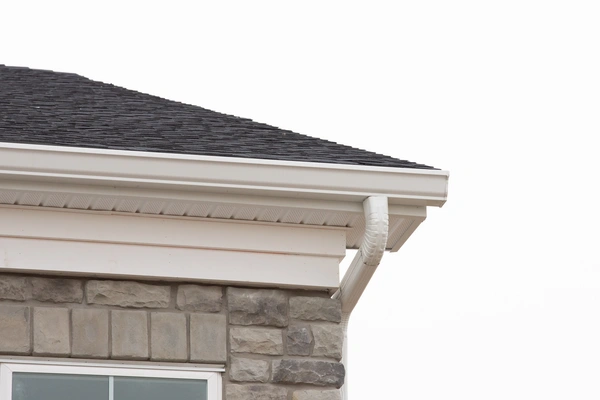
Soffits are the horizontal panels that close off the underside of a roof overhang. Fascia are the vertical boards that run along the roofline, capping the ends of the rafters and serving as the mounting surface for gutters. Together they form the finished edge of the roof system and play a direct role in keeping weather out of the attic and wall cavity.
University of Florida research commissioned by the Florida Building Commission found that wind load resistance requirements for soffits were not codified in Florida until 2006, despite the state's status as the most hurricane-prone in the U.S. That gap in code history means homes built before 2006, a significant portion of the housing stock in Palm Harbor, Clearwater, and Largo, may have soffits installed to standards that predate current wind load requirements. In a storm, soffit panel failure allows wind-driven rain to enter the attic, which creates the internal pressure differential that drives more significant structural damage.
Florida's climate compounds the problem year-round. High humidity accelerates rot in wood fascia and wood-backed soffit panels. Salt air in coastal Pinellas County communities degrades aluminum and painted surfaces faster than inland markets. UV exposure breaks down caulk and paint films that protect the underlying materials. And seasonal thermal cycling stresses fasteners and panel connections repeatedly over time.
8 Things to Inspect on Your Soffit and Fascia Before Hurricane Season
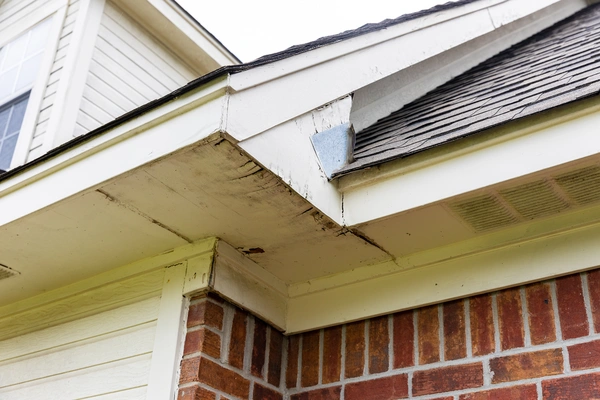
Catching soffit and fascia deterioration before storm season gives homeowners the option to repair rather than respond. Here's what our team checks on service calls throughout Pinellas County.
1. Soffit Panel Condition and Fastener Security
Soffit panels, whether vinyl, aluminum, wood, or fiber cement, should sit flat and flush with no visible sagging, warping, or gaps at the joints. Press gently on accessible panels to check for give. Panels that flex more than expected or show visible separation from the channel may have compromised fastener connections, which makes them vulnerable to wind uplift.
2. Fascia Board Integrity Along the Roofline
Walk the perimeter of the house and visually inspect the fascia for peeling paint, soft spots, staining, or any visible separation from the rafter tails behind it. Fascia deterioration almost always begins at the top edge where the roof deck meets the board, a location that's difficult to see from the ground but easy to probe from a ladder.
3. Paint and Surface Condition on Wood Fascia
Peeling, flaking, or bubbling paint on wood fascia is an early indicator of moisture absorption behind the paint film. Once the paint film breaks down, water enters the wood directly and deterioration accelerates. Pinellas County's humidity means wood fascia that goes unpainted for more than five to seven years is at significant risk of rot by the time it's caught.
4. Gutter Attachment and Drainage at the Fascia
Gutters attach directly to the fascia board. Rotted fascia can cause gutters to sag or pull away from the roofline entirely, which accelerates both gutter failure and additional fascia damage from uncontrolled water runoff. When gutters hold standing water, overflow, or pull away from the mounting surface, they transfer moisture directly onto the fascia. Check gutter hangers for rust or separation, and confirm water is draining freely through downspouts. Pinellas County averages 52 inches of rainfall annually, and a gutter system that isn't draining properly is consistently loading the fascia below it with water.
5. Soffit Ventilation Openings
Soffit vents allow air to flow into the attic and out through ridge or gable vents, which is critical for proper ventilation and managing attic heat and humidity in Florida's climate. Cracked soffit panels can restrict attic ventilation by disrupting airflow through the vent openings, even when the vents themselves are clear. Vents that are blocked by paint, debris, or pest nesting further restrict airflow and raise attic temperatures, which accelerates deterioration of roofing materials above and the soffit system below. Check that all vent openings are clear and that panels adjacent to vents are intact.
6. Caulk Joints at Panel Seams and Trim Transitions
The joints where soffit panels meet the fascia board, the wall, or exterior trim are sealed with caulk. In Florida's UV environment, caulk becomes brittle and separates from the substrate within a few years without maintenance. Gaps at these transitions allow water to work behind the panels and into the structural components. Any visible separation or cracking warrants recaulking before storm season.
7. Signs of Pest Activity
Soffits are a common entry point for wasps, hornets, wood-boring beetles, and occasionally squirrels and birds. Look for mud dauber nests at panel seams, sawdust beneath wood soffit panels indicating beetle activity, or any gaps where panels have separated at the corners, which is the most structurally vulnerable location according to the Florida Building Commission research.
8. Interior Attic Evidence of Soffit or Fascia Failure
Water staining on the attic deck near the eaves, daylight visible through the soffit from inside the attic, or insulation that's displaced or compressed near the roof edge all indicate that the soffit or fascia system has already been compromised. Checking the roof edge from inside the attic takes five minutes and often reveals damage that isn't visible from outside the home.
Repair vs. Replacement: What the Damage Level Determines
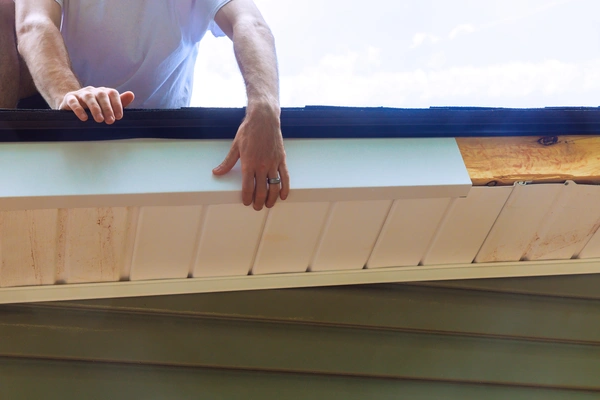
The right approach depends on material type, extent of damage, and how far deterioration has progressed into structural components.
| Damage Level | Condition | Right Approach |
|---|---|---|
| Minor | Paint failure, surface caulk gaps, single loose panel | Recaulking, repainting, panel refastening |
| Moderate | Localized fascia rot, isolated panel damage | Section replacement with matching material |
| Advanced | Rot into rafter tails, widespread panel failure, structural fascia damage | Full fascia replacement, soffit replacement, rafter tail repair |
When Repair Is the Right Call
Localized fascia rot that hasn't spread into the rafter tails, individual soffit panels that have detached or cracked, and surface deterioration caught before moisture has penetrated the structural layer are all repair-appropriate conditions. Soffit repair at this stage is far less disruptive and less expensive than replacing full sections or elevations. Wood fascia sections can be cut back to sound material, new lumber spliced in, back-primed on all surfaces, and finished to match. Soffit panels can be individually replaced to match existing material and profile.
When Full Replacement Makes More Sense
When fascia rot has moved into the rafter tails, when soffit panels are failing across multiple elevations, or when the existing material is no longer available to match, full replacement is the more cost-effective long-term solution. This scope often aligns with roof replacement projects, since both the roofing crew and the carpentry team are working the roof edge at the same time. Piecemeal repairs across a badly deteriorated soffit system deliver diminishing returns and often mask ongoing moisture problems. Our team assesses which approach is warranted before any work scope is set.
What Professional Soffit and Fascia Repair Includes
| Step | What Happens |
|---|---|
| Full perimeter assessment | All soffit and fascia surfaces are inspected, probed, and photographed before repair planning |
| Moisture source identification | Any active water intrusion points at the roof edge, gutter, or wall transition are identified |
| Material removal | Damaged sections are removed cleanly, with rafter tails and blocking inspected |
| Structural repair if needed | Rafter tails or backing members compromised by rot are treated or replaced before new material goes in |
| Installation | New soffit panels or fascia sections are installed, fastened to code, and finished to match |
| Caulking and sealing | All joints, transitions, and panel seams are caulked with exterior-grade product |
| Paint-ready finish | Repaired areas are primed and ready for topcoat |
We're proud to serve homeowners in Clearwater, FL, and nearby communities including Palm Harbor, Largo, Dunedin, Tarpon Springs, Safety Harbor, and beyond with soffit and fascia repair, carpentry, and exterior services.
Frequently Asked Questions About Soffit and Fascia Repair
Palm Harbor, Clearwater, and Largo homeowners most often ask these questions when they find damage or are preparing for storm season.
How do I know if my soffit damage is covered by homeowners insurance?
Storm-related soffit and fascia damage from wind, hail, or falling debris is typically covered under the dwelling portion of a homeowners insurance policy. Gradual deterioration from deferred maintenance is generally not. Our team documents the condition of damaged areas during assessment, which supports the claim process when storm damage is involved.
What material is best for soffit and fascia replacement in Florida?
Fiber cement fascia boards and aluminum are the most durable fascia materials for Florida's coastal climate. Using durable materials increases the longevity of both the soffit and fascia system significantly compared to wood, which requires consistent maintenance to survive Pinellas County's humidity. Fiber cement fascia boards resist rot, insects, and UV degradation and accept paint well. Aluminum won't rot and holds up in salt air environments. Both outperform vinyl and wood for long-term performance, though vinyl is commonly used where budget is the primary constraint.
How often should soffits and fascia be inspected in Florida?
Once per year before hurricane season is the standard recommendation for Pinellas County homes. Homes within a mile of the Gulf or Tampa Bay, or those with older wood soffit and fascia systems, benefit from an additional inspection after any named storm event.
Can damaged soffits affect my homeowners insurance rate?
In Florida's insurance market, visible soffit and fascia deterioration can be flagged during a carrier inspection and may trigger a requirement to repair before renewal. Maintaining the exterior envelope in documented good condition is increasingly relevant to policy retention in the current Florida market.
Schedule Your Pre-Season Soffit and Fascia Inspection
Waiting until a storm finds the weakness in your soffit or fascia is the most expensive way to discover the problem. Mr. Handyman serving Palm Harbor, Clearwater, and Largo inspects, repairs, and replaces soffit and fascia systems throughout Pinellas County, with upfront pricing and the Neighborly Done Right Promise on every job.
Schedule your inspection today and go into storm season with your roof edge in documented good condition.
