
.webp)
In Palm Harbor, Clearwater, and Largo, wood rot repair cost ranges from $218 for surface-level trim repairs to $1,464 or more when damage has reached structural framing. Florida's humidity, rainfall, and UV exposure accelerate wood decay faster than in most U.S. markets, producing both dry rot and wet rot in exterior wood components, and the older the housing stock, the more likely hidden rot is to surface during a professional inspection. Identifying dry rot and wet rot early is the single most effective way to keep repair costs at the lower end of the range; decay that goes undetected spreads into surrounding wood and structural components, turning a straightforward dry rot repair into a major carpentry project. At Mr. Handyman serving Palm Harbor, Clearwater, and Largo, our team handles wood rot repair and exterior carpentry throughout Pinellas County. Here's what this guide covers:
- 2026 wood rot repair cost by damage type and scope
- Why Pinellas County repair costs run higher than national averages
- The 7 factors that move the final number most
- What professional wood rot repair includes from assessment to finish
- When repair is the right call vs. full replacement
2026 Wood Rot Repair Cost by Damage Level
Repair cost scales directly with the depth and extent of the decay. Here's what Palm Harbor, Clearwater, and Largo homeowners can expect to pay in 2026 for the most common wood rot repair scenarios.
| Damage Level | Typical Scope | Cost Range |
| Surface / minor | Epoxy consolidation and filler on trim, casing, or sill | $218 – $400 |
| Moderate | Partial section replacement on fascia, casing, or window frame | $350 – $700 |
| Advanced | Full fascia or frame replacement with carpentry repair | $540 – $1,200 |
| Structural | Rot into rafter tails, framing, or sill plate | $800 – $1,464+ |
| With mold remediation | Any level where mold is present behind rotted material | Add $500 – $2,000 |
These ranges reflect the full scope of professional repair in Pinellas County including labor, materials, and standard finishing. They do not include painting, which adds $2–$6 per square foot for the repaired area. Jobs at the high end involve structural carpentry, permit requirements, or the discovery of water damage behind the visible rot.
Why Wood Rot Repair Costs More in Pinellas County
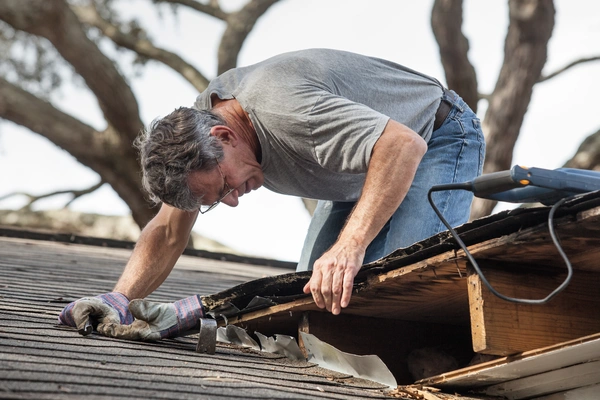
Coastal Florida's climate creates conditions that accelerate wood decay significantly compared to most U.S. markets. High humidity keeps exterior wood moisture content elevated, UV exposure breaks down protective paint films faster, and frequent rain events drive water into any unsealed joint or gap. The result is that rot discovered during a repair often extends further into structural components than the visible surface damage suggests, which is the primary driver of cost overruns in wood rot repair jobs. According to the Harvard Joint Center for Housing Studies, the median age of the U.S. housing stock reached 44 years in 2023, driving a surge in critical repair spending as aging components fail a pattern that shows up clearly in Pinellas County, where a large share of the housing stock consists of older homes with original wood trim, fascia, and window frames that are approaching or past typical maintenance thresholds.
Labor costs in Pinellas County's competitive construction market run above national averages. Skilled carpenters capable of proper wood rot assessment, epoxy repair, and texture-matched finish work are in consistently high demand. Permit requirements apply when rot has reached structural framing, and repairs to rafter tails, load-bearing sill plates, or structural sheathing require permit pull and inspection before work is closed in.
7 Factors That Affect Your Wood Rot Repair Cost
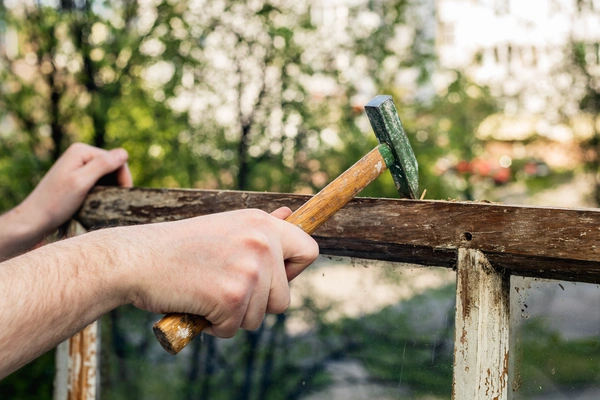
Every wood rot repair job in Palm Harbor, Clearwater, and Largo has variables that move the final price. Here's what our team accounts for when pricing a repair.
1. Depth and Extent of Decay
Surface rot caught before it penetrates the wood fiber deeply is the least expensive scenario. When affected wood feels soft underfoot or compresses under light probe pressure, that's the earliest detectable sign that decay has begun, and catching it at this stage keeps repair costs at the low end. Epoxy consolidation and filler applied to shallow damaged wood costs $218–$400 and is invisible after painting. Rot that has spread laterally into surrounding wood, reached the fastener zone, or penetrated through the full board thickness requires section replacement and costs proportionally more.
2. Location on the Home
Wood trim, door frames, window casing, and decorative elements on accessible ground-floor surfaces are the least expensive to repair. Fascia along the roofline, second-floor window frames, and soffit components require additional equipment and setup time, adding $100–$300 per scope item. Rot in locations that require scaffold or lift access adds further cost.
3. Whether the Moisture Source Has Been Resolved
Wood rot repair applied over an active moisture source will fail. Our team identifies and confirms the moisture entry point before any repair is started. Common sources include failed caulk, poor drainage that pools water against the foundation or siding, and improperly flashed windows or doors. When the source involves plumbing, roofing, or window flashing beyond our scope, we flag it before proceeding. Addressing active moisture adds time and sometimes additional trade coordination to the project.
4. Structural vs. Non-Structural Components
Rot confined to wood trim, casing, or decorative elements is non-structural and can be repaired without permits in most cases. Rot that has reached structural wood including rafter tails, sill plates, header framing, or load-bearing sheathing typically requires a permit, inspection, and code-compliant repair method. Structural repairs in Pinellas County run $800–$1,464 or more depending on the extent of framing replacement needed.
5. Presence of Mold or Pest Damage
Active mold behind rotted wood requires remediation before repair. Wood-boring insects including powder post beetles and carpenter ants often accompany advanced wood rot and require treatment before new material is installed. Both add $500–$2,000 or more to the total project cost depending on scope.
6. Material Selected for Replacement
When section replacement is the right repair method, material choice affects both cost and longevity. Pressure-treated lumber is appropriate for ground-contact and high-moisture applications. Composite trim materials like PVC or fiber cement are rot-resistant and cost more upfront but require significantly less maintenance in Florida's climate. Matching the profile and texture of existing trim can add labor time when custom milling is required.
7. Number of Repair Locations in One Visit
Wood rot rarely occurs in only one place. Homes in Palm Harbor, Clearwater, and Largo with deteriorating exterior paint, failed caulk joints, or older wood windows typically have multiple rot locations that develop at similar rates. Once exterior paint has broken down and moisture is entering the wood, fixing dry rot in one location without inspecting all similar components means the next failure is likely just a season away. Addressing all affected areas in one service visit distributes the fixed call overhead and delivers better value than scheduling multiple separate repairs over time.
What Professional Wood Rot Repair Includes
| Step | What Happens |
| Assessment and probing | All visible and suspected rot areas probed to map actual extent |
| Moisture source identification | Active water entry confirmed and addressed or flagged before repair |
| Material removal | All rotted wood cut back to sound material before any filler or replacement is applied |
| Borate treatment | Adjacent sound wood treated with borate-based preservative to inhibit future fungal activity |
| Epoxy or section repair | Epoxy consolidation and filler for shallow damage; section or full board replacement for deeper decay |
| Back-priming | All new material primed on all surfaces before installation |
| Sealing | All joints caulked with exterior-grade product before finishing |
| Paint-ready finish | Repaired areas sanded, primed, and ready for topcoat |
We're proud to serve homeowners in Clearwater, FL, and nearby communities including Palm Harbor, Largo, Dunedin, Tarpon Springs, Safety Harbor, and beyond with wood rot repair and exterior carpentry services.
Frequently Asked Questions About Wood Rot Repair Cost
Palm Harbor, Clearwater, and Largo homeowners ask these questions most often when they find rot and are trying to understand what the repair will cost.
Is epoxy repair permanent or will the rot come back?
Epoxy repair on properly dried and consolidated wood is durable and holds up well in Florida's outdoor environment. Rot returns only if moisture re-enters the repair area, which is why proper sealing, back-priming of all surfaces, and confirming the moisture source is resolved are required steps before any repair is considered complete. A correctly executed epoxy repair should last as long as the surrounding material.
How do I get an accurate quote for wood rot repair?
The most accurate quote comes from an in-person probe assessment. Photos can suggest the visible damage but don't reveal how far the rot has penetrated or whether structural members are involved. Homeowners should request itemized quotes that separate assessment, material, and labor, and confirm whether the scope includes moisture source identification and borate treatment or quotes only the visible surface repair.
Does homeowners insurance cover wood rot repair in Florida?
Generally no. Wood rot resulting from gradual moisture infiltration and deferred maintenance is typically excluded from standard homeowners policies as a maintenance issue. Rot caused directly by a covered storm event, where wind or debris created a sudden and documented water intrusion point, may be covered under the dwelling portion. Our team documents the condition of repaired areas, which supports any claim process when storm causation is a factor.
When does wood rot repair cost less than replacement?
Repair is less expensive than replacement when the rot is caught before it penetrates deeply into the wood fiber or reaches structural components. A $300 epoxy repair on a window sill costs a fraction of the $800–$1,200+ involved in full-frame window replacement when the rot has spread to the rough framing. The earlier the assessment, the more likely repair remains a viable option.
Can I do dry rot repair myself?
DIY dry rot repair is viable for very shallow, clearly surface-level damage on non-structural trim, specifically a small section of window casing or decorative molding where the rotted material is clearly contained. DIY dry rot repair kits typically include a liquid consolidant and filler. The challenge is that diy repair done over rot that runs deeper than it appears, or without addressing the moisture source, creates a patch that looks fixed while concealing ongoing decay. For door frames, structural wood trim, or any location where the rot depth is unclear, professional assessment is the right starting point.
Get an Upfront Quote for Your Wood Rot Repair
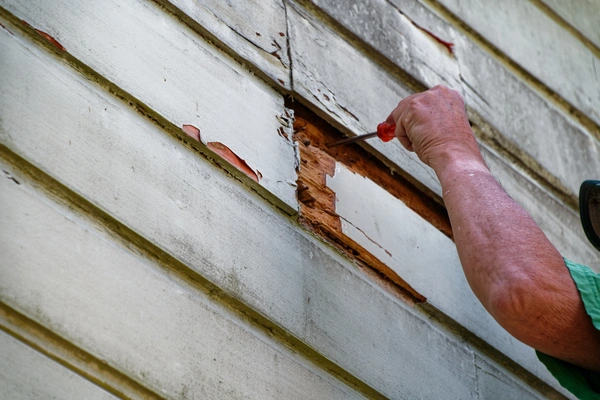
Wood rot repair cost in Palm Harbor, Clearwater, and Largo depends on what's behind the visible damage as much as what's on the surface. The only accurate number comes from an in-person assessment. Mr. Handyman serving Palm Harbor, Clearwater, and Largo provides upfront, itemized pricing before any repair begins, with the Neighborly Done Right Promise backing every job.
Schedule your wood rot assessment today before the next rainy season extends the damage further.
