
Why Common Areas Communicate More Than Most Business Owners Realize
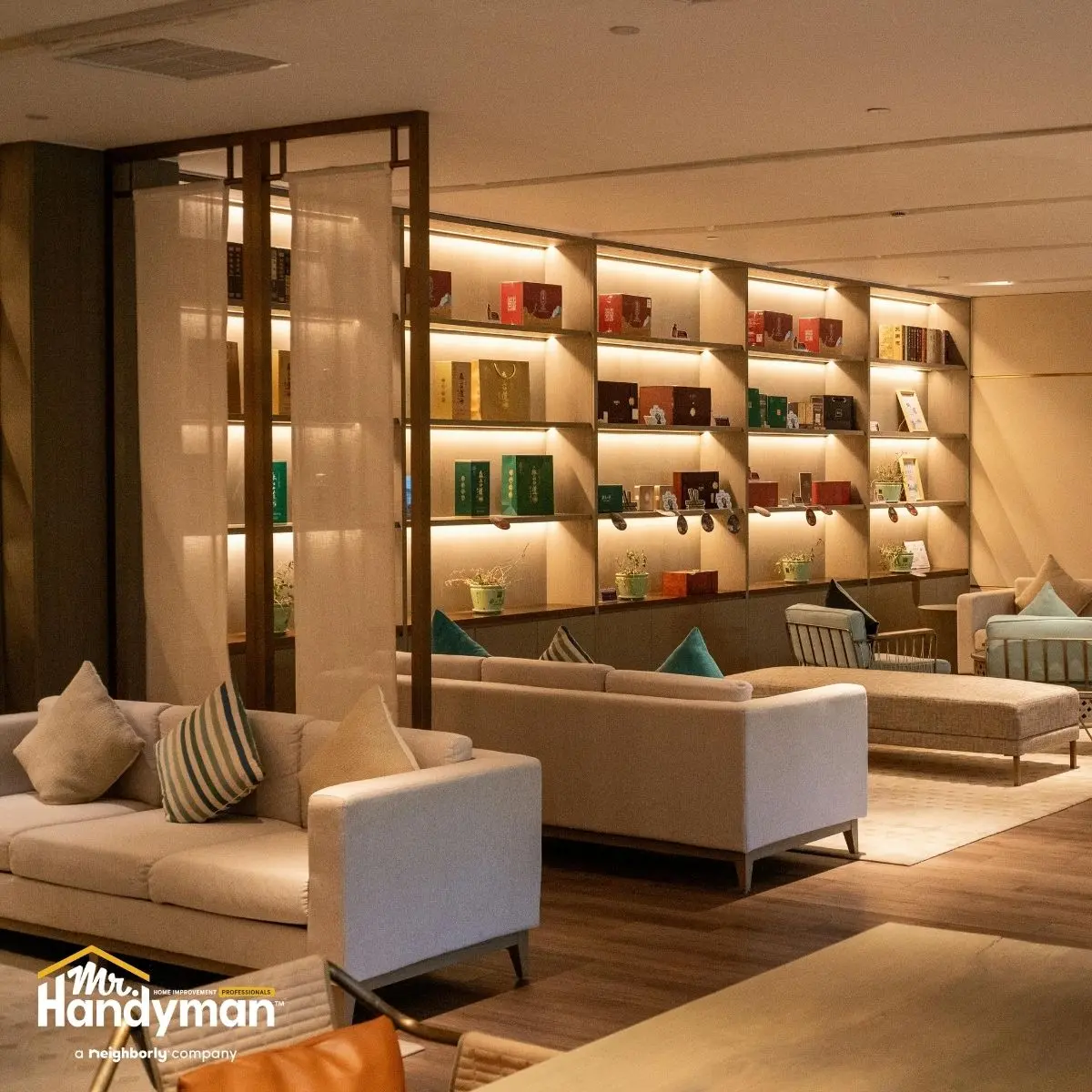
There is a category of commercial space that sits between the private offices or retail floors where business actually happens and the exterior of the building that faces the street. It is the lobby, the corridor, the shared hallway, the elevator lobby, the break room, the stairwell landing, and the building entrance vestibule. These are the common areas, and in commercial buildings throughout the Wichita metro they are among the most consistently neglected spaces in any property's maintenance and improvement budget despite being among the most visible to the broadest range of building occupants and visitors.
The logic that produces this neglect is understandable even if the outcome it creates is counterproductive. Common areas do not belong to any single tenant, which means no single tenant has a strong incentive to advocate for their improvement. Property managers and building owners are often managing budgets that prioritize structural and mechanical maintenance over cosmetic and finish improvements. And because common areas are transition spaces that people move through rather than spend time in, there is an intuitive sense that their condition matters less than the spaces where people actually work, shop, or conduct business.
That intuition is wrong in a specific and measurable way. Common areas are the spaces that every person in the building experiences every single day, and their cumulative condition shapes the overall impression of the building's management quality, the landlord's investment in the property, and the professionalism of the environment that tenants are paying to occupy. A tenant whose private suite is well-appointed but whose building lobby is worn, dim, and uninviting arrives at work each morning through an experience that subtly undermines the professional environment they are trying to create inside their own space. Visitors and clients form their first impression of a tenant's business in the building's common areas before they ever reach that tenant's door.
Spring is the right season to address common area refresh projects in Wichita area commercial buildings for the same reasons it is the right season for any interior improvement work. The transition out of winter brings increased building traffic as outdoor activity resumes, leasing activity typically picks up through spring and summer as businesses evaluate their space needs for the year ahead, and the combination of longer days and increased natural light makes interior space conditions more visible and more scrutinized than they are through the dim months of winter. Refreshing common areas in spring means the improvements are in place and performing when the building is receiving its highest traffic and its most attentive evaluation.
Lobbies and Building Entries: The Impression That Compounds Through Every Visit
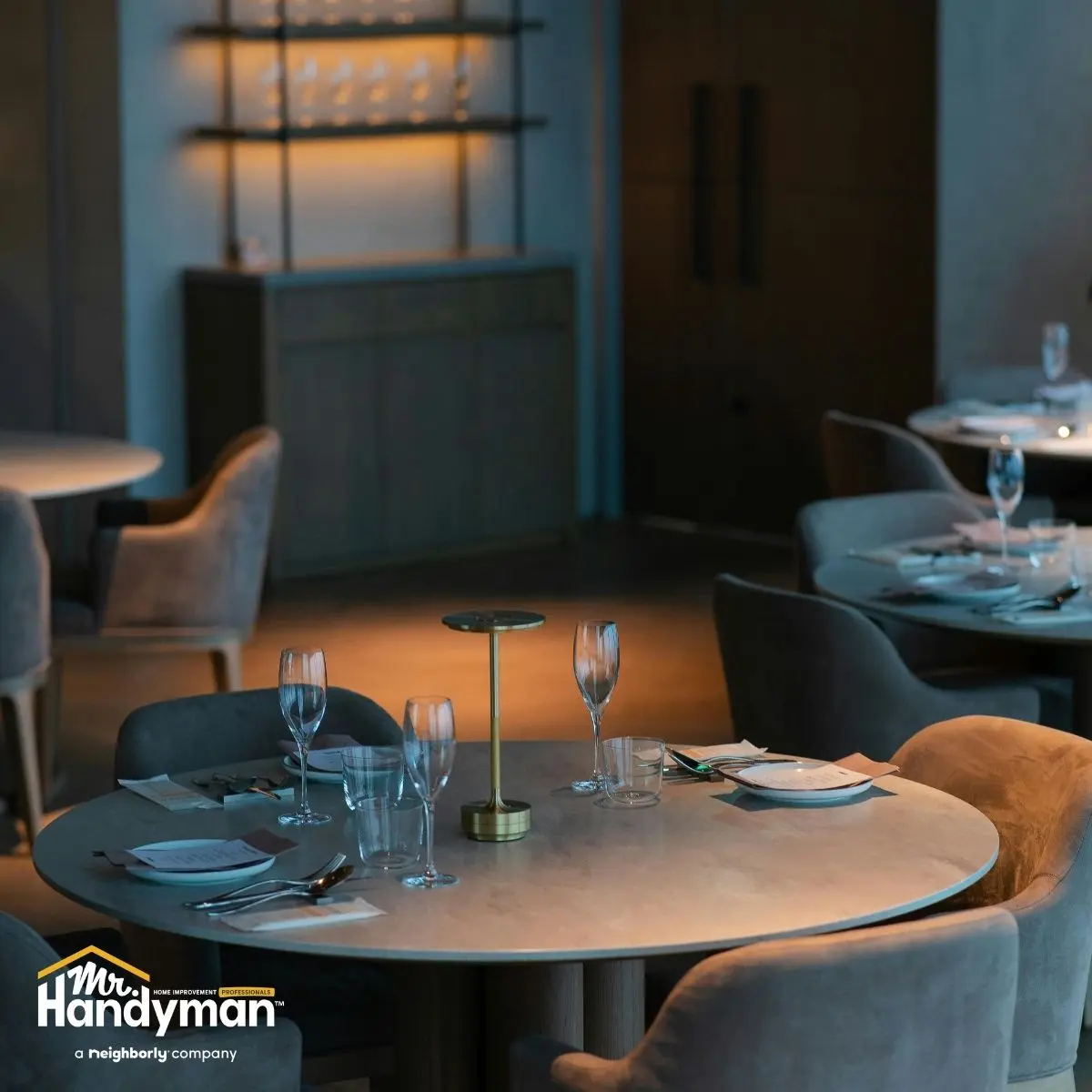
A commercial building lobby in Wichita does not get a second chance to make a first impression on any specific visitor, but it does get thousands of chances to reinforce or undermine the overall impression of the building across the full population of people who move through it over the course of a year. The condition of the lobby compounds in both directions. A well-maintained, thoughtfully refreshed lobby reinforces tenant confidence and visitor perception with every interaction. A neglected one erodes both gradually and then suddenly when a prospective tenant, a major client, or a property investor walks through and makes a judgment that affects a transaction worth far more than the cost of the refresh that could have prevented it.
Flooring is the lobby element that accumulates the most visible wear and that produces the most immediate perception shift when improved. Wichita's climate delivers a specific pattern of lobby floor abuse that property managers in this market know well. Winter brings road salt, moisture, and grit tracked in from parking lots and sidewalks that work on hard floor surfaces through the coldest months. Spring brings mud season, and the transition period between winter precipitation and dry spring weather can be particularly hard on entry flooring as foot traffic increases before exterior conditions have fully stabilized. A lobby floor that has been through several Wichita winters without refinishing or replacement carries the cumulative record of that abuse in scratches, staining, dull finish areas, and grout lines that no amount of cleaning fully restores to their original condition.
The spring refresh decision for lobby flooring depends on the current material and its condition. Polished concrete that has dulled can often be mechanically polished and resealed at a cost significantly below replacement. Ceramic or porcelain tile in good structural condition but with stained or deteriorated grout can be transformed through professional grout cleaning, recoloring, or selective regrout of the most affected joint areas. Luxury vinyl tile that has lost its finish and developed surface scratching in high-traffic zones may be a replacement candidate, particularly if the product is no longer available in a matching format that would allow partial replacement to blend invisibly. Stone flooring in premium lobby applications benefits from professional honing and sealing in spring to restore the surface quality that winter traffic has diminished.
Lobby seating areas in commercial buildings serve a function that their condition either supports or contradicts. Seating that is worn, stained, or structurally compromised communicates a maintenance standard that no professional building should be projecting to the visitors who use it while waiting for appointments, deliveries, or elevator access. Spring is the appropriate moment to evaluate lobby seating honestly and address pieces that have passed their useful service life. Reupholstering quality frames in commercial-grade fabric is frequently a more cost-effective approach than replacement and produces a result that extends the seating's functional life significantly while eliminating the appearance problems that worn upholstery creates.
Corridors and Hallways: The Spaces That Set the Daily Tone for Every Tenant
Building corridors are the spaces that tenants interact with most frequently of any common area in the building, and they are the spaces whose condition most directly affects the daily experience of working in the building. A tenant who walks from the parking garage or building entry to their suite passes through the corridor multiple times every working day. The cumulative effect of that repeated experience through corridors that are poorly lit, painted in colors that have yellowed or scuffed beyond the point where cleaning addresses them, or carpeted with material that has worn through in traffic lanes shapes how the tenant feels about the building and about the landlord managing it in ways that affect lease renewal decisions more directly than most property owners appreciate.
Corridor lighting is the highest-return common area improvement available in most Wichita commercial buildings, and the case for LED conversion in corridor lighting specifically is stronger than almost anywhere else in the building. Corridors in commercial buildings frequently still rely on fluorescent tube fixtures that were installed during original construction or renovation cycles that predate the LED transition. These fixtures produce light with color rendering limitations that make corridor finishes look dull and institutional, and they cycle through lamp replacements on a schedule that creates periods of reduced illumination and the visual disruption of obviously burned-out fixtures in a highly visible location. LED conversion in commercial corridors eliminates the lamp replacement cycle, improves light quality substantially, and reduces energy consumption in a building system that runs continuously through all occupied hours.
Wall finish conditions in corridors reflect the traffic intensity that these spaces experience. Chair rail and lower wall areas in corridors adjacent to office suites accumulate scuffs and impact marks from furniture moves, equipment carts, and the general traffic of a working building in a way that upper wall areas do not. A corridor repaint that addresses only the upper wall area while leaving the lower zone in poor condition produces an incomplete result that is immediately apparent because the contrast between refreshed upper walls and damaged lower walls draws attention to the damage rather than minimizing it. Addressing the full wall height, with appropriate durable paint products in the lower zone that resist scuffing better than standard interior latex, produces a finish that holds its appearance through the higher-traffic demands that corridors experience.
Corridor flooring in commercial buildings spans a wide range of materials depending on the building type, age, and market positioning. Carpet in office building corridors is the most common configuration in the Wichita market and the one that shows wear most visibly in traffic lane patterns that develop through repeated foot traffic along consistent paths. A corridor carpet that has developed visible traffic lane wear, matting that steam cleaning no longer reverses, or staining patterns that professional cleaning has not resolved is communicating a maintenance standard that affects tenant perception daily. Spring replacement of corridor carpet, timed to coincide with lower building traffic periods and sequenced to minimize tenant disruption, resets the corridor's appearance and delivers a refresh that every tenant in the building benefits from and notices immediately.
Break Rooms and Shared Tenant Amenity Spaces
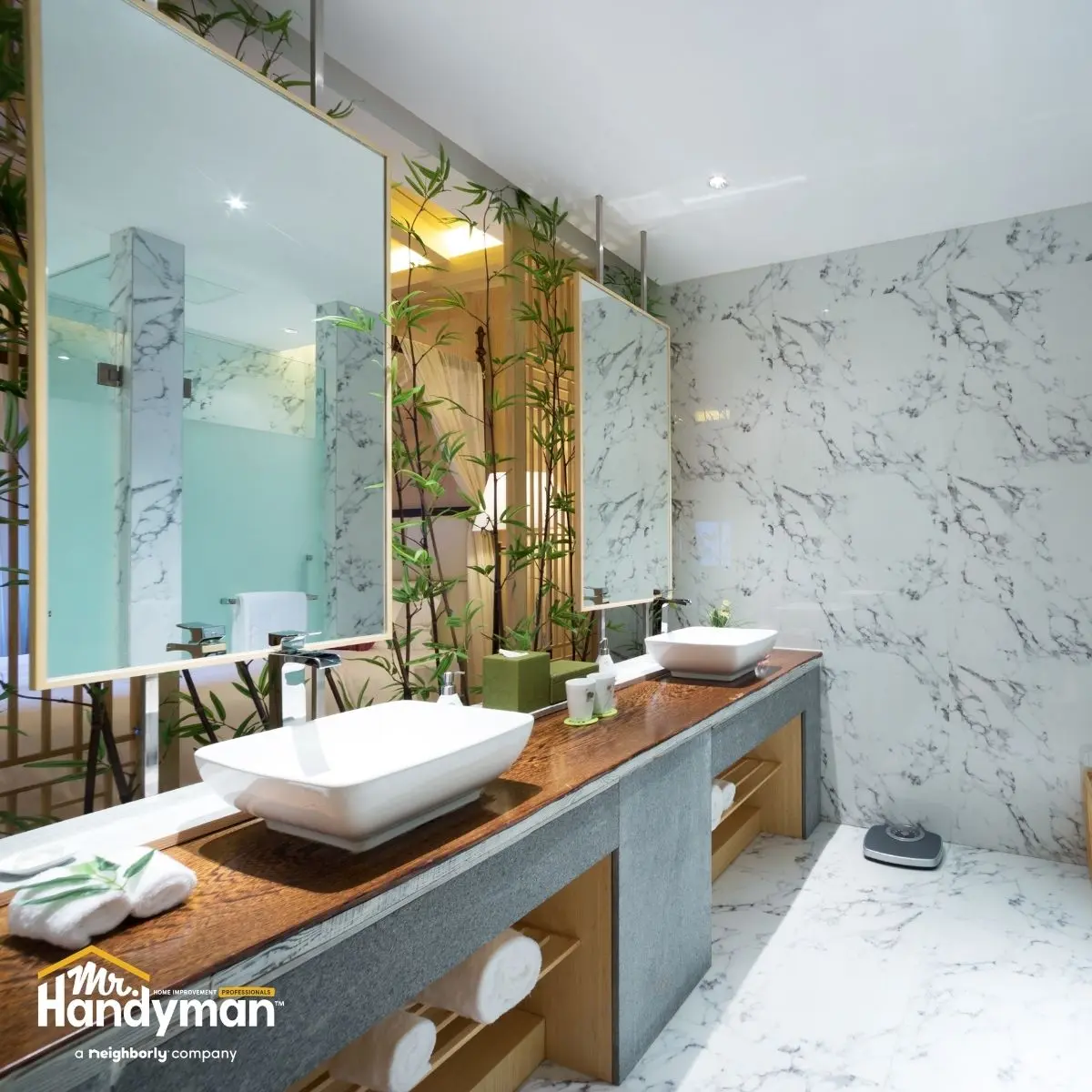
Shared break rooms, kitchen areas, and tenant amenity spaces in commercial buildings occupy a specific place in the common area hierarchy because they are spaces where building occupants spend voluntary, discretionary time rather than simply passing through. The condition of these spaces affects whether tenants actually use them, which in turn affects how the building's amenity package is perceived and valued in lease negotiations and renewal conversations.
Break room surfaces take concentrated abuse from food preparation, beverage service, and the cleaning chemicals used to maintain sanitary conditions in a food-adjacent environment. Countertop surfaces that have stained, chipped, or developed burn marks from appliance use, cabinet fronts that have delaminated or swollen from moisture exposure near the sink, and flooring that has been chemically stripped of its finish through repeated cleaning with harsh products are all conditions that spring refresh projects should address.
Countertop replacement in a commercial break room is a renovation with a cost that is modest relative to its impact on how the space is perceived and used. Solid surface and quartz materials that resist staining and can be maintained with standard cleaning products without the sealing requirements of natural stone are appropriate choices for shared kitchen environments where maintenance consistency cannot be assumed. Laminate replacement with a contemporary pattern and edge profile is a budget-accessible alternative that produces a meaningful visual improvement while delivering adequate durability for break room applications.
Cabinet refresh in break room environments follows the same logic as cabinet refresh in any commercial interior. Refinishing or refacing cabinet fronts that are structurally sound but visually dated or damaged transforms the space at a fraction of full cabinet replacement cost while delivering a result that reads as genuinely improved rather than simply repaired.
Restrooms as Common Area Assets That Buildings Cannot Afford to Neglect
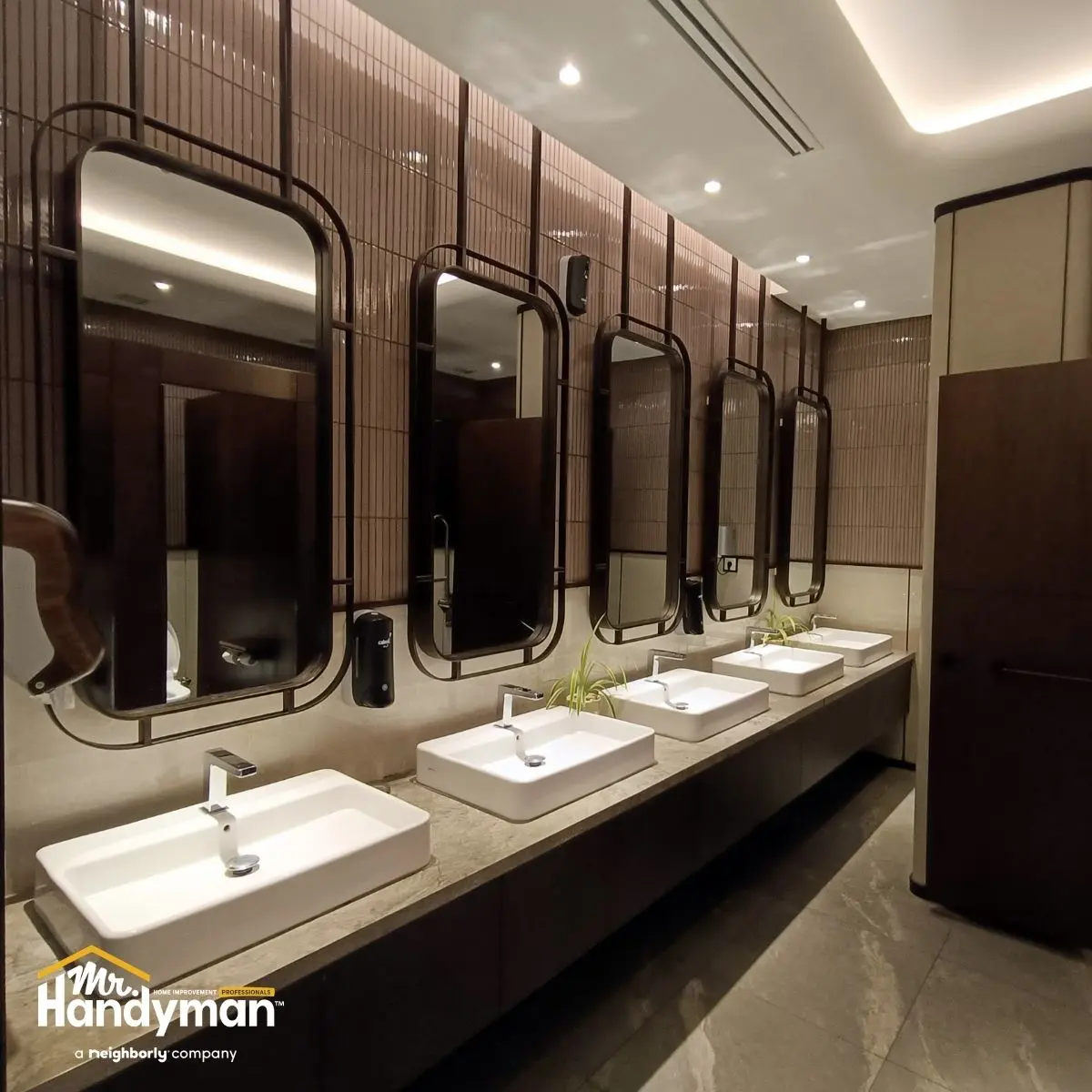
Commercial building restrooms that serve multiple tenants occupy a position in the common area hierarchy that their square footage does not suggest. They are small spaces with an outsized influence on how the building is perceived by tenants, visitors, and prospective occupants evaluating the property for lease. A building with well-maintained, freshly refreshed restrooms communicates a management standard that tenants carry into their overall assessment of the landlord relationship. A building with restrooms that have been deferred past the point of reasonable condition communicates the opposite with equal effectiveness.
Spring restroom refresh projects in Wichita commercial buildings consistently deliver high perception returns relative to their cost because the baseline condition of many commercial restrooms entering spring reflects the accumulated neglect of a winter season during which janitorial maintenance may have continued but capital improvement attention did not. Surfaces that cleaning maintains in acceptable condition through regular service schedules reach a threshold over time where cleaning is no longer sufficient and refresh investment becomes necessary to restore the standard that tenants and visitors expect.
Partition condition is the restroom element that most commonly signals deferred maintenance in commercial building common area restrooms. Toilet partitions in powder-coated steel or laminate that have developed impact damage, surface corrosion at hardware attachment points, or door alignment problems that prevent proper latching are both a functionality concern and an appearance problem that visitors notice immediately. Partition replacement is a more involved renovation, but targeted hardware replacement, door realignment, and touch-up of surface damage can extend partition service life significantly at a fraction of full replacement cost when the underlying panel material is structurally sound.
Faucet and fixture replacement in common area restrooms is a spring improvement with strong cost-to-impact performance. Sensor-activated faucets have become the standard expectation in commercial restrooms across most building categories in the Wichita market, and buildings that still have manual faucets with worn finishes and cartridge failures that produce dripping or inconsistent flow are presenting a dated condition that tenants and visitors compare unfavorably against the buildings they visit that have made the upgrade. Sensor faucet installation also reduces water consumption and eliminates the cartridge replacement cycle that manual faucets require, producing operating cost savings that partially offset the fixture investment over time.
Stairwells and Elevator Lobbies That Deserve More Attention Than They Receive
Stairwells and elevator lobbies are common area spaces that property managers often treat as lower priority than lobbies and corridors because they receive less foot traffic and because their utilitarian character makes cosmetic improvement feel less urgent. The problem with that logic is that stairwells are life safety spaces whose condition is actively evaluated during fire marshal inspections and insurance assessments, and elevator lobbies are the last common area space a visitor passes through before reaching a tenant's door, which makes their condition the final element of the building impression before the tenant's private space takes over.
Stairwell conditions in commercial buildings accumulate a specific pattern of neglect that spring inspection consistently reveals. Handrails that have lost their finish, concrete or painted metal treads that have chipped and worn at the nosing edge, walls that have been scuffed by the equipment and furniture that gets moved through stairwells precisely because they are lower-traffic spaces, and lighting fixtures that have not been relamped consistently all contribute to a stairwell condition that does not meet the standard of the rest of the building. Addressing stairwell conditions in spring, through paint refresh, tread nosing repair, handrail refinishing, and lighting updates, brings these spaces into alignment with the building standard and closes a life safety presentation gap that regulatory inspections may otherwise flag.
Elevator lobby refresh projects in multi-story Wichita commercial buildings deliver a specific return that their modest square footage does not suggest. The elevator lobby is a waiting space where building visitors spend focused, stationary time rather than moving through it quickly, which means its condition receives more deliberate attention than corridor finishes that people pass without pausing. Wall finish condition, lighting quality, flooring at the elevator threshold, and any directory or signage elements in the lobby all contribute to an impression that visitors form during the time they spend waiting for the elevator to arrive.
Exterior Common Areas That Spring Refresh Projects Should Include
The exterior common areas of commercial buildings in the Wichita metro, including covered entry vestibules, outdoor seating areas, smoking areas, and landscaped zones adjacent to building entries, emerge from winter in conditions that reflect the specific demands that Kansas weather places on outdoor surfaces and furnishings through the cold months.
Outdoor furniture in commercial common areas that has been left in place through winter needs spring assessment that honestly evaluates whether pieces are worth cleaning and returning to service or whether they have reached the end of their useful life. Metal furniture that has developed rust progression beyond surface oxidation, resin furniture that has become brittle and cracked through thermal cycling, and cushioned pieces whose fabric or fill has been compromised by winter moisture all represent liability and appearance concerns that spring refresh should address before outdoor common areas resume active use.
Exterior common area lighting serves both safety and aesthetic functions, and winter takes a consistent toll on fixture condition and lamp performance. Spring is the appropriate time to walk all exterior common area lighting positions after dark, assess actual illumination levels and coverage, replace failed lamps, clean fixture lenses that have accumulated road film and biological growth through winter, and address any fixture mounting or conduit conditions that winter weather has affected. Exterior lighting gaps in parking areas, along walkways connecting parking to building entries, and at any exterior stairway or grade change create safety and liability conditions that building owners and property managers are responsible for addressing.
Landscaping in exterior common areas sets the visual tone for the entire property approach, and spring is the season when investment in landscape refresh produces the most immediate and sustained visible return. Fresh mulch at planting beds, removal of winter die-back from ornamentals, pruning of trees and shrubs that have developed dead wood or structural problems through winter, and edging of turf areas adjacent to hardscape all contribute to an exterior common area presentation that communicates active management and genuine investment in the property's condition.
Frequently Asked Questions
How do property owners typically budget for common area refresh projects?
Most commercial property budgets allocate common area maintenance and improvement costs as a building operating expense that is either absorbed by the owner or passed through to tenants as a common area maintenance charge depending on the lease structure. Establishing a consistent annual budget for common area refresh, rather than treating it as a discretionary expense addressed only when conditions become visibly problematic, produces better maintained properties and more predictable operating financials over time.
How often should commercial building common areas be fully refreshed?
A realistic refresh cycle for high-traffic common areas in Wichita commercial buildings is three to five years for paint and soft finish elements, five to eight years for flooring depending on material and traffic intensity, and on a condition-based schedule for fixtures, hardware, and furniture rather than a fixed interval. Buildings with higher tenant turnover or above-average foot traffic compress these cycles. Buildings with stable long-term tenancies and lower traffic can extend them.
Can common area improvements affect tenant lease renewal decisions?
Consistently and directly. Tenant surveys across commercial property categories identify building common area condition as one of the primary factors in lease renewal decisions, ranking alongside lease rate and location in frequency of citation. A tenant who is on the fence about renewing in a building that has invested visibly in common area quality over their lease term makes a different decision than one who has watched common areas deteriorate without intervention.
What is the best way to minimize tenant disruption during common area refresh work?
Scheduling work during off-peak hours, typically evenings and weekends for standard business hour buildings, sequencing projects to address one building zone at a time, and communicating the refresh schedule to tenants in advance with clear timelines all contribute to a disruption-minimized project experience. Tenants who are informed and who can see a clear timeline respond to renovation activity far more positively than those who encounter it without warning or context.
How do common area refresh projects affect property valuation?
Well-maintained common areas support stronger net operating income by reducing tenant turnover, supporting market-rate or above-market lease renewals, and reducing the concessions that landlords need to offer to attract replacement tenants in competitive leasing markets. Capitalized at standard commercial real estate valuation multiples, the income stabilization that good common area maintenance produces translates directly into property value that exceeds the cost of the maintenance investment.
Give Your Building the Spring Refresh It Has Earned
Common areas that have carried a Wichita winter deserve the attention that spring refresh projects provide, and the tenants and visitors who move through those spaces every day deserve an environment that reflects the standard of the businesses operating within the building. Mr. Handyman of the Wichita Metro Area works with property managers and building owners throughout the region on the common area refresh and repair work that elevates building presentation and supports the tenant relationships that make commercial properties perform.
Call us or visit mrhandyman.com/wichita-metro-area to schedule a spring common area assessment or request service for specific refresh items your building needs. The right improvements in the right spaces make a difference that every person in the building experiences every day.
