What a Kansas Winter Leaves Behind
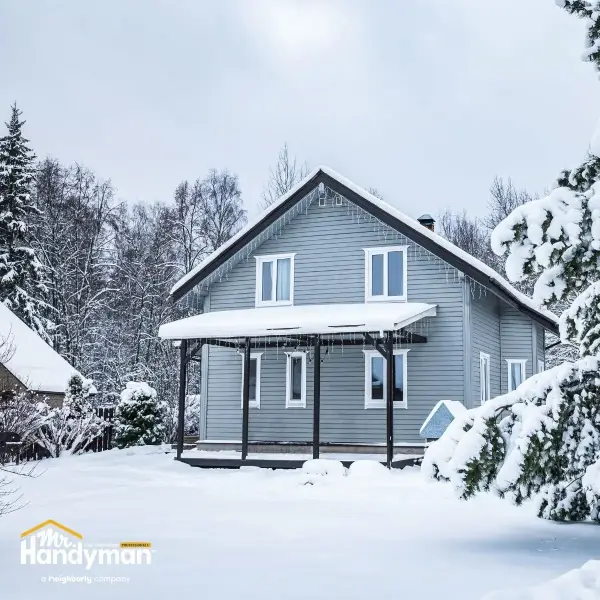
Winter in Wichita does not arrive gently and it does not leave cleanly. The months between November and March deliver a sustained accumulation of stress to every residential and commercial structure in the metro that does not announce itself through dramatic failures during the season itself. Most of what winter does to a Wichita area home happens slowly, incrementally, and invisibly, through the repeated thermal cycling that contracts and expands materials, the moisture infiltration that freeze events drive deeper into every crack and gap, and the wind exposure that fatigues sealants, fasteners, and roofing materials in ways that do not produce visible failure until the conditions that held them together through cold weather are replaced by the warmth and moisture of spring.
The repairs that emerge in the weeks following a Kansas winter are not random. They follow patterns that are shaped by the specific climate conditions of this region and by the construction characteristics of the housing stock that those conditions act upon. Older homes in established Wichita neighborhoods carry greater vulnerability in their foundation walls, their original window and door frames, and their aging mechanical systems. Newer construction in growing communities like Andover, Derby, and Maize faces the same freeze-thaw cycling on newer materials that have not yet revealed how they will perform over multiple seasons of Kansas weather. In both cases, the post-winter repair list is predictable enough to plan for and systematic enough to address efficiently when approached with the right framework.
Understanding which repairs are most common after a Wichita winter, why they occur, and what happens when they are deferred is the foundation of a post-winter repair approach that protects the home, manages costs, and prevents the small problems that cold weather creates from becoming the large problems that warm weather reveals and accelerates. This is not about reacting to visible failures after they have already caused damage. It is about recognizing the patterns that winter produces and addressing them at the earliest possible stage in their progression.
Roof Damage That Winter Reveals and Spring Makes Urgent
The relationship between a Kansas winter and a residential roof is one of sustained mechanical stress applied through multiple simultaneous mechanisms. Wind events loosen shingles at their sealant bond lines and at their fastener points, creating lifted edges that admit water during subsequent rain events. Freeze-thaw cycling works at flashing sealants at every roof penetration, gradually separating them from their substrate and opening pathways for water to bypass the flashing and enter the roof assembly. Ice damming, which occurs when heat loss through the roof deck melts snow that then refreezes at the cold roof edge, can force water under shingles at the eave in a way that no shingle system is designed to resist.
The repair urgency that spring creates for winter roof damage is driven by timing. The spring storm season that follows winter in Wichita delivers significant rainfall, and roofing conditions that were marginal through a relatively dry winter become active leak sources when spring rains arrive in volume. A flashing that was merely separated from its sealant bed through winter becomes a water entry point during the first significant spring rain. A shingle with a broken sealant bond that stayed in position through winter winds may lift and admit water during the stronger gusts that spring thunderstorms produce.
Identifying post-winter roof damage before spring storm season begins is the repair priority that produces the highest return in terms of damage prevented relative to repair cost. The inspection approach described in the spring maintenance context applies here with added urgency. Missing shingles, lifted tabs, compromised flashings at chimneys, skylights, and pipe penetrations, and any areas of visible granule loss that represent accelerated shingle aging all warrant attention before the rainfall season that will test every weakness in the roof assembly. Hail damage from storms in the previous spring or summer season that was not addressed leaves shingles with compromised impact resistance and accelerated granule loss that compounds with each subsequent season.
Exterior Caulking and Sealant Failures That Winter Accelerates
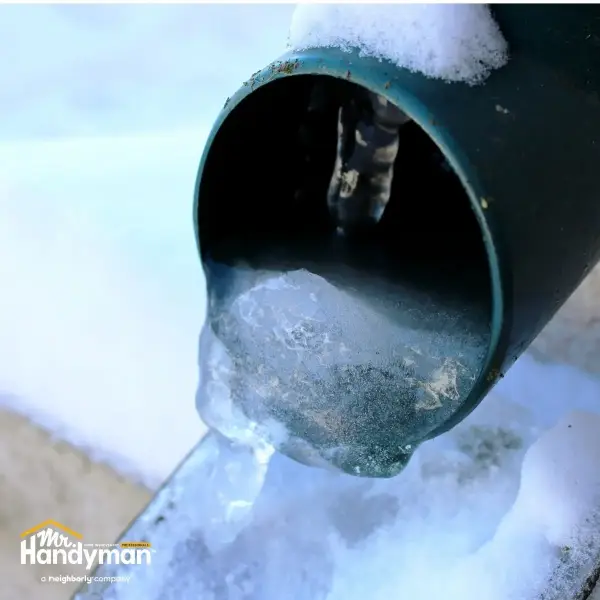
Every joint in the exterior envelope of a Wichita area home that is sealed with caulk or sealant material experienced a full winter of thermal cycling that worked at the adhesion and flexibility of that material in ways that accumulate over multiple seasons toward eventual failure. Sealant that was applied correctly and was performing adequately entering winter may be cracked, pulled from its substrate at one or both edges, or hardened to the point where it can no longer accommodate the thermal movement of the materials it bridges by the time temperatures rise in spring.
The consequence of sealant failure is not always immediately visible, and that invisibility is precisely what makes it dangerous as a deferred repair item. A failed caulk joint at a window perimeter admits water during rain events in quantities that may be too small to produce an obvious interior symptom immediately but that are entirely sufficient to begin saturating the wall assembly behind the exterior cladding. Over repeated events through a spring and summer of Wichita's active weather season, that cumulative moisture loading produces mold growth in the wall cavity, wood rot at framing members and sheathing, and eventually the kind of interior symptoms, stained drywall, soft spots in the wall surface, visible mold at baseboards, that signal damage that has already progressed well beyond the stage where a tube of caulk would have prevented it.
Post-winter sealant inspection should cover the full exterior perimeter of the home at every location where different materials meet, where penetrations pass through the building envelope, and where movable elements like windows and doors transition to fixed framing. Window perimeters are the highest priority because they combine multiple materials with different thermal expansion rates, a condition that stresses sealant joints more aggressively than joints between similar materials. Door threshold sealants, exterior lighting and outlet cover perimeters, where utility lines and HVAC equipment penetrate the exterior wall, and the joint between the bottom course of siding and the foundation or water table trim are all locations where winter sealant failures commonly develop and where spring inspection consistently finds conditions that need attention.
Concrete and Masonry Damage From Freeze-Thaw Cycling
Concrete and masonry elements throughout Wichita area properties experience the freeze-thaw damage mechanism more directly and more visibly than almost any other building material, and the damage they accumulate through a winter of repeated cycling is among the most consistently common post-winter repair category across the metro's housing stock.
The mechanism is straightforward but relentless. Water infiltrates any crack, joint, or porous area in a concrete or masonry surface during wet periods. When temperatures drop below freezing, that water expands by approximately nine percent as it converts to ice. The expansion force generated within a confined crack or pore is sufficient to widen the crack, break the bond between mortar and masonry units, and spall surface material away from the parent concrete in flakes and chunks that leave the underlying material exposed to the next moisture infiltration event. Each freeze-thaw cycle advances the deterioration that the previous cycle began, which is why concrete and masonry damage in Wichita tends to be significantly more pronounced at the end of winter than at the beginning.
Concrete flatwork, including driveways, sidewalks, patio slabs, and garage floors, carries the most visible freeze-thaw damage in most residential properties because these surfaces are horizontal, exposed to both precipitation and the deicing products that winter use introduces, and subject to the full range of temperature conditions without the protection that vertical surfaces receive from solar exposure and reduced moisture contact. Post-winter concrete inspection should look for new or widened cracks, surface scaling at areas where deicing chemicals were applied, joint sealant that has failed and opened the control joints to water infiltration, and any areas of settlement or heave where the slab has moved relative to adjacent surfaces.
Brick and block foundation walls, chimneys, and exterior masonry features on older Wichita homes are the masonry elements most vulnerable to post-winter deterioration because their age means more seasons of cumulative freeze-thaw damage and mortar that has progressively lost its original density and bonding strength. Efflorescence on masonry surfaces after winter is the most common visible indicator of moisture movement through the masonry assembly. While efflorescence itself is a mineral deposit rather than a structural problem, its presence consistently indicates moisture infiltration that warrants investigation into how water is accessing the masonry and what is needed to interrupt that access before another season of moisture and freeze-thaw cycling advances the deterioration further.
Wood Rot and Moisture Damage That Winter Sets Up and Spring Reveals
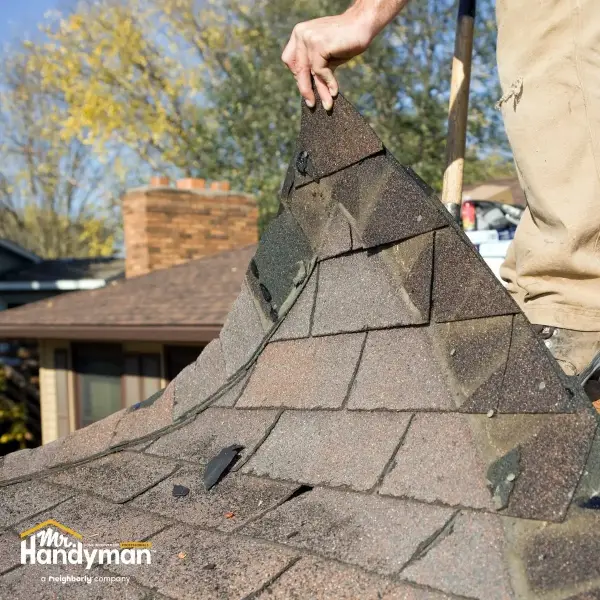
Wood rot is one of the most consistently underestimated post-winter repair categories in Wichita area homes, not because it is subtle in its advanced stages but because it develops through a process that winter initiates and spring accelerates in ways that homeowners who are not specifically looking for it frequently miss until the damage has progressed well past the stage where a simple repair was possible.
The conditions that produce wood rot in residential structures require two things simultaneously: moisture content in the wood above approximately nineteen percent, and temperatures warm enough to support the fungal activity that breaks down wood fiber. Winter provides the moisture loading through snow, ice, and freeze-thaw cycling that drives moisture into vulnerable wood elements at the building exterior. Spring provides the warmth that activates the fungal decay process in wood that has been moisture-loaded through winter. The result is that rot damage which was developing through winter but was held in a relatively dormant state by cold temperatures accelerates visibly in spring as temperatures rise and the conditions for active decay are fully established.
The wood elements most vulnerable to this cycle in Wichita area homes are the ones that combine moisture exposure with limited ventilation and drying opportunity. Exterior window sills are among the most consistently affected because their horizontal orientation collects precipitation, their paint film develops cracks and failures that admit moisture to the underlying wood, and their position below the window frame limits the air circulation that would otherwise allow the wood to dry between wet events. A window sill that appears sound when tapped from the exterior surface may have developed significant interior decay that a screwdriver probe reveals immediately. Soft resistance to probing pressure rather than the firm resistance of sound wood is the diagnostic indicator that rot has reached a stage requiring repair.
Fascia boards behind gutters are another post-winter rot location that Wichita area homeowners consistently discover in spring. Gutters that have been pulling away from their fascia attachment through winter ice weight expose the fascia to direct water contact during rain events, and the combination of that direct exposure with the limited drying that the gutter channel above provides creates rot conditions that develop quickly in spring. Fascia rot caught before it extends to the soffit and rafter tails behind it is a contained repair. Rot that has progressed to structural framing members requires more extensive intervention that costs significantly more and disrupts more of the surrounding assembly.
Deck and Fence Damage That Accumulates Through Kansas Winters
Exterior wood structures including decks, fences, pergolas, and any outbuildings with wood framing components all carry post-winter repair needs that spring inspection should capture systematically. These structures are fully exposed to every weather condition that a Kansas winter delivers, and the damage they accumulate through the cold months reflects that exposure in predictable patterns.
Deck boards that have absorbed moisture through winter expand as they take on water and then contract as they dry in spring. Repeated through multiple seasons, this cycling opens gaps between boards, works fasteners loose, and produces the cupping and warping that gives aging wood decks their characteristic uneven surface. A deck inspection in spring should include a systematic walk across every board while paying attention to boards that flex underfoot, fasteners that have risen above the board surface, and any boards that have split through their thickness in a way that creates a trip hazard or allows water to pool rather than drain.
Post bases and the first several inches of posts above grade level are the structural elements that winter affects most consequentially on wood decks and fences. Posts set in or close to soil contact absorb moisture from ground saturation through winter in a way that elevated posts do not, and the combination of moisture absorption with freeze-thaw cycling of the surrounding soil accelerates decay at the base faster than anywhere else in the structure. Probing post bases in spring with a screwdriver reveals whether the post is sound or has developed a rot pocket that compromises its structural contribution.
Fence panels that have shifted, leaned, or lost individual pickets through winter wind events are post-winter repair items that become more visible once snow cover is gone. Post heave from frost in the soil surrounding fence posts is common in Wichita yards where posts were set at inadequate depth or where drainage allows water to accumulate and freeze adjacent to the post. A heaved post rarely returns to its original position without intervention, leaving fence lines uneven and gate alignment disrupted in ways that become apparent once the yard is actively being used again.
Interior Damage That Post-Winter Repair Lists Cannot Overlook
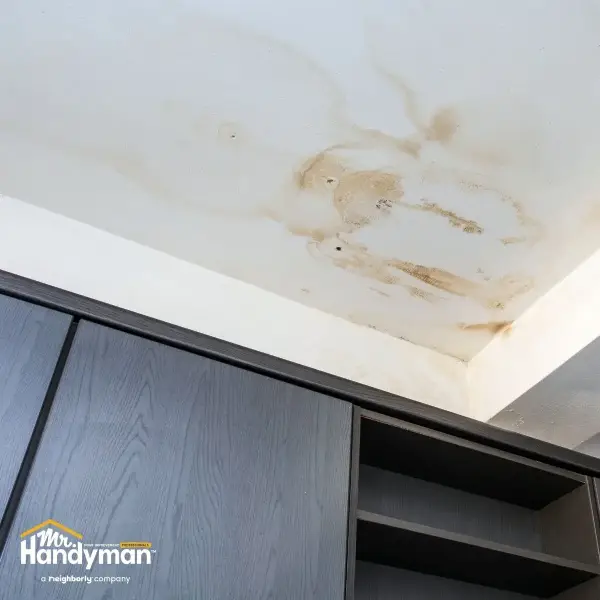
Post-winter repair attention appropriately focuses on exterior conditions, but the interior of a Wichita area home carries its own post-winter repair agenda that a thorough spring assessment should not skip.
Drywall and ceiling conditions showing staining, bubbling paint, or soft spots after winter are the interior manifestation of exterior moisture intrusion that the winter season produced. A water stain on a ceiling below a roof or plumbing system that experienced winter stress is not a cosmetic problem to be painted over. It is evidence of a moisture event that needs to be traced to its source before any interior surface repair is made. Patching or repainting without addressing the underlying condition produces a repair that fails through the same mechanism, typically within the first significant spring rain event.
Interior door alignment problems that develop through winter are a consistently common post-winter repair item. Wood door frames absorb moisture from humidity changes that heating systems drive through a home during cold months, and that moisture causes dimensional changes in framing members that alter door opening geometry in ways that cause doors to stick, fail to latch, or develop visible gaps at their perimeter. Most seasonal door alignment problems resolve partially as the home's moisture content stabilizes through spring, but doors that continue to stick or latch poorly after the transition season has passed have typically revealed an underlying framing or hinge condition that needs direct attention.
Room by Room: Where Post-Winter Repairs Concentrate Most
Kitchens and bathrooms deserve specific post-winter interior attention because their combination of plumbing supply lines, moisture-generating activities, and the cabinet and vanity spaces that conceal developing problems creates conditions where winter stress produces failures that go undetected until spring. Supply lines that experienced temperature stress in exterior or poorly insulated wall cavities through winter may show no immediate failure but have developed micro-fractures at fitting connections that will produce slow drips as water pressure cycles through warming months. Opening cabinet doors under every sink and checking the full length of supply lines for any sign of moisture, mineral deposit at connection points, or visible fitting deformation is a post-winter inspection step that takes minutes and prevents the cabinet floor damage and subfloor moisture intrusion that a slow supply line drip produces over weeks of undetected operation.
Garage spaces in Wichita area homes accumulate a specific set of post-winter conditions that spring inspection should capture before the garage transitions from winter storage mode to its active summer role. Garage floors that absorbed deicing chemical runoff from vehicles parked through winter show surface scaling and joint deterioration that represents both an appearance and a progressive structural concern. The overhead door itself deserves inspection of its weatherstripping at the bottom seal and side jambs, its spring tension and balance, and the condition of its panels if it is a sectional door that experienced impact from ice or wind-blown debris through the cold months. A garage door that operates with more resistance than it did before winter, produces unusual sounds during travel, or shows visible panel damage is communicating post-winter wear that should be addressed before the door is in daily use through summer.
Frequently Asked Questions
How do I know if my deck is safe to use after winter without a professional inspection?
A systematic homeowner inspection covers the majority of safety-relevant conditions. Walk every board and note any that flex significantly underfoot. Check every post base with a screwdriver probe. Test the railing system by applying lateral pressure to confirm it does not move. Examine joist hangers and post bases for rust that has progressed beyond surface oxidation. If any of these checks reveals conditions you cannot confidently evaluate, having a professional assess the structural elements before the deck carries summer gathering loads is a reasonable investment.
Should I repaint exterior trim immediately after finding rot damage or repair the rot first?
Always repair the rot before any paint work. Paint applied over repaired rot needs to adhere to sound material, and the epoxy consolidants and fillers used in rot repair need to be fully cured before topcoat application. Painting over a rot repair before it has cured traps solvents and prevents proper adhesion in the same zone where moisture infiltration originally caused the problem.
My interior doors were sticking all winter. Will they correct themselves in spring?
Often partially, but not always completely. Seasonal wood movement accounts for a portion of the sticking, and doors that were borderline in fall become more problematic through the high indoor humidity of heating season. If a door that was sticking through winter corrects itself by late spring without intervention, the cause was seasonal and monitoring through next winter is appropriate. If sticking persists after the transition season, the underlying frame geometry or hinge condition needs direct attention.
What post-winter repairs should I address before doing any cosmetic improvements?
Address moisture source repairs before cosmetic work in every case. Roof conditions, sealant failures, and any active water intrusion pathways need to be corrected before paint, flooring, or finish work proceeds in areas affected by or adjacent to those conditions. Cosmetic work that precedes moisture source correction will be damaged by the next moisture event and will need to be repeated, which doubles the cost of improvements that proper sequencing would have protected.
Post-Winter Repairs Done Right Before Spring Gets Away From You
The repair list that a Kansas winter generates is both predictable and time-sensitive. The conditions that winter creates become the damage that spring weather accelerates, and the gap between catching a post-winter repair early and discovering it after another season of weather exposure is almost always measured in significant additional cost and scope. Mr. Handyman of the Wichita Metro Area works with homeowners throughout the region on the full range of post-winter repairs that spring inspections identify, from wood rot replacement and caulking to deck repair, concrete patching, and interior damage remediation.
Call us or visit mrhandyman.com/wichita-metro-area to schedule post-winter repair service or request an assessment of what your home needs this spring. The right repairs done now protect everything the coming season will put them through.