
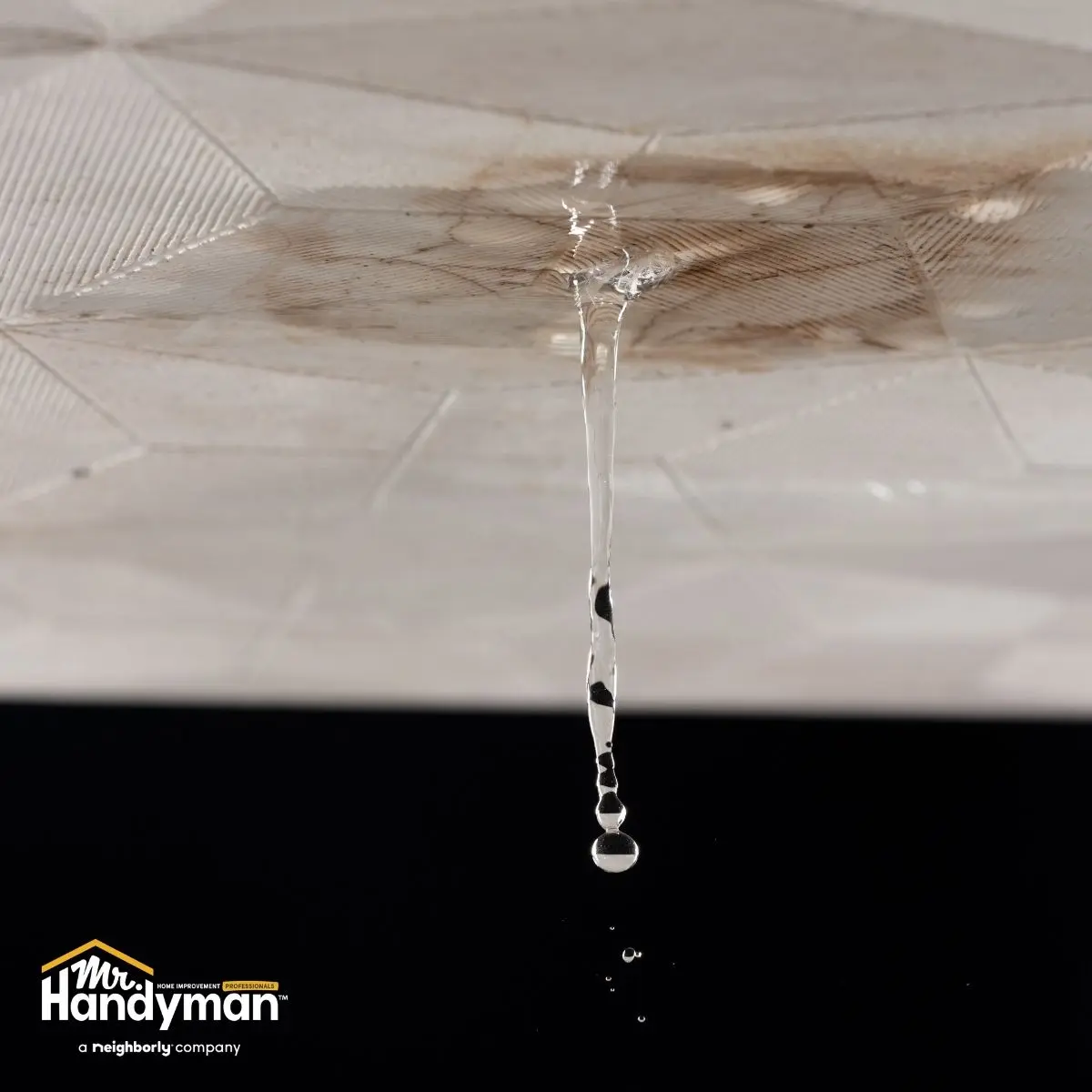
Water damage is one of the most expensive problems a homeowner can face, and the frustrating part is that it rarely announces itself. It builds quietly behind walls, under floors, and above ceilings while daily life continues around it. By the time most people notice something is wrong, the damage has already been growing for weeks or months. Learning to recognize the early signs changes that equation entirely.
This matters especially in the Wichita metro area. The climate here puts homes through real seasonal stress. Winters bring freezing temperatures that crack pipes and compromise seals. Spring arrives with heavy rainfall that tests drainage systems, foundations, and crawl spaces. Summer humidity works its way into basements and wall cavities. Homes in communities like Andover, Derby, Newton, Augusta, and Mulvane face these conditions year after year, and older housing stock throughout the region, much of it built before 1970, carries plumbing and building materials that are more vulnerable to moisture intrusion than what goes into homes today.
What Water Damage Actually Looks Like in the Early Stages
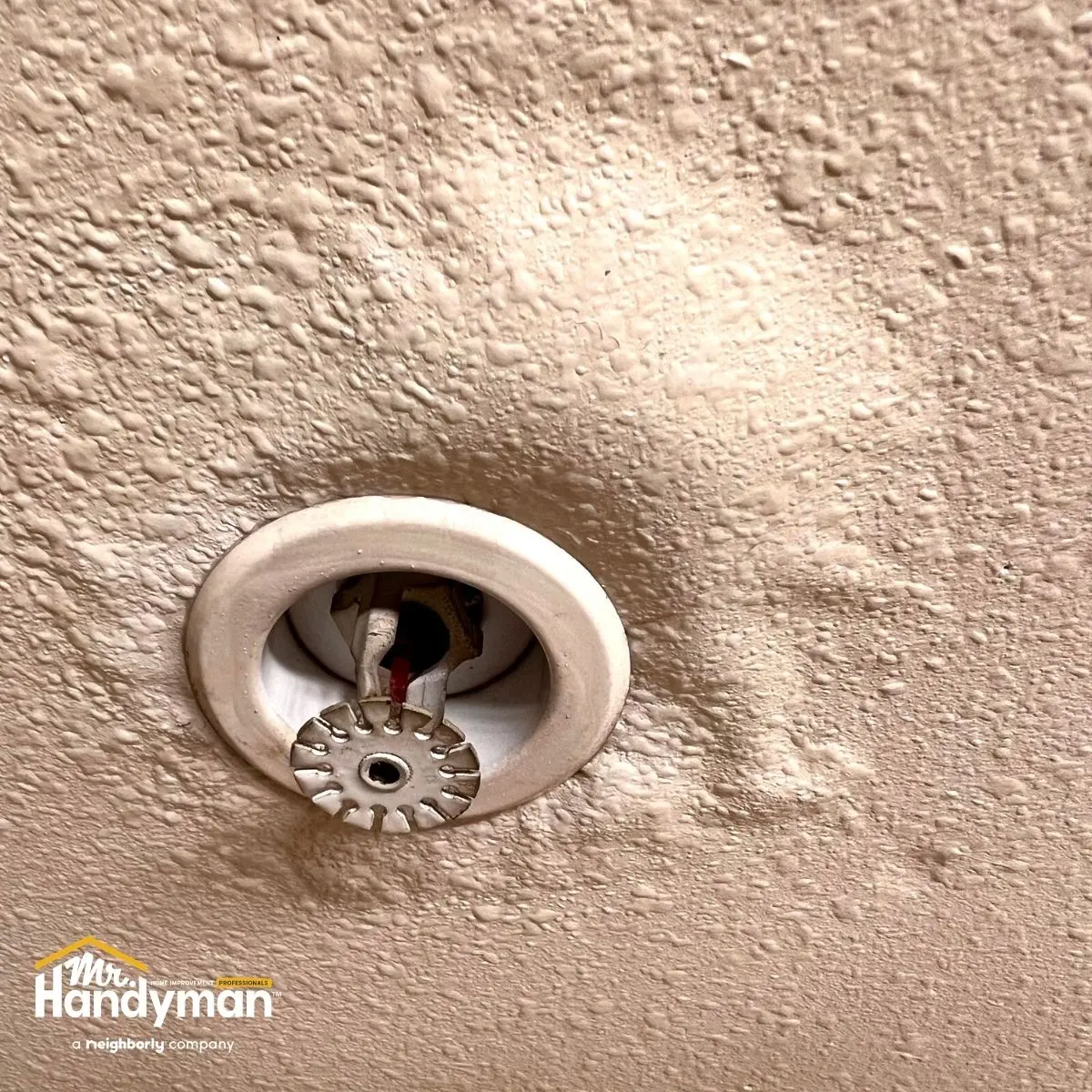
Most homeowners picture water damage as a burst pipe or a flooded basement. Those things happen, but they are the exception. The far more common scenario is a slow, hidden leak that does its damage over time before producing anything dramatic enough to get noticed.
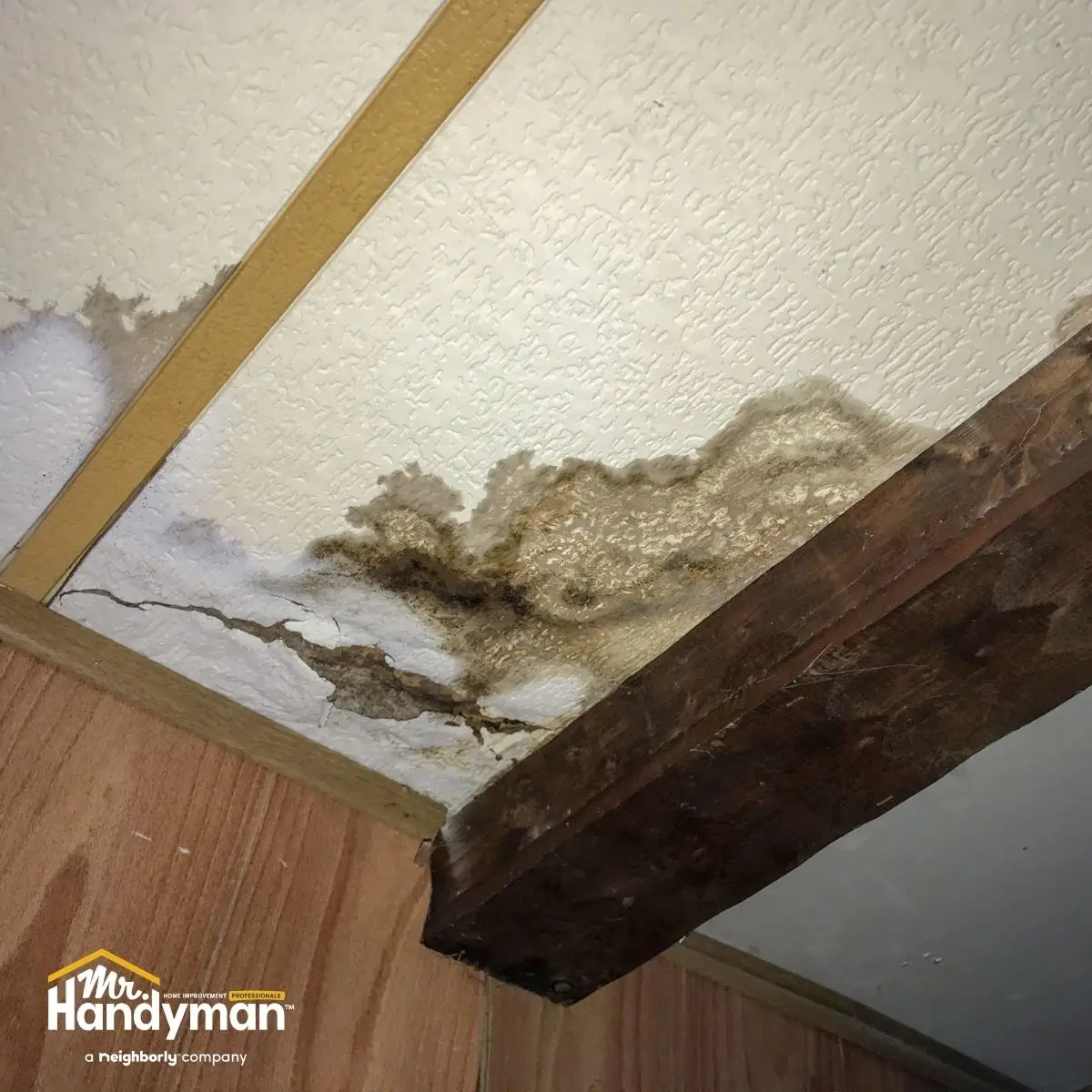
The first thing to watch for is discoloration. Water staining on ceilings appears as yellowish or brownish rings or patches, often with a darker outer edge where the moisture spread and dried repeatedly. On walls, look for paint that is bubbling, peeling, or pulling away from the surface. These are signs that water is trapped behind the surface and working against the paint's bond to the underlying drywall. Wallpaper that is lifting at the seams, particularly in bathrooms or laundry areas, tells the same story.
Floors often reveal water damage through texture rather than color. Wood floors that have started to cup, buckle, or develop soft spots underfoot are responding to moisture, either from a leak above or from humidity and water intrusion below. Tile floors that have cracked or shifted, or grout lines that have started to separate, can indicate that the subfloor beneath has absorbed moisture and begun to move. In Wichita homes with basements, pay attention to any section of flooring directly above a plumbing connection or appliance. These are the areas most likely to show early signs of a slow drip.
Following Your Nose and Trusting Your Instincts
One of the most reliable early warning signs of water damage is odor. A musty or earthy smell that seems to come from a specific room, cabinet, or area of the basement is almost always associated with mold or mildew growth, both of which require sustained moisture to develop. By the time the smell is noticeable, mold has typically been present long enough to establish itself, which means the moisture source has been active for some time.
Do not make the mistake of masking the smell with air fresheners or assuming it will resolve on its own. Trace it. Open the cabinet under the kitchen or bathroom sink and see if the smell intensifies. Check behind the toilet. Pull back the corner of a bathroom rug and look at the flooring underneath. In older Wichita homes with crawl spaces, particularly in areas like Clearwater, Garden Plain, and Whitewater, a musty smell on the main floor often originates below, where groundwater intrusion or a plumbing leak has created a damp environment that mold has colonized.
Mold does not always appear as black spots on a visible surface. It often grows in places you cannot easily see, inside wall cavities, under flooring, in the paper facing of drywall, or in insulation batts that have absorbed moisture. By the time visible mold is growing on a painted surface, the infestation behind it is usually significantly larger than what you can see.
The Walls, Ceilings, and Corners Worth Inspecting
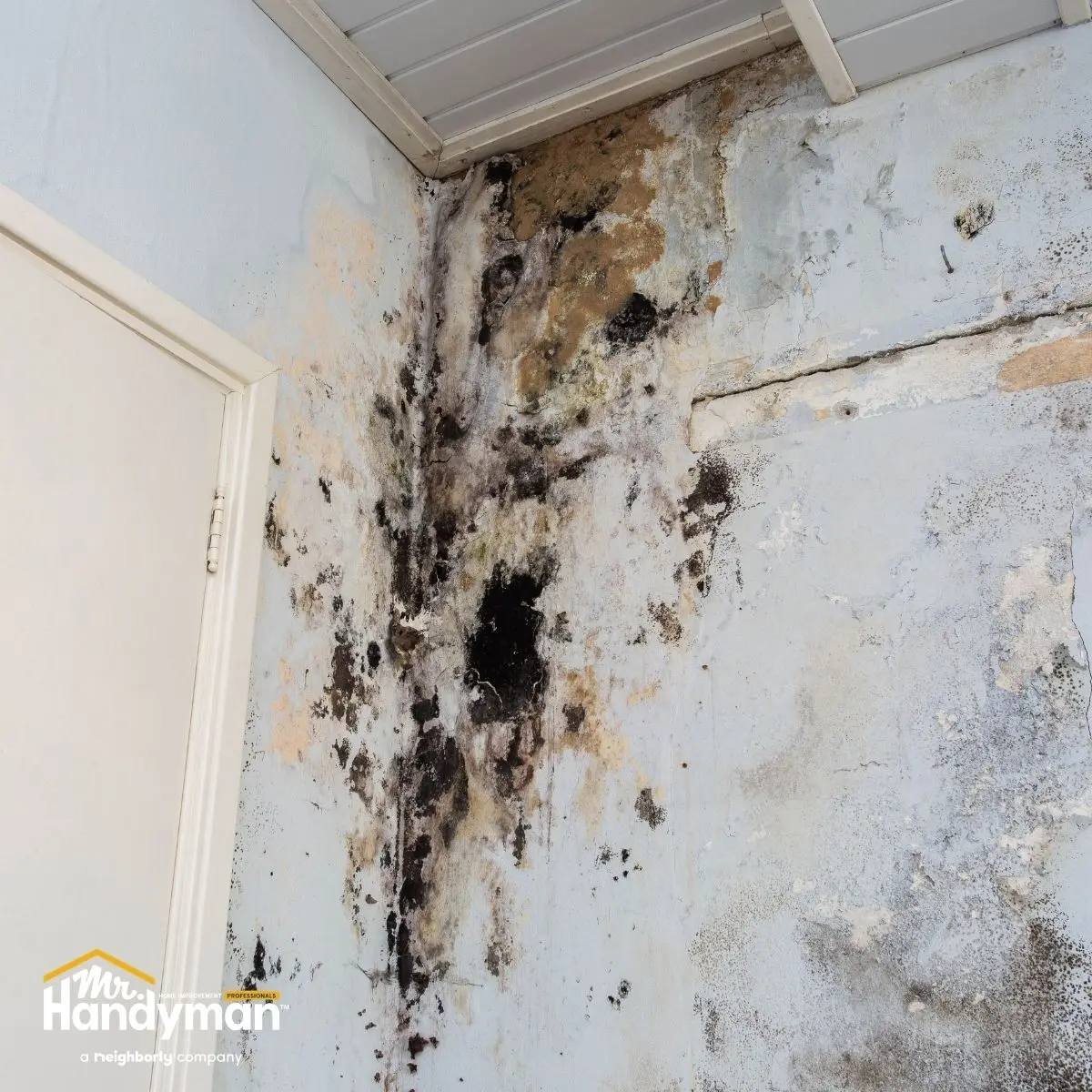
Walls and ceilings do a good job of hiding water damage until the problem becomes significant, but there are specific areas worth examining regularly. Any ceiling directly below a bathroom is a priority. A slow leak from a toilet wax ring, a failing supply line, or a cracked drain fitting will send water into the subfloor and eventually through to the ceiling below. By the time a stain appears on that ceiling, the subfloor above has already sustained damage.
In two-story homes throughout the Wichita metro area, water staining on a first-floor ceiling should always be investigated, not painted over. Painting over a water stain without identifying and resolving the source is one of the most common mistakes homeowners make. The stain returns, the moisture continues, and the underlying damage gets worse while the ceiling looks temporarily acceptable.
Look at corners where walls meet ceilings and where walls meet floors. These transitions are where water tends to accumulate and show itself first. Efflorescence on basement walls, which appears as a white, chalky mineral deposit on the surface of concrete or block, is a reliable sign that water has been moving through the wall. The minerals are left behind when the water evaporates, and their presence tells you that moisture is making it through from the outside. In homes across Newton, Haysville, and Valley Center where basements are common, this is one of the most consistent early indicators of foundation water intrusion.
Checking the Spaces Most Homeowners Overlook
There are areas in every home that rarely get attention precisely because they are inconvenient to access, and those tend to be the places where water damage develops furthest before being found. Crawl spaces, attic spaces above bathrooms, the area behind the washing machine, the space under a dishwasher, and the interior of bathroom vanity cabinets all fall into this category.
Make it a habit to open the cabinet under every sink in the house a few times each year and look at the floor of the cabinet. Any discoloration, soft spots, swelling, or evidence of dried moisture rings tells you a slow drip has been occurring. Check the supply lines and drain connections while the cabinet is open. Look at the wall behind the drain pipe for any staining or discoloration.
The washing machine area deserves particular attention. Supply hoses that are more than five years old, especially rubber braided hoses, are a known failure risk. A slow leak at the connection point behind the machine can saturate the wall and flooring behind the unit for months without being noticed. The same applies to the dishwasher. Pull it out periodically and look at the floor underneath and behind it.
Monitoring Your Water Bill and Meter
One of the most overlooked tools for catching hidden water damage early is your monthly water bill. A bill that has increased noticeably without a corresponding change in usage habits is telling you that water is going somewhere it should not. Even a small, consistent leak can add up to a significant volume over the course of a month, and that volume will show up in what you are paying.
The water meter test is even more direct. Turn off every water-using appliance in your home, note the current meter reading, wait two hours without using any water, and check the reading again. If the number has moved, there is an active leak in the system. This test costs nothing and takes only a few minutes of your time.
Wichita's Climate and Why Water Damage Escalates Faster Here
Understanding where water damage starts is only half of the picture. Understanding why it moves so quickly in Wichita-area homes is what motivates homeowners to act before a small problem becomes a major one.
The combination of seasonal extremes here creates conditions that accelerate moisture-related damage in ways that milder climates simply do not. When a pipe develops a hairline fracture from a winter freeze-thaw cycle, the crack may weep slowly through spring. Summer humidity then raises the moisture level inside wall cavities, creating the warm, damp environment that mold needs to grow aggressively. By fall, what started as a slow drip in February has produced mold colonization, compromised drywall, and potentially weakened framing that no one knew was happening. This is the pattern that plays out regularly in homes across Derby, Andover, Goddard, Augusta, and throughout the older neighborhoods of Wichita itself.
Homes built before 1980 carry additional risk. The construction materials common in that era, paper-faced drywall, older insulation, wood subfloor systems without moisture-resistant treatments, absorb and retain water more readily than modern materials. Once those materials become saturated, drying them out completely is difficult without professional intervention. The longer they stay wet, the more structural integrity they lose, and the more hospitable they become to mold.
Room by Room: Where to Focus Your Attention
Every room in a home has its own set of water damage vulnerabilities, and knowing where to look in each space makes an inspection faster and more effective.
In the kitchen, the area under the sink is the most common problem zone, followed by the space beneath and behind the dishwasher. Also look at the ceiling directly above if there is a bathroom on the floor above, and check the flooring near the refrigerator if it has an ice maker line connected to it. Ice maker supply lines are a frequent and underappreciated source of slow leaks.
Bathrooms have more water-related connections per square foot than any other room in the house. Check the base of the toilet for any soft flooring or discoloration in the grout. Look at the caulk line where the tub or shower meets the wall. Cracked or missing caulk in that joint allows water to work its way into the wall cavity with every shower, and in older tile installations throughout homes in Wichita's established neighborhoods, the grout and caulk have often been in place far longer than they should be.
Laundry rooms are high risk because they combine water supply lines, a drain connection, and an appliance that vibrates and stresses its connections with every cycle. Check the hoses behind the machine and look at the flooring around the drain for any sign of recurring moisture.
Basements across the Wichita metro area are among the most important spaces to monitor. Whether finished or unfinished, a basement that is taking on water from outside through foundation walls or window wells will show it in the form of efflorescence, staining along the base of the walls, musty odor, and in more advanced cases, visible moisture on the floor after heavy rain. The spring storm season that runs through May is when these symptoms are most active.
What Happens When Water Damage Goes Unaddressed
It is worth being direct about what the consequences look like when early signs of water damage are ignored, because the gap between a minor fix and a major restoration project is often measured in weeks rather than years.
A slow leak behind a bathroom wall that goes unnoticed for three months does not just damage the drywall. The moisture wicks into the wood studs, which begin to soften and develop mold. The insulation in the wall cavity becomes saturated and loses its effectiveness. If the leak is near a floor, the subfloor begins to delaminate and loses structural support. By the time that damage becomes visible from the surface, repairing it requires opening the wall, removing and replacing the affected materials, treating for mold, and then refinishing the surface. What might have been a straightforward plumbing repair and a patch of drywall becomes a multi-stage restoration project.
In homes across Mulvane, Bel Aire, Park City, and other Wichita metro communities where resale value matters and home equity is real, this kind of escalation also affects what a home is worth. Buyers notice water damage history. Inspectors find it even when sellers have tried to conceal it. Getting ahead of it protects both the home's condition and its value.
When to Call a Professional
There is meaningful DIY capability when it comes to spotting water damage. The inspection steps described throughout this article are things any homeowner can do on their own. Where professional help becomes important is in identifying the source of damage when it is not obvious, determining the full extent of damage behind walls and under floors, and making the repairs correctly so the problem does not return.
If you find water staining on a ceiling but cannot identify the source above it, that is a situation where guessing can be costly. Opening the wrong wall looking for a leak adds repair work without solving the problem. A professional who works with these issues regularly knows how to trace moisture to its origin, assess what has been affected, and determine whether the repair is straightforward or requires a more involved response.
Similarly, any time mold is present, professional assessment is worth the investment. Mold remediation is its own discipline, and the steps required to address it properly depend on how far it has spread and what materials it has affected.
Frequently Asked Questions
How quickly can water damage become a serious problem?
Faster than most homeowners expect. Mold can begin to establish itself within 24 to 48 hours in the right conditions, meaning a slow but consistent leak that goes unnoticed for even a few weeks can produce significant mold growth. Structural damage to wood framing and subfloor materials develops over a period of weeks to months depending on the volume of moisture involved. The speed of escalation is one of the strongest arguments for routine inspection rather than waiting for visible symptoms.
Does homeowner's insurance cover water damage?
It depends on the source. Most standard homeowner's policies cover sudden and accidental water damage, such as a pipe that bursts without warning. They typically do not cover damage that results from a slow leak that was present over time and went unaddressed, on the grounds that it was a maintenance issue rather than a sudden event. This distinction makes early detection not just a matter of protecting your home, but a matter of protecting your ability to file a valid claim if something significant does happen.
Can I paint over a water stain once the leak is fixed?
Once the source of the leak has been fully repaired and the affected area has been allowed to dry completely, a stain-blocking primer followed by finish paint is the right approach. Painting over a stain without addressing the moisture source is never a solution. The stain will return, often darker, and the damage behind it will continue. Make sure the wall or ceiling material is fully dry before painting, as painting over damp drywall traps moisture and accelerates deterioration.
What is efflorescence and should I be concerned about it?
Efflorescence is the white, powdery or chalky mineral deposit that appears on the surface of concrete or masonry walls, particularly in basements. It forms when water moves through the wall, carries dissolved minerals to the surface, and then evaporates. The mineral deposit it leaves behind is itself harmless, but its presence is a reliable sign that water is actively moving through the wall. In a Wichita-area basement, efflorescence should prompt an assessment of drainage around the foundation, the condition of window wells, and the grading of the soil against the exterior wall.
How to Get Help With Water Damage Repairs in the Wichita Metro Area
Spotting water damage early is exactly the kind of proactive maintenance that protects a home over the long term. When you find something that needs professional attention, whether it is a repair, a replacement, or a fuller assessment of what the damage has affected, Mr. Handyman of the Wichita Metro Area is ready to help. The team serves homeowners throughout Wichita, Andover, Derby, Newton, Haysville, Maize, Augusta, Valley Center, Mulvane, Goddard, and the surrounding communities with reliable, experienced service backed by the Done Right Promise.
Call or visit www.mrhandyman.com/wichita-metro-area to schedule a visit or request a consultation.