The Connection Between Equipment Condition and Everything a Gym Is Trying to Accomplish
A fitness facility makes an implicit promise to every person who walks through its doors. The promise is that the equipment they are about to use is safe, functional, and maintained to a standard that reflects the professionalism of the business operating it. That promise is made without words, through the condition of the machines, the smoothness of the cable systems, the stability of the benches and racks, and the overall impression that the facility communicates before a single workout begins. When that promise is kept consistently, members develop the trust and comfort that drive long-term retention. When it is broken, even once and even in a way that produces no injury, it creates a doubt that is difficult to rebuild and that accelerates the membership attrition that every fitness business works hard to prevent.
Gym equipment safety and maintenance is not a peripheral operational concern that can be addressed reactively when something breaks or when a member complaint makes it unavoidable. It is a foundational business practice whose quality directly determines member safety, facility liability exposure, equipment service life, and the retention metrics that determine whether a fitness business in the Wichita metro is growing or shrinking. These outcomes are connected in ways that make equipment maintenance simultaneously a safety issue, a financial issue, and a customer experience issue, and treating it as any less than all three produces management decisions that underinvest in one dimension while believing the others are being protected.
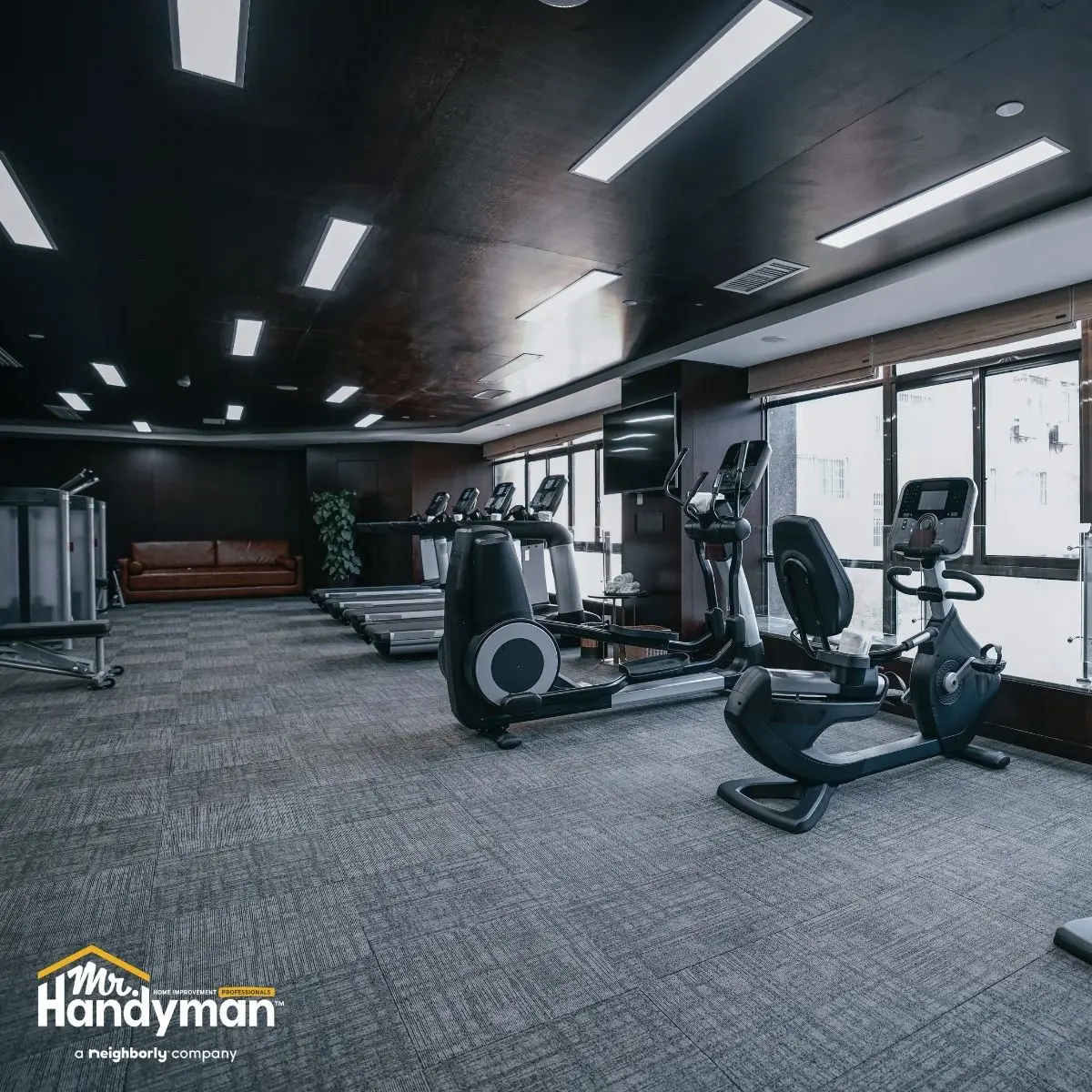
The Wichita metro fitness industry has grown considerably over the past decade, with independent gyms, franchise fitness concepts, hotel fitness centers, corporate wellness facilities, and community recreation centers all competing for members and users who have more options than at any previous point in the market's history. In that competitive environment, the physical condition of a facility and its equipment is one of the most immediately and universally evaluated differentiators between options. A prospective member touring two facilities with comparable pricing and programming will make their decision based significantly on which facility's equipment looks, feels, and operates better. And the member who is already enrolled but experiencing equipment that is consistently out of service, poorly adjusted, or making sounds that suggest it should not be in use is a member who is actively evaluating alternatives during every workout where those conditions are present.
What Improper Assembly Does to Equipment Performance and Member Safety
Fitness equipment assembly is a category of technical work that carries consequences that are not apparent at the moment of installation and that reveal themselves through use in ways that range from subtle performance degradation to acute safety failures. The assembly quality of a piece of strength or cardio equipment determines how it performs, how long it lasts, and what happens under the stress of heavy use, and the gap between correctly assembled equipment and incorrectly assembled equipment is not always visible during a casual inspection of the finished product.
Strength equipment including power racks, cable machines, plate-loaded units, and selectorized stack machines requires assembly precision at every structural connection point. Bolts that are not torqued to specification create joints that feel solid initially but develop movement under repeated loading that fatigues the surrounding material and eventually produces a structural failure that occurs without warning. Pulley systems that are not aligned correctly during assembly produce cable wear patterns that concentrate stress at specific points in the cable path, leading to cable failures that occur under load and that present a genuine injury risk to the member using the equipment at the moment of failure. Weight stack guide rods that are not plumb within specification produce binding and vibration that members experience as a rough, uncomfortable feel during use and that accelerates wear on the selector pin mechanism and the weight plate guides.
Cardio equipment assembly carries its own precision requirements that improper installation compromises in ways that affect both safety and member experience. Treadmill belt alignment that is even slightly off center during assembly produces edge wear on one side of the belt that shortens belt life and creates a running surface that is subtly uneven in a way that affects gait mechanics during extended use. Elliptical and stair climber assembly that does not achieve the correct pedal geometry through precise adjustment of the linkage components produces a motion path that feels wrong to experienced users and that places joints through a range of motion that the equipment was not designed to deliver, creating both discomfort and potential overuse injury risk. Stationary bike seat and handlebar posts that are not fully secured in their adjustment collars during assembly can shift under the loading of an intense cycling session in a way that creates an abrupt positional change that catches users off guard.
The Maintenance Schedule That Keeps Equipment Safe and Performing Correctly
Fitness equipment maintenance is not a single action performed when something breaks. It is a scheduled, systematic process that addresses the predictable wear patterns and lubrication requirements of each equipment category on a timeline that keeps those wear patterns from progressing to the point where they affect performance or safety. Facilities that operate without a documented maintenance schedule are not maintaining their equipment. They are operating on borrowed time, addressing failures after they occur rather than preventing them at the stage where prevention is both possible and inexpensive.
Cardiovascular equipment carries the most intensive maintenance schedule requirements of any fitness equipment category because it operates through high cycle counts that accelerate wear on every moving component. Treadmill belt and deck lubrication is the maintenance action with the highest frequency requirement and the highest consequence for neglect. A treadmill running on an inadequately lubricated deck generates friction between the belt and deck that produces heat, accelerates belt wear, stresses the drive motor beyond its design parameters, and creates a running surface that feels sluggish and inconsistent to the member using it. Most treadmill manufacturers specify belt lubrication at intervals between 150 and 200 hours of use, and in a commercial facility where a popular machine may accumulate that usage within a few weeks, lubrication needs to be scheduled as a regular operational task rather than an occasional maintenance event.
Drive belt tension on treadmills and other belt-driven cardio equipment requires periodic inspection and adjustment because belts stretch through use in a predictable pattern that produces slippage, reduced power transmission efficiency, and eventual drive system damage if the tension is not restored to specification. A treadmill with a loose drive belt delivers an inconsistent speed response that members experience as a belt that surges or hesitates during use, and that inconsistency is both a user experience problem and a safety concern for members who depend on consistent belt speed to maintain their running mechanics.
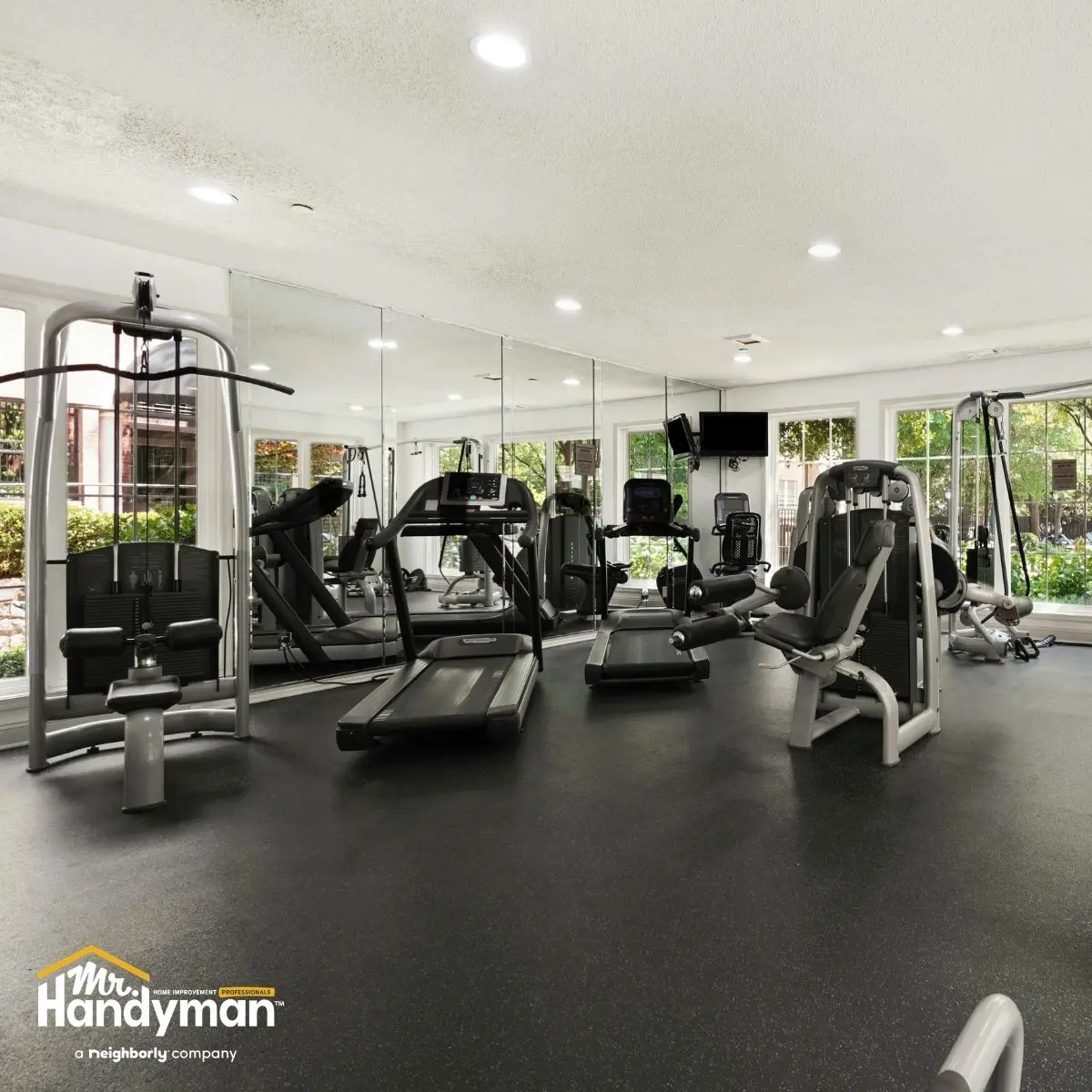
Strength equipment maintenance centers on the lubrication of guide rods, cable systems, and pivot points that keep loaded movements smooth and predictable. Guide rod lubrication on selectorized machines prevents the binding and vibration that dry rods produce under load and extends the service life of the weight plate guide assemblies that ride along them. Cable inspection for fraying, kinking, and wear at the termination points where the cable attaches to its end fittings is a safety-critical maintenance action because cable failures under load occur without warning and at the points of highest stress concentration. A cable that shows more than two or three broken strands at any point along its length, or that shows visible kinking or distortion from improper storage or routing, is a cable that should be replaced before it is returned to service rather than inspected again at the next scheduled maintenance interval.
How Equipment Condition Drives Member Retention and Business Performance
The connection between equipment maintenance quality and member retention is not a theoretical relationship that requires complex analysis to establish. It is a direct, observable dynamic that fitness facility operators encounter in member feedback, online reviews, and cancellation reasons with enough consistency to constitute one of the most reliable predictors of retention performance available to gym management.
Members who use fitness equipment regularly develop a finely calibrated sense of how each machine should feel when it is operating correctly, and they notice deviations from that baseline immediately. A cable machine that has developed a rough, dragging feel through inadequate guide rod lubrication is noticed by every member who uses it. A treadmill whose belt is slipping under load produces an inconsistency that experienced runners recognize within the first minute of a session. A bench whose pad has developed a lean from a loose mounting bolt creates a stability concern that members communicate to each other before they communicate it to management. These conditions accumulate in member perception as evidence that the facility is not being maintained to a standard that justifies their membership investment, and that perception drives the cancellation decisions that retention efforts struggle to reverse once they are formed.
Online reviews in the Wichita fitness market consistently reveal equipment condition as one of the most frequently cited factors in both positive and negative member assessments of a facility. A facility with consistently positive equipment condition reviews is a facility that has made maintenance a genuine operational priority rather than a reactive expense. A facility whose reviews regularly mention broken equipment, out-of-service machines, or equipment that feels worn and unsafe is a facility that is actively losing prospective members to competitors whose online presence does not carry those signals.
Liability Exposure That Poor Equipment Maintenance Creates
The legal and financial liability that fitness facilities carry as a result of equipment-related injuries is among the most significant operational risks in the fitness industry, and it is a risk that maintenance quality directly controls. A facility that documents its maintenance schedule, executes that schedule consistently, and keeps records of every inspection, adjustment, and repair that its equipment receives has a defensible position when an equipment-related injury occurs. A facility that cannot produce maintenance documentation, or whose documentation reveals gaps and deferred service, has a liability exposure that no waiver or insurance policy fully offsets.
Fitness facility waivers are a standard practice in the Wichita market and provide meaningful protection against claims arising from the inherent risks of physical exercise. They do not, however, provide protection against claims that arise from equipment that was in a defective or inadequately maintained condition at the time of an injury. The legal distinction between a member who injures themselves using properly maintained equipment and a member who injures themselves on equipment that had a known or discoverable maintenance issue is a distinction that determines whether a waiver provides protection or whether the facility faces a negligence claim that the waiver cannot shield it from.
Kansas premises liability standards require that commercial facilities exercise reasonable care to maintain their premises in a condition that is safe for the people they invite onto those premises. In the context of a fitness facility, that standard translates directly to equipment maintenance, because the equipment is the primary element of the premises with which members interact and the element whose condition most directly affects member safety. A facility that allows a cable machine to remain in service with a visibly fraying cable, a treadmill to operate with a belt that slips under load, or a strength rack to carry loose structural connections that create instability under heavy loading is operating below the reasonable care standard in a way that creates legal exposure regardless of the membership agreement language on file.
Documentation is the practical tool that converts a genuine maintenance commitment into a legally defensible record. A maintenance log that records the date of each service action, the specific equipment serviced, the nature of the service performed, and the technician who performed it creates the evidentiary foundation that supports a facility's position when equipment safety is challenged. Facilities that invest in systematic maintenance documentation are protecting both their members and their business in ways that reactive maintenance approaches, however well-intentioned, cannot replicate.
Professional Assembly and Maintenance Versus In-House Approaches
The decision between professional equipment assembly and maintenance services and in-house approaches managed by facility staff is one that fitness facility operators in Wichita make with varying levels of deliberation, and the outcomes of those decisions are reflected in equipment performance, service life, and the liability exposure profile described above.
In-house equipment maintenance by trained staff members is a viable approach for facilities with the budget to invest in proper training, the appropriate tools, and the organizational discipline to execute a consistent schedule. The challenge is that most fitness facilities are not primarily equipment service operations, and the staff members assigned to maintenance responsibilities carry competing priorities that frequently displace maintenance tasks when operational demands are high. A front desk employee who is also responsible for treadmill lubrication will prioritize member service during busy periods in a way that is entirely understandable and that nonetheless produces maintenance gaps that accumulate over time.
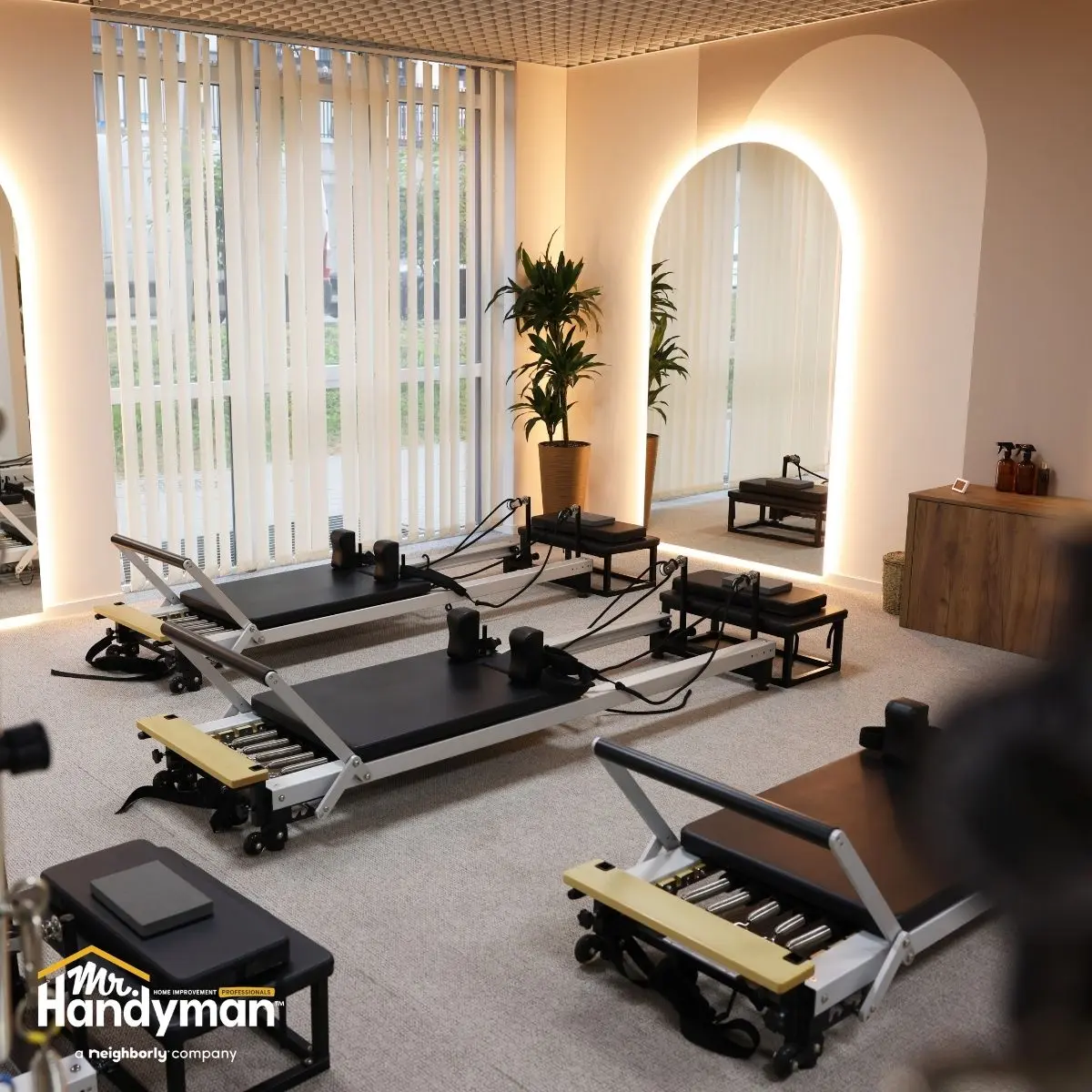
Professional assembly and maintenance services bring specialized knowledge, appropriate tools, and the specific focus on equipment condition that in-house approaches frequently cannot sustain consistently. A technician whose primary work is fitness equipment assembly and maintenance develops a calibrated understanding of what correct assembly feels and looks like, what wear patterns indicate developing problems before those problems become failures, and what adjustment specifications produce optimal performance across different equipment brands and models. That expertise produces assembly quality and maintenance outcomes that general facility staff training rarely matches, and it produces them consistently rather than variably depending on who is available and how competing priorities have affected the maintenance schedule.
For Wichita area fitness facilities ranging from independent gyms and hotel fitness centers to corporate wellness rooms and community recreation facilities, the investment in professional assembly and maintenance services needs to be evaluated against the full cost of the alternative. Equipment that is improperly assembled and inadequately maintained fails sooner, requires more frequent replacement, generates more member complaints, and creates more liability exposure than properly serviced equipment. The cost differential between professional service and the reactive repair and replacement costs that inadequate maintenance produces consistently favors the professional service investment when the full accounting is done honestly.
Equipment Categories That Require the Most Rigorous Maintenance Attention
Not all fitness equipment carries equal maintenance requirements or equal consequence for maintenance neglect, and understanding which categories demand the most rigorous and frequent attention helps facility operators prioritize their maintenance investment effectively.
Free weight equipment including barbells, dumbbells, and kettlebells carries lower mechanical maintenance requirements than cardio or selectorized equipment but requires consistent inspection for structural integrity issues that use and misuse produce. Barbells with bent shafts, cracked sleeves, or damaged knurling are safety concerns that should remove the bar from service immediately. Dumbbell heads that have loosened from their handles are impact injury risks that inspection catches before they produce a failure during use. Rubber-coated and urethane weight plates and dumbbells should be inspected for delamination and cracking that exposes the underlying weight material and creates sharp edges.
Functional training equipment including suspension trainers, battle ropes, plyometric boxes, and resistance bands carries maintenance requirements centered on structural integrity and attachment point security. Suspension trainer anchor points and carabiners should be inspected at regular intervals for corrosion, deformation, and load rating integrity. Plyometric boxes with damaged or delaminated surfaces create trip and impact hazards that inspection identifies before they contribute to a fall injury. Resistance bands should be inspected for cracking, nicking, and areas of reduced cross-section that indicate impending failure under the high tensile stress that band exercises apply.
Stretching and recovery equipment including foam rollers, massage tools, and stretching stations carries the lowest safety risk of any equipment category but contributes meaningfully to the member experience assessment that drives retention decisions. Equipment in this category that is visibly worn, damaged, or unhygienic communicates a maintenance standard that affects member perception of the entire facility beyond the specific items in question.
Frequently Asked Questions
How often should commercial fitness equipment receive professional maintenance service?
High-use cardio equipment in commercial facilities should receive professional service at minimum every three to six months depending on usage volume. Strength equipment typically requires professional service every six to twelve months for lubrication, cable inspection, and structural hardware verification. Facilities with above-average usage intensity or equipment that is approaching the end of its service life benefit from more frequent service intervals than these minimums suggest.
What is the most commonly overlooked maintenance item in commercial fitness facilities?
Cable inspection and replacement on selectorized strength equipment is the most consistently overlooked safety-critical maintenance item across commercial fitness facilities. Cables are visually inspected less frequently than their safety significance warrants, and the failure mode, a cable breaking under load, is one of the most acute injury risks in the facility environment. Establishing a documented cable inspection schedule and adhering to it is the maintenance action that most directly reduces this specific risk.
How do I know when fitness equipment should be repaired versus replaced?
The repair versus replacement decision should be driven by three factors: the cost of the required repair relative to the replacement cost of the equipment, the age and overall condition of the unit beyond the specific repair need, and the availability of replacement parts for the specific model. Equipment where the repair cost exceeds fifty percent of replacement cost, or where the model is no longer supported with replacement parts by the manufacturer, is generally a replacement candidate rather than a repair investment.
Can improper equipment assembly void manufacturer warranties?
Yes, and consistently. Most commercial fitness equipment manufacturers specify assembly by qualified technicians as a warranty condition, and damage or failure attributed to improper assembly is excluded from warranty coverage regardless of when the failure occurs within the warranty period. Professional assembly that follows manufacturer specifications protects the warranty coverage that represents a meaningful portion of the value of a commercial equipment investment.
How does equipment maintenance affect a fitness facility's insurance premiums?
Documented maintenance programs and clean equipment safety records support favorable underwriting outcomes with commercial fitness facility insurers. Facilities with equipment-related injury claims in their history, particularly claims involving maintenance-related equipment failures, face premium increases and coverage restrictions that documented preventive maintenance programs are specifically designed to avoid. Some commercial fitness insurers offer premium credits for facilities with documented maintenance protocols, making the investment in professional maintenance a direct operating cost management tool in addition to its safety and retention benefits.
Equipment That Works Is a Gym That Works
The fitness facilities that retain members, build strong reputations, and operate with confidence in their liability position are the ones that treat equipment assembly and maintenance as a foundational operational commitment rather than a reactive expense. Mr. Handyman of the Wichita Metro Area works with fitness facilities, corporate wellness centers, hotel gyms, and community recreation facilities throughout the region on the professional equipment assembly and maintenance services that keep facilities safe, performing correctly, and presenting at their best.
Call us or visit mrhandyman.com/wichita-metro-area to schedule equipment assembly or maintenance service for your facility. The members who trust your equipment with their safety deserve a facility that takes that trust seriously.