
Why Gym Flooring Is the Most Consequential Surface in Any Fitness Facility
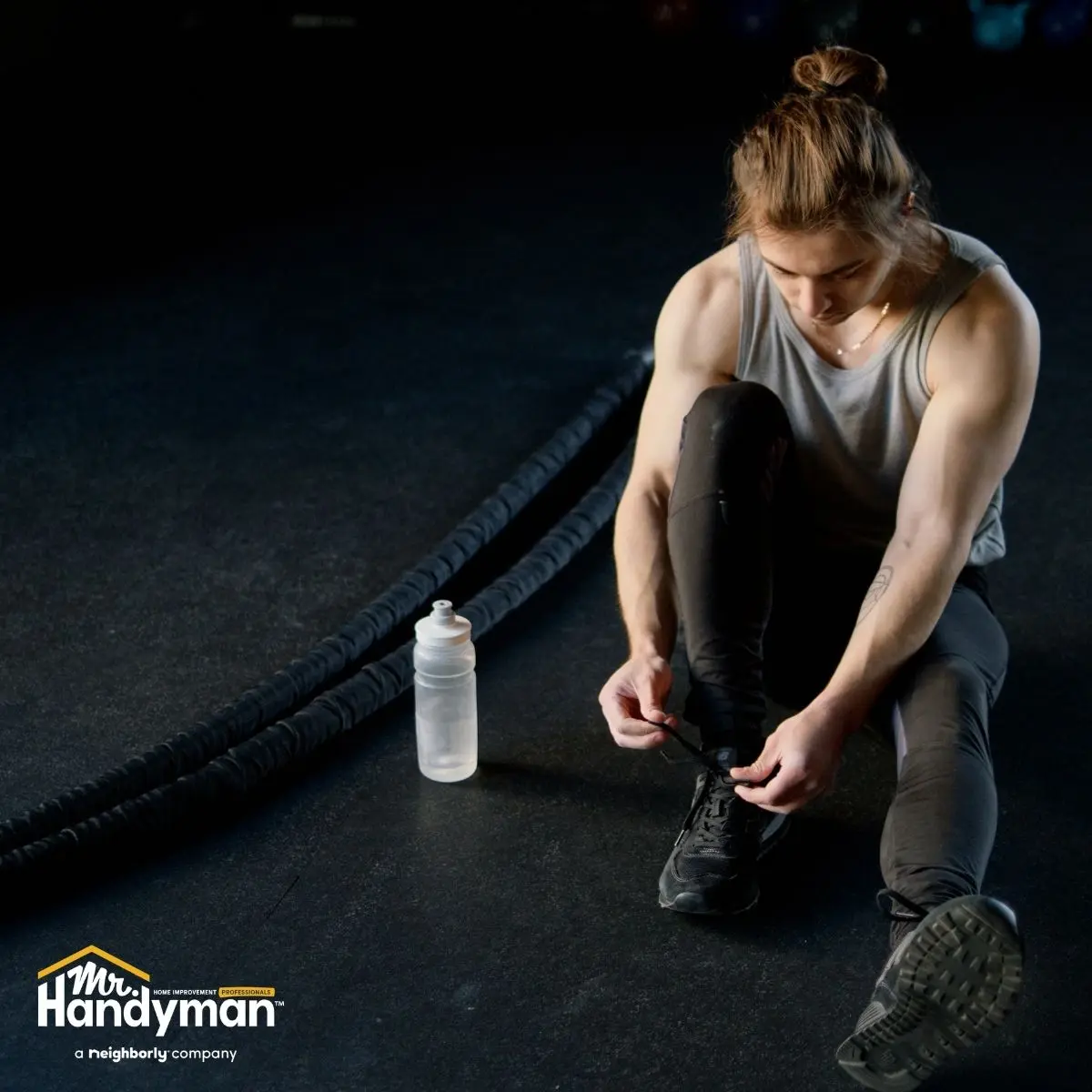
Every piece of equipment in a fitness facility sits on the floor. Every member who uses that facility walks, runs, jumps, lifts, and recovers on the floor. Every movement pattern that exercise produces, from the controlled descent of a squat to the explosive push-off of a sprint interval, originates from the floor surface and depends on that surface for the traction, stability, and impact absorption that safe movement requires. The floor is not background infrastructure in a fitness facility. It is the primary functional surface through which every safety-relevant interaction between member and facility occurs, and its condition determines the safety outcome of thousands of daily movement events in ways that no other facility element can match in scope or consequence.
Despite this central role, gym flooring is among the most consistently underprioritized maintenance categories in fitness facility operations across the Wichita metro. The reasoning that produces that underprioritization is familiar and flawed in equal measure. Flooring damage develops gradually, which means that individual members and staff acclimate to progressive deterioration without consciously registering the cumulative change in surface condition. Flooring repairs require the affected area to be temporarily out of service, which creates operational friction that busy facility managers are motivated to avoid. And flooring replacement is a capital expense that competes with equipment purchases and facility upgrades for budget allocation in a way that produces systematic deferral of flooring investment past the point where responsible maintenance would have intervened.
The consequence of that deferral pattern is a facility floor that accumulates safety risks quietly and continuously until a member injury event makes the condition impossible to ignore any longer. At that point, the facility faces not only the cost of the flooring repair or replacement that should have occurred earlier but also the liability exposure, the insurance implications, the member trust damage, and the potential regulatory attention that a documented injury event creates. Understanding the specific safety risks that damaged gym flooring produces, why they develop, and how regular maintenance prevents them before they reach the injury threshold is the foundation of a flooring management approach that protects members and the business simultaneously.
The Specific Damage Patterns That Create Hidden Safety Risks
Gym flooring damage does not occur uniformly across the facility floor. It concentrates in predictable patterns that reflect the usage intensity and movement types occurring in specific zones, and understanding those patterns helps facility operators focus their inspection and maintenance attention on the locations where safety risks develop fastest and most consequentially.
Rubber flooring in free weight and functional training areas carries the highest rate of damage accumulation of any flooring category in a commercial fitness facility. The combination of dropped weights, dragged equipment, rolling weight plates, and the concentrated point loading of barbells, kettlebells, and dumbbell racks produces surface damage patterns that range from surface cuts and abrasions to full-thickness tears and compression deformation at the equipment contact points. Cuts and surface abrasions in rubber flooring are not primarily a cosmetic concern. They are the initiation points for tears that propagate under subsequent loading events, expanding the damaged area with each weight drop or equipment movement until the compromised section has grown from a manageable surface repair into a flooring replacement scenario.
Seam separations between rubber flooring tiles and rolls are among the most hazardous damage patterns in commercial gym flooring because they create raised edges and gaps at floor level that present trip hazards to members who are moving through the space with the divided attention that exercise produces. A member performing a set of dumbbell curls while watching their form in the mirror, or carrying a loaded barbell from the rack to the lifting platform, is not scanning the floor ahead of them for seam separations. The first indication they receive that a seam has separated may be the moment their foot catches the raised edge, and the consequences of a fall during weight-bearing exercise can be severe.
Seam separations develop through a combination of mechanisms that Wichita's climate influences in specific ways. Temperature and humidity cycling causes rubber flooring materials to expand and contract dimensionally through the seasons, and interlocking tile systems that were installed at tight tolerances in one seasonal condition develop gaps as the material contracts in dry winter conditions. Adhesive failures at the seam edges of glued-down rubber rolls occur when moisture infiltration under the flooring material compromises the adhesive bond, producing edges that lift and create the raised profile that catches foot traffic. High-traffic areas where members pivot, change direction, and drag equipment across seam locations experience the highest rates of seam separation because these movements apply shear forces at the seam interface that exceed the interlock or adhesive strength of the seam over time.
Cardio and Turf Zone Flooring Risks That Facilities Underestimate
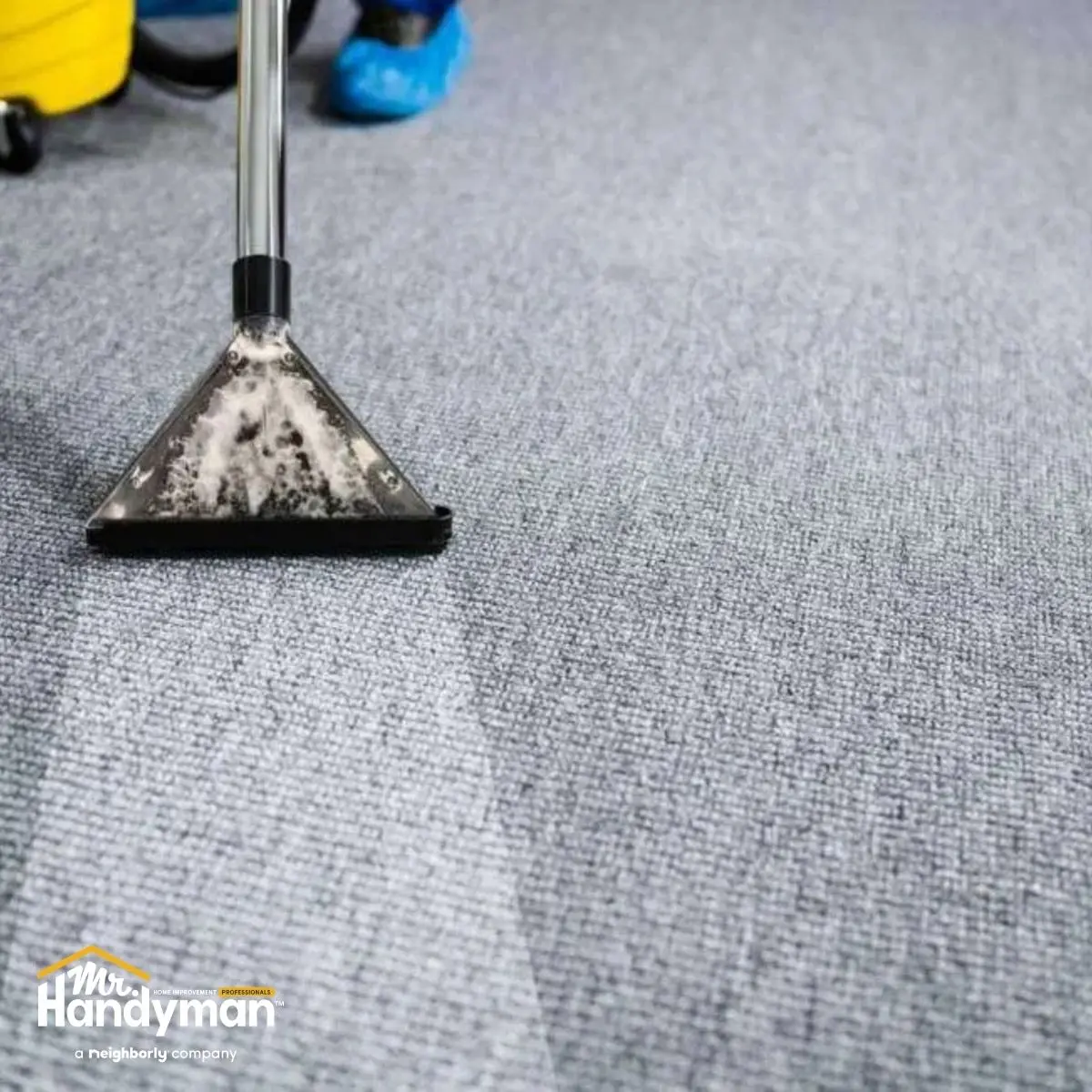
The flooring conditions in cardio zones and turf areas carry safety risk profiles that differ from free weight areas but that are no less consequential for the members using those spaces. Cardio equipment sits on flooring that experiences vibration, moisture from member perspiration, and the concentrated loading of equipment feet that can exceed several hundred pounds of static weight in a commercial treadmill or elliptical installation. These conditions create specific flooring damage patterns that develop below the equipment and at its immediate perimeter in ways that are invisible during normal facility operations because they are obscured by the equipment sitting above them.
Flooring underneath treadmills and other heavy cardio equipment deteriorates at an accelerated rate relative to adjacent areas because the combination of vibration transmission, concentrated foot loading, and the moisture that accumulates from member perspiration and equipment cleaning creates an environment that degrades both rubber and foam-backed flooring materials faster than the same materials experience in lower-stress applications. Moving cardio equipment periodically to inspect the flooring beneath it is a maintenance practice that reveals conditions, compressed and delaminated foam backing, rubber surface degradation, and moisture damage that has reached the subfloor, that would otherwise go completely undetected until the equipment is moved for replacement or reconfiguration.
Turf areas in modern fitness facilities present a flooring safety concern that is specific to their surface type and their usage patterns. Artificial turf installed over a foam or rubber underlayment provides the cushioning and traction that sled pushes, sprint drills, and agility training require, but the seam connections between turf sections and the adhesive bonds at the turf perimeter are points of vulnerability that heavy, repetitive use degrades over time. A turf seam that has separated creates a ridge at floor level that is particularly hazardous during sprint and agility drills where members are moving at speed with limited attention to floor surface conditions. The low profile of the ridge relative to the surrounding turf surface makes it visually subtle while its physical consequence for a member whose foot catches it at speed is entirely disproportionate to its apparent significance.
The Maintenance Program That Keeps Flooring Safe Between Replacement Cycles
A gym flooring maintenance program that effectively manages safety risks does not require the flooring to be in perfect condition at all times, which is an unrealistic standard for any heavily used commercial fitness environment. It requires that deteriorating conditions be identified systematically, evaluated against defined safety thresholds, and addressed through repair or temporary remediation before those conditions reach the threshold where they produce injury events. The difference between a facility that manages flooring safety effectively and one that does not is not the condition of the floor on the day it was installed. It is the consistency and thoroughness of the inspection and response process that operates between installations.
Daily visual inspection of flooring in high-traffic zones is the most fundamental component of a gym flooring maintenance program and the one that catches the most rapidly developing conditions before they reach the injury threshold. Staff members who open the facility each morning and walk the full floor area with specific attention to seam conditions, surface cuts and tears in rubber flooring, and any area where equipment has been moved and flooring beneath it has been exposed are performing the inspection that catches overnight developments and end-of-day damage from the previous session. This inspection does not require specialized knowledge or equipment. It requires a systematic approach, a defined path through every floor zone, and a clear standard for what conditions warrant immediate action versus scheduled repair.
Weekly detailed inspection supplements the daily visual check with closer evaluation of conditions that develop gradually and that daily observation may not capture at their early stage. Kneeling to check seam condition along high-traffic seam lines, probing areas of surface compression to assess whether foam backing has been compromised, and checking the perimeter conditions of equipment mats and turf sections for edge lifting and adhesive failure gives the facility a regular detailed picture of flooring condition that informs repair scheduling and capital planning in a way that daily observation alone cannot provide.
Got it. Writing Part B now, staying within the 1,000 to 1,200 word target, no divider lines.
Flooring Repair Versus Replacement: Making the Right Decision at the Right Time
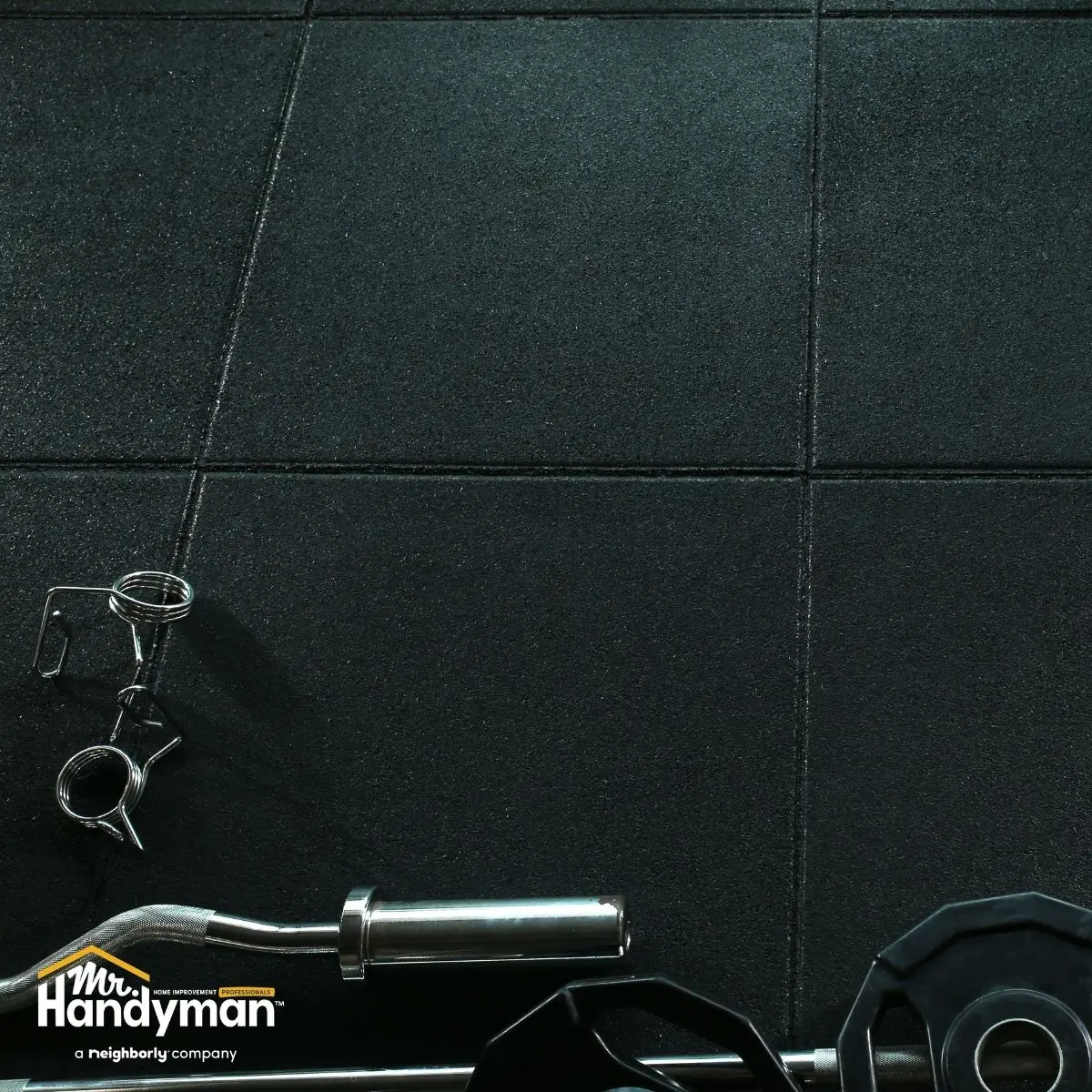
The decision between repairing damaged gym flooring and replacing it is one that fitness facility operators in Wichita face with increasing frequency as their flooring ages and usage intensity accumulates, and it is a decision that benefits from a clear framework rather than a reactive judgment made under the pressure of a visible safety concern or a member complaint.
Repair is the appropriate response when damage is localized, when the surrounding flooring material is in sound condition, and when the repair can restore the surface to a condition that meets the safety and performance standard the facility requires. A tile section with a significant tear that has not propagated to adjacent tiles is a repair candidate if replacement tiles in a matching specification are available. A seam separation along a short run of rubber roll flooring where the adhesive has failed at the edge is a repair candidate if the material on both sides of the seam is otherwise sound and the adhesive reattachment can be executed cleanly without creating a ridge that exceeds the surrounding floor plane.
Replacement is the appropriate response when damage has spread beyond a manageable area, when the flooring material has deteriorated through its full thickness, when the foam or rubber backing has been compressed to the point where it no longer provides adequate impact absorption, or when repair attempts would produce a patchwork result that does not meet the facility's safety standard or that looks significantly inferior to the surrounding floor. Facilities that have been patching the same high-traffic zones repeatedly through a flooring product's life cycle reach a point where the cumulative repair cost approaches or exceeds replacement cost, and at that point replacement is the more economical long-term decision even when individual repair events appear manageable in isolation.
The timing of replacement matters financially and operationally in ways that reactive decision-making does not optimize. A facility that plans flooring replacement proactively, scheduling it during a lower-traffic period and ordering materials with adequate lead time, controls the cost and disruption of the project. A facility that replaces flooring reactively after an injury event or a regulatory citation faces the same replacement cost under conditions of urgency that produce higher contractor rates, compressed material selection, and the additional costs of managing a facility disruption during a period when the business cannot afford operational gaps.
How Wichita's Climate Affects Gym Flooring Condition and Maintenance Requirements
The specific climate conditions that the Wichita metro delivers through the seasons affect gym flooring materials in ways that facility operators in this market need to account for in their maintenance planning. Kansas is not a mild climate, and the temperature and humidity cycling that the region experiences creates flooring stress conditions that facilities in more stable climates do not face to the same degree.
Winter heating season in Wichita drives indoor humidity levels down significantly as heating systems condition outdoor air that carries minimal moisture content through the cold months. Rubber flooring materials, particularly interlocking tile systems, experience dimensional contraction in low-humidity conditions that opens gaps at tile joints and creates the seam separation conditions described earlier. Facilities that installed interlocking rubber tile flooring during summer at the material's expanded dimension may find that those tiles develop noticeable gaps through winter as the material contracts, and those gaps need to be monitored and addressed before they become trip hazards.
Summer in Wichita brings high outdoor humidity that infiltrates facilities through member traffic, ventilation systems, and any envelope gaps that allow outdoor air to enter the conditioned space. Elevated indoor humidity during summer affects adhesive-bonded rubber flooring by softening the adhesive bond at seams and perimeter edges, producing the edge lifting that creates raised surfaces at floor level. Facilities with inadequate HVAC dehumidification capacity experience more severe summer adhesive degradation than facilities that maintain indoor humidity within the range that flooring adhesive manufacturers specify for long-term bond performance. Monitoring indoor humidity conditions and addressing HVAC dehumidification limitations is a facility management action that protects flooring adhesive bonds through the humid summer months in a way that no amount of seam maintenance can fully substitute for.
Facility Zones and the Flooring Standards Each One Requires
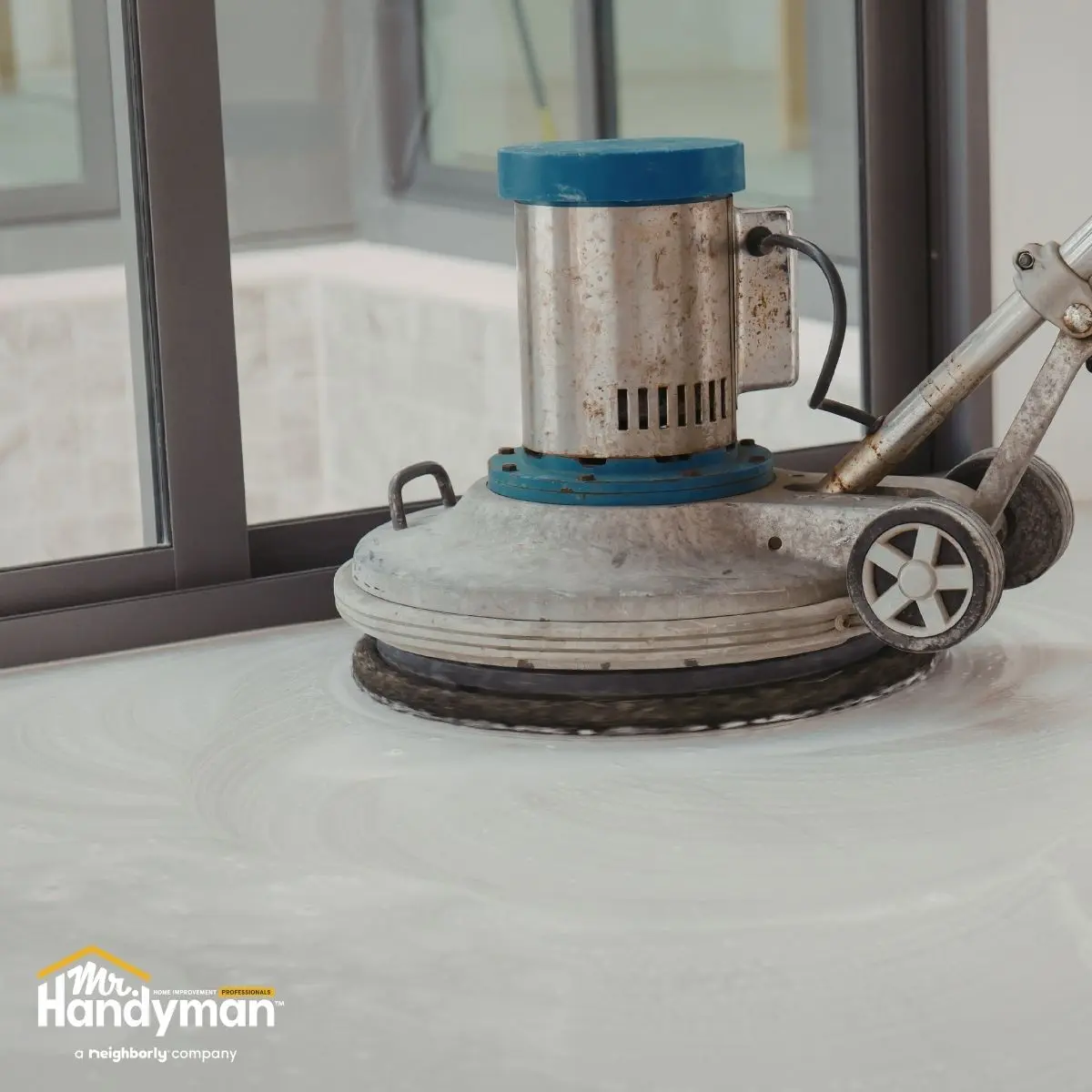
Different zones within a commercial fitness facility carry different flooring performance requirements, and the maintenance standard appropriate for each zone reflects those differences. A single maintenance approach applied uniformly across all facility flooring produces over-maintenance in lower-risk zones and under-maintenance in higher-risk ones, neither of which represents optimal resource allocation.
Free weight and powerlifting zones require the most robust flooring specification and the most frequent maintenance attention because they experience the highest impact loading, the most abrasive equipment contact, and the greatest risk of acute flooring damage from dropped weights. Rubber flooring in these zones should be a minimum of three-quarter inch thickness for standard free weight use, and a full inch or greater for dedicated powerlifting platforms where maximum loaded drops occur. Maintenance inspection in these zones should occur daily, with particular attention to the areas directly around weight storage racks where equipment is set down repeatedly and where the cumulative impact of thousands of weight contacts accelerates surface and substrate deterioration faster than anywhere else in the facility.
Stretching and group fitness areas carry lower impact loading requirements but higher traction requirements for the floor-based movements, lunges, lateral shuffles, and change-of-direction patterns that group fitness programming involves. Flooring in these zones that has developed a compressed surface profile through heavy use loses the grip texture that the original surface provided, creating a slip risk during dynamic movement that is particularly acute when members are sweating. Maintaining adequate surface texture through periodic cleaning with appropriate rubber flooring cleaner, and replacing tiles or sections that have compressed beyond their functional grip threshold, keeps these zones performing safely through the full range of movement that group fitness programming demands.
Frequently Asked Questions
How do I know when rubber gym flooring has lost its impact absorption properties even if it looks intact on the surface?
The most reliable field test for foam backing compression is the knee drop test. Kneeling firmly on the flooring in the area of concern and comparing the feel to an area of new or less-used flooring gives a practical sense of how much cushioning the substrate is providing. Flooring where the backing has compressed significantly feels noticeably harder underfoot and produces less give under knee pressure than flooring with intact backing. Facilities that want a more objective assessment can measure flooring thickness with a caliper and compare it to the manufacturer's new specification, with significant compression indicating backing that has lost its functional impact absorption capacity.
What cleaning products are safe for commercial rubber gym flooring?
pH-neutral cleaning solutions specifically formulated for rubber flooring are the appropriate choice for routine cleaning. Strongly acidic or alkaline cleaning products degrade the surface of rubber flooring over time, accelerating the loss of grip texture and surface integrity that creates the slip and abrasion risks described above. Bleach-based cleaners are particularly damaging to rubber flooring and should not be used for routine cleaning even in the disinfection context that fitness facilities require. Quaternary ammonium disinfectants in pH-neutral formulations provide the sanitation performance that fitness facilities need without the rubber surface degradation that bleach-based products produce.
How long should commercial rubber gym flooring last under normal usage conditions?
High-quality commercial rubber flooring in free weight zones typically carries a realistic service life of seven to twelve years under normal commercial usage conditions with consistent maintenance. Cardio zone flooring underneath heavy equipment may compress to its functional replacement threshold in five to eight years depending on equipment weight and usage intensity. Turf areas in high-use functional training zones may require replacement in four to six years under intensive programming schedules. These ranges assume consistent maintenance that addresses damage promptly rather than allowing it to accumulate and accelerate the overall deterioration of the installation.
What subfloor conditions should be addressed before new gym flooring is installed?
Concrete subfloor moisture is the most critical condition to assess and address before any rubber or foam-backed gym flooring installation. Moisture vapor transmission through a concrete slab that is not adequately sealed will compromise adhesive bonds, promote mold growth in the backing of foam-cushioned products, and create the bubbling and edge lifting that requires premature flooring replacement. Moisture testing using calcium chloride test kits or relative humidity probes embedded in the slab provides the data needed to determine whether a vapor barrier or moisture mitigation system is required before flooring installation proceeds.
Flooring That Works as Hard as Your Members Do
The floor of a fitness facility is working every hour the facility is open, absorbing impact, providing traction, and supporting the safety of every movement that every member performs. Keeping it in the condition that fulfills that role requires a maintenance commitment that matches the demands the facility places on it. Mr. Handyman of the Wichita Metro Area works with fitness facilities, corporate wellness centers, and commercial properties throughout the region on the flooring inspection, repair, and replacement services that keep facility floors safe, functional, and performing at the standard members deserve.
Call us or visit mrhandyman.com/wichita-metro-area to schedule a flooring assessment or request service for specific repair needs your facility has identified. A floor that is maintained correctly is a facility that members can trust with their safety every time they walk through the door.
