
What Lighting Is Actually Doing in a Fitness Facility and Why Its Condition Matters
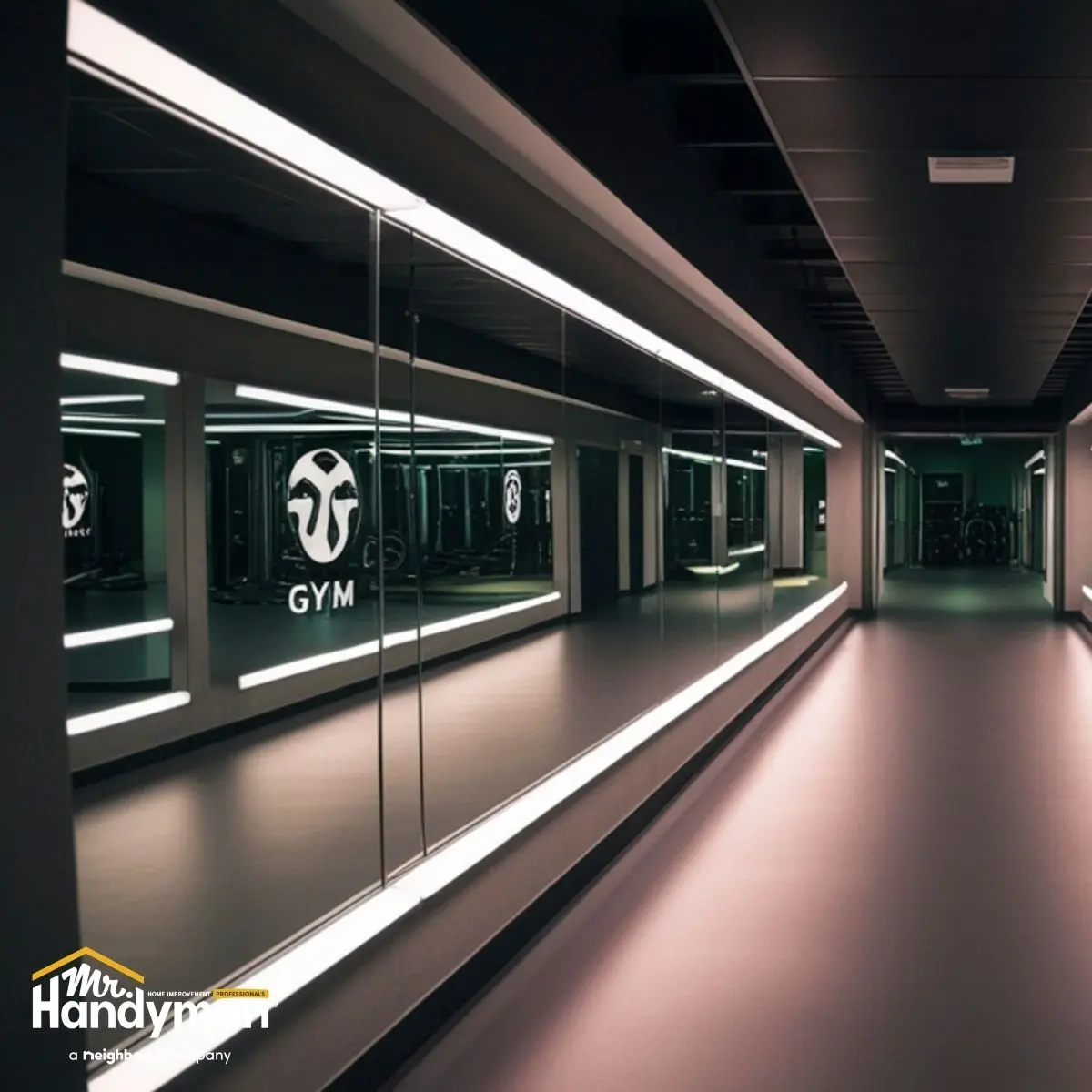
Lighting in a fitness facility is carrying a heavier operational load than its presence as a background utility suggests. It is simultaneously a safety system, a performance environment factor, a brand presentation element, and a significant operating cost driver whose condition affects all four of those functions simultaneously and continuously through every hour the facility is open. A fitness facility operator who thinks about lighting primarily in terms of whether the lights are on or off is managing only the most basic dimension of a system whose performance quality directly shapes member experience, staff safety, and the monthly energy bill in ways that are worth understanding explicitly.
The safety function of gym lighting is the most consequential dimension and the one that most directly connects lighting maintenance to liability exposure. A fitness facility floor where illumination is uneven, where specific zones are dim due to failed fixtures or degraded lamp output, or where high-contrast transitions between bright and dark areas disrupt visual adaptation creates conditions where members cannot clearly see the floor surfaces, equipment placements, and spatial relationships that safe movement through an active training environment requires. A member who trips over a weight plate, collides with a rack, or misjudges the edge of a platform in an inadequately lit training zone has experienced a safety failure whose physical cause was on the floor but whose contributing condition was in the ceiling.
The performance environment function of gym lighting is less immediately dramatic than the safety function but equally relevant to the member experience outcomes that drive retention. Research on exercise psychology consistently demonstrates that lighting conditions affect arousal, motivation, and perceived exertion during physical activity in measurable ways. High-intensity, high-color-temperature lighting in the 4000 to 5000 Kelvin range supports the alertness and energy that high-intensity training demands. Warmer, lower-intensity lighting in stretching, yoga, and recovery zones supports the calm, focused state that those activities require. A facility whose lighting delivers the same quality and intensity across all zones regardless of the activity they support is leaving a member experience performance opportunity unrealized, and in the competitive Wichita fitness market where member experience is a primary differentiator, unrealized opportunities carry a cost.
The brand presentation function of gym lighting connects directly to the wall and ceiling condition discussion that experienced facility operators understand well. Lighting quality affects how every other surface in the facility appears to members and visitors. Fresh paint looks different under maintained lighting than under degraded lighting whose color rendering index has dropped through lamp aging. Equipment condition is more apparent under adequate, accurate lighting than under the yellow, flickering illumination of aging fluorescent fixtures that have not been maintained. The facility that invests in equipment and surface maintenance but neglects lighting maintenance is presenting its investment under conditions that discount its perceived quality in the eyes of every member who trains there.
The Lighting Maintenance Problems That Fitness Facilities in Wichita Most Commonly Face
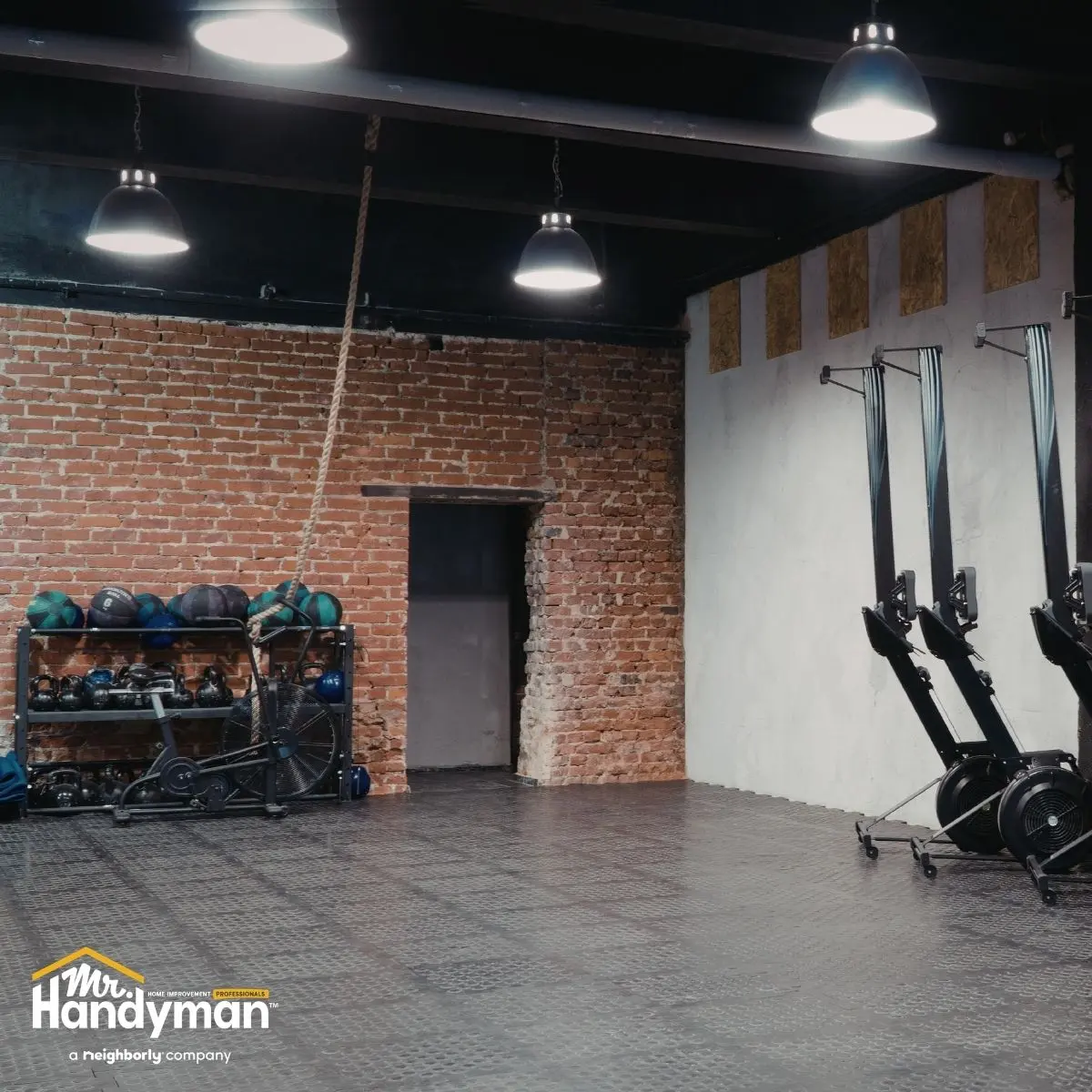
Commercial fitness facilities in the Wichita metro face a specific set of lighting maintenance challenges that are shaped by the combination of high operational hours, the physical environment of an active training space, and the climate conditions that Kansas delivers through its seasonal transitions. Understanding which problems develop most predictably and why they develop helps facility operators build a maintenance approach that addresses conditions before they affect member experience rather than after.
Lamp lumen depreciation is the lighting maintenance problem that most facilities are managing without realizing it, because it develops so gradually that the eye adapts to the progressive reduction in illumination level without registering the change as a maintenance failure. Every lamp, including LED sources, produces less light at the end of its rated service life than it did when it was new. The lumen depreciation curve for fluorescent lamps, which remain common in older Wichita commercial fitness facilities that have not yet completed LED conversion, is steep enough that a fluorescent lamp at seventy percent of its rated service life may be producing sixty to seventy percent of its original lumen output. Across a large training floor served by multiple fixtures, that cumulative depreciation represents a meaningful reduction in actual illumination level that the facility's original lighting design did not account for and that members experience as a space that feels dim and unwelcoming relative to facilities with maintained lighting systems.
Fixture lens and reflector fouling is the lighting maintenance problem that compounds lumen depreciation in gym environments by adding a second light loss mechanism on top of the first. Commercial gym environments generate airborne dust, chalk, and sweat vapor that accumulates on fixture lenses, diffusers, and reflector surfaces over time and reduces the light transmission through those components. A fixture lens that has accumulated a uniform film of gym dust reduces the light output from the lamp behind it by a percentage that varies with the density of the accumulation but that can reach twenty to thirty percent in facilities where fixture cleaning is not part of the routine maintenance program. Combined with lamp lumen depreciation, the cumulative light loss from both mechanisms can reduce actual floor-level illumination to fifty or sixty percent of the design level without any individual fixture appearing obviously failed.
Emergency lighting system degradation is a lighting maintenance problem with consequences that extend beyond member experience into regulatory compliance and genuine life safety. Commercial fitness facilities in Kansas are required to maintain emergency lighting systems that provide adequate illumination for safe egress in the event of a power failure, and those systems rely on battery backup units whose capacity degrades through charge-discharge cycling and calendar aging in ways that are not apparent during normal operations when the facility's primary power is supplying the lights. An emergency lighting battery that has degraded to fifty percent of its rated capacity will supply the required illumination duration in a brief power interruption but may not sustain adequate lighting through an extended outage or a power failure during a severe weather event of the type that Wichita's storm season regularly produces. Testing emergency lighting systems by simulating a power failure and timing the actual illumination duration against the required minimum is the only maintenance practice that confirms the system will perform when it is actually needed.
LED Conversion: The Lighting Investment That Pays Back in Multiple Dimensions Simultaneously
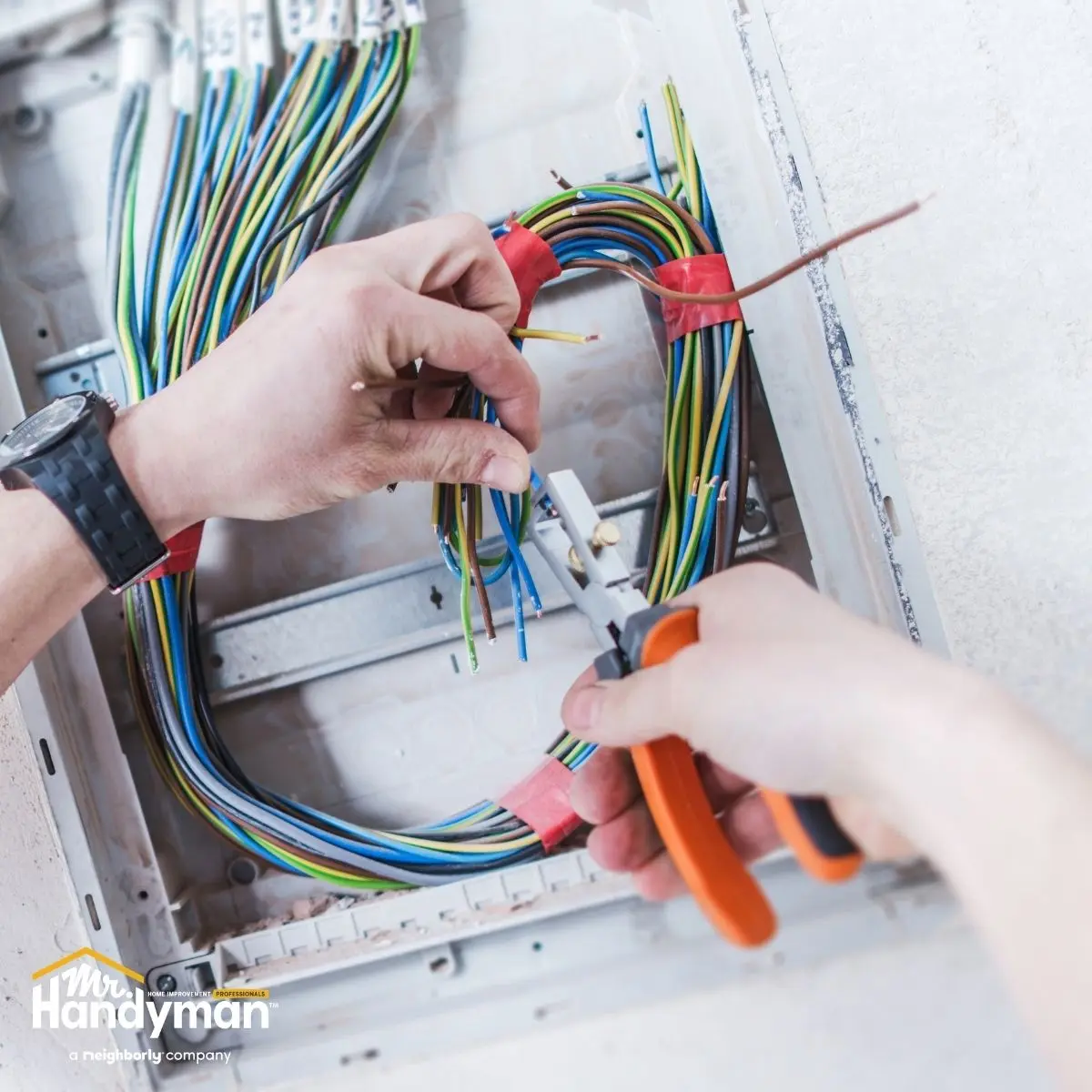
The transition from fluorescent and metal halide lighting to LED technology is the most impactful single lighting maintenance investment available to Wichita area fitness facilities that have not yet completed it, and the case for that investment has strengthened considerably as LED technology has matured and as the energy cost differential between LED and legacy lighting sources has grown. Facility operators who are still managing fluorescent lighting systems are carrying operating costs, maintenance burdens, and member experience limitations that LED conversion eliminates across all three dimensions simultaneously.
Energy consumption is the most quantifiable dimension of the LED conversion return. Commercial LED fixtures consume between forty and sixty percent less energy than the fluorescent or metal halide sources they replace while producing equivalent or greater lumen output. For a Wichita area fitness facility operating twelve to sixteen hours per day through a full year, the energy cost reduction from a comprehensive LED conversion is a meaningful annual operating expense improvement that pays back the conversion investment within a timeframe that most facility financial analyses find compelling. Kansas commercial electricity rates, combined with the high operational hours of a commercial fitness facility, produce energy savings from LED conversion that accumulate to significant annual amounts across a facility with a large lighting load.
Maintenance burden reduction is the second dimension of LED conversion return, and for facility operators who are managing large fluorescent or metal halide installations, it may be the more immediately felt benefit. Fluorescent lamps in commercial installations require replacement at intervals that range from one to three years depending on operating hours and lamp type, and the labor cost of relamping a large commercial gym ceiling across multiple fixture types and lamp sizes accumulates to a significant annual maintenance expense. LED sources in commercial fixture applications are typically rated for fifty thousand hours or more of service life, which at the operational hours of a commercial fitness facility translates to a relamping interval measured in decades rather than years. The practical result is a lighting system that requires dramatically less ongoing maintenance attention and that delivers a consistent lumen output through its service life rather than the progressive depreciation that fluorescent sources produce.
Color rendering quality is the lighting performance dimension that LED conversion improves in ways that members notice in terms of how the facility looks and feels rather than in terms of the specific technical characteristic that produces the improvement. The color rendering index of commercial LED sources in the range appropriate for fitness facility applications typically runs between 80 and 95, compared to the 60 to 75 range that is characteristic of the fluorescent sources that many Wichita gym facilities are still operating. A higher color rendering index means that colors appear more accurate and vivid under the light source, which translates to equipment that looks more vibrant, skin tones that appear more natural in mirror reflections, and an overall environment that feels more alive and energetic than the same space illuminated by lower color rendering sources.
Zone-Specific Lighting Requirements That Maintenance Needs to Preserve
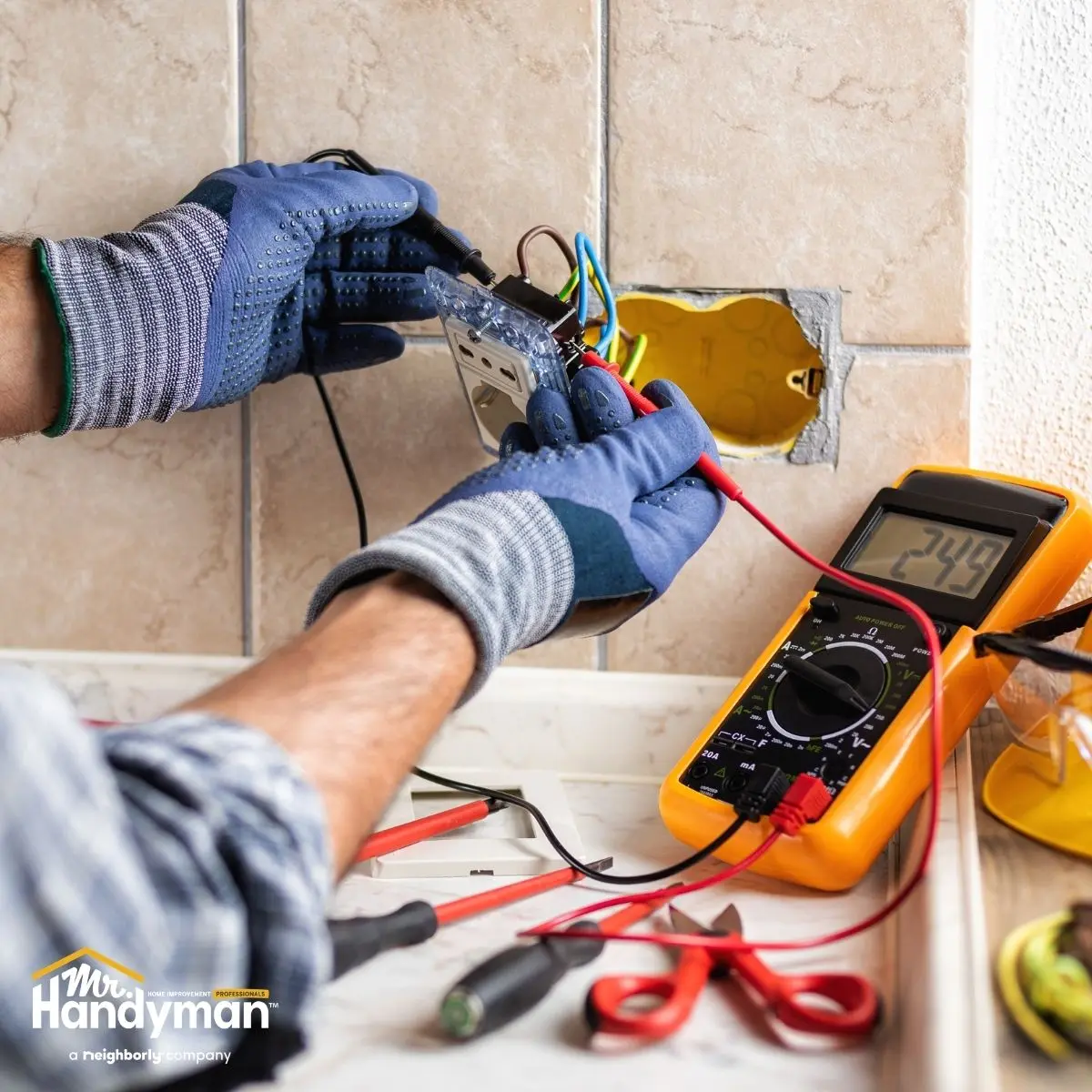
A fitness facility is not a single-use space with uniform lighting requirements across its entire floor area. It is a collection of functionally distinct zones whose different activities create different optimal lighting conditions, and a lighting maintenance program that treats all zones as equivalent is failing to preserve the zone-specific performance that a well-designed facility lighting system delivers.
Free weight and strength training zones require the highest illumination levels in the facility because the safety demands of heavy, loaded movements are highest in these areas. Members performing compound movements need to clearly see the floor around them for foot placement, the rack or platform they are working at for spatial reference, and the surrounding area for awareness of other members moving through the space. The Illuminating Engineering Society recommends minimum illumination levels of thirty to fifty foot-candles for commercial fitness strength training areas, and maintenance that allows illumination to fall below that threshold through lamp depreciation or fixture fouling is compromising the safety baseline that those recommendations were established to protect.
Cardio zones in fitness facilities have lighting requirements that balance the energy and alertness that sustained cardio activity benefits from against the potential for visual fatigue that excessively intense lighting produces during longer training sessions on treadmills, bikes, and elliptical equipment. Maintaining illumination at the twenty-five to thirty-five foot-candle range in cardio zones with attention to the uniformity ratio that prevents the bright-dark contrast variations that cause visual fatigue during extended use is the lighting maintenance standard that supports the comfortable, sustainable cardio session experience that members in these zones are seeking.
Building a Lighting Maintenance Program That Matches Facility Demands
A lighting maintenance program for a commercial fitness facility needs to be structured around the specific operational characteristics of the facility rather than borrowed from generic commercial building maintenance guidelines that do not account for the usage intensity, the physical environment, or the zone-specific performance requirements that fitness facilities present. The program that keeps a standard office building's lighting performing adequately is not the program that keeps a fitness facility's lighting performing at the standard that member safety and experience require.
The foundational element of any fitness facility lighting maintenance program is a complete fixture inventory that documents every lighting point in the facility by location, fixture type, lamp specification, installation date, and rated service life. This inventory is the reference document that makes planned maintenance possible rather than reactive, because it provides the information needed to schedule lamp replacements, fixture cleanings, and system inspections on timelines that reflect the actual service life of each component rather than the occurrence of visible failures. A facility that does not maintain a lighting inventory is managing its lighting system by observation alone, which means it is discovering failures after they have already affected member experience rather than preventing them at the scheduled maintenance stage.
Group relamping, the practice of replacing all lamps in a zone or fixture type simultaneously at a scheduled interval rather than replacing individual lamps as they fail, is the maintenance approach that produces the most consistent lighting quality and the lowest total maintenance cost for fitness facilities with significant fluorescent or HID lighting installations. Individual lamp replacement as failures occur produces the uneven illumination that characterizes facilities where some fixtures have new lamps and others are operating at the end of their service life with significantly reduced output. Group relamping eliminates that unevenness by resetting the entire zone to full output simultaneously, and it reduces the labor cost of relamping by consolidating what would be multiple individual replacement visits into a single scheduled maintenance event.
Fixture cleaning schedules in a fitness facility environment need to be more frequent than standard commercial maintenance intervals because the airborne contamination that an active training environment generates accumulates on fixture surfaces faster than in lower-activity commercial spaces. Scheduling fixture lens and reflector cleaning twice per year as a minimum, and quarterly in zones with the highest dust and chalk exposure such as free weight areas and functional training zones, maintains the light transmission through fixture optics at a level that preserves the illumination quality that the facility's lighting design intended.
Lighting Controls and Their Role in Both Energy Management and Member Experience
Lighting controls are the system layer between the lighting fixtures and the facility's energy supply that determines when different zones are illuminated, at what intensity, and in response to which operational triggers. A fitness facility with well-maintained lighting hardware but poorly configured or unmaintained control systems is not capturing the full potential of its lighting investment, because the control system determines how efficiently the installed hardware delivers its performance.
Occupancy sensor systems in lower-traffic areas including storage rooms, equipment maintenance spaces, locker room changing areas, and facility offices provide automatic lighting management that reduces energy consumption in spaces that do not require continuous illumination through all facility operating hours. Sensor maintenance in fitness facility environments requires periodic attention because the elevated dust and humidity conditions that gym spaces present can affect sensor sensitivity and response time in ways that produce both false-off events in occupied spaces and failure-to-off conditions in vacant ones. Testing occupancy sensors quarterly by confirming their response to entry and their timeout behavior in vacant spaces catches sensor performance degradation before it produces the energy waste or the member experience failure that an unmaintained sensor system eventually creates.
Dimming control systems in group fitness and stretching zones allow facility staff to adjust illumination levels to match the activity programming in those spaces, supporting the zone-specific lighting performance described in Part A without requiring manual fixture switching that would interrupt programming or require staff access to electrical panels. Dimmer maintenance in fitness facility environments requires periodic attention to the dimmer module condition, because the heat generated in high-wattage dimmer installations and the vibration transmitted through facility floors from equipment use can affect dimmer component reliability over time. A dimmer that has failed to the full-on or full-off position eliminates the lighting flexibility that the control was installed to provide and should be replaced promptly rather than worked around through programming adjustments that reduce zone flexibility
Compliance Requirements That Wichita Area Fitness Facilities Must Meet
Commercial fitness facilities in the Wichita metro operate under building and life safety codes that establish minimum lighting performance requirements for specific areas and conditions, and maintaining those requirements through a consistent lighting maintenance program is both a regulatory obligation and a practical protection against the liability exposure that code non-compliance creates when a lighting-related injury event triggers regulatory scrutiny.
The International Building Code requirements adopted by Kansas and applied through the City of Wichita's building services department establish minimum illumination levels for means of egress that commercial occupancies must maintain during all occupied hours. Corridors, stairwells, exit discharge paths, and any route that members would use to evacuate the facility during an emergency must be maintained at the minimum foot-candle levels that the code specifies, and those minimums must be met by the actual maintained illumination level in the space rather than the initial installation design level that does not account for lamp depreciation and fixture fouling. A facility that was code-compliant at the time of its lighting installation may be operating below code minimums after years of lamp depreciation and deferred maintenance, and that non-compliance creates liability exposure that insurance policies may not fully address when an egress-related injury triggers a code compliance investigation.
ADA lighting requirements apply to accessible routes throughout commercial fitness facilities, including the entry approach, accessible restroom and locker room facilities, and any accessible equipment areas. Maintaining adequate, glare-free illumination along accessible routes is both an ADA compliance requirement and a practical accessibility standard that serves every member who uses those routes regardless of disability status. Lighting maintenance that allows accessible route illumination to degrade below ADA-consistent levels creates both compliance exposure and a member experience failure in the spaces where consistent, adequate lighting is most important for navigation safety.
Frequently Asked Questions
How do I know if my fitness facility's lighting is below safe illumination levels without hiring a lighting consultant?
A simple digital light meter, available at electronics and hardware retailers for under fifty dollars, measures illumination in foot-candles or lux at floor level and provides a reliable indication of whether specific zones are meeting the minimum levels that fitness facility safety standards and building codes require. Taking measurements in multiple locations across each zone during normal operating hours, with all fixtures operating, gives a practical illumination map that identifies zones where maintenance or upgrade investment is most urgently needed. Comparing the measured values to the Illuminating Engineering Society's recommendations for each zone type provides the reference standard for evaluating adequacy.
What is the most energy-efficient lighting approach for a large open training floor?
High-bay LED fixtures in the 100 to 200 watt range, selected for the ceiling height and the uniformity ratio requirements of the specific space, are the most energy-efficient approach for large open training floor areas with ceiling heights above fourteen feet. The combination of high lumen output per watt, long service life, and the ability to specify color temperature and beam distribution that optimizes both illumination uniformity and zone-appropriate visual character makes high-bay LED the dominant specification for large fitness facility training floors in new construction and renovation projects throughout the Wichita market.
How often should emergency lighting batteries be tested and replaced in a commercial fitness facility?
Kansas life safety codes require monthly functional testing of emergency lighting systems, which involves briefly interrupting normal power to confirm that emergency units illuminate correctly. Annual full-duration testing that runs the units on battery power for the full rated duration, typically ninety minutes, confirms that battery capacity remains adequate to meet the egress illumination duration requirement. Battery replacement intervals vary by unit type and manufacturer specification, but most commercial emergency lighting battery packs carry a recommended replacement interval of three to five years regardless of apparent performance, because battery capacity degradation is not reliably detectable through functional testing until the battery is near the end of its useful life.
Should lighting upgrades in a fitness facility be phased by zone or completed all at once?
Phased zone-by-zone upgrades are the practical approach for most operating fitness facilities because they allow the facility to remain fully operational throughout the upgrade program and spread the capital investment across a timeline that budget planning can accommodate. The recommended phasing sequence prioritizes zones by the combination of energy savings potential, current condition severity, and member experience impact. Free weight and main training floor zones typically offer the highest combination of all three factors and should be completed first. Secondary zones including locker rooms, group fitness areas, and corridors follow in order of their energy consumption and current condition assessment.
Lighting That Performs as Hard as Your Members Do
A fitness facility whose lighting is maintained at the standard that member safety, member experience, and energy efficiency require is a facility that is operating with the confidence that comes from knowing one of its most pervasive and consequential systems is performing correctly. Mr. Handyman of the Wichita Metro Area works with fitness facilities, corporate wellness centers, and commercial properties throughout the region on the lighting maintenance, fixture replacement, and LED conversion work that keeps facility environments bright, safe, and energy efficient through every operating hour.
Call us or visit mrhandyman.com/wichita-metro-area to schedule a lighting assessment or request service for specific maintenance needs your facility has identified. The right lighting maintained correctly is one of the most consistent contributions a facility can make to the member experience it is working to deliver every day.