
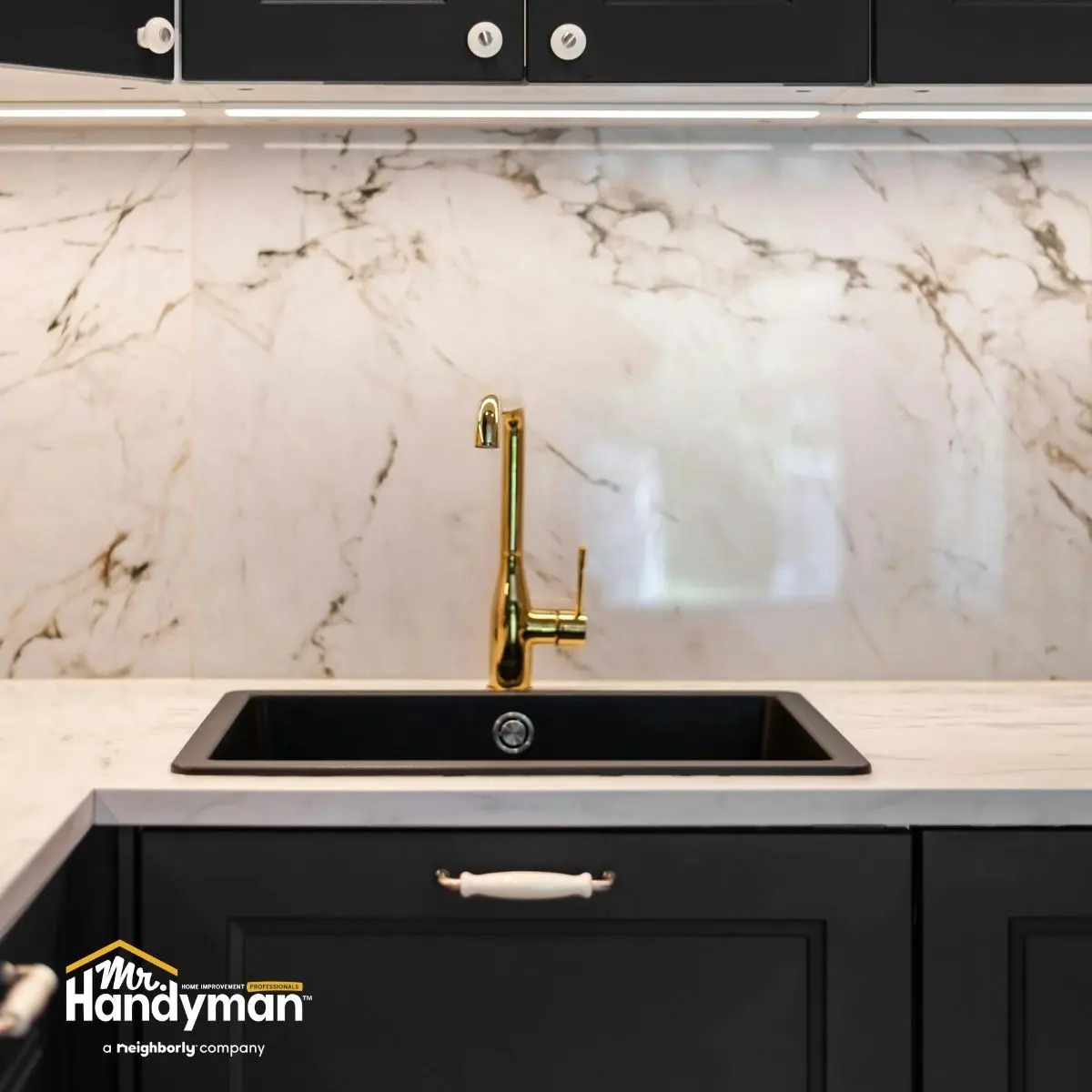
There is a quiet exhaustion that sets in when your kitchen stops working the way it should. The faucet handle takes an extra twist to stop dripping. The sprayer barely reaches the back of the sink. The water pressure dips when someone runs a load of laundry. These aren't dramatic failures, but they wear on you. Over time, they chip away at the way you use your kitchen every single day.
For homeowners across the Wichita metro area, kitchen plumbing fixtures are rarely at the top of the renovation priority list. Countertops, cabinets, and appliances tend to get the attention. But fixtures do quiet, thankless work for years before showing signs of strain, and by the time the problems are obvious, they've often been building for a while. Understanding what new fixtures actually offer, and why older ones cause more trouble than most people realize, is the first step toward making a genuinely worthwhile decision for your home.
Why Kitchen Plumbing Fixtures Wear Out Faster Than You'd Expect
Most homeowners assume plumbing fixtures are built to last indefinitely. In reality, the lifespan of a kitchen faucet or sink depends heavily on water quality, usage frequency, installation quality, and the condition of the pipes they're connected to. Wichita's water supply, drawn from the Equus Beds Aquifer and treated through the city's municipal system, has measurable mineral content. Hard water leaves calcium and magnesium deposits inside valves, cartridges, and aerators over time. Those deposits don't just reduce water pressure. They cause internal components to wear unevenly, which is why faucets often start dripping even when no single part appears broken.
Homes built before the 1980s present their own set of challenges. Many older properties in Wichita and surrounding communities like Derby, Goddard, and El Dorado still have original supply lines, valves, or sink hardware that has never been replaced. Those fixtures may function, but they're working against themselves. Old valve seats erode. Washers harden and crack. Brass components corrode from the inside. A fixture that appears to work fine on the surface may be masking slow water loss, reduced efficiency, or connections that are one hard freeze away from failing.
Kansas winters add another layer of stress. When temperatures drop sharply, as they do across the plains during cold snaps between November and February, pipes in exterior walls or under poorly insulated cabinets experience thermal stress. Fittings that have been in place for decades may not be fully sealed anymore. That creates vulnerability at connection points, especially under sinks where the supply lines meet the shutoff valves.
What "New Fixtures" Actually Means for Daily Kitchen Use
Replacing kitchen plumbing fixtures is not simply a cosmetic decision, though the visual improvement is real and meaningful. The practical differences show up every single time you use the sink.
Modern faucets are engineered with ceramic disc cartridges that eliminate the drip problem almost entirely. Unlike older rubber washer systems that compress and degrade, ceramic cartridges maintain a consistent seal across thousands of open-close cycles. That means no dripping, no gradual worsening, and no annual service call to replace worn washers. For a household that uses the kitchen sink multiple times per day, this is a meaningful quality-of-life upgrade.
Water pressure and flow control have also improved considerably. New fixtures allow for more precise temperature mixing, which matters more than it seems. Washing produce, rinsing dishes, and filling pots all benefit from the ability to quickly dial in the right temperature without fumbling. Faucets with pull-down or pull-out sprayers have become standard for a reason. They extend reach, reduce splashing, and make the sink genuinely easier to use for everything from washing large pans to filling pet water bowls.
Aerators built into modern faucets mix air into the water stream, maintaining the feeling of strong pressure while actually reducing water usage. In a household that runs the kitchen faucet frequently, this adds up across the course of a year. It is not an insignificant savings, particularly in Kansas summers when watering gardens and general household water use both increase.
The Hidden Cost of Staying With Aging Fixtures
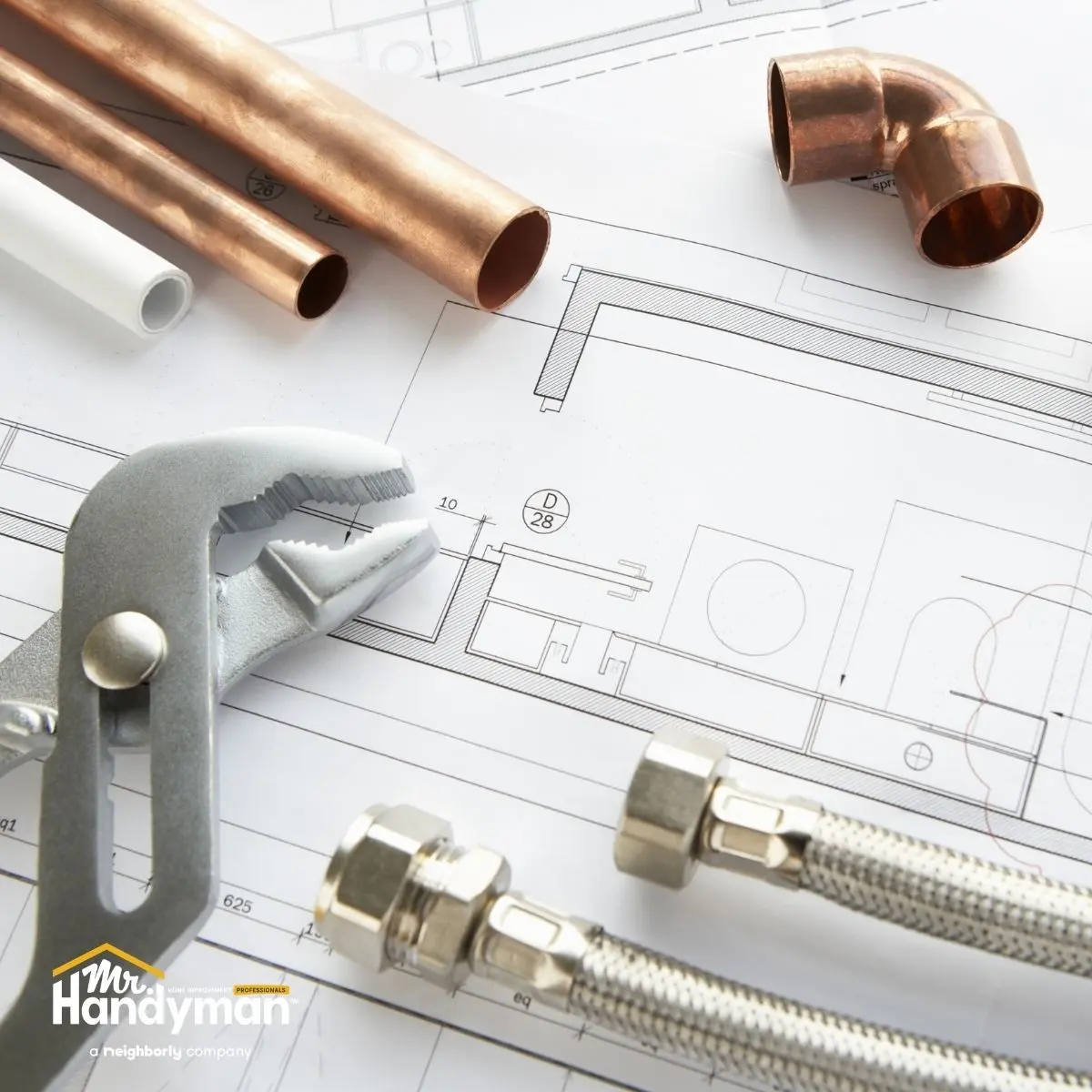
One of the most common mistakes homeowners make with kitchen plumbing is treating a small problem as contained. A slow drip from a faucet does not stay slow indefinitely. The internal mechanism continues to wear, the drip rate increases, and eventually the homeowner is losing a meaningful amount of water every month without realizing it. A faucet dripping once per second wastes thousands of gallons annually. That water does not just disappear cleanly. It sits in the sink basin, runs along supply lines, and sometimes finds its way into cabinet interiors where it promotes mold growth and wood deterioration.
Older sink installations also present problems below the surface. Many homes in the Wichita area that were built in the 1960s through the 1980s have sink basins that were sealed with outdated caulking compounds that have long since cracked and separated. Water infiltrates those gaps. Over time, it damages the cabinet below, weakens the substrate supporting the sink, and creates conditions where the sink itself begins to shift. What looks like a minor gap around the rim of the sink is often evidence of a longer-standing moisture problem underneath.
Shutoff valves deserve special attention. These are the small valves located under the sink that allow water to be turned off during repairs or emergencies. They are frequently overlooked because they are only needed when something goes wrong. But in older homes, shutoff valves that have not been operated in years can seize completely. When a pipe needs to be swapped or a faucet replaced, a seized shutoff valve turns a straightforward job into a much larger one requiring the main water supply to be shut off. Replacing aging shutoff valves as part of a fixture upgrade prevents exactly this kind of compounding problem.
Efficiency, Water Quality, and What Newer Standards Actually Deliver
Fixtures manufactured and sold today must meet efficiency standards that did not exist twenty years ago. WaterSense-certified faucets, for example, are tested and certified to use at least 30 percent less water than standard fixtures without compromising performance. For Wichita homeowners who take water conservation seriously, particularly given that the region draws from an aquifer system with long-term capacity considerations, this matters beyond just the monthly utility bill.
There is also a water quality component to newer fixtures that often goes unmentioned. Older brass faucets, particularly those manufactured before 2014, may contain higher levels of lead in their alloy composition. The Safe Drinking Water Act has progressively tightened standards for lead content in plumbing fixtures sold in the United States, and fixtures manufactured under current standards are required to be essentially lead-free. For households with young children or anyone with health sensitivities, this is not a trivial consideration.
Beyond what the fixture is made of, the aerator and internal components of modern faucets are also less prone to harboring bacterial buildup. Older faucets with degraded rubber components or mineral buildup inside the body of the valve can become surprisingly hospitable to biofilm growth. This is especially relevant in older homes where fixtures have not been serviced or replaced in many years.
Room-by-Room Realities: What Fixture Upgrades Look Like in Practice
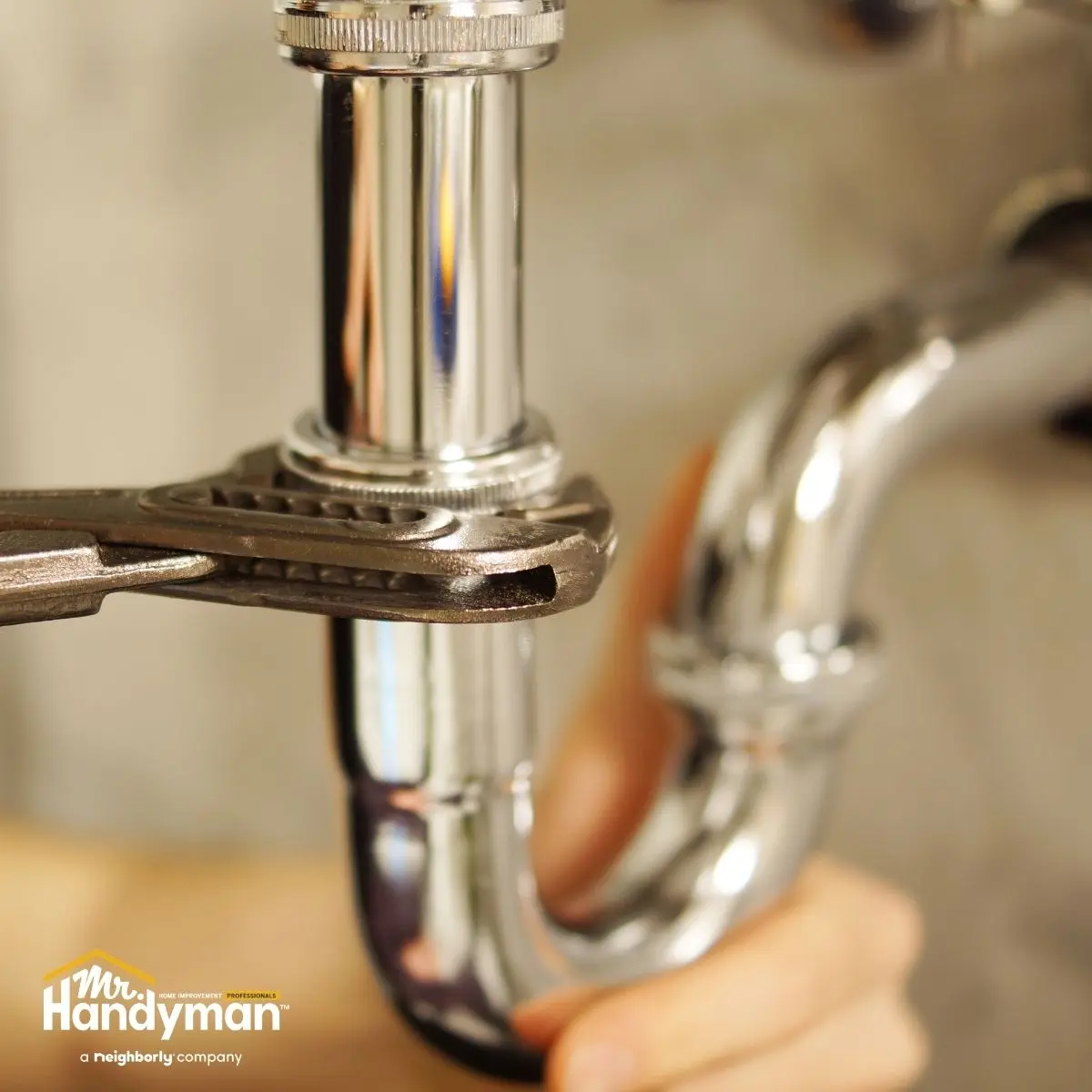
It helps to think through what a kitchen fixture upgrade actually involves in the context of how people really use their kitchens, because the benefits are not abstract. They show up in specific moments throughout the day.
For a household where someone cooks regularly, the kitchen sink is in constant motion. It fills stockpots, rinses cutting boards, thaws proteins under running water, and handles the post-dinner cleanup. A single-handle pull-down faucet with a high-arc spout makes all of that easier. The high arc accommodates tall pots without awkward tilting. The pull-down head lets you rinse the entire basin without fighting the fixed stream. Temperature response is faster with a ceramic cartridge, so you are not running water while waiting for it to find the right setting.
For families with younger children, a faucet with a pause function on the spray head becomes unexpectedly useful. It lets you stop the flow mid-task without adjusting the temperature controls, which means every restart is at the same comfortable setting. Small conveniences like this sound trivial until you are using the sink ten times a day and they become automatic.
In kitchens where counter and cabinet space is tight, an undermount or apron-front sink paired with updated supply lines and a streamlined faucet can reclaim working space and make the entire area feel less cluttered. Wichita homes built in the ranch and split-level styles common from the 1950s through the 1970s often have drop-in sinks with rim clips and old caulk seals that have been re-done multiple times. Transitioning to an undermount setup during a fixture replacement project is a reasonable upgrade that improves both function and aesthetics simultaneously.
Rental properties and older bungalows near downtown Wichita frequently have kitchens with mismatched fixtures that were replaced piecemeal over the years. A single faucet update without addressing the shutoff valves or supply lines underneath leaves the job partially finished. The supply lines feeding most older Wichita kitchen sinks are braided stainless steel over a rubber core, and that rubber degrades. Supply line failures account for a significant number of under-sink water damage incidents in older homes. Replacing the lines at the same time as the faucet is not an upsell. It is the completion of the job.
What Wichita's Climate and Home Stock Mean for Your Plumbing
Wichita sits in a climate zone that demands a lot from residential plumbing over the course of a year. Summers are hot and dry, often stretching into triple digits. Winters bring sharp cold fronts that can drop temperatures well below freezing within hours. That range of thermal stress affects plumbing in ways that are cumulative rather than dramatic. Pipes expand and contract with temperature shifts. Connection points loosen fractionally over decades. Fixtures that seemed secure develop subtle movement at the base or around the supply connections.
The age of the housing stock in the greater Wichita area adds to this picture. Many neighborhoods in areas like College Hill, Riverside, and the Northeast side of the city feature homes built between the 1920s and 1960s. These homes have character, but they also have plumbing systems that have been repaired, patched, and added to over many decades. It is not uncommon to find kitchen plumbing that includes three or four generations of hardware from different eras, each installed by a different person with different materials. That patchwork creates weak points. When you upgrade to new fixtures, you are not just replacing what is visible. You are also creating an opportunity to assess and address what is underneath.
Communities further out, including Andover, Valley Center, and Mulvane, have newer housing stock but their own considerations. Subdivisions built in the 1990s and 2000s often have original builder-grade fixtures that were adequate at installation but have been running continuously for 20 to 30 years. Builder-grade faucets are typically the lowest cost option available and were not designed with long-term durability in mind. The cartridges in these fixtures wear faster, the finishes dull and pit, and the internal plastic components become brittle with age and temperature cycling.
The Professional Difference in Fixture Installation
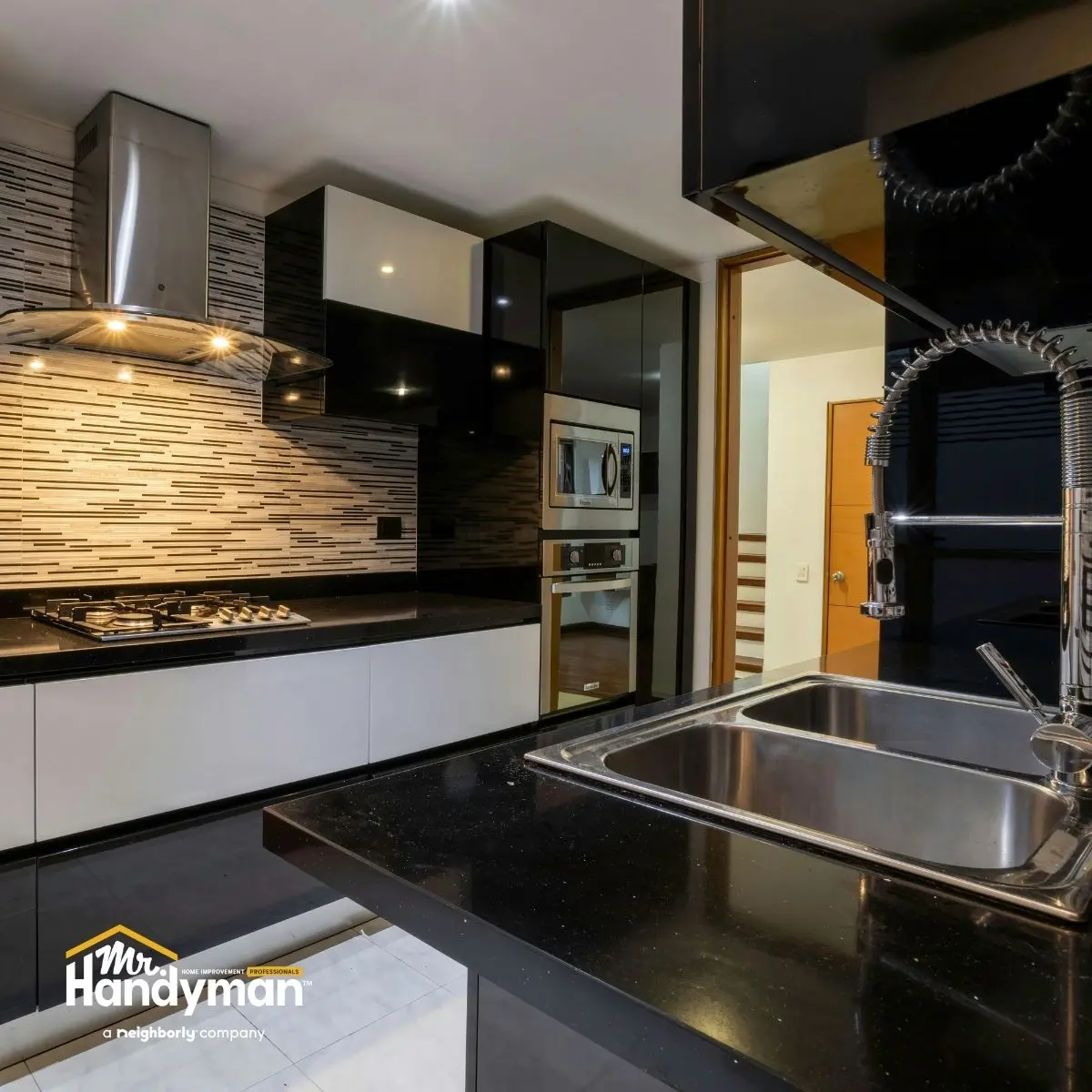
There is a persistent assumption that swapping out a kitchen faucet is a simple DIY project. For some homeowners with newer homes, straightforward plumbing, and readily accessible shutoff valves, that may be true. But for most homes in the Wichita area, what begins as a simple faucet swap reveals complications quickly.
Shutoff valves that do not fully close. Supply lines that are corroded at the connection points. Mounting holes in older sinks that do not match the deck plate of a new faucet without modification. Sink basins with deteriorated caulk lines and soft cabinet floors below them. These are not unusual findings. They are extremely common in the homes that make up most of the Wichita metro. A professional who works with plumbing fixtures regularly knows how to identify these issues before they become mid-project emergencies.
There is also the matter of proper sealing and torque. Over-tightening supply line connections causes hairline cracks in fittings. Under-tightening leaves a slow drip that may not show up for weeks. Getting the seal right the first time, with the correct materials and the right amount of pressure at the connection, is the kind of detail that makes the difference between a fixture that performs for fifteen years and one that causes a cabinet water damage situation eighteen months later.
A professional installation also accounts for code compliance. Kansas plumbing work is subject to state and local codes, and while a faucet swap is typically straightforward from a permitting standpoint, any work involving new shutoff valves, drain modifications, or supply line rerouting may require adherence to specific standards. Working with an experienced professional means that whatever gets done is done correctly, with materials that meet current standards.
Frequently Asked Questions
How long should a kitchen faucet realistically last?
A quality kitchen faucet installed correctly can last 15 to 20 years or more. However, many faucets in Wichita homes with hard water see wear on their internal cartridges in 8 to 12 years, particularly if the aerator has not been cleaned periodically to remove mineral buildup. Builder-grade faucets in homes built during the subdivision booms of the 1990s and early 2000s may be showing wear right now even if they appear functional.
Does replacing a kitchen faucet require a permit in Wichita?
A straightforward faucet or fixture swap in an existing location typically does not require a permit in Wichita. However, if the project involves moving drain lines, adding new supply connections, or making structural modifications to accommodate an undermount sink, permitting requirements may apply. A professional familiar with local codes can quickly determine what applies to your specific project.
Can I replace just the faucet, or do I need to replace the supply lines too?
It depends on the condition of your existing supply lines. If your home is more than 15 to 20 years old and the supply lines have never been replaced, it is worth replacing them at the same time as the faucet. Rubber-core braided supply lines degrade over time, and a line failure under the sink can cause significant water damage to the cabinet and subfloor. Replacing them during the same service visit adds minimal cost and removes a genuine risk.
What should I look for when choosing a new kitchen faucet?
Focus on the type of cartridge, the finish durability, and the spout reach relative to your sink basin. Ceramic disc cartridges are the most durable option available. For finish, brushed nickel and oil-rubbed bronze tend to hide water spots better than polished chrome in high-use environments. Make sure the spout reach positions the stream over the drain rather than the front edge of the basin, which reduces splashing considerably.
My water pressure seems low. Will a new faucet fix it?
Not necessarily. Low water pressure can result from a clogged aerator, a partially closed shutoff valve, mineral buildup inside the faucet body, or a broader pressure issue with the supply line or municipal connection. A new faucet with a clean aerator will often improve perceived pressure, but if the underlying supply pressure is genuinely low, the fixture is not the source of the problem. A professional can help determine whether the issue is localized to the fixture or further upstream.
Is it worth upgrading to a touchless or smart faucet in the kitchen?
For many households, yes. Touchless faucets reduce the spread of bacteria and grease from cooking, which is a genuine hygiene benefit in a kitchen environment. They also reduce wear on the handle mechanism since it is never touched. The technology has matured considerably over the past several years, and current models are reliable and straightforward to use. They do require a power source, either battery or hardwired, which is worth factoring into the installation plan.
Ready to Upgrade Your Kitchen Plumbing Fixtures in Wichita?
New kitchen plumbing fixtures are one of those improvements that pay you back every single day. Better performance, fewer repairs, improved efficiency, and the peace of mind that comes from knowing what is under your sink is solid and properly installed. For homes across the Wichita metro, from older properties in established neighborhoods to newer builds in the surrounding communities, the right time to address aging fixtures is before a drip becomes a leak or a seized valve turns a routine job into a costly repair.
Mr. Handyman of the Wichita Metro Area handles kitchen fixture installation and replacement with the kind of care and experience that older Wichita homes require. That means assessing not just the fixture itself but the full picture underneath the sink, so the job gets done right the first time and stays that way.
Call or visit mrhandyman.com/wichita-metro-area to schedule your service. Done right, or they make it right.