
Why Summer Entertaining Makes the Kitchen Feel Every Limitation It Has

There is a particular kind of stress that comes with hosting in a kitchen that was never quite right for the way you actually live. It might be the counter space that runs out the moment more than one person is cooking, the layout that forces whoever is at the stove to turn sideways to let someone pass, the cabinet doors that stick, or the lighting that makes everything feel dim and smaller than it already is. These frustrations exist year-round, but they become most acute in summer, when Wichita area homeowners are hosting backyard gatherings, feeding larger groups, and spending more time in the kitchen than any other season demands.
Planning a kitchen remodel before summer entertaining season arrives is not just about aesthetics. It is about function, flow, and the practical reality of how a kitchen performs under real pressure. A kitchen that works well for a Tuesday night dinner for four behaves very differently when you are preparing food for twenty people while managing a conversation, keeping drinks flowing, and trying to move between the counter, the stove, and the back door simultaneously. The limitations that were manageable in February become genuine obstacles in June and July.
The Wichita metro housing stock presents a specific set of kitchen remodeling realities. Older homes in established neighborhoods like Crestview, Riverside, and College Hill were designed around kitchen layouts that reflect how people cooked and entertained decades ago. Closed-off kitchens separated from living and dining spaces by walls, minimal counter space, limited storage, and outdated electrical capacity for modern appliances are common characteristics of homes built before the 1980s. Newer construction in communities like Andover, Derby, and Maize tends toward more open layouts but often features builder-grade finishes and appliances that leave significant room for meaningful upgrades. Understanding what category your kitchen falls into shapes every planning decision that follows.
Starting With an Honest Assessment of What Your Kitchen Actually Needs
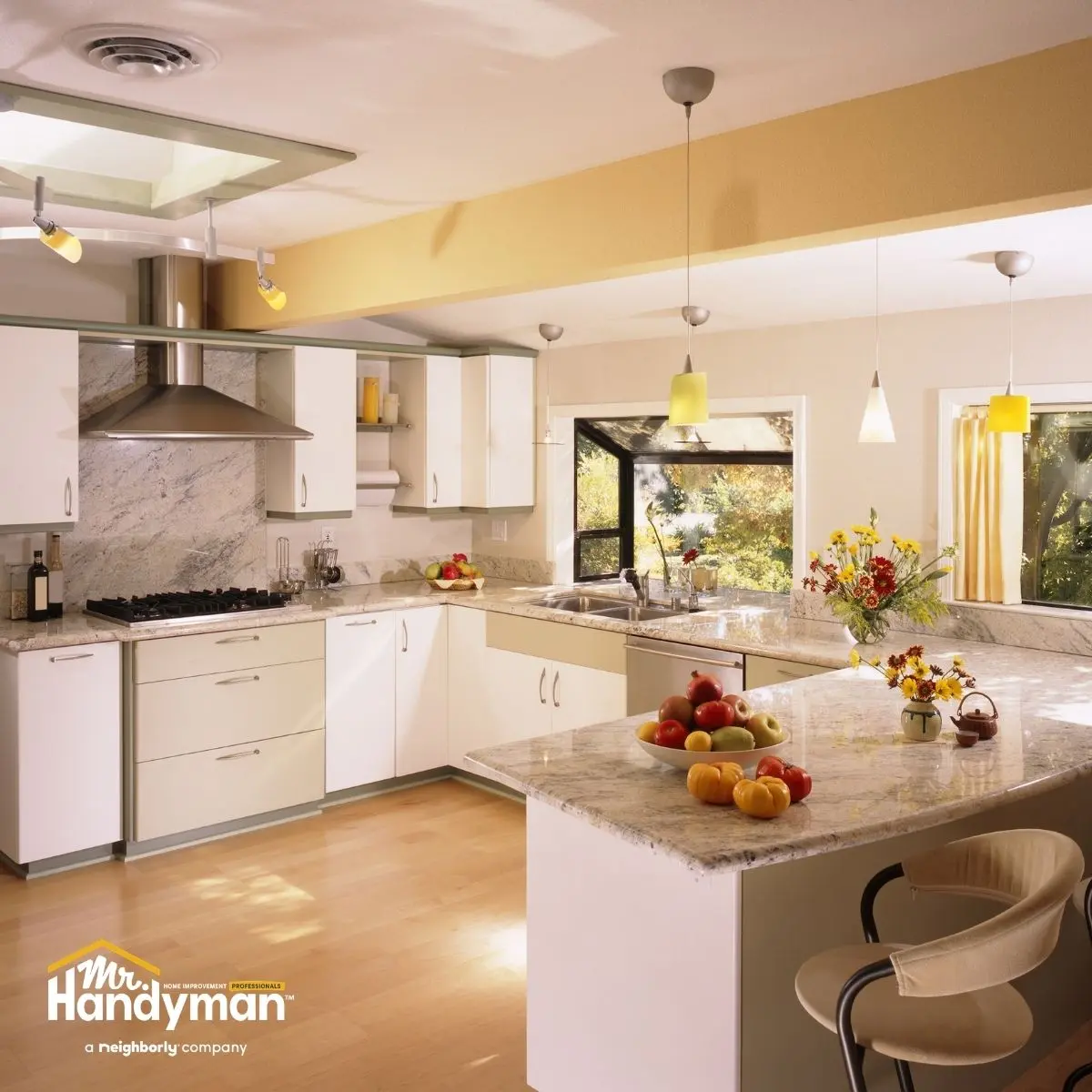
The most common planning mistake homeowners make when approaching a kitchen remodel is starting with finishes rather than function. Cabinet door styles and countertop colors are the exciting part of the conversation, and they are easy to get absorbed in before the more fundamental questions have been answered. How does traffic actually move through your kitchen? Where does congestion happen? Is your refrigerator in the right location relative to your prep area? Does your current layout support the way multiple people cook together, or does it force everyone into a single-file workflow?
These are the questions that determine whether a remodel actually improves your kitchen or simply makes a dysfunctional layout look better than it did before. A beautifully finished kitchen that still has a refrigerator opening directly into a walkway, or a sink positioned so that the person washing dishes blocks access to the stove, has not solved the problems that made the original kitchen difficult to work in. Identifying the functional shortcomings before any design decisions are made is the foundation of a remodel that performs as well as it looks.
In practical terms, this means spending time in your current kitchen during actual cooking and entertaining and paying attention to where things go wrong. Bring in a notepad if it helps. Note where you run out of counter space, which cabinets you rarely use because they are difficult to access, whether your lighting is adequate at the prep areas where you actually work, and how the space feels when two or three people are in it simultaneously. That observational process produces more useful design input than any magazine or online inspiration board.
Layout Decisions That Determine How Well Your Kitchen Functions

Kitchen layout is the single most important variable in how a kitchen performs, and it is also the decision that carries the highest cost to reverse if it is made incorrectly. Changing a layout means moving plumbing, electrical, and potentially load-bearing walls, all of which add cost and complexity to a project. Getting the layout right from the beginning is not just a design preference, it is a financial imperative.
The working triangle, the relationship between the sink, stove, and refrigerator, remains a practical organizing principle for kitchen layout even as kitchen design has evolved. The total distance between those three points should be manageable without excess travel, and none of the three should be positioned in a way that creates traffic conflicts with the primary walkway through the space. In Wichita homes where the kitchen opens to a dining area or a back door leading to an outdoor entertaining space, the traffic pattern through the kitchen during a gathering becomes even more important to account for in the layout plan.
Island placement is a decision that deserves careful thought in the context of summer entertaining specifically. A kitchen island adds prep space, seating, and social connection between whoever is cooking and whoever is gathered nearby, all of which are valuable during a summer gathering. But an island that is too large for the surrounding space, or positioned in a way that interrupts the primary workflow, creates more problems than it solves. The minimum clearance between an island and surrounding counters or appliances is 42 inches for a single-cook kitchen and 48 inches for a kitchen where multiple people cook simultaneously. Measuring your available space honestly before committing to an island size prevents a design decision that feels right on paper but creates friction every day in practice.
Setting a Realistic Budget Before You Fall in Love With the Finishes
Budget is the variable that most homeowners approach with the least clarity and the most optimism at the start of a kitchen remodel, and the gap between initial expectations and actual project costs is one of the most consistent sources of stress in the remodeling process. Having an honest budget conversation before any design decisions are made is not a creativity limitation, it is the framework that makes good decisions possible.
Kitchen remodel costs in the Wichita metro vary considerably depending on the scope of work, the quality of materials selected, and whether the project involves any layout changes. A cosmetic refresh involving cabinet refinishing, new hardware, updated countertops, and new fixtures occupies a very different budget tier than a full gut renovation with new layout, custom cabinetry, and premium appliances. Neither is inherently the right choice, but knowing which tier your budget supports before you begin looking at materials prevents the disappointment of designing a project you cannot actually execute.
A practical approach is to establish your total budget first, then allocate it across categories in order of functional priority. Layout changes and structural work come first because they determine everything else. Cabinetry typically represents the largest single cost in a kitchen remodel and should be budgeted accordingly. Countertops, appliances, flooring, lighting, and fixtures follow in descending order of typical cost impact. Finishes and hardware come last because they are the most flexible category and the one where substitutions can be made without compromising the functional outcome of the project.
Building in a contingency of ten to fifteen percent above your planned budget is not pessimism. It is standard practice in remodeling, particularly in older Wichita homes where opening walls or removing existing cabinetry can reveal conditions, outdated wiring, plumbing that does not meet current code, or subfloor damage, that were not visible during the planning phase and that need to be addressed before the project can move forward.
Choosing Materials That Hold Up to Real Summer Use
Material selection in a kitchen remodel is where most homeowners spend the majority of their planning energy, and for good reason. The materials you choose determine how your kitchen looks, how it performs under daily use, and how well it holds up over time. But the decision framework should always start with durability and maintenance requirements before aesthetics, particularly in a kitchen that will see heavy summer entertaining use.
Countertops are the surface that takes the most direct abuse in a working kitchen. Heat, moisture, cutting, and impact all test countertop materials in ways that become more apparent when the kitchen is being used intensively. Quartz is the dominant choice in Wichita area remodels at the mid-range and upper price points for good reason. It is non-porous, resistant to staining, and requires no sealing. Granite remains a strong option and carries a premium aesthetic that holds broad appeal, but it does require periodic sealing to maintain its stain resistance. Laminate has improved considerably in recent years and represents a practical choice at lower budget tiers, particularly in rentals or homes where the remodel is primarily about improving function rather than maximizing appraisal value.
Cabinetry material and construction quality deserve more scrutiny than they typically receive during the selection process. Box construction, whether plywood or particleboard, matters more for long-term durability than door style or finish. Plywood cabinet boxes resist moisture and hold fasteners more reliably than particleboard, which is particularly relevant in a kitchen where humidity levels fluctuate with cooking and dishwasher use. In older Wichita homes where the kitchen may have experienced past moisture issues, specifying plywood box construction is worth the modest additional cost.
Flooring in a kitchen that hosts summer gatherings needs to handle foot traffic, spills, and the kind of extended standing that comes with cooking for a crowd. Luxury vinyl plank has become the practical standard in kitchen flooring for most Wichita area remodels at mid-range price points. It is waterproof, comfortable underfoot, durable, and available in wood-look and stone-look formats that work with a wide range of kitchen aesthetics. Porcelain tile is the premium alternative and is essentially indestructible in a kitchen environment, though the grout lines require maintenance over time and the surface is harder underfoot during long cooking sessions.
Timing Your Remodel to Be Done Before Entertaining Season Peaks
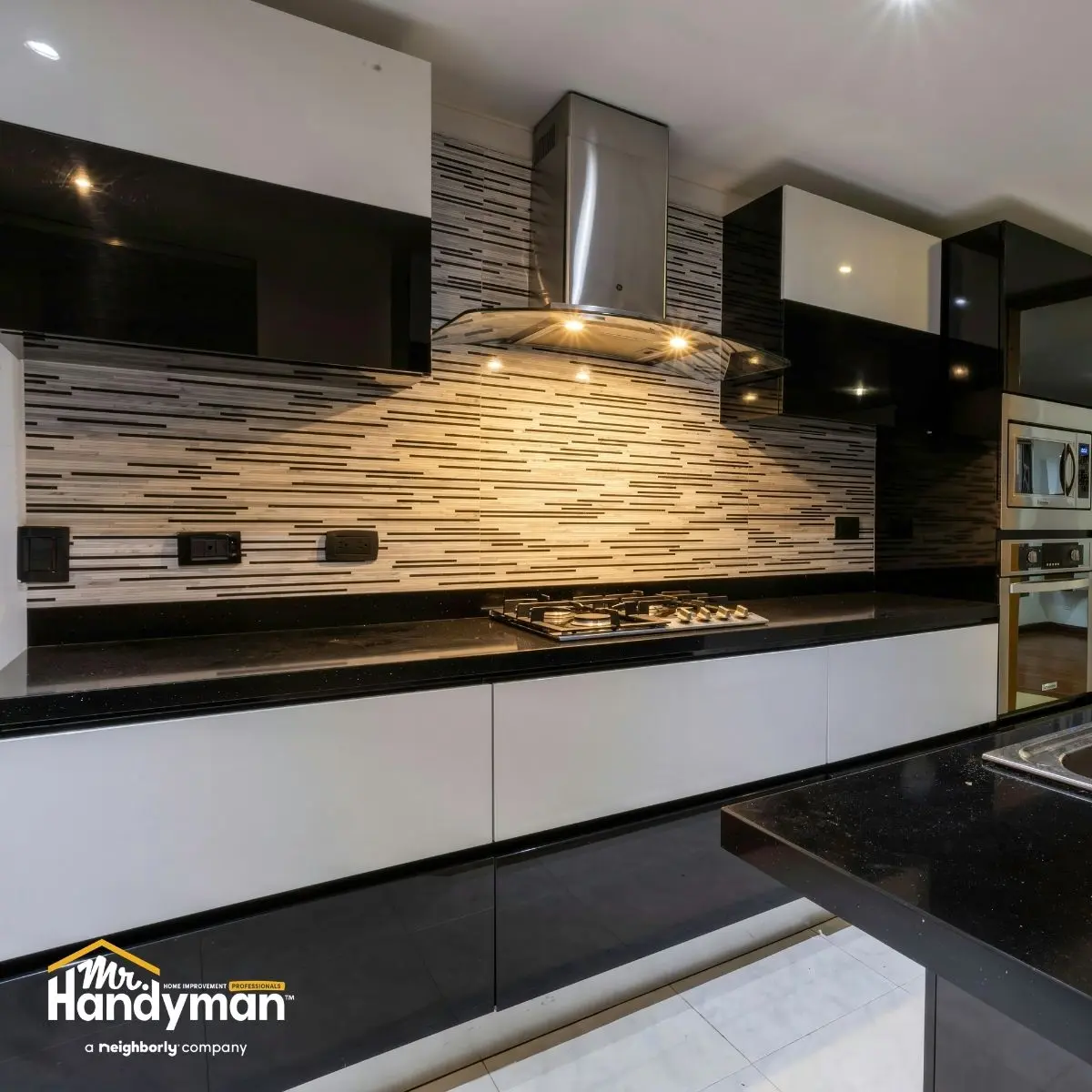
Timing is one of the most underestimated variables in kitchen remodel planning, and it is the one that most directly determines whether your kitchen is ready for summer entertaining or still under construction when your first gathering arrives. Kitchen remodels take longer than most homeowners initially expect, and the gap between projected and actual completion timelines is one of the most consistent sources of frustration in the remodeling process.
A kitchen remodel of moderate scope, involving new cabinetry, countertops, flooring, and updated fixtures without significant layout changes, typically requires six to ten weeks from the start of demolition to final completion in normal circumstances. That timeline assumes materials are ordered and received before work begins, which itself requires a lead time of four to eight weeks for semi-custom or custom cabinetry. Working backward from a target completion date of late May or early June means that material selections need to be finalized and orders placed no later than mid-February to mid-March to have a reasonable margin.
Homeowners who begin the planning conversation in April with a goal of being finished before July are almost always disappointed by the reality of material lead times and contractor scheduling. Spring is when remodeling demand peaks in the Wichita market, and contractors with strong track records fill their schedules quickly. Starting the planning process earlier than feels necessary is almost always the right call.
Where Handyman Work Fits Into a Kitchen Remodel
A kitchen remodel involves multiple trades and a range of task types that do not all fall neatly into the scope of a general contractor or a specialty subcontractor. There is a category of work that sits between full contractor scope and straightforward DIY, and that is where handyman services play a consistent and practical role in the remodeling process.
Removing old hardware and patching the holes left behind, installing new cabinet pulls and hinges, replacing a dated faucet and supply lines, hanging new light fixtures after an electrician has run the wiring, installing a tile backsplash, patching drywall after cabinets have been removed, these are all tasks that require skill and attention to detail but do not require a full contractor engagement. Having a reliable handyman resource available during a kitchen remodel keeps those tasks moving without the scheduling complexity of coordinating another specialty trade for work that does not require one.
For Wichita area homeowners who are doing a partial kitchen refresh rather than a full remodel, handyman services often cover the entire scope of the project. Cabinet refinishing, hardware replacement, faucet and fixture upgrades, under-cabinet lighting installation, and backsplash tile work can collectively transform a kitchen's appearance and functionality without the cost or timeline of a full renovation.
Frequently Asked Questions
How long does a typical kitchen remodel take in the Wichita area?
A moderate remodel without layout changes generally runs six to ten weeks from the start of demolition to completion, assuming materials are on hand when work begins. Full renovations involving layout changes, new plumbing runs, or electrical upgrades take longer. The planning and material ordering phase adds four to eight weeks before any physical work starts, so total project timelines from initial planning to move-in are commonly four to six months for a well-managed project.
Should I stay in my home during a kitchen remodel?
Most homeowners do, though it requires planning. Setting up a temporary kitchen in another room with a microwave, coffee maker, and mini refrigerator makes the disruption manageable. The most difficult phase is typically when cabinetry and countertops are out simultaneously, which usually lasts one to two weeks. Coordinating that phase to happen at a convenient time in your schedule reduces stress considerably.
What is the biggest mistake homeowners make when planning a kitchen remodel?
Starting with finishes before resolving layout and function. A beautifully finished kitchen that still has a poor workflow or inadequate storage has not solved the problems that made the original kitchen frustrating. Functional planning should always precede material selection.
How much should I budget for unexpected costs during a kitchen remodel?
A contingency of ten to fifteen percent above your planned budget is standard practice. In older Wichita homes especially, opening walls and removing existing cabinetry can reveal conditions that need to be addressed before the project moves forward. Having that buffer available prevents those discoveries from derailing the project or forcing compromises on the planned scope.
Is it worth remodeling a kitchen if I am not planning to sell?
Consistently yes. A kitchen that functions well and feels good to be in improves daily quality of life in a way that few other home investments match. The financial return is an additional benefit, but the lived experience of a well-designed kitchen is valuable on its own terms regardless of future sale plans.
Ready to Get Your Kitchen Ready Before Summer?
A kitchen remodel planned and executed well before summer entertaining season gives you the space, the function, and the confidence to host without limitation. Mr. Handyman of the Wichita Metro Area works with homeowners throughout the region on the repairs, updates, and remodeling preparation work that makes kitchen projects come together the right way.
Call us or visit mrhandyman.com/wichita-metro-area to schedule a consultation or request service this spring. The sooner the planning starts, the more likely your kitchen is ready when you need it most.
