
Why Locker Room Condition Is the Metric Members Use to Judge Everything Else
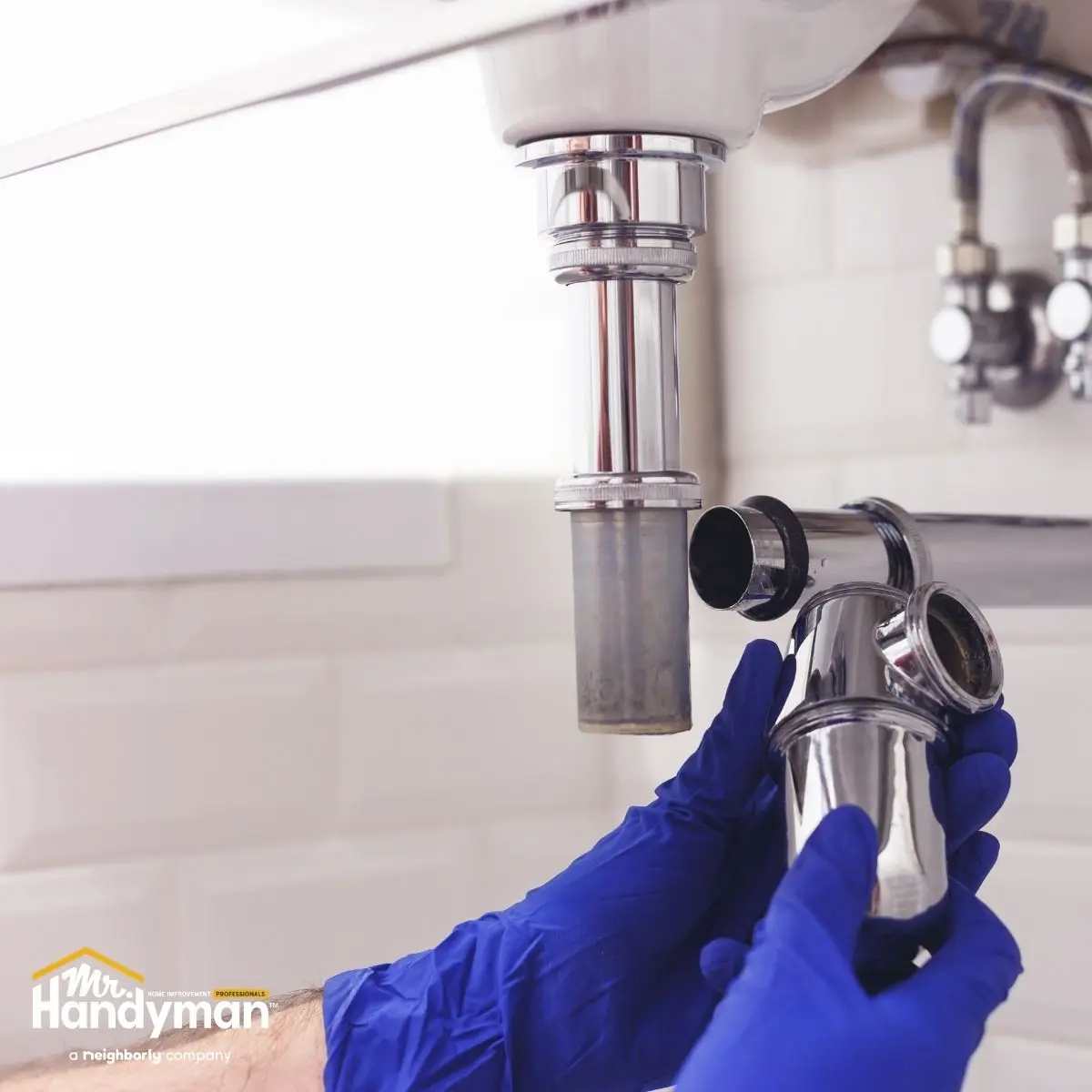
There is a well-documented pattern in how fitness facility members evaluate the overall quality of the gym they belong to, and it does not always follow the logic that facility operators assume. Members who are satisfied with the equipment selection, the programming quality, and the staff professionalism of their facility can nonetheless develop a negative overall assessment of that facility based primarily on locker room conditions. The inverse is also true. A facility whose locker rooms are consistently clean, well-maintained, and fully functional can offset modest weaknesses in other areas through the trust and comfort that strong locker room performance builds. The locker room is the space where members are most personally vulnerable, where hygiene expectations are highest, and where the gap between a facility that takes its maintenance responsibilities seriously and one that does not is most immediately and personally felt.
Plumbing is the system that determines locker room functionality more completely than any other, and plumbing problems are the locker room conditions that members find least tolerable and most likely to influence their membership decisions. A shower that does not drain, a sink faucet that drips continuously, a toilet that runs without stopping, or a water pressure inconsistency that makes showering uncomfortable are not inconveniences that members absorb without reaction. They are conditions that members discuss with each other, document in online reviews, and cite as primary reasons for cancellation in the exit surveys that fitness facilities conduct to understand their attrition patterns.
For fitness facilities throughout the Wichita metro, locker room plumbing maintenance carries a competitive dimension that the growth of the local fitness market has made more consequential over the past decade. A member who encounters consistently poor locker room plumbing conditions at their current facility has more alternatives available to them than at any previous point in Wichita's fitness market history. Independent gyms, franchise concepts, boutique studios, and recreation center facilities all compete for the same member pool, and the friction cost of switching memberships has declined as that competition has increased. A facility that allows locker room plumbing problems to persist is not simply tolerating an operational inconvenience. It is actively creating the conditions that make membership cancellation a rational decision for members who have other options.
Drain System Problems That Develop Predictably and Damage Reputation Immediately
Shower drain performance is the plumbing condition that members evaluate most directly and most immediately during locker room use, because the consequence of a slow or blocked shower drain is experienced in real time during every shower session. Standing water in a shower stall is not an abstract maintenance failure. It is a personal hygiene concern that members experience as the shower filling around their feet with the runoff from their own and previous members' workouts, a condition that no member finds acceptable and that no facility can afford to normalize as a routine operational state.
Shower drains in commercial fitness facility locker rooms carry a usage intensity that residential plumbing systems are not designed for and that creates accumulation rates significantly faster than facility operators who think in residential maintenance terms anticipate. A residential shower drain serving a single household may require cleaning every several months to maintain adequate flow. A commercial locker room shower drain serving dozens of members daily accumulates hair, soap residue, and body oil at a rate that can produce meaningful flow restriction within days of a thorough cleaning, particularly in high-membership facilities where shower usage through peak morning and evening periods is continuous for hours at a stretch.
The organic accumulation that produces shower drain blockages in commercial locker rooms has a secondary consequence beyond the immediate flow restriction that members experience. Accumulated organic material in shower drain systems is the growth medium that produces the drain odors that members register as a facility hygiene failure that extends beyond the specific drain to their overall assessment of the locker room environment. A shower stall that drains adequately but produces a sewer or organic odor during use is a member experience failure as significant as one that does not drain at all, and the two conditions frequently occur together because the accumulation that restricts flow is the same accumulation that produces odor as it decomposes in the warm, humid environment of an active shower drain.
Floor drains in locker room change areas, restroom zones, and wet room transitions serve a different function than shower drains but carry their own maintenance requirements that neglect converts into reputation damage. Floor drains that have dried out through infrequent use allow sewer gas to enter the locker room through the empty trap, producing the sulfur odor that members interpret as a facility hygiene failure regardless of how thoroughly the surfaces around the dry trap have been cleaned. Maintaining water in floor drain traps through regular pouring during cleaning routines, or through the installation of trap primers that automatically maintain water level in infrequently used drains, eliminates this odor source at its mechanical origin rather than masking it with air freshener products that address the symptom without resolving the cause.
Fixture Failures That Members Notice and Remember
Shower fixture performance is the locker room plumbing category that members interact with most intimately, and the conditions that develop in commercial shower fixtures through heavy use create member experience failures that are difficult to overlook regardless of how well other aspects of the facility are maintained. Shower valve performance, water temperature consistency, and showerhead flow quality all contribute to a shower experience that either meets the expectation members carry from their residential shower experience or falls meaningfully short of it in ways that register as a facility quality failure.
Thermostatic shower valve degradation is one of the most common fixture performance problems in commercial fitness facility locker rooms, and it is one that develops gradually enough that facility operators who shower at home and only briefly test facility showers may not register the extent to which the member experience has deteriorated from the valve's original performance. A thermostatic cartridge that has worn through the volume of commercial shower usage loses its ability to maintain consistent mixed water temperature, producing the hot-cold cycling that makes a shower uncomfortable and that members immediately compare unfavorably against their residential shower experience where consistent temperature is the baseline expectation.
In Wichita's water supply environment, where the mineral content of water sourced from the Equus Beds aquifer contributes to scale accumulation in fixture components and on shower surfaces, thermostatic cartridge degradation is accelerated by the mineral deposits that build up on valve internals over time. Scale accumulation on valve components restricts the range of motion of the temperature adjustment mechanism, reduces the responsiveness of the pressure-balancing element, and eventually produces the hard-to-adjust, temperature-inconsistent shower experience that members tolerate for exactly as long as they have no alternative before switching to a facility where the showers work correctly.
Showerhead condition contributes to member shower experience through both flow quality and hygiene perception. A showerhead with mineral scale accumulation across its spray face produces an uneven, reduced flow pattern that members find unsatisfying regardless of the supply pressure behind it, and the visible mineral deposits on the showerhead surface communicate a maintenance standard that undermines the hygiene impression the locker room is trying to create. Commercial showerhead replacement on a scheduled cycle that anticipates mineral accumulation rather than responding to it after members have been experiencing degraded flow for an extended period is the maintenance approach that keeps shower experience consistently above the threshold where members begin making comparisons to competitor facilities.
Faucet performance at locker room sink areas carries a different but equally significant member experience dimension. Faucets that drip after shutoff waste water continuously and produce the sound environment that communicates a maintenance deficit to every member in the locker room. In commercial fitness facilities where water costs are a meaningful operating expense, the aggregate water waste from multiple dripping faucets across a busy locker room is also a financial concern that quantifies the maintenance investment required to address it in terms that facility financial management responds to. Sensor-activated faucets that have developed sensor failures, which is a common failure mode in high-use commercial restroom and locker room environments, produce the full-flow water waste of an open faucet rather than the controlled dispensing they were designed to provide, and the water cost of a failed sensor faucet running uncontrolled between member uses accumulates to a significant operational expense over the days or weeks that the failure goes undetected without a systematic fixture inspection practice.
Water Pressure and Supply System Issues That Affect the Entire Locker Room Experience
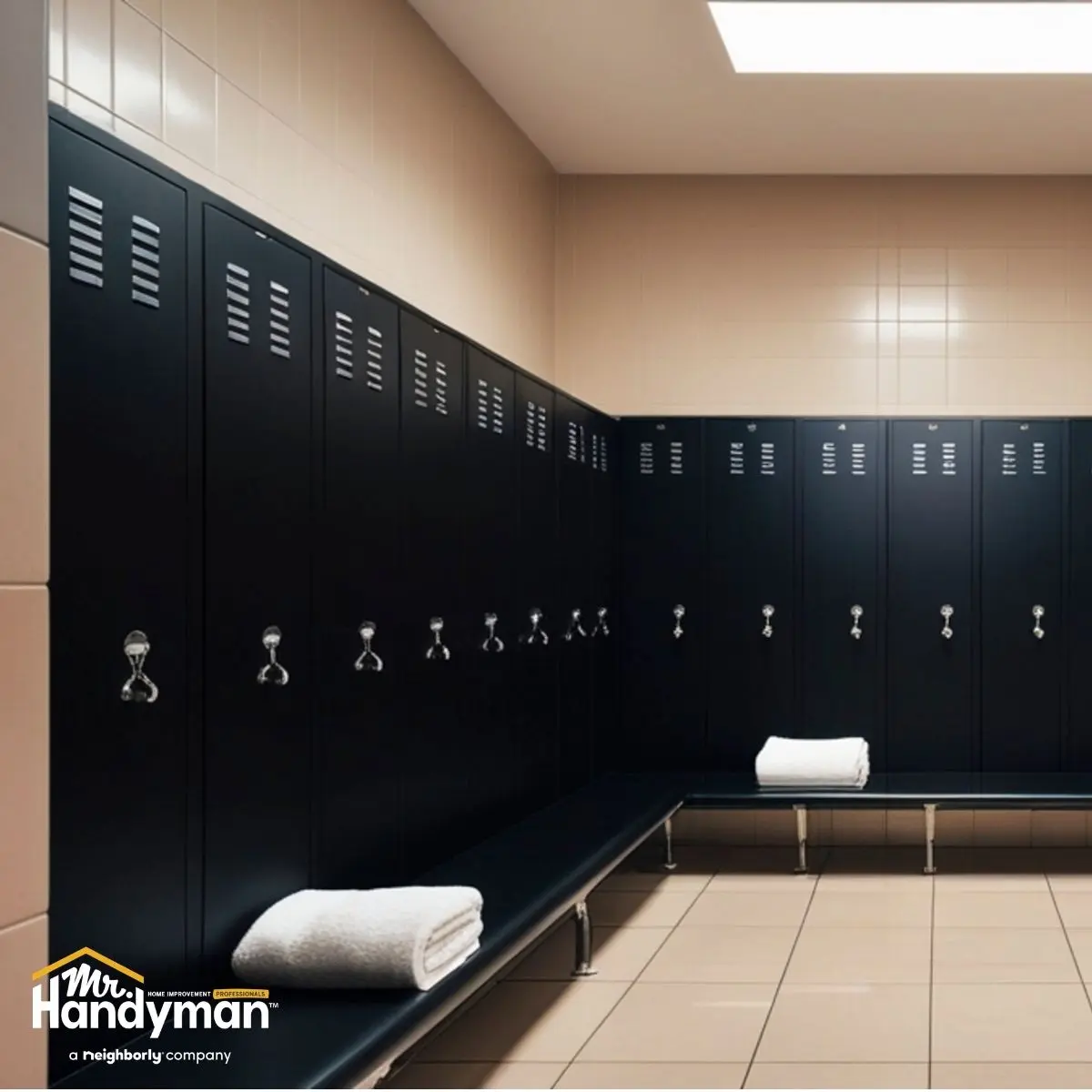
Water pressure consistency across a commercial fitness facility locker room is a plumbing system performance variable that members evaluate in aggregate terms without necessarily identifying it as a plumbing issue specifically. A member who finds that the shower pressure is strong when they are the first person showering after a workout session but noticeably weaker when multiple showers are running simultaneously is experiencing a pressure distribution problem that the facility's plumbing system is not managing correctly, and they experience it as a facility quality shortcoming without necessarily articulating the specific plumbing dynamic that produced it.
Pressure-balancing across multiple simultaneous shower fixtures in a commercial locker room requires supply line sizing, pressure regulator specification, and flow control at each fixture that accounts for the peak simultaneous usage that the facility's membership density and usage patterns produce. A locker room plumbing system that was designed for a lower-membership facility and has been serving a growing membership without system upgrades will produce the pressure drop under simultaneous use that members experience as inadequate shower performance during peak usage periods. Understanding the supply system capacity relative to the peak simultaneous demand it is being asked to serve is the diagnostic starting point for pressure distribution problems that present as fixture-level performance issues but that originate in the supply system design.
Hot water supply consistency is the pressure distribution issue's thermal equivalent, and it carries the same member experience consequence in a fitness facility locker room where members expect consistent hot water availability through peak morning and evening shower periods. A water heating system that cannot maintain adequate hot water supply through the peak demand period of a busy morning produces the cold or lukewarm shower conditions that members encounter toward the end of a high-usage period and that generate the frustrated online reviews and direct member complaints that locker room plumbing failures most consistently produce.
Preventive Maintenance Schedules That Keep Locker Room Plumbing Performing
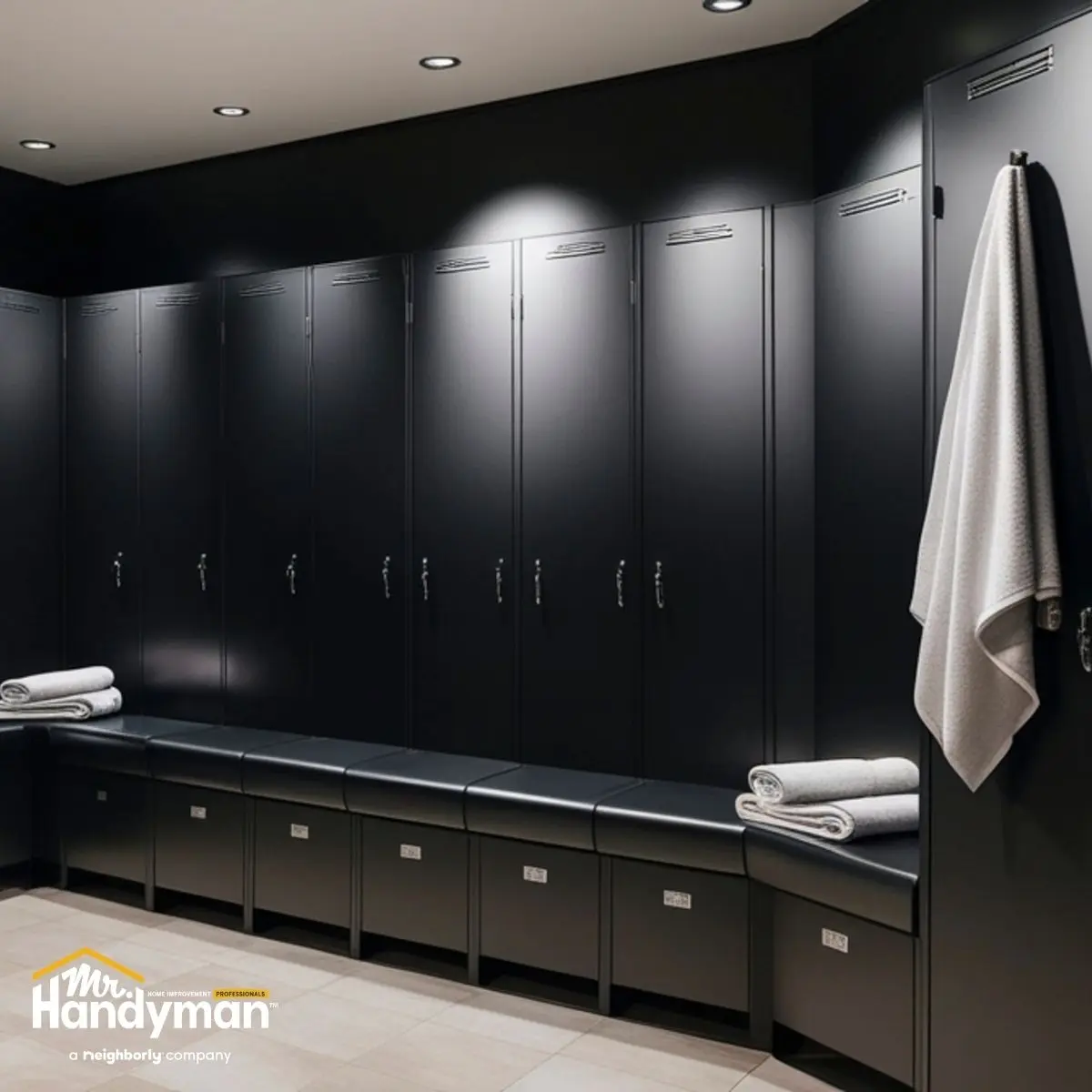
The locker room plumbing problems that damage fitness facility reputations most consistently are not the ones that develop suddenly and without warning. They are the ones that develop gradually through predictable accumulation and wear patterns that a systematic preventive maintenance schedule would have identified and addressed before they reached the threshold where members experience them as failures. The difference between a facility whose locker room plumbing performs consistently and one whose plumbing generates a steady stream of member complaints and online reviews is almost always a difference in the consistency and thoroughness of the preventive maintenance program operating behind the scenes.
A commercial fitness facility locker room plumbing preventive maintenance schedule should organize its tasks by frequency in a way that matches the inspection interval to the rate at which each condition develops under the specific usage intensity of the facility. Daily tasks performed by cleaning and opening staff include visual inspection of all fixtures for dripping or running conditions, floor drain water level verification, and drain flow assessment during cleaning that identifies slow drains before they become blocked ones. Weekly tasks include showerhead flow quality assessment, faucet and flush valve function check, and a systematic walk of the locker room plumbing zones with specific attention to supply line connections under sinks and at toilet supply points for any signs of moisture or seepage that indicate a developing fitting failure.
Monthly tasks in a locker room plumbing preventive maintenance schedule include drain cleaning with appropriate enzymatic products that break down the organic accumulation that produces both flow restriction and odor, shower valve temperature and pressure consistency testing, and water heater performance assessment including outlet temperature verification and visual inspection of the unit and its connections for any signs of corrosion or moisture accumulation. Quarterly tasks include professional drain snaking of all shower and floor drain lines to clear accumulation that enzymatic maintenance between visits has not fully resolved, thermostatic cartridge assessment and replacement where performance testing indicates degradation below the acceptable consistency threshold, and supply line replacement for any lines that are approaching the end of their expected service life based on age and material type.
Tile, Grout, and Waterproofing Conditions That Plumbing Maintenance Cannot Ignore
Locker room plumbing maintenance and tile, grout, and waterproofing condition are more closely connected than the category separation between plumbing and surface maintenance might suggest. The waterproofing integrity of shower walls and floors is the barrier that keeps the water that plumbing delivers to those surfaces contained within the shower enclosure and directed to the drain rather than infiltrating the surrounding wall and floor assemblies. When that waterproofing integrity is compromised, the plumbing system that was designed to deliver water safely through a functional shower enclosure instead becomes the mechanism that delivers moisture damage to the structural elements behind the finished surface.
Grout joint failures in commercial locker room tile installations are the most common waterproofing integrity failure mode in fitness facility shower enclosures, and they develop through a combination of the thermal cycling that hot and cold water exposure produces, the mechanical stress of daily cleaning with commercial cleaning products, and the physical movement of the substrate behind the tile from the moisture absorption and drying cycles that inadequately waterproofed assemblies experience. A grout joint that has cracked or opened at the tile interface allows water to bypass the grout and reach the substrate behind the tile during every shower event, and the cumulative moisture loading that repeated bypass events produce eventually saturates the substrate to the point where the tile adhesive bond fails and tiles begin to delaminate from the wall.
Caulk joint condition at the critical transitions in shower enclosures, specifically at the floor-to-wall joint, at the corners between wall planes, and at any fixture penetrations through the tile surface, is the waterproofing maintenance item that most directly prevents the water infiltration that produces structural damage in locker room shower assemblies. These transitions are designed to be sealed with flexible caulk rather than rigid grout because the movement that occurs at material transitions and corners would crack rigid grout immediately. The caulk at these locations needs to be inspected regularly and replaced when it shows cracking, separation from the tile surface, or mold colonization that cleaning cannot address, because a failed caulk joint at a shower corner is an open water pathway to the wall framing behind the tile on every shower use.
Ventilation and Humidity Management That Supports Plumbing System Performance
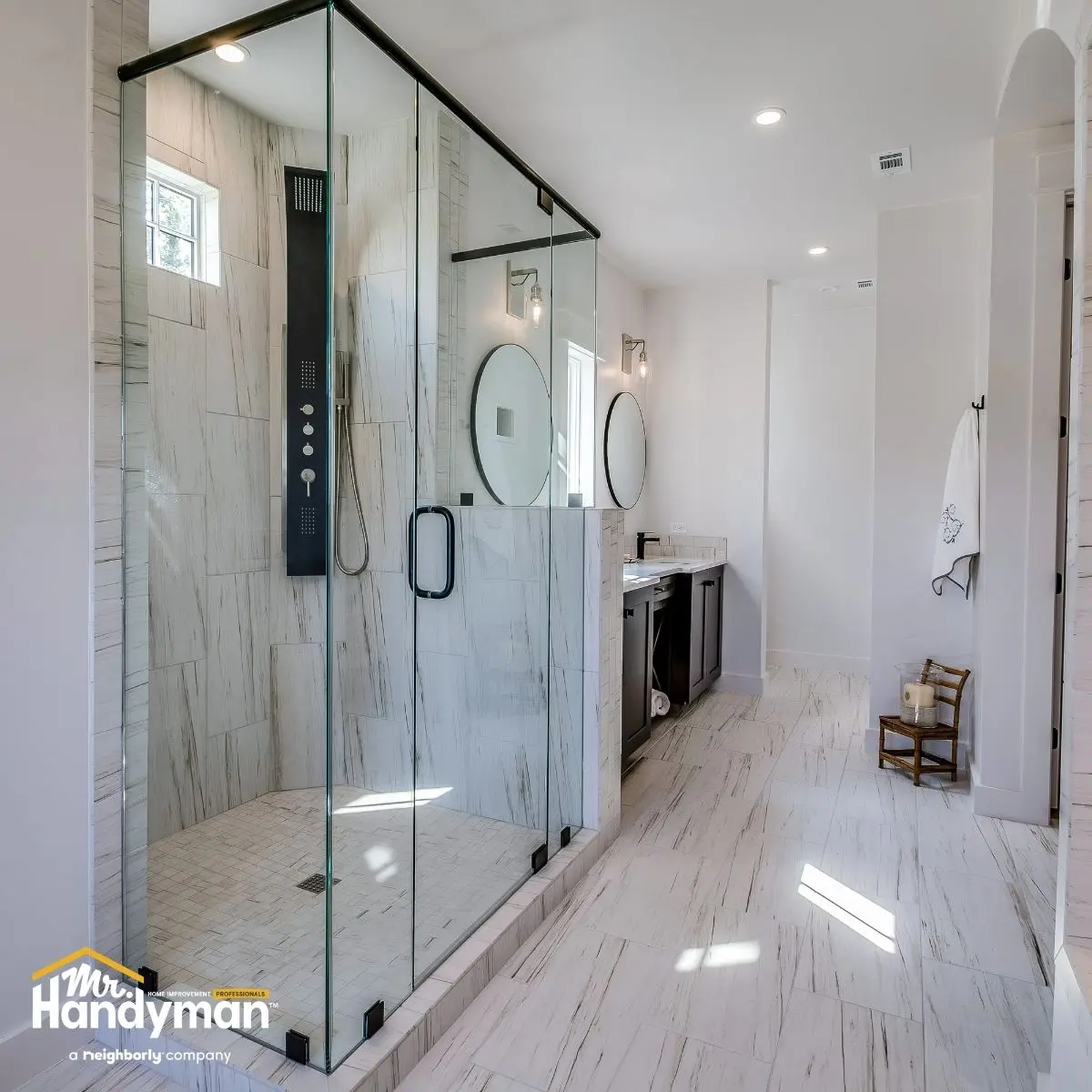
Locker room ventilation is not a plumbing system component, but its performance directly affects the condition of plumbing-related surfaces and the rate at which plumbing maintenance problems develop. A locker room with inadequate exhaust ventilation operates at elevated humidity levels through all occupied hours, and that elevated humidity accelerates every moisture-related deterioration mechanism that locker room plumbing maintenance is working to prevent.
Elevated locker room humidity promotes the mold and mildew growth on grout joints and caulk surfaces that members immediately register as a hygiene failure. It accelerates the corrosion of exposed metal plumbing components including faucet bodies, showerhead connections, and supply line fittings. It maintains the moisture conditions in wall and floor assemblies adjacent to shower enclosures that promote structural deterioration even when the shower waterproofing is performing correctly, because vapor diffusion through tile and grout assemblies delivers moisture to the substrate materials behind them at rates that adequate ventilation reduces and inadequate ventilation allows to accumulate. And it creates the odor environment that members find most objectionable in locker room spaces, because the combination of organic drain accumulation odors and the musty smell of moisture-laden building materials is amplified significantly in a space that is not exchanging air at the rate that the occupancy and moisture generation of an active locker room requires.
Exhaust fan performance assessment should be included in the locker room preventive maintenance schedule because commercial exhaust fans in locker room environments accumulate lint, dust, and biological material on their intake grilles and impeller blades at a rate that progressively reduces their airflow capacity without producing any obvious operational symptom until the performance deficit has become significant. A fan that was installed at the correct airflow rate for the space and that has been operating with a progressively fouled impeller for two years may be delivering forty or fifty percent of its rated airflow while appearing to operate normally to anyone who does not measure its actual performance.
Frequently Asked Questions
How often should commercial locker room shower drains be professionally cleaned in a high-membership fitness facility?
High-membership facilities with heavy shower usage during peak morning and evening periods should schedule professional drain cleaning at minimum quarterly, with monthly enzymatic maintenance between professional visits. Facilities with persistent drain odor issues despite regular enzymatic treatment may have organic accumulation in the drain line beyond the trap that enzymatic products cannot reach effectively, which requires mechanical cleaning to address. The specific interval that balances maintenance cost against the member experience standard the facility wants to maintain is best determined by monitoring drain performance between visits and adjusting the professional cleaning frequency until drain flow and odor conditions remain consistently above the acceptable threshold between visits.
What is the most reliable way to identify a shower valve that needs cartridge replacement before members begin complaining about temperature inconsistency?
The most reliable method is periodic temperature consistency testing during low-usage periods when supply temperature and pressure conditions are stable. Running each shower at its mid-range temperature setting and measuring the outlet temperature with a simple digital thermometer, then introducing a simultaneous flow demand on an adjacent fixture and remeasuring the outlet temperature, reveals the pressure-balancing and thermostatic performance of the valve under conditions that approximate simultaneous member use. Valves that show temperature swings of more than three to five degrees under this test are approaching the replacement threshold, and addressing them proactively prevents the member complaints that further degradation will generate.
Can locker room plumbing problems affect a fitness facility's health department compliance status in Kansas?
Yes, in specific ways that facility operators should understand and monitor. Kansas Department of Health and Environment standards for commercial facilities that include showers and restrooms address hot water availability, cross-connection control through functioning backflow prevention, and the sanitary condition of fixtures and drains. A facility with documented hot water temperature failures, non-functioning backflow preventers, or persistent drain conditions that create unsanitary floor surfaces can face compliance citations that require correction within defined timelines. Maintaining locker room plumbing in a condition that meets these standards is both a regulatory obligation and the same maintenance practice that keeps member experience at an acceptable level, making compliance and member satisfaction aligned rather than competing goals.
How should locker room plumbing repairs be scheduled to minimize disruption to facility operations?
Non-emergency repairs that require shutting off water supply to shower or restroom zones should be scheduled during the lowest-usage periods in the facility's daily and weekly cycle, which for most Wichita area fitness facilities means mid-morning on weekdays after the early morning peak subsides and before the lunch period begins, or during early weekend afternoons. Communicating the planned maintenance window to members through the facility's standard communication channels, with honest information about which areas will be affected and for how long, demonstrates the proactive maintenance commitment that members respond to positively and reduces the frustration that unannounced facility closures produce.
Locker Room Plumbing That Members Never Have to Think About
The best locker room plumbing is the kind that members never notice because it simply works correctly every time they use it. Achieving that standard in a high-usage commercial fitness facility requires the kind of systematic preventive maintenance and responsive repair approach that Mr. Handyman of the Wichita Metro Area brings to fitness facilities and commercial properties throughout the region.
Call us or visit mrhandyman.com/wichita-metro-area to schedule locker room plumbing maintenance or repair service for your facility. A locker room that performs correctly is one of the most reliable retention tools a fitness facility has, and keeping it that way is exactly the kind of work we are built to support.
