
When Kansas Heat Turns Small Problems Into Big Ones
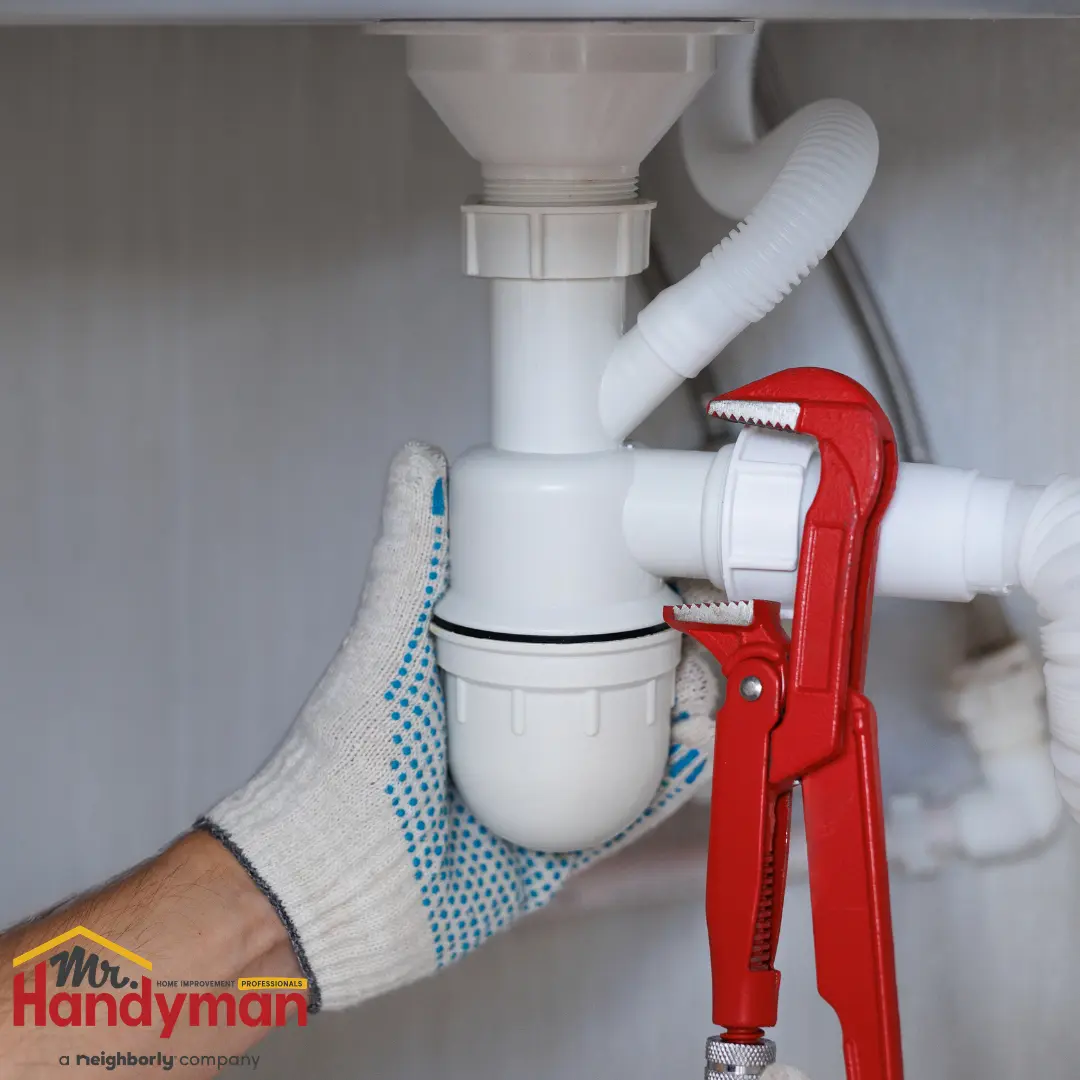
Mid-summer in Wichita and the surrounding metro communities lands hard. July and August bring the combination of triple-digit heat indexes, humidity that the Southern Plains rarely escapes during its most intense weeks, and the kind of relentless sun exposure that tests every household system simultaneously. Homeowners from Derby to Andover, from El Dorado to Hutchinson, discover the same pattern every summer: the plumbing problems that were minor inconveniences in spring become active failures when summer heat, heavy usage, and the regional water chemistry that the Equus Beds aquifer creates all converge at once.
Understanding which plumbing repairs appear most frequently in the Wichita metro during mid-summer, and why the regional conditions specifically accelerate those problems, gives homeowners the awareness to address developing conditions before they become emergency calls on a Saturday afternoon when contractor availability is limited and every hour of active water damage costs more than a routine service appointment would have.
Hard Water and Summer Heat: The Regional Combination
The Equus Beds aquifer that supplies much of the Wichita metro area produces water that is genuinely hard, carrying the calcium and magnesium mineral content that the regional geological formation creates in supply sources. That hardness varies across the service area, with some communities and private well households managing hardness levels that register in the moderately hard to hard range. That mineral content creates a specific mid-summer maintenance context that softer water markets do not experience at the same intensity.
Summer heat accelerates mineral deposition. The elevated temperatures that Kansas summers sustain in household water systems, in water heaters working against ambient heat loads, and in the supply components that outdoor sun exposure warms all create the conditions that advance mineral accumulation faster than the same systems experience during cooler months. The water heater that managed its sediment burden adequately through winter begins showing the efficiency reduction and the noise that accelerated summer deposition creates. The faucet aerator that flowed reasonably well in spring becomes the restricted fixture that summer mineral accumulation compounds. Understanding this seasonal acceleration helps Wichita metro homeowners recognize mid-summer plumbing changes as the regional pattern they are rather than unexplained failures.
The compressed spring window that Wichita's severe weather season creates also contributes to the mid-summer repair concentration. Tornado watches, hail events, and the unpredictable April and May weather that the Southern Plains produces mean many homeowners arrive at mid-summer with plumbing maintenance that the spring's chaos deferred past its ideal service timing. Those deferred items meet the summer heat's acceleration effect and produce the mid-July service calls that the regional pattern consistently creates across the metro.
The Most Common Mid-Summer Repairs
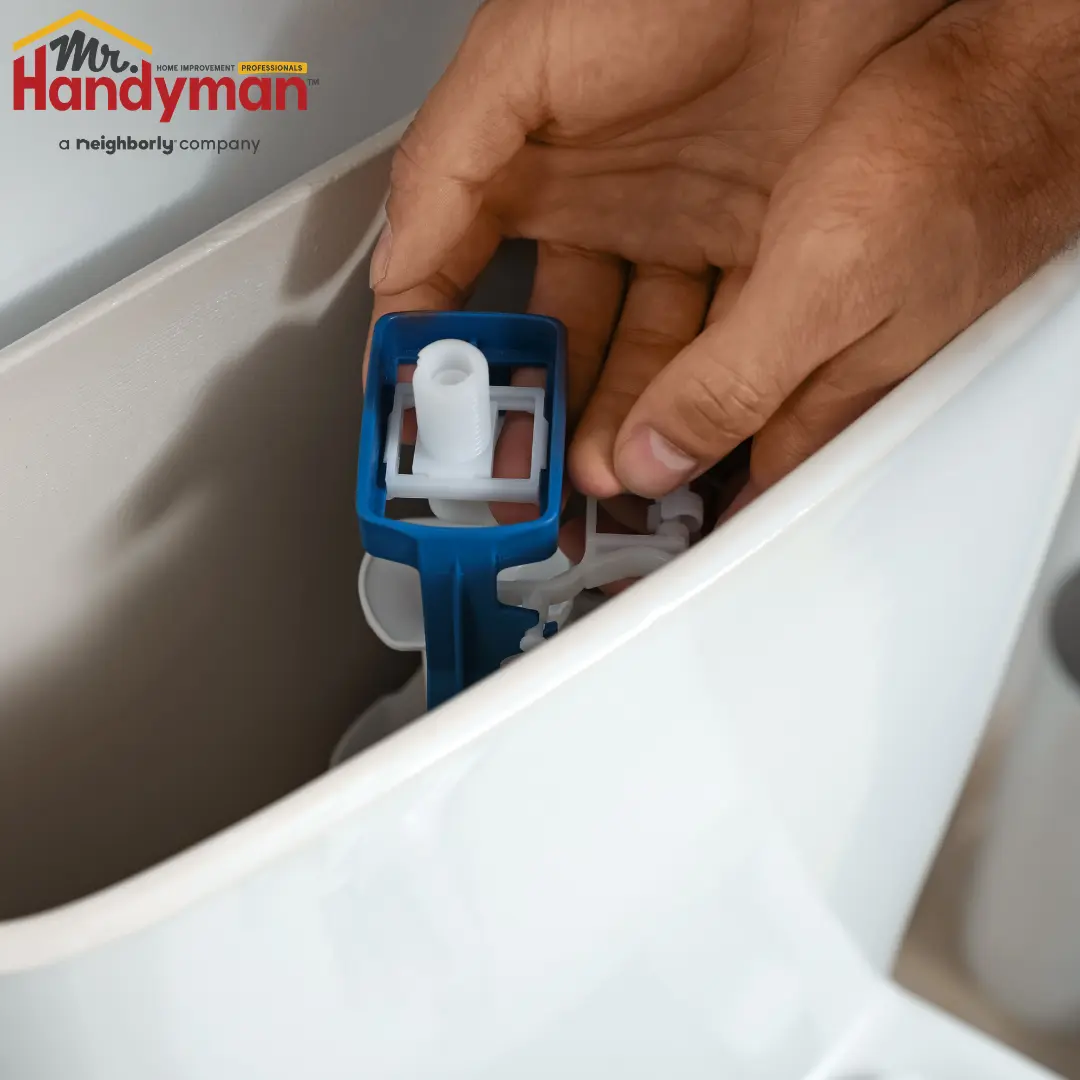
Water Heater Sediment and Efficiency Decline
The water heater is the single most commonly serviced plumbing component in Wichita metro homes during mid-summer because the Equus Beds aquifer's hard water deposits sediment in tank bottoms throughout the year, and summer's elevated ambient temperatures and increased household demand both accelerate the symptoms that accumulation creates. The rumbling and popping sounds that a sediment-laden water heater produces during heating cycles communicate the mineral layer insulating the heating element from the water above it. The increased energy consumption against Evergy utility rates, the reduced recovery time, and the shortened equipment lifespan all result from the same underlying condition that annual flushing and sediment management specifically prevents.
Homeowners who notice longer waits for hot water, unexpected increases in their Evergy bills, or the rumbling sounds that sediment disturbance creates during heating cycles are recognizing the mid-summer water heater condition that hard water and seasonal heat combine to produce in the regional context. An older water heater in a hard water household that has not received annual flushing is carrying a sediment load that Kansas summer specifically amplifies toward the replacement threshold faster than the same unit would reach in a softer water environment with the same maintenance history.
Faucet Aerator and Showerhead Restriction
Reduced flow at kitchen and bathroom faucets and progressively diminished showerhead spray patterns are among the most common mid-summer plumbing complaints across the Wichita metro service area. The cause in nearly every case is the mineral accumulation that the Equus Beds aquifer's hard water deposits in the small openings of aerator screens and showerhead nozzles between cleaning intervals. Summer's increased household water use concentrates more mineral contact through those fixtures daily, and the seasonal acceleration that heat creates in mineral deposition compounds that contact effect throughout the peak summer months.
The accessible fix is white vinegar soaking. Removing the aerator from the faucet spout and submerging it in white vinegar for several hours dissolves the calcium and magnesium deposits that accumulated since the last cleaning. The same approach works for showerheads, either through removal and soaking or by securing a vinegar-filled bag around the head for several hours. When restriction has advanced beyond what cleaning effectively restores, replacement is the appropriate next step. A household on harder aquifer water that has not cleaned aerators in over a year is likely experiencing the significant flow restriction that the regional mineral accumulation specifically creates at those positions.
Toilet Flapper Deterioration and Running Toilets
The toilet that runs continuously or cycles its fill sequence more frequently than normal is one of the most consistently overlooked mid-summer plumbing conditions in Wichita area homes, not because it is hidden, but because the cycling sound blends into the background of daily household noise. What it represents is a flapper seal that is no longer seating completely, allowing water to continuously pass from the tank to the bowl. In a region where Evergy and utility costs rise during peak summer demand, a running toilet delivers continuous water consumption against municipal water rates without delivering any household benefit whatsoever.
Kansas summers specifically advance flapper deterioration through the elevated water temperatures that hard water and ambient heat create in enclosed toilet tank environments. The rubber components that maintain the flapper's seal degrade faster under sustained heat exposure than the same materials experience through cooler months, and the mineral deposits that hard water contributes to flapper seats compound that deterioration over a single summer season. The household that has not replaced toilet flappers in three or more years is managing components whose rubber condition the Kansas heat and hard water have been advancing toward failure throughout the accumulated warm seasons between replacement events.
Supply Line Failures at Appliances
Washing machine supply hoses, refrigerator ice maker lines, and dishwasher supply connections all represent failure-prone positions that mid-summer conditions in the Wichita metro specifically test. The rubber and braided materials that those supply lines are constructed from respond to the sustained heat that enclosed laundry rooms, kitchen cabinets, and utility spaces accumulate during July and August in a Kansas home. The fitting connections that mineral accumulation has been advancing toward restriction at those termination points carry the concentrated heat exposure that summer specifically creates in those enclosed positions.
A washing machine supply hose failure under full household pressure in an unoccupied home during a summer vacation week delivers the kind of water damage that mid-summer plumbing awareness specifically prevents. The five-minute inspection that opens those cabinet doors and evaluates supply line condition, fitting integrity, and the floor beneath for moisture evidence is the preparation that summer departure warrants before extended absence. Hoses showing visible cracking, bulging near fittings, or any moisture evidence at connection points warrant replacement before the summer travel season removes the household presence that would otherwise catch an active failure.
Garbage Disposal Drain Restriction
The kitchen drain system that functions without complaint through most of the year frequently develops the restriction symptoms that mid-summer specifically exposes because the combination of increased entertaining, more frequent cooking activity, and the warm ambient temperatures that Kansas summer creates in enclosed cabinet spaces all compound in the drain positions that disposal use concentrates food waste and grease through. Warm temperatures allow cooking grease to flow through the drain system in liquid form and then resolidify in the P-trap and drain line sections where cooler temperatures and slower flow allow fat deposits to accumulate between professional cleaning events.
The Southern Plains cooking tradition that the Wichita area sustains creates the grease-loading context that the regional kitchen drain serves through the summer's active entertaining season. Outdoor gatherings that move the cooking indoors when storms threaten, the backyard cookout cleanup that routes grease and food waste through the kitchen drain, and the summer hosting volume that Wichita households concentrate through the warm months all compound in drain positions that the mineral bonding agent the hard water creates in those pipe surfaces makes more adhesive between professional service intervals.
Local Relevance for Wichita Metro Homeowners
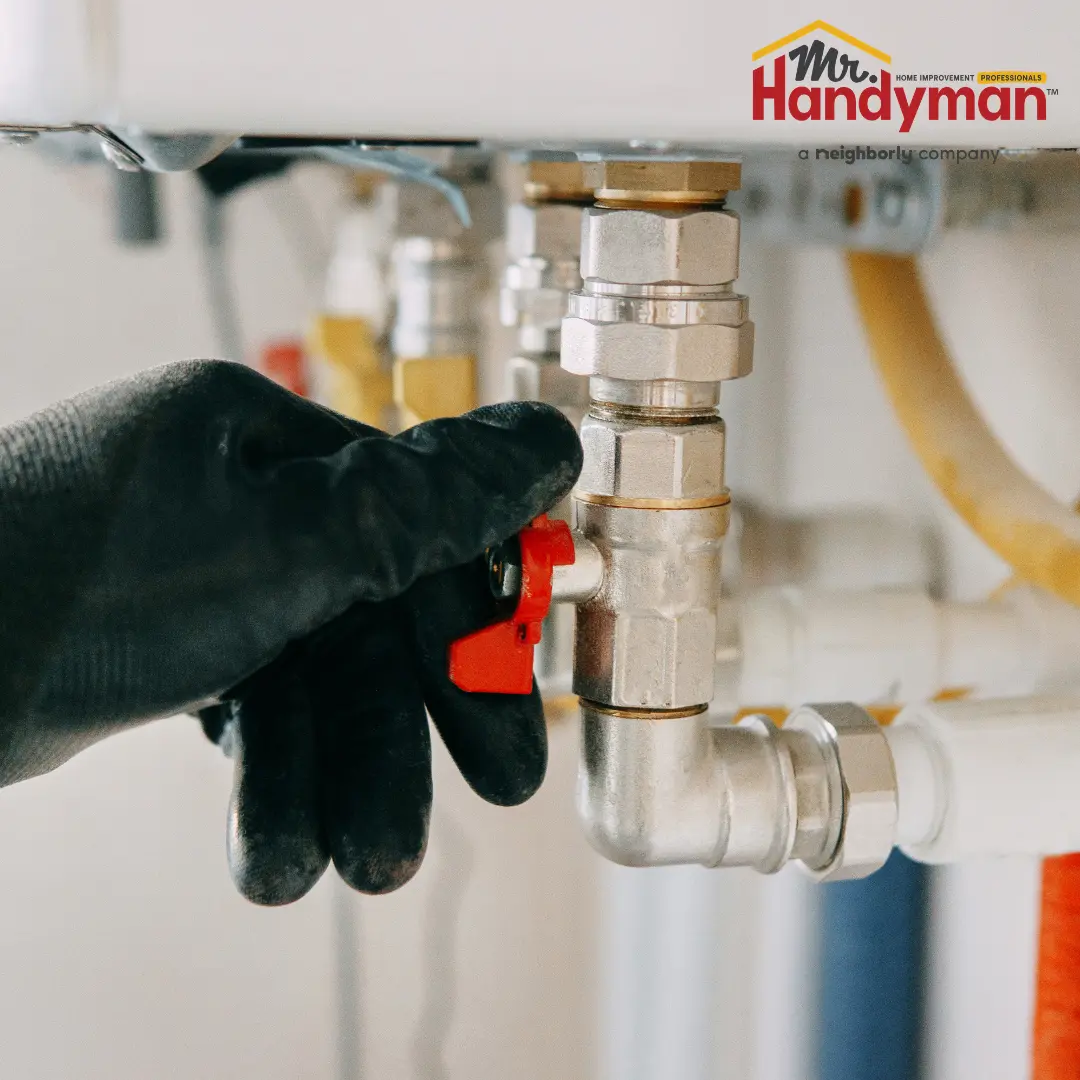
The specific plumbing challenges that Wichita and the surrounding communities experience mid-summer reflect the regional conditions that the Equus Beds aquifer's hard water, the Southern Plains heat, and the compressed summer shoulder season together create. Derby, Andover, and the eastern suburbs manage the same hard water characteristics as central Wichita. El Dorado and Augusta households often manage private well supplies whose mineral content varies with the local geology and may exceed the municipal supply hardness levels those communities receive from treated surface sources.
The Boeing and Spirit AeroSystems workforce households whose summer schedules concentrate vacation travel through July and August also carry the specific vacancy plumbing risk that Wichita's hot summer and hard water together create in unoccupied homes. The supply line that develops a slow drip in an unoccupied home during a two-week vacation delivers its full damage potential without the daily household awareness that would otherwise catch it before water reaches flooring and wall assemblies. Pre-travel plumbing assessment that confirms supply line condition, stop valve function, and main shutoff operation before summer departure specifically addresses the vulnerability that the Wichita metro's combination of hard water conditions and genuine summer heat creates in those unattended homes.
Frequently Asked Questions
Why do plumbing problems seem to get worse in Wichita during summer specifically?
The combination of the Equus Beds aquifer's hard water mineral content, the elevated temperatures that Kansas summers sustain in household water systems and enclosed utility spaces, and the increased demand that summer household activity concentrates through plumbing components all together accelerate the developing conditions that routine use and hard water advance throughout the year. Problems that were manageable or invisible in cooler months become active failures when summer heat amplifies the mechanisms those conditions operate through and the compressed spring tornado season has deferred the maintenance that timely service would have addressed before peak demand arrived.
How does Wichita's hard water affect plumbing repair frequency compared to softer water markets?
Hard water from the Equus Beds aquifer deposits calcium and magnesium in water heater tanks, aerator screens, showerhead nozzles, supply valve internals, and the heating elements of water-using appliances at rates that softer water markets do not produce between comparable maintenance intervals. That ongoing mineral accumulation specifically motivates the more frequent cleaning, descaling, and component assessment that Wichita metro homeowners benefit from addressing as a routine practice rather than a response to failure. Annual water heater flushing, semi-annual aerator cleaning, and periodic showerhead vinegar soaking all address the specific hard water maintenance demands the regional water supply creates in the Wichita metro context.
Is a running toilet really worth fixing during a busy summer?
A continuously running toilet wastes between 200 and 400 gallons of water daily depending on the severity of the flapper failure. At municipal water rates, that consumption adds meaningfully to monthly utility costs through the weeks it runs unaddressed. The flapper replacement that stops that waste typically costs very little in parts and less than an hour in service time. During a Kansas summer when utility costs from Evergy are already elevated by cooling demands, a running toilet represents an unnecessary additional expense that straightforward repair specifically eliminates before the summer billing cycle captures its full impact.
What should Wichita homeowners do before leaving for summer vacation regarding plumbing?
Closing the main shutoff valve before extended summer absence eliminates active supply pressure from every plumbing vulnerability the home carries while unoccupied. Beyond the shutoff, washing machine supply hose inspection, toilet running confirmation, and under-sink visual assessment at kitchen and bathroom positions all together provide the pre-departure condition awareness that summer absence specifically motivates. The Wichita metro's hard water and genuine summer heat together create the damage acceleration environment in an unoccupied home that makes pre-travel plumbing assessment proportionally more consequential than the same preparation produces in softer water or cooler summer markets.
When should a Wichita homeowner call a professional rather than attempt a mid-summer plumbing repair?
Aerator cleaning, toilet flapper replacement, and supply hose visual inspection are accessible homeowner tasks. The repair scope that benefits from professional assessment includes water heater sediment flushing when the unit is aging or the sediment accumulation appears significant, supply valve replacement when mineral accumulation has advanced the internal condition beyond adequate function, any supply line that has reached active leaking, and garbage disposal drain restriction that persists after accessible cleaning attempts. A professional assessment that identifies the full scope of developing conditions provides the repair confidence that summer's concentrated demand on Wichita's hard water plumbing systems specifically motivates before those conditions advance toward emergency timing.
Wichita Metro Plumbing Repairs Done Right
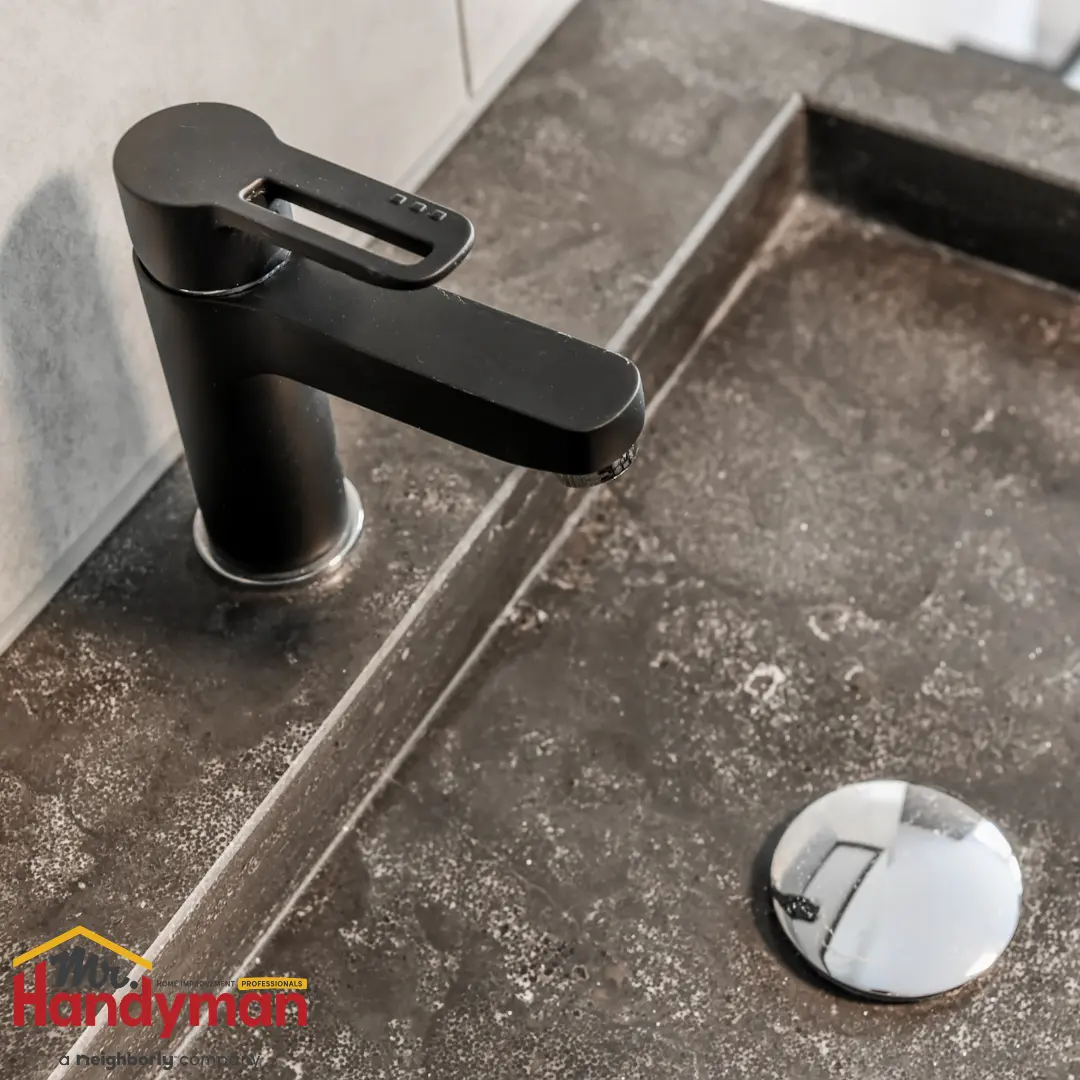
Mid-summer plumbing in Wichita and the surrounding communities deserves the regional expertise that understands the Equus Beds aquifer's hard water demands, the Southern Plains heat's accelerating effects on developing conditions, and the specific repair patterns that the combination creates across the Wichita metro service area. From Derby and Andover to El Dorado and Hutchinson, the households managing the regional water chemistry and Kansas summer heat benefit from the professional service that confirms developing conditions at the assessment stage rather than the emergency stage that deferred attention consistently produces. Mr. Handyman of the Wichita Metro Area brings that regional knowledge to every service call, from water heater sediment management and supply line assessment to toilet repairs and drain system cleaning, delivering the dependable workmanship the regional market deserves.
Mr. Handyman of the Wichita Metro Area
Website: https://www.mrhandyman.com/wichita-metro-area
Serving homeowners and businesses throughout the Wichita Metro Area with dependable service and the expertise your home deserves.