
Why the Window Between Spring and Summer Matters More Than You Think
There is a narrow window between the end of Kansas's freeze-thaw season and the arrival of summer that most homeowners let slip by without taking full advantage of it. By the time Memorial Day weekend arrives, Wichita temperatures are regularly pushing into the 80s and 90s, outdoor water usage has climbed sharply, and plumbing systems that were already stressed from winter are now being asked to perform under entirely different demands. The smart move is to get ahead of that transition while the weather is still cooperative and before your weekends fill up with everything else summer brings.
This is not about panic or worst-case scenarios. It is about recognizing that plumbing systems in Kansas homes carry real seasonal wear, and that the repairs deferred from fall or winter have a way of surfacing at the worst possible time if left unaddressed. A slow leak ignored in March becomes a water-damaged cabinet in July. A toilet running quietly in April becomes a noticeably higher water bill every month through September. Small repairs handled now cost a fraction of what they cost after they escalate.
The Wichita metro includes homes spanning nearly a century of construction, from the older bungalows and craftsman-style houses in established central neighborhoods to the newer builds spreading out through Andover, Derby, and Goddard. The age and construction style of your home shapes which repairs are most likely waiting for your attention, but the principle is the same regardless of when your house was built: pre-summer plumbing repairs are among the highest-return maintenance investments a homeowner can make.
Fixing Leaky Faucets Before Water Bills Climb
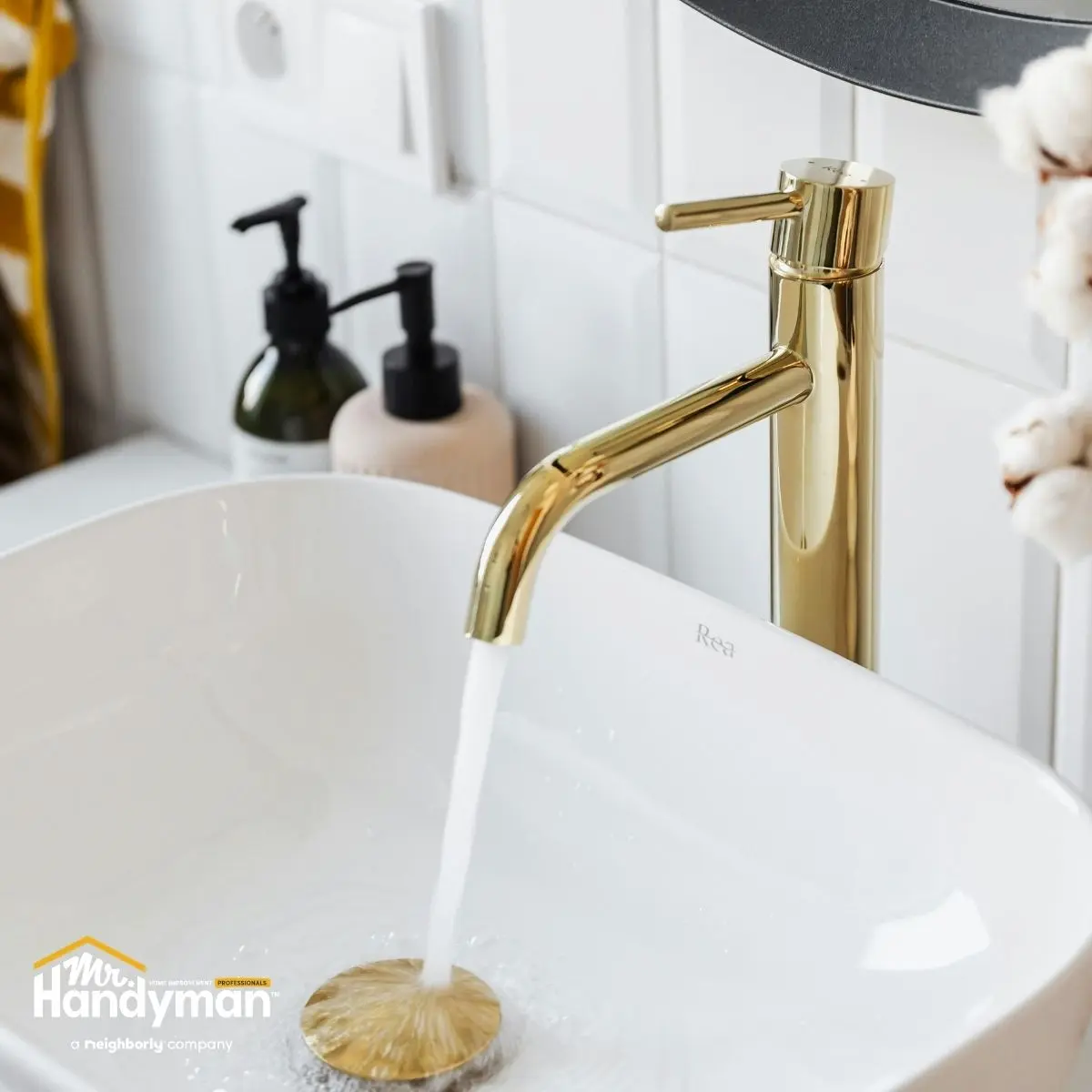
A dripping faucet feels like a minor annoyance, and most homeowners treat it that way until they see what it actually costs. A faucet dripping at one drop per second wastes roughly 3,000 gallons of water per year. In summer, when overall household water usage is already elevated from outdoor watering, extra showers, and increased cooking and cleaning demands, that waste compounds in a way that shows up clearly on your utility bill.
Beyond the water cost, a dripping faucet is a symptom of internal wear that tends to progress. Worn washers, deteriorated O-rings, and corroded valve seats do not improve on their own. A faucet that drips once per second this spring may be running in a steady stream by August. Ceramic disc faucets, which are common in mid-range and higher-end fixtures, are particularly vulnerable to sediment damage from Wichita's mineral-carrying water supply. When sediment scores the disc surface, the seal degrades and water finds its way through even when the handle is fully closed.
Repairing a faucet at the washer or cartridge level is a straightforward repair in most cases, and it is far less expensive than replacing the entire fixture. But identifying which type of faucet you have, ball, cartridge, compression, or ceramic disc, matters for getting the right replacement parts. If you are uncertain about the internal mechanism or the repair has not resolved the drip after one attempt, this is worth handing off to someone with hands-on familiarity with fixture types.
Running Toilets Are Wasting More Than You Realize
Running toilets are one of the most underestimated sources of water waste in residential plumbing. Unlike a dripping faucet, a running toilet often operates silently enough that homeowners do not even register it as a problem. The flapper, the rubber seal that controls water flow from the tank to the bowl, is the most common cause. Over time, flappers warp, stiffen, or accumulate mineral buildup that prevents them from seating properly against the flush valve. When that seal is broken, water continuously trickles from the tank into the bowl and the fill valve runs periodically to compensate.
A moderately running toilet can waste between 200 and 700 gallons of water per day depending on how severely the flapper is compromised. That is not a rounding error on your water bill. It is a meaningful monthly cost that accumulates through every week of summer. Flappers are inexpensive and replacing one is a repair most homeowners can handle themselves with basic instructions. The more important step is actually testing each toilet in your home before summer arrives rather than assuming they are all functioning correctly.
Fill valve failures are the other common running toilet cause and are slightly more involved to diagnose. A fill valve that is not shutting off properly will cause water to overflow into the flush valve tube and drain continuously. You can identify this by removing the tank lid and watching whether the water level rises above the top of the overflow tube. If it does, the fill valve needs adjustment or replacement before the problem runs unchecked through the summer months.
Addressing Slow Drains Before They Become Full Blockages
Slow drains are easy to dismiss as a minor inconvenience, but they rarely stay minor. What presents as a bathroom sink that takes an extra thirty seconds to drain is often the early stage of a developing clog that will become a full blockage under increased summer usage. More people at home during summer break, increased showering after outdoor activity, and higher general household water use all push more demand through the same drain lines.
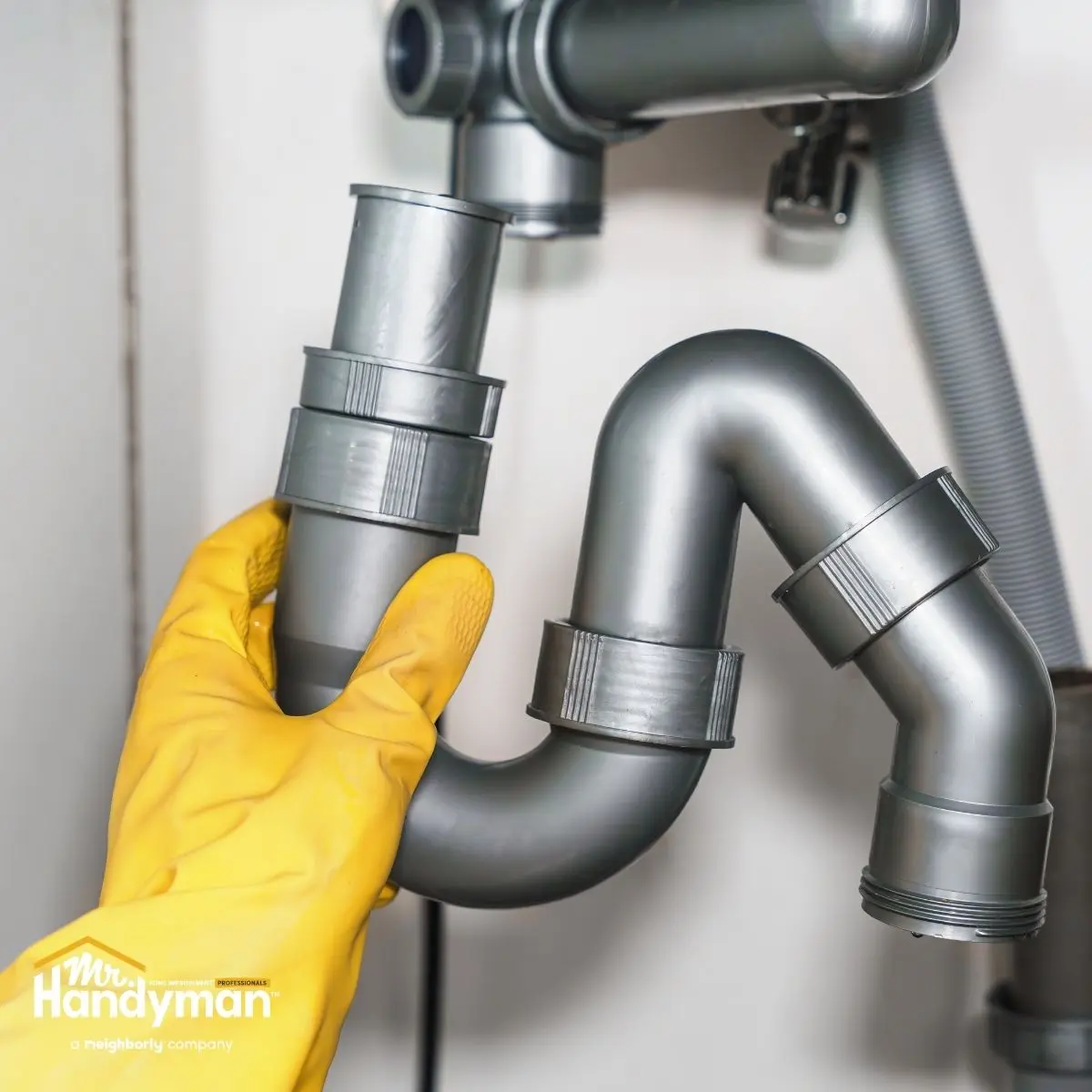
Hair, soap residue, and toothpaste accumulate in bathroom sink and shower drains gradually, building up on the interior walls of the P-trap and the drain line downstream. Kitchen drains accumulate grease, food particles, and soap film in a similar pattern. In homes with older galvanized drain lines, the rough interior surface of corroded pipe holds debris more readily than smooth PVC, which means blockages develop faster and clear less easily.
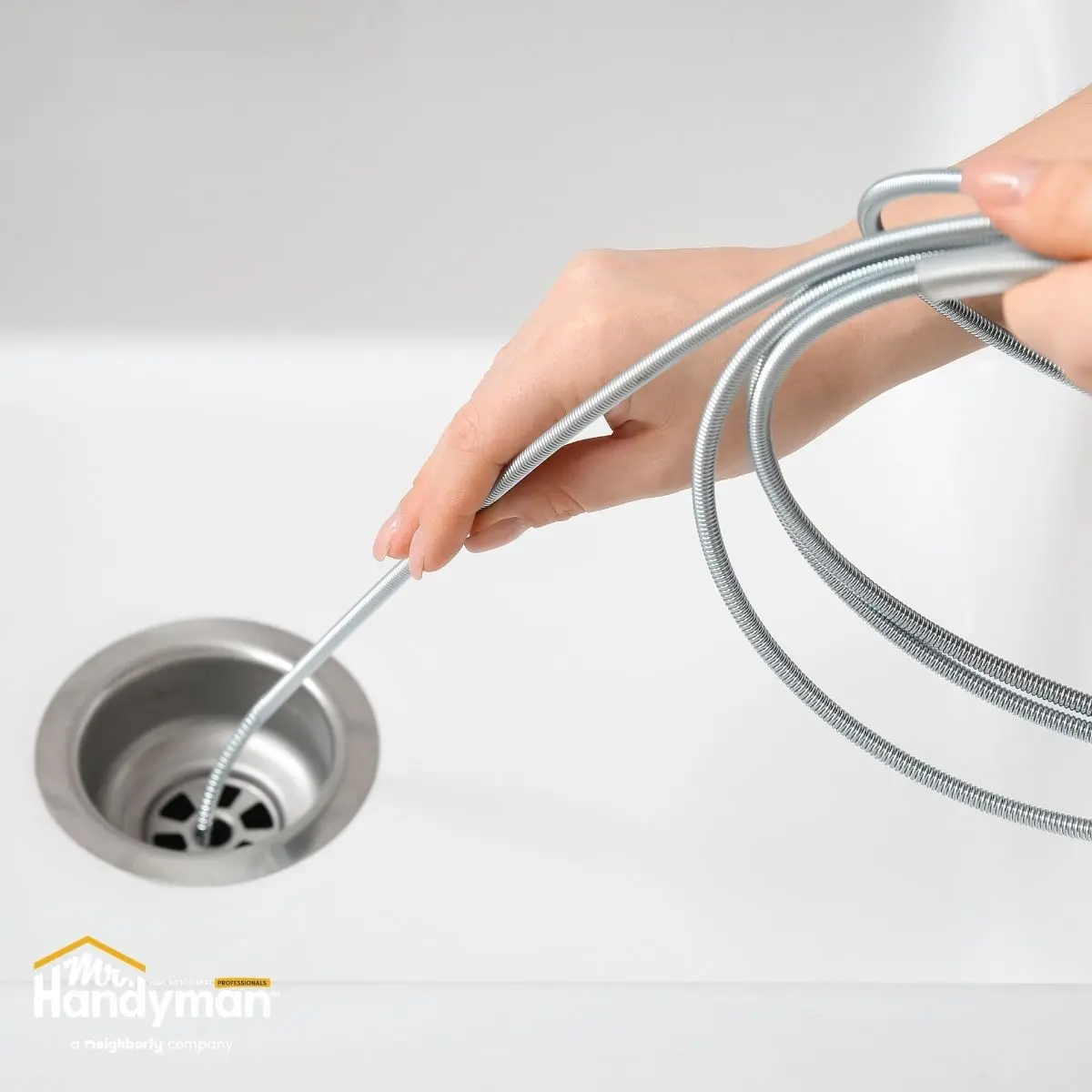
Before summer arrives, run each fixture in your home and observe the drain rate honestly. A slow drain deserves more than a bottle of chemical drain cleaner poured down it. Those products are corrosive and can damage older pipe materials over time. A drain snake or a professional hydro-jet service addresses the actual accumulation rather than temporarily softening it. If multiple drains in your home are running slow simultaneously, that pattern points to a restriction further down the main drain line rather than individual fixture clogs, and that is a situation that warrants a professional assessment before it progresses.
Water Heater Repairs That Should Not Wait Until Summer
Your water heater is one of those appliances that gets taken for granted until it stops working, and summer is one of the worst times for an unexpected failure. Demand on your water heater does not drop in summer the way many homeowners assume. Increased showering, more frequent laundry cycles, and houseguests all keep hot water demand elevated throughout the warmer months. A unit that is already showing warning signs heading into summer is unlikely to make it through the season without an incident.
The most common pre-summer water heater repairs fall into a few consistent categories. A failing anode rod is one of the most overlooked. The anode rod is a sacrificial metal rod inside the tank designed to corrode in place of the tank lining itself. When it is fully depleted, the tank wall becomes the next target for corrosion, and interior rust develops quickly from that point. If your water has a faint metallic or sulfur odor, or if you are seeing discoloration in your hot water supply, a depleted anode rod is a likely contributor.
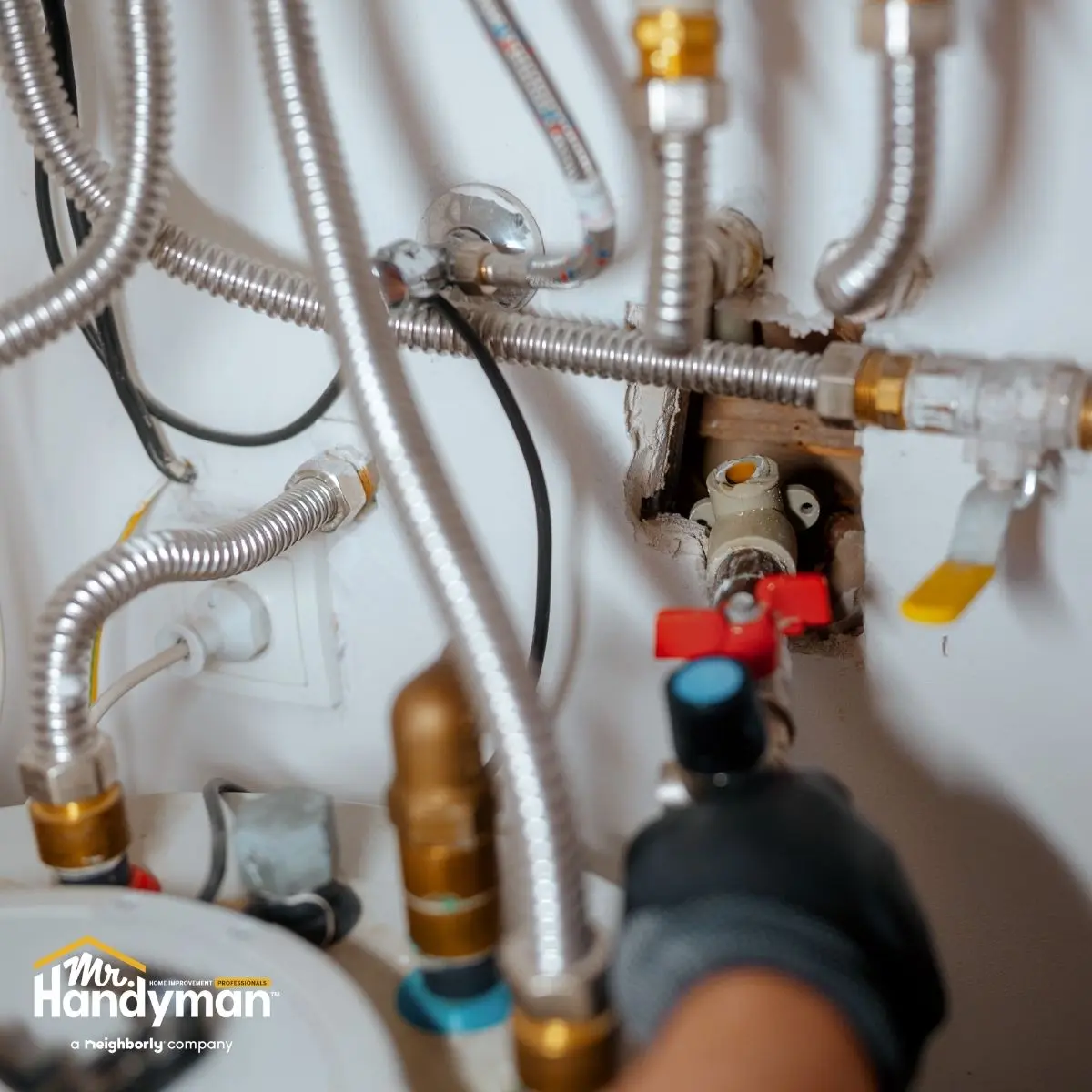
Leaking pressure relief valves are another repair that should not be deferred. The T&P valve is a safety device, and one that is weeping or dripping is either responding to genuinely elevated pressure or temperature conditions inside the tank, or it has worn to the point where it no longer seats properly. Either situation warrants immediate attention. A T&P valve that is bypassed or ignored creates a legitimate safety risk, not just a plumbing inconvenience.
For water heaters that are approaching or past the ten-year mark, a pre-summer inspection by a qualified technician gives you an honest picture of where the unit stands and whether replacement before the peak season makes more financial sense than continuing to repair an aging system.
Outdoor Plumbing Repairs That Affect Your Entire Summer
Outdoor plumbing takes on a much heavier load from late May through September in the Wichita metro. Irrigation systems run regularly, hose bibs see daily use for gardening and washing, and outdoor fixtures that sat dormant all winter are suddenly being asked to perform consistently. Repairs that were easy to defer when nothing outdoors was being used become urgent quickly once the season shifts.
Hose bibs that are dripping or not shutting off completely should be repaired before you are relying on them daily. A hose bib that does not fully close wastes water continuously and can also create backpressure issues that affect your indoor supply pressure. In Wichita area homes where frost-free hose bibs were installed without proper slope, the internal stem may not drain correctly, leaving residual water in the pipe that contributes to corrosion over time.
Irrigation system repairs are worth completing early in the season rather than discovering problems zone by zone as summer progresses. A cracked zone valve, a broken sprinkler head, or a slow leak in a buried lateral line all waste significant water over a full summer season. Kansas summers can be dry and demanding on landscaping, which means your irrigation system needs to perform efficiently, not just adequately. Wasted water from a slow underground leak also creates soft spots and uneven saturation in your lawn that become more pronounced and more damaging through repeated watering cycles.
Room by Room: Where Pre-Summer Repairs Pay Off Most
Bathrooms
Bathroom plumbing sees its heaviest use during summer, particularly in homes with children who are out of school. Supply lines under bathroom sinks that are showing any sign of mineral buildup at the connection points or slight flexibility in the braided sleeve should be replaced before that usage increase hits. The cost of a supply line is minimal. The cost of a supply line that fails while the house is full of summer activity is not.
Shower valves that are difficult to adjust precisely, running too hot or requiring constant fine-tuning to reach a comfortable temperature, often have worn cartridges that are past their service life. A cartridge replacement restores smooth, predictable temperature control and is a repair worth completing before the shower is being used multiple times per day.
Kitchen
The kitchen garbage disposal is one of the most commonly neglected plumbing-adjacent appliances in the home. A disposal that is slow to clear, makes grinding or rattling sounds, or leaks at the sink flange or the drain connection is overdue for service. Summer increases kitchen activity significantly, and a disposal that is already struggling will not improve under heavier use. Leaks at the sink flange are particularly worth addressing because they drip directly onto the cabinet floor with every use, and that moisture accumulates quietly until the cabinet base begins to deteriorate.
Laundry Room
Washing machine supply hoses deserve a direct look before summer laundry loads increase. Rubber hoses that are five or more years old carry a real failure risk, and a burst washing machine hose releases water at full supply pressure for as long as it takes someone to discover it. Swapping rubber hoses for braided stainless steel versions is a one-time upgrade that eliminates one of the more preventable water loss events in residential plumbing.
Frequently Asked Questions
How do I know if my toilet is running if I cannot hear it?
The food coloring test is the most reliable method. Add a few drops to the tank and wait fifteen minutes without flushing. If color appears in the bowl, water is moving through a compromised flapper seal. You can also place a dry piece of toilet paper against the back interior wall of the bowl. If it gets wet without a flush, the toilet is running.
Is a slow drain something I can fix myself or should I call someone?
A single slow drain that responds to a drain snake is a reasonable DIY repair. If the drain returns to slow within a few weeks, or if multiple drains throughout the house are running slow at the same time, that pattern suggests a deeper issue in the main drain line that warrants professional attention.
What are the signs that a faucet needs more than just a new washer?
If the faucet continues dripping after a washer replacement, the valve seat is likely scored or corroded. A scored valve seat prevents any washer from sealing properly and needs to be resurfaced or replaced. At that point, depending on the age and condition of the fixture overall, replacement may be more practical than continued repair.
How often should outdoor hose bibs be inspected?
Every spring before you begin using them regularly. Turn them on and observe the flow, check for drips at the handle packing nut, and feel along the wall around the bib for any moisture that might indicate a leak behind the exterior surface. A quick inspection takes a few minutes and catches the majority of common hose bib problems before they become costly.
Let Mr. Handyman Handle the Repairs You Have Been Putting Off
Pre-summer plumbing repairs are exactly the kind of maintenance work that is easy to intend to do and difficult to actually get around to before the season changes. Mr. Handyman of the Wichita Metro Area is ready to help you work through the list efficiently, with experienced technicians who understand the homes, the climate, and the plumbing realities of the Wichita area.
Call us or visit mrhandyman.com/wichita-metro-area to schedule service or request an inspection before summer arrives. Getting ahead of these repairs now means fewer surprises and a more comfortable, efficient home through the months ahead.
