
There is a particular kind of homeowner panic that happens in late March or early April when the basement floor is wet and the sump pump is sitting silent in the pit. It did not fail dramatically. It just quietly stopped being ready, and nobody noticed until the rain came. Across the Wichita metro area, that scenario plays out every spring in homes where the sump pump was never checked after sitting idle through winter.
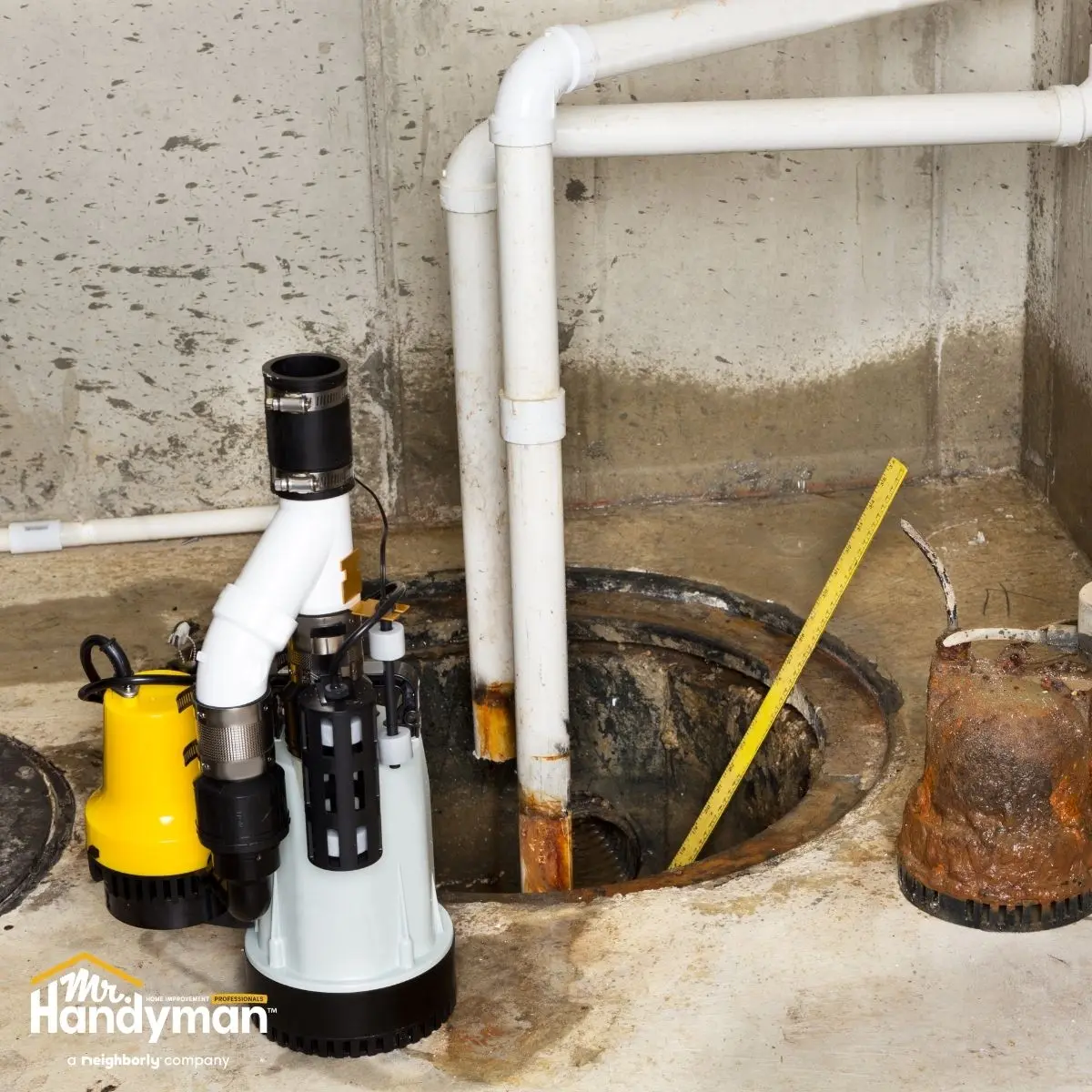
A sump pump is not a complicated piece of equipment, but it operates in one of the most demanding environments in any home. It sits in a pit, partially exposed to groundwater and humidity, running on demand without warning. When it works, nobody thinks about it. When it fails, the consequences are immediate and expensive. Understanding why pre-spring inspection matters, and what actually goes wrong inside a sump system, is the difference between a dry basement and a very bad week.
What Wichita's Spring Weather Actually Does to Your Foundation
Kansas spring weather is not gentle. The Wichita metro area receives the bulk of its annual precipitation between March and June, with severe thunderstorm systems capable of dropping two to four inches of rain in a matter of hours. The ground, which has been frozen and compacted through winter, does not absorb that water quickly. Instead, it runs along the soil line toward the lowest point it can find, which in most homes is directly toward the foundation.
Wichita sits on a relatively flat plain with clay-heavy soil in many neighborhoods. Clay does not drain well. It holds moisture close to the surface and channels it laterally toward foundation walls rather than letting it percolate downward. Homes in areas like the Northeast side, parts of Derby, and older subdivisions in Haysville deal with this regularly. After a hard winter, the soil is especially compacted, and the first significant spring rain event often produces more surface runoff than the drainage system around a home was designed to handle.
This is the environment your sump pump exists to manage. If it is not ready when the first major storm rolls through in April, the basement tells you immediately.
What Winter Does to a Sump Pump System
The period between November and March is when sump pumps are least active in most Wichita homes. Groundwater movement slows, precipitation falls as snow rather than rain, and the pump may sit dormant for weeks at a time. That dormancy is not harmless.
Mechanical components that sit without running develop problems that only surface under load. The impeller, which is the internal fan-like component that moves water through the pump, can develop mineral scale from sitting in hard water. Wichita's municipal water supply carries measurable mineral content, and over a dormant winter, those minerals settle and can cause the impeller to drag or seize when the motor first tries to spin. A pump that starts sluggishly is already working harder than it should, generating excess heat and wearing faster than normal.
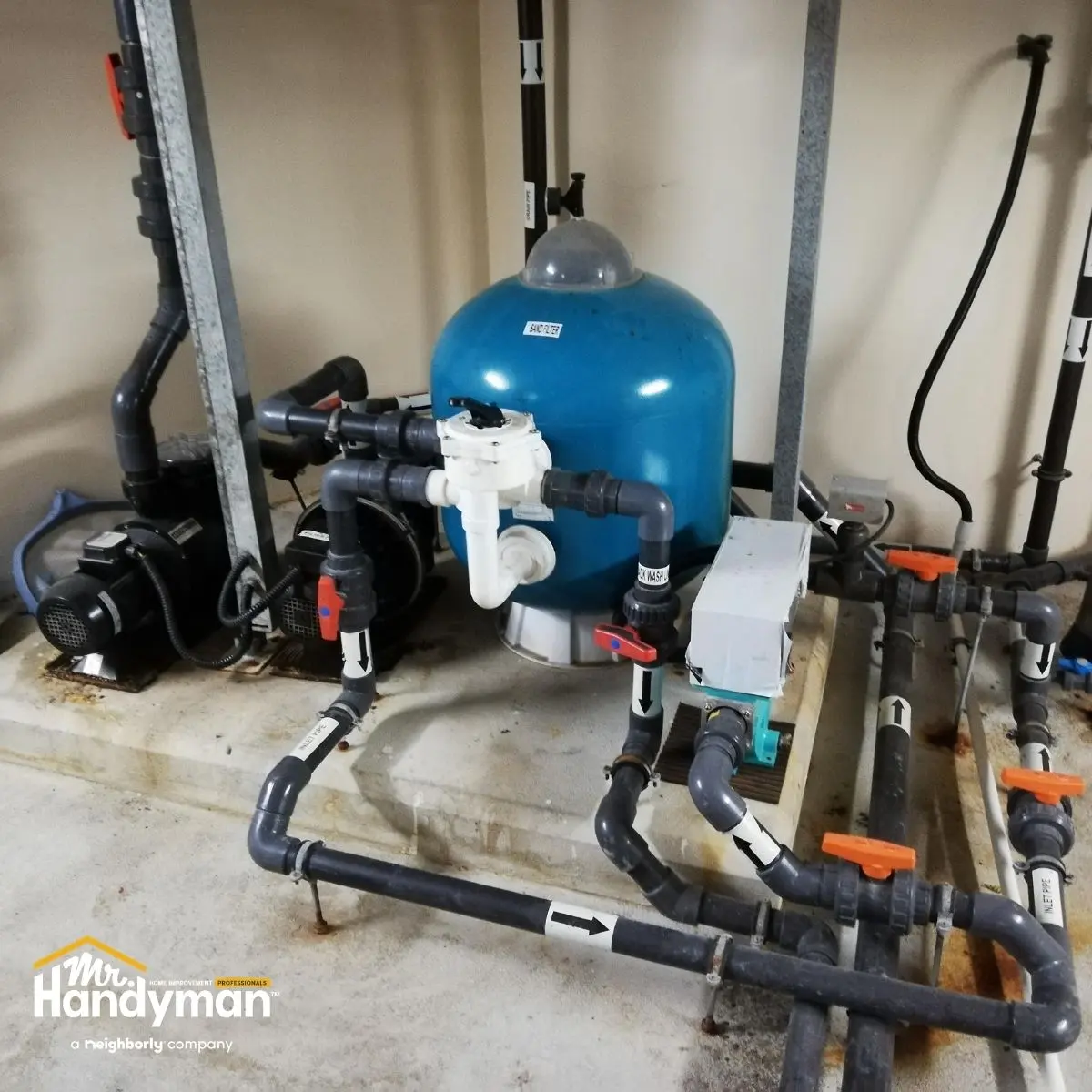
The float switch is equally vulnerable. This small component rises with the water level in the pit and triggers the pump to activate. Float switches can stick in the down position after months of inactivity, meaning the pump never receives the signal to turn on even as water is rising around it. They can also corrode at their connection points, leading to intermittent or failed activation. Neither of these failures announces itself ahead of time. The pump simply does not run when it should.
The discharge line deserves close attention as well. This is the pipe that carries water from the sump pit out of the home, typically exiting through a basement wall and terminating several feet from the foundation. During winter, the exterior section of that pipe is exposed to freezing temperatures. Ice can block the outlet entirely, and if the pump runs against a blocked discharge line, it either burns out the motor or trips the thermal overload protection. Either way, water is not going anywhere.
The Compounding Problem of Deferred Maintenance
Most homeowners do not ignore their sump pump out of carelessness. They ignore it because it has always worked before. That reasoning holds right up until the moment it does not.
What makes sump pump failures particularly costly is that they tend to happen during the worst possible conditions. The pump is not going to fail on a dry Tuesday in August. It is going to fail during the first heavy rain of April, when the ground is already saturated from snowmelt, the storm drain at the end of the street is backed up, and three inches of rain just fell in two hours. That is when the system is under maximum load, and that is when deferred maintenance turns into a flooded basement.
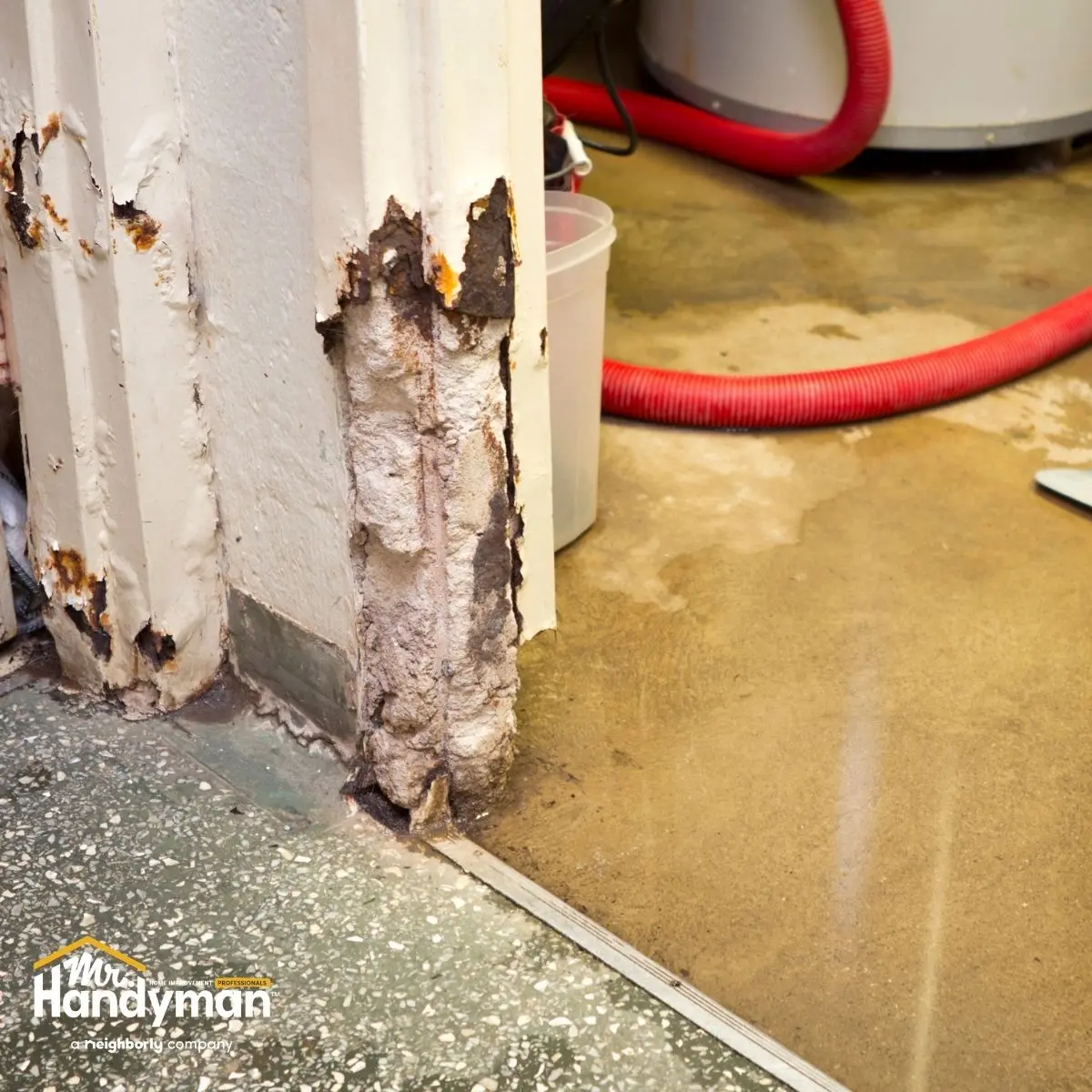
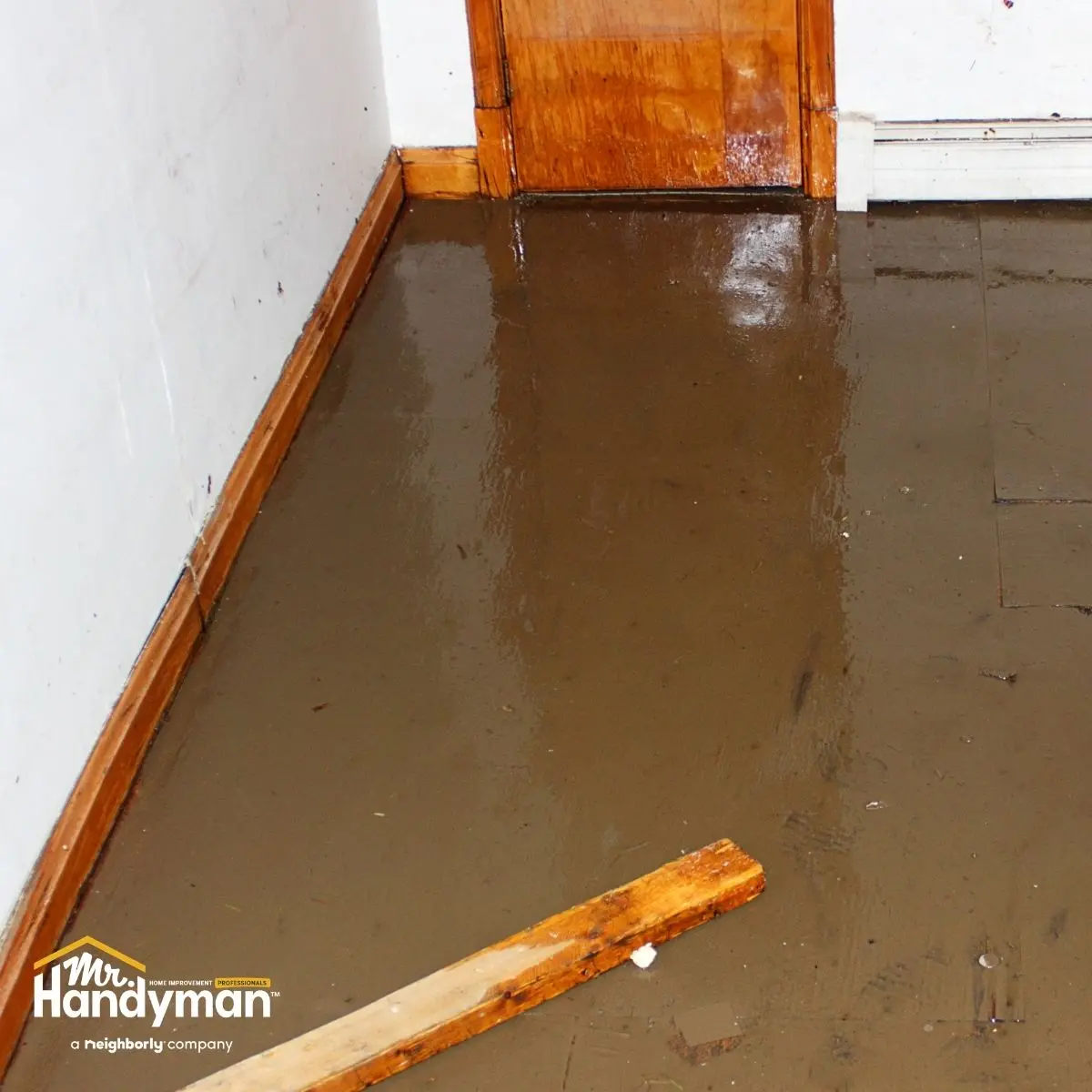
The damage from a single basement flooding event goes well beyond the water itself. Finished basements in Wichita homes represent real investment in flooring, drywall, framing, and insulation. When that space gets wet, the visible damage is only part of the story. Drywall holds moisture long after the surface feels dry. Insulation becomes permanently compromised once saturated. Wood framing in contact with standing water begins to soften. And within 24 to 48 hours of a flooding event, mold has already begun to establish itself in wall cavities and under flooring where it is difficult to detect and harder to remove.
Older homes throughout established Wichita neighborhoods, particularly those built before 1980 in areas like Riverside, College Hill, and the older sections of the Northeast side, often have basement configurations that were not originally designed with sump systems in mind. The pits were added later, the pumps were installed over the years, and the systems have been running without formal inspection for longer than most homeowners realize. In these homes, the combination of aging equipment, hard water mineral buildup, and clay-heavy soil that channels water directly toward the foundation creates genuine risk every single spring.
How Sump Pump Problems Escalate When They Go Unaddressed
A float switch that sticks does not fix itself. A discharge line that ices over one winter is more likely to ice over the next, because the conditions that caused the blockage, inadequate insulation, poor termination angle, or an outlet too close to the house, have not changed. A pump motor that starts sluggishly in March is drawing more current than it should, which stresses the windings and shortens the motor's remaining lifespan. Each of these problems is manageable when caught early. Each becomes significantly more disruptive when it is discovered during a flooding event.
There is also the issue of the backup system, or more commonly, the absence of one. A sump pump without a battery backup is entirely dependent on utility power. Wichita's severe spring thunderstorms are exactly the conditions under which power outages occur. The same storm that is sending groundwater toward your foundation may also be the storm that knocks out power for several hours. Without a battery backup, the primary pump goes silent the moment the lights go out. A backup system that activates automatically and runs independently of utility power is not an optional luxury in this climate. It is a practical necessity for any home that relies on a sump pump to stay dry.
What a Proper Inspection Actually Covers
Knowing that an inspection matters and knowing what it should actually include are two different things. A meaningful pre-spring sump pump inspection works through the entire system, not just the pump itself.
Start at the pit. The sump pit should be clear of debris, gravel, and sediment that accumulates over the course of a year. Debris gets drawn into the pump intake and damages the impeller. If there is significant buildup at the bottom of the pit, it needs to be removed before the pump runs under load.
From there, test the float switch directly. Pour a bucket of water slowly into the pit and watch the float rise. The pump should activate before the water reaches the top of the pit, move the water out completely, and shut off cleanly when the float drops back down. If it activates slowly, runs louder than usual, or does not shut off on its own, something inside the system needs attention. If it does not activate at all, the float switch is the first place to look, followed by the power connection and the motor itself.
Check the discharge line from inside the basement. The pipe should be securely connected at the pump outlet, free of visible cracks, and consistently sloped toward the exterior without any low points where water could pool and freeze. Then walk outside and confirm the discharge outlet is completely clear of ice, debris, and any soil that has shifted over winter. That outlet should terminate at least ten feet from the foundation and point away from the home. In Wichita's flat terrain, discharge placement is more consequential than in regions with natural slope. Water that exits too close to the house finds its way right back toward the foundation it was just pumped away from.
Examine the power connection. Sump pumps should be plugged into a GFCI-protected outlet, and the cord should show no cracking, pinching, or heat damage from seasonal temperature swings. Confirm the outlet is functional and that no tripped breaker is quietly cutting power to that circuit.
Specific Scenarios Across the Wichita Metro
The sump pump situation varies meaningfully across different parts of the Wichita area, and understanding those differences helps homeowners know what to prioritize.
In older neighborhoods closer to the Arkansas River, including parts of Riverside and Delano, homes sit in areas with naturally higher water tables and soil that retains moisture readily. Sump pumps in these homes tend to run more frequently and experience more wear cycles per year than pumps in drier elevated areas. By the time spring arrives, those pumps have often already logged significant hours over the fall wet season. A pump that is three or four years past its expected service life in one of these neighborhoods is a genuine liability heading into April.
Newer subdivisions in communities like Andover, Maize, and Augusta present a different scenario. Homes built in the 1990s and 2000s often have original builder-installed sump pumps that have never been replaced. Builder-grade pumps are typically entry-level equipment selected for cost rather than longevity. A pump that is 20 to 25 years old in one of these homes may still activate when tested, but its internal components are well past the point where reliable performance can be assumed. Testing it with a bucket of water tells you it runs. It does not tell you how long it will continue to run under sustained load during a multi-hour storm event.
Homes in flatter areas around Derby and Haysville, where drainage infrastructure can be overwhelmed during intense rain events, may also experience sump pits that fill faster than a single pump can handle. In these situations, the inspection is also an opportunity to evaluate whether the current pump capacity is appropriate for the conditions the home actually faces, rather than the conditions that existed when it was originally installed.
When Inspection Reveals Replacement Is the Right Call
A pre-spring inspection does not always result in a simple cleaning and a confirmed test. Sometimes it reveals that the pump needs to be replaced rather than serviced. Knowing when that threshold has been crossed matters.
If the pump is more than ten years old and showing any signs of sluggish startup, unusual noise, or inconsistent float response, replacement before spring is the more practical choice. Repairing individual components of an aging pump addresses symptoms without resolving the underlying reality that the motor and internal parts have accumulated years of wear. A new pump installed in March is a known quantity heading into storm season. A repaired old pump is a gamble.
If the inspection reveals that no battery backup exists, that is worth addressing at the same time as any pump work. Battery backup systems are straightforward to install alongside a primary pump replacement and add meaningful protection for exactly the storm conditions Wichita sees every spring. The cost of adding a backup during a scheduled installation visit is considerably lower than having it installed as a separate project.
Frequently Asked Questions
How often should a sump pump be inspected?
Once per year is the minimum, and pre-spring is the most logical time given Wichita's precipitation patterns. Homes with higher water tables or pumps that run frequently should consider a second check in the fall before the ground freezes.
How long does a sump pump typically last?
Most quality sump pumps have a reliable service life of 7 to 10 years. Builder-grade pumps installed during original construction may underperform that range. If your pump is approaching or past that window, proactive replacement before spring is a sound decision.
Does homeowner's insurance cover sump pump failure damage?
Standard homeowner's policies typically exclude water damage resulting from sump pump failure unless a specific water backup rider has been added. That rider is generally inexpensive relative to the protection it provides and worth reviewing before spring storm season begins.
What is the right distance for a discharge line outlet from the foundation?
At least ten feet, directed away from the home and away from any low point that drains back toward the foundation. In Wichita's flat terrain, the outlet direction matters considerably. Water discharged without adequate clearance simply returns to the pit, forcing the pump to run in a continuous and ultimately futile cycle.
My pump runs but the pit keeps refilling quickly. What does that mean?
Either the pump is undersized for the volume of water your foundation collects, the discharge line has a partial blockage reducing flow, or the water source is closer to the home than the discharge point, causing the expelled water to return. A professional assessment can identify which factor is at play and recommend the right correction.
Get Your Sump Pump Ready Before the Rains Arrive
Spring in Wichita does not ease in gradually. It arrives with heavy rain, saturated ground, and storms that move fast. The time to confirm your sump pump is ready is well before any of that starts, not during it.
Mr. Handyman of the Wichita Metro Area helps homeowners throughout Wichita, Derby, Andover, Goddard, Maize, Valley Center, and the surrounding communities get their homes prepared before the season demands it. Whether the job calls for a full inspection, a discharge line correction, a battery backup installation, or a complete pump replacement, every task gets handled correctly and completely.
Call or visit mrhandyman.com/wichita-metro-area to schedule your pre-spring inspection today.