
Why Flooring Decisions Matter More in Dallas Than Most Homeowners Realize
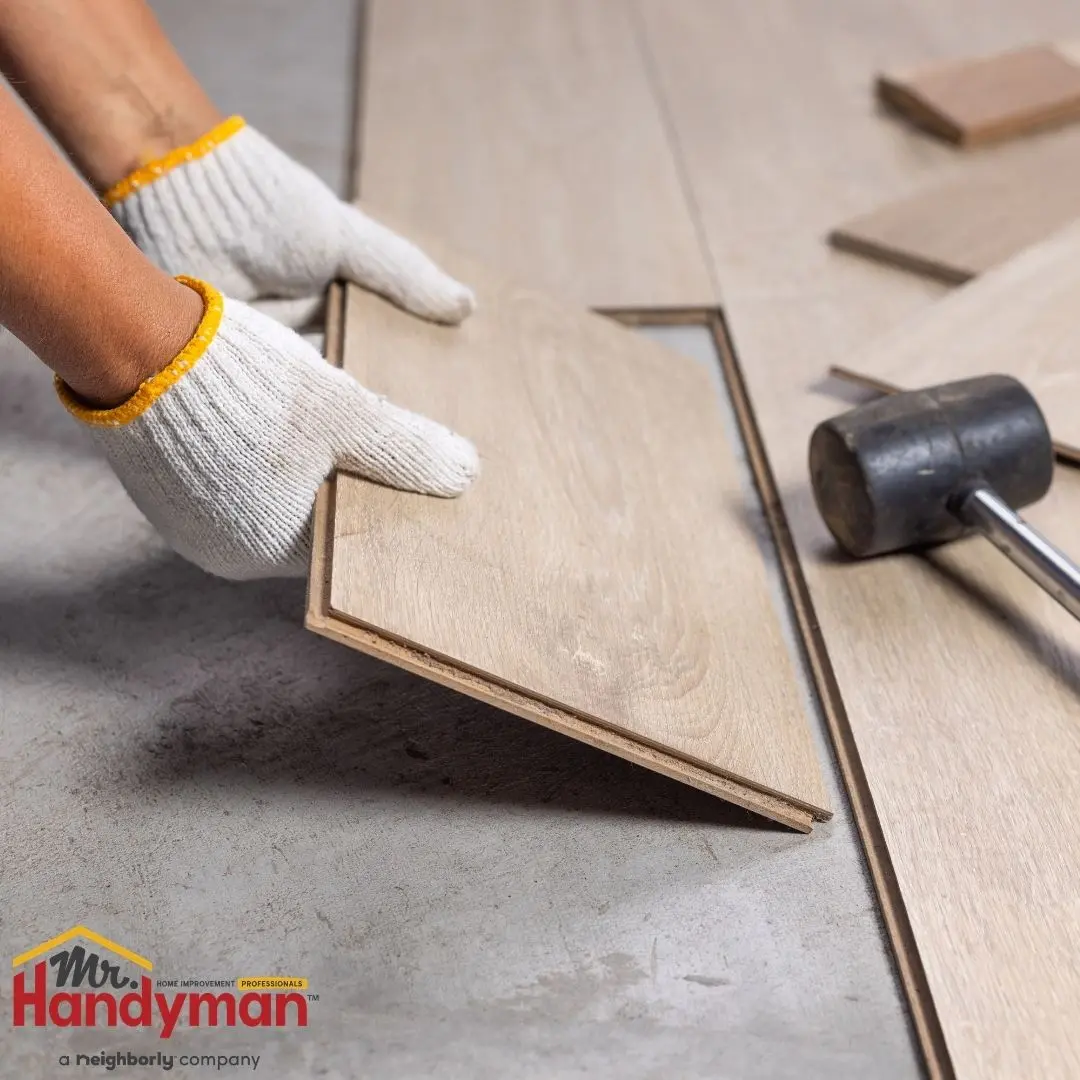
Flooring touches every room, every day, and every person who moves through a home. It is the surface that receives the most direct physical demands of daily life, contributes more to the overall feel of the interior than almost any other element, and communicates the quality of the home in a way that is immediately apparent to every visitor. A room with appropriate, well-chosen flooring feels pulled together in a way that the same room with worn, dated, or mismatched flooring never achieves regardless of how carefully everything else has been considered.
For Dallas homeowners, flooring decisions carry regional context that shapes which materials perform well and which ones create problems. North Texas presents specific climate challenges that affect flooring materials in ways that homeowners relocating from other parts of the country sometimes discover only after an expensive installation. The extreme summer heat, the temperature cycling between Dallas's brutal outdoor conditions and the air-conditioned interiors that make the city livable, the periodic severe weather events that bring flooding risk to low-lying areas, and the expansive clay soils that cause foundation movement in a significant portion of Dallas's residential housing stock all affect flooring performance in ways that material selection needs to account for.
The region's diverse housing stock creates equally diverse flooring situations. The mid-century and older homes of Highland Park, University Park, Lakewood, and the M Streets have original hardwood floors that are among their most valued features. The large suburban developments of Carrollton, Richardson, Garland, and Mesquite have builder-grade flooring that represents a straightforward upgrade opportunity. And the newer construction of Dallas's growing outer suburbs presents different starting points and different priorities. Understanding the flooring landscape for the specific home and the specific household is the foundation of a decision that delivers satisfaction over time.
Hardwood Flooring: The Gold Standard With North Texas Considerations
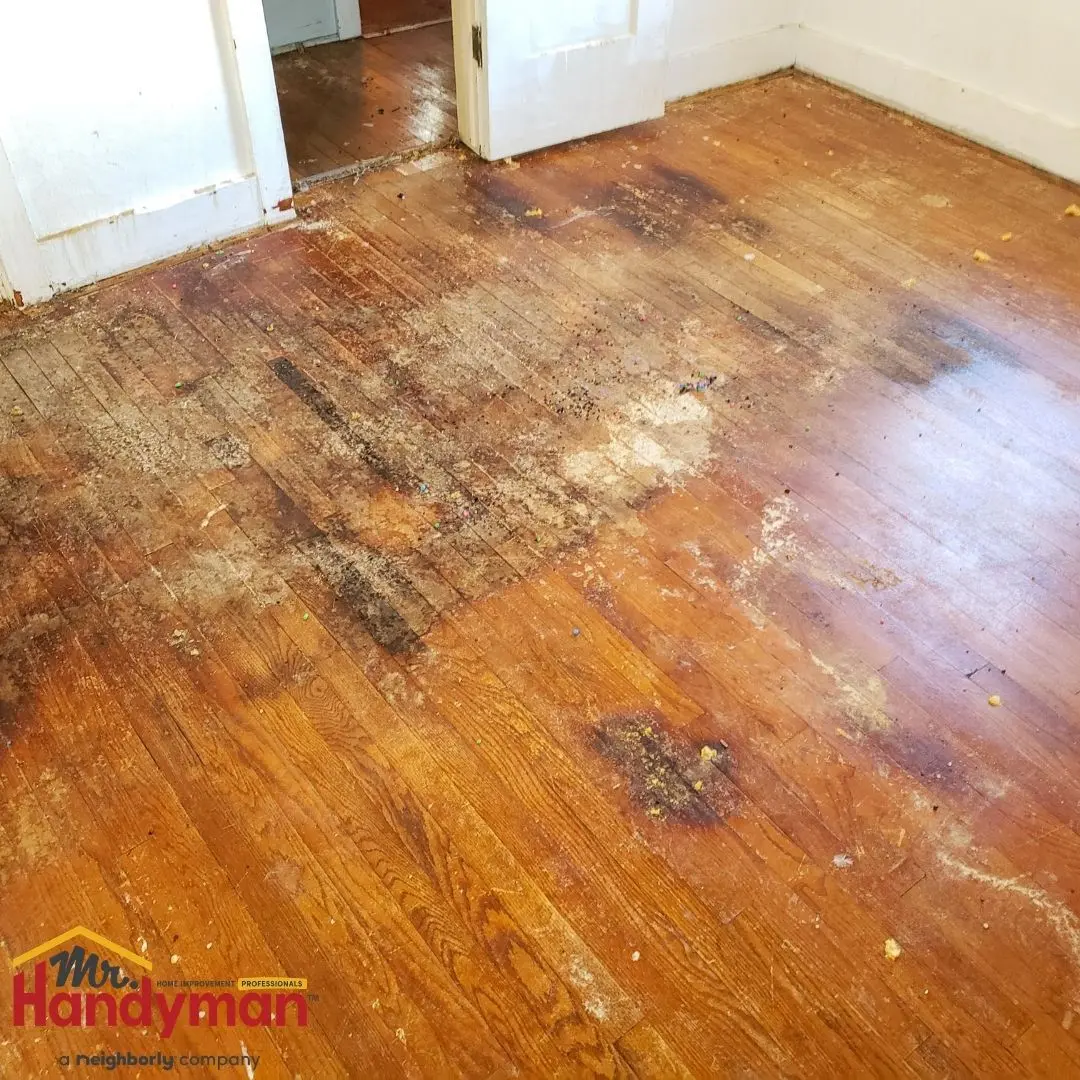
Solid hardwood flooring holds a position in residential design that no other material has displaced, and the reasons are genuine. The warmth it adds to an interior, the character it develops over years of use, and its ability to be refinished multiple times over decades are qualities that Dallas homeowners respond to consistently. In the older homes of Highland Park, University Park, and Lakewood, original hardwood floors are among the most consistently cited features that buyers seek and that sellers leverage.
The practical considerations for solid hardwood in North Texas's climate are real and worth understanding before committing to installation or restoration. Dallas's extreme summer heat creates significant temperature differentials between the outdoor environment and air-conditioned interiors. Wood responds to these conditions through expansion and contraction that, in floors that were not properly acclimated before installation or that are in homes with inadequate humidity control, can produce gapping in winter and cupping in summer.
Dallas's expansive clay soils create an additional consideration that is specific to this region. Foundation movement from clay soil expansion and contraction during wet and dry cycles is common throughout Dallas, and that movement can affect flooring materials that do not accommodate it well. Hardwood floors in Dallas homes with active foundation movement may develop lippage or crowning in sections above areas where the foundation has shifted, and this is a flooring condition whose underlying cause cannot be addressed at the floor surface level.
For the older homes of Dallas's established neighborhoods where original hardwood is present, refinishing is almost always the correct decision when the wood is structurally sound. Original hardwood in mid-century Dallas homes is often a higher-grade material than what is available at comparable cost today, with tighter grain and genuine character that decades of careful use develops. A professional refinishing that strips accumulated finish layers, addresses surface damage, and applies a quality new finish returns these floors to a condition that looks extraordinary while preserving the material that contributes to the home's architectural identity.
Engineered hardwood, which uses a real wood veneer over a plywood core, handles the temperature variation and humidity cycling of Dallas's climate better than solid hardwood because the layered cross-grain construction resists the movement that solid wood experiences. For Dallas homeowners who want the appearance of hardwood in spaces where solid wood creates more risk than they want to manage, engineered hardwood is the appropriate alternative.
Luxury Vinyl Plank: The Practical Choice That Has Earned Its Place
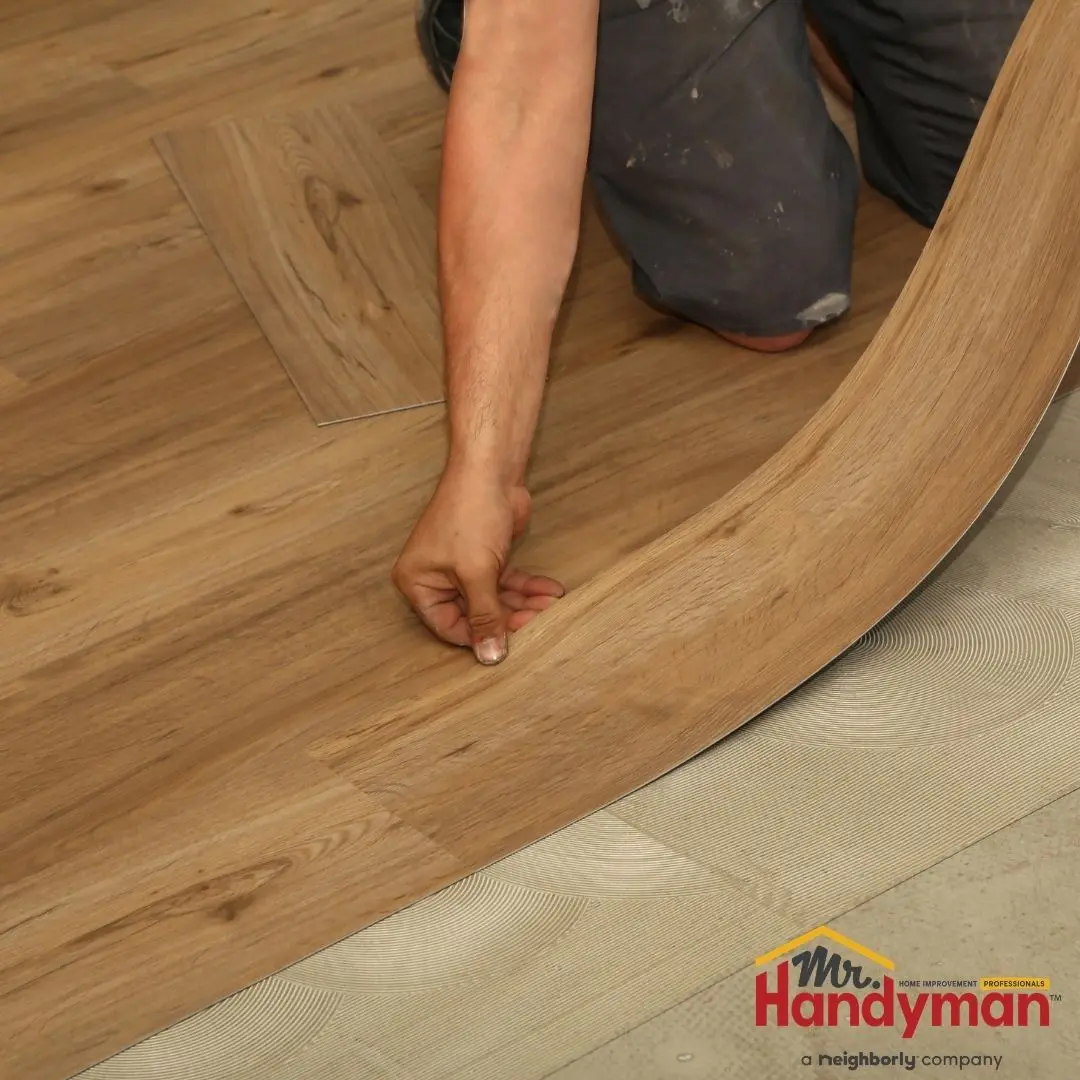
Luxury vinyl plank has undergone a transformation over the past decade that has made it a genuinely respected flooring category rather than simply a budget alternative to hardwood. The products available today replicate the appearance of wood and stone with fidelity that is convincing in real-world conditions, and the performance characteristics of quality LVP are specifically well-suited to the demands that Dallas's climate and housing stock create.
The case for LVP in North Texas homes is built on performance characteristics that address the region's specific conditions directly. It is completely waterproof, which is relevant in any kitchen or bathroom but becomes critical in Dallas homes in flood-prone areas or in homes with foundation issues that occasionally allow moisture intrusion at the slab level. It does not expand and contract with the temperature cycling that creates problems with wood products in Dallas's extreme climate. It handles the cleaning demands of households with children, pets, and the outdoor lifestyle that Dallas's parks and recreational culture supports.
For the production homes of Carrollton, Richardson, Garland, and Dallas's larger suburban communities where builder-grade flooring is the starting point, LVP is among the most compelling upgrade options for its combination of visual improvement, climate performance, and cost-effectiveness relative to hardwood. A quality LVP installation throughout the main living areas transforms the visual and functional character of the space in ways that make an immediate impression.
Wear layer thickness is the primary quality indicator in LVP products. A twelve-mil wear layer handles moderate residential use adequately. Twenty mils provides better scratch and abrasion resistance for households with pets and children. Products with wear layers below eight mils are appropriate only for light-use applications and should not be selected for main living areas where longevity matters. Stone plastic composite cores offer better dimensional stability and greater resistance to the temperature variation that Dallas homes experience than wood plastic composite cores, which is a relevant distinction in a market where summer heat is extreme.
Tile Flooring: The Right Material in the Right Applications
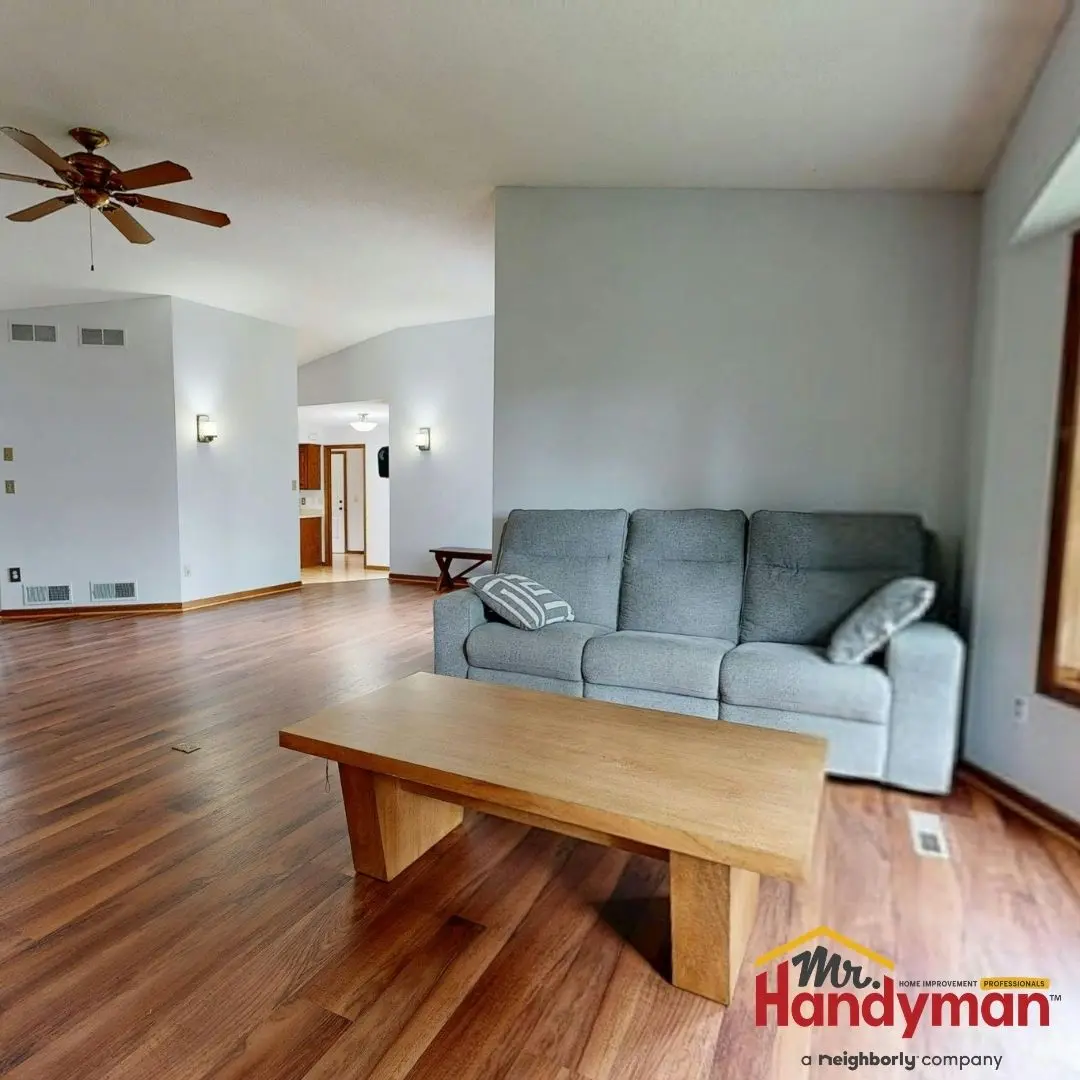
Ceramic and porcelain tile are the correct flooring choice for bathrooms, mudrooms, laundry rooms, and any space in a Dallas home where moisture exposure and the demands of North Texas's climate are a daily reality. Tile is completely impervious to moisture, essentially indestructible under normal residential use, and available in formats and designs that accommodate any direction from traditional to contemporary.
The specific relevance of tile in Dallas homes extends beyond obvious bathroom applications. The region's dusty summers, its spring storm mud season, and the general intensity of outdoor life in North Texas mean that entry spaces, mudrooms, and garage entries benefit from flooring that handles what North Texas weather tracks in without any accommodation. A mudroom or garage entry with large format porcelain tile can be cleaned thoroughly after a Texas dust storm without any concern for the flooring material.
Large format tile has become the dominant choice in Dallas residential renovations for the combination of aesthetic and practical reasons that make it compelling across most applications. Formats including eighteen by eighteen, twenty-four by twenty-four, and large rectangular configurations reduce the number of grout lines, making the floor easier to clean and creating a more visually open appearance. The practical requirement is that large format tile demands a flatter, more precisely prepared substrate, which is a consideration in Dallas homes where foundation movement has created floor surface irregularities.
Dallas's expansive clay soils and the foundation movement they create are the most significant tile-specific concern in this market. Tile installed over a slab that experiences significant seasonal movement will develop grout cracking and potentially tile cracking at the locations where movement is most concentrated. A professional assessment of the slab's movement history and current condition before tile installation informs both material selection and installation approach in ways that prevent the premature failure that foundation movement causes in improperly specified tile installations.
Carpet: Where It Still Makes Sense in Dallas Homes
Carpet has lost significant ground to hard surface flooring in main living areas throughout Dallas, and this shift reflects genuine changes in lifestyle priorities and maintenance expectations rather than simply following a design trend. In a household with children, pets, and the outdoor activity that Dallas's active residential culture supports, carpet in living rooms and dining areas creates maintenance challenges that most homeowners find increasingly difficult to justify.
The applications where carpet genuinely serves better than its alternatives remain valid. Bedrooms are the most important example. The warmth and softness of carpet underfoot in a bedroom, particularly on a cool Dallas winter morning, provides a comfort quality that hard surface flooring cannot replicate. The acoustic properties of carpet reduce sound transmission in ways that contribute to the restfulness of sleeping environments. For bedrooms in Dallas homes, particularly in homes with multiple levels where sound transmission between floors is a concern, carpet continues to serve a genuine functional purpose.
Home theaters and dedicated media rooms benefit from carpet for acoustic reasons that are specific to these spaces. The reduced light reflection of carpet also improves the viewing experience in a dedicated media environment. These are applications where carpet's characteristics align with the functional requirements of the space in ways that make it the appropriate choice regardless of the broader trend toward hard surfaces.
In Dallas's climate specifically, carpet in main living areas carries an additional concern beyond the general maintenance considerations. The region's outdoor dust and allergen levels are significant, and carpet in high-traffic areas accumulates these materials at rates that regular vacuuming does not fully address. For households with allergy sensitivities, the hard surface preference in Dallas's living areas reflects a genuine indoor air quality consideration rather than simply an aesthetic preference.
Laminate: An Honest Assessment for Dallas Homes
Laminate flooring in Dallas homes requires an honest conversation that accounts for North Texas's specific climate conditions. Standard laminate uses a high-density fiberboard core that swells when exposed to sustained moisture. In Dallas, where summer humidity inside inadequately climate-controlled homes can be significant and where foundation issues occasionally introduce moisture at the slab level, standard laminate carries real risk in applications where moisture exposure is possible.
The temperature cycling between Dallas's extreme outdoor heat and air-conditioned interiors creates expansion and contraction in laminate that is more significant than what comparable products experience in more moderate climates. This cycling can produce the edge lifting and joint separation that characterizes laminate performance failure in Dallas homes over time, particularly in installations near exterior doors and in rooms that experience wider temperature swings.
Waterproof laminate products address the moisture vulnerability of standard laminate but at price points where quality LVP typically offers better overall performance. For most Dallas homeowners evaluating laminate versus LVP at similar price points, LVP is the more defensible choice for the region's conditions. Laminate remains a reasonable option for bedrooms and low-traffic enclosed spaces where moisture exposure and temperature variation are minimized.
Matching Flooring to the Home and the Dallas Climate
The flooring selection decision cannot be separated from the specific home, the specific room, and the specific household it will serve. Several principles apply specifically to Dallas homes.
In the older homes of Highland Park, University Park, and Lakewood where original hardwood is present, the presumption should strongly favor restoration rather than replacement. These floors represent material quality and architectural character that replacement options cannot genuinely replicate, and their contribution to the home's value in these neighborhoods is concrete and well-documented.
In the production homes of Dallas's larger suburban communities, the flooring decisions are driven by performance, lifestyle, and upgrade value rather than by existing material quality. LVP throughout the main living areas, tile in wet and transition spaces, and carpet in bedrooms is a combination that serves most Dallas households effectively and represents a meaningful upgrade over builder-grade materials.
In any Dallas home where foundation movement is a documented or suspected concern, flooring material selection needs to account for that movement. LVP's floating installation accommodates minor foundation movement better than rigid materials like tile and solid hardwood. Where tile is preferred and foundation movement is a concern, a professional assessment of the slab and an installation approach that accounts for movement through appropriate substrate preparation and grout joint sizing addresses the risk before it produces failure.
Frequently Asked Questions
How does Dallas's foundation movement affect flooring selection?
Dallas's expansive clay soils cause foundation movement in a significant portion of the city's residential housing stock. This movement is most consequential for rigid flooring materials like tile, which can develop grout and tile cracking at movement locations. LVP's floating installation accommodates minor movement better. A professional assessment of the specific home's foundation history informs which materials are appropriate and what installation approach minimizes risk.
Is hardwood flooring appropriate for Dallas's climate?
Yes, with appropriate species selection, proper acclimation before installation, and adequate indoor humidity management. Harder species like oak, hickory, and white oak with narrower board widths handle Dallas's climate cycling better than softer species in wide plank formats. Engineered hardwood handles these conditions with less risk than solid hardwood and is appropriate in applications where solid wood creates more exposure than the homeowner wants to manage.
What is the most durable flooring option for a Dallas home with large dogs?
Porcelain tile handles pet nails and moisture without concern. Among wood-look options, LVP with a twenty-mil or greater wear layer handles pet-related demands better than hardwood or laminate. If hardwood is preferred, harder species in a matte finish hide scratches better than softer species in high-gloss finishes.
Should flooring be consistent throughout the open main level of a Dallas home?
Consistency in flooring material throughout connected open-plan spaces creates a more spacious and cohesive result than multiple materials transitioning through the same visual field. Transitions to tile in bathrooms and to carpet in bedrooms are appropriate and expected. The transition treatment where different materials meet deserves the same attention as the materials themselves.
How much does subfloor preparation affect flooring project cost in Dallas homes?
Significantly, particularly in homes with foundation issues where the slab surface has developed irregularities from seasonal movement. In newer homes with flat, clean slabs, preparation is minimal. In older homes or those with documented foundation history, leveling and surface preparation can represent a meaningful portion of the total project cost. A professional assessment of subfloor conditions before finalizing a flooring budget prevents the surprises that discovering subfloor problems during installation creates.
Choose Flooring That Performs for Your Dallas Home
The right flooring for a Dallas home is one that was selected with full understanding of North Texas's climate demands, the home's specific conditions, and the household's actual use patterns. The team at Mr. Handyman of Dallas brings the installation expertise and honest professional guidance to help homeowners make flooring decisions that deliver satisfaction for years to come.
Visit www.mrhandyman.com/dallas to schedule your service. We show up on time, work cleanly, and back everything we do with the Neighborly Done Right Promise.
