
Why the First Experience Shapes Everything That Follows in This Market
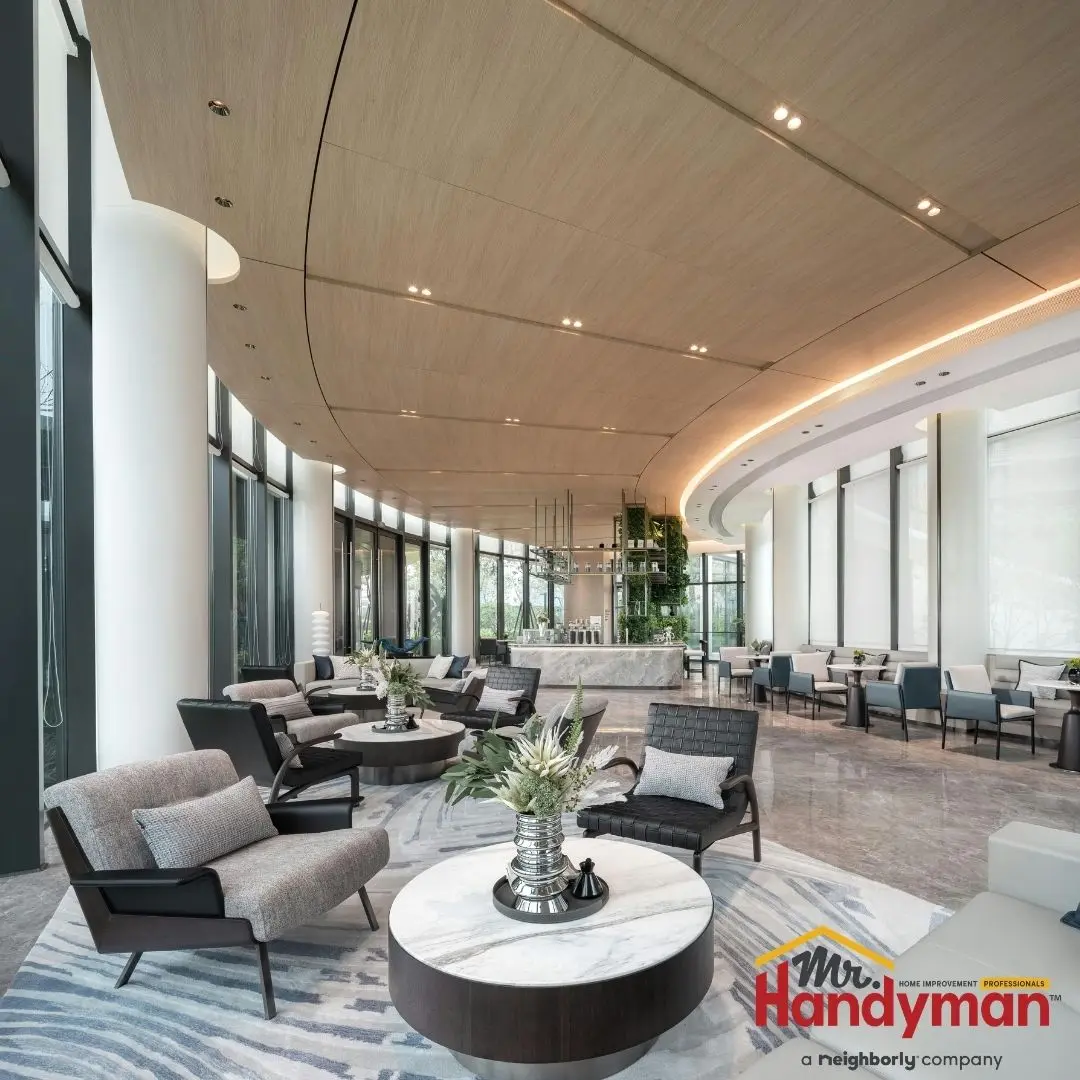
Every customer who walks into a Dallas business forms their impression of that business before they interact with a single employee, examine a single product, or receive a single service. The impression forms from what they see, feel underfoot, and sense about the overall condition of the space in the seconds between stepping through the entrance and reaching the point where the business's core activity begins. In a market as commercially active and as visually sophisticated as Dallas, that impression is not a secondary concern. It is a direct contributor to the business outcome of every customer visit.
Dallas has built a commercial culture around presentation, ambition, and the kind of first impression that communicates competence before anything else does. The city's retail districts, its restaurant corridors, its professional service environment, and its healthcare and hospitality sectors all operate in a market where customers have abundant alternatives and where the decision to return, to recommend, or to leave is made quickly and often based on the cumulative impression of the facility rather than any single interaction. A commercial property that communicates deferred maintenance or inadequate management in its entryway and customer areas is communicating something about the business inside that the business's service or product must overcome rather than build upon.
The specific demands that Dallas's climate places on commercial entryways and customer areas add urgency to this maintenance picture. North Texas's extreme summer heat, its occasional severe weather events, and the dust and debris that the region's climate and landscape generate all arrive in commercial spaces through the entry point. The entryway is where Dallas's weather meets Dallas's customers simultaneously, and the management of that intersection determines whether the first experience of the business is welcoming or off-putting from the first step inside.
The Entry as a Business Asset That Most Dallas Businesses Undervalue
The business case for investing in entryway condition is built on a direct relationship between facility impression and customer behavior. Customers who enter a well-maintained, professionally presented commercial space arrive with a positive predisposition that influences every subsequent interaction. They are more likely to engage with staff, more likely to complete the visit rather than leave, and more likely to return and recommend the business to others.
In Dallas's competitive commercial environment, this predisposition matters in ways that are concrete and measurable. The city's restaurant market, one of the most competitive in the country, sees dining decisions influenced heavily by the impression the entrance makes before a single dish arrives. Its retail environment, concentrated in destinations from the Galleria and NorthPark to the boutique corridors of Knox-Henderson and Bishop Arts, rewards stores that present their entry as an invitation rather than an obligation. Its professional services sector, from the medical offices of the medical district to the financial services firms of Uptown and the Galleria corridor, projects credibility through every detail of the facility that clients observe.
The entry's specific contribution to this dynamic is disproportionate precisely because the entry is where the impression forms. The first ten feet of a customer's experience inside a Dallas commercial property establish the emotional register that everything subsequent is interpreted within. A business that invests in its service and product but neglects the entry is allowing a preventable first impression to work against the value of everything it delivers.
Flooring in Customer Areas: The Surface That Communicates Condition

The floor of a commercial entryway and customer area communicates more directly about the facility's maintenance standard than any other element within the customer's initial visual field. It receives the full weight of every footfall, the tracked-in heat dust of Dallas's summer, the moisture of rain events, and the general wear of daily commercial traffic in ways that accumulate into a visible condition story that every customer reads.
Entrance matting is the flooring element that most Dallas commercial properties underspecify relative to its functional importance. North Texas's summer dust and the moisture that Dallas's sudden thunderstorms deliver in concentrated bursts create an entrance condition management challenge that inadequate matting handles poorly. A mat system that captures the dust, moisture, and debris that arriving customers bring from Dallas's summer exterior before those materials reach the main floor surface protects both the customer experience and the longevity of the flooring beyond the mat area.
The functional requirements for commercial entrance matting in Dallas include adequate length in the direction of travel to allow multiple steps before reaching the main floor surface, a surface that actually removes debris and absorbs moisture rather than redistributing it, and a mat profile that does not itself create a trip hazard at its edges. Matting that has compressed to the point where it no longer functions, that curls at the edges, or that is positioned too close to the door to provide meaningful coverage before customers reach the main floor is creating the appearance of protection without providing it.
Hard surface flooring in Dallas commercial customer areas accumulates the specific wear patterns that the city's heavy commercial traffic and its climate create. Grout lines in tile that have darkened or deteriorated, LVP seams that have lifted or separated, and any surface condition that creates unevenness underfoot all affect both safety and the quality impression the space makes. Transition strips between flooring materials are among the most common trip hazard sources in Dallas commercial spaces and require specific inspection attention because Dallas's clay soil movement and the thermal cycling of the building's foundation can shift transition strip conditions between inspection cycles.
Walls and Surfaces: The Background That Reveals Management Standards
The walls and visible surfaces of commercial entryways and customer areas function as background in the customer's experience when they are in proper condition. When they are not, they advance from background to foreground, drawing attention to themselves in ways that compete with what the business is trying to communicate.
The rate at which commercial entry walls accumulate impact damage in Dallas's active commercial environment varies by property type and traffic volume but follows a consistent pattern. Every cart that contacts a wall, every door that opens against a surface, and the general physical contact of many people moving through a confined space daily produces the scuffs, gouges, and corner damage that distinguish a properly maintained commercial entry from one that has been in service without maintenance attention.
In Dallas's more design-forward commercial environments, including the boutique retail of Knox-Henderson and Oak Cliff, the restaurant corridors of Deep Ellum and Lower Greenville, and the professional service spaces of Uptown and the Turtle Creek corridor, wall condition carries a specific design credibility dimension that is beyond what applies in purely functional commercial contexts. A hospitality business or design-oriented retail operation whose entry wall condition communicates deferred maintenance conflicts with the creative and quality standards it is attempting to project to customers who are explicitly evaluating design sensibility.
Touch-up painting in commercial customer areas is the ongoing maintenance activity that keeps walls looking consistently well-maintained rather than cycling between fresh and deteriorated. Maintaining the correct paint colors for each customer-facing space and addressing damage promptly when it occurs is the approach that Dallas commercial properties competing for sophisticated customers need to adopt rather than the periodic full repaint cycle that allows visible decline between painting events.
Ceiling condition in Dallas commercial customer areas is affected by the specific challenges that North Texas weather creates. The moisture intrusion that Dallas's intense thunderstorm activity can drive through inadequate roof and envelope conditions, combined with the HVAC condensation issues that the extreme temperature differential between hot outdoor conditions and heavily air-conditioned interiors creates, produces the ceiling stains and tile damage that customers notice and interpret as facility management inadequacy. Addressing ceiling conditions promptly when they appear, and investigating the moisture source rather than simply replacing the affected tile, maintains the ceiling quality that customer areas require.
Lighting: The Element That Defines How Everything Else Reads in Dallas
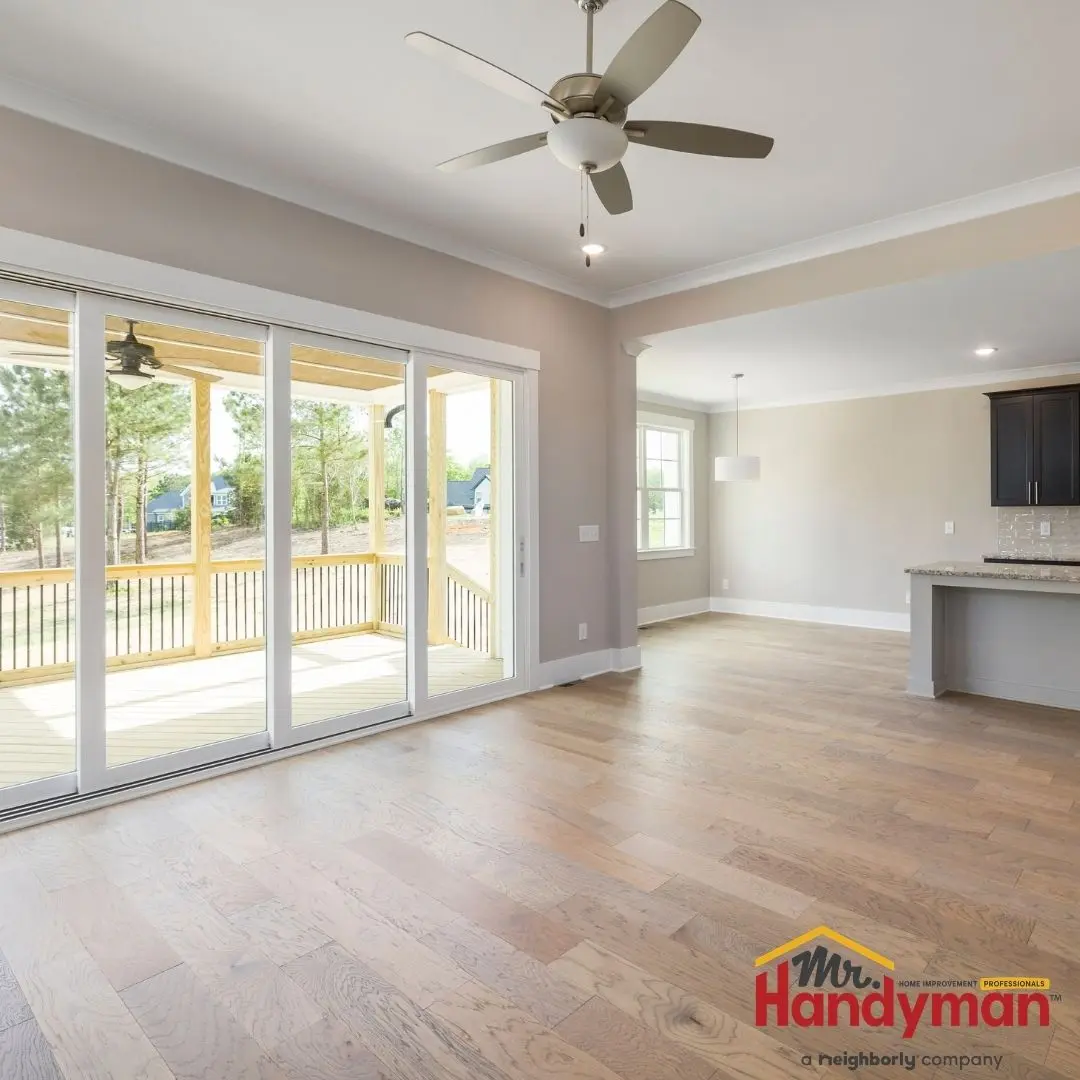
Lighting in commercial customer areas affects how products and services are perceived, how welcoming the space feels to arriving customers, and how the professional character of the business is communicated visually. In Dallas's design-forward commercial culture, lighting quality is a facility detail that sophisticated customers notice and respond to in ways that directly affect business outcomes.
The transition from older fluorescent technology to LED lighting in Dallas commercial customer areas is a pre-season investment that delivers improvements across every dimension simultaneously. The color rendering improvement is immediately apparent. The consistency of LED lighting quality through the full lamp life, rather than the gradual degradation that fluorescent technology produces, means that the impression the space makes in June is the same impression it makes in September without the maintenance intervention that fluorescent systems require to maintain their initial performance.
Dallas's intense summer sunlight creates a specific lighting management challenge in commercial customer areas with significant exterior glass. The contrast between bright direct sunlight entering through storefront glazing and the interior lighting level creates the glare and visual discomfort that drives customers away from certain areas of the sales floor or waiting area during peak afternoon hours. Addressing this contrast through appropriate interior lighting levels and quality is a facility management consideration specific to Dallas's sun intensity that directly affects the comfort and dwell time of customers in affected areas.
Entry and reception area lighting in Dallas professional service environments carries a specific credibility dimension. A medical practice, legal office, or financial services firm whose reception area is lit with aging fixtures that have shifted in color rendering or that are producing the flicker of failing lamps is presenting a facility impression that conflicts with the competence and attention to detail the business claims professionally. Pre-season lighting assessment and maintenance ensures that the impression the facility makes visually aligns with the professional standards the business presents in every other dimension.
Restrooms Adjacent to Customer Areas
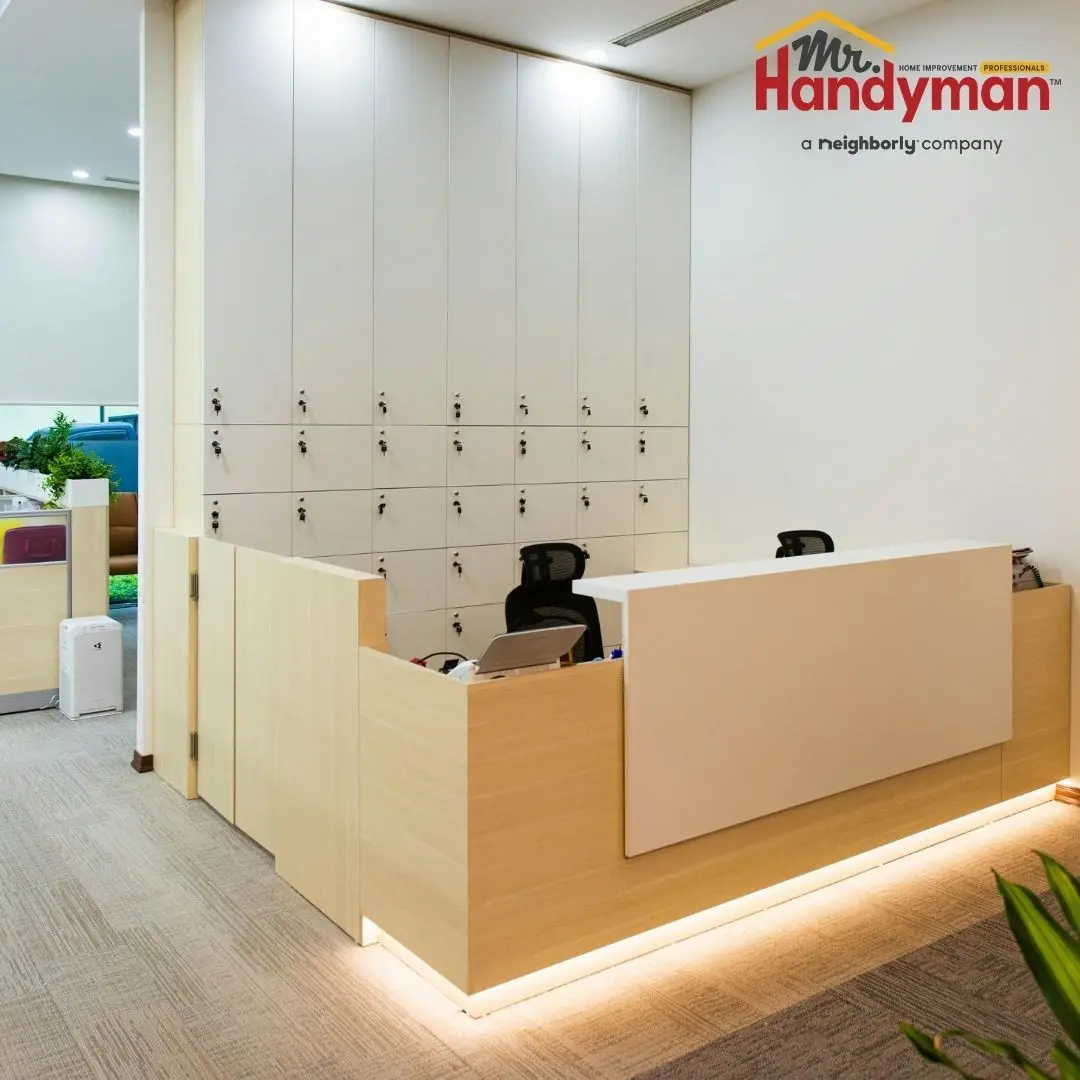
Commercial restrooms in Dallas customer-facing businesses reflect on the business in ways that are disproportionate to their size. In this market's sophisticated commercial environment, the customer who uses a business's restroom and finds it clean, functional, and appropriately maintained carries that experience into their overall assessment of the business. The customer who finds the opposite carries an equally strong negative experience.
The specific maintenance items that most commonly fall short in Dallas commercial restrooms reflect the specific demands that North Texas's climate creates. The extreme temperature differential between Dallas's outdoor summer heat and heavily air-conditioned commercial interiors creates the condensation conditions that can affect restroom wall and ceiling surfaces in ways that inadequate ventilation allows to develop into visible moisture problems. Confirming that restroom ventilation is functioning correctly and that the HVAC supply and return serving the restroom is adequately balanced for the space addresses the moisture management foundation before the surface problems it creates become customer-visible.
Caulking and grout condition in commercial restrooms serving Dallas businesses requires the periodic renewal that the combination of cleaning activity, moisture exposure, and the temperature cycling of a heavily air-conditioned commercial interior creates in these materials over time. Deteriorated caulk at sinks and floor transitions communicates a hygiene standard inconsistent with the professional presentation that Dallas's customer expectations require.
Seasonal Considerations for Dallas Commercial Spaces
Dallas's extreme summer heat creates specific maintenance demands in commercial customer areas that are unique to this climate. The temperature differential between the outdoor heat and the interior air conditioning that makes Dallas commercial spaces habitable in summer creates conditions that affect materials, systems, and customer comfort in ways that maintenance programs calibrated to milder climates do not adequately address.
Door seals and weatherstripping at commercial customer area entrances experience their maximum functional demand during Dallas summers, when the pressure differential between the hot outdoor air and the cooled interior creates the air infiltration that deteriorated seals allow. A commercial entrance with inadequate door sealing allows hot outdoor air to enter the customer area continuously, increasing HVAC load and creating the uncomfortable temperature zones near entrance doors that customers notice and avoid. Pre-season confirmation and replacement of deteriorated door seals is a straightforward maintenance activity with direct customer comfort implications during Dallas's longest and most demanding cooling season.
Post-storm inspection of customer areas following Dallas's frequent summer severe weather events identifies the moisture infiltration at entrance doors and windows, the debris tracking by customers arriving during rain events, and any interior conditions that storms have revealed requiring prompt attention. A routine post-storm inspection protocol for commercial customer areas prevents the secondary damage that unidentified storm-related moisture causes when it is allowed to continue without attention.
Frequently Asked Questions
How frequently should Dallas commercial customer areas be professionally assessed?
A formal professional assessment twice per year, aligned with pre-summer and pre-winter maintenance windows, provides the systematic coverage that Dallas commercial properties require. Monthly management walkthroughs using a consistent checklist supplement formal assessments and catch developing conditions between scheduled professional visits. The extreme seasonal demands of Dallas's summer make the pre-summer assessment particularly important for identifying conditions that winter and spring have produced and that summer's heat and traffic will amplify.
What is the return on investment for maintaining Dallas commercial customer areas at a high standard?
The return is most accurately measured through customer retention, acquisition, and the transaction value that positive facility impressions support in Dallas's competitive commercial environment. The city's sophisticated customer base applies high facility quality standards drawn from the surrounding commercial landscape, and properties that meet those standards consistently outperform those that do not in the metrics that matter most to the businesses they house.
Should customer area maintenance in Dallas commercial properties be handled by cleaning staff or a professional maintenance service?
Routine cleaning is appropriately handled by cleaning staff. Maintenance repairs including drywall patching and painting touch-up, flooring repair, lighting upgrades, and hardware service require the professional skills that cleaning staff are not equipped to provide. The distinction between cleaning and maintenance is consequential because cleaning staff address surface appearance while maintenance professionals address the underlying conditions that surface appearance reflects.
What customer area maintenance items carry the highest liability risk in Dallas if deferred?
Flooring trip hazards including lifted transition strips, damaged tile, and surface unevenness caused by Dallas's clay soil foundation movement are the highest direct liability risk. Lighting failures that create inadequate illumination in customer pathways are a close second. Both categories require immediate action whenever identified rather than deferral to a scheduled maintenance cycle.
Can a handyman service handle the full range of Dallas commercial customer area maintenance?
A skilled commercial handyman service handles the majority of customer area maintenance work that Dallas businesses need, including drywall repair and painting touch-up, flooring repair and transition strip replacement, door hardware service, lighting fixture replacement, and caulking and sealant work. This breadth of capability across multiple trades in a single service relationship is one of the primary advantages of a reliable commercial handyman partnership over managing multiple specialized contractors.
Give Your Customer Areas the Standard Dallas Customers Expect
The condition of your entryways and customer areas is one of the most direct investments you make in your Dallas business's performance. The team at Mr. Handyman of Dallas brings the commercial maintenance expertise to keep your customer-facing spaces at the standard this market demands throughout the year.
Call us or visit www.mrhandyman.com/dallas to schedule your commercial service. We work around your business schedule, arrive on time, and back everything we do with the Neighborly Done Right Promise.