Why Dallas Winters Leave a Repair Bill That Spring Reveals
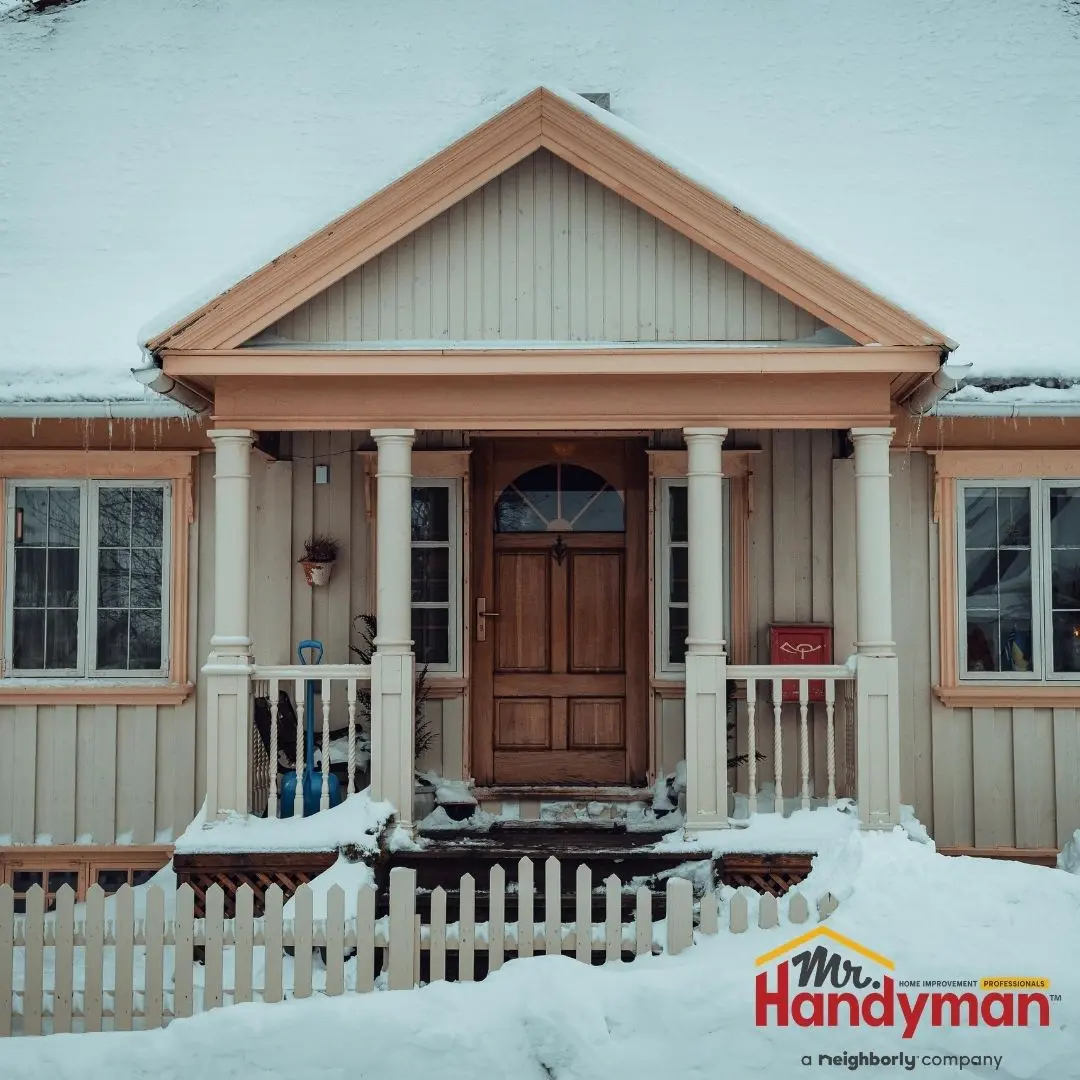
Dallas winters have a reputation for being mild, and most of the time that reputation is earned. But North Texas delivers winter conditions that are more damaging to residential structures than their brief duration suggests. The region's freeze events, which arrive suddenly and can drop temperatures from the sixties to below freezing within hours, create the rapid thermal shock that cracks caulking joints and stresses building materials in ways that a gradual temperature decline would not. The ice storms that coat Dallas homes in freezing rain load gutters, stress roof surfaces, and drive moisture into every available opening with a thoroughness that slower precipitation does not achieve. And the extended periods of below-normal temperatures that accompany these events drive cold deep into wall assemblies and foundation systems that were not designed for sustained cold exposure.
What makes Dallas winter damage particularly relevant to spring repair is the specific way it positions each vulnerability at the threshold of a demanding summer. The caulking joint that cracked during a January freeze will be tested by wind-driven rain during July thunderstorms. The paint that lifted on the north-facing wall during winter's moisture cycling will deteriorate rapidly under summer's UV and heat. The concrete that developed new cracks during the thermal cycling of winter's alternating warm and cold periods will admit water during summer rain events and continue widening through the next winter cycle if it is not addressed.
The repair window between winter's end and summer's full arrival is the most valuable maintenance period of the Dallas residential year. Repairs completed in this window are made under favorable conditions, address vulnerabilities before summer tests them at their worst, and cost a fraction of what reactive repair after summer damage costs.
Exterior Paint and Surface Damage: What Dallas Winters Do
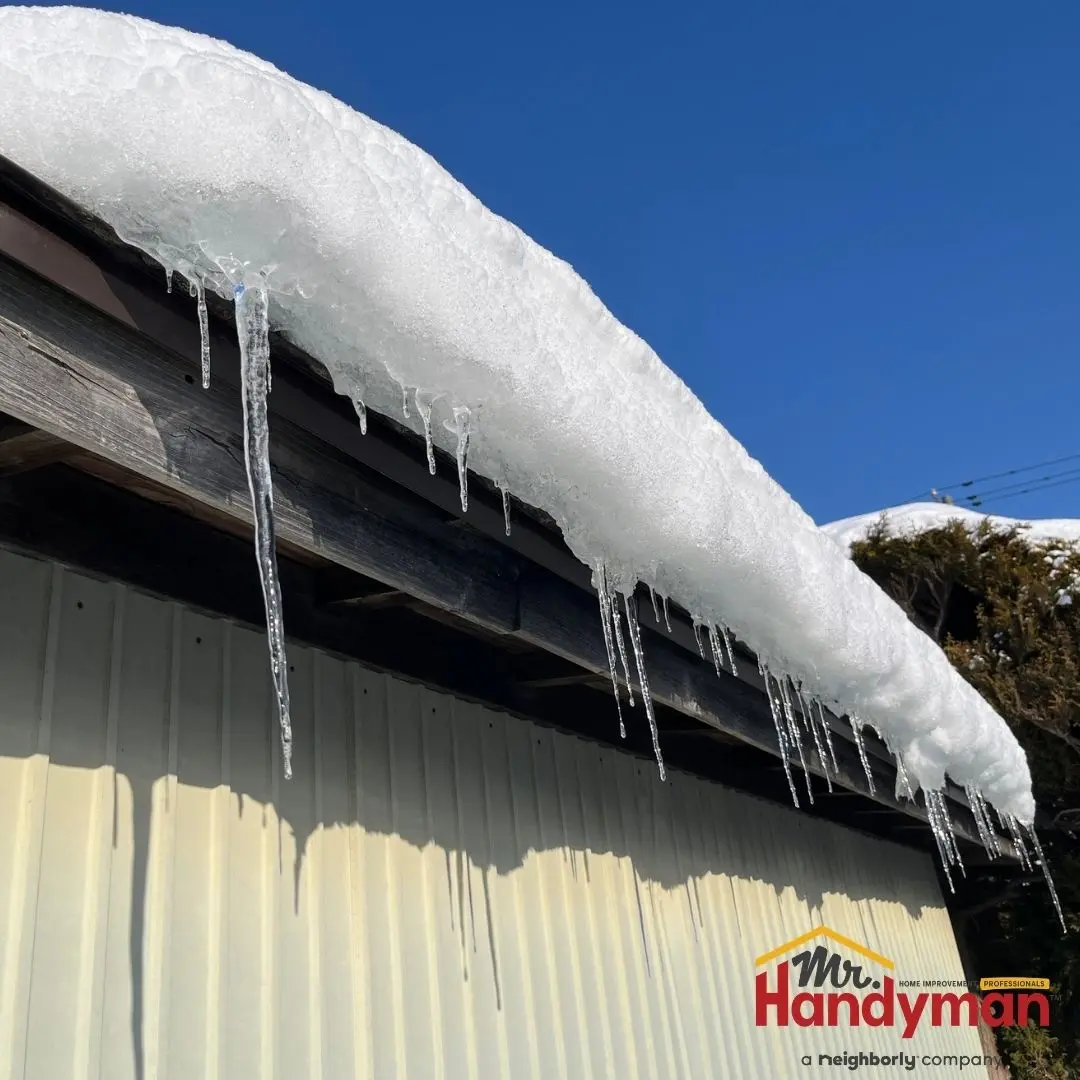
Exterior paint failures following a Dallas winter follow a predictable pattern that is worth understanding before conducting a spring assessment. When moisture penetrates behind a paint film through an existing crack or a point where paint has thinned through weathering, the trapped moisture expands if temperatures drop below freezing. Even one significant freeze event deposits enough energy in this mechanism to force the paint film away from the substrate, creating the bubbling, peeling, and flaking that homeowners discover in spring.
North-facing walls and any surface that receives significant moisture exposure with limited sun are consistently the highest-risk locations for winter paint failure in Dallas homes. These surfaces dry the slowest after rain events, experience the longest periods at low temperature during cold snaps, and receive the least UV exposure that would otherwise help maintain paint film flexibility.
The specific character of Dallas's winter, with its sudden freeze events following extended warm periods, creates paint stress that differs from what gradual cooling climates produce. Materials that expanded during Dallas's warm winter stretches are suddenly contracted by rapid temperature drops, and the stress this creates at paint film adhesion points is concentrated at exactly the joints and surface edges where adhesion is already weakest from weathering.
Proper repair of exterior paint failure requires removing all loose and compromised paint to the point of sound, well-adhered film before any repainting begins. The failure pattern in Dallas's climate almost always involves moisture, which means the exposed substrate must be assessed for surface deterioration, dried thoroughly before primer is applied, and primed appropriately for the finish coat. Painting over a substrate that retains moisture from the previous wet season produces the same failure within one or two seasons.
Caulking and Sealant Failures: Opening the Door to Summer
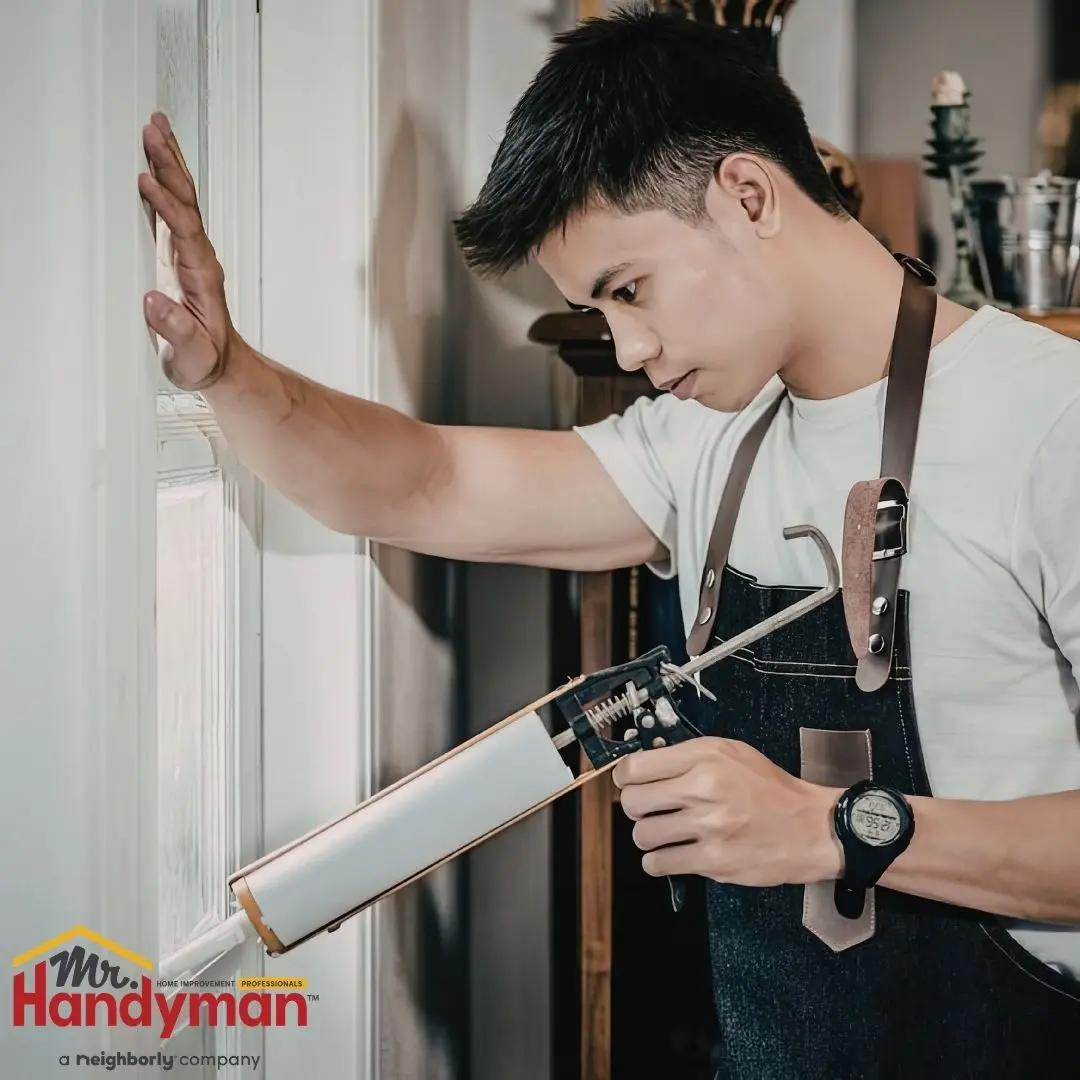
Exterior caulking and sealant failures following a Dallas winter are among the most consistently discovered and most urgently important spring repair items. The combination of thermal cycling during Dallas's variable winter temperatures, the moisture loading of winter rain events, and the rapid freeze-thaw cycles that North Texas weather produces creates exactly the conditions that cause sealants to crack, shrink, and separate from the surfaces they bond to.
Dallas's winter weather pattern is specifically damaging to sealant materials because of the speed of thermal transitions. A sealant joint that accommodates slow, gradual temperature changes may crack under the rapid thermal shock of a Dallas ice storm that drops temperatures forty degrees in a few hours. The material's ability to compress and extend with temperature changes is overwhelmed by the speed of the transition rather than the magnitude, and cracks develop at the midpoint of the joint or separations occur at one bonding surface.
Window and door frame caulking is the highest-priority sealant repair after a Dallas winter. Pressing the caulking surface at close range to check for the softness that indicates separation beneath an intact-appearing surface identifies the joints that need resealing before summer's rain events exploit them. South and west-facing exposures that receive the most UV and the most direct weather loading deteriorate fastest and deserve the most careful attention during a spring assessment.
Interior caulking in bathrooms and at baseboard trim in rooms above crawl spaces is affected by winter through the humidity variation that Dallas's heating season creates indoors. The dry conditions that winter heating produces cause slight contraction in interior materials that opens caulking joints that were sound when the home was in its summer humidity equilibrium. Bathroom caulking that cracked at the tub surround and baseboard caulking that has opened at the floor line are common spring discoveries that straightforward recaulking addresses.
Flooring Damage: What Dallas's Winter Thermal Cycling Does
Interior flooring in Dallas homes experiences the full range of humidity and temperature conditions that the region's climate produces, and the materials most affected by these variations are wood and wood-based products that respond to the dramatic difference between Dallas's heated winter interiors and its summer humidity equilibrium.
Hardwood floor gapping that developed through winter, visible as small spaces between boards that were tight when summer humidity was at its seasonal peak, is normal seasonal behavior for hardwood in Dallas's climate rather than a defect requiring correction in most cases. The boards that return to their tightly fitted condition as indoor humidity rises with the season confirm that the gapping was within the normal range of the installation's seasonal movement. Gapping that persists into summer, or that is significantly wider than in previous years, may indicate a moisture condition outside the normal range that warrants investigation.
Tile grout cracking discovered in spring is a common finding in Dallas homes where tile floors are installed over wood subfloors or over concrete slabs that experience the clay soil movement that Dallas's winter wet season produces. The subfloor movement that winter's temperature and moisture cycling creates stresses the rigid grout joints in ways that produce cracking in tile installations that did not have adequate movement isolation in the substrate. Assessing whether grout cracking reflects cosmetic surface deterioration or underlying substrate movement that will reproduce the cracking if not addressed determines whether surface repair or substrate investigation is the appropriate response.
Laminate floor edge swelling is a winter wear-and-tear discovery in Dallas homes where laminate was installed in spaces that experienced elevated moisture during winter events. Dallas's occasional significant rain events and the moisture that temperature cycling can introduce at transitions where exterior doors are located create the edge exposure that causes laminate to swell and separate at joints. Addressing the moisture source before replacing or repairing affected flooring sections prevents the recurrence that treating only the surface symptom creates.
Drywall and Interior Walls: What Dallas Winters Reveal
Interior drywall and plaster in Dallas homes experience winter stress through mechanisms that produce the wall conditions that spring assessment reveals. The humidity variation of Dallas's heated winter interior, the structural movement that the clay soil's seasonal behavior creates in the home's framing, and the moisture migration that temperature differentials between heated interior spaces and cold exterior conditions drive through wall assemblies all produce interior conditions that accumulate through the season.
Nail pops are the most universally reported interior wall discovery following a Dallas winter, and their mechanism is consistent. Framing lumber that was installed at slightly elevated moisture content dries and shrinks during the low-humidity conditions of a heated winter interior. As the framing shrinks, fasteners are pushed outward relative to the surrounding wood, producing the surface dome of cracked and lifted joint compound at the drywall surface. The repair requires driving the existing fastener deeper, adding a new fastener nearby to anchor the drywall securely, and applying new joint compound over both before repainting.
Hairline cracks at door and window corners are among the most common spring discoveries in Dallas homes and are almost always the result of seasonal structural movement rather than foundation settlement in most cases. These locations are stress concentration points where the geometry of the opening concentrates the movement that Dallas's clay soil foundation cycling and thermal movement create. They are cosmetic repairs that mesh tape, joint compound, and paint address straightforwardly. Cracks that have grown significantly between seasons, that are wider than hairline, or that correspond to visible foundation distress warrant professional structural assessment before cosmetic repair.
Driveway and Walkway Damage: What Winter Leaves Behind
Concrete and masonry surfaces around Dallas homes experience the thermal cycling and moisture-related damage of winter in ways that spring assessment makes visible. Dallas's winter ice events, while less frequent than in northern climates, create the freeze-thaw damage cycles that crack concrete and widen existing surface deficiencies at concentrated locations.
Concrete driveway and walkway cracks that widened during winter freeze events need to be sealed before summer rain events drive water through them and before the next winter cycle has the opportunity to widen them further. Cleaning existing cracks thoroughly, applying appropriate crack filler or sealant for the specific surface material, and sealing the full surface to reduce future water penetration addresses the damage winter produced and reduces the rate of future deterioration.
Dallas's expansive clay soils add a specific dimension to driveway and walkway damage that is less relevant in markets with stable soil conditions. The soil movement that winter's wet period creates can shift concrete slab positions in ways that create new elevation differentials at joints or that widen differentials that were previously within acceptable range. Pre-summer assessment of concrete joint conditions, specifically checking for new elevation changes between adjacent slabs, identifies the trip hazards that soil movement has created since the previous inspection.
Frequently Asked Questions
How do I distinguish cosmetic winter damage from structural concerns in my Dallas home?
Cosmetic winter damage including paint peeling, caulking failures, nail pops, hairline wall cracks at corners, and surface spalling on concrete affects appearance and weatherproofing without structural implication. Structural concerns arise when crack patterns suggest foundation movement, when damage has progressed significantly between seasons, or when any structural component shows decay or distress. In Dallas specifically, any crack pattern that corresponds to the clay soil foundation movement that the home's inspection history documents warrants professional assessment.
Should winter repair work be completed before or after spring landscaping in Dallas?
Exterior repairs including caulking, paint repair, and wood repair are most efficiently completed before landscaping work places plants and mulch adjacent to the wall surfaces being worked on. Interior repairs can proceed in parallel with other spring preparation. The important sequencing principle is that moisture source identification and correction precedes surface repair in all cases where moisture contributed to the damage.
Can all winter wear-and-tear repairs be handled by a handyman in Dallas?
The large majority of winter wear-and-tear repairs including exterior paint repair and surface preparation, caulking replacement, nail pop repair and drywall patching, grout repair, and concrete crack filling fall within the scope of a skilled residential handyman. Hardwood floor refinishing requires a flooring specialist. Structural assessments require a structural engineer or foundation contractor. HVAC maintenance requires a licensed mechanical contractor. For the broad middle category of spring repair work, a reliable handyman handles most items in one or two comprehensive visits.
How far in advance of summer should I complete winter wear-and-tear repairs in Dallas?
The ideal window is April through early May, which provides time for repairs to be completed before summer's UV and heat arrive, while giving the spring drying period adequate time to confirm that moisture conditions have normalized. Repairs completed in this window are made to substrates that have dried from winter moisture and are positioned to protect the home through the full Dallas summer that follows.
Address Winter's Legacy Before Dallas's Summer Makes It Worse
Every Dallas winter leaves behind a repair list that spring makes visible and summer makes urgent. The team at Mr. Handyman of Dallas brings the broad repair expertise and North Texas knowledge to work through the full range of winter wear-and-tear repairs that Dallas homes need every spring.
Visit www.mrhandyman.com/dallas to schedule your spring repair service. We show up on time, work cleanly, and back everything we do with the Neighborly Done Right Promise.