Why Routine Maintenance Is the Investment Most Dallas Homeowners Skip
There is a pattern that plays out in Dallas homes with enough regularity to be called predictable. A homeowner notices something small, a door that has started sticking in summer humidity, a caulk joint that looks slightly cracked at the window frame, a deck board that feels marginally softer than the others. The item is noted and not addressed because it is not urgent and because other priorities compete for the same time and attention. Then another small item joins the list. Then another. Over the course of a year, the accumulated deferred items reach a critical mass where addressing them all at once requires either a significant block of time and money or continued deferral while each problem quietly worsens.
This is the maintenance debt cycle, and it affects the majority of owner-occupied homes in the Dallas metro area to some degree. It is not the result of negligence. It is the predictable outcome of a maintenance model that treats repairs as events rather than as a continuous process. Homeowners who shift from reactive management, fixing things when they fail, to proactive management, maintaining things on a schedule that prevents failure, consistently spend less, experience fewer disruptions, and live in homes that hold their value better over time.
Routine handyman maintenance is the practical expression of that proactive approach. It is not a single large project or a seasonal cleanup. It is a systematic, recurring engagement with a home's condition that catches developing problems early, addresses small repairs before they become expensive ones, and keeps the full range of systems and components that a home depends on functioning at the standard they were designed to deliver. In Dallas's specific climate, where seasonal demands on residential structures are genuine and intense, the case for routine maintenance is not abstract. It is the direct relationship between regular attention and the condition, comfort, and cost of the home over time.
What Dallas's Climate Does Without Routine Maintenance
Every region's climate creates specific maintenance demands, and North Texas's climate is among the most demanding in the country for residential structures. Understanding what Dallas's climate does to homes that are not systematically maintained helps homeowners appreciate why the proactive approach is not simply good housekeeping but genuinely necessary protection for the investment a Dallas home represents.
The extreme heat and UV radiation of Dallas summers accelerate the deterioration of exterior paint, caulking, sealants, and wood elements in ways that moderate climates do not experience at the same rate. A caulking joint that might last eight to ten years in a mild climate may require attention every three to five years in Dallas's UV intensity and thermal cycling conditions. Exterior paint films that would hold for seven years in a moderate climate may develop adhesion failures in five years on south and west-facing Dallas exposures. Routine maintenance that is calibrated to Dallas's actual deterioration rates catches these items within the window where correction is straightforward and inexpensive.
The severe weather potential of North Texas summers, including hail events, high winds, and intense concentrated rainfall, tests every exterior vulnerability in a single event in ways that gentle, distributed weather patterns never do. A home maintained routinely, with caulking in good condition, flashing properly sealed, and gutters clear and functional, manages severe weather events without accumulating interior damage. A home with deferred maintenance enters every summer storm season carrying the vulnerabilities that the season will eventually exploit.
Dallas's expansive clay soils cause foundation movement that affects the homes above them in ways that accumulate over time without routine monitoring. Doors that have gradually become harder to operate, cracks at door and window corners that have widened slowly between seasons, and floor surfaces that have developed slight unevenness are all symptoms of the clay soil movement that routine maintenance monitoring tracks and addresses before the accumulation reaches the point where correction is significantly more involved.
What Routine Maintenance Actually Involves in a Dallas Home
Routine maintenance is not simply cleaning or replacing consumable items, though those activities are part of it. It is a comprehensive, systematic approach to the home's physical condition that encompasses inspection, minor repair, preventative service, and the identification of developing issues before they require significant intervention.
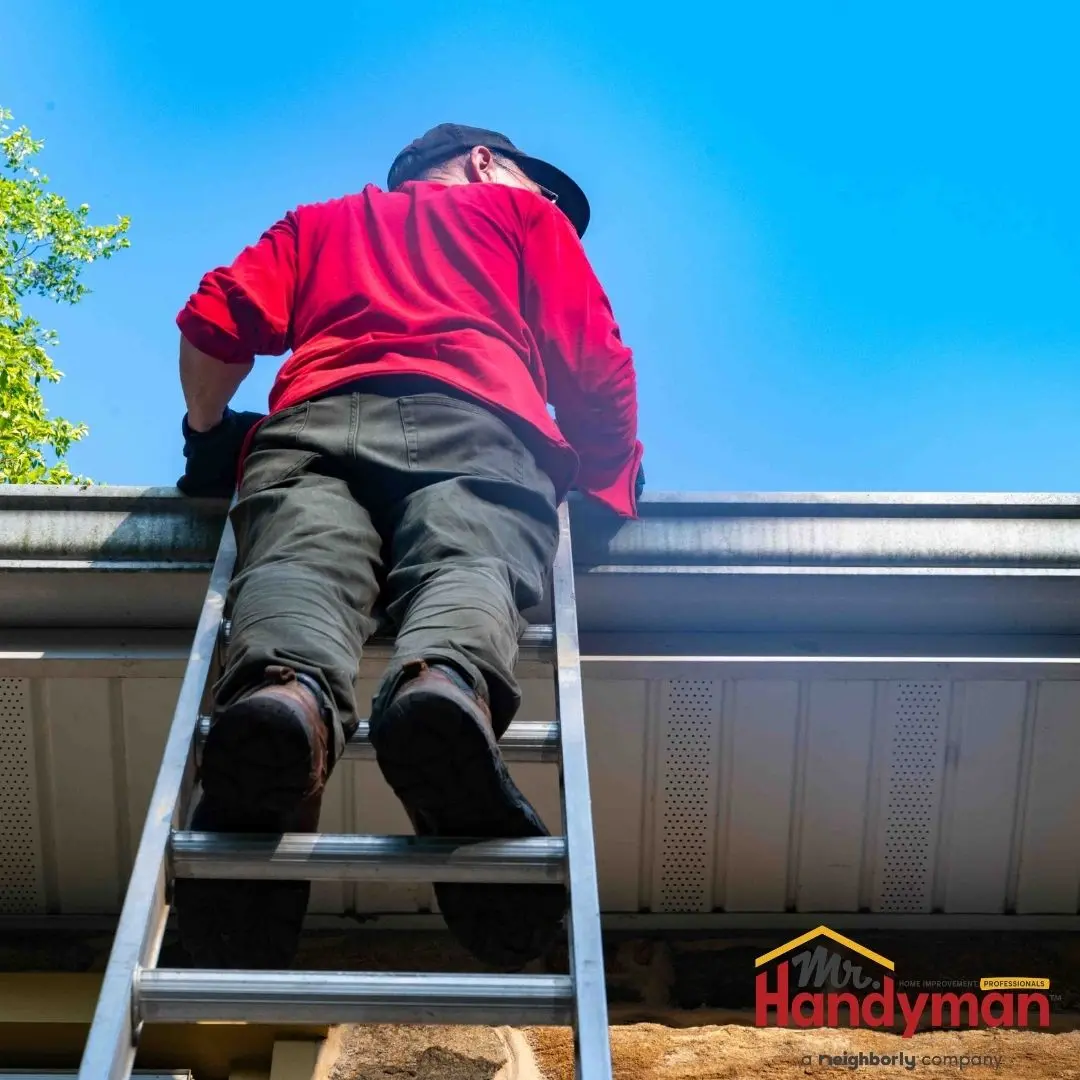
A routine maintenance visit conducted by a skilled handyman covers the home's systems and components in a way calibrated to Dallas's specific seasonal demands. It includes a visual inspection of exterior surfaces for paint failure, caulking deterioration, wood rot beginnings, and any structural concern that has developed since the previous visit. It covers gutters and exterior drainage to confirm they are clear and functioning. It addresses interior items including door and window hardware operation, ceiling fan condition, and any visible wall or ceiling condition issues that indicate developing moisture or structural problems.
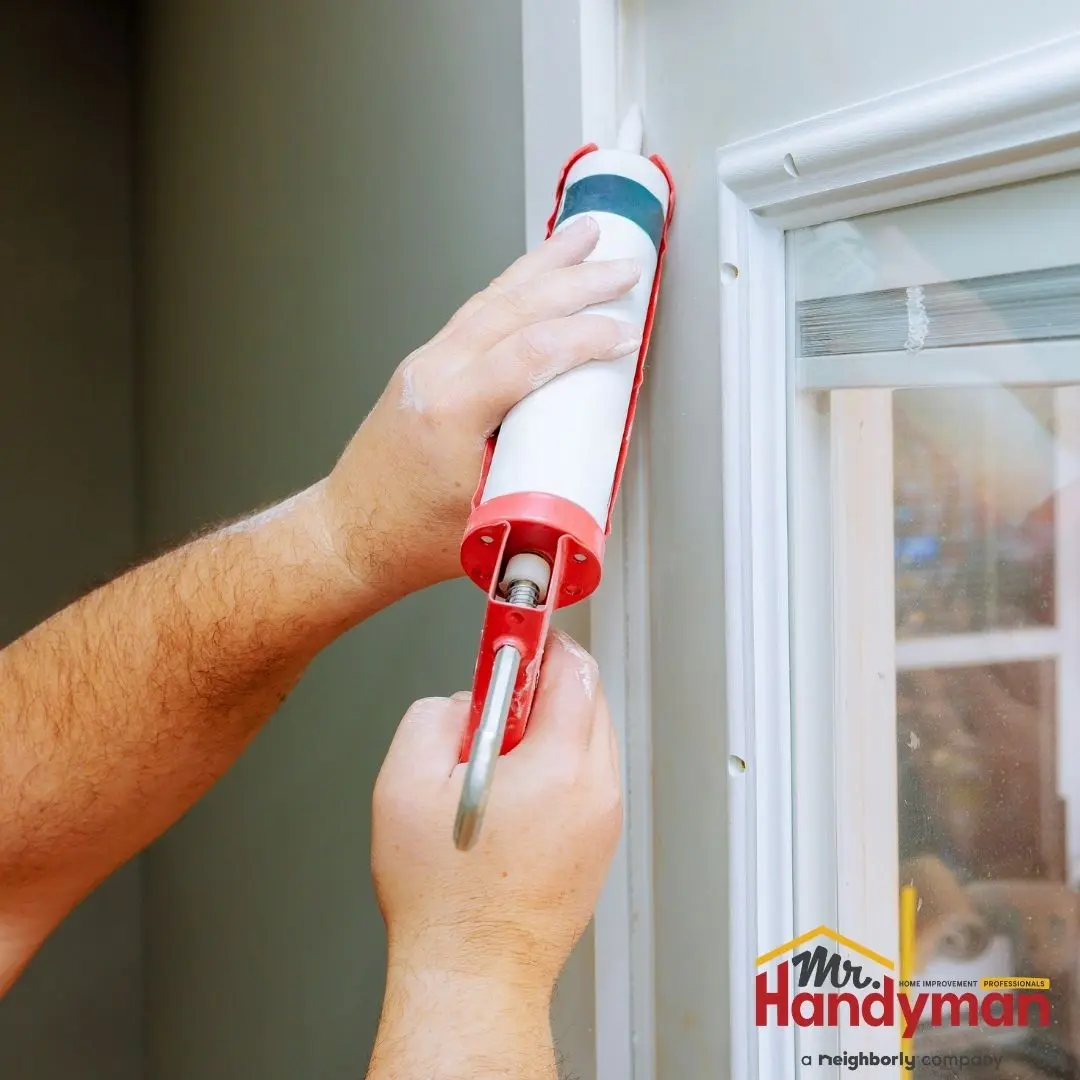
Beyond the inspection, a routine visit addresses the minor repairs that the inspection identifies. A loose door hinge is tightened. A bathroom caulk joint that has cracked is replaced. A ceiling fan blade bracket that has bent slightly is straightened. A weatherstripping section that has compressed to the point of no longer sealing correctly is replaced before summer's heat makes the energy impact of the air infiltration it allows measurable on the utility bill. These are not dramatic repairs. They are the small attentions that prevent the problems those items would otherwise become.
The cumulative effect of this systematic, recurring attention is a home that stays in fundamentally better condition over time than one that receives attention only when something breaks. The individual repairs made during routine visits are modest in cost and effort. The problems they prevent are consistently far more expensive and disruptive than the maintenance that averted them.
The Value of a Consistent Handyman Relationship Over Time
One of the most underappreciated benefits of routine maintenance conducted by the same skilled handyman service over time is the institutional knowledge that develops about the specific Dallas home. A handyman who has visited a home four times a year for several years knows things about that home that no first-time service provider can know: which door tends to swell in Dallas's summer humidity and needs annual planing, which exterior caulk joints have a history of movement and need more frequent attention, where the deck has shown previous wood rot that requires annual monitoring, and what the foundation movement history of the home looks like in the settling patterns of the interior trim and floor surfaces.
This accumulated knowledge makes each subsequent maintenance visit more efficient and more valuable than the previous one. Developing problems can be tracked across visits rather than encountered fresh each time. The maintenance history provides context for new symptoms that might be alarming in isolation but are understandable in the context of the home's documented behavior. And the homeowner benefits from a professional relationship built on familiarity and trust rather than the uncertainty of working with an unfamiliar service provider for each repair.
In the older homes of Highland Park, University Park, and Lakewood, where the character and quirks of a specific property are as individual as the home's architecture, this accumulated knowledge is particularly valuable. A handyman familiar with a mid-century Dallas home knows that the original wood windows in the south-facing rooms need annual caulking attention to stay weathertight, that the clay soil movement at the back of the lot affects the rear door alignment each spring, and that the original plaster walls in the formal rooms need the specific technique that their material requires rather than the approach appropriate for modern drywall.
Building a Routine Maintenance Program for a Dallas Home
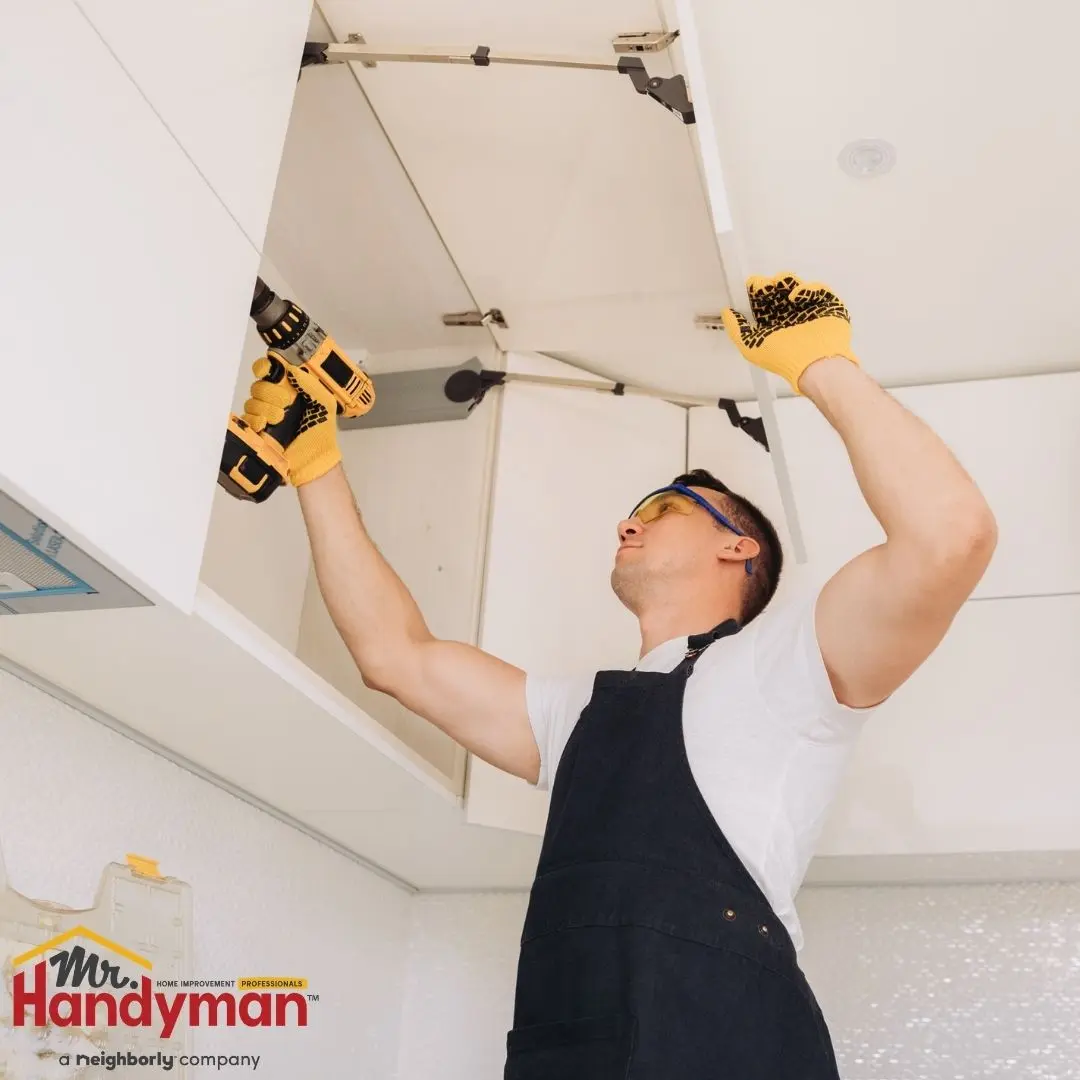
For most Dallas homes, a quarterly maintenance visit covers the full range of seasonal needs with enough frequency to catch developing problems before they progress significantly. The four visits align naturally with the seasonal demands of North Texas's climate.
A spring visit focused on post-winter repair assessment and pre-summer preparation addresses the highest-priority items of the year. It covers exterior caulking and paint condition after winter's thermal cycling, gutter condition, crawl space and foundation-adjacent conditions after the wet season, and the pre-summer preparation items including weatherstripping, screen condition, and exterior hardware that set the home up for the demanding season ahead.
A summer visit focused on the mid-season check after the first wave of summer storms confirms that spring preparations are holding, identifies any storm damage requiring attention, and checks interior conditions that Dallas's summer heat and humidity affect, including any signs of moisture in attic spaces and any door or window operation changes that summer swelling has created.
A fall visit focused on pre-winter preparation addresses the items that protect the home through Dallas's coming cold season: caulking at exterior penetrations, weatherstripping on all exterior doors and operable windows, gutter cleaning after fall leaf accumulation, and any exterior repairs that should be completed before cold weather arrives.
A winter visit focused on interior systems and cold-weather maintenance items addresses the items that present during Dallas's heating season, including door hardware adjustments for the contracted dimensions that cold weather creates, any interior caulking concerns that the season's low indoor humidity has revealed, and the interior maintenance items that winter occupancy patterns make visible.
The Financial Case for Routine Maintenance in Dallas
The financial case for routine handyman maintenance in Dallas is straightforward and consistently favorable. The costs of reactive repair in this market are reliably higher than the costs of proactive maintenance across every category of home component, and the secondary damage that reactive repairs must address after a failure adds costs that dwarf the primary repair in many cases.
A supply connection replacement during a routine maintenance visit costs a modest amount for the part and a portion of a service visit. A connection failure that goes undetected in an unoccupied room during a Dallas summer can cause damage requiring flooring replacement, drywall replacement, and potentially mold remediation that collectively cost multiples of the preventive maintenance that would have avoided it. The ratio of reactive repair cost to proactive maintenance cost is consistently unfavorable across every category of home component, and Dallas's demanding climate compresses the timeline from deferred maintenance to failure relative to more moderate markets.

Dallas home values also make the maintenance investment calculus more compelling than it would be in a lower-value market. The homes of Highland Park, University Park, Preston Hollow, and the other premium Dallas neighborhoods represent substantial capital investments whose condition directly affects their market value. A home with documented routine maintenance history presents differently to buyers and appraisers than one where the maintenance record is unclear and deferred items have accumulated to visible levels. In a market as active and as price-sensitive as Dallas's residential real estate environment, the condition premium that a well-maintained home commands is a tangible return on the maintenance investment.
Frequently Asked Questions
How often should routine handyman maintenance be scheduled for a Dallas home?
Quarterly visits aligned with the seasonal demands of North Texas's climate provide comprehensive coverage for most Dallas homes. Older homes with more complex maintenance profiles, homes with known foundation movement concerns, or homes in the premium neighborhoods where the consequences of deferred maintenance are most financially significant may benefit from more frequent engagement. Newer homes in good condition can often be well-served by semi-annual visits supplemented by the homeowner's own monthly walkthrough.
What is the difference between routine maintenance and a home inspection?
A home inspection is a comprehensive assessment conducted at a point in time, typically for a real estate transaction, that documents the condition of all major systems without performing repairs. A routine maintenance visit combines ongoing inspection with the actual minor repairs and preventive service that the inspection identifies, building a continuous maintenance history rather than a single-point assessment. Both have value but serve different purposes.
Is routine maintenance worth investing in for a Dallas home that may be sold within a few years?
Yes, and potentially more so than for a homeowner planning to stay indefinitely. In Dallas's competitive residential market, a home being prepared for sale benefits significantly from being in genuinely maintained condition. The pre-listing repairs that deferred maintenance requires consistently cost more and disrupt the selling timeline more than the ongoing maintenance program that would have prevented the need for them.
What is the first step for a Dallas homeowner establishing a routine maintenance program after years of reactive management?
Begin with a comprehensive assessment visit that establishes the current condition baseline of the home, identifies accumulated deferred maintenance, and creates the starting point for the ongoing record. From that baseline, a regular maintenance schedule can be established calibrated to the specific needs of the home as actually documented rather than assumed.
Start Protecting Your Dallas Home Before the Next Problem Finds You
Routine handyman maintenance is the most reliable way to keep a Dallas home in the condition it deserves, prevent the costs that deferred maintenance consistently produces, and enjoy the comfort that comes from knowing your home is being properly cared for. The team at Mr. Handyman of Dallas offers routine maintenance programs tailored to the specific demands that North Texas's climate places on Dallas homes.
Call us or visit www.mrhandyman.com/dallas to schedule your maintenance assessment. We show up on time, work cleanly, and back everything we do with the Neighborly Done Right Promise.