
Why Routine Maintenance Is the Investment Dallas Commercial Property Owners Most Consistently Skip
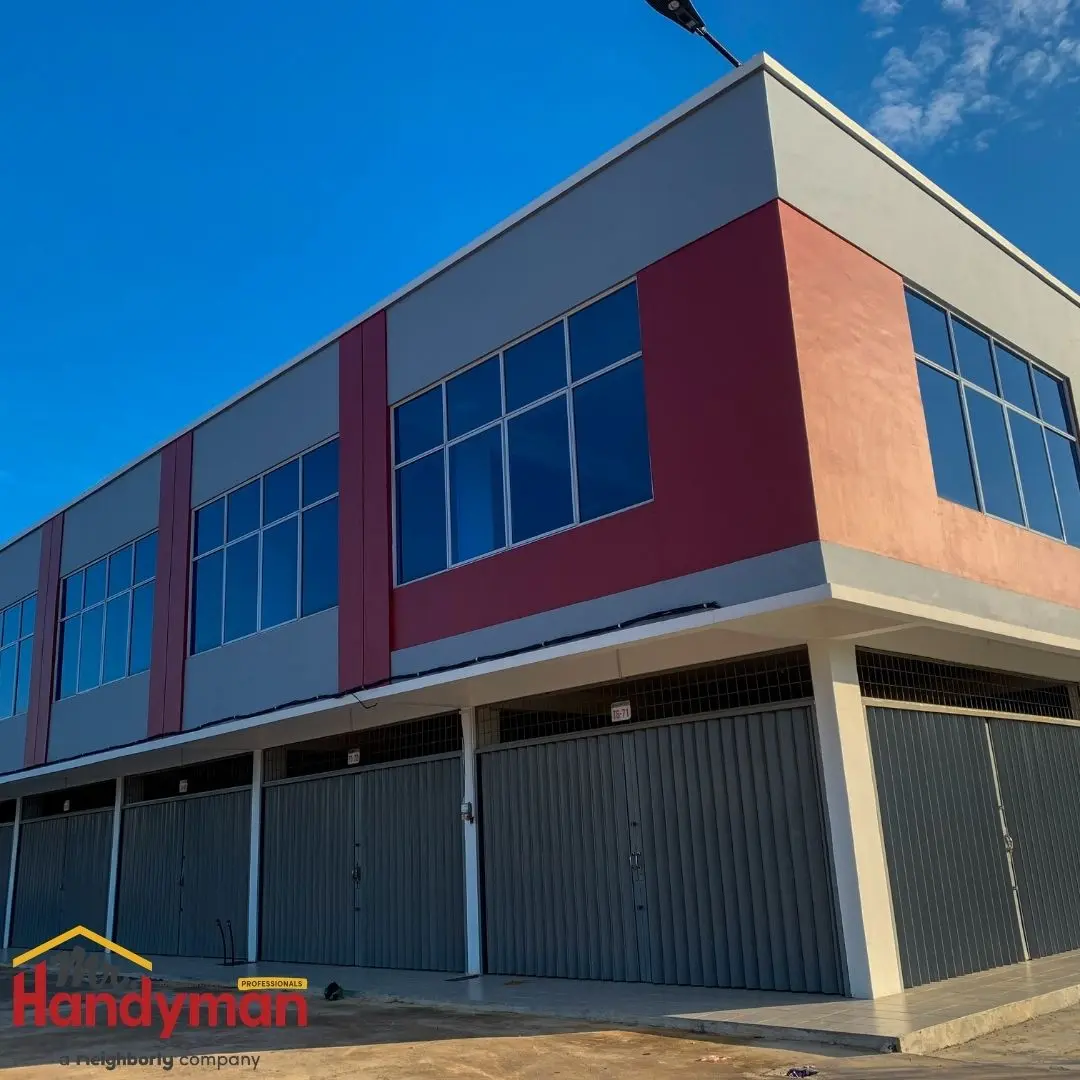
Commercial property ownership in Dallas represents a significant financial commitment in one of the fastest-appreciating real estate markets in the country. The properties that house the city's diverse commercial economy, from the office towers of Uptown and the Galleria corridor to the retail centers of North Dallas and the mixed-use developments reshaping neighborhoods like Deep Ellum, Oak Lawn, and the Design District, represent capital investments whose long-term performance is determined more by how they are managed than by any other variable within the owner's control.
Among the management decisions that affect commercial property performance over time, routine maintenance is the one with the most consistent and quantifiable relationship to outcome and the one that is most systematically underinvested relative to the return it delivers. The reason is the same in Dallas as it is everywhere: maintenance spending is invisible in its success. When routine maintenance works as designed, nothing happens that attracts attention. The roof continues to exclude water without incident. The exterior sealants continue to keep wall assemblies dry. The pavement surfaces continue to provide safe, functional pedestrian and vehicle access. None of these successful outcomes appear in a budget review as evidence of value delivered.
Deferred maintenance, by contrast, produces visible events. A roof infiltration that saturates insulation and damages interior finishes is a visible event with a definable cost. An exterior facade failure that allows moisture into a wall assembly is a visible event with remediation costs and potential structural implications. A pavement failure that creates a liability incident is a visible event with legal, financial, and reputational costs that dwarf the maintenance investment that would have prevented it. The Dallas commercial property owner who manages reactively experiences these visible events as bad luck. They are almost always the predictable consequence of a maintenance approach that assumed continued good performance from systems and components that had passed the point where proactive attention was economically rational.
The Real Cost of Deferred Maintenance in Dallas's Commercial Market
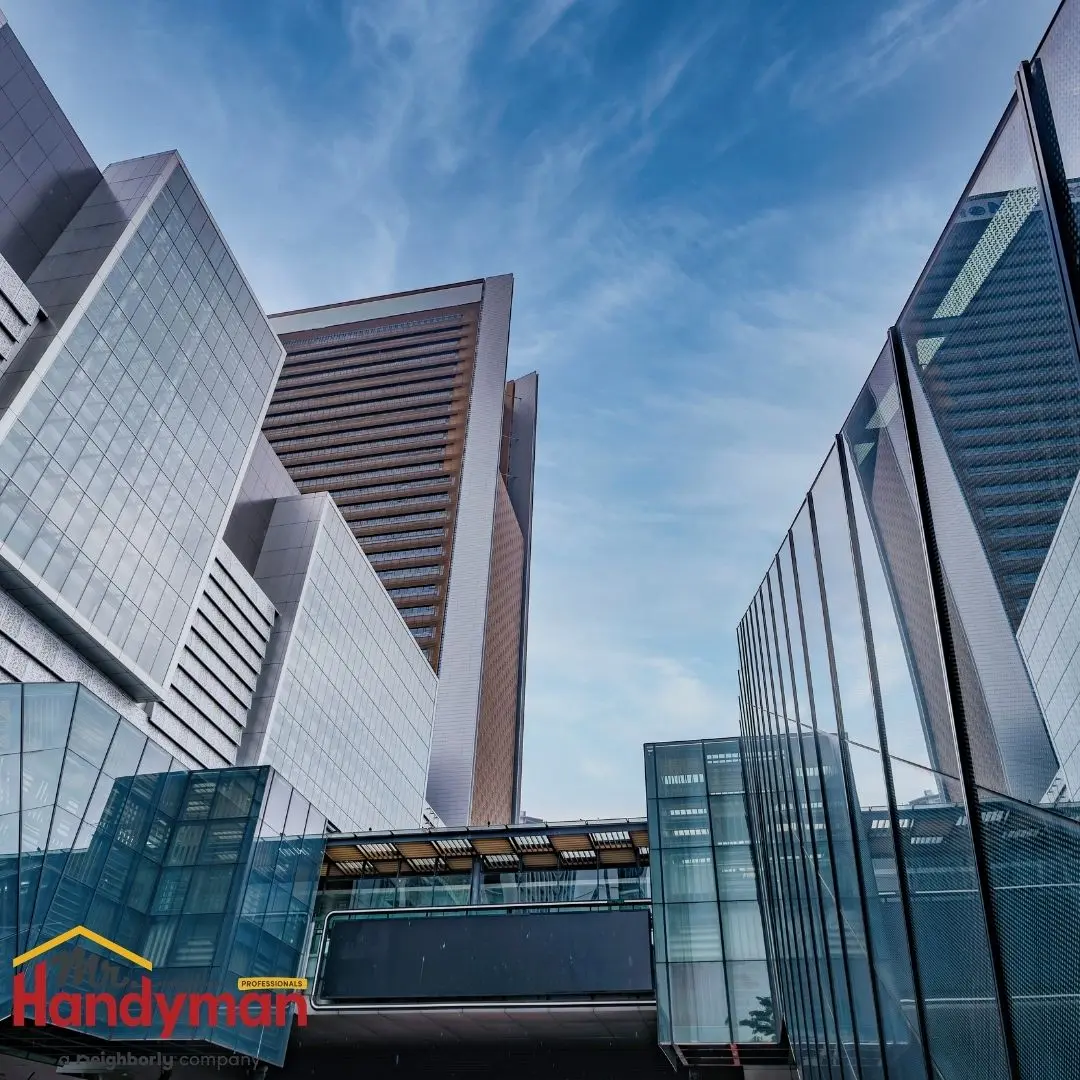
The specific cost structure of deferred maintenance in Dallas's commercial real estate context makes the investment case for routine maintenance concrete. The numbers consistently favor proactive maintenance, and understanding the magnitudes involved transforms the conversation from a philosophical argument for maintenance to a financial analysis that most commercial property owners in this market find straightforward.
A commercial roof on a Dallas office building or retail property that receives annual inspection and targeted repair of identified vulnerabilities costs a predictable and manageable annual maintenance expenditure. That same roof, managed reactively, eventually develops active infiltration that interior damage remediation, insulation replacement, and ceiling repair address at costs that consistently represent multiples of the maintenance investment that would have prevented the failure. Dallas's extreme summer heat and UV radiation accelerate the membrane deterioration that makes this failure timeline shorter in this market than in more moderate climates, which makes the maintenance return even more compelling here than the general commercial real estate guidance suggests.
Dallas's commercial tenant base amplifies the cost consequences of deferred maintenance in ways specific to this market. The city's corporate and professional tenants, accustomed to the quality standards of Dallas's active commercial development environment, respond to facility condition problems with lease renewal decisions that reflect the alternatives available to them in a market with abundant quality inventory. The cost of tenant turnover in Dallas's commercial real estate market, including vacancy periods, tenant improvement allowances, and leasing transaction costs, is substantial relative to the maintenance investment that would have supported retention. In a market where commercial space quality directly affects rental rate achievement and occupancy levels, routine maintenance economics are compelling from both the cost avoidance and the revenue preservation perspectives.
Building Envelope Maintenance: The First Line of Defense Against Dallas's Climate
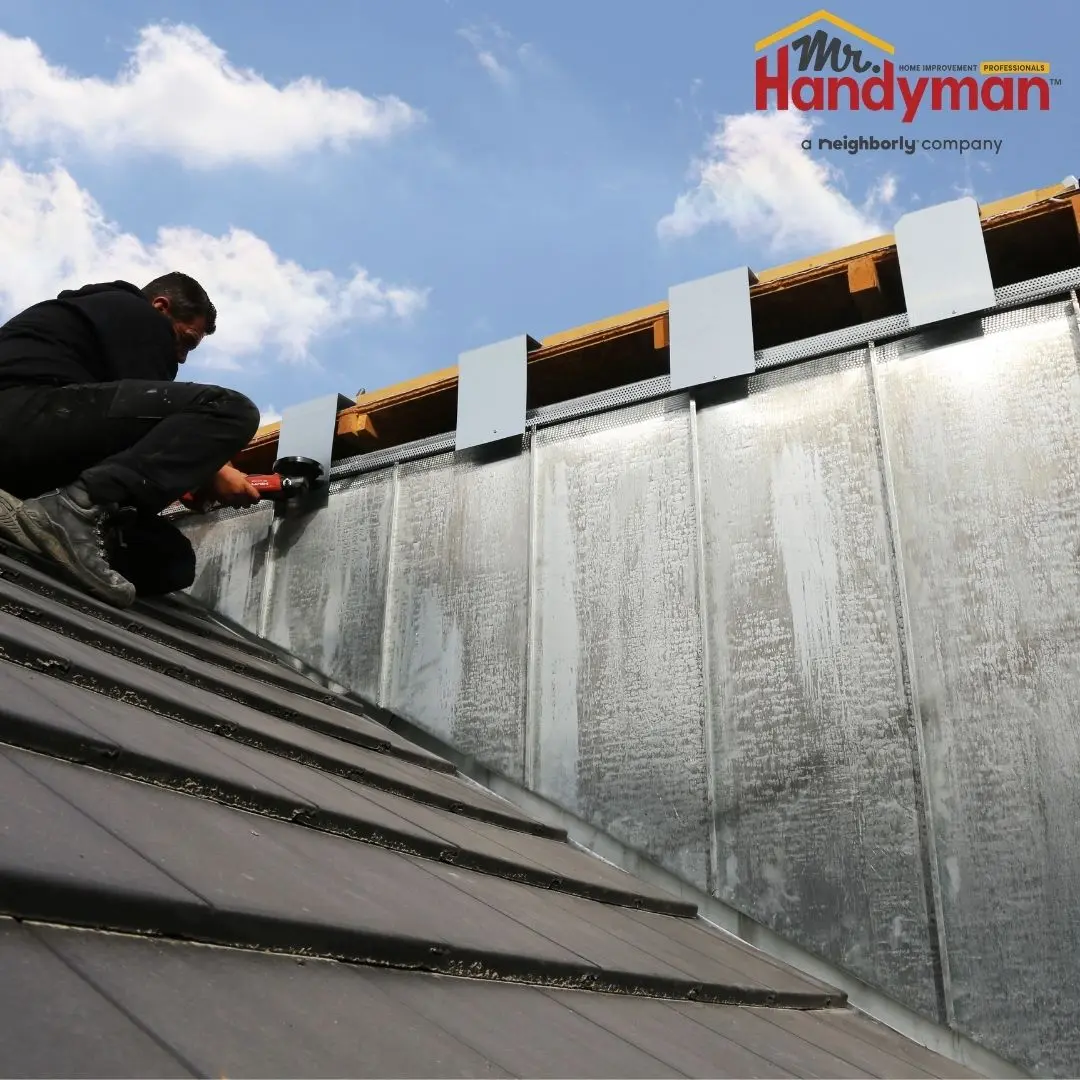
The building envelope of a Dallas commercial property faces climate demands that are among the most challenging in the country for exterior materials and systems. The combination of extreme UV radiation, sustained high temperatures that stress roofing membranes and exterior sealants through daily thermal cycling, the occasional severe weather events that North Texas summer thunderstorms deliver, and the expansive clay soil conditions that affect foundation and below-grade envelope elements create a maintenance environment that requires systematic attention rather than periodic reaction.
Commercial roofing systems in Dallas deteriorate through a specific mechanism that the region's climate accelerates. Low-slope membrane systems, which are standard on most Dallas commercial and institutional buildings, experience the thermal cycling that North Texas's extreme temperature range creates daily. A Dallas roofing membrane cycles between the cool conditions of an air-conditioned building and the 150-degree-plus surface temperatures that direct summer sun creates, and that daily cycling accumulates fatigue in the membrane at seams, flashings, and penetrations that annual inspection identifies in the early stages and targeted repair addresses at modest cost.
The consequences of allowing Dallas commercial roofing deficiencies to progress to active infiltration are amplified by the city's storm intensity. When a North Texas summer thunderstorm delivers an inch of rain in thirty minutes, a roofing vulnerability that might produce minimal infiltration under gentle rain becomes an active failure that saturates insulation and damages interior finishes in a single event. Pre-season roofing inspection before Dallas's summer storm season is not simply a maintenance best practice. It is the specific action that prevents the interior damage that summer storms produce through existing vulnerabilities.
Exterior wall sealant and caulking maintenance in Dallas commercial properties must be calibrated to the specific deterioration rate that North Texas's climate creates in these materials. The UV radiation that Dallas receives year-round, combined with the thermal movement that extreme temperature cycling creates at sealant joints, produces deterioration rates that require more frequent attention than the general commercial maintenance guidance suggests. Exterior sealants at window frames, door frames, expansion joints, and building envelope penetrations in Dallas typically require assessment and selective replacement more frequently than the theoretical service life of the sealant materials themselves would indicate.
Mechanical System Maintenance: Managing Dallas's Extreme Cooling Season
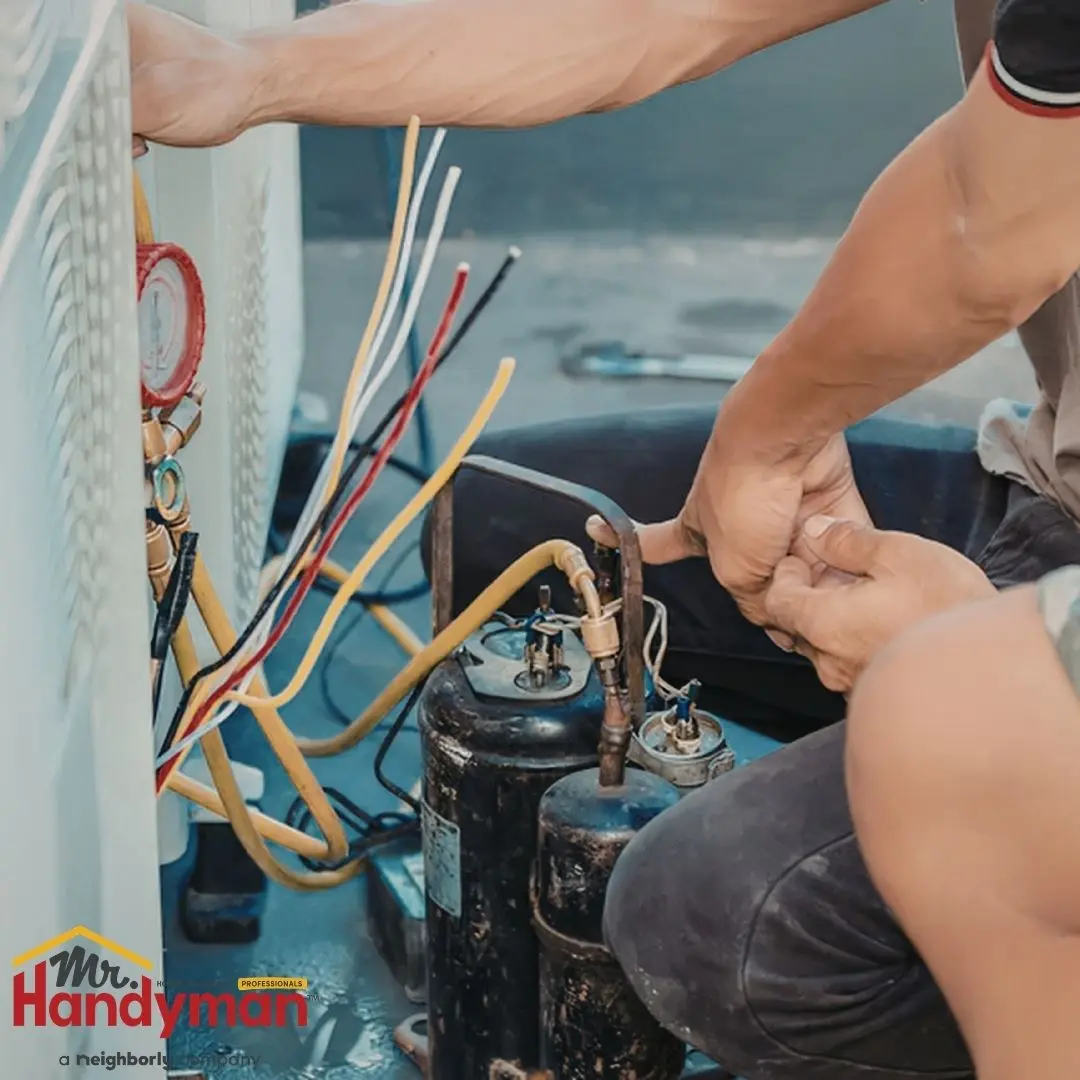
HVAC systems in Dallas commercial buildings represent the largest single operating cost category during the summer period, and their efficiency is directly and measurably affected by the maintenance they receive. The relationship between HVAC maintenance quality and operating cost in Dallas is more consequential than in most American commercial markets because the city's extreme summer creates a cooling season of duration and intensity that amplifies every efficiency deficit into a proportionally larger operating cost impact.
Filter replacement and coil cleaning in Dallas commercial HVAC systems are baseline maintenance activities that affect both system efficiency and indoor air quality during the season when the system operates nearly continuously. A Dallas commercial HVAC system running through August with clogged filters and fouled coils consumes significantly more energy than the same system in properly maintained condition while delivering less cooling capacity. The efficiency penalty accumulates through every operating hour of a Dallas summer cooling season that may extend from April through October in warmer years.
Dallas's commercial real estate market has developed significant sustainability awareness, driven by both the financial case for energy efficiency and the growing corporate tenant preference for buildings that demonstrate environmental management. A Dallas commercial building whose HVAC systems are operating inefficiently because of deferred maintenance is consuming more energy than its design warrants, which in this market's evolving tenant expectations creates both operational and reputational implications beyond the direct utility cost impact.
Refrigerant management in Dallas commercial HVAC systems requires the attention that EPA Section 608 regulations specify and that responsible commercial property management in Texas's regulatory environment demands. A system with refrigerant loss through a slow leak operates less efficiently and potentially in violation of federal regulations while the leak source remains unaddressed. Identifying and correcting refrigerant leaks through a maintenance program that includes regular system performance assessment is both an efficiency and a compliance responsibility.
Interior Finish Maintenance: Protecting the Capital Investment in the Building
The interior finishes of a Dallas commercial building represent a capital investment that routine maintenance protects and extends in ways that deferred maintenance gradually consumes. The specific relationship between finish maintenance and finish replacement schedule is direct and quantifiable: buildings whose interior finishes receive systematic maintenance have longer intervals between the capital expenditures that replacement requires, while buildings where deferred maintenance allows finish deterioration to compound require replacement expenditures at shorter intervals and from a more deteriorated baseline.
Flooring maintenance programs appropriate to the specific materials and traffic conditions in a Dallas commercial building extend flooring service life significantly relative to a reactive approach. Hard surface commercial flooring requires periodic refinishing of protective finish coatings to prevent wear-through to the flooring material itself. The specific frequency of this refinishing cycle depends on traffic volume and the original finish specification. A building management approach that tracks finish condition and addresses refinishing before wear-through occurs extends flooring service life meaningfully compared to waiting until the floor looks obviously worn.
Wall finish maintenance in Dallas commercial buildings is most effectively managed as an ongoing touch-up program rather than a periodic full repaint cycle. The approach that keeps Dallas commercial interiors looking consistently well-maintained is the one that addresses damage promptly when it occurs, maintaining a consistent appearance rather than allowing the space to cycle through visible decline. Maintaining correct paint colors for each interior space and establishing a routine that identifies and addresses wall damage at a frequency appropriate to traffic levels keeps interior finishes at the standard that Dallas's commercial tenant and customer base expects.
Documentation and Maintenance Records in Dallas's Legal Environment
Dallas's active commercial litigation environment makes maintenance documentation a genuine protection for commercial property owners rather than simply a good management practice. The city's sophisticated plaintiff's bar and the high transaction values of Dallas commercial real estate create a liability context where the documentation of proactive maintenance management carries real legal significance in the event of an incident or dispute.
Maintenance records that document systematic inspection, prompt correction of identified deficiencies, and the ongoing attention to building systems that responsible management requires serve as evidence that the property was managed to the standard the market and the law expect. The absence of maintenance documentation creates a void that is filled by inference in any liability context, and that inference works against the property owner regardless of whether maintenance was actually performed.
The value of maintenance records extends to the financial transactions that Dallas's active commercial real estate market regularly produces. A commercial property offered for sale or refinancing with documented maintenance history presents to buyers, lenders, and their due diligence professionals as a property whose condition reflects the care that the documentation describes. In Dallas's competitive investment sales market, this documented maintenance history supports valuations and transaction terms that properties without documentation history cannot achieve to the same degree.
Building Age Considerations in Dallas's Commercial Inventory
Dallas's commercial building inventory spans a wide range of construction eras that create meaningfully different maintenance priority profiles. The older commercial buildings of downtown Dallas, the established commercial corridors of North Dallas, and the mid-century retail and office stock that defined the city's commercial landscape before its modern development cycles all represent maintenance contexts where infrastructure replacement needs have often lagged the service life of original building systems.
The large commercial developments of the 1980s and 1990s that define significant portions of Dallas's suburban commercial corridors are entering the maintenance-intensive period that typically begins at twenty-five to thirty-five years of age. These buildings are at the stage where first and second-generation mechanical and electrical system replacements are becoming necessary, where roofing systems installed at original construction have exceeded their design service lives, and where the exterior envelope components that were new at construction have accumulated the service history that makes systematic inspection and targeted replacement appropriate.
Newer commercial construction in Dallas's rapidly developing outer suburbs and mixed-use districts presents a different maintenance context. These buildings have modern systems in relatively early service life, but they were often constructed under the schedule pressures that Dallas's rapid commercial development pace creates. Confirming that systems are functioning as designed, identifying early-stage issues that installation quality variations create before they progress to more significant failures, and establishing the documented maintenance baseline that will support the property through its full commercial service life are the appropriate maintenance priorities for newer Dallas commercial construction.
Frequently Asked Questions
What annual maintenance budget is appropriate for a Dallas commercial property?
Industry guidance for commercial properties in active markets suggests annual maintenance budgets in the range of one and a half to four percent of the building's replacement cost. Dallas's extreme climate, which accelerates the deterioration of exterior materials and mechanical systems relative to more moderate markets, supports investment at the higher end of this range for properties actively competing for quality tenants and customers. Properties with accumulated deferred maintenance require a catch-up capital expenditure before a normalized maintenance budget is appropriate.
How does Dallas's clay soil affect commercial building maintenance priorities?
The expansive clay soils underlying much of Dallas cause ongoing foundation movement that affects exterior flatwork, interior slab-on-grade conditions, and any building element connected to the foundation. Commercial property maintenance programs in Dallas should include regular assessment of concrete flatwork joint conditions, monitoring of interior floor surfaces for movement-related changes, and periodic inspection of foundation-connected structural elements. These assessments are more frequent maintenance requirements in Dallas than in markets on stable soil conditions.
What building systems deteriorate fastest without routine maintenance in Dallas?
Roofing membranes and exterior sealants deteriorate fastest under Dallas's combination of extreme UV radiation, high temperatures, and thermal cycling. HVAC systems accumulate wear rapidly through the extended summer cooling season without filter and coil maintenance. Exterior wood elements and painted surfaces experience faster deterioration than in moderate climates without the protective maintenance that Dallas's conditions demand.
How does routine maintenance affect commercial property insurance in Texas?
Texas commercial property insurers assess building condition and maintenance history as components of both underwriting decisions and claims outcomes. A commercial property with documented systematic maintenance history presents a more favorable risk profile that can affect premium levels and coverage availability. More directly, Texas commercial property policies often include maintenance obligations as conditions of coverage, and claims for damage resulting from or exacerbated by deferred maintenance can be subject to coverage limitations.
Is a commercial handyman service appropriate for Dallas commercial building maintenance?
A skilled commercial handyman service with broad trade capabilities handles the majority of routine Dallas commercial building maintenance activities efficiently, including interior finish maintenance, hardware service, caulking and sealant work, lighting replacement, and the range of repairs that regular maintenance visits identify. Mechanical system maintenance, structural repairs, and code-required inspections require the appropriate licensed contractors. A well-structured Dallas commercial maintenance program combines a reliable handyman service for the broad middle category of maintenance work with appropriately licensed trade contractors for specialized systems.
Protect Your Dallas Commercial Building's Value and Future Performance
Routine maintenance is the discipline that separates Dallas commercial properties that hold and grow their value through years of ownership from those that quietly consume the capital they represent through deferred costs that accumulate invisibly. The team at Mr. Handyman of Dallas partners with commercial property owners and managers to deliver the consistent, documented maintenance that keeps buildings performing at the standard this market demands.
Call us or visit www.mrhandyman.com/dallas to schedule your commercial maintenance service. We work around your business schedule, arrive on time, and back everything we do with the Neighborly Done Right Promise.
