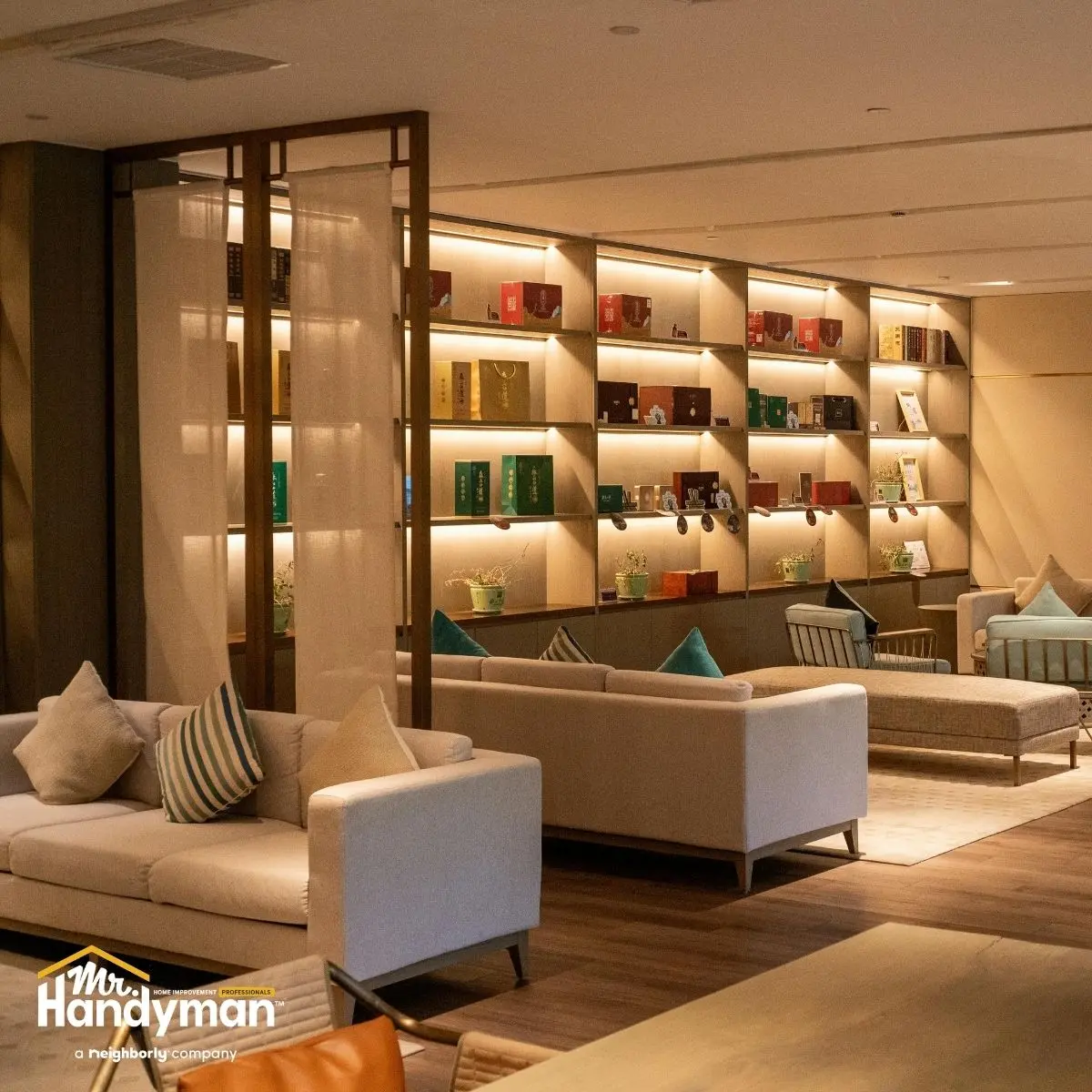
Common areas in commercial properties form the first impression for tenants, clients, and visitors. A lobby that looks tired and dated, a hallway with worn flooring and scuffed walls, or a break room with outdated fixtures and dingy surfaces communicate that property management accepts mediocrity. These spaces tell everyone who enters whether this is a property where businesses thrive and professionalism matters or just another forgettable building where the bare minimum gets maintained. Spring represents the ideal moment to refresh these high-traffic areas because work completes before summer when property showing activity peaks, new tenants make leasing decisions, and existing tenants evaluate whether to renew or relocate to fresher, better-maintained competitors.
The challenge with common area maintenance is that deterioration happens gradually. Walls that looked freshly painted five years ago now show wear marks, scuffs, and discoloration that accumulated imperceptibly over months. Carpet that seemed acceptable through winter appears visibly worn once spring's brighter natural light reveals traffic patterns, stains, and fading. Lighting that adequately illuminated spaces when installed now seems dim because fixture efficiency has declined and bulbs have degraded. Property managers who walk these spaces daily become blind to the decline, but prospective tenants and clients notice immediately because they're comparing to other properties where common areas have been refreshed recently.
Charleston and Summerville's commercial real estate market is competitive, with properties constantly vying for quality tenants who have choices about where to locate their businesses. Office tenants evaluating spaces compare not just the individual suites but the overall building environment—professional lobbies, clean well-lit hallways, updated restrooms, and functional break rooms all factor into decisions. Retail properties compete on customer experience, and common areas like parking lots, walkways, and entry zones directly affect shopper comfort and willingness to visit. Industrial and warehouse properties need functional loading areas, safe pedestrian zones, and proper lighting that allows businesses to operate efficiently. Spring refresh projects position properties competitively by ensuring common areas create positive impressions rather than raising concerns about overall property management quality.
Updating Lobby Lighting and First Impression Spaces
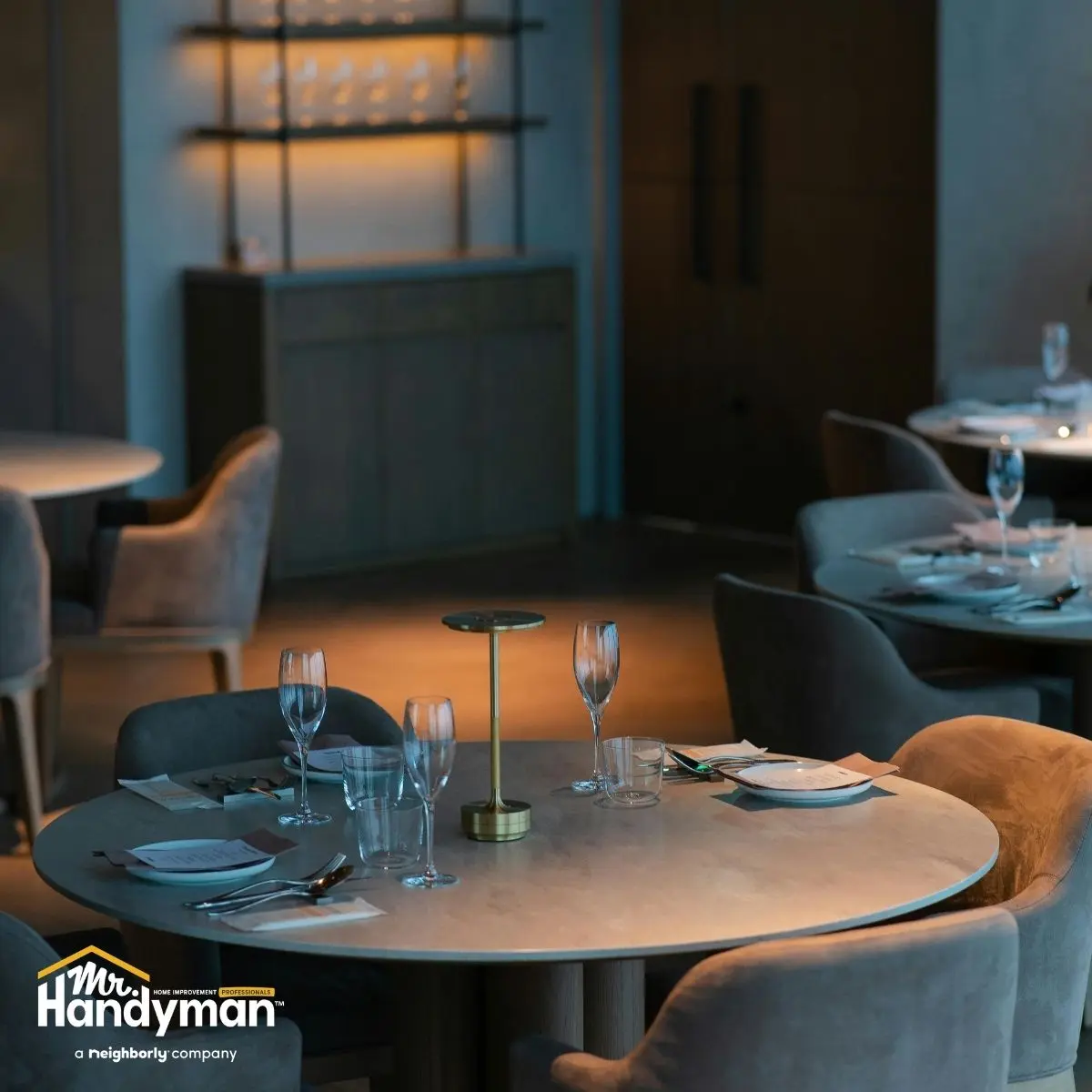
Lobbies and entry areas receive the most critical scrutiny because they set expectations for everything that follows. A dated, dimly lit lobby makes prospective tenants question whether management invests in the property. A bright, modern entry space suggests active ownership that maintains and improves assets. Lighting updates deliver dramatic transformation for reasonable investment and can often be completed quickly without major disruption.
Older commercial properties throughout Charleston and Summerville frequently contain original fluorescent lighting that produces harsh, unflattering illumination while consuming substantial energy. These fixtures cast unflattering light on people and spaces, create a dated institutional atmosphere, and contribute to utility costs month after month. LED retrofit conversions replace outdated fluorescent tubes with efficient LED technology that improves light quality while reducing energy consumption by 50 to 70 percent. The conversion typically pays for itself within two to three years through reduced electricity costs, then continues saving money indefinitely while providing better illumination.
Accent lighting transforms lobbies from merely functional to genuinely welcoming. Adding modern pendant fixtures over reception areas, installing wall sconces that highlight architectural features, or incorporating cove lighting that creates ambient glow makes spaces feel designed and intentional rather than generic. These relatively modest additions change how people experience entry areas, creating memorable positive impressions that differentiate properties from competitors offering similar square footage at comparable rates.
Natural light maximization improves lobby appearance and reduces daytime lighting costs. Cleaning windows thoroughly removes accumulated film that blocks natural light. Replacing heavy window treatments with lighter alternatives allows more daylight penetration. For properties with minimal natural light, daylight-temperature LED bulbs create the psychological benefits of natural light even in interior spaces, making lobbies feel more open and pleasant than warm-temperature lighting that can make windowless areas feel closed and oppressive.
Refreshing Flooring in High-Traffic Common Areas
Flooring takes constant abuse in commercial common areas and shows wear more visibly than almost any other element. Carpet traffic patterns, tile grout discoloration, scratched vinyl, and worn finishes on hard surfaces all communicate that the property isn't being actively maintained. Spring flooring refresh addresses these issues before they become severe enough to require complete replacement rather than restoration.
Commercial carpet in hallways and common areas develops traffic patterns that become increasingly visible as carpet pile compresses in high-use areas while remaining fuller in zones that receive less foot traffic. Professional deep cleaning can often revive carpet appearance significantly, removing embedded soil that makes traffic patterns visible and restoring more uniform appearance. For carpet that's beyond cleaning but not yet requiring replacement, strategically placed runners in the highest-traffic zones extend carpet life while improving appearance in the areas that matter most for first impressions.
Hard surface flooring—tile, luxury vinyl, or polished concrete—requires different maintenance approaches but equally shows neglect when not properly cared for. Grout lines in tile floors accumulate dirt and discoloration that regular mopping doesn't address. Spring deep cleaning with professional grout cleaning equipment restores original color and makes the entire floor appear refreshed. Sealing cleaned grout protects against future staining and makes routine maintenance more effective. For vinyl flooring that's become dull or damaged in high-traffic areas, professional stripping and rewaxing or refinishing restores protective layers and improves appearance dramatically for a fraction of replacement cost.
Transitions between different flooring types create both functional and safety concerns when they deteriorate. Worn threshold strips, lifted carpet edges, or gaps between different floor surfaces present tripping hazards and look unprofessional. Spring inspection and replacement of damaged transition pieces prevents injuries and improves overall finish quality throughout common spaces.
Painting Walls and Refreshing Interior Surfaces
Paint transforms spaces more dramatically per dollar invested than almost any other improvement. Walls in commercial common areas accumulate scuffs, marks, and general grime from years of cart traffic, furniture being moved, and thousands of people brushing against surfaces daily. Fresh paint doesn't just improve appearance—it signals active property management and creates a backdrop that makes everything else in the space look better.
Color selection matters more than many property managers realize. Institutional beige or builder-grade off-white might seem safe and neutral, but these colors often make spaces feel generic and dated. Contemporary commercial properties use more sophisticated color palettes that create visual interest while remaining professional. Accent walls in lobbies, coordinated two-tone approaches in hallways, or even just updated neutrals that reflect current design trends make spaces feel current rather than stuck in whatever decade they were last painted.
Preparation determines paint durability and appearance more than the paint itself. Walls in commercial common areas need thorough cleaning before painting to ensure proper adhesion. Holes, dents, and damaged areas require proper patching and sanding rather than just painting over problems. For high-traffic areas, installing corner guards and chair rails before painting protects fresh finishes from the inevitable bumps and scrapes that occur in active commercial environments. These protective elements cost minimally during initial installation but prevent the constant touch-up painting that becomes necessary without them.
Ceiling refresh often gets overlooked but dramatically affects overall space appearance. Water-stained ceiling tiles, dingy paint on drywall ceilings, or visibly dirty acoustic tiles make entire spaces look neglected regardless of floor and wall conditions. Spring ceiling updates—replacing stained tiles, painting drywall ceilings, or cleaning acoustic surfaces—complete the transformation and ensure the entire vertical envelope looks fresh and well-maintained.
Upgrading Restroom Fixtures and Finishes
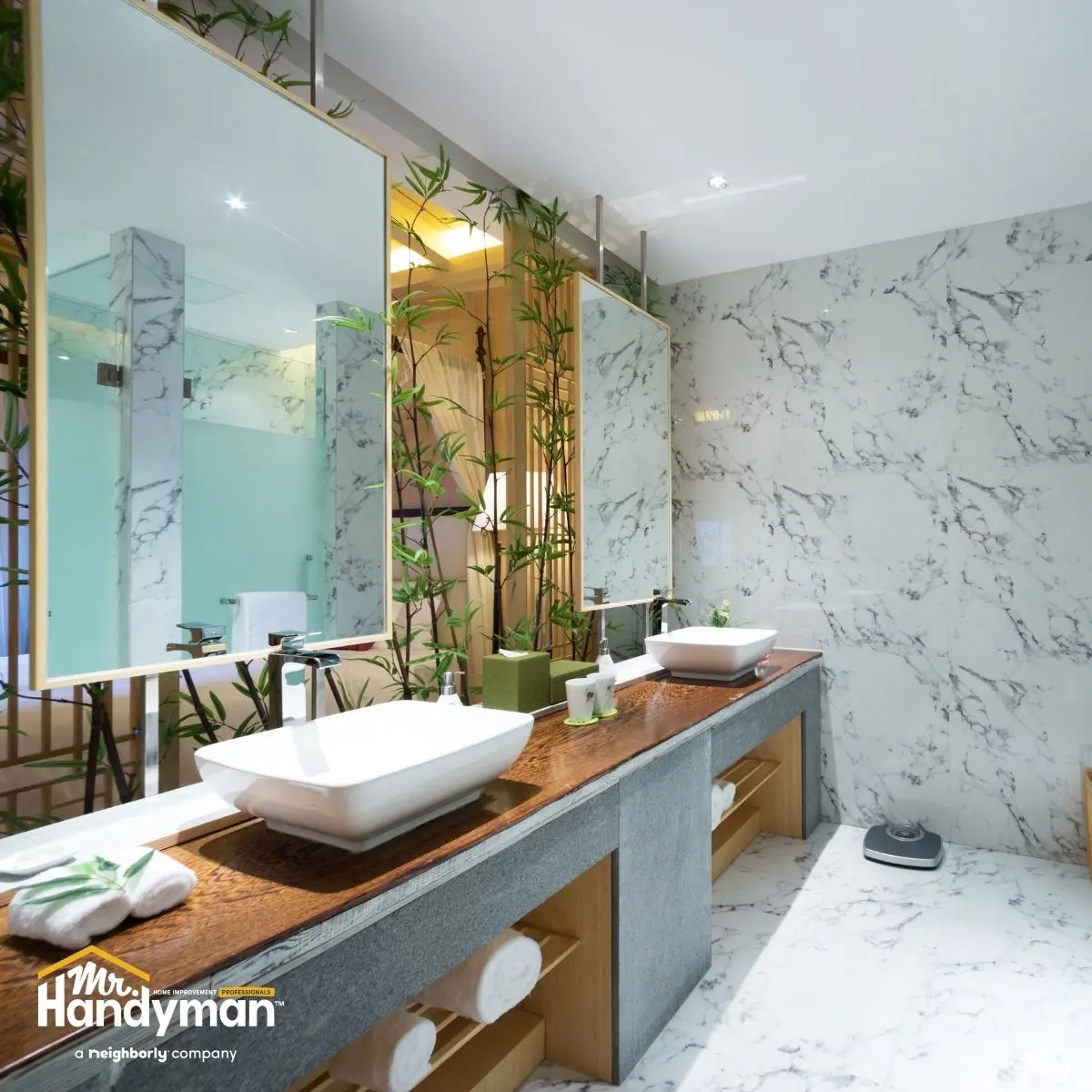
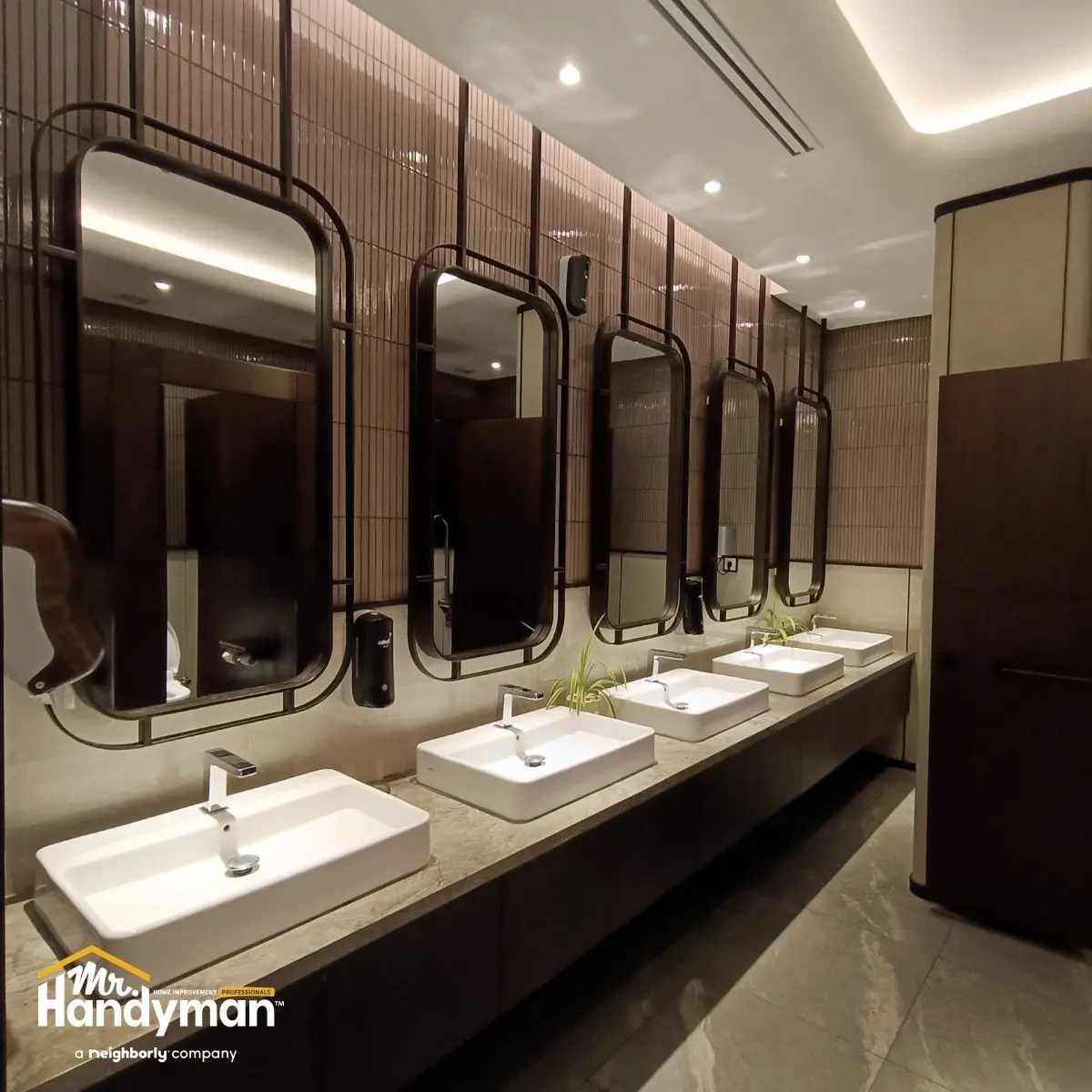
Commercial restrooms receive intense scrutiny because they directly affect occupant and visitor comfort. Dated fixtures, worn finishes, inadequate lighting, or cleanliness concerns in restrooms create lasting negative impressions that affect how people perceive the entire property. Spring restroom updates position properties competitively and address one of the most commonly cited concerns in tenant satisfaction surveys.
Fixture replacement delivers immediate modernization. Toilets and urinals from the 1990s or earlier consume far more water than current high-efficiency models while often providing inferior flushing performance. Upgrading to modern fixtures reduces water consumption substantially—saving thousands of dollars annually in properties where ownership pays utilities—while improving reliability and user experience. Contemporary fixtures also communicate that the property receives ongoing investment rather than operating with original equipment from whenever construction occurred.
Upgrading Restroom Fixtures and Finishes (continued)
Faucets and soap dispensers contribute significantly to restroom impression and functionality. Touchless fixtures eliminate the germ transmission concerns that tenants and visitors notice, particularly in healthcare, food service, or other hygiene-conscious environments. Modern touchless faucets and soap dispensers aren't luxury items anymore—they're expected features that communicate the property meets contemporary standards. Spring installation ensures these improvements are in place before summer when building showing activity peaks and first impressions determine leasing success.
Lighting in restrooms affects both functionality and perception of cleanliness. Dim, flickering fluorescent fixtures make even clean restrooms appear dingy and uninviting. LED upgrades provide brighter, more consistent illumination that makes spaces feel cleaner while reducing energy costs. Mirror lighting deserves particular attention because inadequate light in these areas frustrates users and suggests the property doesn't prioritize details that matter to occupant experience.
Restroom finishes—walls, floors, stall partitions, and countertops—show wear from constant cleaning, moisture exposure, and heavy use. Replacing damaged or outdated elements transforms the space without requiring complete renovation. New stall partitions eliminate rust, dents, and worn hardware. Fresh paint on walls covers accumulated scuffs and stains. Updated countertops around sinks replace worn laminate or tile that communicates decades of deferred updates.
Enhancing Break Rooms and Shared Amenity Spaces
Break rooms and common amenity areas affect tenant satisfaction and retention more than their modest square footage suggests. These spaces provide the daily experience that shapes how tenants feel about the property—pleasant, functional break rooms contribute to workplace satisfaction, while outdated, poorly maintained spaces reinforce that tenants are simply occupying a building rather than partnering with professional property management.
Kitchen appliances in shared break rooms receive hard use and show age quickly. Refrigerators that are 15 years old consume far more energy than modern Energy Star models while often performing poorly with inconsistent temperatures that lead to spoiled food and tenant complaints. Microwaves with worn interiors, non-functioning turntables, or damaged doors look unprofessional and work unreliably. Spring appliance replacement provides tenants with reliable, efficient equipment while reducing energy costs and maintenance calls about malfunctioning units.
Countertop and cabinet condition affects both functionality and appearance. Laminate countertops that are scratched, stained, or delaminating at edges make break rooms feel neglected. Cabinet doors with broken hinges, missing handles, or damaged finishes communicate lack of attention to detail. Spring updates—new laminate or solid surface countertops, cabinet refacing or painting, and updated hardware—transform these spaces for moderate investment that delivers daily tenant satisfaction improvements.
Seating areas in break rooms need attention to both furniture condition and arrangement. Worn chairs with stains or damaged upholstery should be replaced rather than asking professionals to use deteriorated furniture. Tables with damaged surfaces, wobbly legs, or outdated styles detract from the space. Spring furniture refresh ensures break rooms provide inviting spaces where tenants actually want to spend time rather than depressing areas people tolerate only because they have no alternative.
Vending areas and coffee stations require thoughtful organization and regular maintenance. Providing high-quality coffee service positions properties as tenant-focused while creating daily touchpoints that affect satisfaction. Organized vending areas with adequate space, good lighting, and clean surroundings encourage use and generate revenue for vending operators who may upgrade equipment or provide better product selection in well-maintained locations.
Improving Exterior Common Areas and First Impressions
Exterior common areas form the absolute first impression, often before prospective tenants or clients even enter the building. Parking lots, walkways, landscaping, and building exteriors communicate property management priorities instantly. Spring exterior refresh ensures these critical first-impression areas position properties competitively.
Parking lot maintenance affects both appearance and functionality. Faded striping creates confusion about parking boundaries and makes lots look neglected. Potholes and cracked pavement damage vehicles and expose properties to liability claims. Spring parking lot refresh—crack sealing, pothole repair, and fresh striping—protects the asphalt investment while ensuring the parking experience meets tenant expectations. For lots with severe deterioration, sealcoating provides a fresh black appearance while protecting the underlying pavement from water infiltration and UV damage.
Building entry areas require special attention because every person entering passes through these zones multiple times daily. Clean sidewalks, functional lighting, well-maintained doors, and attractive landscaping immediately adjacent to entries create positive impressions. Pressure washing removes accumulated dirt and mildew from concrete walkways. Replacing worn door mats, cleaning entrance glass thoroughly, and ensuring lighting fixtures are clean and fully functional demonstrates attention to detail that tenants notice.
Signage throughout properties—building addresses, directional signs, suite numbers, and parking designations—often receives minimal attention until problems become severe. Faded, damaged, or missing signage frustrates visitors trying to navigate properties and suggests deferred maintenance extends to everything. Spring signage assessment and updates ensure clear wayfinding while contributing to overall professional appearance.
Outdoor furniture and amenity areas in properties with courtyards, patios, or designated outdoor spaces need spring preparation. Furniture that's been exposed to winter weather requires cleaning, inspection for damage, and replacement of worn pieces. Outdoor tables, chairs, and shade structures should be clean, functional, and inviting when warm weather makes these spaces usable.
Creating Maintenance Schedules That Preserve Improvements
Spring refresh projects deliver immediate improvement, but maintaining those results requires ongoing attention. Establishing regular maintenance schedules prevents the gradual decline that occurs when refreshed spaces receive no further care until they're again visibly deteriorated.
Cleaning protocols for refreshed spaces should be documented and enforced. Newly painted walls need regular spot cleaning rather than waiting until accumulated marks require repainting. Fresh carpet requires immediate attention to spills and regular professional cleaning on a set schedule. Updated restrooms need daily cleaning protocols that maintain the improved conditions. Creating specific maintenance instructions for each refreshed area ensures improvements last and cleaning staff understand what's expected.
Inspection schedules identify developing issues before they become visible problems. Monthly walk-throughs of common areas with attention to high-traffic zones allow early intervention when scuffs appear on walls, wear patterns begin in carpet, or minor damage occurs to fixtures. Addressing these issues immediately with touch-up paint, spot repairs, or component replacement prevents deterioration from becoming extensive enough to require repeating entire refresh projects.
Tenant communication about maintaining common areas encourages cooperation in preserving improvements. When tenants understand that investments have been made in their environment, many respond by being more careful with common spaces. Simple signage asking tenants to report maintenance issues, respect common area cleanliness, and follow building policies reduces damage and helps preserve refresh investments.
Frequently Asked Questions
How much should property owners budget for common area refresh projects?
Basic refresh including paint, flooring deep cleaning, and minor updates typically costs $5 to $15 per square foot of common area. More extensive updates with new flooring, significant lighting upgrades, or complete restroom renovations can reach $25 to $50 per square foot. Phasing projects across multiple budget cycles makes comprehensive improvements achievable.
Can common area improvements be completed while buildings remain occupied?
Most refresh projects can happen in occupied buildings with proper planning. Scheduling work during off-hours for high-traffic areas, completing projects in phases, and communicating timelines to tenants minimizes disruption. Some work like lobby renovations may require temporary entry modifications but rarely requires building closure.
Do common area improvements justify rent increases?
Significant common area improvements contribute to overall property value and tenant experience that can support modest rent adjustments at renewal. However, improvements should be positioned as enhancing value rather than directly justifying increases. Properties with updated common areas compete more effectively and maintain higher occupancy, which ultimately justifies premium positioning.
What improvements deliver the best return on investment?
Lighting upgrades deliver immediate impact with reasonable cost and ongoing energy savings. Fresh paint transforms spaces affordably. Restroom updates significantly affect tenant satisfaction. Flooring refresh in high-visibility areas like lobbies creates strong first impressions. Prioritize improvements that affect first impressions and daily tenant experience.
How often should commercial common areas be refreshed?
High-traffic areas typically need attention every 3 to 5 years. Paint touch-up may be needed annually with full repainting every 5 to 7 years. Flooring replacement varies by type—carpet often needs replacement every 7 to 10 years while hard surfaces last longer with proper maintenance. Lighting and fixture updates depend on technology changes and wear.
Spring common area refresh positions Charleston and Summerville commercial properties competitively while protecting owner investments and maintaining tenant satisfaction. Strategic improvements create environments where businesses want to be rather than spaces they merely tolerate.
Mr. Handyman of Charleston and Summerville provides comprehensive common area improvement services for commercial properties throughout the Lowcountry. Our experienced team handles everything from painting and flooring to lighting upgrades and fixture replacement, working efficiently to minimize tenant disruption while delivering quality results. We understand the importance of first impressions and help property managers maintain the professional environments that attract and retain quality tenants. Call or visit https://www.mrhandyman.com/charleston-summerville/ to discuss your common area refresh needs and develop a plan that enhances your property's competitive position.
