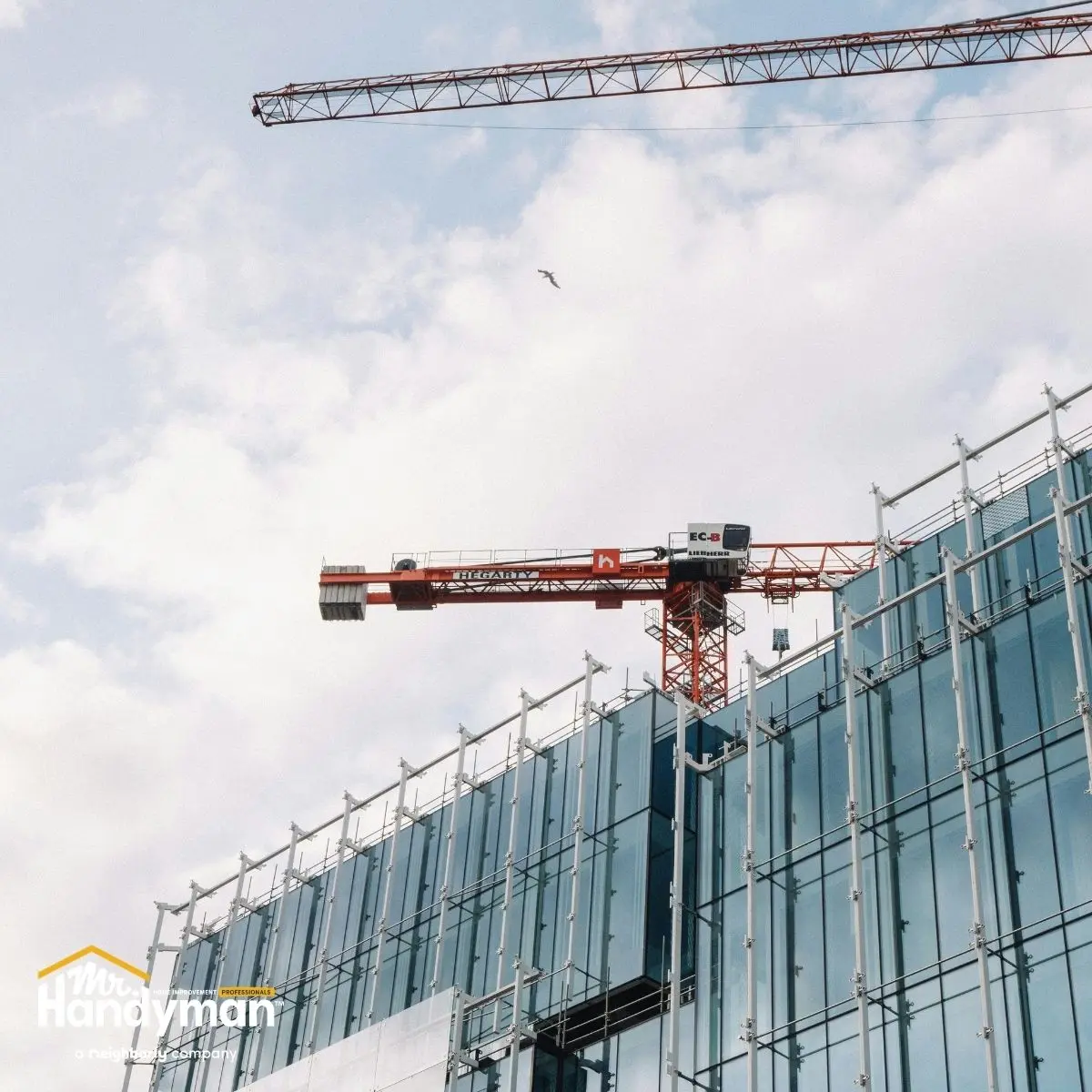
For business owners in Charleston and Summerville, the arrival of busy season isn't just a revenue opportunity — it's a deadline. The months leading up to peak customer activity are the window for addressing the deferred maintenance, weathered surfaces, and accumulated wear that accumulated through the slower period. Once foot traffic increases and operations run at full capacity, there is neither the time nor the bandwidth to pull back and address exterior conditions that should have been handled before the season began.
The exterior of a commercial property communicates something to every customer, client, or tenant who approaches it. That communication happens before anyone walks through the door, before a word is exchanged, and before any product or service is evaluated. A building exterior in poor condition — peeling paint, damaged signage, cracked walkways, deteriorating entry features — creates an impression of neglect that follows a visitor into the interior and colors every subsequent interaction. Conversely, a well-maintained exterior signals that the business operates with care and attention to detail, which is exactly the message most businesses want to send at the start of their most important season.
In the Lowcountry, the stakes around exterior maintenance are amplified by the regional climate. The combination of intense UV exposure, high humidity, frequent heavy rainfall, and the salt air that affects coastal areas creates conditions that accelerate deterioration on virtually every exterior surface. A building that looked acceptable at the end of last busy season may have accumulated a full season's worth of weathering that now needs to be addressed. Understanding which repairs deliver the most impact, and which conditions are creating risks beyond appearance, allows business owners to prioritize effectively before the season begins.
What the Lowcountry Climate Does to Commercial Exteriors Between Seasons
The off-season in Charleston and Summerville is not a benign period for commercial building exteriors. The fall and winter months bring their own set of weather stresses — the remnants of tropical systems, sustained rainfall events, temperature cycling that causes expansion and contraction in building materials, and the biological growth that the region's mild winters allow to continue rather than killing back as colder climates would.
Paint is the most visible victim of this seasonal weathering. Exterior paint on commercial buildings in the Lowcountry faces UV intensity that causes fading and chalking faster than manufacturers' estimates suggest, because those estimates are based on average conditions rather than the specific combination of coastal UV and humidity that characterizes this region. A paint finish that looked fresh two years ago may now show chalking — the powdery surface degradation that indicates the paint's protective binders have broken down. At that stage, the paint is no longer providing the moisture protection it was applied to deliver, even if it still has some visual presence.
Caulking and sealants at building joints, window perimeters, door frames, and penetrations degrade similarly. The thermal cycling that a commercial building's exterior envelope experiences — expanding in the heat of a Lowcountry summer afternoon and contracting on a cool winter morning — works caulk joints constantly. Over time, caulk that was properly applied loses its elasticity, develops cracks, and eventually separates from one or both of the surfaces it was bridging. Those separations become water entry points that drive moisture into wall assemblies, around window frames, and into the building envelope during the heavy rain events that the region experiences regularly.
Walkways, parking areas, and hardscape surfaces face different but equally consistent weathering. Concrete that has developed cracks allows water infiltration that expands those cracks through the freeze-thaw cycling that the Lowcountry does experience in winter, though less severely than northern climates. More relevant locally is the biological growth — algae, moss, and mildew — that the humid climate promotes on horizontal surfaces. A walkway that is green-tinted or visibly slick from biological growth is both a liability and an appearance concern that customers notice immediately.
Entry Points and First Impressions
The entry experience of a commercial property — the approach, the entry walkway, the door and its immediate surroundings — receives more scrutiny from customers than any other exterior feature because it's the area every visitor passes through at close range. Conditions that might be less noticeable from a distance become clearly visible during the approach and entry sequence, and the impressions formed in that sequence are among the most durable that a visit produces.
Entry doors and their hardware deserve close inspection before busy season. A commercial entry door that has paint peeling at its base — a common condition in the Lowcountry where the bottom of exterior doors is exposed to rain splash and moisture wicking from thresholds — communicates poor maintenance more clearly than almost any other single detail. Door hardware that is tarnished, corroded, or functioning poorly reinforces that impression. Addressing door paint, hardware, and threshold conditions before the season begins is a relatively modest investment that has an outsized effect on the entry experience.
Door frames and the caulking around them are equally important from a moisture management standpoint. A commercial door frame with failed caulking at its perimeter is allowing water infiltration every time rain contacts that surface. Over time, that infiltration damages the wall assembly around the frame, affects door operation as framing members absorb moisture and swell, and can produce interior water damage that appears seemingly unrelated to its exterior source. Recaulking door and window perimeters in the spring is a low-cost maintenance step with direct protective value.
Signage condition reflects directly on brand perception in ways that business owners sometimes normalize over time. A sign that has been in place for years develops weathering that happens gradually enough that it becomes part of the background — the owner stops seeing it the way a new customer does. Faded lettering, cracked panel surfaces, and lighting components that have failed all communicate a version of the business that doesn't match what's happening inside. Pre-season signage assessment and repair brings the exterior brand presentation back into alignment with the business's actual quality and current positioning.
Structural and Safety Concerns That Can't Wait
Beyond appearance, certain exterior conditions on commercial properties create safety and liability exposure that makes them genuinely urgent rather than simply important. Business owners have a duty of care to customers, employees, and visitors, and exterior conditions that create fall hazards, structural risks, or unsafe access situations represent exposure that busy season foot traffic will test more severely than the quieter months that preceded it.
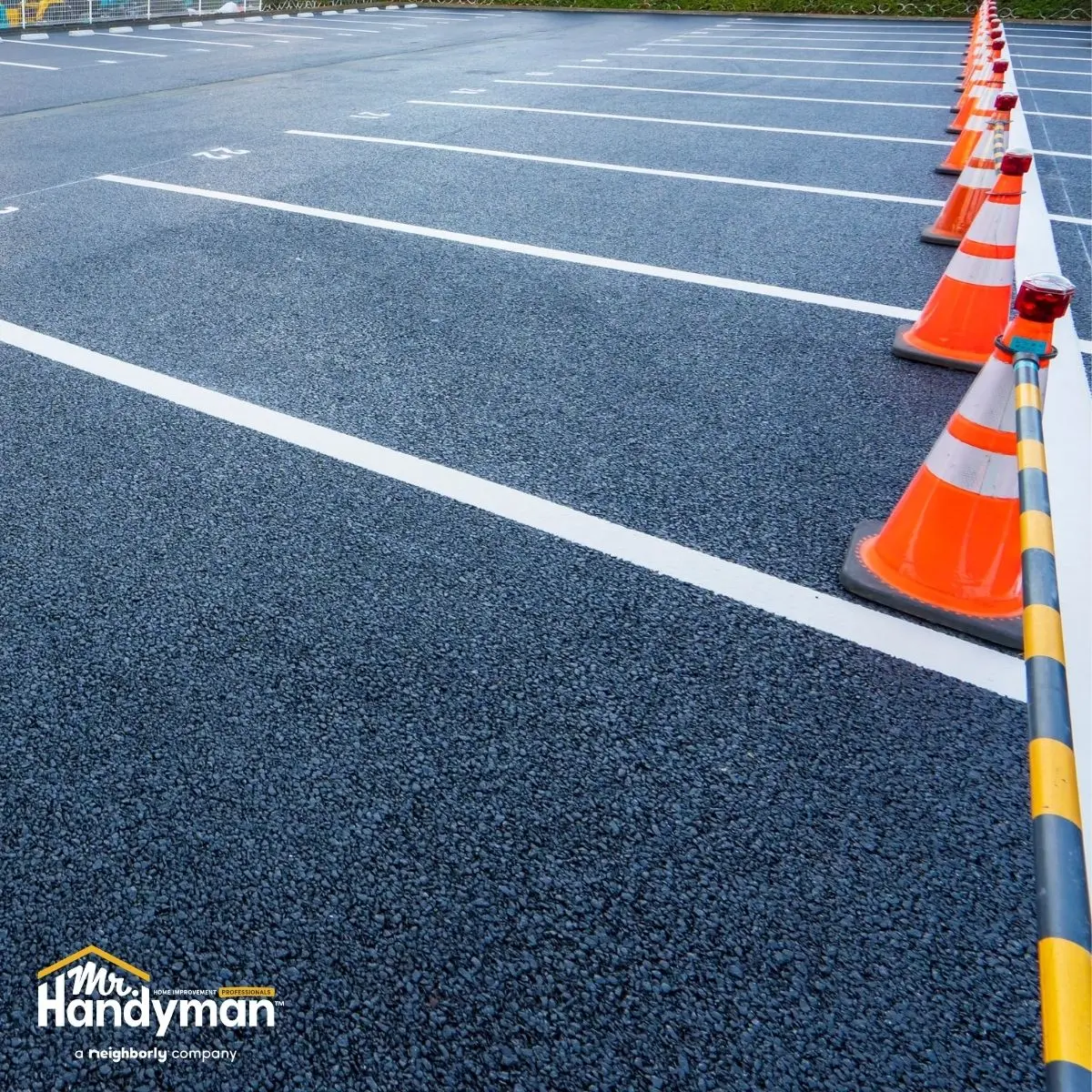
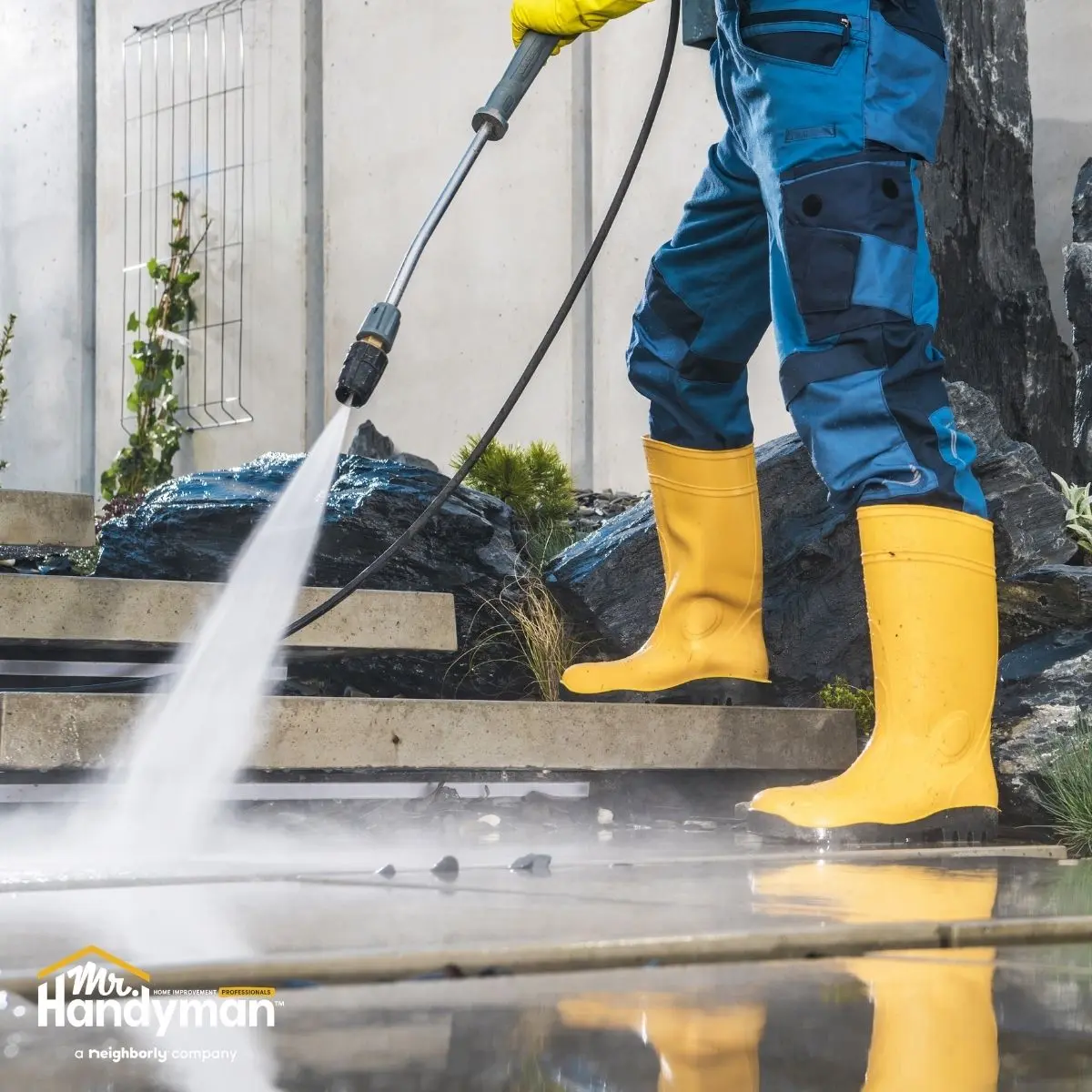
Walkway and parking area trip hazards are the most consistent safety concern on commercial exteriors. Concrete that has heaved at expansion joints, pavement that has developed potholes or significant cracking, and steps that have settled unevenly all create conditions where a customer moving quickly — as customers often do during busy periods — can fall. In the Lowcountry, the biological growth that develops on walkway surfaces adds a slip hazard dimension to surfaces that might otherwise be safe. Pressure washing walkways and parking areas before the season begins removes that growth, and addressing the underlying concrete or pavement conditions eliminates the trip hazard exposure that accumulates over time.
Stair railings and handrails on commercial properties deserve structural inspection, not just visual assessment. A railing that looks intact but has developed looseness at its mounting points, corrosion at fasteners, or deterioration at post bases presents a fall hazard that visual inspection alone won't reveal. In the coastal environment of Charleston and Summerville, metal railings face corrosion conditions that can affect structural connection points faster than the surface finish suggests. Testing railings for movement and inspecting mounting hardware before the season's increased foot traffic arrives identifies conditions that need reinforcement before they produce an incident.
Roof drainage and gutter condition directly affects what happens at ground level around a commercial building. Gutters that are partially blocked, have developed sags, or have separations at their joints direct water to locations the drainage system wasn't designed for — often against the building's foundation or over walkways where it creates slip and drainage problems. Pre-season gutter cleaning and inspection, followed by repairs to any sections that aren't performing as designed, protects both the building envelope and the customer experience around the building's perimeter.
Refreshing Landscaping and Exterior Appearance
Commercial landscaping serves functional and marketing purposes that residential landscaping doesn't. Curb appeal directly affects customer traffic, tenant satisfaction, and property values. Neglected landscaping communicates that management doesn't care about details, raising questions about how the property is maintained overall. Spring landscape refresh positions properties competitively before summer's high-activity season.
Dead plants, overgrown shrubs, and bare mulch beds create immediate negative impressions. Customers driving past competing businesses make snap judgments about which establishments appear well-maintained and professional. Replacing winter-damaged plants, trimming overgrown vegetation, and refreshing mulch transforms appearance dramatically for relatively modest investment. The return isn't just aesthetic—properties that appear well-maintained attract better tenants, command higher rents, and maintain stronger occupancy.
Irrigation systems that sat unused through winter often develop problems invisible until spring activation. Broken sprinkler heads, damaged lines from landscape maintenance equipment, and incorrectly programmed controllers waste water and create dead zones in landscaping. Spring system activation and inspection identifies these issues before extended dry periods stress plants or water waste drives up utility costs. Charleston and Summerville's summer water restrictions make efficient irrigation essential—systems must deliver water effectively during allowed windows without waste that draws citations.
Parking lot islands and entry plantings receive particularly harsh treatment from vehicle traffic, salt spray, and concentrated exhaust. These high-visibility areas demand special attention because they're what every customer and tenant sees. Spring replacement of struggling plants in these locations with hardy, appropriate species ensures they survive summer stress and maintain appearance through the high-activity season.
Checking Exterior Doors, Windows, and Weather Sealing
Commercial buildings lose conditioned air and money through gaps around doors, windows, and penetrations that seem minor individually but add up to significant energy waste. A restaurant or retail space with poorly sealed doors essentially air-conditions the parking lot during summer, driving up utility costs while making indoor comfort harder to maintain.
Entry doors see constant traffic that loosens hinges, damages weather stripping, and throws door closers out of adjustment. Doors that don't close completely or seal properly allow unconditioned air infiltration that HVAC systems must constantly overcome. Spring adjustment ensures doors close properly, seal tightly, and operate smoothly before summer cooling loads peak. Commercial door closers require periodic adjustment as springs weaken and hydraulic fluids change viscosity with temperature—settings that worked adequately in winter may not provide sufficient closing force in summer heat.
Weather stripping around doors and windows deteriorates from UV exposure, temperature cycling, and physical wear. Gaps as small as one-eighth inch around a commercial entry door allow substantial air exchange that wastes energy and makes maintaining comfortable indoor conditions difficult. Spring inspection and replacement of damaged weather stripping pays for itself in reduced energy costs within a single cooling season.
Window seals in commercial buildings degrade over time, particularly in older properties with original windows. Failed seals allow moisture between panes, creating fogging that looks unprofessional and reduces insulating value. These failures worsen progressively—a window that shows slight fogging in spring will be completely obscured by summer, affecting natural light and creating the appearance of neglect. Identifying and addressing failed seals during spring prevents both aesthetic and energy efficiency problems.
Maintaining Plumbing Systems and Restroom Facilities
Commercial plumbing failures create immediate operational problems. Restaurant restrooms that back up during service force health code violations and potential closure. Office building plumbing issues disrupt tenant operations and damage the spaces below failed fixtures. Retail store plumbing problems embarrass customers and drive them to competitors. Spring maintenance prevents these scenarios.
Water heaters in commercial settings work harder than residential units, operating continuously to meet demand from restaurant kitchens, restroom facilities, and janitorial services. Sediment accumulation accelerates in commercial applications because of constant use and higher water volumes. Spring flushing removes accumulated sediment before summer's peak demand stresses already-compromised systems. Commercial water heaters showing signs of age—rust stains, moisture around connections, unusual noises—should be replaced proactively during spring rather than waiting for summer failure that creates operational emergencies.
Toilet and urinal flush valves experience constant use in commercial settings, wearing internal components that eventually fail. Valves that run continuously waste thousands of gallons and create noise complaints. Weak flushes lead to clogs and customer dissatisfaction. Spring inspection and rebuild of commercial flush valves prevents failures during peak traffic periods when plumbing problems create maximum disruption and embarrassment.
Drainage systems in commercial kitchens accumulate grease despite best practices and grease trap maintenance. Spring professional drain cleaning prevents the backups that occur during busy service periods when drainage systems handle maximum loads. For restaurants and food service operations, drain maintenance isn't optional—it's insurance against the health code violations and operational disruptions that grease blockages create.
Outdoor faucets and irrigation connections need inspection before landscaping irrigation begins. Leaking connections waste water and create slip hazards near building entries or in parking areas. Frozen and burst pipes from unexpected winter cold may not reveal themselves until spring activation. Testing these systems in controlled conditions allows repairs before landscape contractors discover problems during the season's first irrigation activation.
Addressing Interior Maintenance and Safety Systems
Interior maintenance often gets deferred because problems aren't immediately visible to customers, but accumulated neglect eventually affects operations, tenant satisfaction, and property values. Spring provides the opportunity to address these issues systematically before summer's business activity makes interior work disruptive.
Ceiling tiles in commercial spaces show water stains from roof leaks, HVAC condensation, or plumbing issues that may have been repaired but left visible evidence. Stained tiles communicate poor maintenance and raise concerns about what other problems exist. Spring tile replacement creates clean, professional appearance before summer activity peaks. This is also the time to investigate what caused staining—a repaired roof leak might be truly fixed, or it might be temporarily patched and waiting to fail during summer's heavy rains.
Lighting affects both operational efficiency and customer perception. Burned-out bulbs, flickering fixtures, and dimmed areas create unprofessional appearance and potential safety concerns. Commercial LED retrofits reduce energy costs substantially—often paying for themselves in two to three years through lower electricity bills and eliminated bulb replacement labor. Spring lighting assessment and upgrades improve appearance while reducing operating costs before summer's longer operating hours increase energy consumption.
Fire suppression systems, emergency lighting, and exit signs require regular testing to maintain code compliance and ensure functionality during emergencies. Spring testing identifies failed emergency lights, exit signs with burned-out bulbs, and fire suppression systems with expired certifications. Addressing these issues proactively prevents code violations during routine inspections and ensures systems function if emergencies occur.
HVAC filters in commercial buildings require more frequent replacement than residential applications because of higher air circulation volumes and extended operating hours. Dirty filters reduce system efficiency, increase energy costs, and degrade indoor air quality. Establishing spring filter replacement as part of comprehensive HVAC maintenance ensures systems operate efficiently through summer's peak demand.
Frequently Asked Questions
How often should commercial HVAC systems be professionally serviced? Commercial systems require professional service twice annually—spring preparation before cooling season and fall preparation before heating season. High-use facilities like restaurants may benefit from quarterly service. Regular maintenance extends equipment life, improves efficiency, and prevents emergency failures during peak demand.
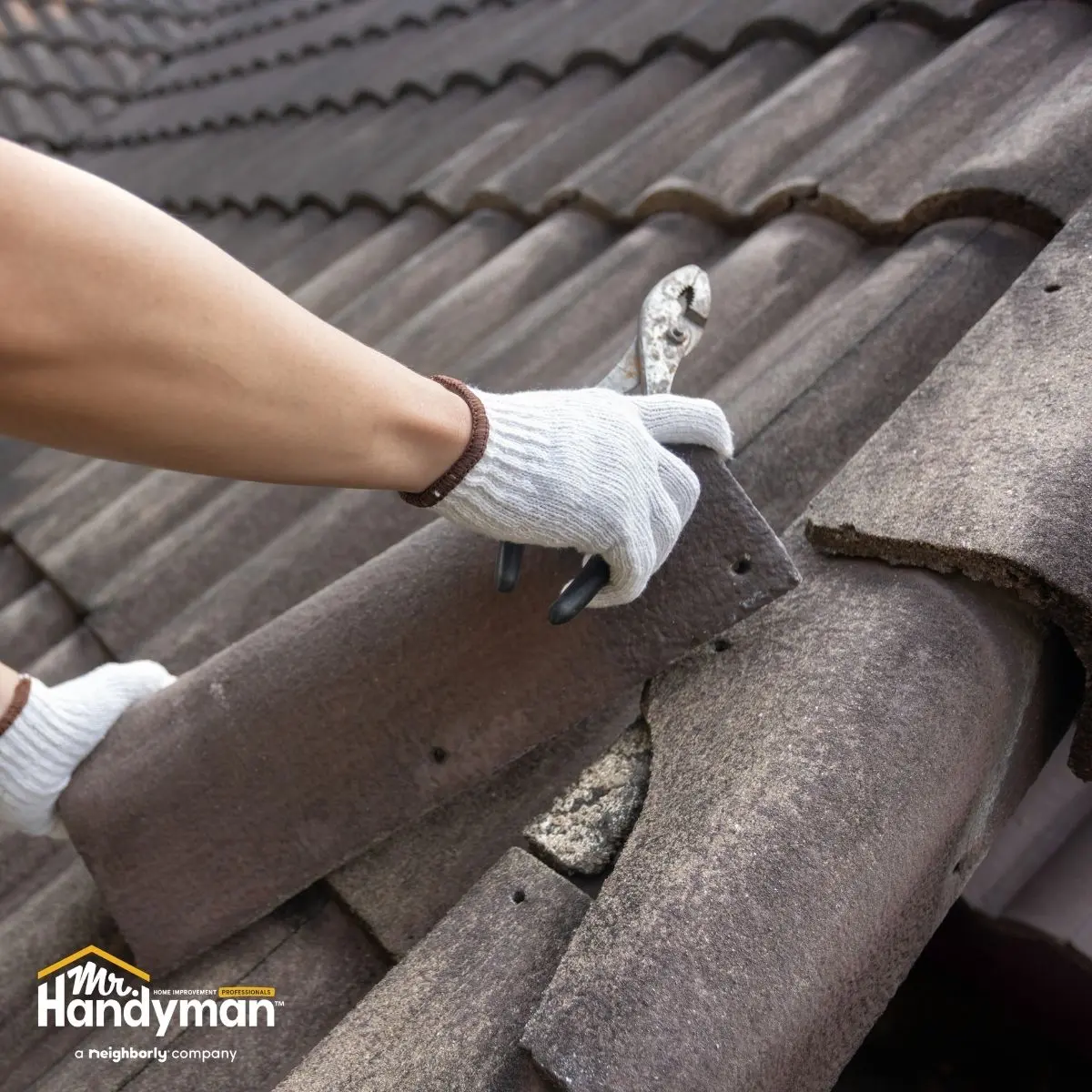
What's the typical lifespan of a commercial roof? Built-up roofs typically last 15 to 20 years. Single-ply membranes like TPO or EPDM last 20 to 30 years with proper maintenance. Metal roofs can last 40+ years. Regular inspection and maintenance significantly extend these lifespans by addressing minor issues before they become major failures.
Should parking lot maintenance happen in spring or fall? Spring is optimal for crack sealing and striping because asphalt sealcoating requires warm temperatures. Major resurfacing can happen in either season, but spring completion means fresh pavement endures only one summer before its first winter, while fall completion subjects new pavement to immediate freeze-thaw stress.
How can we reduce commercial water bills? Install low-flow fixtures in restrooms, repair leaks promptly, maintain irrigation systems to prevent waste, and consider waterless urinals in high-traffic facilities. A single running toilet can waste 200 gallons daily—identifying and fixing hidden leaks delivers immediate savings.
What spring maintenance prevents the most emergency repairs? HVAC system service prevents the majority of summer emergency calls. Roof inspections catch developing leaks before interior damage occurs. Plumbing system checks identify failing components before they create operational disruptions. These three areas deliver maximum return on preventive maintenance investment.
Spring commercial maintenance protects property values, prevents expensive emergency repairs, and ensures Charleston and Summerville businesses operate smoothly through summer's peak activity. Small investments in preventive maintenance deliver substantial returns through avoided downtime, reduced energy costs, and extended equipment life.
Mr. Handyman of Charleston and Summerville provides comprehensive commercial maintenance services for properties throughout the Lowcountry. Our experienced team handles everything from routine HVAC service and plumbing repairs to parking lot maintenance and building envelope improvements. We understand that commercial properties can't afford downtime and work efficiently to minimize disruption while delivering quality results. Call or visit https://www.mrhandyman.com/charleston-summerville/ to schedule your spring commercial maintenance assessment and protect your property investment.
