January is when many homeowners finally see the issues their homes have been quietly developing. After the holidays, routines return to normal, homes are fully occupied again, and deferred maintenance quickly becomes noticeable. Understanding Most Common January Repair Requests in Charleston and How to Avoid Them helps homeowners address problems early, reduce repair costs, and prevent small issues from becoming disruptive repairs later in the year.
In the Lowcountry, January repairs are rarely caused by extreme cold. Instead, they stem from increased indoor use, short periods of inactivity during the holidays, and seasonal changes in humidity and temperature. Homes that seemed fine in December often reveal weaknesses once daily life resumes. Homeowners who work with Mr. Handyman of Charleston and Summerville frequently schedule January service visits to address these common issues before they escalate.
January repair requests are predictable. They follow the same patterns year after year, which makes them easier to avoid with proactive home maintenance.
Why Repair Requests Spike in January
January creates the perfect conditions for problems to surface. Holiday downtime, followed by a return to full activity, exposes wear and tear that went unnoticed during busier months.
Several factors contribute to January repair requests:
- Homes sitting partially unused during the holidays
- Increased indoor foot traffic once routines resume
- Windows and doors staying closed for extended periods
- Seasonal humidity and temperature fluctuations
- Deferred maintenance at the end of the year
These conditions do not create problems on their own. They reveal existing ones.
Door and Hardware Repairs After the Holidays
Doors are among the most common January repair requests. Interior and exterior doors often shift slightly due to seasonal changes or reduced use during the holidays.
Common January door-related issues include:
- Doors that stick or rub against frames
- Loose hinges or handles
- Latches that fail to catch properly
- Misaligned strike plates
These issues disrupt daily routines and can cause additional damage if ignored. Simple adjustments and hardware repairs prevent long-term wear on doors and frames.
Plumbing Drips and Fixture Issues
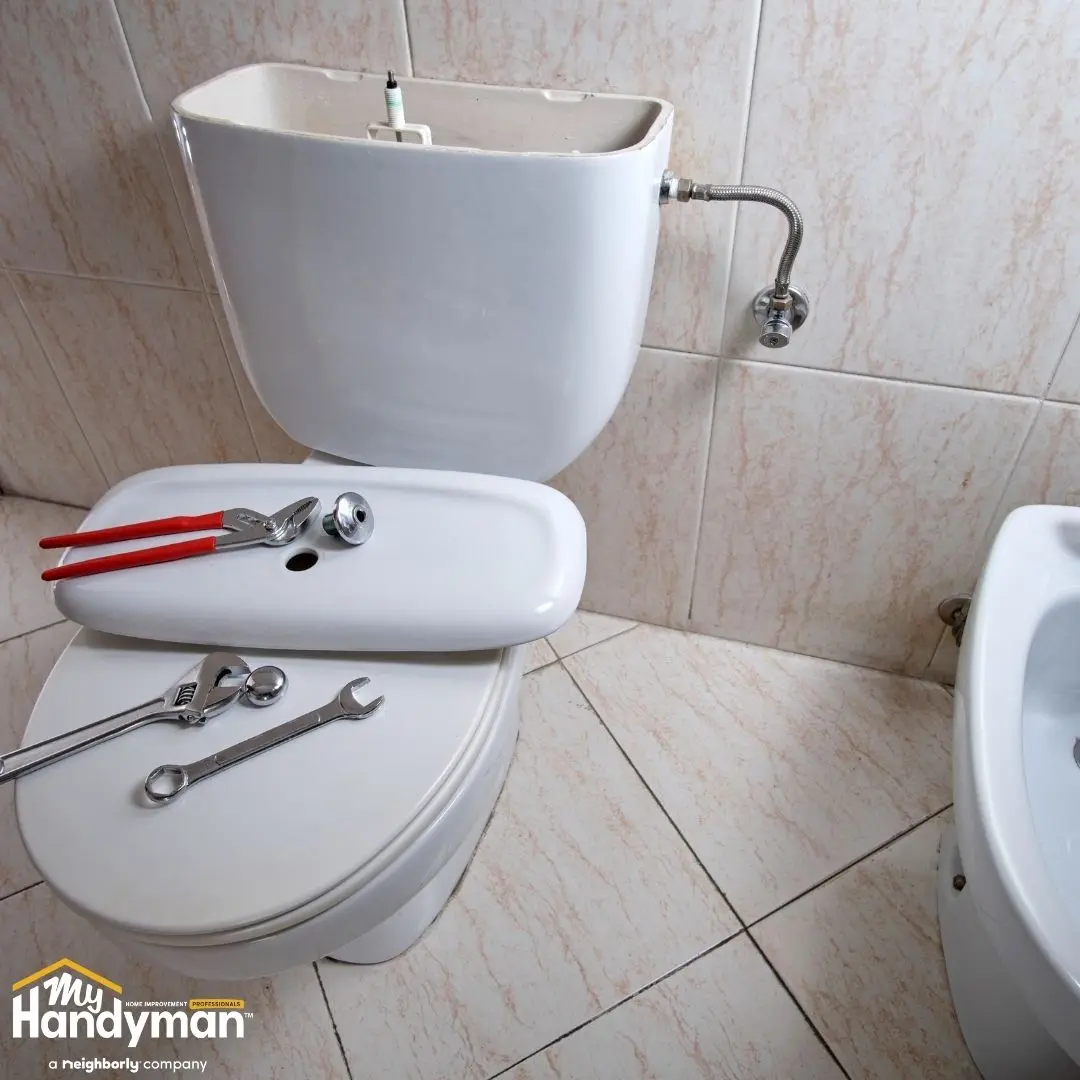
Plumbing issues frequently top the list of January repair requests. Dripping faucets, running toilets, and loose fixtures often become more noticeable once homes return to normal use.
Typical January plumbing repairs include:
- Fixing dripping faucets
- Repairing running or slow-filling toilets
- Tightening loose sink fixtures
- Addressing minor leaks under sinks
These issues may seem minor, but they waste water and can lead to moisture damage if left unaddressed.
Drywall Cracks and Nail Pops
Drywall repairs are another common January request. Changes in temperature and humidity, combined with indoor lighting differences, make imperfections more visible.
Homeowners often notice:
- Hairline cracks along seams
- Nail pops on walls and ceilings
- Damage around doors and windows
- Minor dents and surface wear
Repairing drywall issues early prevents moisture intrusion and keeps cosmetic damage from spreading.
Flooring Problems in High-Traffic Areas
Once families return to work and school, foot traffic increases quickly. Flooring issues that were easy to ignore during the holidays become daily annoyances.
Common January flooring repair requests include:
- Loose or squeaky boards
- Cracked or chipped tiles
- Lifted carpet edges
- Uneven flooring transitions
Addressing these problems improves safety and prevents further damage to flooring materials.
Lighting Issues Revealed by Shorter Days
January’s shorter daylight hours highlight lighting deficiencies throughout the home. Burned-out bulbs, flickering fixtures, and dim rooms become more obvious.
Lighting-related January repairs often involve:
- Replacing faulty fixtures
- Repairing switches that no longer work properly
- Improving lighting in hallways and staircases
- Securing loose light mounts
Better lighting supports both safety and comfort during winter.
Bathroom Repairs and Moisture Concerns
Bathrooms see heavy use during winter, and January is often when moisture-related issues surface. Condensation, worn caulk, and fixture problems are common.
Typical January bathroom repairs include:
- Replacing failing caulk and grout
- Fixing leaking faucets or toilets
- Repairing damaged vanities
- Improving ventilation performance
These repairs protect surrounding materials and reduce the risk of mold and water damage.
Cabinet and Storage Repairs After Holiday Use
Holiday cooking, gatherings, and storage changes put added strain on cabinets and storage areas. January is when homeowners notice damage.
Common January cabinet and storage repairs include:
- Loose cabinet doors or drawers
- Broken shelving supports
- Misaligned closet doors
- Damaged hardware
Addressing these issues restores functionality and prevents further wear.
Why January Repairs Are Easier to Prevent Than Fix
Most January repair requests are not emergencies. They are the result of small issues that were already developing. The good news is that they are often easy to avoid with basic home maintenance.
Preventative steps include:
- Inspecting doors and hardware before problems worsen
- Addressing small plumbing drips promptly
- Repairing minor drywall damage early
- Maintaining flooring and lighting regularly
Homeowners in Charleston and Summerville who take a proactive approach often experience fewer repair surprises in January.
Using January as a Home Maintenance Reset
January is not just a time for repairs. It is an opportunity to reset home maintenance priorities for the year ahead. By addressing common repair requests now, homeowners reduce the likelihood of larger problems later.
Understanding Most Common January Repair Requests in Charleston and How to Avoid Them allows homeowners to take control of their maintenance schedule. Small fixes completed early protect comfort, safety, and long-term home value.
How to Avoid the Most Common January Repairs With Proactive Maintenance
Knowing which repair requests spike in January is only half the equation. The real value comes from understanding how to prevent those issues before they disrupt daily life. Homeowners who focus on preventative care during late fall and early winter often avoid the frustration and cost that come with many January service calls. Understanding Most Common January Repair Requests in Charleston and How to Avoid Them means shifting from reactive fixes to smarter home maintenance habits.
January problems are rarely sudden. In most cases, they are the result of small issues that were already present and became more noticeable once routines resumed and homes were fully occupied again.
Preventing Door and Hardware Issues Before They Worsen
Door-related repairs are one of the easiest January issues to avoid. Seasonal movement and everyday wear usually give warning signs long before doors begin sticking or failing to latch.
Preventative steps that help avoid January door repairs include:
- Tightening loose hinges as soon as movement is noticed
- Addressing doors that rub slightly before damage spreads
- Replacing worn hardware early
- Ensuring strike plates align properly
These small adjustments reduce stress on door frames and prevent the need for more involved repairs later.
Stopping Minor Plumbing Problems Early
Most January plumbing repair requests start as minor annoyances. A drip that is easy to ignore in December becomes impossible to overlook once daily routines return.
To avoid common January plumbing issues:
- Fix dripping faucets promptly
- Address running toilets as soon as they appear
- Periodically check under sinks for moisture
- Secure loose fixtures before connections weaken
These simple home maintenance steps help prevent water damage and higher repair costs.
Managing Drywall Issues Before They Multiply
Drywall cracks and nail pops rarely appear overnight. They usually develop gradually as materials respond to seasonal changes.
Homeowners can reduce January drywall repairs by:
- Sealing small cracks when they first appear
- Addressing nail pops before they widen
- Repairing minor damage around doors and windows
- Touching up exposed areas to protect surfaces
Early attention prevents moisture intrusion and keeps cosmetic issues from spreading.
Avoiding Flooring Repairs With Routine Checks
Flooring problems are among the most disruptive January repair requests because they affect daily movement and safety. Fortunately, many flooring issues give clear warning signs.
Preventative flooring maintenance includes:
- Securing loose boards or tiles promptly
- Addressing squeaks before fasteners loosen further
- Repairing carpet edges and transitions early
- Monitoring high-traffic areas for wear
These steps reduce the risk of trip hazards and extend the life of existing flooring.
Reducing Lighting-Related January Repairs
Lighting issues often become urgent in January due to shorter days and increased indoor activity. Burned-out bulbs and failing fixtures are common, but avoidable.
To prevent January lighting repairs:
- Replace flickering bulbs immediately
- Address faulty switches before they fail completely
- Periodically check fixtures for loose connections
- Improve lighting in hallways and staircases proactively
Well-maintained lighting improves safety and reduces last-minute repair needs.
Protecting Bathrooms From Moisture Damage
Bathrooms are a frequent source of January repair requests because moisture-related issues worsen when homes are closed up and used heavily.
Preventative bathroom maintenance includes:
- Replacing deteriorated caulk and grout before it fails
- Fixing small leaks promptly
- Ensuring ventilation fans function properly
- Addressing loose fixtures that allow water intrusion
These steps help prevent mold, damaged surfaces, and larger home repair projects later.
Preventing Cabinet and Storage Damage
Cabinet and storage repairs often spike in January after increased holiday use. Doors, drawers, and shelving are under more stress than usual.
Homeowners can reduce these repair requests by:
- Tightening cabinet hinges and drawer slides
- Avoiding overloading shelves
- Repairing loose hardware early
- Adjusting misaligned doors before damage worsens
Routine attention keeps storage areas functional and reduces wear.
Why Deferred Maintenance Leads to January Repairs
Many homeowners delay small repairs during the busy end of the year. Unfortunately, deferred maintenance rarely stays small.
Common consequences of postponing repairs include:
- Minor issues becoming daily disruptions
- Increased damage to surrounding materials
- Higher repair costs
- Reduced comfort and safety
January simply reveals what has been building for months.
Using Late Fall and Early Winter as a Preventative Window
The best way to avoid January repair requests is to act before they peak. Late fall and early winter provide an ideal window for inspections and small fixes.
A preventative checklist might include:
- Inspecting doors, windows, and hardware
- Checking plumbing fixtures for leaks
- Reviewing flooring and stairs for safety
- Testing lighting throughout the home
- Inspecting bathrooms for moisture issues
Completing these steps reduces the likelihood of unexpected January repairs.
Why Professional Help Simplifies Prevention
Many homeowners notice issues but underestimate how quickly they can escalate. Professional handyman services help identify and resolve problems efficiently.
Homeowners who work with Mr. Handyman of Charleston and Summerville often prevent repeat repair requests by addressing multiple small issues in one visit. This approach supports consistent home maintenance and reduces long-term costs.
Avoiding Repair Surprises at the Start of the Year
Understanding Most Common January Repair Requests in Charleston and How to Avoid Them allows homeowners to start the year with fewer disruptions. Preventative care is not about perfection. It is about attention and timing.
By addressing small issues early, maintaining high-use areas, and staying ahead of seasonal changes, homeowners protect comfort, safety, and home value. January does not have to be the month of repair surprises. With proactive maintenance, it can be the month everything runs as it should
Turning January Repairs Into a Smarter Home Maintenance Strategy
January repair requests are not just inconveniences. They are signals. They show homeowners where attention has been lacking and where small issues are beginning to demand bigger solutions. Understanding Most Common January Repair Requests in Charleston and How to Avoid Them is ultimately about using this insight to create a more reliable, lower-stress approach to home care for the rest of the year.
When January repairs are handled thoughtfully, they become the foundation for stronger home maintenance rather than a cycle that repeats every winter.
Why January Is a Natural Maintenance Checkpoint
The start of a new year naturally brings reassessment. Homes, like budgets and schedules, benefit from that same reset. January reveals how well a home handled the previous year’s use and where vulnerabilities exist.
January works as a checkpoint because:
- Homes return to full daily use
- Deferred issues become obvious
- Indoor living highlights comfort and safety problems
- Seasonal changes expose weak points
Instead of viewing January repairs as setbacks, homeowners can treat them as guidance for smarter planning.
Using January Repairs to Prevent Repeat Issues

Many January repair requests recur year after year because the underlying causes are never fully addressed. Fixing the symptom without adjusting maintenance habits often leads to the same calls next winter.
Breaking that cycle involves:
- Identifying patterns in repair requests
- Addressing root causes instead of surface damage
- Scheduling follow-up maintenance where needed
- Monitoring high-use areas more consistently
This approach turns one-time repairs into long-term solutions.
Creating a Simple Yearly Maintenance Plan
One of the most effective ways to avoid January repair surprises is to spread maintenance evenly across the year. A basic plan does not need to be complicated to be effective.
A simple yearly approach may include:
- Seasonal door and window inspections
- Quarterly plumbing fixture checks
- Regular flooring and stair safety reviews
- Periodic lighting and electrical inspections
- Ongoing bathroom moisture monitoring
Staying consistent reduces the chance that multiple issues surface at once.
Why Small Repairs Deserve Immediate Attention
Many homeowners delay small repairs because they do not feel urgent. January proves how quickly those minor issues can become daily problems.
Addressing small repairs promptly helps:
- Prevent damage from spreading
- Reduce long-term repair costs
- Protect finishes and structural materials
- Maintain a comfortable living environment
Small fixes are easier to manage than major repairs, especially when handled early.
Improving Comfort and Safety Year-Round
January repair requests often affect comfort and safety more than appearance. Doors that stick, poor lighting, loose flooring, and plumbing drips all interfere with daily routines.
Proactive maintenance supports:
- Safer movement throughout the home
- More consistent indoor comfort
- Fewer disruptions during busy seasons
- Better overall home performance
These benefits extend far beyond winter.
Planning Repairs When They Are Least Disruptive
One advantage of January is scheduling flexibility. Many homeowners have more availability early in the year, making it easier to address multiple issues at once.
Strategic scheduling allows homeowners to:
- Group repairs efficiently
- Avoid peak home improvement seasons
- Minimize disruption to daily life
- Complete work under less pressure
This makes January an ideal time to get ahead rather than catch up.
When Professional Help Makes the Difference
Some January repairs are simple, while others require experienced hands to ensure they do not return. A professional handyman can identify related issues that homeowners may overlook.
Working with Mr. Handyman of Charleston and Summerville allows homeowners to address several common January repairs in one visit while receiving guidance on preventing future issues. Familiarity with local homes and climate patterns helps ensure repairs are completed correctly and last longer.
Reducing Stress by Staying Proactive
Unexpected repairs are one of the most stressful parts of homeownership. January often highlights this frustration, but it also provides an opportunity to change the pattern.
Proactive maintenance helps homeowners:
- Reduce surprise expenses
- Gain confidence in their home’s condition
- Spend less time reacting to problems
- Focus on planned improvements instead
The result is a home that feels more reliable and easier to manage.
Making January the Start of a Better Maintenance Year
Understanding Most Common January Repair Requests in Charleston and How to Avoid Them is not about eliminating repairs entirely. It is about reducing their frequency, urgency, and cost.
By using January as a learning moment, addressing issues promptly, and committing to consistent home maintenance, homeowners can avoid repeating the same repairs year after year. January becomes less about fixing what went wrong and more about setting the tone for a smoother, more predictable year of homeownership.
When repairs are handled strategically, the new year starts with confidence instead of disruption, and that benefit lasts well beyond January.
Avoid common January repairs with help from trusted local professionals. Call us or schedule service online to start the year with confidence.