
Winter in the Lowcountry doesn't announce itself the way it does in northern climates. There are no prolonged freezes, no heavy snowfall accumulations, and no months of temperatures that stay consistently below freezing. What Charleston and Summerville do experience is a subtler but genuinely consequential season of weather stress — the kind that doesn't produce dramatic damage events but accumulates quietly across months of temperature cycling, elevated rainfall, intermittent freezes, and the biological growth that the region's mild winters allow to continue uninterrupted. By the time spring arrives, most homes and commercial properties have absorbed more wear than their owners realize.
The mistake many homeowners and business owners make after winter is waiting for something obvious to demand attention before scheduling repairs. The conditions that winter produces in the Lowcountry rarely announce themselves dramatically. Instead, they show up as subtle changes — a door that sticks a little more than it used to, paint that has developed barely visible cracking, caulking that has pulled slightly away from the surface it was sealing, or gutters that are draining more slowly than they should. These are the conditions that are easy to normalize and easy to defer, and they are precisely the conditions that become significantly more expensive to address after another season of weather has advanced them further.
Understanding what winter actually does to Lowcountry homes and commercial properties — and what that means for the repairs that are most commonly needed when spring arrives — gives property owners a framework for assessing their buildings systematically rather than waiting for problems to become impossible to ignore.
What Lowcountry Winters Actually Do to Buildings
The damage mechanism that governs most post-winter repairs in Charleston and Summerville is thermal cycling combined with moisture exposure. Unlike northern climates where a single sustained freeze creates dramatic and obvious damage, the Lowcountry's winter produces repeated cycles of mild cold and warmth — sometimes within the same week — that work building materials differently but just as consequentially.
Every building material expands when it warms and contracts when it cools. In a climate where those cycles happen frequently across a winter season, the cumulative movement in caulk joints, paint films, wood framing, and masonry is significant. Caulk that was flexible enough to accommodate that movement when it was new becomes less elastic as it ages, and a winter of repeated cycling is often what finally takes an aging caulk joint from barely acceptable to clearly failed. Paint that was beginning to lose adhesion accelerates that process through the same mechanism — the repeated expansion and contraction at the interface between the paint film and the substrate eventually exceeds the bond strength, producing the cracking and peeling that appears seemingly suddenly in spring but was actually building across months.
Rainfall is the second major factor. Charleston and Summerville receive significant rainfall during the winter months, and that rainfall interacts with every exterior surface, every drainage system, and every penetration in the building envelope. Gutters accumulate debris through fall and winter that restricts their flow and allows water to back up against the roofline. Downspouts that are partially obstructed direct water against the foundation rather than away from it. Window and door perimeters with compromised caulking allow water infiltration during every rain event, saturating the wall assembly behind the finish surface in ways that don't produce immediate visible damage but create conditions for mold, rot, and structural deterioration over time.
The Lowcountry's mild winters also mean that biological growth — algae, mildew, moss, and lichen — continues developing on exterior surfaces through the cooler months rather than dying back as it would in a colder climate. By spring, exterior surfaces that weren't cleaned before winter may have accumulated a full year of biological growth that has been working into surface pores and under paint films since the previous warm season. This growth retains moisture against surfaces, accelerates paint failure, and in the case of moss and lichen on masonry and roofing, can cause physical damage as the organisms expand and contract with moisture changes.
Exterior Paint and Caulking — The Most Common Post-Winter Repair Category
Paint and caulking failures represent the largest single category of post-winter repair needs across both residential and commercial properties in Charleston and Summerville. They are also the repairs that have the most consequence if deferred, because failed paint and caulking are the building envelope's front-line moisture defenses, and their failure means moisture is entering the structure during every subsequent rain event.
Exterior paint inspection after winter should focus on several specific failure patterns that indicate different underlying conditions. Peeling or flaking paint — where the film is separating from the substrate in sheets or chips — indicates adhesion failure that is typically driven by moisture beneath the paint film. This pattern is common on wood siding, trim, and around window and door frames where any caulking failure has allowed water to work behind the paint. The correct repair sequence is to identify and address the moisture source first, then prepare the surface properly before repainting — applying new paint over a surface that still has an active moisture problem produces a repair that fails again quickly.
Chalking — the powdery surface degradation where the paint film has broken down into a fine powder — indicates that the paint's binders have deteriorated from UV and weather exposure to the point where the film no longer provides effective moisture protection. Chalking is particularly common on south and west facing surfaces that receive the most direct UV exposure. A chalk test — rubbing a hand across the surface — tells quickly whether chalking is present, and significant chalking indicates that repainting should happen this season rather than being deferred further.
Caulking inspection after winter requires close attention to the joints that experience the most movement — the perimeter of windows and doors, transitions between different cladding materials, penetrations through the wall for pipes and wires, and the joints at inside and outside corners of the building. Failed caulk at these locations may show as visible cracking, separation from one or both surfaces, or simply as missing material where the joint has fully opened. Any of these conditions means water is entering that joint during rain events, and addressing them before the spring and summer rain season begins is the most cost-effective timing available.
Roof and Gutter Conditions That Winter Leaves Behind

The roof and gutter system is the first line of defense against rainfall for any building, and it takes more direct weather exposure than any other building component. A post-winter inspection of these systems is not optional maintenance — it's the check that confirms whether the building envelope is intact or whether there are conditions that will produce interior damage during the upcoming rain season.
Gutter inspection after winter in the Lowcountry typically reveals a combination of debris accumulation, joint separations, and in some cases physical damage from wind events or the weight of accumulated debris and water. Gutters that are partially filled with leaf debris and organic material from fall and winter restrict flow and cause water to back up at the roofline during heavy rain events. That backed-up water can infiltrate under roofing material at the eave, produce the wood rot at fascia and soffit that is extremely common in the region, and overflow onto walkways and against the foundation in ways that affect both safety and the building's moisture management.
Cleaning gutters in early spring — before the heavy rain events of the season arrive — is the single most cost-effective post-winter maintenance action available for most buildings. It's a straightforward task that prevents a specific and predictable category of damage, and its low cost relative to the repairs that clogged gutters eventually necessitate makes it one of the clearest value propositions in building maintenance.
Downspout condition and termination deserve attention at the same time. A downspout that has separated at a joint, been damaged by a winter wind event, or that terminates too close to the foundation is directing water to a location that causes progressive damage. Extending downspout terminations away from the foundation, reconnecting separated joints, and confirming that water flows freely through the full length of each downspout are repairs that protect both the foundation and the landscaping around the building.
Roof surface inspection after winter should focus on the areas most vulnerable to weather stress — the flashing around chimneys, vents, and skylights, the condition of ridge and hip details, and any areas where previous repairs have been made. Flashing failures are among the most common sources of roof leaks in the region, and they rarely produce the dramatic immediate leak that homeowners would notice quickly. Instead, they allow small amounts of water to enter the structure during each rain event, accumulating damage slowly until the interior signs — ceiling stains, damaged insulation, wood rot in framing — become visible.
Room by Room: What to Check Inside After Winter
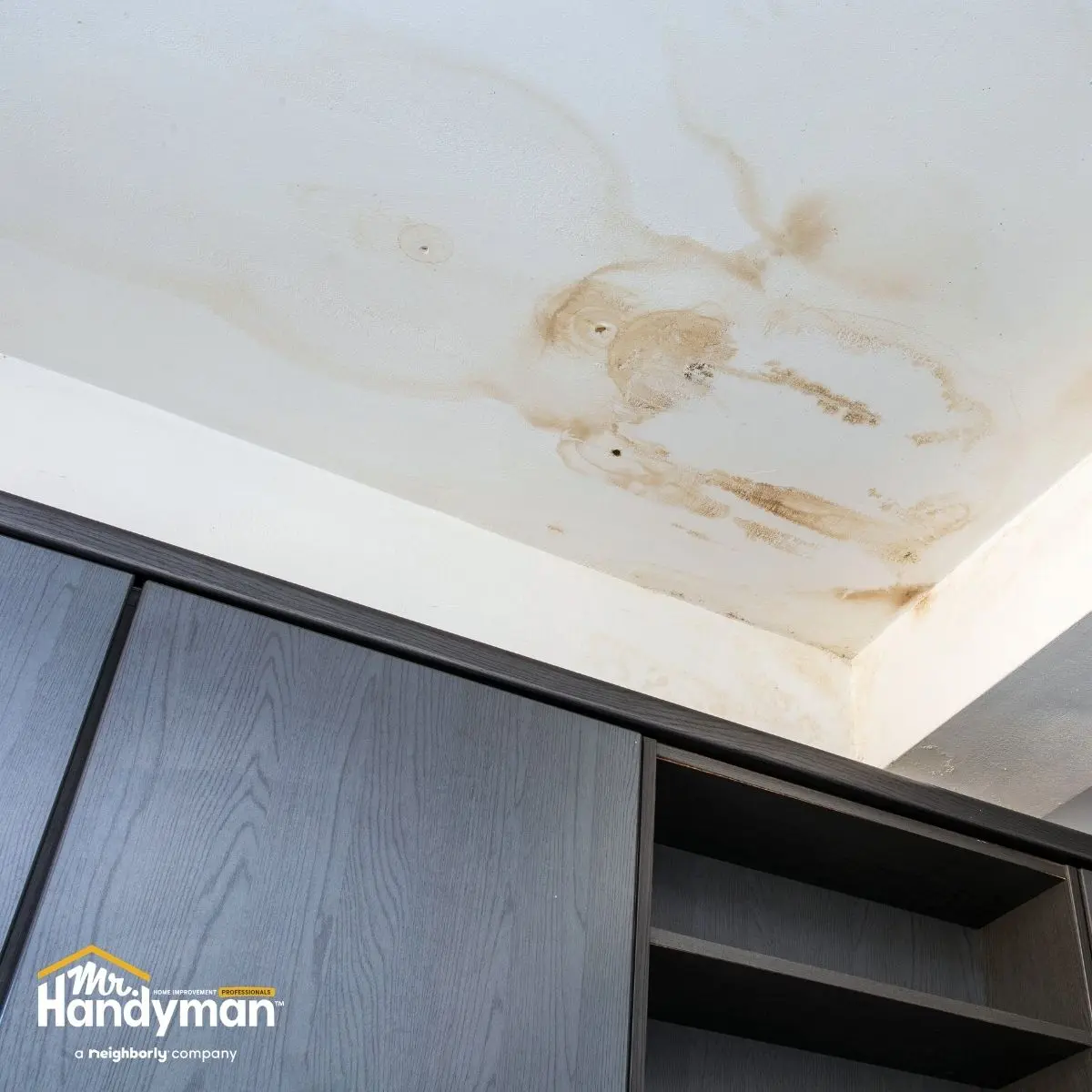
Winter's effects on a Lowcountry home aren't limited to the exterior. Moisture, temperature cycling, and biological growth work their way into interior spaces through the building envelope, crawl spaces, and attic areas that connect the exterior environment to the living space.
Ceilings are the interior surface most directly connected to what happens at roof level and should be the first stop in any post-winter interior check. New staining, softness in the drywall surface, or paint that has bubbled and separated all indicate water entered from above during winter rain events. Painting over the stain without addressing the source is one of the most common and counterproductive responses to this finding — the stain returns, and the damage behind it continues advancing.
Walls adjacent to exterior surfaces deserve close inspection for the same moisture-related conditions. Bubbling or peeling interior paint near windows, exterior doors, or at the base of exterior walls indicates moisture infiltration through the building envelope. In the Lowcountry, this pattern is particularly common at window perimeters where exterior caulking has failed during winter. The interior paint failure is the visible symptom of an exterior condition that needs to be addressed from outside before any interior surface repair makes sense.
Crawl spaces require post-winter inspection in virtually every Lowcountry home that has them. Standing water or saturated soil indicates drainage around the foundation isn't managing seasonal rainfall adequately. Displaced or incomplete vapor barriers allow ground moisture to migrate upward into floor framing. Insulation sagging away from the floor structure has lost its effectiveness and is holding moisture against the wood it was meant to protect. Each of these conditions advances further with every rain season that passes without attention.
Mechanical Systems That Need Post-Winter Attention
HVAC systems running primarily in heating mode through winter need attention before the cooling season begins. Filter replacement is the minimum — filters loaded with a winter's worth of debris restrict airflow and force the system to work harder than necessary. The outdoor condensing unit should also be inspected and cleared of debris, damaged fins, and any vegetation that has grown against it during the cooler months.
Exterior hose bibs are among the most common freeze damage locations in the region. A hose bib damaged by a brief winter freeze may appear functional when operated but may be leaking inside the wall where the pipe cracked. Running each hose bib and checking inside the wall cavity or crawl space for any evidence of moisture confirms whether the fitting is intact before the outdoor watering season begins.
Plumbing supply lines in uninsulated exterior walls, crawl spaces, and attic spaces deserve a post-winter check for joint weeping, staining around fittings, or soft spots in surrounding materials. The Lowcountry's occasional brief freezes don't produce the dramatic pipe failures of colder climates — they produce slow leaks at vulnerable points that cause progressive damage before they're discovered.
Wood Rot, Pest Activity, and Biological Growth

Three post-winter conditions specific to the Lowcountry consistently appear in spring assessments and require direct attention before the season advances.
Wood rot in exterior trim — fascia boards, soffit panels, window sills, door frames, and column bases — is among the most common post-winter findings in the region. The combination of moisture exposure and temperatures that keep wood-decaying organisms active through much of winter means rot progresses faster here than in colder climates. Probing suspicious areas with a sharp tool distinguishes surface rot that is still repairable with consolidants and filler from through-rot that has compromised the member enough to require replacement.
Pest activity doesn't pause for winter in the Lowcountry. Termites, carpenter ants, and other wood-destroying organisms remain active through the region's mild winters, and spring assessment often reveals activity that has been progressing through the cooler months. Signs include frass deposits, mud tubes on foundation walls, and the soft hollow sound of tapping on compromised wood. Any of these findings warrant professional pest assessment before structural repairs are made — repairing wood with an active infestation produces repairs that are damaged again before the season ends.
Biological growth on exterior surfaces continues developing through Lowcountry winters rather than dying back as it would in colder climates. By spring, surfaces that weren't cleaned before winter may carry a full year of algae, mildew, and lichen growth that has been working into surface pores and under paint films. Pressure washing those surfaces before any paint or caulking repair work begins removes the biological material that would otherwise compromise adhesion and cause new work to fail prematurely.
FAQs About Post-Winter Repairs in Charleston and Summerville
How do I know if winter damage is cosmetic or structural?
Cosmetic damage affects appearance without compromising building performance — surface paint failure on a sound substrate, for example. Structural damage affects the performance of a building component — rot that has compromised a fascia board's ability to support gutters, or subfloor deterioration from crawl space moisture. Probing suspicious areas and assessing whether materials have maintained their firmness is the most reliable field test. Professional assessment is worthwhile when the finding is ambiguous.
What post-winter repair should be prioritized above all others?
Any condition allowing water to enter the building envelope should lead all other priorities. Roof flashing failures, failed caulking at window and door perimeters, and gutters directing water against the foundation all advance with every rain event. Addressing moisture entry points first protects everything else in the building from the damage that uncontrolled infiltration produces.
Is spring the right time to address all winter damage?
Spring is the right time for the vast majority of post-winter repairs, and earlier is better than later. The goal is to address conditions before heavy spring rain events advance existing damage further. Exterior paint and caulking applications perform best in the moderate temperatures and lower humidity of early spring — conditions that deteriorate as summer arrives.
How much should I expect post-winter repairs to cost?
Routine post-winter maintenance — gutter cleaning, caulking refresh, minor paint touch-up — represents a modest annual expenditure. Deferred maintenance that has allowed conditions to advance costs substantially more. The consistent finding is that earlier intervention costs significantly less than later intervention for the same underlying condition, which is the most practical argument for addressing post-winter findings promptly.
Should I have a professional inspect my home or can I do it myself?
A homeowner walk-through surfaces most visible post-winter conditions effectively. Gutter condition, paint and caulking failure, interior staining, and accessible crawl space conditions are all assessable without specialized tools. Conditions involving roof surfaces, potential structural concerns, or mechanical systems benefit from professional assessment — particularly when a condition's cause isn't clear from the visible symptoms alone.
Start Spring Right With Mr. Handyman of Charleston and Summerville
Winter leaves its mark on every building in the Lowcountry, and the property owners who address those marks early protect their homes through the demanding season that follows. The repairs that seem minor in March become significantly more consequential after another season of spring storms has worked on conditions that weren't addressed.
Mr. Handyman of Charleston and Summerville provides thorough post-winter assessments and skilled repair work that Lowcountry properties need as the season turns. From gutter cleaning and caulking refresh to wood rot repair, crawl space assessment, and the full range of post-winter maintenance that keeps buildings performing as they should, our technicians bring the regional knowledge and hands-on experience the work requires.
Mr. Handyman of Charleston and Summerville 🌐 www.mrhandyman.com/charleston-summerville
Schedule your post-winter inspection or request a repair assessment today. The best time to address what winter left behind is before spring's rain season makes those conditions everyone's priority at once.
